Quick Answer: What Does Fleece Look Like?
What does fleece look like? Fleece is a soft, plush fabric that resembles the texture of sheep’s wool but is made from synthetic fibers like polyester. It has a fuzzy, velvety surface on one or both sides, giving it a cozy and warm feel.
Available in a range of colors, densities, and finishes, fleece is popular in clothing, throws, and fleece blankets wholesale markets. Its appearance depends on the type—microfleece, polar fleece, or sherpa fleece—but all share the same warm, fluffy, and lightweight look that defines the material.
Now let’s dive deeper.
Understanding the Look and Feel of Fleece
When you hear the word fleece, you might instantly think of comfort—soft jackets, warm throws, or cozy winter blankets. But what does fleece actually look like? The answer goes beyond its visible fluff. Fleece is known for its unique texture, its insulating structure, and its adaptability to various styles and uses.
Originally inspired by natural wool, fleece has evolved into one of the most versatile fabrics in modern textiles. Whether you’re shopping for winter wear, home décor, or fleece blankets wholesale, understanding its visual and tactile characteristics helps you make better purchasing and design decisions.
1. The Visual Appearance of Fleece
At first glance, fleece looks like a cross between wool and velvet. It has a fluffy, dense, and smooth surface, which can range from short-napped (fine texture) to long-pile (thicker and plusher). The fibers are brushed to create a soft nap, giving it a slightly matte finish with a gentle sheen under light.
Depending on the manufacturing process, fleece can look:
- Matte and soft – typical of microfleece used in jackets and lightweight clothing.
- Thick and fluffy – common in polar fleece, often used for winter blankets.
- Shaggy or wool-like – seen in sherpa or faux-sheepskin fleece.
When stacked or folded, fleece fabric looks dense and voluminous, yet lightweight—an appearance that conveys instant warmth and comfort.
2. The Texture and Touch of Fleece
While fleece’s look is distinctive, its feel is what makes it unforgettable. When you run your hand across a piece of fleece, it feels:
- Soft and plush, like brushed cotton or fur.
- Smooth yet slightly fuzzy, giving a sense of coziness.
- Warm to the touch, because the fibers trap air and retain body heat.
These tactile qualities are enhanced in fleece blankets wholesale products, which are often designed for comfort and durability. Many suppliers double-brush the surface to increase softness, resulting in blankets that are both luxurious and practical.
3. Types of Fleece and Their Distinct Looks
Not all fleece fabrics look the same. Manufacturers produce different types based on fiber thickness, brushing technique, and intended use. Here’s how each type stands out visually and texturally:
a. Polar Fleece
- Look: Thick, dense, and velvety surface.
- Feel: Extremely soft, warm, and insulating.
- Use: Ideal for winter clothing, outerwear, and fleece blankets wholesale manufacturing.
b. Microfleece
- Look: Thin, sleek, and lightweight with a subtle shine.
- Feel: Smooth and breathable while maintaining warmth.
- Use: Activewear, lightweight blankets, and inner linings.
c. Sherpa Fleece
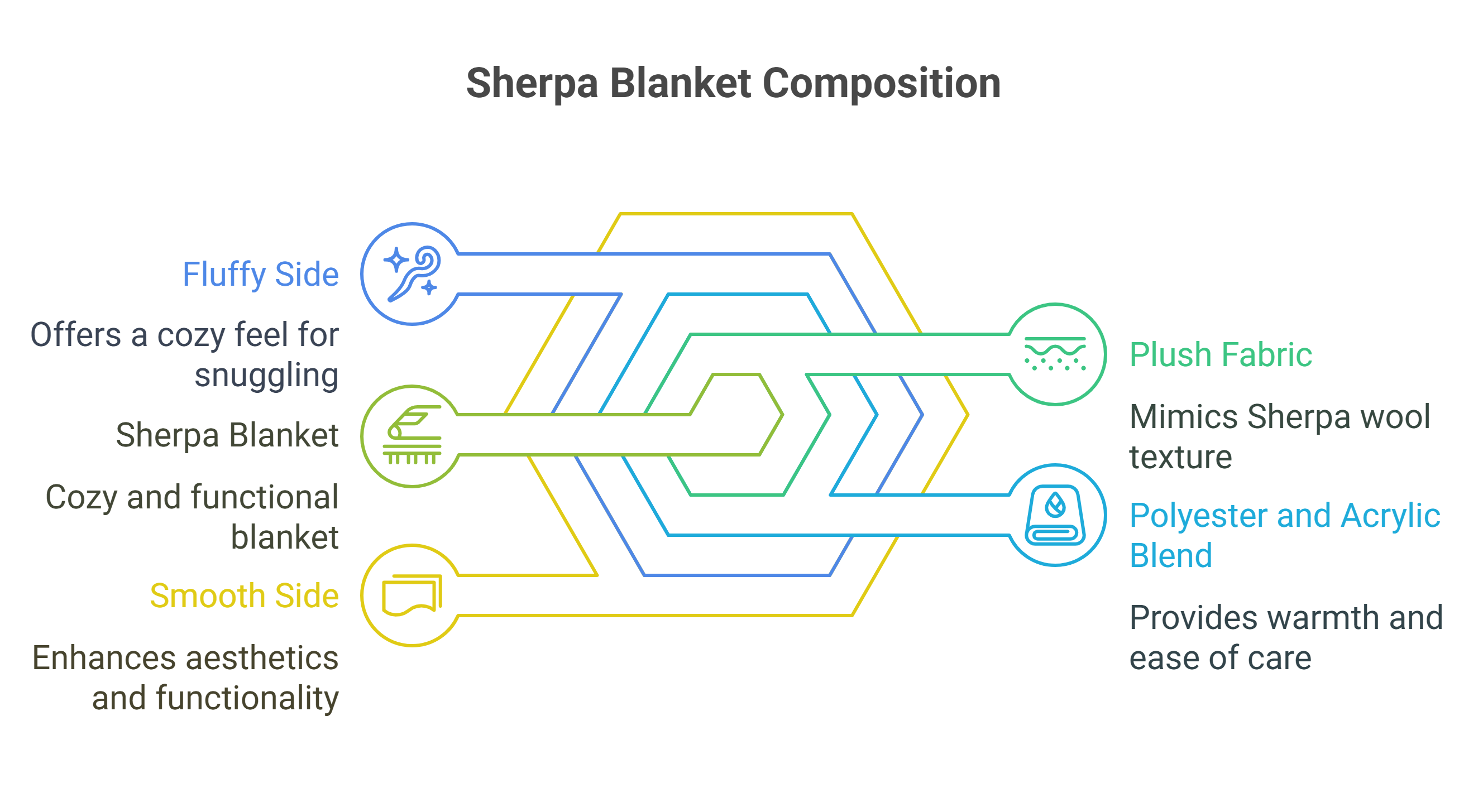
- Look: Fluffy, curly, and wool-like—often white or cream-colored.
- Feel: Super soft and textured, similar to lamb’s wool.
- Use: Lining for jackets, hoodies, and luxury throws.
d. Coral Fleece
- Look: Glossy and fine-textured with a slightly slippery surface.
- Feel: Extremely soft and silky, with a richer appearance.
- Use: Premium-grade fleece blankets wholesale or baby blankets.
4. How Fleece Is Made: The Source of Its Signature Look
Fleece fabric is primarily made from polyester fibers—derived from recycled plastic bottles or synthetic polymers. The fibers are woven into fabric, then brushed with fine metal brushes to raise the surface fibers and create the soft, plush nap we recognize as fleece.
This brushing process:
- Loosens surface fibers, giving fleece its fuzzy look.
- Increases thickness and softness.
- Helps trap air for insulation.
Some high-quality fleeces go through a double-brushing process, making both sides equally soft—ideal for reversible blankets or jackets. In fleece blankets wholesale production, this ensures consistency and comfort across large quantities.
5. Color and Pattern Variations
Visually, fleece offers remarkable diversity. Because polyester absorbs dye well, manufacturers produce fleece in a wide spectrum of colors and prints—from classic solids to vibrant patterns and even custom branding.
Common options include:
- Solid colors (navy, gray, red, or cream) for minimalist appeal.
- Plaid and geometric patterns for home blankets.
- Custom logo printing for promotional or wholesale purposes.
This adaptability makes fleece a favorite for businesses that buy in bulk, especially for personalized fleece blankets wholesale collections aimed at retail or corporate gifting.
6. How Fleece Compares Visually to Other Fabrics?
To understand what fleece looks like, it helps to compare it with other fabrics that serve similar purposes:
| Fabric | Appearance | Key Difference |
|---|---|---|
| Wool | Natural matte with visible fibers | Fleece is smoother and more uniform |
| Cotton | Flat and non-fluffy | Fleece has a raised nap |
| Velvet | Glossy and sleek | Fleece is thicker and less shiny |
| Flannel | Brushed but thinner | Fleece is denser and softer |
While each fabric has its charm, fleece stands out for its balance of softness, durability, and warmth without being heavy.
7. Durability and Maintenance: Why Fleece Keeps Its Look?
One of the biggest advantages of fleece is how well it maintains its appearance over time. Unlike wool, it doesn’t pill easily or lose shape after washing—especially when properly cared for.
- Wash Care: Machine washable in cold water, air dry recommended.
- Longevity: Maintains softness and color even after multiple washes.
- Resistance: Repels moisture and dries faster than most natural fabrics.
These qualities make fleece a go-to choice for businesses dealing in fleece blankets wholesale, where maintaining consistent product quality across batches is crucial.
8. Why Fleece Looks Cozy—The Science Behind It
The warmth and cozy look of fleece come from its air-trapping structure. Each fiber forms a micro-layer of insulation that keeps heat in and cold out. The result? A visually thick and inviting material that conveys warmth even before you touch it.
Moreover, fleece’s light-reflective properties give it a gentle, comforting glow. It’s the perfect balance of function and aesthetic—ideal for winter apparel, loungewear, and home blankets.
9. Applications That Showcase Its Look Best
Fleece’s soft, appealing look makes it suitable for both functional and decorative use:
- Apparel: Jackets, hoodies, gloves, and scarves.
- Home décor: Throws, cushion covers, and bedding.
- Promotional products: Custom fleece blankets wholesale with logos or embroidery.
- Outdoor gear: Camping and travel blankets due to their lightweight and quick-dry nature.
Its blend of visual warmth and practical value continues to make fleece a favorite across industries.
Final Thoughts
So, what does fleece look like? Think of something soft, plush, and visually comforting—like the fabric version of a warm hug. It’s lightweight yet full-bodied, matte yet vibrant, and cozy enough to make any space feel inviting.
Whether you’re shopping for winter essentials or sourcing fleece blankets wholesale for your business, recognizing quality fleece is simple: look for a dense nap, even texture, and softness that lasts beyond the first wash.
Fleece isn’t just a fabric—it’s a feeling, a texture, and a look that defines warmth in every sense.
 Peachfurblog | Wholesale & Bulk Blankets
Leave a comment