Archive | April, 2025

How to Wash Fleece?

23 Apr

Quick Answer: How to Wash Fleece?

How to Wash Fleece? The best way is to wash it gently in cold water with a mild detergent, avoiding bleach or fabric softeners that can damage fibers. Always use a delicate cycle if machine washing, or hand wash for extra care.

Air drying is recommended to maintain softness and prevent pilling, but if you must use a dryer, stick to low heat. Proper washing helps fleece maintain its warmth, softness, and durability for years.

Now let’s dive deeper.

Why Proper Washing Matters?

Fleece has become one of the most popular fabrics in our wardrobes and homes, thanks to its lightweight warmth, breathability, and soft texture. From cozy blankets to jackets, hoodies, and even hats, fleece is everywhere. But with frequent use comes the inevitable question: How to Wash Fleece?

Unlike cotton or denim, fleece requires a bit of extra care. Wash it the wrong way, and you’ll end up with pilling, rough texture, or reduced insulation. Wash it correctly, and fleece stays plush, vibrant, and long-lasting. Let’s explore everything you need to know about keeping fleece in top condition.

Understanding Fleece: What Makes It Unique?

Before diving into washing methods, it’s useful to understand what fleece actually is. Fleece is a synthetic fabric, usually made from polyester fibers. It mimics the warmth and softness of wool while remaining lighter and more breathable.

The structure of fleece is designed to trap air, providing insulation without adding bulk. However, this same structure makes fleece vulnerable to damage from harsh washing techniques, high heat, or strong detergents.

That’s why learning the right way to wash fleece is essential if you want your favorite items to last.

Preparing Fleece for Washing

Just like cooking a recipe, preparation is key. Here’s what you should do before washing fleece:

  • Check the Care Label: Each fleece product might have slight variations in recommended care.
  • Close Zippers and Fasteners: This prevents snagging during the wash cycle.
  • Turn Inside Out: This reduces friction and helps protect the outer surface.
  • Shake Off Loose Dirt: Especially for outdoor fleece, brushing off dirt before washing is helpful.

Simple preparation steps can extend the life of your fleece garments or blankets.

Machine Washing Fleece

For most fleece items, machine washing is safe—as long as you follow the golden rules.

  1. Use Cold Water: Hot water can damage fibers and shrink the material.
  2. Select a Gentle Cycle: Harsh spins increase friction and can cause pilling.
  3. Use Mild Detergent: Avoid bleach and fabric softeners. They break down fleece fibers.
  4. Wash Alone or with Similar Fabrics: Washing fleece with jeans or towels can cause abrasion.

By following these guidelines, your fleece will come out of the machine as soft as when you first bought it.

Hand Washing Fleece

If you want to take extra care—or if the care label recommends it—hand washing is the best option.

  • Fill a basin with cold water.
  • Add a small amount of mild detergent.
  • Submerge the fleece and gently agitate with your hands.
  • Rinse thoroughly until all soap is removed.
  • Press out excess water without wringing.

Hand washing reduces stress on the fibers and preserves the plush quality of the fleece.

Drying Fleece the Right Way

Drying can make or break fleece care. High heat is the enemy, so always dry with caution.

  • Air Dry: Lay the fleece flat on a clean towel or hang it in a well-ventilated space. This is the safest method.
  • Tumble Dry Low: If you must use a dryer, keep it on the lowest heat setting and remove the fleece promptly to prevent overheating.

Avoid ironing fleece altogether. The heat can melt the synthetic fibers and permanently ruin the texture.

How to Prevent Pilling on Fleece?

Pilling—the formation of tiny fabric balls—is one of the most common fleece problems. Here’s how to minimize it:

  • Turn fleece inside out before washing.
  • Wash with similar soft fabrics only.
  • Avoid overloading the washing machine.
  • Skip fabric softeners, as they coat fibers and worsen pilling.

If pills do appear, gently remove them with a fabric shaver or pill remover.

Stain Removal Tips for Fleece

Stains can be tricky, but fleece responds well to careful treatment:

  • Oil or Grease: Dab with a bit of dish soap before washing.
  • Mud: Let it dry completely, then brush off before washing.
  • Food Stains: Spot treat with mild detergent and cold water.

Never rub stains harshly. Patting or blotting prevents fiber damage.

How Often Should You Wash Fleece?

Frequency depends on usage. Jackets and hoodies can go several wears before washing, while fleece blankets may need more frequent cleaning if used daily. Washing too often wears out the fibers faster, so only wash when necessary.

Fleece and Sustainability

One growing concern with fleece is microplastic pollution. Polyester fleece can shed microfibers into water during washing. To minimize this, you can:

  • Use a washing bag designed to catch microfibers.
  • Wash less frequently.
  • Choose fleece made from recycled polyester for a greener option.

By caring for fleece responsibly, you’re not only protecting your clothing but also the environment.

Final Thoughts

So, How to Wash Fleece? The answer is with care, patience, and the right techniques. By washing in cold water, using gentle detergent, and drying at low temperatures, you’ll preserve the softness and durability that makes fleece such a beloved fabric.

Whether it’s your favorite hoodie, a beloved blanket, or outdoor gear, proper fleece care ensures years of comfort. Taking small steps like turning garments inside out or air drying can make all the difference.

In the end, learning How to Wash Fleece? isn’t just about cleaning a fabric—it’s about protecting comfort, quality, and sustainability in the long run.

How Much Fabric Do You Need for a Tie Blanket?

23 Apr

Quick Answer: How Much Fabric Do You Need for a Tie Blanket?

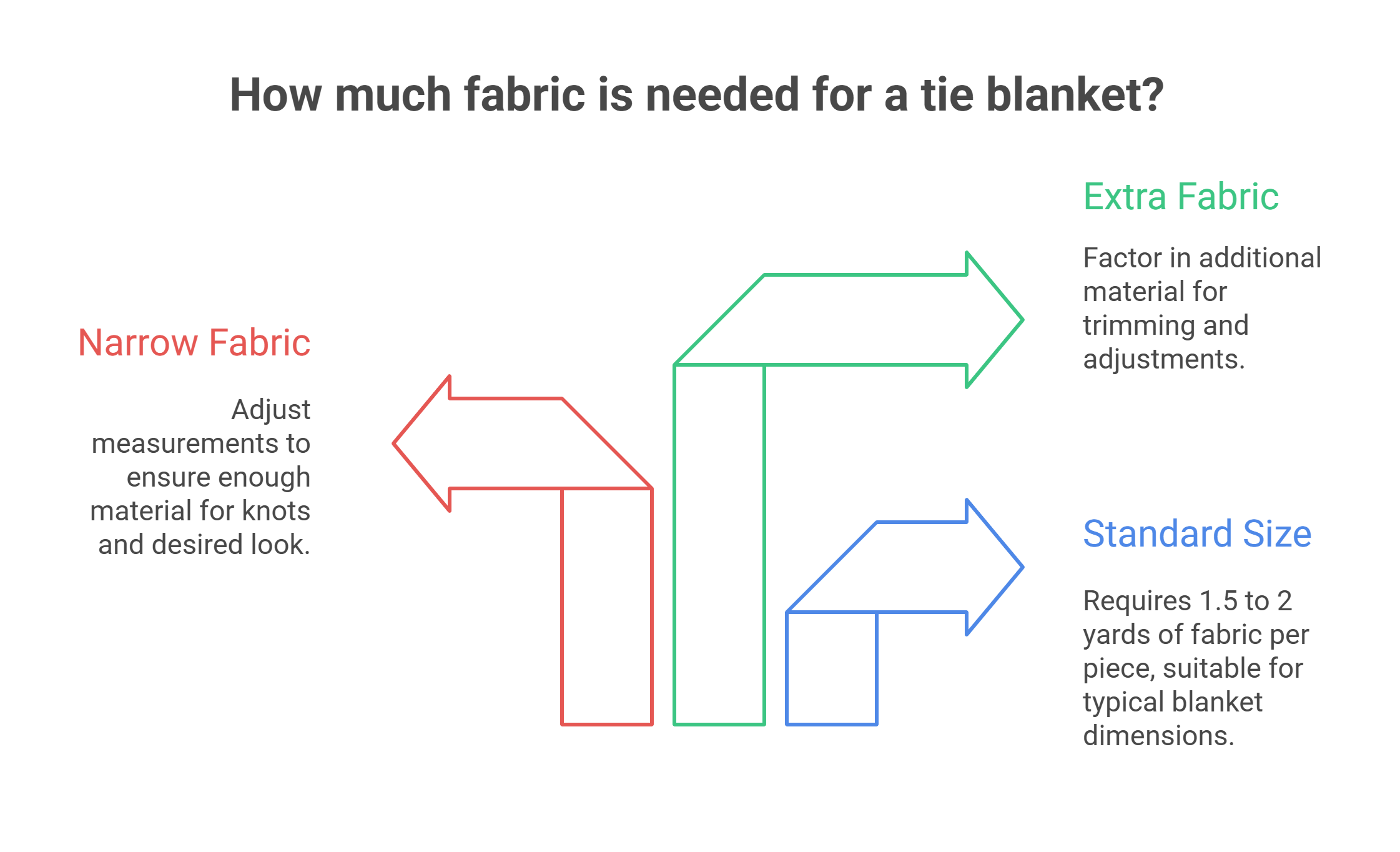
How much fabric do you need for a tie blanket? The standard requirement is two pieces of fleece fabric, each measuring around 2 yards (72 inches long) for a throw-sized blanket.

That means you’ll typically need 4 yards total—two layers of the same size—though the amount can vary based on your desired blanket size.

Now let’s dive deeper.
The Crafting Appeal of Tie Blankets

Tie blankets have become a favorite DIY project among crafters and families. They’re simple to make, require no sewing, and result in a cozy, personalized blanket perfect for gifts, décor, or everyday use. But before the scissors and fabric come out, one question stands at the center: how much fabric do you need for a tie blanket?

The answer isn’t one-size-fits-all, because it depends on the type of blanket you want to create—whether it’s a baby-sized comforter or a large bedspread. Let’s break down the fabric requirements, step-by-step, to help you plan your project with confidence.

Understanding the Tie Blanket Basics

A tie blanket is made from two equal layers of fabric, most often fleece, tied together along the edges. The ties replace stitching, giving the blanket a handmade charm while saving hours of sewing.

The essential components include:

  • Two Layers of Fabric: Typically fleece, for softness and durability.
  • Scissors or Rotary Cutter: For cutting fringe.
  • Measuring Tools: To ensure both layers align perfectly.

Because the blanket requires two layers, the fabric yardage needed doubles compared to a single-layer blanket.

Standard Fabric Yardage for Tie Blankets

When asking how much fabric do you need for a tie blanket?, most projects fall into these common size categories:

  1. Baby Blanket:
    • Fabric Needed: 1–1.5 yards per piece (2–3 yards total).
    • Finished Size: About 30″ x 36″.
    • Perfect for newborn gifts or stroller blankets.
  2. Child/Small Throw:
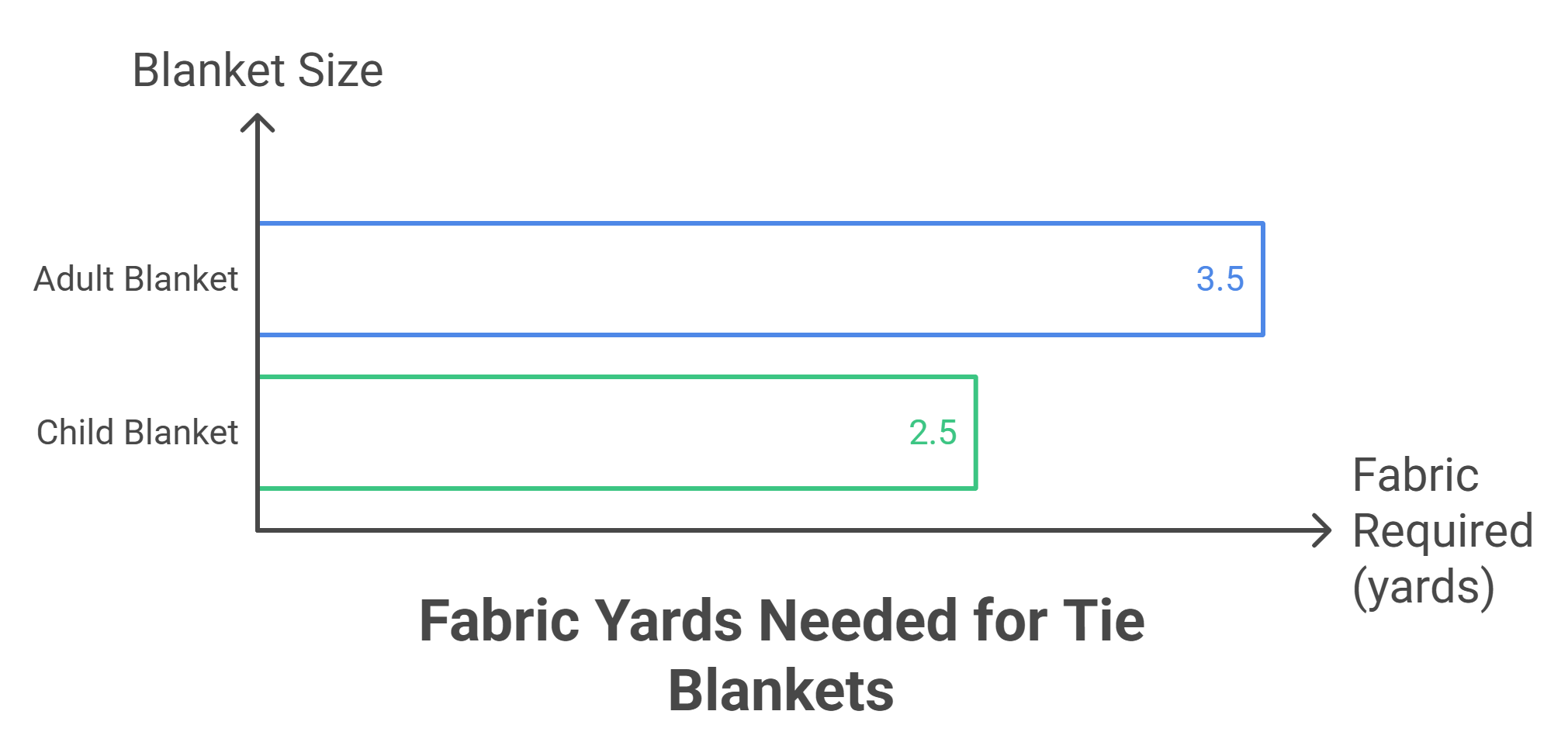
    • Fabric Needed: 1.5–2 yards per piece (3–4 yards total).
    • Finished Size: Around 48″ x 60″.
    • Great for kids’ beds or couch throws.
  3. Adult Throw Blanket:
    • Fabric Needed: 2 yards per piece (4 yards total).
    • Finished Size: 60″ x 72″.
    • The most popular tie blanket size for everyday use.
  4. Queen/King Bed Blanket:
    • Fabric Needed: 2.5–3 yards per piece (5–6 yards total).
    • Finished Size: 90″ x 108″ or larger.
    • Best for oversized or shared blankets.

Fabric Type: Why Fleece is the Top Choice?

Although technically you can use other fabrics, fleece has become the standard for tie blankets. Here’s why:

  • No Fraying: Fleece edges don’t unravel, making it ideal for fringe ties.
  • Softness & Warmth: Cozy texture that stays warm yet breathable.
  • Durability: Holds shape well even after repeated washes.
  • Color Variety: Available in endless patterns, prints, and solid colors.

Choosing fleece ensures your tie blanket not only looks good but also lasts.

Step-by-Step: Measuring and Preparing Your Fabric

To avoid mistakes, measure carefully:

  1. Choose the Blanket Size: Decide if you’re making baby, throw, or bed-sized.
  2. Buy Equal Yardage: Both fabric pieces should be identical in length and width.
  3. Trim the Edges: Square off fabric to remove factory edges.
  4. Cutting the Fringe: Standard fringes are 4–6 inches long and about 1 inch wide.
  5. Tie Securely: Double knots hold best, ensuring your blanket lasts through use and washes.

By measuring correctly, you’ll never have to second-guess how much fabric do you need for a tie blanket?

Customizing the Blanket Size

Not every project fits neatly into standard categories. If you want a lap blanket, for instance, you might only need 1 yard per layer. For oversized throws, you might stretch to 2.25 yards.

Some crafters even create square tie blankets (equal width and length), perfect for decorative throws. To calculate yardage, simply match your desired dimensions with available fabric widths, which usually range between 54–60 inches for fleece.

Tips for Buying Fabric

When buying fabric for tie blankets:

  • Always Round Up: Extra fabric leaves room for cutting errors.
  • Shop Sales: Fleece often goes on sale at craft stores, making large projects affordable.
  • Mix and Match: Choose contrasting patterns for one side and solid colors for the other.
  • Check Fabric Widths: Wider bolts reduce yardage requirements for oversized blankets.

If you’re planning multiple blankets, buying in bulk ensures consistency and cost savings.

Cost Considerations

Fabric costs vary, but fleece typically ranges from $5–$12 per yard, depending on quality and design. For a standard adult throw requiring 4 yards total, your material cost may land between $20 and $50. Adding tools or decorative elements could increase this slightly, but overall, tie blankets remain a budget-friendly project with high personal value.

Common Mistakes to Avoid

  1. Uneven Yardage: Buying mismatched lengths leads to frustration.
  2. Skipping Measurements: Eyeballing fabric can result in uneven edges.
  3. Ties Too Short: Short fringes come undone easily.
  4. Not Washing Fabric First: Pre-washing prevents shrinkage and smell retention.

Avoiding these mistakes ensures your tie blanket is both functional and beautiful.

Creative Variations of Tie Blankets

Tie blankets don’t have to follow tradition. You can try:

  • Double-Sided Patterns: Fun prints on both layers.
  • Appliqué Additions: Adding patches or embroidery before tying.
  • Themed Blankets: Seasonal, sports, or holiday designs.
  • Shaped Tie Blankets: Heart or circular patterns for unique gifts.

These customizations make each blanket unique and perfect for gifting.

Final Thoughts

So, how much fabric do you need for a tie blanket? For most throw-sized projects, the answer is 2 yards per layer, or 4 yards total. But the right amount ultimately depends on who you’re making it for and how large you want it. By planning your project size, shopping smart, and measuring carefully, you’ll end up with a blanket that’s not only practical but also personal.

Tie blankets are one of the simplest, most rewarding DIY crafts—you just need the right amount of fabric to begin.
What Material is Fleece?

23 Apr

Quick Answer: What Material is Fleece?

What Material is Fleece? Fleece is a soft, lightweight, and insulating fabric made primarily from synthetic fibers such as polyester. Unlike wool, which comes from animal sources, fleece is entirely man-made, designed to mimic the warmth and softness of natural fibers while being easier to care for.

It is breathable, quick-drying, and widely used in jackets, blankets, and activewear.

Now let’s dive deeper.

The Popularity of Fleece

Few fabrics have gained as much global recognition as fleece. It’s soft to the touch, incredibly warm without being heavy, and versatile enough to be used in clothing, home textiles, and even accessories. The question “What Material is Fleece?” often arises because of its unique feel—similar to wool yet completely different in composition.

Fleece has earned its reputation as the fabric of choice for outdoor enthusiasts, athletes, and everyday comfort seekers. But what really makes fleece so popular? The answer lies in its origin, properties, and applications.

The Origins of Fleece

Fleece, as we know it today, was first introduced in the late 1970s and popularized in the 1980s by companies that saw the potential of synthetic fibers in textiles. The innovation came from engineers who wanted a lightweight alternative to wool that could provide warmth without retaining moisture.

The fabric quickly took off, particularly in activewear, because it could insulate the body while staying light and breathable. Over time, fleece has evolved into different variations, including microfleece, polar fleece, and sherpa fleece.

What Material is Fleece Made From?

The core component of fleece is polyester, a synthetic fiber derived from petroleum-based products. The process involves melting plastic and spinning it into fine fibers, which are then woven or knitted into fabric. After this, the fabric undergoes brushing to create its signature soft and fluffy texture.

While traditional fleece relies on polyester, modern variations sometimes incorporate recycled plastic bottles, blends with cotton, or even natural fibers to enhance sustainability.

Here’s a breakdown:

  • 100% Polyester Fleece: The most common type, known for durability and warmth.
  • Blended Fleece: Mixed with cotton or spandex for added softness and stretch.
  • Recycled Fleece: Made from post-consumer recycled materials, an eco-friendlier option.

This synthetic origin explains why fleece is so versatile and widely available across industries.

Properties That Make Fleece Stand Out

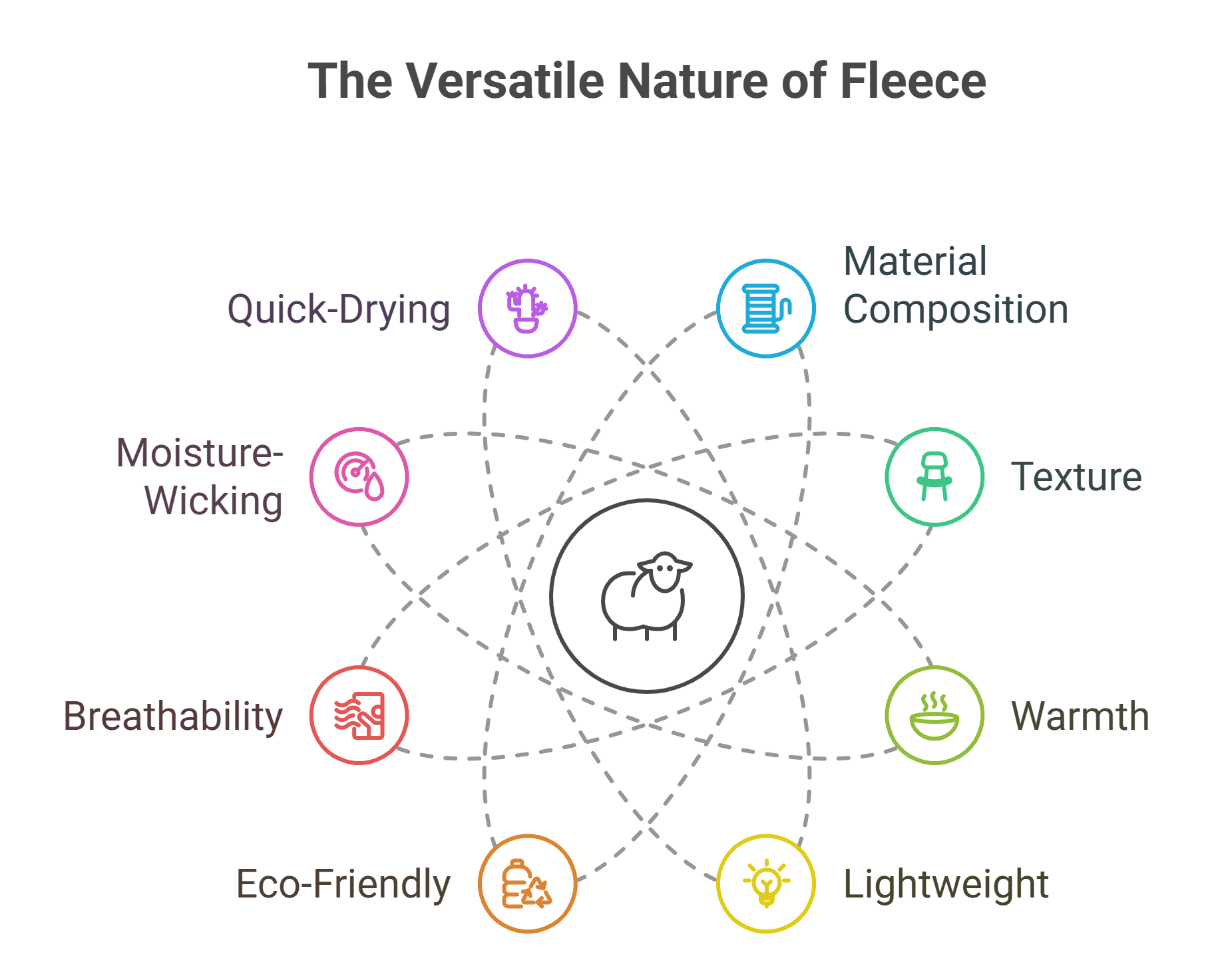
Fleece became a global favorite because of its unique characteristics:

  • Lightweight: Offers warmth without heaviness.
  • Breathable: Allows air circulation, preventing overheating.
  • Quick-Drying: Unlike cotton, it dries rapidly after washing or sweating.
  • Moisture-Wicking: Pulls moisture away from the body, keeping the wearer dry.
  • Soft Texture: Its brushed surface provides a cozy, plush feel.
  • Durability: Resistant to shrinking and stretching, unlike wool or cotton.

These properties make fleece an attractive material not only for fashion but also for performance gear.

Applications of Fleece

Fleece is found in countless products, both functional and decorative. Common uses include:

  • Clothing: Jackets, hoodies, gloves, scarves, hats, and joggers.
  • Activewear: Base layers, hiking gear, and sportswear for colder climates.
  • Home Textiles: Blankets, throws, cushion covers, and bedding.
  • Accessories: Pet clothing, baby items, and casual shoes.

Because fleece is affordable to produce, manufacturers can use it across a wide range of consumer markets.

Fleece vs. Wool: Key Differences

While fleece often gets compared to wool, there are major distinctions:

  • Source: Wool is natural, fleece is synthetic.
  • Weight: Fleece is lighter.
  • Care: Fleece is machine-washable, wool requires delicate care.
  • Moisture: Wool absorbs water, fleece resists it.
  • Allergies: Fleece is hypoallergenic, wool can irritate sensitive skin.

This comparison shows why fleece is often chosen as a practical alternative to wool, especially in affordable apparel and home goods.

Midpoint Use of Keyword

Many people ask, “What Material is Fleece?” because they associate its fluffy softness with natural fibers like wool. However, fleece’s man-made polyester origin allows it to deliver warmth and comfort while being easier to maintain. This makes fleece particularly useful for activewear brands that want functional fabrics without high costs. Its synthetic composition is precisely what gives fleece its moisture resistance and durability, setting it apart from traditional natural fibers.

Sustainability and Fleece

One common concern about fleece is its environmental footprint. Since polyester is derived from petroleum, it is not biodegradable. Additionally, fleece garments can shed microplastics during washing.

However, the textile industry is working toward more sustainable solutions:

  • Recycled Polyester: Turning plastic bottles into fleece fabric.
  • Eco-Friendly Dyes: Reducing water and chemical waste.
  • Blended Options: Combining recycled fibers with organic cotton.

These steps make fleece more environmentally responsible while retaining its desirable qualities.

How to Care for Fleece?

Caring for fleece ensures it stays soft and functional over time:

  • Wash Cold: Prevents fibers from weakening.
  • Mild Detergent: Avoids harsh chemicals.
  • Air Dry: Preserves fluffiness and reduces energy use.
  • Avoid Heat: High temperatures can damage fibers.
  • Gentle Brushing: Restores its plush surface if it mats.

Following these tips helps fleece garments and blankets maintain their texture and warmth for years.

Why Consumers Love Fleece?

The popularity of fleece is rooted in both practicality and emotion. It feels comforting on a cold day, it’s affordable compared to natural alternatives, and it adapts to countless styles. For many households, fleece blankets and jackets are not just items—they’re associated with coziness, relaxation, and warmth.

Its affordability also means consumers can enjoy multiple fleece products without breaking the bank, making it a reliable choice for families, students, and outdoor enthusiasts alike.

Final Thoughts

So, What Material is Fleece? It is a synthetic, polyester-based fabric designed to offer the softness of wool without its downsides. Lightweight, durable, and versatile, fleece has become a staple in homes and wardrobes worldwide. Its ability to combine warmth with breathability makes it unique, while innovations like recycled polyester are addressing environmental concerns.

For anyone curious about its composition and uses, fleece is not just a fabric—it’s a solution for comfort, style, and practicality that continues to evolve with modern needs.

How Many Yards of Fabric for a Tie Blanket?

23 Apr

Quick Answer: How Many Yards of Fabric for a Tie Blanket?

If you’re wondering how many yards of fabric for a tie blanket are needed, the answer depends on your desired size. Typically, a standard adult tie blanket requires 2 yards of fleece fabric per side (4 yards total), while a child-sized version may only need 1.5 yards per side.

When buying materials, consider sourcing fleece blankets wholesale or fleece blankets bulk to save on cost and ensure consistent fabric quality. This approach is perfect for families, crafters, or anyone planning multiple DIY blanket projects.

Now let’s dive deeper.

Why Tie Blankets Are Everyone’s Favorite DIY Project?

Tie blankets are one of the simplest and most rewarding craft projects you can make at home. They’re soft, warm, customizable, and—best of all—require no sewing skills. Whether you’re creating a personalized gift, adding cozy décor to your home, or organizing a community craft day, a tie blanket offers endless possibilities.

However, one of the most common questions crafters ask is: How many yards of fabric do I need for a tie blanket? The answer isn’t one-size-fits-all—it depends on the blanket’s intended size, fabric type, and design preferences. In this blog, we’ll cover everything you need to know—from exact yardage recommendations to tips for choosing fleece, cutting, and tying it neatly.

1. Understanding the Tie Blanket Concept

A tie blanket is typically made using two layers of fleece fabric, tied together along the edges to form a soft, double-sided blanket. The knots secure both layers without any stitching required. The beauty of this DIY project lies in its flexibility—you can adjust the blanket size, pattern, and color scheme to fit any purpose.

Why Fleece Is Ideal?

Fleece is the top choice for tie blankets because it:

  • Doesn’t fray when cut
  • Feels soft and warm
  • Comes in a wide variety of colors and patterns
  • Stretches slightly, making it easier to tie

Whether you’re making one for a baby or an adult, fleece ensures durability and comfort for years.

2. Determining How Many Yards of Fabric You Need

The yardage you need depends on the blanket size you want. Below is a quick reference guide to help you choose the right amount of fabric:

Blanket TypeDimensions (Approx.)Fabric Needed per SideTotal Fabric (2 Layers)
Baby Blanket36” x 36”1 yard2 yards
Child Blanket45” x 60”1.5 yards3 yards
Teen / Throw Blanket50” x 70”2 yards4 yards
Adult Blanket60” x 72”2 yards4 yards
Extra-Large Blanket72” x 90”2.5 yards5 yards

Example: Standard Adult Blanket

If you’re making an adult-sized tie blanket, you’ll need 2 yards for the top layer and 2 yards for the bottom layer, totaling 4 yards. Always buy a bit extra if you plan to make fringes or patterns along the edge.

3. Choosing the Right Type of Fleece

There are several fleece options available, and each offers different textures and thicknesses. Here’s a quick breakdown:

  • Anti-Pill Fleece: Smooth and durable, ideal for long-lasting blankets.
  • Blizzard Fleece: Thicker and warmer; perfect for winter use.
  • Microfleece: Lightweight and soft; suitable for baby blankets.
  • Printed Fleece: Adds visual appeal with patterns like polka dots, animals, or sports teams.

If you plan to make multiple blankets or gifts, it’s often cost-effective to purchase fleece blankets wholesale from trusted suppliers. Wholesale buying gives you access to better pricing, consistent material quality, and bulk color options—ideal for large family projects or business purposes.

4. Preparing Your Fabric

Once you’ve selected your fleece, follow these steps before starting your project:

  1. Lay Out the Fabric: Place the two pieces of fleece on top of each other with the right sides facing out. Align the edges as neatly as possible.
  2. Trim the Edges: Fleece may not always be cut perfectly at the store, so use a ruler and rotary cutter to straighten the edges.
  3. Cut Out the Corners: Typically, you’ll cut a 4-inch square from each corner to make tying easier later.
  4. Decide on Fringe Length: Most crafters choose to cut 4–5 inch strips about 1 inch wide along all sides.

5. Step-by-Step: How to Make a Tie Blanket?

Here’s the simple process to assemble your cozy tie blanket:

Step 1: Layer the Fabric

Lay both fleece layers flat on a large table or clean floor, ensuring they are even on all sides.

Step 2: Cut the Fringe

Cut 1-inch wide strips along each side, about 4–5 inches deep. Remember to cut out the corners first to prevent bunching.

Step 3: Tie the Knots

Starting on one side, tie the top and bottom strips together using a double knot. Continue around the entire blanket until all edges are secured.

Step 4: Fluff and Finish

Shake out your blanket to remove any loose fibers and smooth the surface. Your warm, hand-tied fleece blanket is now complete!

6. How to Choose Patterns and Colors?

Choosing the right pattern makes your blanket stand out. Try pairing a solid color fleece with a printed one for contrast. For example:

  • For children: cartoon prints, sports themes, or bright primary colors.
  • For adults: geometric designs, plaids, or soft neutral tones.
  • For holidays: seasonal prints like snowflakes or pumpkins.

If you’re purchasing fleece blankets bulk, opt for a mix of solid and patterned varieties. This gives you creative flexibility and makes it easy to match designs for different occasions or recipients.

7. Budgeting Tips for Your Tie Blanket Project

Fleece can vary in price depending on the store and fabric quality. Here are a few tips to save money without sacrificing quality:

  • Buy Offseason: Fabric stores often discount fleece in spring and summer.
  • Use Coupons: Retailers like Joann and Michaels frequently offer 40–50% off coupons.
  • Buy Wholesale: If you plan to make multiple blankets, buying fleece blankets wholesale can significantly cut costs.
  • Check Remnant Sections: Sometimes you’ll find large leftover fleece pieces at discounted prices that work perfectly for smaller blankets.

Even a simple craft like a tie blanket can have pitfalls. Avoid these common errors for best results:

8. Common Mistakes to Avoid

  • Uneven Edges: Always trim both layers evenly before tying.
  • Knots Too Loose: Loose knots will cause the layers to separate after washing.
  • Too Short Fringe Cuts: Make sure your strips are at least 4 inches deep for secure tying.
  • Ignoring Stretch Direction: Cut your fleece so that the stretch runs along the blanket’s width—it makes tying easier and improves flexibility.

9. Caring for Your Finished Blanket

To keep your tie blanket soft and fresh:

  • Wash in cold water with gentle detergent.
  • Tumble dry on low or air-dry to prevent pilling.
  • Avoid fabric softeners that can reduce the fleece’s fluffiness.

A high-quality fleece blanket can last for years with proper care, maintaining its cozy feel and vibrant colors.

10. Perfect for Gifting or Fundraising

Tie blankets aren’t just personal projects—they make fantastic gifts and fundraising items. Many schools, churches, and community groups create them in bulk to donate to shelters, hospitals, or animal rescues.

By purchasing fleece blankets bulk, you can create dozens of blankets affordably and make a real difference while engaging in a meaningful group activity.

Final Thoughts

Remember—each blanket begins with quality fleece. So, when planning multiple creations, consider sourcing fleece blankets wholesale or fleece blankets bulk to ensure consistent softness and cost savings.

Now that you know how many yards of fabric for a tie blanket, you’re ready to start crafting with confidence. Whether you’re making one cozy throw or organizing a group project, the process is simple, relaxing, and endlessly customizable.

Your next DIY blanket could be more than just fabric and knots—it could be a warm gesture of creativity, care, and comfort.

What Is Sherpa Material?

1 Apr

Quick Answer: What Is Sherpa Material?

Sherpa material is a soft, fluffy fabric designed to mimic the warmth and texture of real sheep’s wool — but with a lightweight and cruelty-free twist. Known for its plush feel and excellent insulation, Sherpa is often used in cozy products like jackets, throws, and especially fleece blankets wholesale collections.\

The dual-sided fabric — one side smooth fleece and the other wool-like Sherpa — offers both comfort and durability. Whether bought individually or in fleece blankets bulk, Sherpa material ensures luxurious warmth for every season.

Now let’s dive deeper.

The Rise of Sherpa in Modern Comfort Design

In recent years, Sherpa has become a household name in comfort and warmth. From winter coats to car seat covers and from home décor to plush fleece blankets wholesale, Sherpa material has carved a unique niche in the textile world. Its soft, fluffy texture and exceptional warmth make it a favorite among manufacturers and consumers alike.

But what exactly is Sherpa material, and why is it preferred over natural wool? In this detailed guide, we’ll explore the origin, production, uses, and benefits of Sherpa, and why it’s an essential choice for anyone looking to buy fleece blankets bulk or stock up on premium winter fabrics.

1. Understanding Sherpa Material

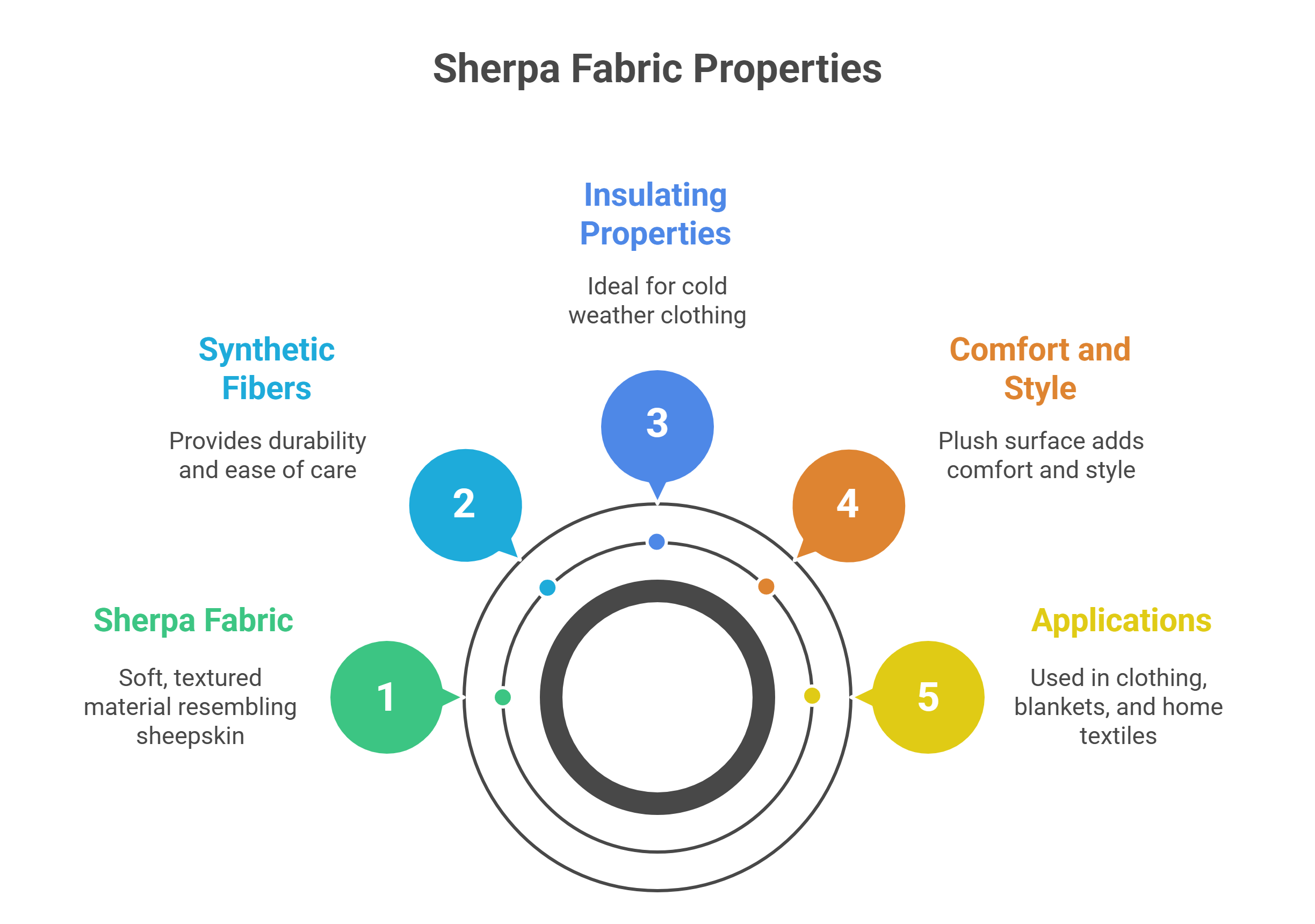
Sherpa material gets its name from the Sherpa people of Nepal — a Himalayan community known for their resilience in cold climates and their association with wool-lined clothing. However, modern Sherpa fabric isn’t made from sheep’s wool; it’s a synthetic textile engineered to replicate that same level of comfort and insulation.

Typically made from polyester, acrylic, or a blend of both, Sherpa fabric features two distinct sides:

  • A smooth fleece layer on one side — soft, sleek, and durable.
  • A fluffy, wool-like pile on the other — offering warmth and that signature “shearling” look.

This combination makes Sherpa both visually appealing and functionally superior to many traditional fabrics.

2. How Sherpa Fabric Is Made?

Sherpa fabric is created through an intricate knitting and brushing process that gives it a wool-like structure while keeping it lightweight.

  1. Base Creation: The process starts with polyester yarn knitted into a tight, flexible structure — forming the foundation.
  2. Brushing: The surface is brushed repeatedly using fine wires to lift and separate the fibers, creating that signature soft and fluffy texture.
  3. Finishing: To lock in durability, the fibers are heat-treated, making the fabric resistant to wear, fraying, and shrinkage.

The result? A fabric that looks like wool but offers easier maintenance and a cruelty-free alternative — perfect for fleece blankets wholesale manufacturing or any large-scale textile production.

3. Sherpa vs. Fleece: What’s the Difference?

While both Sherpa and fleece are popular for their warmth, they aren’t identical. Understanding the differences helps buyers make smarter decisions, especially when sourcing fleece blankets bulk for retail or promotional use.

FeatureSherpaFleece
TextureFluffy, wool-like on one sideSmooth and consistent on both sides
WarmthSlightly warmer due to thicker pileWarm but more breathable
WeightGenerally thicker and heavierLightweight and flexible
AestheticLooks and feels like shearling or woolSleek, modern appearance
UseLinings, blankets, jacketsSportswear, outdoor gear, blankets

Many manufacturers combine both — fleece on one side and Sherpa on the other — to create the ultimate comfort product. This dual-layer design is especially popular in fleece blankets wholesale offerings because it caters to both style and functionality.

4. Key Benefits of Sherpa Material

Sherpa fabric’s growing popularity comes from its combination of comfort, warmth, and low maintenance. Here’s why it’s a top choice for designers and consumers alike:

a. Superior Warmth

Sherpa traps body heat efficiently while allowing some airflow — ensuring warmth without overheating. It’s ideal for blankets, throws, and winter apparel.

b. Lightweight Yet Durable

Despite its thick appearance, Sherpa is surprisingly light. It delivers heavy-duty warmth without the weight of wool, making it perfect for travelers and daily use.

c. Cruelty-Free & Hypoallergenic

Unlike animal wool, Sherpa is fully synthetic, which makes it vegan-friendly and safe for people with allergies or sensitive skin.

d. Easy Maintenance

Sherpa fabrics can be machine washed and dried with minimal shrinkage. This low-maintenance nature is a key reason why fleece blankets bulk suppliers prefer it for both commercial and domestic markets.

e. Luxurious Texture

That cloud-like feel is hard to replicate. Sherpa provides an inviting, plush comfort that enhances the perceived value of any blanket or garment.

5. Common Uses of Sherpa Material

Sherpa’s versatility goes far beyond winter wear. Here’s where you’ll find it most often:

  1. Blankets & Throws: Perhaps the most common application, Sherpa blankets are cozy, stylish, and durable — staples in fleece blankets wholesale catalogues worldwide.
  2. Outerwear: Jackets, hoodies, and vests often use Sherpa linings for warmth.
  3. Home Décor: Cushion covers, rugs, and furniture linings feature Sherpa for texture and softness.
  4. Pet Products: Sherpa-lined pet beds offer comfort and warmth for furry friends.
  5. Automotive Accessories: Seat covers and travel pillows use Sherpa for its insulating comfort during cold months.

6. Why Sherpa Is a Game-Changer for the Blanket Industry?

Blanket manufacturers and retailers love Sherpa because it strikes the perfect balance between comfort, cost, and appeal. For fleece blankets wholesale suppliers, Sherpa-backed fleece blankets are particularly valuable because they:

  • Add visual luxury: The dual texture enhances product appeal.
  • Increase market value: Consumers associate Sherpa with premium quality.
  • Lower production costs: Synthetic fibers are more affordable than wool.
  • Broaden market reach: Ideal for home, travel, promotional, and gift markets.

When sourced in fleece blankets bulk, Sherpa-based designs allow brands to offer high-end comfort at competitive prices — a winning formula in both retail and hospitality industries.

7. Care Tips for Sherpa Material

To keep Sherpa products soft and fluffy for years, proper care is essential:

  • Machine wash on gentle: Use cold water and mild detergent.
  • Avoid fabric softeners: They can weigh down the fibers and reduce fluffiness.
  • Air dry or tumble low: High heat can damage synthetic fibers.
  • Brush lightly after drying: Restores the plush texture and removes matting.

These tips are especially valuable for retailers selling fleece blankets bulk, as clear washing instructions help maintain product satisfaction and longevity.

8. Sustainability and Modern Sherpa Innovations

Modern textile manufacturers are shifting toward eco-friendly alternatives, and Sherpa hasn’t been left behind. Some mills now use recycled polyester fibers made from PET bottles to create sustainable Sherpa fabrics.

This innovation gives buyers the warmth they love while supporting environmental responsibility — an important factor for brands sourcing fleece blankets wholesale in today’s eco-conscious market.

9. Why You Should Consider Sherpa for Your Next Blanket Purchase?

Whether you’re a retailer looking for fleece blankets bulk or an individual shopping for home comfort, Sherpa offers undeniable advantages. It’s:

  • Warmer than standard fleece,
  • Easier to maintain than wool, and
  • More affordable than luxury fibers.

The unique fleece-and-pile combination delivers a timeless aesthetic, making Sherpa blankets a top seller across hotels, spas, corporate giveaways, and eCommerce platforms

Final Thoughts

Sherpa material represents the perfect blend of science, style, and sustainability. Its wool-like softness and superior insulation make it a favorite choice across industries. From luxury throws to fleece blankets wholesale, Sherpa continues to set new standards in comfort and versatility.

Whether purchased individually or in fleece blankets bulk, products made from Sherpa fabric guarantee warmth, softness, and long-term durability. So, the next time you cozy up under a blanket, there’s a good chance Sherpa is the secret behind that cloud-like comfort — proof that modern innovation can make comfort both affordable and cruelty-free.