Quick Answer: How Many Yards of Fabric Do I Need for a Tie Blanket?
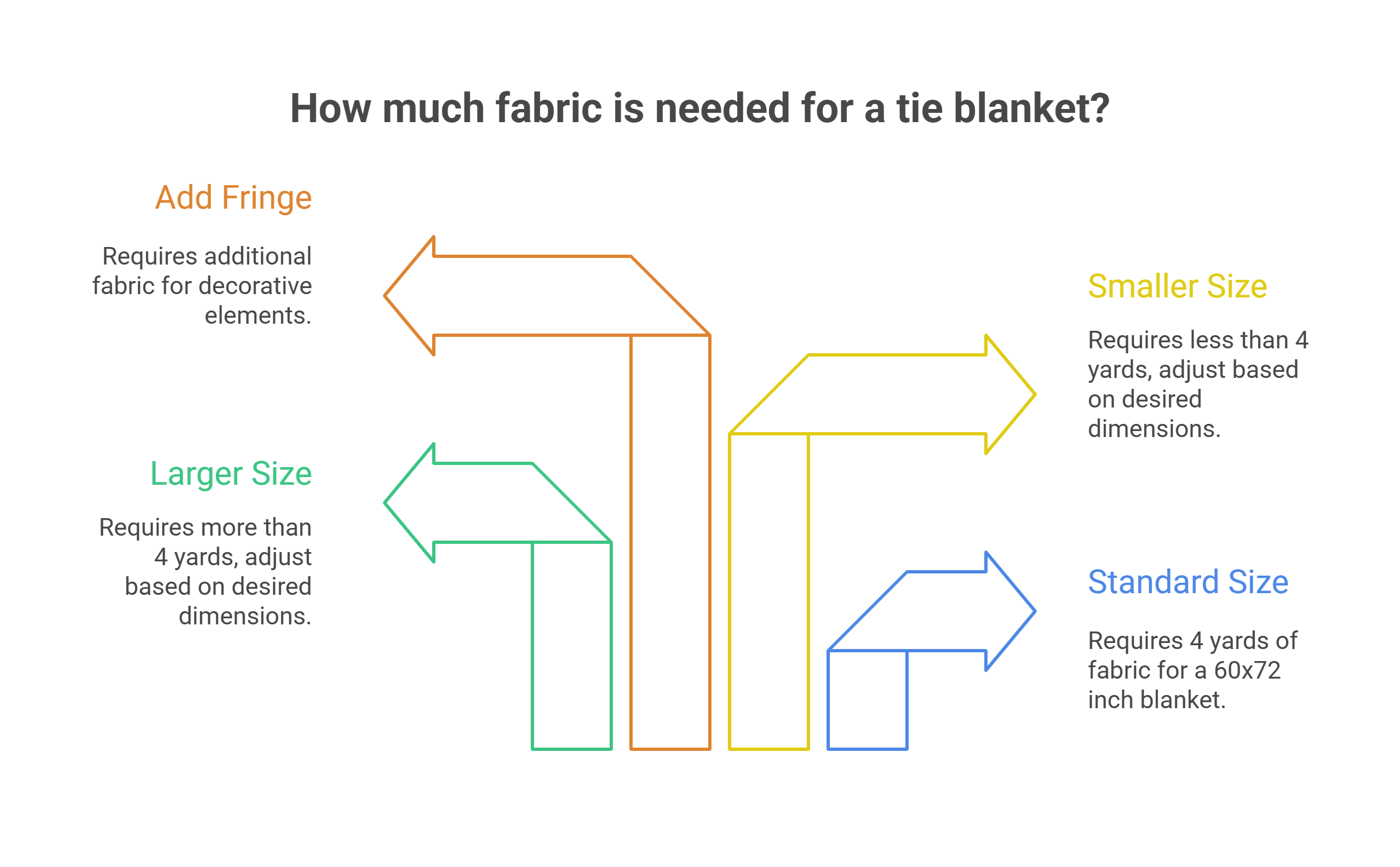
If you’re wondering how many yards of fabric you need for a tie blanket, the answer depends on the size of the blanket you want to make. For a standard adult-size tie blanket, you’ll typically need two pieces of fleece fabric—each 2 yards long.
For a child-size blanket, 1.5 yards per piece is usually enough, while a larger bed-size blanket may require 2.5 to 3 yards per piece. Remember, both layers are essential for that cozy, double-sided warmth and soft, knotted edge finish.
Now let’s dive deeper.
The Cozy Craft That Everyone Loves
Few DIY projects are as rewarding—or as simple—as making a tie blanket. These soft, warm, and no-sew blankets have become a favorite among crafters, families, and even charities. Whether you’re creating one as a personal keepsake, a gift, or a donation, the process is fun, relaxing, and customizable.
But before you start cutting and tying, the first big question arises: How many yards of fabric do you actually need for a tie blanket?
Choosing the right amount of fleece ensures you don’t run short halfway through or waste money buying too much. The answer depends on several factors—like who the blanket is for, the fabric width, and how big you want the finished piece to be.
1. Understanding What a Tie Blanket Is
A tie blanket is made from two layers of fleece fabric—usually coordinating or contrasting colors. The edges are cut into strips and tied together to form knots, securing the two pieces without sewing. The result is a soft, double-layered blanket with a decorative fringe.
Because fleece doesn’t fray, there’s no need for hemming or sewing. This makes tie blankets perfect for beginners, families with kids, or anyone who wants to create something cozy without a sewing machine.
2. Fabric Yardage for Different Blanket Sizes
When calculating how many yards of fleece you need, it’s essential to consider the intended size of the blanket. Here’s a quick guide to common sizes and yardage:
| Blanket Type | Approximate Dimensions | Fabric Needed (per layer) |
|---|---|---|
| Baby Blanket | 36 x 36 inches | 1 yard |
| Child Blanket | 48 x 60 inches | 1.5 yards |
| Teen/Throw Blanket | 50 x 70 inches | 2 yards |
| Adult Blanket | 60 x 72 inches | 2 yards |
| Queen Bed Blanket | 90 x 90 inches | 2.5–3 yards |
| King Bed Blanket | 108 x 90 inches | 3 yards |
Remember that you need two layers—so for an adult blanket, you’ll need 4 yards total (2 yards per layer).
If you’re unsure, it’s better to buy an extra half yard for each layer, especially if your fleece has uneven edges or a printed pattern you want to align perfectly.
3. The Role of Fabric Width
Most fleece fabrics come in 58 to 60 inches wide, which is ideal for most blanket sizes. However, always check the width before cutting—some specialty fleece fabrics may be narrower or wider.
If you’re planning a very large blanket, the width becomes a limiting factor. For instance, if your fleece is only 54 inches wide, your blanket will naturally be shorter unless you add additional panels (which isn’t typical for tie blankets).
4. Choosing the Right Type of Fleece
There are different types of fleece to consider when shopping for fabric:
- Anti-pill fleece: The most popular choice—it resists fuzzing and looks smooth after multiple washes.
- Blizzard fleece: A bit heavier and warmer, perfect for colder climates.
- Microfleece: Lightweight and softer but not as thick.
- Printed fleece: Adds character and fun patterns—great for kids or themed gifts.
Make sure both layers are similar in texture and stretch so that tying the edges feels uniform.
5. Preparing Your Fabric
Before you start cutting, lay both pieces of fleece flat on top of each other, right sides facing out. Trim off any uneven edges or manufacturer’s labels. You’ll also need to cut out small squares (about 4 x 4 inches) from each corner to make tying easier and neater.
Use a ruler or cutting mat to ensure consistent fringe width. Most people prefer cutting 1-inch-wide strips about 4 inches long along all four sides.
6. How to Make a Tie Blanket (Step-by-Step)?
Here’s a simple process to follow once you’ve got your fabric ready:
- Lay the fleece layers: Place one on top of the other, aligning the edges.
- Trim and square the fabric: Make sure both layers are the same size.
- Cut corner squares: Remove 4-inch squares from each corner.
- Cut fringe strips: Around the entire edge, cut 1-inch-wide, 4-inch-deep strips.
- Tie the knots: Tie each top and bottom strip together in a double knot. Continue around the blanket.
Once done, your blanket will have a beautiful, knotted edge and double the warmth.
7. Creative Ideas for Custom Tie Blankets
Tie blankets are as versatile as your imagination. You can mix and match colors, patterns, or textures to create something truly unique. A few creative combinations include:
- Sports themes: Team logos on one side and solid colors on the other.
- Seasonal patterns: Snowflakes for winter, florals for spring.
- Charity drives: Hospitals and shelters often welcome fleece tie blanket donations.
- Personalized gifts: Add an embroidered name tag or patch before tying.
Whether for decor or comfort, these blankets bring warmth and personality to any space.
8. Tips for Buying Fleece Fabric Efficiently
Buying fleece can get expensive if you’re making multiple blankets. To save costs:
- Watch for seasonal sales: Craft stores and online retailers often run discounts during winter months.
- Buy in larger quantities: Ordering fleece blankets wholesale can significantly reduce your cost per yard. Many suppliers offer discounted pricing for bulk purchases, which is ideal for schools, charities, or crafting groups.
- Mix solid and patterned fleece: Using a solid color for one layer and a pattern for the other can balance cost and style beautifully.
If you’re planning to make several tie blankets—for gifts, business, or donations—consider sourcing fleece blankets bulk. Wholesale suppliers often provide consistent fabric quality at lower prices, making it easy to create cozy and affordable blankets without compromising on comfort.
9. Common Mistakes to Avoid
Even a simple project like this can have pitfalls. Here are a few mistakes to steer clear of:
- Uneven cutting: This leads to mismatched fringe lengths and crooked edges.
- Not aligning patterns: If you’re using printed fleece, ensure designs are centered before cutting.
- Tying knots too tight: Overly tight knots can warp the blanket edges.
- Using mismatched fleece weights: Heavy and light fleece together can feel uneven and twist after washing.
Take your time with the cutting and tying steps—precision makes the final product look professional and polished.
10. Maintaining and Caring for Your Tie Blanket
Fleece is low-maintenance, but caring for it properly ensures longevity:
- Machine wash cold on gentle cycle.
- Avoid fabric softeners, as they can reduce fleece softness over time.
- Tumble dry low or air dry for best results.
- Do not iron, since fleece can melt under high heat.
When cared for properly, your blanket will remain plush and cozy for years to come.
Final Thoughts
Making a tie blanket is more than just a weekend craft—it’s a creative way to express care, warmth, and comfort. Knowing how many yards of fabric you need for a tie blanket ensures your project turns out perfectly sized and professionally finished.
For most adults, two 2-yard pieces of fleece work beautifully, while smaller blankets can be adjusted accordingly. And if you’re planning multiple projects or group activities, sourcing fleece blankets wholesale or fleece blankets bulk can help you save money while keeping the quality high.
With a bit of planning, precision, and creativity, you’ll have a soft, stylish blanket that keeps you (or someone special) warm for many cozy seasons ahead.
 Peachfurblog | Wholesale & Bulk Blankets
Leave a comment