On the textile end, some fabrics can combine an old-world charm with design flexibility, and eyelet is one such fabric. Eyelet fabric has been seen in sketchy summer dresses, airy curtains, or even fragile garments for babies; but what truly is eyelet fabric, and why does it enjoy resurgence in fashion and home décor?
For those of you who are fashion designers, small business owners, or simply textile enthusiasts, knowing eyelet fabric would open up exciting possibilities for you. Let’s unravel its charm.
Eyelet Fabric: The Basics
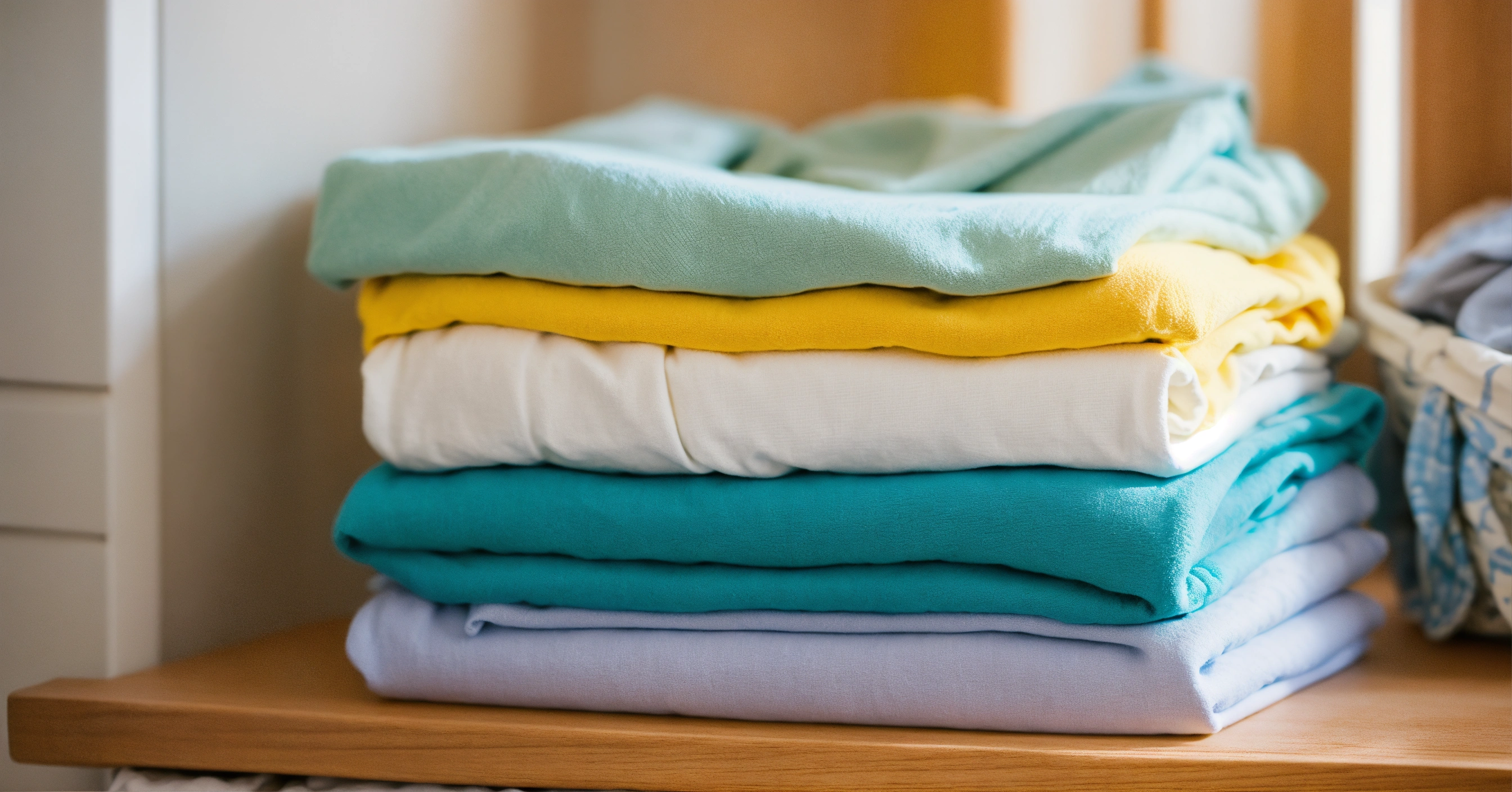
It belongs to a type of fabric that exhibits tiny, patterned holes or “eyelets” stitched onto the fabric. Normally, these holes are arranged in floral or geometric patterns and are finished with an overcast stitch to stop the fabric from fraying. The output is a breathable fabric: lightweight, with the appearance of intricacy and elegance, so not heavy or delicate!
Historically, with lace and fine embroidery, eyelet has been around for centuries in European fashions. It is often called broderie anglaise, which in literal terms means “English embroidery.”
What Is Eyelet Fabric Made Of?
Traditionally, eyelet fabric is made of pure cotton that yields a soft, natural feel and excellent breathability—that is, the quality ideal for summer wear. Modern variations exist that have cotton blends, polyester, silk, or synthetic fiber content, depending on uses-eyedlet.
The sturdy weave combined with impeccable embroidery ensures that eyelet fabric remains sturdy, yet it stands the test of time with an elegant drape and delicate appearance. This very versatility works wonders for garments like skirts, tops, blouses, and also children’s wear.
Type of Eyelet Patterns
Infinite types of patterns of eyelet fabric exist. Some of the popular ones are:
• Floral eyelets: Tiny blossoms stitched into the fabric-all beautiful for dress and curtain making.
• Geometric eyelets: Circles, diamonds, or even stripes-can go well with more modern interpretations of the old looks.
• All-over eyelets: A very dense, repeating pattern that creates a lacy texture.
• Border eyelets: Embroidered along the edges only for trims and hemlines.
These patterns may remain subtle or go all the way in making a statement, depending on scale and design.
Where Is Eyelet Fabric Used?
The flexibility and uniqueness of eyelet fabric allow it to fit in many industries.
1. Fashion Industry
Eyelet dresses and tops are especially appropriate for spring and summer collections. The fabric enjoys maximum breathability in warmer weather, and it can go well with delicate looks ranging from casual to semi-formal. Designers particularly love to work with it for the making of blouses, skirts, summer frocks, as well as bridal or christening wear.
2. Décoration
Eyelet fabric is also the popular choice for these airy curtains, pillows, bed skirts, and tablecloths. It is a semi-sheer fabric allowing the passage of light and yet offering texture and pattern, thereby lending a vintage-glory atmosphere to any humble nook.
3. Crafts and DIY
Crafters 즐겨 use the eyelet fabric from doll dresses to heirloom projects. The fine aesthetic look makes it perfect for quilt borders or any type of small decorative work.
Interestingly, in wholesale fabric circles — for example, fleece blanket bulk orders — eyelet fabric may also be a popular choice for accent detailing. The idea behind such detailing is to give simple bulk products that look and feel boutique style.
Taking Care of Eyelet Fabric
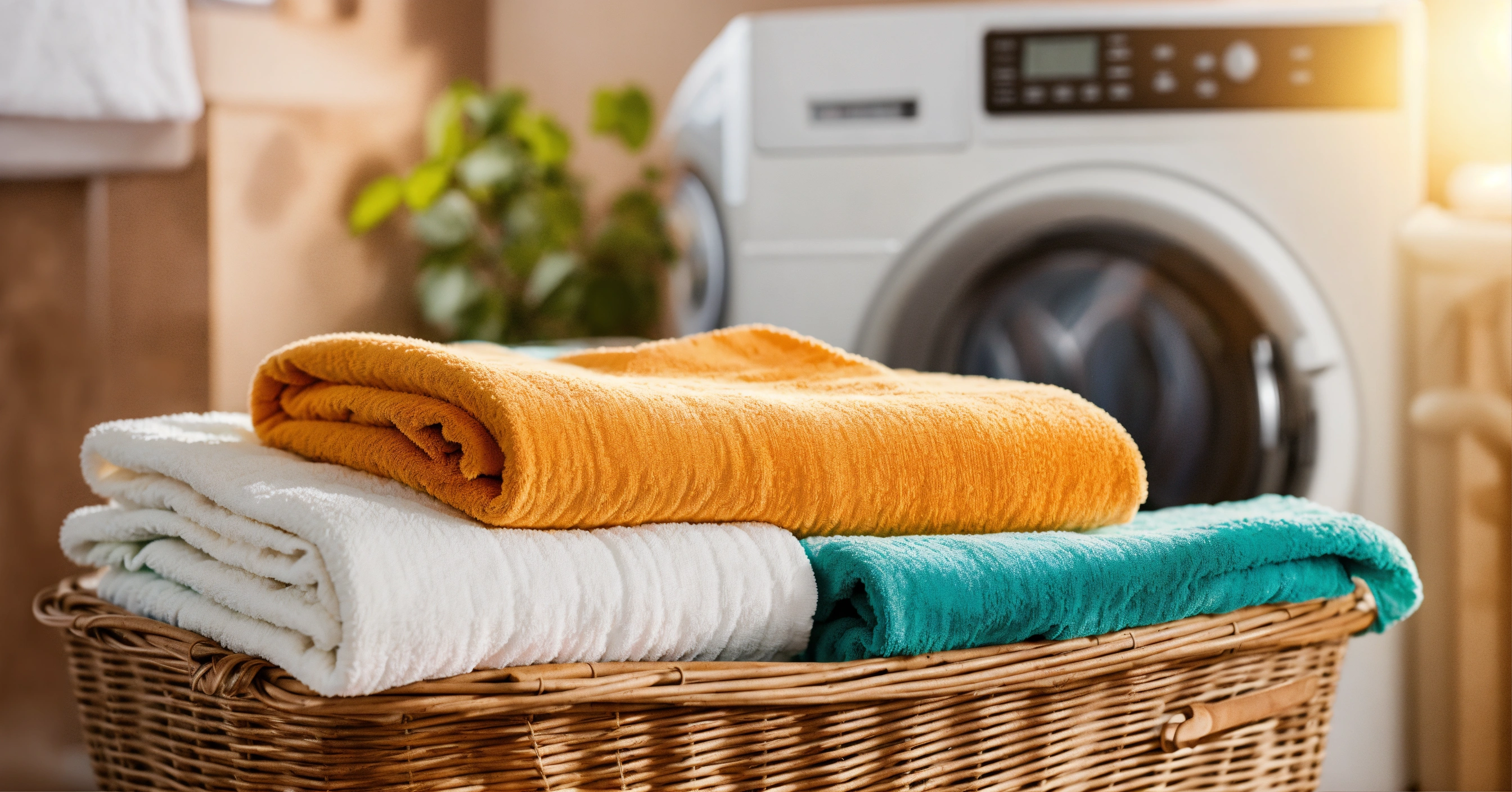
As complex-looking as it may skim over, it is easy to care for eyelet fabric, particularly for cotton varieties. Here are some care considerations for your eyelet fabric:
• Washing: In the washing machine on a cold or lukewarm wash. It is to be kept gentle to protect the embroidery.
• Drying: Makes it completely air-dried though low drying heat is mostly safe.
• Ironing: Medium heat with steam is suitable. Iron on the reverse side to avoid crushing embroidery.
For polyester blends or silk eyelets, the need for dry cleaning would surface, primarily when dealing with a delicate item or heavily embellished.
Eyelet vs. Lace: What’s the Difference?
To put it simply, both words are used as synonyms in casual speech and are thus two different concepts. In fact, lace is typically a fabric created by looping or tying threads together, while eyelet is made by making tiny holes in an existing fabric and then embroidering around the edges. In general, the eyelet fabric is more solid and less delicate than lace fabric, which makes it easier to sew and care for.
Why eyelet fabric still should matter
Eyelet fabric manages tradition and trend. While imbued with nostalgia and old-world charm, modern designers are taking the fabric and translating it into minimalist fashion, interiors, and even eco-fashion.
A renewed focus has been placed on artisanal textures and breathable fabrics as a result of which eyelet has gained resurgence. It is not merely a vintage fabric anymore; it stands for style, comfort, and sustainability.
Even suppliers with fleece blankets bulk as their primary interest are integrating more natural fabrics and tactile elements, such as eyelets, to create a contrast and add value to their product offers. A tactile experience of fleece paired with the visual elegance of embroidered cotton? Now that’s comfort and class!
Eyelet fabric is a 500-year-old fabric that has been embraced by the new generation in fashion, décor, and textiles. With its detailed embroidery, airy structure, and unlimited adaptability, eyelet fabric is one of the paragon materials for designers and the DIY crowd alike.
Whether it’s a bunch of eyelet design for a romantic summer dress or fleece blankets bulk for the next product launch, that eyelet might have been that design feature you never knew you needed.
 Peachfurblog | Wholesale & Bulk Blankets
Leave a comment