Quick Answer: What Is Sherpa Made Of?
Sherpa is made from soft synthetic materials—primarily polyester—designed to mimic the warmth, texture, and coziness of real wool. Unlike traditional wool, sherpa fabric is lightweight, machine-washable, and hypoallergenic, making it a favorite for cozy apparel and home textiles.
When sourced through fleece blankets wholesale or fleece blankets bulk suppliers, sherpa offers unmatched comfort, durability, and affordability for businesses in the bedding, fashion, or gift industries. It’s the perfect combination of plush comfort and practical performance for both everyday use and luxury warmth.
Now let’s dive deeper.
The Cozy Allure of Sherpa Fabric
Few materials capture the essence of comfort quite like sherpa. Whether it’s a soft blanket draped over your couch or the inside lining of your favorite winter jacket, sherpa instantly conveys warmth, softness, and luxury. But despite its familiar texture, most people don’t realize what sherpa is actually made of—or why it has become one of the most popular materials in modern textile design.
The term “sherpa” comes from the famous Sherpa people of Nepal, known for their endurance and resilience in cold climates. The fabric is inspired by the warm, woolly clothing they traditionally wore, but with a modern, synthetic twist. Unlike real wool, sherpa fabric is crafted to be both cozy and practical, offering the same comforting warmth without the heaviness or maintenance challenges of natural fibers.
1. What Exactly Is Sherpa?
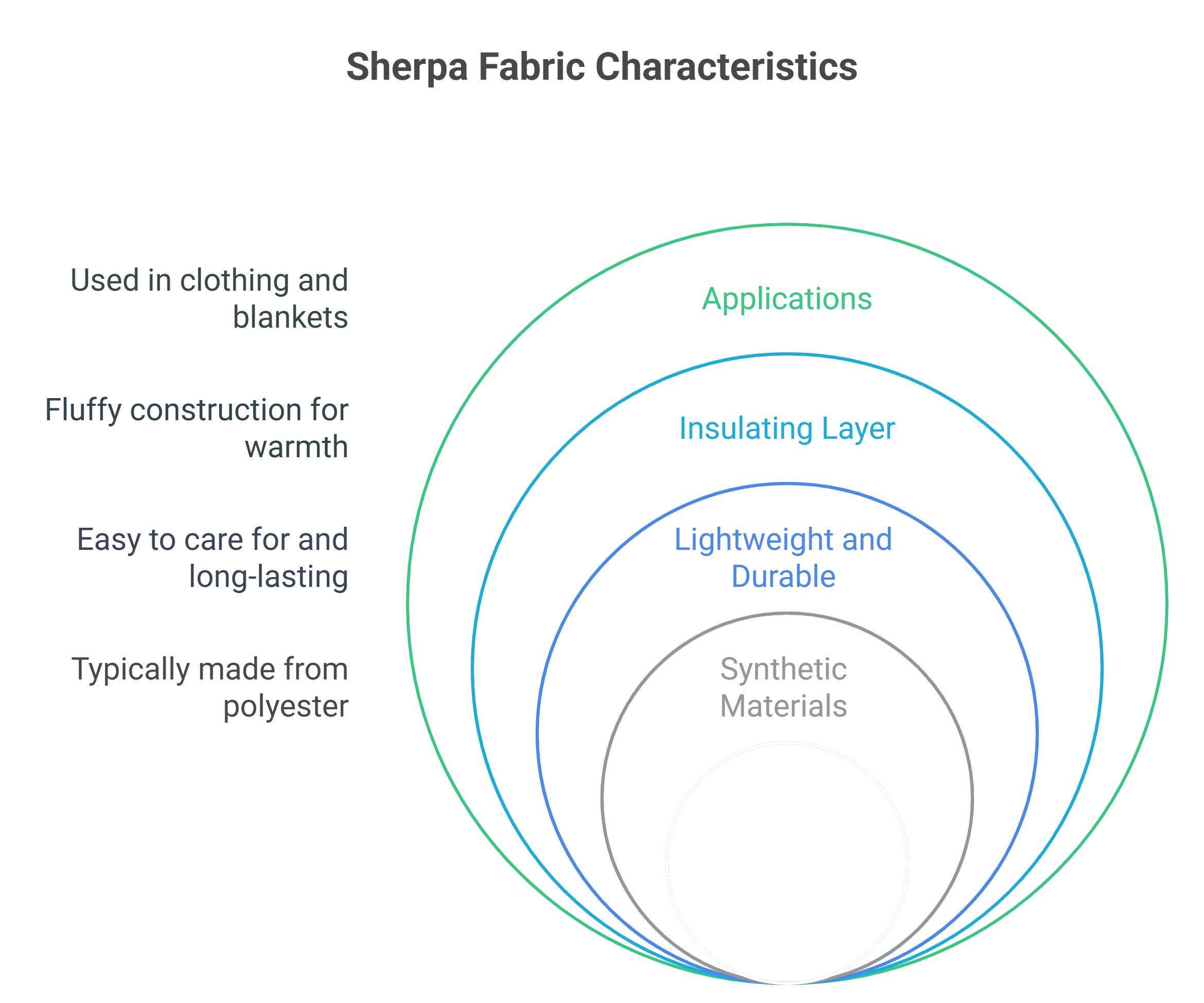
Sherpa fabric is a synthetic textile that replicates the luxurious softness of wool fleece. It’s typically made from 100% polyester, though sometimes it’s blended with other fibers like acrylic or cotton to adjust texture and breathability.
Sherpa fabric is characterized by two distinct sides:
- The smooth knit side — resembling a soft suede or jersey surface.
- The fluffy, textured side — which mimics the curly, cloud-like feel of sheep’s fleece.
This dual structure allows sherpa to be both visually appealing and functionally versatile—offering insulation and comfort without excessive weight. It’s a material engineered for modern lifestyles: easy to clean, quick to dry, and durable enough for repeated use.
2. How Sherpa Is Made: The Science Behind the Softness
To understand what sherpa is made of, it helps to explore how it’s constructed. The process begins with polyester fibers, a synthetic polymer derived from petroleum. These fibers are spun into fine threads and then knit or woven into a base fabric.
Once the base is formed, one side undergoes a special brushing or napping process, where tiny loops of the fabric are teased out and trimmed to create a high-pile, fluffy texture. The result is a soft, fleece-like layer that retains air pockets for insulation—this is what gives sherpa its signature warmth.
Some variations of sherpa are even made from recycled polyester, offering an eco-conscious alternative that doesn’t compromise on quality or comfort. Advances in textile manufacturing have also allowed for anti-pill finishes and moisture-wicking treatments, making modern sherpa fabrics more durable and functional than ever.
3. Sherpa vs. Fleece: What’s the Difference?
Many people use “sherpa” and “fleece” interchangeably, but they’re not identical. Fleece refers to a broader category of synthetic fabrics made for warmth, while sherpa is a specific type of fleece that mimics wool’s texture and feel.
Here’s how they differ:
| Feature | Fleece | Sherpa |
|---|---|---|
| Texture | Smooth and uniform | Wool-like, fluffy, curly pile |
| Weight | Light to medium | Medium to heavy |
| Warmth | High | Very high |
| Best Use | Outerwear, blankets, linings | Lining, throws, decorative blankets |
Both are made from similar materials, but sherpa provides a more luxurious, plush experience—which is why it’s commonly used in fleece blankets wholesale and retail products designed for comfort and style.
4. The Benefits of Sherpa Fabric
Sherpa’s popularity isn’t just about looks—it’s about performance. Here’s why it’s beloved by manufacturers and consumers alike:
a. Exceptional Warmth
The fluffy texture traps heat, keeping you warm without overheating. It’s ideal for cold-weather products like jackets, hoodies, and blankets.
b. Lightweight and Breathable
Despite its thickness, sherpa remains lightweight. Its air pockets enhance insulation while allowing airflow, maintaining comfort over long periods.
c. Easy Maintenance
Unlike natural wool, sherpa is machine-washable and dries quickly. Its synthetic composition prevents shrinking and fading, making it perfect for frequent use.
d. Hypoallergenic and Vegan-Friendly
Since it’s made from polyester, sherpa contains no animal fibers, making it hypoallergenic and cruelty-free—ideal for eco-conscious and vegan consumers.
e. Softness That Lasts
Sherpa doesn’t lose its softness over time. With proper care, its fibers retain their plushness, making it a long-lasting comfort material.
5. Common Uses of Sherpa Fabric
Sherpa is one of the most versatile textiles in the market. It’s widely used across industries for both functional and aesthetic purposes.
- Blankets and Throws: Cozy sherpa blankets are a staple in homes, especially during winter. Many suppliers offer fleece blankets bulk for retailers and hospitality industries.
- Jackets and Hoodies: Sherpa-lined outerwear provides warmth without adding bulk.
- Home Décor: Pillows, chair covers, and even rugs feature sherpa textures to add a cozy ambiance.
- Pet Products: Sherpa beds and mats keep pets warm and comfortable.
- Baby Products: Its hypoallergenic softness makes it perfect for baby blankets and sleepwear.
6. Why Businesses Love Sherpa: The Wholesale Advantage
For businesses in home goods, hospitality, or retail, sherpa is more than just a soft material—it’s a high-value product. Purchasing fleece blankets wholesale allows businesses to meet customer demand for affordable, luxurious comfort without sacrificing quality.
Wholesale sherpa blankets come in various sizes, weights, and colors, making them ideal for hotels, hospitals, spas, and promotional merchandise. They are also a top choice for corporate gifting during the colder months.
When ordered as fleece blankets bulk, companies benefit from:
- Lower unit costs
- Consistent quality across products
- Easy customization with logos or embroidery
- Faster fulfillment for seasonal campaigns
Wholesale suppliers also ensure compliance with safety and quality standards, making sherpa blankets a reliable and profitable inventory choice.
7. Sustainability and Modern Innovations
Although sherpa originated as a petroleum-based fabric, manufacturers are now moving toward eco-friendly versions made from recycled polyester or sustainable blends. These innovations maintain the same softness and warmth while reducing environmental impact.
Some advanced sherpa materials even incorporate biodegradable fibers, moisture control features, and static reduction technology—ideal for high-performance apparel and luxury textiles alike.
For eco-conscious brands purchasing fleece blankets bulk, opting for recycled sherpa offers a balance between sustainability and consumer appeal.
8. Caring for Sherpa: Keeping It Soft and Fluffy
Proper care can make sherpa last for years. Here are a few professional maintenance tips:
- Wash in cold water: Warm water can cause matting or reduce softness.
- Use mild detergent: Avoid bleach or harsh chemicals that can damage fibers.
- Air dry or tumble dry low: High heat can melt polyester fibers.
- Brush gently after drying: Use a soft brush to restore the fluffy texture.
Following these steps helps maintain the plush feel that customers expect from premium sherpa and fleece products.
9. Sherpa in Modern Fashion and Interior Design
Sherpa isn’t limited to function—it’s also a design trend. Its luxurious texture has become a statement in modern minimalism, where tactile comfort meets aesthetic simplicity. Designers use sherpa for cozy-chic home interiors, layered winter fashion, and premium accessories.
In Detroit, Cleveland, and other northern cities, sherpa throws and jackets are must-have items during colder months—both for comfort and for style. The rising popularity of fleece blankets wholesale collections reflects this growing demand for warmth with elegance.
Final Thoughts
So, what is sherpa made of? The answer lies in its carefully engineered blend of polyester fibers, crafted to deliver warmth, softness, and durability. Whether you’re curling up with a sherpa blanket or donning a sherpa-lined jacket, you’re experiencing the comfort of modern textile innovation.
For businesses, sourcing fleece blankets wholesale or fleece blankets bulk provides a strategic advantage—offering customers premium-quality products that balance affordability with luxury. Sherpa is more than just a cozy fabric; it’s a symbol of comfort, craftsmanship, and sustainability in today’s textile world.
 Peachfurblog | Wholesale & Bulk Blankets
Leave a comment