A fleece is a fabric that says comfort and convenience. But what really is a fleece? Why is it so much in demand for making the warmest products, like fleece blankets in bulk? In this article, we will explore what fleece is made of, and how it stands in comparison to natural fabrics, and why it has become so popular with both manufacturers and consumers.
What Is Fleece Anyway?
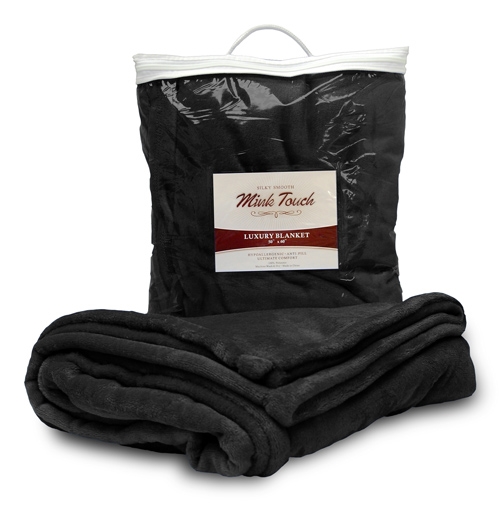
Being one of the synthetic fabrics, fleece is mainly made from polyester, which is a kind of plastic manufactured from petroleum. Plastics we might lifetime through with the thought of something very stiff and hard; keep in mind, however, that fleece is amazingly soft, breathable, and insulating. Polyester fibers are woven into a light fabric, which is then brushed to be made into fleece. This brushing raises the volume and thus the insulation, making fleece suitable for cold weather gear.
Humanly manufactured, fleece is adored for mimicking that natural warmth of wool without the itchiness and heaviness. Plus, it is easier to care for: simply machine wash, dry quickly, and are quite durable.
Why Is Fleece So Popular?
Fleece enjoys wide popularity for a number of reasons:
• Light and warm: Fleece provides heating without weight, unlike wool or thick cotton.
• Water and moisture repelling: For this reason, it is mostly used outside.
• Soft and comfortable: The generally brushed surface gives that smooth feeling.
• Nonallergic: Since the hairs of fleece do not contain allergens like lanolin, unlike in many cases of wool, it therefore presents a safe choice for people with sensitive skin.
• Economical due to ease of production: This makes fleece blankets like bulk purchases an affordable option, whether made by companies, nonprofits, or other organizations.
Kinds of Fleece
Fleece is not one thing, but many things-it comes in various types, each with a different texture and function:
1. Polar fleece: The most common one used in jackets, fleece sweaters, and bulk fleece blankets. It is thick, insulating, and very soft.
2.Microfleece: Thinner and lighter in weight; great as a layered piece or for making baby products.
3.Blizzard Fleece: Beautiful for the craft market and DIY enthusiasts! Has more of a plush surface.
4.Anti-Pill Fleece: Have been treated to resist the formation of tiny fabric balls (pills) that can develop over time.
5.Cotton Fleece: Hybrid of cotton and synthetic fibers for extra softness.
When purchasing fleece wholesale blankets, it is important to consider the fleece type, since they might be used for giveaways this winter, outdoor events, or just simply good gifts.
Environmental Considerations
Being polyester derived from petroleum, the environmental aspects of fleece could be viewed as negative. The good thing is, however, that almost all fleece nowadays is made from recycled PET plastic soda bottles. Recycling these would have ended up as trash; price-sustainable buyers will obviously appreciate this process of giving worthwhile utility and long life to these.
If you are purchasing fleece blankets in bulk for corporate gifting or promotional purposes, you might ask if they have recycled product options.
Fleece Life
It was a fashion for jackets and activewear. Now fleece is used:
• For blankets and throws
• In sleepwear and loungewear
• For pet beds and toys
• As linings for boots and gloves
• As outdoor and recreational gear and accessories
Plus, its thinness and warmth make fleece ideal for a wide range of climates and purposes. They are often purchased in bulk by corporations, charities, and schools, intending to impart warmth and comfort with a dash of practical use.
How to Care for Fleece
While fleece requires very little maintenance, simple washes and care will preserve its softness over the years:
• Use cold water with gentle detergent to keep the fibers safe.
• Avoid fabric softener, as it coats the fibers and reduces the softness.
• Air dry or set on lowest heat with a tumble dryer, to avoid pilling or shrinking.
• Do not iron-it hardly ever wrinkles and will melt under intense heat.
Fleece lasts for years with good care, even with frequent use.
Bulk Purchase of Fleece Blankets
Well, you are not the only one who thinks of purchasing fleece blankets bulk! A lot of NGOs distribute fleece blankets during their winter drives. The hotels use fleece blankets to keep their guests warm, while companies distribute them as branded merchandise.
Good terms for ordering bulk fleece blankets:
• -quality weight (or just weight, usually given in GSM or ounces)
•-anti-pill treatment
•-customization, such as embroidery or screen print for a logo
•-environmentally friendly options, especially if sustainability is part of your brand ethos
Bulk fleece purchases are costly to make but also meaningful-to bring in some practical comfort in personal and in professional life.
A Real End (Literally)
So, what kind of material is fleece? It carries the magic of soft, synthetic to feel smooth like wool. But it has less to do with the disadvantages of wool. It’s inexpensive, flexible, and suitable to be put to work for any of the myriad applications that come with cold weather. And purchasing fleece blankets in bulk is an investment towards warmth, comfort, and adaptability for either end of a business, charitable or personal use.
So the next time you snuggle on a fleece blanket, remember that you are snuggled in innovation and not just in ordinary fabric.
 Peachfurblog | Wholesale & Bulk Blankets
Leave a comment