Archive | September, 2025

What to Make with Fleece Fabric

24 Sep

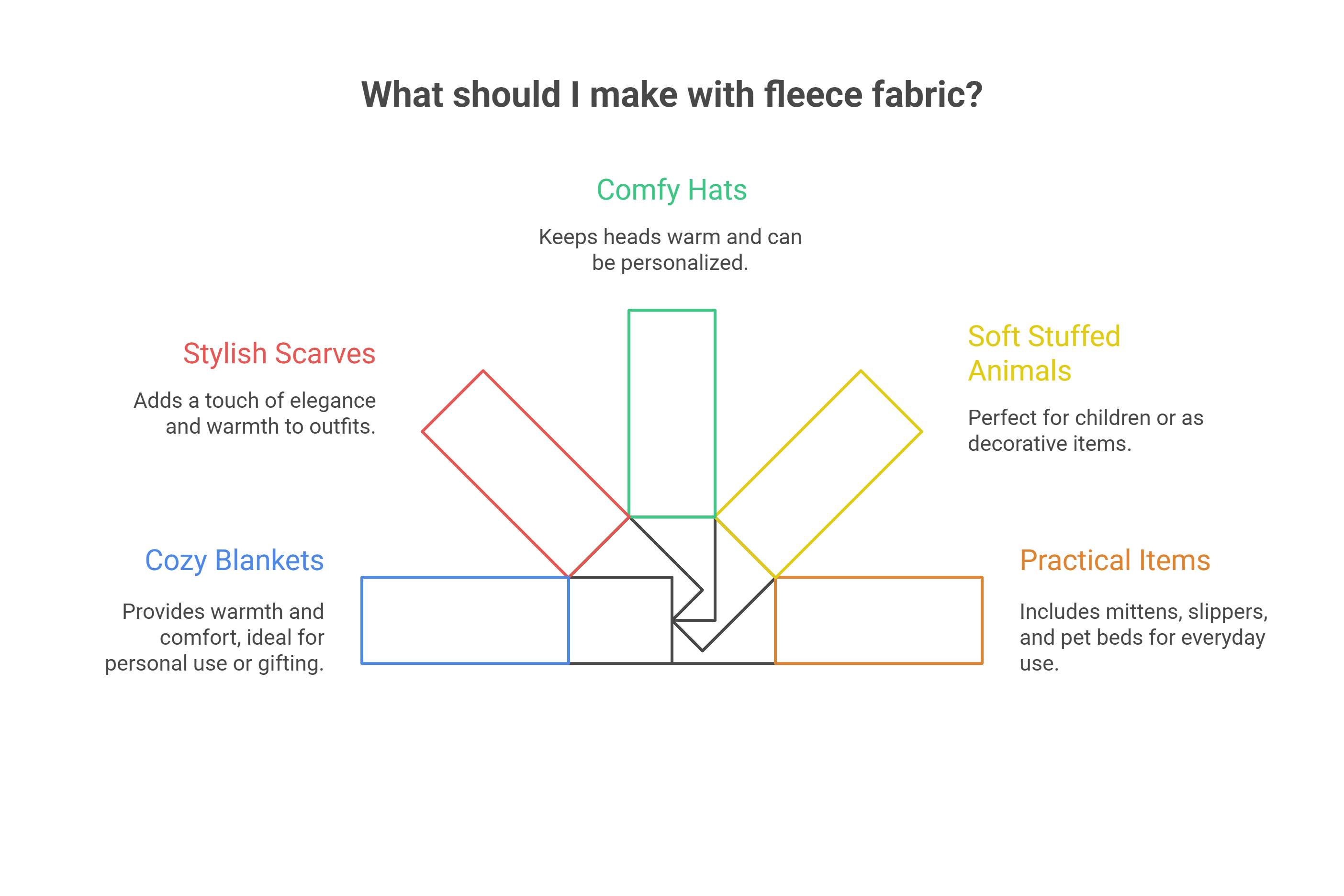
Fleece is one of the most versatile fabrics. Soft, light against the skin, and warm sans the bulk. So, what to make with fleece fabric? Simply put, nearly anything you would think of for comfort, warmth, and everyday practicality. Home throws and travel blankets to pet pads, school bags, and even corporate gifts-all fleece boasts its presence. It is a fabric that assures you that comfort need not come at the expense of convenience.

What Fleece Is

It is usually a synthetic knit fabric brushed on one or both sides to give it a soft and insulating pile. That pile traps air and keeps in heat, without adding weight to it. Unlike the itching effect of wool, a soft fabric like fleece will not itch, and unlike the drying effect of cotton, it dries fast. In short, it is an “always ready” fabric.

Common Types You’ll See

  • •Polar Fleece: Mid- to heavyweight fleece perfect for blankets and jackets.
  • •Microfleece: It is a lightweight and breathable fabric ideal for layering purposes.
  • •Sherpa Fleece: Thick, textured fleece that feels cozy for lining and outerwear.
  • •Plush/Velour Fleece: Fine and soft fleece with a velvety touch.

Weight & Warmth Guide

  • Lightweight (100–150 GSM): Scarves, travel wraps, children’s throws.
  • Midweight (200–250 GSM): Everyday blankets, hoodies, casual wear.
  • Heavyweight (300+ GSM): Outdoor blankets, ponchos, stadium throws.

Why Fleece Works for Daily Life

It has become practically a household staple in the home, for it comes with so many advantages in one single fabric. The warmth-to-weight ratio is at the top, in the sense that it provides warmth without any bulk. As a second plus, it dries quickly, which is wonderful for settings where washing tends to be frequent, such as homes, schools, or even hospitals. That soft touch is a giveaway; even kids, adults, and pets are pressed to snuggle with it.

It is obvious that no fabric is entirely without flaws: fleece builds up static, ruins quickly if subject to heat (skip the high dryer), and may pill after a while in the case of cheaper varieties. The great news is that fleece, when afforded an anti-pilling finish and a little care, will remain durable and dependable for years.

What to Have Made for Your Home & Living

Living Room Comfort

Imagine a movie night without a blanket. Not fun. Fleece throws and oversized couch blankets are household staples. You can also add cushion covers made from fleece to soften up a sofa or window seat.

Bedroom Warmth

Fleece bed throws are ideal as extra layers in winter. Kids’ nap blankets or dorm-friendly fleece throws are budget-friendly yet warm, and they survive plenty of washes.

Practical Household Additions

Reading nook mats or fleece play blankets provide a cushy spot that is easy to clean for the little ones. For the family, fleece is that low-maintenance option worth a touch of luxury.

What to Have Made for Travel & Outdoors

On-the-Go Comfort

Long flights, road trips, or chilly train rides all call for compact travel blankets. Many are designed to roll up with straps or double as pillows. Some even convert into neck pillows with a blanket tucked inside.

Weekends & Campsites

Ready for bundling and stowing are fleece picnic rugs with water-resistant backing and campfire lap blankets. Microfleece sleeping-bag liners give warmth to the chill of the night while still being very lightweight.

Stadium & Sideline Gear

Fans swear by stadium blankets—thicker fleece throws with carry handles or poncho-style designs that double as wraps on windy days.

What to Have Made for Apparel & Accessories

Cold-Weather Accessories

The ear warmers, beanies, and neck gaiter, aren’t expensive, but are much use in winter. They make splendid giveaways to schools, charities, and corporates.

For Work & School

Uniform midlayers or branded staff jackets keep teams comfortable and consistent. Students often love fleece school spirit throws in team colors.

What to Have Made for Kids & Care Settings

Kids & Schools

Nap blankets for preschoolers, reading corner throws, or cozy wraps for school buses are simple but effective uses. They’re easy to label, wash, and replace when needed.

Health & Care

Hospitals, senior care facilities, and rehabilitation centers often use fleece lap blankets. They’re soft, easy to launder, and comforting without being too heavy.

Sensory-Friendly Comfort

Fleece has a smooth, consistent texture that works well in sensory rooms or calm-down spaces for children and adults alike.

What to Have Made for Pets & Utility

Pets

Pet blankets for crates, sofas, or travel carriers are a big hit. They’re washable, soft, and inexpensive to replace. Lightweight fleece dog coats also work well in cooler months.

Everyday Utility

Fleece also steps outside the home—car seat covers, trunk liners for picnics, or padded wraps for seatbelts are practical and easy to clean.

What to Have Made for Events, Teams & Gifting

Corporate & Charity

Logo blankets are a popular gift for employees, volunteers, and donors. Fleece is cost-effective for large orders but still feels thoughtful.

Teams & Clubs

Sideline wraps or stadium throws in team colors make great merchandise or fundraising items.

Holidays & Occasions

Personalized fleece throws are timeless gifts. Whether monogrammed for weddings, themed for holidays, or embroidered with family names, they’re practical keepsakes.

Custom Details That Matter

Finishes & Feel

Look for anti-pill treatments, double-brushed surfaces, or bonded backing for wind resistance.

Edging & Construction

Fleece blankets can be whipstitched, hemmed, or bound with satin edging—small details that change the look.

Sizes & Packaging

From travel size to oversized couch throws, fleece can be cut and finished in virtually any dimension. Packaging like ribbon wraps or stuff-sacks makes them gift-ready.

Personalization

Embroidery, patches, or heat-applied logos make fleece products more special for teams, businesses, or families.

Care Tips to Keep Fleece Looking New

  • Wash on cool with mild detergent.
  • Tumble dry low or air-dry—avoid high heat.
  • Wash inside out to reduce friction and prevent pilling.
  • Use a fabric shaver occasionally if pills form.

Once, a family packed for a road trip and forgot their pile of fleece throws. Halfway through a cold overnight drive, they had to “borrow” one from the dog’s crate in the trunk. The result? Warm kids, a slightly offended dog, and a newfound respect for just how multipurpose fleece can be. Moral: pack extra fleece—everyone wants one.

What This Means for You

Fleece is a life-saving solution at times. On any given day, one might want fleece to stay warm at home or while on travels, demand fleece as a school or hospital supply, or perhaps buy fleece in bulk for functions. This material couches well in almost any environment. If you have been wondering what to do with fleece fabric, then guess what? The options are near-endless: blankets, clothing, accessories, pet stuff, and presents-all use this fabric because of its softness, warmth, and durability.

How We Can Help

If one is thinking beyond self-glorification, then, Thornton would have it by finished, high-quality fleece goods. Embroidered throws for corporate gifting, travel blankets, and event merchandise made with a bit of the hard life are what we specialize in: fleece products that balance comfort and practicality. We also provide fleece blankets in bulk for larger orders, a purchase option that charities, schools, and hospitals commonly use as an inexpensive way of offering warmth without sacrificing comfort.

What Is Heather Fabric?

24 Sep

Heather basically means a textile made by interweaving yarns of different colours to impart a subdued speckled effect. This can be for cotton, polyester, wool, or blends for various blends of comfort and style. On being asked what Heather fabric is, the simplest explanation therein is: they are the next best thing for clothing and home decor when solid colours feel like too boring and wild prints feel like too much to handle.

Heather Fabric Basics

What Is Heather Fabric?

Heather fabric is uncommon because of its muted, multicoloured look. A fine set of fibres in two or more shades is interlocking, giving it a sense of depth and texture rather than having just one single colour shade on the surface. Just picture that T-shirt of yours which is neither grey nor white-it must be heather.

The Origin Story

The name “Heather” originates from heather, a plant that grows in the Scottish Highlands. The plant consists of earthy speckled shades resembling the mixed colourway of this textile. While the term has an earthy origin, it went on to be equally famed in the fashion domain, especially in knitwear and casual apparel. Designers saw the potential for a mottled texture to infuse interest into anything-even a plain T-shirt!

Key Characteristics of Heather Fabric

Visual Appearance

The most defining trait is its speckled or flecked surface. Unlike tie-dye or prints, the look is subtle—making garments appear more natural and versatile.

Texture and Feel

Soft, smooth, textured, or cuddly are all possible touch sensations of heather fabrics, just depending upon what kind of fibres are used. Cotton heathers breathe more and are lighter, whereas wool heathers tend to be thicker and warmer.

Fiber Variety

Heather isn’t one single material—it’s a category of looks. It can be crafted from cotton, polyester, wool, bamboo, or acrylic. Many modern heather fabrics are blends, combining natural softness with synthetic durability.

Performance Traits

  • Breathable: Cotton-heavy blends keep you cool.
  • Moisture-wicking: Polyester-heavy blends suit athletes.
  • Warm: Wool-based heathers are insulating.
  • Durable: The blending process increases strength.

Types of Heather Fabrics
Cotton Heather

Perhaps the most common, cotton heather is lightweight, soft, and ideal for everyday wear. It’s used in T-shirts, loungewear, and hoodies. The slight colour variation adds flair to basic garments.

Polyester Heather

Today’s fashion has forgotten the silhouette, which can take the hourglass shape due to the tutu, leaving you ready for anything. The bell shape is set to postpone old age, and it grabs the best for the round.

Wool Heather

Being warm and textured, wool-heather fabrics are primarily used for sweaters, coats, and scarves. Think of them as winter wardrobe heroes that are there to give you comfort without a dull look.

Blended Heather

Mixtures like cotton-polyester or wool-acrylic combine the strengths of completely different types of fibres. Due to their versatility, these fabrics have so many applications, such as softness, stretch, or moisture control.

Specialty Types

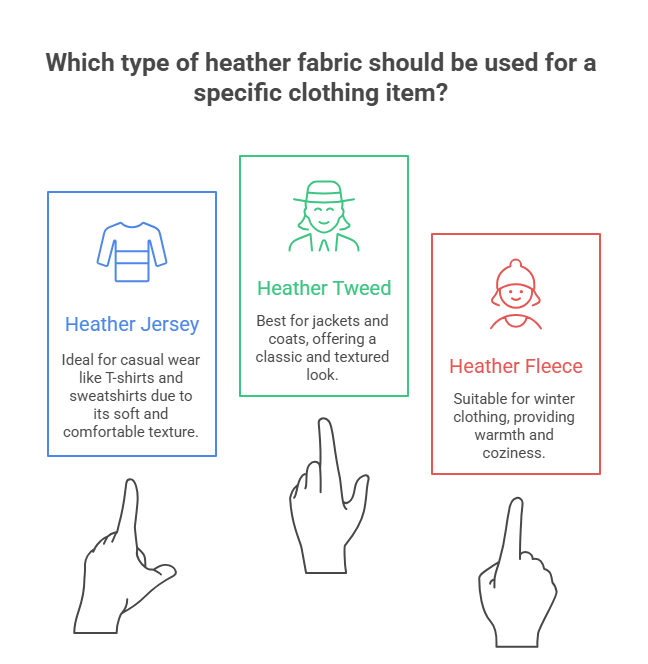
  • Heather Jersey: Mainly used for casual wear, long T-shirts and sweatshirts.
  • Heather Tweed: Quite textured classic wool blends for jackets and coats mostly.
  • Heather Fleece: Cosy and warm, a must for winter and cold-weather clothing.

Everyday Wear

Heather is a hit casual wardrobe fabric, perfect for hoodies, tees, joggers, and jammies. The cool coolness of the heather style should work for chilling at home and running small errands around town.

Sportswear and Athleisure

Polyester heathers crown the activewear segment. The fabric is breathable, moisture-wicking, and flexible-just perfect for workouts or yoga classes. Plus, the familiar speckled pattern from the silver-returns-and-gives glare-on-the-library-book-code dots into a handy anytime spotter for sweat stains!

Outerwear
Wool heathers are seen in coats, jackets, and scarves. They provide insulation with a rich, textured appearance that adds sophistication to winter fashion.

Home Textiles

Heather fabrics aren’t limited to fashion. They appear in cushions, throws, curtains, and upholstery. Designers love the understated depth they bring to interiors.

Heather Fabric vs. Other Fabrics

Heather Fabric vs. Cotton

Heather can be made entirely from cotton, but unlike plain cotton fabrics, it has that distinctive speckled effect. It’s cotton with a visual upgrade.

Heather Fabric vs. Melange

Both involve blending different colored fibers, but “melange” refers to a broader category of mixed-fibre looks. Heather is a specific, classic style within that category.

Heather Cotton vs. Heather Fleece

Heather cotton is soft, breathable, and suited for everyday wear. On the other hand, Heather Fleece is heavier and designed to keep warm, suited to cold nights and layers.

Care and Maintenance Tips

Washing and Drying

  • Wash in cold water to preserve colours and prevent shrinkage.
  • Air-dry when possible; if using a machine, stick to moderate or low heat.

Ironing and Storage

  • Cotton heathers can be ironed at a higher heat.
  • Polyester or blended heathers need a low setting.
  • Store folded or on hangers to maintain shape.

Common Issues

  • Cotton heathers may shrink if washed too hot.
  • Synthetic blends may pill over time, but choosing high-quality fabrics reduces this risk.

Why Consumers Love Heather Fabric

Heather fabrics check many boxes: they’re stylish, comfortable, versatile, and low maintenance. The muted colours make them easy to pair with other pieces, while the blended construction ensures durability. And let’s be honest—sometimes that heather grey tee just looks cooler than a plain white one.

In between all these, it will be worth revisiting the question: what is Heather fabric? It’s the quiet workhorse of the textile world-never flamboyant, always dependable, and somehow able to make the simplest everyday wardrobe feel just right.

The Mystery of the Favourite T-Shirt

We have all come across that lucky T-shirt we wear all the time. The one that fits just right, feels soft, and goes well with anything. The secret? Perhaps it’s Heather fabric. That speckled look and the fibre-blend work to make it less transparent, more durable, and more attractive with every use. So, should you have ever pondered over the question of why you can’t give up your shirt, the answer lies in the weave!

A Fabric That Blends Style with Practicality

So, in the end, what is Heather fabric? It’s an intermingling of fibres and colours into something comfortable, strong, and stylish. From the hoodie you wear casually after work to the wool coat you have in the harsh winter, heather fabrics have carved their niche in wardrobes and houses across the globe.

And if you’re interested in textiles that combine comfort and practicality, we can help. Our business specialises in bulk fleece products that balance warmth, durability, and affordability. From embroidered jackets to cosy throws, our fleece blankets wholesale collection is perfect for charities, corporate events, schools, or anyone needing high-quality fleece in volume. Just like Heather fabric, our fleece options prove that the best fabrics are the ones that quietly make life better.
What Is Poly Cotton Fabric?

24 Sep

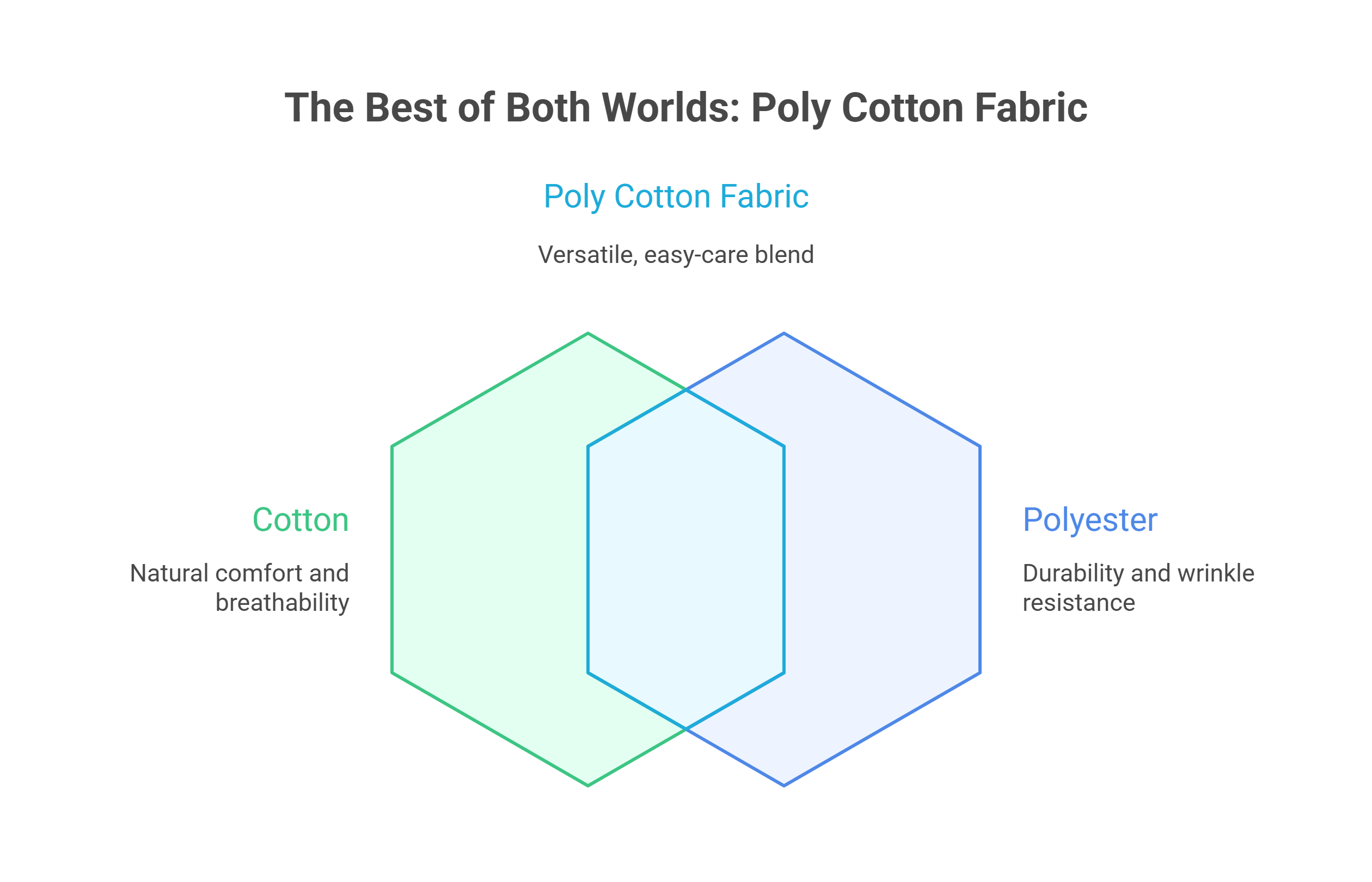
Poly cotton is a fabric created by blending natural cotton fibres with synthetic polyester fibres. Cotton imparts softness, comfort, and breathability, whereas polyester imparts strength, wrinkle-resistance, and durability. When combined, they create an all-rounder-type material that you find everywhere, from uniforms, sheets, T-shirts, table cloths, to arts and crafts. So, if they were to ask you, What is Poly Cotton Fabric? The short and sweet answer is that it is a fabric that equates the silent comfort with practicality.

Poly Cotton —What It Is and Why It Exists

Simple Definition (Cotton x Polyester = Balanced Performance)

Poly-cotton is a true two-fibre cloth. Cotton fabrics are breathable and comfortable, but they shrink when washed, and repeated washing will ruin any cotton fabric. Polyester fabrics feel harsher and less breathable in terms of comfort, but they stand the test of wear and retain shape. A blend of these two makes an earnest fabric: such fabric wears well with less demanding maintenance.

A Brief Origin Story

This blend wasn’t born out of fashion trends—it came out of practicality. Manufacturers wanted fabrics that consumers didn’t have to iron for half an hour every morning. (Because who has time for that before coffee?) Poly cotton provided an answer by giving durability without sacrificing comfort.

Where You’ll Meet It Daily

Look in your closet, your laundry basket, or even the hotel down the street—you’ll find poly cotton everywhere. From school uniforms and work shirts to crisp pillowcases and tablecloths, it’s the fabric that works overtime while staying out of the spotlight.

Blend Ratios & What They Actually Change

  • 50/50: Balanced durability and softness.
  • 65/35 (cotton-heavy): Softer, more breathable, often preferred for casual clothing.
  • 80/20 (poly-heavy): Stronger, wrinkle-resistant, better colour retention.

How Ratios Affect Feel and Care

The greater the percentage of cotton, the lighter the fabric feels and is softer to touch, but needs TLC. Polyester connotes a stronger kind of fabric that dries fast, lasts well, and might not breathe. Think of it like modifying a recipe, adding a dash of sugar or an extra pinch of spice, dyes the whole taste of that particular dish.

How Poly Cotton Is Made (From Fibre to Finish)

Spinning and Blending

Cotton and polyester are fibres that are spun separately and then blended. Depending upon the requirement for the fabric performance, the manufacturers may select any one of several methods, such as by means of an intimate blend or core-spun yarn.

Fabric Construction

  • Woven Poly Cotton: Durable options like percale or twill, often used in sheets and workwear.
  • Knit Poly Cotton: Stretchy and flexible, perfect for T-shirts, polos, and sportswear.

From wrinkle resistance to anti-pilling finishes, these final treatments make the fabric softer, longer lasting, and better suited to its purpose.

Properties That Matter in Everyday Life

Hand feel and Comfort

Poly cotton feels softer than polyester alone and has a natural drape, making it comfortable for daily wear.

Breathability and Moisture Control

Cotton breathes and absorbs moisture, whereas polyester dries moisture quickly. And thus, both properties render poly cotton suitable for summer wear and sweaty gym sessions.

Durability and Shape Retention

Thanks to polyester, the fabric holds up against wear and tear, resists shrinking, and keeps its shape wash after wash.

Wrinkle and Colour Resistance

Fewer wrinkles mean less ironing—always a win. Plus, polyester helps colours stay vibrant longer.

Pros and Cons of Poly Cotton

Advantages

  • Comfortable yet durable
  • Budget-friendly compared to 100% cotton
  • Wrinkle-resistant and easy to care for
  • Quick-drying and colourfast
  • Versatile applications across clothing, bedding, and more

Limitations

  • Not as breathable as pure cotton in high-heat situations
  • Attracts lint and static more than natural fibres
  • Polyester content raises sustainability concerns

Poly Cotton vs. Other Fabrics

Poly Cotton vs. Cotton

Pure cotton wins on natural softness and eco-friendliness, but it wrinkles easily and can shrink. Poly cotton gives you durability with fewer laundry headaches.

Poly Cotton vs. Polyester

Polyester alone is strong, but it can feel less comfortable. Blending it with cotton softens the feel while keeping the strength.

Poly Cotton vs. Stretch Blends

Some fabrics may use elastane for extra stretch. Poly cotton does not have any natural stretch unless knit, but it does provide a certain amount of stretchability as opposed to stiff polyesters.

Use-Case Playbook: Where It Shines

  • Apparel: T-shirts, polos, uniforms, scrubs, and activewear.
  • Bedding: Cotton linens that include bedsheets, pillowcases, and duvet covers—prized in hotels and hospitals.
  • Workwear: Clothing and apparel that are tough and rugged, i.e., for an employee who needs to look presentable every day.
  • Crafts and decoration: Tablecloths, bunting, and lightweight upholstery.

If you’ve ever wondered halfway through folding laundry, “Why does this shirt always look decent?”—the answer is usually poly cotton.

Buying and Caring for Poly Cotton

Buying Tips

  • Check the blend ratio—higher cotton means more softness, higher polyester means more durability.
  • Touch the fabric—does it feel smooth, or does it have surface fuzz?
  • For bedding, look at weave and GSM instead of just thread count.

Care Guidelines

  • Wash in cool to warm water with a gentle detergent.
  • Tumble dry on low or line dry for best results.
  • Iron at low to medium heat if needed, but most poly cotton doesn’t demand it.
  • Avoid high heat to prevent shrinkage or damage.

Comfort, Care, and Where We Can Help

So, What Is Poly Cotton Fabric? That blend gives you the comforts of cotton and the frigid-fastness of polyester, thereby lending just a bit of ease to your life, whether it be getting dressed for work, setting up the dinner table, or finally going to bed. In some applications, it may not suit well; nevertheless, it is considered by many to be one of the most practical fabrics.

And speaking of practicality, if you’re shopping for warmth in bulk, our company specialises in fleece blankets wholesale. For over 21 years, we’ve provided first-quality, non-pilling fleece blankets and jackets in all sizes and colours, with custom embroidery available. Whether you’re outfitting a charity drive, supplying a hospital, or preparing for a corporate event, we’ve got the cosy, durable, and affordable fleece solutions you need.

How to Wash a Tie Blanket

20 Sep

How to wash a tie blanket? Gently, that is. Put it through the washer with cold water and mild detergent, using the delicate cycle, or clean it by hand if you’re paying extra attention to detail. Then lay it flat to dry or tumble dry on the lowest heat. Avoid fabric softeners, bleach, or high heat-these things are just nasty to fleece. If treated well, this blanket will stay soft, brilliant with colours, and a warm warranty for many years.

Why Washing a Tie Blanket Needs Special Care

Tie blankets are no common blankets; they are usually handmade, gifted from one person to another, and very often made of fleece. The fleece is sturdy but has some vulnerability to heat, strong detergents, and friction. Any wrong washing procedure basically means every bit of pilling (fuzz balls), stiffening, or even loosening of knots. Wash it well, though, and that tie blanket will go from being cuddled through long, cold winter nights and poor star choices on Netflix, multiplied by a morale-boosting pet invasion.

Step 1: Prep Your Blanket Before Washing

It is good to perform some pre-care for your tie-blanket before it goes into the washing machine, so to speak. Make sure to inspect the edge knots, pulling gently on a few; give a reverse tie to any that feel loose so they don’t come loose while washing. Then, bring the blanket outside and give it a really good shake to dislodge any dust or crumbs. A quick once-over with a lint roller or vacuum is helpful, especially if you have heavy-haired fur friends around, so your washing machine doesn’t become a furball trap.

The final treatment consists of removing any spots: coffee drips or chocolate smudges. Use a mild stain remover or diluted detergent, but never use bleach because it weakens fleece fibres and strips away colour.

Step 2: Wash It the Right Way

Machine Washing (Most Common Method)

  1. Temperature: Cold or at best lukewarm water; never hot.
  2. Cycle: Gentle cycle with delicate wash to permit minimum friction.
  3. Detergent: Preferably a mild detergent, free of scent. The lesser the better, for more residue means stiffer fabric.
  4. Load: Wash it alone or with other soft items. Don’t mix with jeans, towels, or anything rough.

Hand Washing (Extra Careful Approach)

  1. A bathtub or bucket should be filled with cool water.
  2. About a teaspoon of mild detergent is to be added.
  3. Have the blanket gently swirled around (think of stirring soup rather than scrubbing a pan).
  4. Rinse it well until the water runs clear.
  5. Press the water out gently; never twist or wring.

Hand washing takes longer, but it’s like giving your blanket a spa day.

Step 3: Dry with Care

As far as drying a tie blanket goes, air drying is the safest method and thus should be laid flat on a clean surface or drying rack, while sometimes flipping to allow both sides to dry evenly. It should be kept out of the sun for fear of fading. Should one insist on using a dryer, the lowest heat setting should be used and the blanket removed while still damp so it may finish drying in the open air. Whatever method of drying one chooses, one should never allow high heat, for in the shortest time, it would render the fleece stiffer, coarser, and less comfortable.

How to Prevent and Fix Pilling

Pilling happens when fleece rubs against itself and forms tiny fuzz balls. It’s the blanket equivalent of getting wrinkles before your time.

  • Prevent it: Wash on delicate, skip softeners, and dry on low heat or air dry.
  • Fix it: Use a fabric shaver or de-pilling comb. A quick pass brings your blanket back to life.

Extra Care Tips Worth Knowing

  • Don’t overwash: Only wash when it looks dirty or smells foul. Overwashing shortens fleece’s lifespan.
  • No ironing: Heat flattens and ruins fleece fibres. Smooth by hand instead.
  • Smart storage: Fold neatly and store in a cool, dry spot away from sunlight. A breathable bag keeps it fresh.
  • Pet hair hacks: Use a lint roller or a damp cloth before washing. A vacuum brush attachment also works wonders.

What This Means for You

It isn’t complicated; one just has to pamper a little. Cold water, some gentle detergent, and patience keep the blanket looking fresh and feeling soft. With care, a tie blanket may remain with you longer, whether it was homemade, a greeting, or a comfort blanket.

And if one tie blanket isn’t enough (because let’s be honest, they’re addictive), PeachFur Fleece has been crafting quality fleece blankets, throws, and duvet covers for over a decade. Resorts, schools, and even government agencies trust their products for both warmth and durability. Looking to stock up? Check out their wholesale fleece blanket options for stylish, soft, and long-lasting designs perfect for personal use or business needs.

With the right washing routine—and the right supplier—you’ll never have to choose between cosy and durable. Your tie blanket can be both.

What Is Fleece Material?

19 Sep

So, imagine you have been cuddled in a soft blanket or the embrace of a hoodie. There you have it, fleece in action! What are fleece materials, really? In essence, a fleece is a synthetic fabric, mostly polyester, designed to impart a bit of warmth like wool but without the annoying itchiness. Being light, warm, and versatile, it continued its journey to fame as apparel, blankets, and a household must for outdoor gear, now having a fad of its own in fun and creative projects. The material maintains its love for being warm, soft, easy to care for, and inexpensive to buy.

The Backstory: How Fleece Was Born

Fleece is a rather modern invention and did not make its way into our closets inadvertently. In the late ’70s, Malden Mills, hence Polartec, engineered fleece to be the synthetic version of wool. The goal was simple: create a fabric that could insulate well, whereas the disadvantages of wool were that it was slow to dry and heavy. And by the end of the ’80s, it had become highly favoured among outdoorsmen– hikers, climbers– as the fabric that would keep them warm in the mountains while never turning into a soggy mess.

Convertible into streetwear without any hassles, these jackets, hoodies, and blankets soon got themselves entrenched in homes and wardrobes all over the nation. Is it a function? Is it fashion? The fleece straddled both realms. Today, the term fleece has become generic for a whole family of textiles, each fabric weight consisting of particular uses, from lightweight microfleece to heavy sherpa.

What Fleece Is Made Of

The Core Ingredient: Polyester

Most of the fleece is made from polyester, specifically, polyethene terephthalate (PET). It is the plastic of which water bottles are made; thus, that bottle you once drank from could very well be recycled into a fleece blanket. Polyester is the most durable; it resists shrinking, and it dries quite fast, which is perfect for fleece.

Blends and Alternatives

While polyester is the star, other fibres often join the party:

  • Cotton fleece: softer, breathable, but heavier when wet.
  • Bamboo fleece: eco-friendly, naturally antibacterial, and breathable.
  • Hemp blends: durable and mould resistant.
  • Wool or merino fleece: hybrid fabrics that balance natural and synthetic benefits.

These blends offer different textures, weights, and sustainability levels, depending on the intended use.

From Fibre to Fabric: The Manufacturing Process

Step 1: Fibre Creation

Polyester chips are melted down and extruded through spinnerets, creating long strands of fibre. Think of it like making spaghetti, but instead of dinner, you get the raw ingredients for your blanket.

Step 2: Yarn Formation

The fibres are cooled, cut, and spun into yarn. At this stage, other fibres (cotton, bamboo, wool) can be blended in.

Step 3: Knitting or Weaving

Most fleece is knitted into lightweight, flexible fabrics. This structure helps retain loft (fluffiness) and warmth.

Step 4: Brushing and Napping

Wire brushes raise the fibres on one or both sides of the fabric, creating the fuzzy nap that gives fleece its signature softness.

Step 5: Finishing Touches

  • Heat setting for shape retention.
  • Anti-pill finishes to reduce fuzz balls.
  • Moisture-wicking or water-repellent treatments for performance fleeces.

By the end of this process, fleece is ready to keep you warm—without the weight of wool sweaters or the maintenance of down jackets.

Types of Fleece You’ll Encounter

Microfleece

  • Light, breathable, and great for layering.
  • Commonly used in base layers or athletic wear.

Polar Fleece

  • The “classic fleece” most people know.
  • Midweight, insulating, perfect for jackets and blankets.

Plush or Sherpa Fleece

  • Thick, high-pile, wool-like texture.
  • Excellent for winter throws and fashion pieces.

French Terry Fleece

  • Smooth exterior, looped interior.
  • Popular in sweatshirts and loungewear.

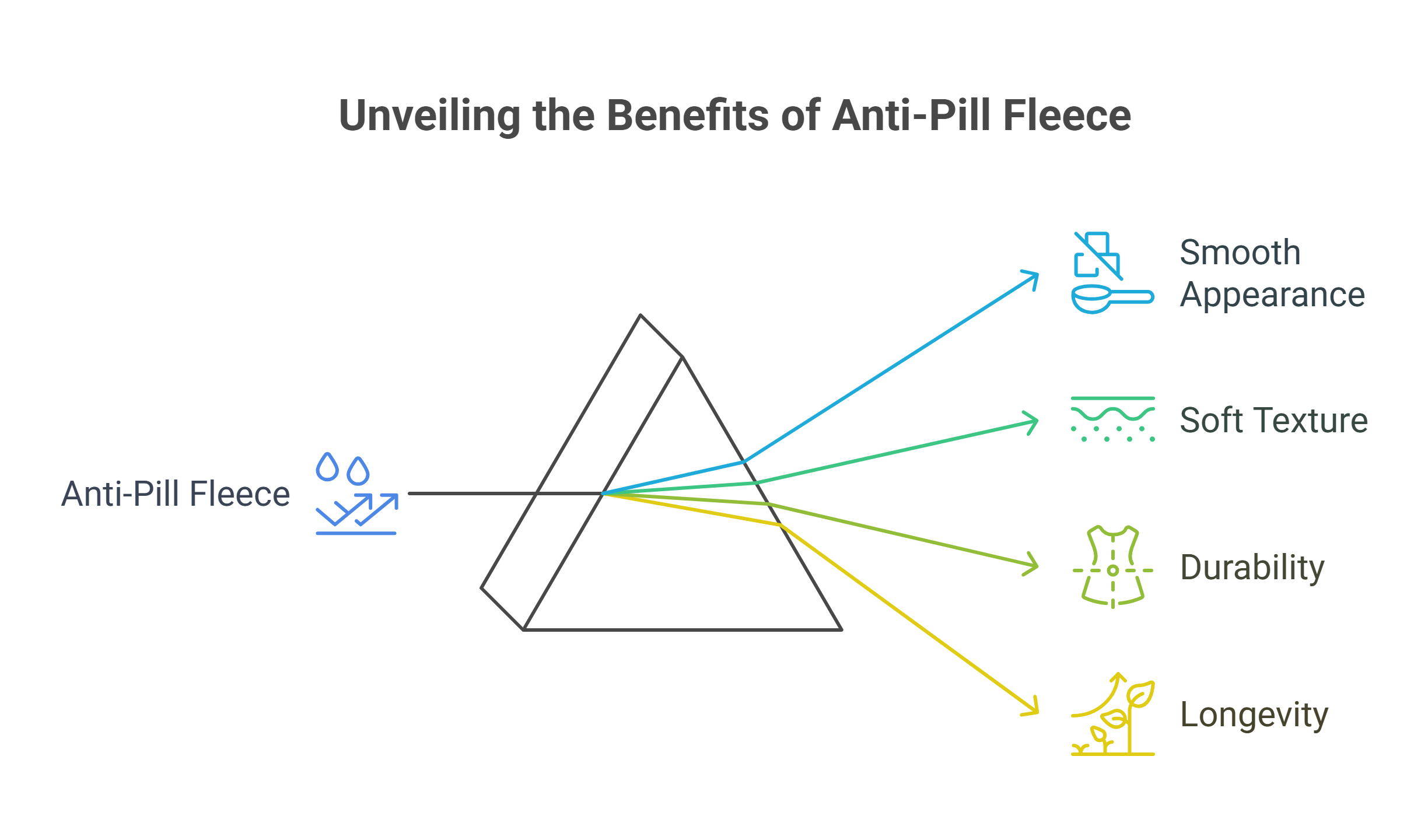
Anti-Pill Fleece

  • Treated to resist fuzz balls from friction.
  • Maintains a clean look over time.

Recycled Fleece

  • Made from plastic bottles and post-consumer polyester.
  • A sustainable choice with the same performance as standard fleece.

Why Fleece Works So Well

Warmth Without Weight

The brushed nap traps air, creating pockets of insulation. That’s why fleece feels toasty but doesn’t weigh you down.

Quick Drying

Unlike wool or cotton, polyester fleece dries rapidly, making it perfect for hikers, campers, and anyone caught in the rain.

Softness and Comfort

The fuzzy nap feels luxurious against the skin. Combine that with stretch and flexibility, and you have comfort clothing at its best.

Low Maintenance

Machine washable, wrinkle-resistant, and long-lasting. Toss it in the washer, skip the iron, and you’re good to go.

Budget-Friendly

Compared to wool or down, fleece is affordable to produce and buy, making it accessible for everyday consumers.

Advantages and Trade-Offs

Pros

  • Warmth-to-weight ratio is excellent.
  • Doesn’t lose insulating power when damp.
  • Wide range of colours, weights, and finishes.
  • Durable and easy to care for.

Cons

  • Made from petroleum-based fibres (environmental impact).
  • Can shed microplastics in the wash.
  • Attracts lint and pet hair like a magnet.
  • Can be flammable if untreated.

Sustainability in Fleece Production

As concerns regarding textile waste and environmental implications continue to rise, fleece production has increasingly sought to position itself as a sustainable activity. Presently, recycled polyester fleece lends a cosy makeover from discarded plastic bottles, whereas organic cotton fleece constitutes the natural counterpart with relatively less ecological burden.

Several manufacturers are also eco-dyeing the garments to save water and limit chemical use, and now microfiber filters are under development to catch the tiny fibres released during washing. So, eco-consumers can now wear fleece with a bit less guilt, whether they choose blends or brands that uphold responsible practices.

Everyday Uses of Fleece

Fleece remains one of the most adaptable fabrics of everyday life.

  • Apparel: Having a fleece hood, jacket, leggings, gloves, or hat is highly recommended for active performance wear due to its breathability and moisture-wicking properties.
  • Home Goods: A fleece blanket, throw, cushion cover, and robe are winter essentials cherished for fleece warmth and softness.
  • Outdoor Gear: Camping blankets, hiking clothes, and fleece pet coats keep users warm without any extra bulk.
  • Crafting and DIY: From no-sew tie blankets to costumes, quilting projects, and pre-cut kits, fleece remains a beginner-friendly craft staple.

Caring for Your Fleece

If well-maintained, fleece can retain its softness and durability for years. Wash fleece with cold water on a gentle cycle. The use of strong detergents, bleach, and fabric softener will result in the degradation of the fleece fibres. Aerate or quick tumble dry on low heat to keep it soft. To keep the freshness of the fleece, store it folded away in a cool, dry place. If pilling occurs on cheaper fleece, a fabric shaver can do wonders to smooth it out, so that your favourite items stay cosy and usable for years.

What This Means for You

Now, you have a clear picture of what fleece material is: a versatile, cosy synthetic fabric that tries to juggle warmth, softness, and practicality. Whenever mountain climbs and good times on Netflix come to mind, fleece has you covered-theoretically, it’s thin-weighted, cheap, and needs no complex care; these attribute marks places for fleece in our list of practical fabrics of the current day.

At PeachFur Fleece, we specialise in delivering high-quality fleece fabrics and blankets trusted by resorts, schools, charities, and businesses worldwide. Whether you’re a crafter, retailer, or organisation, our fleece blankets bulk collection is perfect for stocking up on durable, cosy options. When warmth and comfort matter, fleece proves that simple solutions can also be the best ones.