Quick Answer: How to Dry Fleece?
Knowing how to dry fleece properly is key to maintaining its softness, shape, and durability. Fleece is a delicate yet durable fabric, but improper drying—like using high heat or wringing—can cause pilling, shrinking, or loss of texture.
Always air-dry or tumble dry on a low-heat setting to preserve the fibers. If you’ve bought fleece blankets bulk for home, business, or resale, handling them correctly ensures they stay plush, vibrant, and long-lasting. Follow the right care steps to keep every fleece item feeling brand new after every wash.
Now let’s dive deeper.
Why Drying Fleece Correctly Matters?
Fleece is one of the most loved fabrics for a reason—it’s warm, lightweight, and irresistibly soft. Whether it’s your favorite hoodie, a cozy throw, or a shipment of fleece blankets bulk for your business, the care method can make or break its quality. The real secret to long-lasting fleece isn’t just washing it right—it’s drying it correctly.
Many people make the mistake of tossing fleece into a hot dryer or leaving it under direct sunlight, only to find it rough, matted, or shapeless afterward. This guide breaks down, step-by-step, how to dry fleece safely while maintaining that buttery softness we all love.
1. Understanding the Nature of Fleece
Before diving into the drying process, it helps to understand what fleece actually is. Fleece is typically made from synthetic polyester fibers, though some blends include natural materials like cotton or wool. The fibers are brushed to create that signature fluffy texture, which traps heat and gives fleece its insulating properties.
However, those same fibers are sensitive to heat and friction. High temperatures can melt or flatten them, and aggressive drying can cause pilling or shrinkage. This is why fleece requires extra care—especially when handling fleece blankets bulk, where consistency across multiple items matters.
2. Preparing Fleece Before Drying
Proper drying starts before you even begin. Follow these key steps after washing:
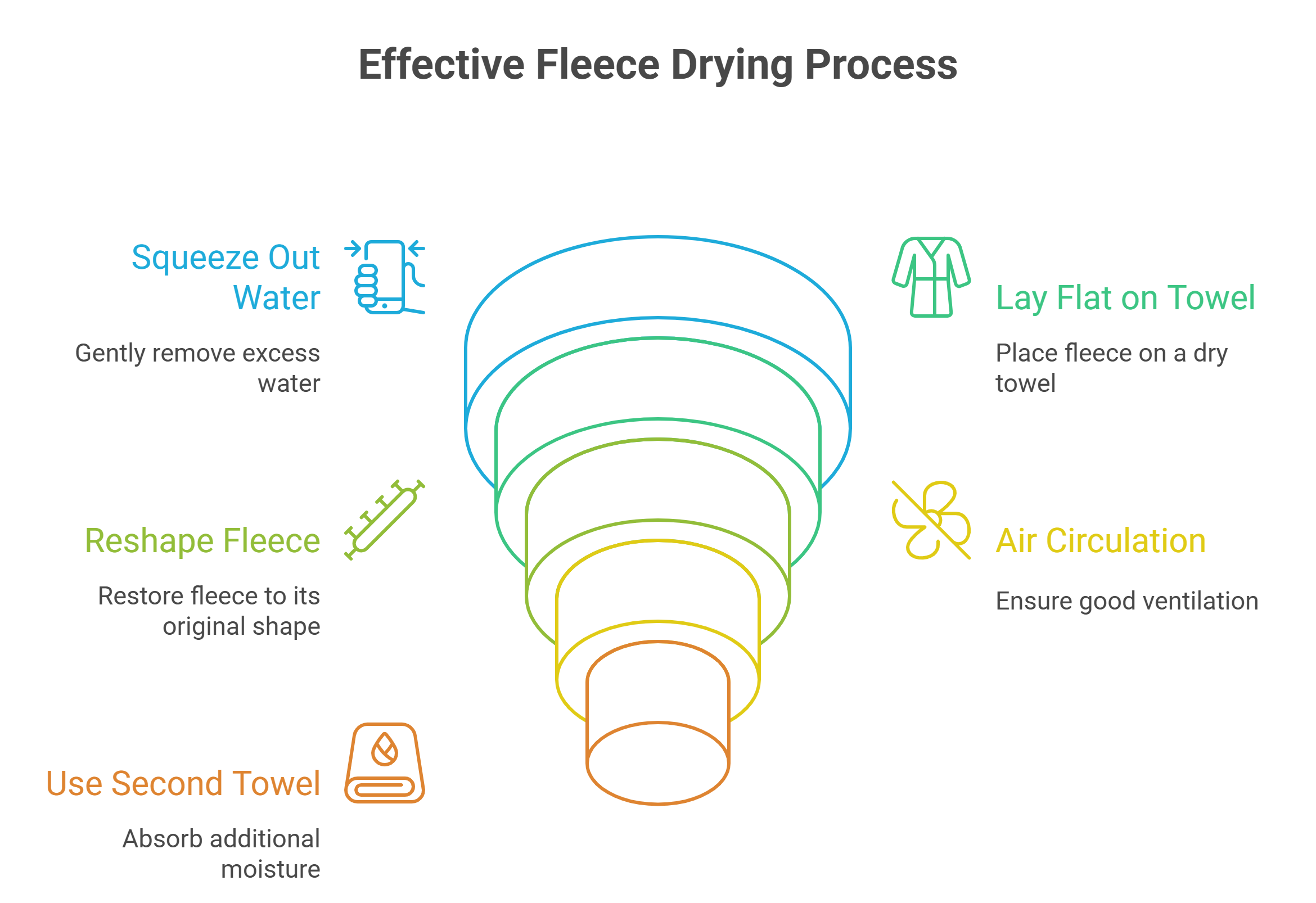
- Gently Shake It Out: Remove excess water by lightly shaking the fleece. Don’t wring it—this damages fibers and causes distortion.
- Use a Gentle Spin Cycle: If you’re machine washing, select a slow spin to remove water without twisting or stretching.
- Separate by Fabric Type: Avoid drying fleece with rough fabrics like denim or towels, as they can cause lint transfer and abrasion.
This simple preparation ensures your fleece is in the best shape before the drying process begins.
3. Air Drying: The Best and Safest Method
If you truly want to preserve the softness and structure of your fleece, air drying is your best option.
How to Air Dry Fleece?
- Lay Flat: Place the fleece on a clean, dry towel. Reshape it to its original form while it’s still damp.
- Avoid Hanging: Hanging fleece can stretch it out, especially if it’s heavy when wet.
- Dry Indoors or in Shade: Keep it out of direct sunlight, which can fade colors or weaken fibers.
- Flip Occasionally: Turn it every few hours to ensure even drying.
Air drying is slower than machine drying but gentler, ensuring your fleece stays plush and fluffy for a long time.
For businesses dealing with fleece blankets bulk, air drying in a temperature-controlled environment can ensure uniform softness across all units.
4. Machine Drying Fleece: When You’re Short on Time
Sometimes air drying isn’t practical especially if you’re managing dozens of fleece blankets bulk for a hotel, store, or promotional event. In that case, machine drying can still be safe if you follow these precautions.
Safe Tumble-Drying Steps:
- Select Low Heat: Use the lowest heat setting possible or the “delicate” cycle.
- Add Dryer Balls: Wool or rubber dryer balls help reduce static and keep the fleece fluffy.
- Avoid Dryer Sheets: These can leave a waxy coating that affects softness and breathability.
- Don’t Overdry: Remove the fleece while it’s still slightly damp to prevent overheating.
Once removed, lay it flat for a few minutes to allow residual moisture to evaporate naturally. This combination of gentle heat and air finish keeps fleece looking and feeling brand new.
5. Common Mistakes to Avoid
Even a small misstep can ruin your favorite fleece blanket or jacket. Here’s what not to do:
High Heat Drying
Excess heat melts the polyester fibers, causing stiffness or a “crusty” texture. Once damaged, the softness rarely returns.
Wringing Out Water
Twisting fleece to remove water may stretch it permanently and break the fibers.
Ironing Fleece
Never iron fleece. The heat can cause burns, shiny marks, or even melt patches.
Using Harsh Detergents
Avoid bleach or fabric softeners; they weaken fibers and attract lint.
Avoiding these mistakes ensures your fleece remains a staple comfort piece season after season.
6. How to Keep Fleece Soft After Drying?
Drying fleece correctly is only half the job—keeping it soft afterward requires consistent care.
Tips to Maintain Softness:
- Use Mild Detergents: Choose a detergent designed for delicate or synthetic fabrics.
- Brush Occasionally: Use a soft fabric brush to lift flattened fibers after drying.
- Store Properly: Keep fleece folded in a cool, dry place instead of crammed in drawers or baskets.
- Skip the Fabric Softener: These leave residues that reduce breathability and softness over time.
If you’re managing fleece blankets bulk, consider periodic maintenance—like light brushing and folding—to maintain that fresh-from-the-factory feel.
7. Commercial Tip: Drying Fleece Blankets in Bulk
For businesses handling fleece blankets bulk, drying is both a quality and efficiency challenge. Whether you’re a retailer, wholesaler, or hotel operator, uniform texture and cleanliness matter.
Here’s how to manage large batches effectively:
- Use Industrial Dryers with Temperature Control: Set at low heat (below 50°C / 122°F).
- Segment Loads by Weight and Size: Smaller batches dry more evenly and prevent overloading.
- Implement Quality Checks: After drying, inspect each fleece blanket for softness, lint, and shape retention.
- Rotate Inventory: Store dried fleece blankets in breathable bags to prevent mustiness and static build-up.
When cared for properly, fleece retains its appeal for long-term storage or resale—an important factor for businesses relying on customer satisfaction and repeat purchases.
8. Dealing with Static Electricity
Static is a common nuisance when drying fleece, especially in dry or cold climates. While fabric softeners can help, they often coat the fibers, reducing breathability. Instead, try these static-safe methods:
- Add a damp washcloth to the dryer load—it increases humidity, reducing static.
- Use dryer balls or anti-static dryer sheets specifically designed for synthetics.
- If air drying, place a small humidifier nearby to balance moisture in the air.
These solutions keep your fleece comfortable without harming its structure.
9. Eco-Friendly Drying Options
If sustainability is part of your lifestyle or business model, consider eco-conscious fleece care. Air drying remains the greenest option, consuming no electricity and extending the fabric’s lifespan. You can also:
- Use solar shade drying: Dry fleece under shade outdoors to utilize natural air circulation.
- Upgrade to energy-efficient dryers: Modern dryers with eco settings consume up to 40% less power.
- Avoid single-use dryer sheets: Opt for reusable wool balls or eco strips.
If you’re purchasing fleece blankets bulk for resale or brand merchandise, promoting “eco-friendly care instructions” can appeal to environmentally conscious customers.
Final Thoughts
Knowing how to dry fleece is an art that pays off in comfort, longevity, and quality. Whether you own one cozy throw or handle hundreds of fleece blankets bulk, gentle drying practices preserve the softness and structure that make fleece so beloved.
Skip the shortcuts—high heat and harsh handling will only shorten your fabric’s life. Instead, take a mindful approach: low heat, air drying, and proper storage. By following these steps, your fleece items will stay fresh, soft, and ready to warm you for years to come.
 Peachfurblog | Wholesale & Bulk Blankets
Leave a comment