Quick Answer: What Fabric Is Best for Tie Blankets?
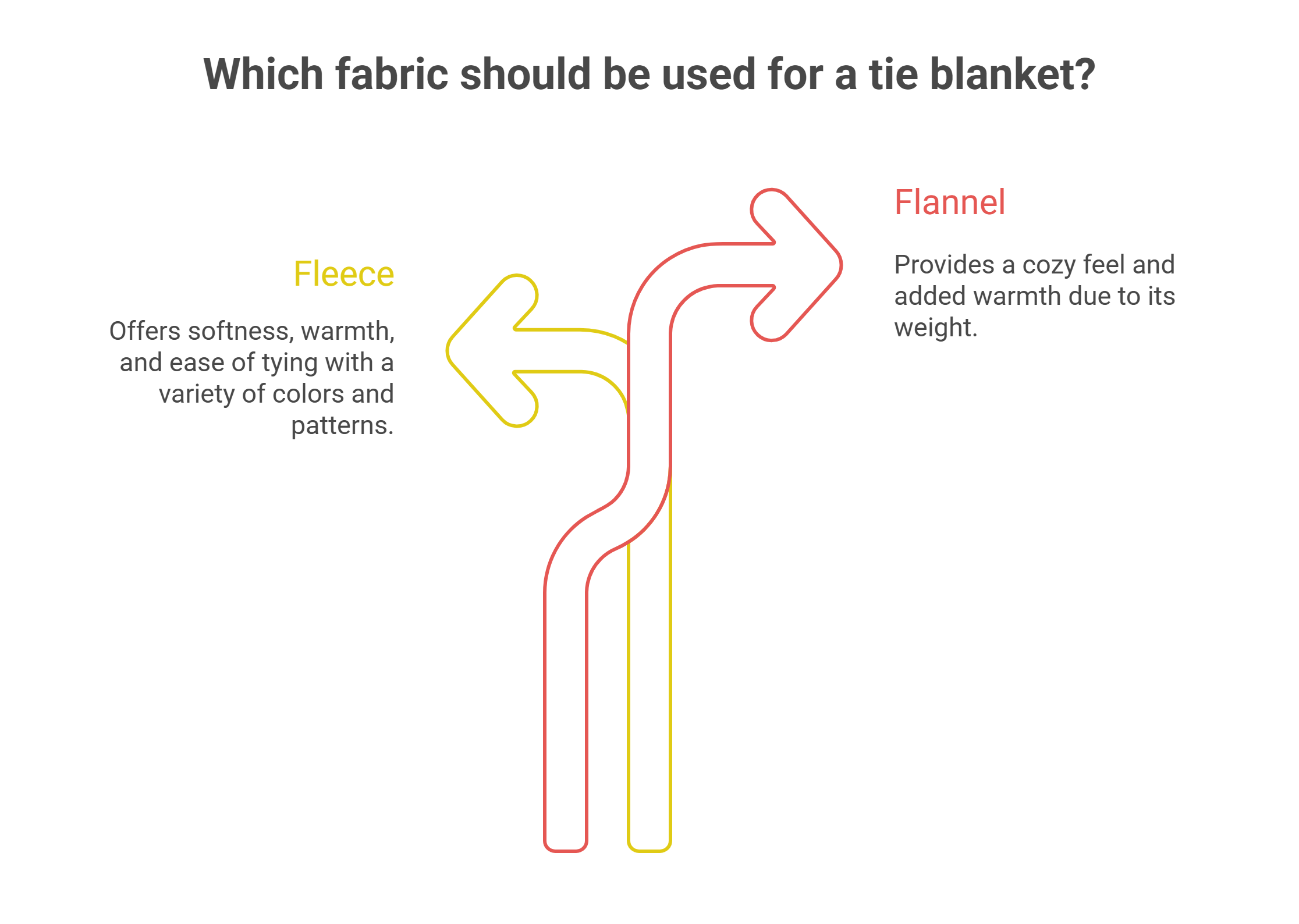
When asking what fabric is best for tie blankets, the answer almost always comes down to fleece. Fleece is soft, warm, easy to cut, and doesn’t fray—making it the ideal choice for no-sew tie blankets.
It’s also affordable and available in a wide range of colors, prints, and thicknesses, allowing both beginners and crafters to create personalized designs with ease. Whether you’re making one for a gift, charity, or classroom project, fleece ensures comfort, durability, and simplicity every time.
Now let’s dive deeper.
The Comfort of Handmade Tie Blankets
There’s something timeless about a handmade blanket. Whether it’s for cozying up on a winter night, gifting a loved one, or supporting a charitable cause, tie blankets have become a favorite DIY project. But before you begin, one question stands out: what fabric is best for tie blankets?
Choosing the right material isn’t just about aesthetics—it’s about ensuring your blanket feels soft, lasts long, and is easy to make. The right fabric determines how your blanket will drape, how well the knots hold, and how it performs after multiple washes.
1. What Is a Tie Blanket?
A tie blanket is a no-sew project where two layers of fabric—typically fleece—are cut around the edges and tied together to create a fringed border. It’s a simple, relaxing craft that doesn’t require needles, threads, or sewing machines.
Each blanket involves:
- Two equal-sized fabric layers (often patterned and solid)
- Fringe cuts (usually 5–6 inches deep)
- Knots along the edges to hold the layers together
The result is a thick, cozy blanket with a beautiful fringe that looks as if it was professionally made. But the key to success lies in choosing the right fabric.
2. Why the Fabric Choice Matters?
Fabric affects everything—texture, warmth, ease of cutting, and longevity. If the fabric frays easily or lacks stretch, tying it becomes a challenge. If it’s too thin, the blanket won’t feel plush. And if it’s too thick, knots might not hold properly.
That’s why picking the right material ensures:
- Durability (so it doesn’t unravel)
- Softness (for comfort and warmth)
- Ease of handling (so you can cut and tie easily)
- Low maintenance (machine washable and long-lasting)
3. Exploring Common Fabric Options
Let’s look at the most common fabrics people consider for tie blankets—and why fleece stands above them.
a. Cotton
Cotton is breathable and natural but not ideal for tie blankets. It frays easily, requires hemming, and doesn’t stretch enough for secure knots. Cotton is best for quilted or sewn blankets—not no-sew tie versions.
b. Flannel
Flannel is soft and warm but tends to shed and lose shape over time. It can work for tie blankets, but you’ll need to stitch or hem edges to prevent fraying. It’s better for those who don’t mind adding a sewing step.
c. Minky Fabric
Minky is ultra-soft and plush, but it’s slippery. Tying knots with two layers of minky can be difficult, and the blanket may not hold together well after washing.
d. Fleece (The Winner)
Fleece, especially polar fleece or anti-pill fleece, is perfect for tie blankets. It doesn’t fray, it stretches slightly for strong knots, and it retains warmth even after multiple washes. Plus, it’s lightweight yet insulating—ideal for both kids and adults.
4. Why Fleece Is the Best Fabric for Tie Blankets?
a. No Fraying
Unlike cotton or wool, fleece doesn’t unravel when cut. This makes it perfect for no-sew projects—just cut and tie.
b. Super Soft and Warm
Fleece mimics the feel of wool without the itch. It’s soft against the skin, holds heat, and stays comfortable even in colder temperatures.
c. Stretchy and Flexible
A small amount of stretch allows you to make tight, secure knots that don’t loosen over time.
d. Easy to Care For
Fleece is machine washable and dries quickly. It resists shrinking and fading, which means your blanket stays bright and fluffy for years.
e. Wide Variety of Designs
From solid colors to animal prints and holiday patterns, fleece offers endless design choices—perfect for personalized gifts or matching home decor.
5. Types of Fleece You Can Use
There are several kinds of fleece to consider, each with its own texture and purpose:
- Polar Fleece: Soft, durable, and budget-friendly. Ideal for everyday blankets.
- Anti-Pill Fleece: Specially treated to resist pilling, keeping blankets smooth even after many washes.
- Blizzard Fleece: Thick and plush—great for extra warmth.
- Microfleece: Thinner and lightweight; suitable for baby blankets or layering.
For most projects, anti-pill fleece is the best choice—it combines softness, resilience, and affordability.
6. How Much Fabric Do You Need?
The size of your tie blanket determines how much fabric to buy. Generally, you’ll need two equal cuts of fleece: one for the top layer and one for the bottom.
Here’s a quick reference:
- Baby blanket: 1 to 1.5 yards each side
- Child blanket: 1.5 to 2 yards each side
- Adult blanket: 2 to 2.5 yards each side
If you’re making multiple blankets, consider ordering fleece blankets wholesale to save money and ensure consistency in fabric quality and color.
7. Step-by-Step: Making the Perfect Tie Blanket
- Lay Out the Fabric: Place both fleece pieces on top of each other, right sides facing out.
- Trim the Edges: Ensure both layers are even.
- Cut the Corners: Cut 5-inch squares from all four corners.
- Create the Fringe: Cut 5-inch long, 1-inch wide strips along all sides.
- Tie the Knots: Tie the top and bottom strips together tightly twice for each fringe.
- Fluff & Finish: Shake it out and enjoy your cozy handmade creation!
This no-sew method makes it a fun activity for kids, classrooms, and family projects.
8. Where to Buy Fleece for Tie Blankets?
You can find fleece in most fabric stores, but for large projects or group orders, buying fleece blankets bulk or fleece blankets wholesale is more cost-effective.
Wholesale suppliers often provide:
- Better prices per yard or per blanket
- Consistent quality and texture
- Large selections of colors and patterns
- Options for custom sizing or branding (great for charities or schools)
When buying in bulk, always check for:
- Fabric thickness (medium-weight is ideal)
- Anti-pill treatment
- Consistent dye quality
9. Tips for Long-Lasting Tie Blankets
- Wash with care: Use cold water and avoid fabric softeners to preserve softness.
- Dry gently: Air dry or tumble dry on low heat.
- Store properly: Keep in a cool, dry place to prevent pilling.
- Trim if needed: If knots loosen over time, re-tie or tighten them for longevity.
Final Thoughts
When it comes to what fabric is best for tie blankets, fleece stands out as the clear winner. It’s durable, affordable, easy to work with, and provides unmatched comfort.
For those planning to make multiple blankets—whether for gifts, fundraisers, or retail—purchasing fleece blankets wholesale ensures uniform quality and excellent savings. And if you want ready-to-use materials or easy customization, buying fleece blankets bulk is the simplest and most efficient option.
In the end, tie blankets are more than just crafts—they’re symbols of warmth, love, and creativity. And with fleece, you get all three in one perfect fabric.
 Peachfurblog | Wholesale & Bulk Blankets
Leave a comment