Quick Answer: How Do You Wash Fleece?
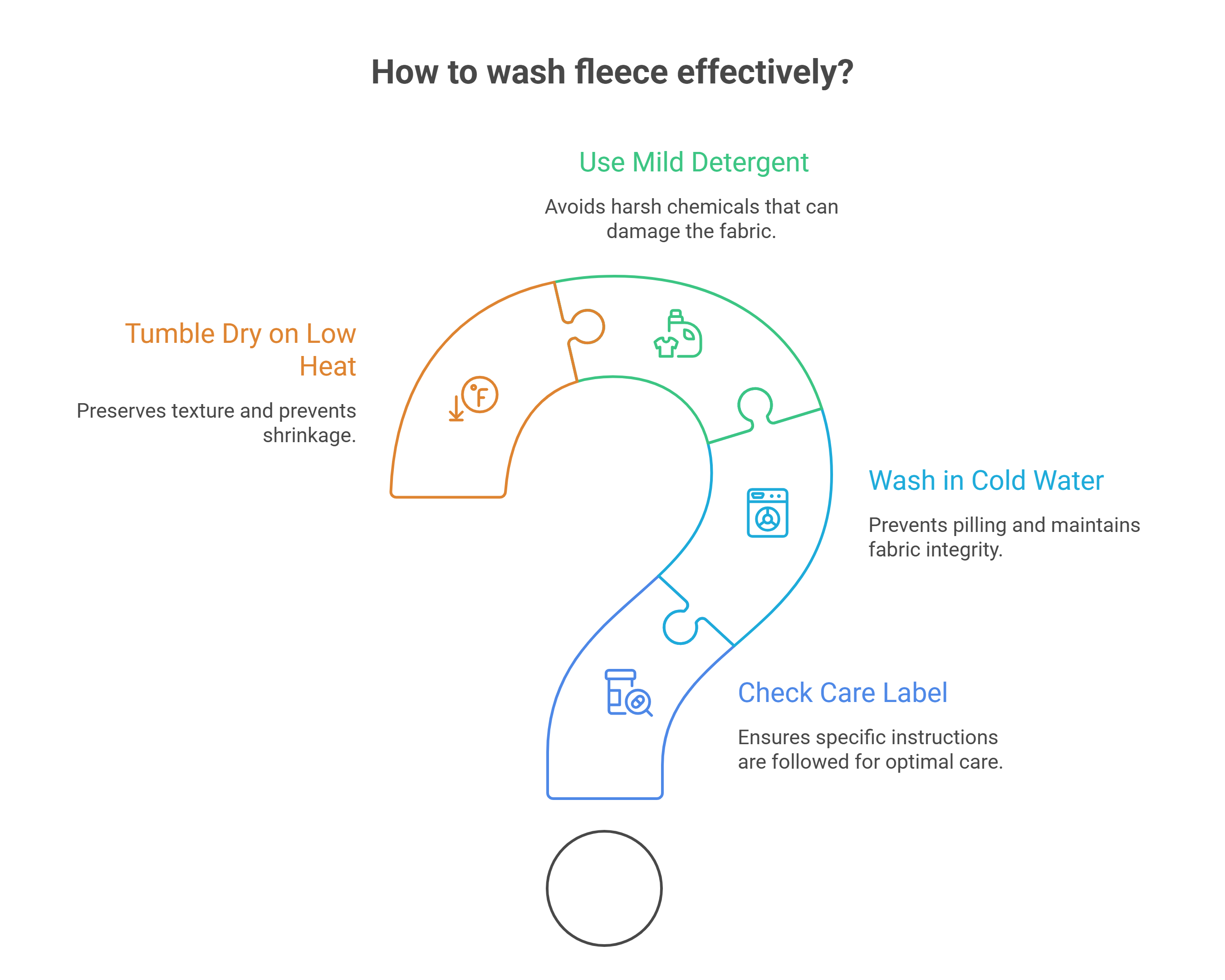
So, how do you wash fleece without ruining its cozy softness? The key lies in using a gentle cycle, cold water, and mild detergent—never bleach or fabric softeners. Fleece fibers are delicate and can lose their plush texture if exposed to high heat or harsh chemicals.
Always wash fleece items separately to prevent lint buildup and air dry them for best results. Whether you’re caring for your favorite hoodie or maintaining fleece blankets wholesale or fleece blankets bulk collections, proper washing ensures they stay fluffy, warm, and long-lasting.
Now let’s dive deeper.
The Soft Secret Behind Fleece
Few materials rival fleece when it comes to warmth and comfort. From winter jackets to cozy throws, fleece is everywhere—soft, durable, and lightweight. Yet, if you’ve ever pulled a matted or rough fleece blanket out of the washer, you know that maintaining its softness isn’t automatic.
The reason is simple: fleece may feel tough, but it’s actually a delicate synthetic fiber (often polyester) that reacts strongly to heat, friction, and certain detergents. Washing it wrong can lead to pilling, stiffness, or even permanent damage.
1. Understanding the Nature of Fleece Fabric
Before washing fleece, it helps to understand what makes it unique.
Fleece is typically made from polyester, a synthetic material spun into soft fibers that mimic wool. It’s prized for being:
- Warm yet lightweight
- Moisture-resistant
- Quick-drying
- Hypoallergenic and breathable
However, these same synthetic fibers can trap lint, attract static, and lose shape when washed improperly. Unlike cotton or wool, fleece doesn’t need deep scrubbing or high-heat drying—it needs gentle care.
If you manage a business or retail shop that buys fleece blankets bulk, understanding this fabric behavior is crucial for customer satisfaction and product longevity.
2. Sorting and Preparing Fleece Before Washing
The first step in caring for fleece begins before it ever touches water. Proper sorting and preparation can prevent damage and color bleeding.
a. Wash Fleece Separately
Fleece tends to attract lint like a magnet. Washing it with towels, jeans, or lint-producing fabrics is a mistake. Always wash fleece separately or with other soft synthetics.
b. Turn Fleece Inside Out
Turning your fleece garments or blankets inside out helps protect the outer fibers from friction and pilling.
c. Close Zippers and Fasten Straps
If you’re washing jackets or blankets with zippers or Velcro, close them to prevent snagging.
d. Shake Out Dust or Hair
Before tossing it into the washer, give your fleece a quick shake to remove dust or pet hair. This prevents buildup during the wash cycle.
3. Choosing the Right Detergent and Wash Settings
The detergent and washing method can make or break your fleece’s texture.
a. Use a Gentle Detergent
Opt for a mild, liquid detergent without bleach, optical brighteners, or softeners. Harsh chemicals strip the fleece of its insulating properties.
b. Set the Washer to Cold and Gentle
Use cold water on a gentle or delicate cycle. Hot water can cause fleece to shrink, lose shape, or develop hard spots.
c. Avoid Fabric Softeners and Bleach
Fabric softeners might seem like a good idea, but they coat fleece fibers, reducing fluffiness and breathability. Bleach, on the other hand, breaks down synthetic fibers and causes discoloration.
d. Don’t Overload the Washer
Give fleece enough room to move freely during the cycle. Overloading causes friction, leading to pilling.
4. Drying Fleece the Right Way
Drying is where many fleece lovers go wrong. It’s tempting to toss it in the dryer on high heat, but that’s the quickest way to ruin it.
a. Air Dry Whenever Possible
The best way to dry fleece is to air dry it. Lay it flat on a clean surface or hang it up away from direct sunlight.
b. Use Low Heat If You Must Use a Dryer
If you must use a dryer, set it to low or no heat (tumble dry). High heat melts fleece fibers and hardens the texture.
c. Avoid Ironing
Never iron fleece. The heat can cause permanent damage and create shiny, flattened patches.
d. Give It a Gentle Shake
Once dry, shake the fleece lightly to restore its fluff and remove any wrinkles.
5. How to Remove Stains from Fleece?
Accidents happen, but fleece stains can usually be treated without stress.
a. Treat Stains Promptly
The sooner you tackle a stain, the better. Dab (don’t rub) the area with a damp cloth to prevent spreading.
b. Use Mild Soap or a DIY Solution
Mix one teaspoon of mild detergent or dish soap with cool water. Apply it to the stained area and gently blot with a soft cloth.
c. Rinse Thoroughly
Rinse the treated spot before putting the fleece in the washing machine. Residue from detergents can stiffen the fabric.
d. Avoid Stain Removers with Alcohol or Bleach
These can damage the fleece fibers and cause color fading.
6. Storing Fleece Properly
Proper storage ensures that your fleece stays soft between seasons.
- Fold neatly instead of hanging. Hanging can stretch the material.
- Store in a cool, dry place. Avoid plastic bins that trap moisture.
- Use fabric-safe bags if you’re storing fleece blankets wholesale quantities to protect them from dust and insects.
For retail or bulk inventory, consider rolling fleece blankets to prevent permanent creases.
7. Common Mistakes to Avoid When Washing Fleece
Even with the best intentions, it’s easy to make simple mistakes that shorten the life of fleece.
| Mistake | Why It’s a Problem | What to Do Instead |
|---|---|---|
| Using hot water | Melts or warps fibers | Use cold water only |
| Using bleach or softeners | Breaks down softness | Use mild detergent |
| Mixing with linty items | Causes fuzz and buildup | Wash fleece separately |
| Over-drying | Causes stiffness | Air dry or tumble dry low |
| Ironing | Damages texture | Never iron fleece |
By avoiding these, you’ll keep your fleece fresh and fluffy for years.
8. Washing Fleece Blankets in Bulk or Wholesale Quantities
If you’re managing a business that sells fleece blankets bulk or fleece blankets wholesale, maintenance becomes even more crucial. Retail presentation matters—no customer wants a stiff or matted blanket.
When cleaning bulk orders before shipment or display:
- Use industrial washers with gentle cycles.
- Maintain low water temperature across all loads.
- Perform spot checks for lint and pilling after each cycle.
- Always air dry in ventilated rooms to prevent heat damage.
Bulk washing can also reduce detergent residue, ensuring blankets stay clean and soft for resale or gifting.
9. Eco-Friendly Ways to Wash Fleece
Since fleece is made from polyester, microfibers can shed during washing and enter waterways. Here’s how to minimize your environmental footprint:
- Use a microfiber filter bag (like a Guppyfriend) to catch tiny fibers.
- Wash less often. Fleece doesn’t need frequent washing; spot clean when possible.
- Opt for eco-friendly detergents that are biodegradable.
- Air dry to reduce energy use and fiber shedding.
These small steps help you care for both your fleece and the planet.
10. Keeping Fleece Soft for Years to Come
To maintain fleece’s luxurious feel, adopt a gentle care routine:
- Wash only when necessary.
- Brush lightly with a soft clothing brush to restore fluff.
- Avoid exposure to direct heat or harsh sunlight.
- Rotate usage for bulk blankets in hospitality or retail setups to prevent wear in high-use areas.
Properly maintained fleece can last for years—looking and feeling just as cozy as the day you bought it.
Final Thoughts
Washing fleece may seem simple, but the difference between soft, cloud-like fabric and a rough, matted mess often comes down to technique. Remember: cold water, mild detergent, gentle cycles, and patience during drying are your fleece’s best friends.
So, the next time someone asks, “how do you wash fleece?”, you’ll know it’s more than just a laundry question—it’s about preserving comfort, quality, and longevity. Whether it’s your favorite throw or a set of fleece blankets wholesale for your business, the right washing habits make all the difference in keeping them irresistibly soft and ready for every season.
 Peachfurblog | Wholesale & Bulk Blankets
Leave a comment