Quick Answer: How Much Fabric for a Fleece Tie Blanket?
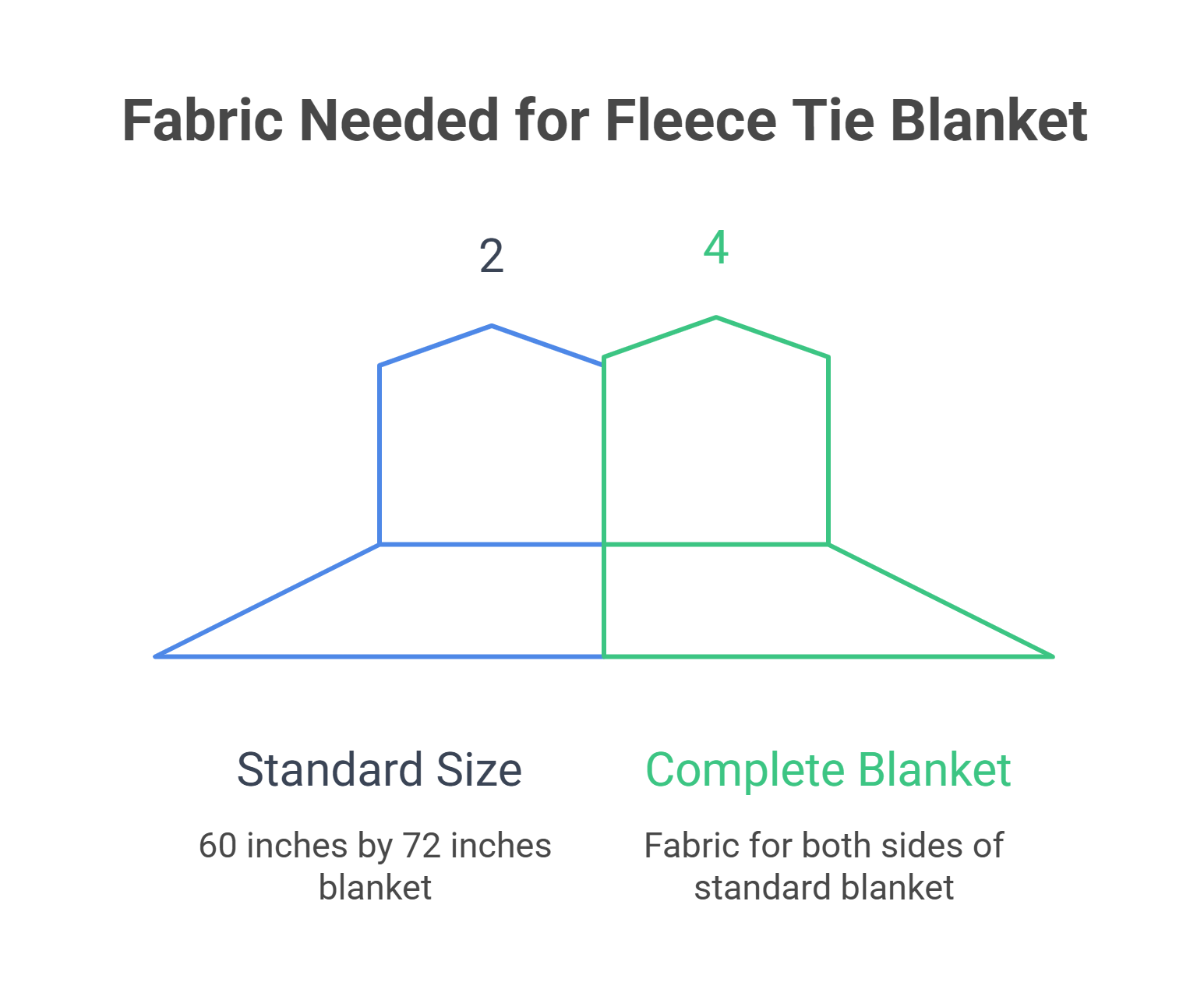
Wondering how much fabric for a fleece tie blanket you really need? The answer depends on your desired blanket size—typically, 2 yards of fleece for each side (4 yards total) is ideal for a standard throw. For a child-size blanket, 1.5 yards per side usually works well.
When buying materials, many people prefer purchasing fleece blankets wholesale or fleece blankets bulk to save on cost and ensure consistency in texture and color. Whether you’re crafting one cozy blanket or dozens for gifts, knowing your fabric requirements helps you plan smarter and waste less.
Now let’s dive deeper.
Why Fleece Tie Blankets Are Everyone’s DIY Favorite?
Fleece tie blankets have become a beloved DIY project for families, schools, and craft enthusiasts. They’re soft, cozy, and—best of all—require no sewing skills. All you need is a pair of scissors, some patience, and the right amount of fabric.
But before you start cutting or tying, it’s crucial to know exactly how much fabric for a fleece tie blanket you’ll need. Choosing the wrong amount can leave you short on one side—or with piles of unused fleece.
1. Understanding the Basics of Fleece Fabric
Before diving into measurements, it helps to understand what makes fleece so special. Fleece is a synthetic, polyester-based fabric known for its warmth, softness, and lightweight feel. It’s ideal for no-sew projects because it doesn’t fray or unravel when cut.
There are several types of fleece available:
- Anti-pill fleece: Stays smooth and soft after washing.
- Blizzard fleece: Thicker and warmer, often used for blankets.
- Microfleece: Thinner and lightweight, good for smaller blankets or layering.
When buying fabric, always choose a high-quality fleece that feels dense and plush rather than thin and flimsy. You want something that holds up through years of use—and maybe even a few movie marathons.
2. Standard Blanket Sizes and Fabric Requirements
So, how much fleece do you actually need? It depends on your desired blanket size. A fleece tie blanket requires two pieces of fleece fabric—one for the top and one for the bottom. You’ll tie the two layers together around the edges, so plan your measurements accordingly.
Here’s a quick reference chart:
| Blanket Size | Ideal Dimensions (inches) | Fleece Needed (per side) | Total Fleece (both sides) |
|---|---|---|---|
| Baby Blanket | 36 x 54 | 1 yard | 2 yards total |
| Child Blanket | 45 x 60 | 1.5 yards | 3 yards total |
| Teen/Throw Blanket | 50 x 70 | 2 yards | 4 yards total |
| Twin Bed | 66 x 90 | 2.5 yards | 5 yards total |
| Full/Queen Bed | 90 x 90 | 3 yards | 6 yards total |
Tip: It’s always better to have a few extra inches. Remember, you’ll trim and tie edges, losing about 4–6 inches on each side in the process.
3. Accounting for Fringe Cuts and Ties
The charming part of a fleece tie blanket is the knotted fringe border—but this also affects how much usable fabric you end up with.
Typically, you’ll cut 4 to 5 inches of fringe along each edge. That means your finished blanket will be roughly 8–10 inches smaller in both length and width than your starting fabric size.
For example:
- Starting with a 60″ x 72″ piece will leave you with a finished size of around 50″ x 62″.
- If you want your final blanket to be a full 60″ x 72″, you’ll need to buy a little extra.
This is why many crafters prefer to purchase fleece blankets bulk instead of fabric by the yard—they come pre-sized and can be trimmed or tied with minimal waste.
4. Tips for Choosing the Right Fleece
When shopping, consider the following factors to ensure your blanket feels luxurious and durable:
a. Fabric Weight
Fleece comes in different thickness levels (measured in GSM or ounces per square yard). For tie blankets, aim for mid- to heavy-weight fleece for warmth and longevity.
b. Pattern Coordination
You’ll be layering two fabrics together, so pick complementary colors or patterns. A bold print on one side and a solid color on the other looks visually appealing.
c. Stretch & Softness
Avoid fleece that stretches too much—it can cause uneven edges when tying. Feel the texture before buying; quality fleece should be smooth, soft, and slightly fuzzy.
5. Cost-Saving Tip: Buying Wholesale or in Bulk
If you’re making multiple blankets—for gifts, schools, or donation drives—buying fleece blankets wholesale or fleece blankets bulk is an excellent strategy.
Wholesale suppliers often offer discounts on bulk purchases, meaning you can get premium fleece materials at a fraction of retail cost. Plus, wholesale fleece tends to be more consistent in color, pattern, and quality, which is ideal when creating multiple matching blankets.
For crafters who want to save even more, some online retailers sell pre-cut fleece blankets bulk packs, already measured for standard throw sizes. These eliminate the guesswork and allow you to focus on the creative part—tying and decorating your blankets.
6. Step-by-Step: Making Your Fleece Tie Blanket
Here’s a simple guide to creating your blanket:
Step 1: Prepare Your Fabric
Lay both fleece pieces on top of each other, with the “right” sides facing out. Smooth out wrinkles and align the edges.
Step 2: Trim the Edges
Cut off any selvage edges (the factory-finished sides). Make sure both layers are even.
Step 3: Cut Corner Squares
At each corner, cut out a 4″ x 4″ square (or 5″ for a thicker fringe). This ensures your ties lay neatly.
Step 4: Make Fringe Cuts
Cut strips around all sides, about 1″ wide and 4–5″ long. Keep cuts even for a professional finish.
Step 5: Tie the Knots
Starting on one side, tie the top and bottom strips together in double knots. Continue around the blanket until complete.
Step 6: Fluff and Enjoy
Give your blanket a little shake to fluff it up—and you’re done! You’ve just created a cozy, no-sew fleece tie blanket.
7. Creative Ideas for Customization
Once you’ve mastered the basic technique, you can elevate your blanket design in fun ways:
- Add appliqués or fabric patches to personalize gifts.
- Alternate tie colors for a patterned border.
- Use team colors for sports fans or school events.
- Layer three fleece colors (instead of two) for extra thickness.
These small touches turn a simple project into something unique and heartfelt.
8. Common Mistakes to Avoid
Even though fleece tie blankets are beginner-friendly, a few common missteps can affect the outcome:
- Cutting uneven strips – leads to lopsided knots.
- Using thin fleece – results in a flimsy, see-through blanket.
- Not measuring both sides equally – can cause mismatched edges.
- Skipping pre-wash – fleece can shrink slightly; always prewash if you plan precision sizing.
A little extra care during setup saves frustration later.
9. Caring for Your Fleece Blanket
Proper care ensures your blanket stays soft and cozy for years:
- Wash in cold water with mild detergent.
- Avoid fabric softeners—they reduce the fleece’s natural fluffiness.
- Tumble dry on low heat or air dry.
- Do not iron fleece; heat can melt the fibers.
When well-maintained, a fleece tie blanket can last through countless winters and wash cycles.
Final Thoughts
Learning how much fabric for a fleece tie blanket is the first step toward creating a warm, handmade treasure. Whether you’re crafting one for yourself or dozens for a community project, planning the right fabric size ensures a beautiful and functional result.
For those making multiple blankets, purchasing fleece blankets wholesale or fleece blankets bulk is a smart move—saving money while maintaining high-quality results.
A tie blanket is more than just a piece of fabric; it’s comfort, creativity, and care tied together—literally. And now that you know the perfect amount of fabric to start, it’s time to grab your scissors and create your next cozy masterpiece.
 Peachfurblog | Wholesale & Bulk Blankets
Leave a comment