Quick Answer: How Much Fabric Should I Get for a Tie Blanket?
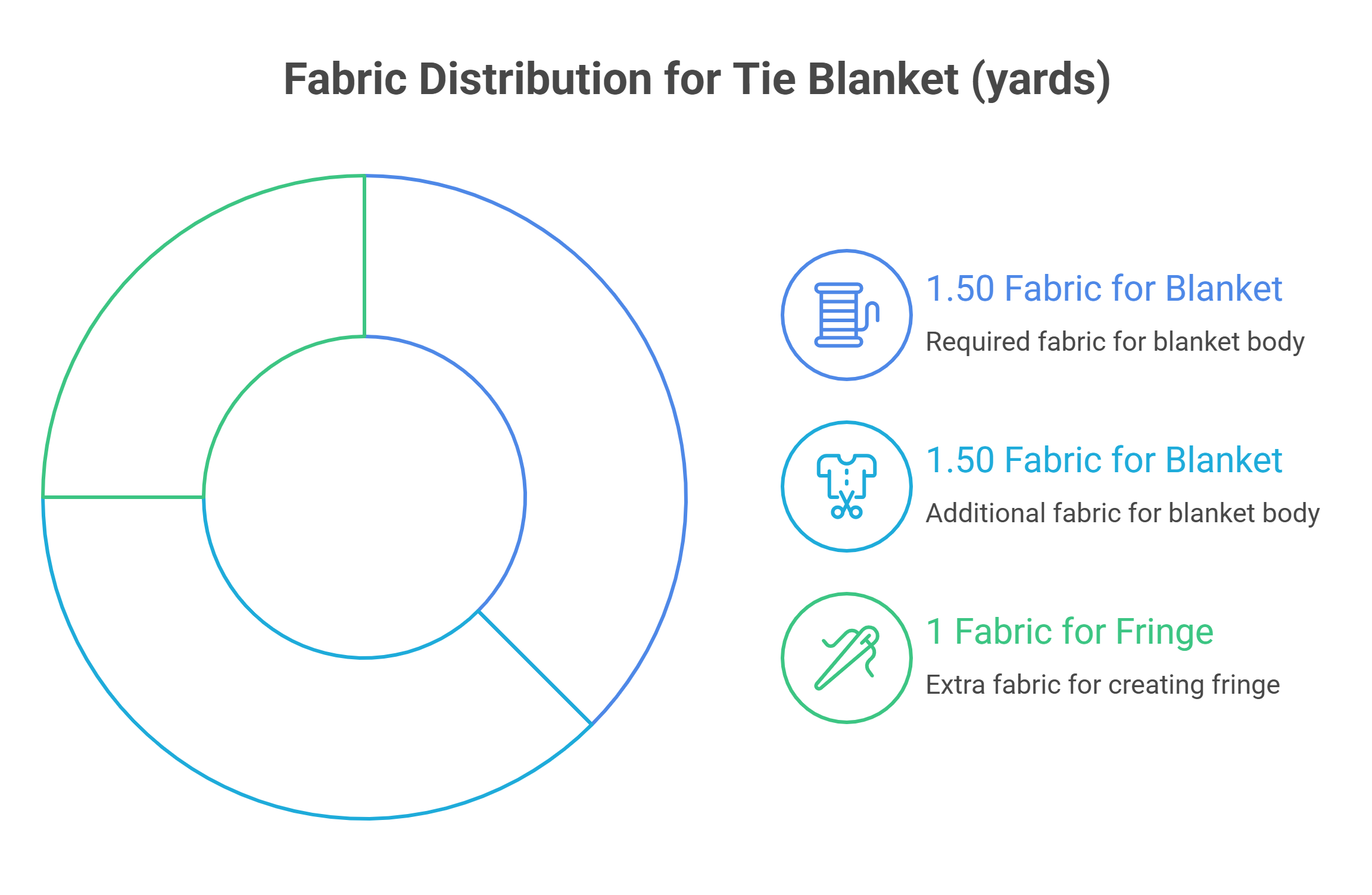
If you’re wondering how much fabric should I get for a tie blanket, the simple rule of thumb is two equal pieces of fleece fabric—each measuring between 1.5 to 2 yards for a standard adult-size blanket. For children, 1 to 1.5 yards per piece is enough.
The type of fleece and design preference (single-layer or double-layer) also influence your total yardage. When making multiple blankets, buying from fleece blankets wholesale or ordering fleece blankets bulk can help you save money while ensuring uniform quality across every cozy creation.
Now let’s dive deeper.
Why Fabric Planning Matters?
Crafting a tie blanket might look simple, but choosing the right amount of fabric is key to getting that perfect cozy feel and polished finish. A tie blanket is a no-sew project where you layer two pieces of fleece, cut fringes around the edges, and tie them together—creating a soft, warm, and durable blanket.
Whether you’re making one as a gift, for personal comfort, or for a community project, knowing how much fabric you need ensures you get just the right size without waste. And if you’re making several blankets, sourcing fleece blankets wholesale or purchasing fleece blankets bulk can drastically cut costs while keeping your supplies consistent in quality.
Understanding the Basics of Tie Blankets
Before we dive into measurements, let’s clarify what makes a tie blanket special:
- No Sewing Required: You don’t need a sewing machine—just scissors, fleece, and a bit of time.
- Double-Layer Warmth: Most tie blankets use two layers of fleece for extra warmth and thickness.
- Fringe Design: The tied edges add both texture and durability.
Because tie blankets depend on the thickness and stretch of fleece, fabric selection and size both play important roles in how your final product looks and feels.
1. Choosing the Right Type of Fleece
The most popular fabrics for tie blankets are:
a. Anti-Pill Fleece
Smooth on both sides, durable, and resists pilling over time. It’s perfect for long-lasting blankets and ideal for gifts.
b. Blizzard Fleece
Soft, cozy, and slightly thicker. Great for maximum warmth but can be trickier to tie for younger crafters.
c. Polar Fleece
Lightweight and breathable. Excellent for children’s blankets or warmer climates.
When buying large quantities for a classroom project, nonprofit drive, or retail resale, it’s wise to purchase fleece blankets wholesale—as bulk suppliers often offer anti-pill or blizzard fleece in standard cuts, making crafting easier and more economical.
2. Standard Size Guide for Tie Blankets
How much fabric you’ll need depends largely on who the blanket is for. Here’s a quick breakdown:
| Blanket Type | Fabric Needed (Each Layer) | Final Blanket Size (Approx.) |
|---|---|---|
| Baby Blanket | 1 yard per piece | 36” x 36” |
| Child Blanket | 1.5 yards per piece | 45” x 60” |
| Teen Blanket | 1.75 yards per piece | 50” x 70” |
| Adult Blanket | 2 yards per piece | 60” x 80” |
| Oversized / Queen | 2.5 yards per piece | 72” x 90” |
Tip: Since each blanket uses two layers, double the total yardage when buying fabric.
If you plan to make several identical blankets (say for an event or fundraiser), buying fleece blankets bulk can simplify this process—you’ll get consistent yard lengths and colors while keeping your per-blanket cost lower.
3. How to Calculate Fabric for Custom Sizes?
Not everyone wants a “standard” size. Some people prefer extra-long throws, while others may want pet blankets or mini travel versions. To calculate your fabric:
- Decide on Final Size: Example: 50″ × 60″ for a medium throw.
- Add 4–5 inches per side for tying fringes. That means you’ll need fabric measuring about 58″ × 68″ per layer.
- Check the fabric width: Most fleece fabric bolts come in 58–60 inches wide, perfect for most blanket sizes.
If your desired width exceeds 60″, you’ll need to buy extra and seam two panels together (though this is rare in no-sew tie blankets).
4. Budgeting and Buying Tips
Here’s how to make your tie blanket project both cost-effective and high quality:
a. Compare Yard Pricing
Retail stores can charge anywhere between $7 to $15 per yard for fleece. Buying directly from suppliers or craft stores during seasonal sales can help.
b. Use Wholesale Sources
When creating multiple tie blankets—for classrooms, fundraisers, or gifting—buying from fleece blankets wholesale distributors is a smart move. You’ll save anywhere from 20% to 40% compared to regular retail prices.
c. Go for Bulk Orders
If you’re planning several projects throughout the year, sourcing fleece blankets bulk means you’ll have ready-to-use materials at home. You can mix and match colors or themes (sports, holidays, animals) without last-minute store runs.
d. Don’t Forget Coupons
Major fabric retailers like Joann, Hobby Lobby, and Fabric.com frequently offer coupons or clearance deals on fleece.
5. How to Prepare and Cut Your Fabric?
Once you have your fleece ready, follow these steps for a clean and uniform look:
- Lay Out Both Pieces: Align right sides out (the pattern facing you).
- Trim Edges: Remove any uneven or frayed edges.
- Cut Out a 5-inch Square from each corner.
- Make Fringe Cuts: About 1 inch wide and 5 inches deep all around.
- Tie Knots: Securely double-knot each fringe pair.
The extra few inches you added earlier will ensure your final blanket maintains the desired dimensions after tying.
6. Fabric Pattern & Color Tips
Choosing colors and patterns is the fun part!
- For Gifts: Match colors to the recipient’s personality or interests.
- For Donations: Stick to universal designs (solids, plaids, or nature patterns).
- For Businesses: If reselling, consistent patterns and neutral palettes sell better.
If you’re purchasing from a fleece blankets wholesale supplier, they often offer pattern bundles—allowing you to create multiple themed sets (holiday, kids, pets) without the hassle of mixing fabrics from different stores.
7. Eco-Friendly Considerations
Traditional fleece is made from polyester, which is petroleum-based. However, many suppliers now offer recycled fleece made from post-consumer plastics. When buying fleece blankets bulk, check for eco-friendly certifications. This choice not only helps the planet but also adds an ethical angle if you’re reselling or gifting.
8. Common Mistakes to Avoid
Even experienced crafters can run into these issues:
- Buying too little fabric: Always add at least ½ yard extra per layer to allow for cutting errors.
- Not aligning patterns: If your fabric has a direction (e.g., words or stripes), make sure both layers face the same way.
- Using low-quality fleece: It can shed or stretch unevenly. Bulk doesn’t have to mean cheap—buy smart.
- Skipping pre-cut checks: Always square your fabric before starting fringe cuts.
9. Cost Estimation for Different Blanket Types
Let’s estimate your total cost per blanket (average fleece at $9/yard retail):
| Blanket Type | Total Yards (2 Layers) | Cost (Approx.) |
|---|---|---|
| Baby | 2 yards | $18 |
| Child | 3 yards | $27 |
| Teen | 3.5 yards | $31.50 |
| Adult | 4 yards | $36 |
| Oversized | 5 yards | $45 |
When you buy fleece blankets bulk, these prices can drop to around $10–$18 per blanket, depending on supplier rates and seasonal discounts.
Final Thoughts
So, how much fabric should you get for a tie blanket? In most cases, 1.5 to 2 yards per layer is your sweet spot—depending on the size and purpose of your blanket. The key is balancing comfort, cost, and style.
Whether you’re crafting one for a loved one or 100 for a charity drive, buying through fleece blankets wholesale channels or fleece blankets bulk suppliers ensures consistent results and long-term savings.
A tie blanket isn’t just fabric—it’s a handmade expression of warmth, creativity, and care. With the right planning, your next project will not only look professional but also feel irresistibly cozy.
 Peachfurblog | Wholesale & Bulk Blankets
Leave a comment