Quick Answer: How to Wash a Fleece?
Knowing how to wash a fleece properly ensures it stays soft, warm, and durable for years. Whether it’s a cozy throw or part of a large batch from fleece blankets wholesale suppliers, the key is gentle care.
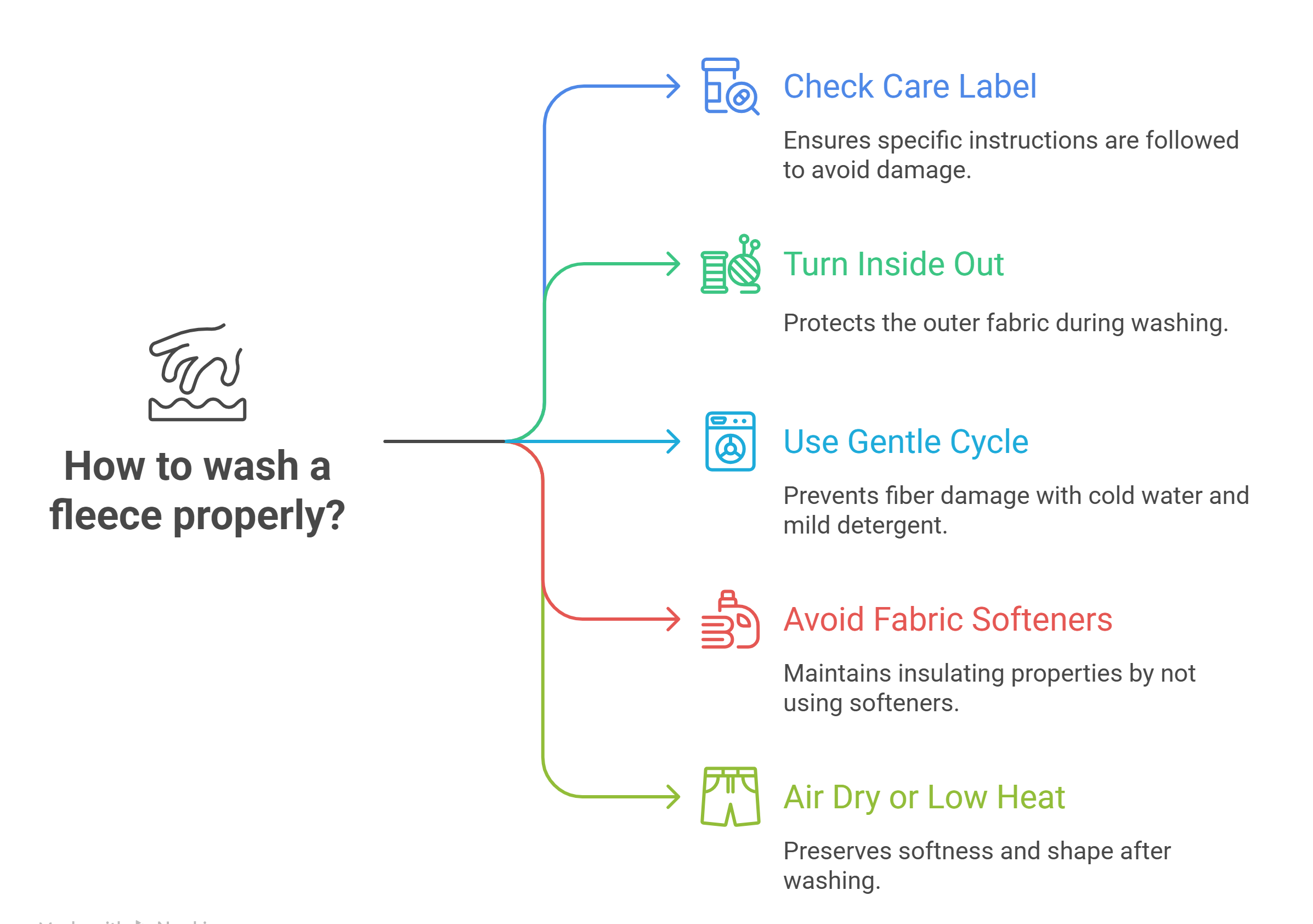
Wash fleece in cold water using mild detergent, avoid fabric softeners, and skip the high heat—these damage fibers and cause pilling. Air drying or tumble drying on low keeps it fluffy. If you’ve purchased fleece blankets bulk for resale or donation, proper washing before use enhances comfort, hygiene, and product longevity while maintaining their signature softness.
Now let’s dive deeper.
Why Fleece Needs the Right Care?
Fleece is a favorite across households, hotels, hospitals, and retailers—soft, lightweight, and incredibly warm. But as cozy as it is, fleece can lose its charm fast if washed incorrectly. High heat, harsh detergents, or improper drying can turn your luxurious blanket into a stiff, pilled mess.
If you’ve ever wondered why your fleece blanket stopped feeling as soft as day one, the reason usually lies in your laundry routine. Understanding how to wash a fleece isn’t just about cleanliness—it’s about protecting the fiber technology that gives fleece its cloud-like texture and insulation.
1. What Is Fleece Made Of?
Before diving into the washing process, let’s understand what fleece actually is.
Most fleece fabrics are made from polyester, a synthetic fiber derived from plastic. Its unique brushed construction traps air between fibers, creating insulation and softness. Unlike wool, fleece doesn’t shrink easily and dries quickly, making it ideal for everyday use.
However, because it’s synthetic, it reacts poorly to high temperatures, rough agitation, and certain chemicals. These can melt or weaken the fiber surface, leading to pilling, static cling, or loss of fluff.
In short: fleece is durable—but only when treated gently.
2. Read the Care Label First
Every fleece product—whether a throw blanket, jacket, or hoodie—comes with a care label. The manufacturer’s instructions are always your best starting point.
Different fleece types (microfleece, sherpa fleece, polar fleece) may require slightly different temperatures or drying methods. Following those symbols helps prevent irreversible damage, especially for businesses that process large batches of fleece blankets bulk for clients, hotels, or retail shelves.
3. Step-by-Step Guide: How to Wash a Fleece?
Step 1: Sort by Fabric Type
Wash fleece items separately or with other synthetic, lightweight fabrics. Avoid washing them with jeans, towels, or garments that shed lint—fleece attracts lint easily.
Step 2: Use Cold Water
Always use cold or lukewarm water. Hot water can melt polyester fibers, causing the surface to become rough and less breathable.
Step 3: Add a Gentle Detergent
Opt for a mild, liquid detergent. Avoid powdered detergents that may not dissolve fully, leaving residue on the fabric.
Pro Tip: If you’re managing a large wash for fleece blankets wholesale, use a high-efficiency detergent that’s free from bleach, phosphates, and brighteners to preserve color vibrancy.
Step 4: Skip the Fabric Softener
Fabric softeners coat fleece fibers with a waxy residue. While they might make your clothes smell nice, they actually reduce the fleece’s natural softness and water resistance.
Step 5: Choose a Gentle Wash Cycle
Select the delicate or gentle cycle. This minimizes friction between fabrics, reducing pilling and fiber wear.
Step 6: Rinse Thoroughly
Ensure all detergent is washed out. Residue can cause stiffness or irritation to sensitive skin.
Step 7: Air Dry or Tumble Dry Low
The safest option is air drying. Simply hang the fleece on a drying rack indoors or outdoors away from direct sunlight.
If you must use a dryer, choose low heat or air fluff settings. High heat will damage the fibers.
4. How to Remove Stains from Fleece?
Fleece can trap stains easily due to its brushed surface. Here’s how to treat them without harming the material:
- For food or drink stains: Blot (don’t rub) the spot with a cloth dipped in mild soap and cold water.
- For oil or makeup stains: Apply a tiny bit of gentle dish soap, let it sit for 10 minutes, then rinse.
- For ink stains: Dab with rubbing alcohol using a cotton ball, then wash as usual.
Avoid chlorine bleach—it discolors fleece and breaks down its fibers.
5. Common Washing Mistakes to Avoid
Even a small mistake can ruin your fleece’s texture. Here are the top pitfalls to steer clear of:
- Hot Water: Causes shrinking and fiber melting.
- High Heat Drying: Makes fleece stiff and less breathable.
- Overloading the Washer: Leads to uneven cleaning and fiber abrasion.
- Using Fabric Softeners or Bleach: Leaves buildup and damages the nap.
- Ironing Fleece: High heat flattens fibers permanently.
Whether you’re a homeowner with a few cozy throws or a distributor handling fleece blankets wholesale, avoiding these mistakes saves money and extends product life.
6. Caring for Fleece Over Time
Washing is just one part of maintaining fleece quality. For long-term care:
- Brush occasionally with a soft fabric brush to restore fluff.
- Store folded in a cool, dry place—avoid compression bags that crush fibers.
- Use anti-static spray if the blanket tends to cling or attract lint.
- Rotate usage if managing stock for fleece blankets bulk sales—this prevents certain items from wearing out faster.
With consistent care, fleece can retain its plush softness and durability for years, even with frequent use.
7. Eco-Friendly Washing Tips
Sustainability matters, especially when washing synthetic fabrics like fleece. Here are some eco-conscious adjustments:
- Wash less often: Unless visibly dirty, a light refresh can be enough.
- Use cold water only: Saves energy and prevents microplastic shedding.
- Install a microplastic filter in your washing machine to capture fibers.
- Line dry outdoors to reduce energy use and preserve texture.
These practices benefit both your blankets and the environment.
8. Special Care for Different Types of Fleece
Microfleece:
Extremely soft and thin—ideal for lightweight blankets and apparel. Wash with other delicate fabrics only.
Sherpa Fleece:
Has a wool-like pile—avoid heavy spin cycles that mat the texture. Use fabric brush after drying to keep it fluffy.
Polar Fleece:
More durable but prone to static. Use anti-static dryer balls during low-heat drying.
Knowing which fleece type you’re handling helps customize the cleaning process for optimal results.
9. When to Replace Your Fleece?
Even with the best care, fleece eventually wears out. Look for these signs:
- Persistent pilling that can’t be brushed away
- Flattened or rough surface
- Faded color or stretched shape
- Noticeable static cling that won’t go away
For businesses, rotating stock in fleece blankets wholesale ensures customers always receive items in pristine condition.
Final Thoughts
Learning how to wash a fleece properly is more than just a laundry lesson—it’s a way to extend the lifespan of a product that defines comfort. For families, it means your favorite blanket stays soft winter after winter. For businesses, it means your fleece blankets bulk orders maintain their retail-quality finish through handling, washing, and reuse.
A little care goes a long way. With gentle washing, low heat, and attention to detail, you can keep fleece products looking new, cozy, and ready for years of comfort.
 Peachfurblog | Wholesale & Bulk Blankets
Leave a comment