Archive | October, 2025

Where to Buy Blankets in Bulk?

8 Oct

Quick Answer: Where to Buy Blankets in Bulk?

If you’re wondering where to buy blankets in bulk, the best place to start is with trusted fleece blankets wholesale suppliers. Buying in bulk from reputable wholesalers or manufacturers ensures consistent quality, lower per-unit costs, and a wide range of styles, colors, and weights.

Whether you need cozy throws for retail resale, donation drives, or corporate gifting, fleece blankets wholesale options give you flexibility and savings. Look for suppliers that offer bulk discounts, customization options, and reliable shipping to get the best value for your blanket order.

Now let’s dive deeper.
Why Buying Blankets in Bulk Makes Sense?

Blankets aren’t just for keeping warm—they’re comfort, style, and utility rolled into one soft package. Whether you run a retail store, manage a hotel, or coordinate charity donations, buying blankets in bulk is often more economical and efficient than purchasing them individually.

From hospitals and shelters to corporate events and gift shops, bulk blanket purchases help organizations save money while maintaining uniform quality and design. The challenge, however, lies in knowing where to buy and what type of blankets to buy. That’s where exploring fleece blankets wholesale comes into play—offering affordability, softness, and durability all at once.

1. Understanding the Benefits of Buying Blankets in Bulk

Before you start your search, it’s essential to understand the core benefits of buying in bulk.

a. Cost Efficiency

When you buy in bulk, suppliers offer significant discounts. The cost per blanket drops dramatically compared to retail prices, especially for fleece materials that are already affordable.

b. Consistency in Quality

Bulk purchases from one supplier ensure that every blanket has the same texture, color, and finishing—ideal for brands, hotels, or donation programs aiming for uniformity.

c. Availability in Large Quantities

Need 200 blankets for a community drive? Or 1,000 for a winter preparedness program? Wholesale suppliers can meet high-volume demands without long waiting times.

d. Branding Opportunities

Many fleece blankets wholesale providers offer customization services, allowing you to add your company logo, embroidery, or special tags—perfect for brand awareness or corporate gifting.

2. Why Fleece Blankets Are the Go-To Choice?

When choosing blankets for bulk purchase, fleece blankets are the preferred option for most buyers—and for good reasons.

Softness and Comfort

Fleece offers unmatched softness, making it ideal for all ages, from kids to seniors. It’s lightweight yet provides exceptional warmth, making it perfect for various climates.

Durability

High-quality fleece blankets retain their softness and shape even after multiple washes, ensuring long-term value.

Affordability

Compared to cotton or wool, fleece is much cheaper to produce and buy, which is why fleece blankets wholesale markets dominate the bulk blanket industry.

Variety

They come in endless colors, prints, and weights—ideal for retail stores, giveaways, or home use.

3. Best Places to Buy Blankets in Bulk

Let’s look at some of the best sources for buying blankets in large quantities.

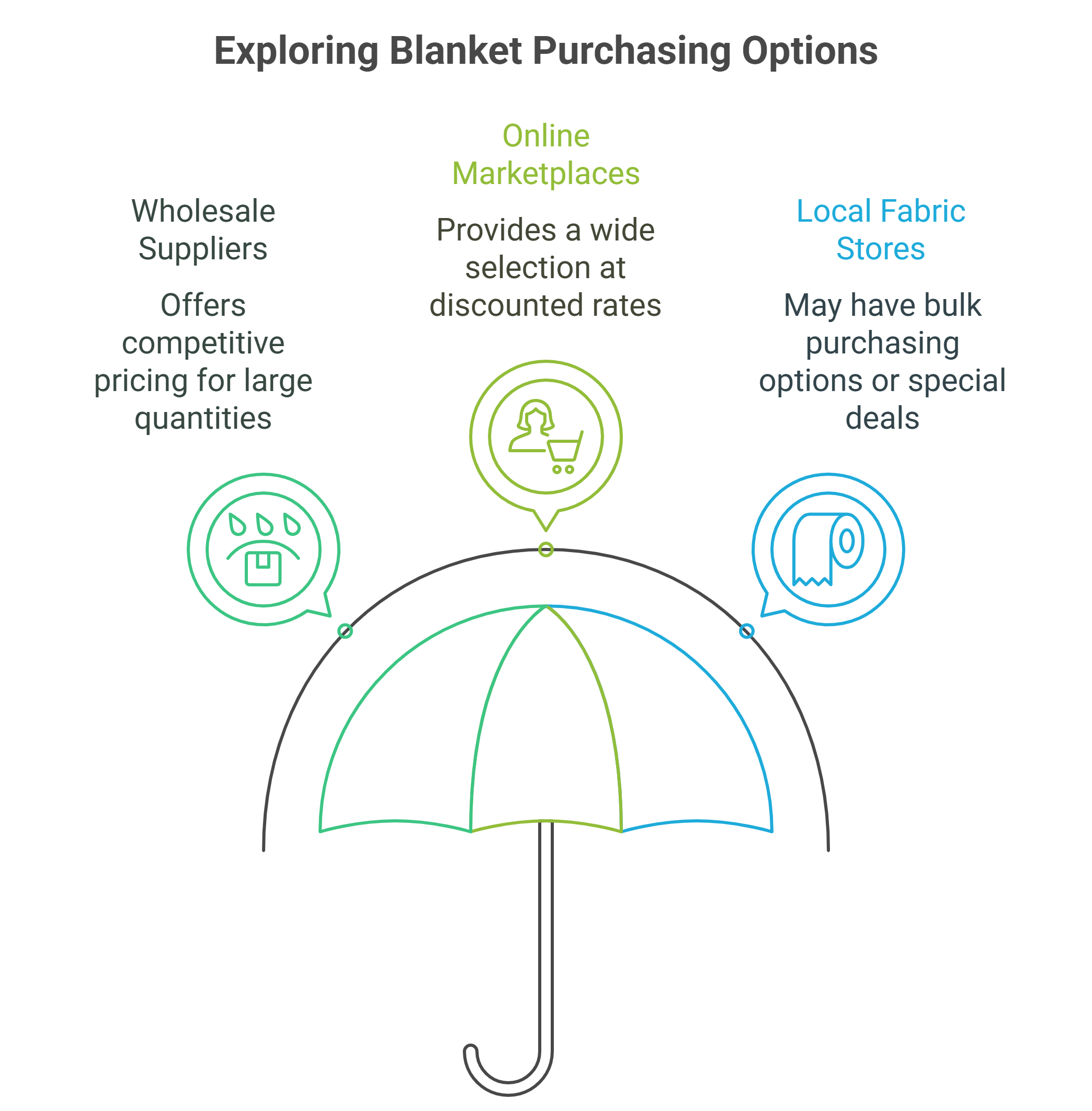
a. Wholesale Marketplaces

Online B2B platforms like Alibaba, Global Sources, and Made-in-China are major hubs for wholesale blanket purchases. You can connect directly with manufacturers, compare prices, and even customize your order.

  • Pros: Competitive pricing, wide selection, international shipping.
  • Cons: Longer delivery times and import duties (if buying from overseas).

b. U.S.-Based Wholesalers

If you prefer faster delivery and easier communication, U.S.-based fleece blankets wholesale suppliers like Towel Hub, Bulk Fleece Blankets, or DollarDays are excellent choices. They specialize in bulk orders for schools, charities, and businesses.

  • Pros: Reliable shipping, easy returns, and no customs hassles.
  • Cons: Prices may be slightly higher than offshore suppliers.

c. Local Distributors and Manufacturers

For smaller orders, regional distributors or textile manufacturers may offer better pricing and flexibility. You can often inspect samples before purchasing and negotiate better rates.

d. Retail Membership Warehouses

If you’re not ready for a massive order but still want a bulk deal, stores like Costco, Sam’s Club, or BJ’s Wholesale often stock fleece blankets in multi-packs at discounted prices.

4. What to Consider Before Buying in Bulk?

Before finalizing a supplier, consider these crucial points:

a. Material Quality

Not all fleece is created equal. Ensure the blankets are made from high-quality polyester fleece that is soft, non-pilling, and machine washable.

b. Blanket Size and Weight

Standard fleece blankets come in various sizes, from throw-size (50×60 inches) to twin or queen sizes. Choose based on your end use—smaller sizes for giveaways or larger ones for hotels and homes.

c. Minimum Order Quantity (MOQ)

Some suppliers have a minimum order requirement (usually 50–100 pieces). Always check this before placing an order.

d. Shipping and Delivery

Bulk orders are heavy, so shipping costs can add up. Ask whether the supplier offers free or discounted shipping for large purchases.

e. Return Policy

Ensure the company has a reasonable return or exchange policy if the blankets don’t meet your expectations.

5. Popular Uses for Bulk Fleece Blankets

Knowing how you plan to use the blankets can help narrow down your choices. Here are a few popular use cases:

a. Donation and Charity Drives

Nonprofits and relief organizations often buy fleece blankets in bulk to distribute to shelters, hospitals, or disaster-affected regions.

b. Hospitality Industry

Hotels, motels, and Airbnb hosts use fleece blankets as affordable layering options for guest comfort.

c. Corporate Gifting

Businesses often customize fleece blankets with company logos for promotional giveaways or employee appreciation gifts.

d. Schools and Camps

Fleece blankets are great for fundraisers, sports teams, and camp programs—lightweight, easy to store, and cozy.

e. Retail Resale

Retailers and online sellers can buy bulk blankets at wholesale rates, repackage them with their branding, and resell at a markup.

6. How to Get the Best Deal?

Finding the best deal isn’t just about choosing the cheapest supplier. Consider:

  • Requesting Samples: Always test the blanket’s softness, stitching, and durability before bulk ordering.
  • Negotiating Prices: Most wholesalers offer discounts for higher quantities. Don’t hesitate to ask.
  • Comparing Multiple Vendors: Look at quality, shipping rates, and turnaround time.
  • Checking Reviews: A supplier’s reputation says a lot about reliability and product consistency.

Pro Tip: Some fleece blankets wholesale suppliers offer loyalty programs or repeat-order discounts—especially useful if you plan to buy regularly.

7. Eco-Friendly and Sustainable Options

As sustainability becomes a growing concern, many wholesalers now offer eco-friendly fleece blankets made from recycled polyester or organic fibers. These are ideal for eco-conscious brands and charities promoting sustainability.

Not only do these options reduce environmental impact, but they also resonate well with consumers who value green initiatives.

8. Common Mistakes to Avoid When Buying in Bulk

Even seasoned buyers can make costly mistakes. Watch out for these pitfalls:

  • Ignoring Material Specs: A cheaper blanket may feel rough or thin—always check GSM (grams per square meter) for density and softness.
  • Forgetting About Customization Lead Time: Custom embroidery or printing can extend production time, so plan ahead.
  • Overlooking Shipping Costs: International orders may seem cheap until you calculate freight and customs fees.
  • Failing to Check Reviews: Never skip reading reviews or requesting references from past customers.

9. Final Checklist Before You Order

  • Before confirming your bulk purchase:
  • Compare at least three suppliers.
  • Review material samples or photos.
  • Confirm total costs (including shipping).
  • Double-check size, color, and customization details.
  • Ask for tracking details once the order ships.

This small due diligence ensures your bulk blanket purchase goes smoothly from start to finish.

What This Means for You?

Buying blankets in bulk is both smart and strategic—whether for business use, donation programs, or resale. The key is finding a supplier that balances quality, cost, and reliability.

When in doubt, start with fleece blankets wholesale distributors—they specialize in bulk orders, offer customization options, and have streamlined logistics that save you time and money.

With the right supplier, you’ll have warm, stylish, and affordable blankets ready for any occasion—without breaking your budget.

Final Thoughts

Blankets symbolize comfort and care, and when purchased in bulk, they also represent smart business sense. From wholesale platforms to local distributors, today’s buyers have more choices than ever before.

So, the next time you ask yourself “Where to buy blankets in bulk?”—remember that the best answer often lies in exploring the world of fleece blankets wholesale. They’re affordable, customizable, and versatile, making them the perfect choice for businesses, charities, and beyond.
What is Fleece Material Made Of?

8 Oct

Quick Answer: What Is Fleece Material Made Of?

Fleece is a soft, lightweight, and warm synthetic fabric, usually made of polyester, which is a man-made fiber or plastic (polyethylene terephthalate or PET). The fabrication techniques of fleece such as knitting, brushing, and shearing yield a plush texture that resembles wool rather than being weighed down with a hefty price tag.

It is the warm, long-lasting, and water-repellent qualities that give an opportunity to fleece to be used for clothing, throws, and fleece blankets wholesale. Whether it is considered winter wear that wins over the hearts of many or cheaper bulk blankets for use around the house, fleece remains a very good choice for the modern consumers due to its practicality, comfort, and eco-friendliness.

Now let’s dive deeper.

The Magic of Fleece

Have you ever wrapped yourself up in a warm blanket on a cold night or slipped on a hoodie-soft hug? Then, you were enjoying the fleece. Have you ever wondered what fleece material is actually made of? In spite of feeling woolly, fleece is not obtained from sheep or any other animal. It is a modern, engineered fabric to enhance ease and provide warmth.

Wholesale fleece blankets are in demand, more so by retailers, event managers, and hospitality businesses. Why is that? Because fleece is cheap to sew up into an article of clothing or a blanket yet so functional that it tops the list of almighty textiles. From a short history of synthetic fabric to an overview of applications in fashion and home furnishings, we shall see what really makes fleece so special.

1. What exactly is fleece material?

Fleece is a soft synthetic fibre that offers some warmth, while remaining cool and breathable. It so happens that the name “fleece” reminds one of wool, but they are two different materials. Traditional wool of course comes from animal coats, while current fleece is man-made — mostly from polyester fibers, though some variations resort to cotton or recycled plastics.

Fleece is a fabric that came up in the late 1970s as a lighter and cheaper alternative to wool. The idea was to manufacture a fabric that not only gave warmth like wool but was easy to wash and dry in a hurry. This invention revolutionized the whole textile industry, and presently, fleece jackets and fleece blankets wholesale collections found in homes, hospitals, and hotels across the globe.

2. Composition: What Is Fleece Material Made Of?

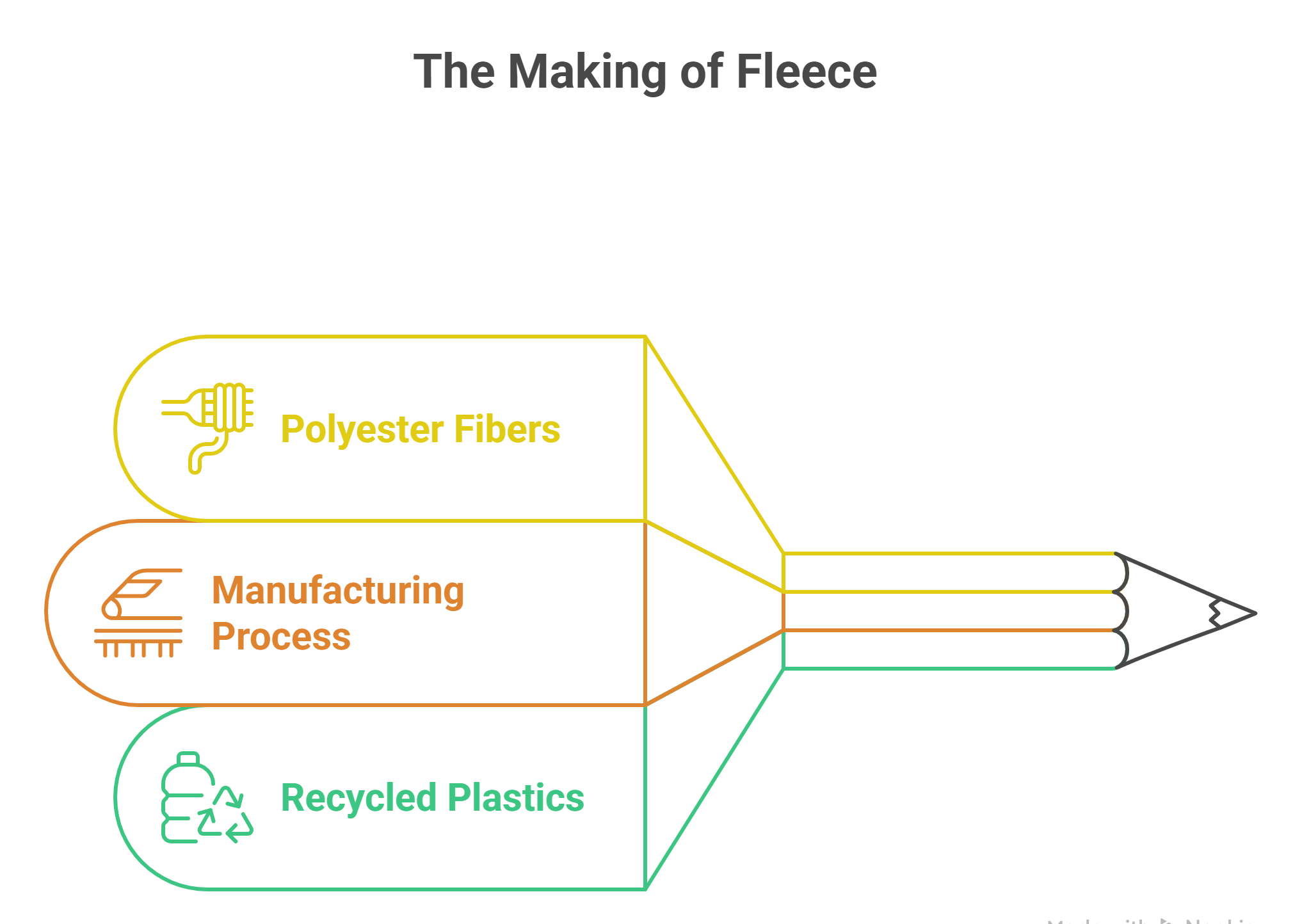
At its core, fleece is primarily made from a synthetic fiber known as polyester. Polyester is a food of petroleum origin. These plastic pellets are melted and spun into long, fine fibers, which are then knitted into cloth. The cloth is then brushed on one or both sides, providing the characteristic soft and fluffy feel we associate with fleece.

Present-day technology has further diversified fleece production, beyond petroleum-based polyester. Thus, many manufacturers are now choosing to go green and make fleece out of recycled plastics such as water bottles. Green-fleece varieties pan out the same way thermally and comfort-wise but with an added bonus of being good to Mother Earth.

Common Materials Used in Fleece Production:

  • Polyester: The most prominent synthetic fibers in most fleece fabrics.
  • Cotton Blends: Some fleece types have polyester mixed with cotton to increase softness.
  • Recycled PET: Environmentally-friendly fleece made of recycled plastic bottles.
  • Spandex or Lycra: Sometimes added for stretchability.

This combination provides the fleece with the softness, strength, and thermal efficiency to withstand multiple washes.

3. The Manufacturing Process: From Plastic to Plush Fabric

The journey from raw plastic to warm European fleece is fascinating and highly technical. Here is how it usually unfolds:

Step 1: Melting and Extrusion

Polyester pellets are heated into a molten thick liquid, so thick that molded droplets exit through tiny holes to form very fine threads — a process not unlike spinning silk.

Step 2: Knitting

The fibers are knit together into large sheets of fabric. The way the knitting is done determines the density of the fleece and how much it will stretch.

Step 3: Brushing

The fabric is brushed with fine metal brushes that raise the fibers to create a soft fluffy surface that traps air for insulation.

Step 4: Shearing and Finishing

Finishing involves clipping raised fibers to a uniform length to provide smoothness and avoid pilling. Dyes, water repellants, or flame retardants may be imparted.

A unique balance between engineering and creative flair gives fleece its feel — light yet warm, and soft yet durable.

4. Fleece Material Types

The fleece fabric isn’t a one-size-fits-all product. Fleece types vary depending on its use, such as athletic wear and fleece blankets wholesale.

a. Polar Fleece

It is the most common fleece fabric with its thick, warm feel perfect for cold seasons. Hence, it is used for winter jackets and heavy blankets.

b. Microfleece

It is a thin, soft type of fleece fabric used for light clothing and baby wear. It keeps you warm without adding bulk.

c. Coral fleece

Raised to the extremely plush level, coral fleece finds use in bathrobes, throws, and expensive blankets.

d. Sherpa Fleece

This wooly name replicates the woolly look and feel on one side, which makes it suitable for linings, outerwear, and cozy bedding.

e. Anti-Pill Fleece

Anti-pill treatment to prevent fiber balling with time; hence this smooth-looking fleece stays smooth-looking even after multiple washes.

This fleece type is however different and suits one climate or need better than others on account of its softness, breathability, and insulation.

5. With Reason Fleece Became A Global Favourite

The harmony of practical benefits and adaptability accounts for the growing popularity of fleece. It offers fixings of comfort, utility, and low price, of which very few clothing materials are endowed.

Advantages of Fleece:

  • Lightweight warmth by way of insulation.
  • Quick to dry, good for outdoorswear, and continuous washing.
  • Durable and long lasting, it does not shrink or stretch.
  • Reasonably priced, especially when bought in wholesale fleece blankets.
  • Hypoallergenic: In contrast to wool, it does not trigger any irritation to the sensitive skin.
  • Easy Care: It is machine washable and holds wrinkle resistance.

This makes fleece fitting well into industries from haute couture and hospitality to sportswear and promotional merchandise.

6. Fleece and Wholesale

One of the greatest contributors for keeping fleece afloat is the wholesale market. Retailers, non-profit organizations, and associations buy fleece blankets in wholesale quantities for giveaways, fundraisers, and massive events. Also, fleece blankets maintain their popularity in hospitals, shelters, and hotels just because of the maintainability and comfort it offers.

Buying fleece in bulk could be economically beneficial in many ways:

  • Cost-Efficiency: Lower cost per unit/function for businesses and distributors.
  • Consistency: Same quality and color through big quantity.
  • Customization: Logos, embroidery, or tags can be added to promote the company.
  • Versatility: Wholesale fleece blankets might be the perfect gifting choice for employees, charity drives, and retail resale.

Eco-conscious buyers would also consider wholesale fleece blankets; those made from recycled materials bring an eminent sustainability factor to an otherwise very versatile product.

7. Is Fleece Eco-Friendly?

Although traditional polyester fleece is petroleum-based, the industry has made tremendous steps toward greener bookkeeping. Many manufacturers nowadays use recycled polyester (rPET) from post-consumer plastic bottles, diverting waste from landfills and oceans.

But the microplastic pollution theory remains hotly debated: tiny fibers get washed away with fleece, yet innovations such as closed-loop recycling, microfilter washing bags, and biodegradable fleece fibers have all done their bit to minimize that.

In brief, fleece is a moving target — initially a petroleum product that is fast turning into a sustainable textile with a global environmental conservation undertone.

8. Caring for Fleece: Maintenance Tips

Keeping fleece products at their best means:

  • Use cold water when washing with gentle detergent.
  • Avoid fabric softeners, which can coat the fibers and thereby reduce softness.
  • Air dry or tumble dry on low heat so as to prevent the fiber mass from being compressed.
  • Never iron, as heat will affect the fibers.

Proper care will extend the lifespan of your fleece clothing and blankets, ensuring the softness throughout their use.

The Final Thoughts

From being a mere alternative to wool to becoming an international textile phenomenon, fleece has secured its status as a comfort necessity. The transition from petroleum-based toward eco-conscious production is a lesson of how modern technology has enabled comfort in a sustainable manner.

Fleece, in the truest sense, is always about warmth-with-a-purpose, be it for bundling up chilly evenings or for fleece blankets sold wholesale for bulk demand. Softness, utility, and price make it popular across various industries, such as fashion, fitness, hospitality, and home décor.

Thus, whether you tuck yourself in with a soft blanket or put on a thick fleece hoodie, you will realize what makes fleece so special- it’s comfort-first, engineered warmth.

Where to Buy Fleece

1 Oct

Fleece is one of the most versatile fabrics, thereby being praised for its unparalleled softness, warm feel, and durability. It is nearly omnipresent in every possible outdoor retail store, fashion and lifestyle store, fabric outlet, or online marketplace, encompassing a few wholesale suppliers if you are considering buying in bulk. Depending on your location, you may purchase fleece-ready-made clothing or keep it for a DIY project, while a large quantity might be ordered for an event or business.

Why Everyone Loves Fleece

There may be fabrics that you can manage without, but fleece is not one of them. Since it is cold in winter, fleece is the only thing warm enough to be set aside as the cosy-wear kind of fabric. These are warm materials, and some might consider them easy to care for. A whole slew of items is made of fleece, starting with jackets, hoodies, and blankets, all the way to pet beds.

The hard part? Selecting the place to buy fleece. With options ranging from retail store to fabric store to wholesale, it almost makes your head spin. So don’t panic: We’ll lay it all out for you, so you know where to go, whether you want just one hoodie or a hundred fleece blankets.

Fleece is soft and insulating and usually made from polyester fibres. It is lightweight, quick-drying, machine-washable, and, otherwise, a heavier fabric is wool. All these features come to the fore in outdoor performance wear as well as basic day-to-day items.

Types of Fleeces

  • Microfleece: Lightweight, thin, ideal for layering.
  • Polar fleece: Thicker, warmer, great for jackets and blankets.
  • Anti-pill fleece: Designed to resist fuzz balls and maintain its smooth feel.

Essentially, fleece would give you warmth like wool without the weight; it will be softer than cotton without shrinkage, and by the way, it will be very affordable.

Everyday Uses of Fleece

Winter Apparel

Thermal jackets, hoodies, and vests are predominantly found in winter wardrobes. These days, fleece being capable of trapping the heat without added bulk has become a favourite for winter brands that like to layer during cold hikes or brisk morning commutes.

Blankets & Throws

If there’s anything from tie blankets to embroidered gift throws, fleece has always been known to keep one comfortable. Depending on how messy your blanket shelf is, fleece would go ahead and convince you that another blanket can surely fit in there.

Accessories & Casual Wear

Think scarves, gloves, hats, pyjamas, and even socks. Fleece sneaks into daily life by adding comfort to small essentials.

Crafts & Sewing Projects

DIYers love fleece because it’s easy to cut and doesn’t fray. From pet beds to pillow covers, fleece works for beginners and experts alike.

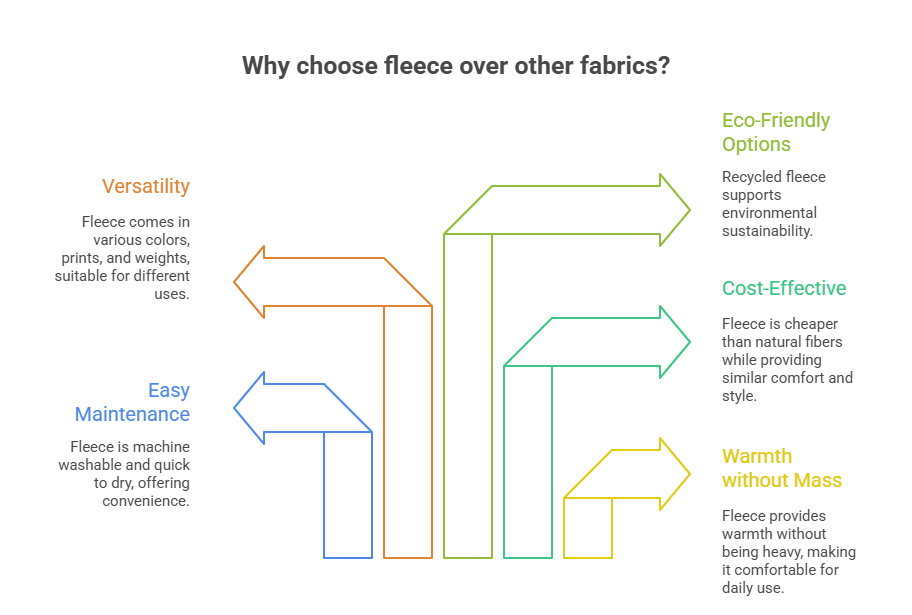
Why Choose Fleece Over Other Fabrics?

Fleece has gained favour in the world of fabrics because of warmth without the mass; hence, it is lighter than wool yet equally cosy. One can simply toss it into the washing machine for cleaning and drying it quickly. Therefore, the fleece turns out to be a very practical choice for daily use. It is cheaper than natural fibre but yields equal comfort and style.

The versatility has been another reason for the popularity of the fabric, with innumerable colours, prints, and weights being available to suit anything from jackets to blankets. Plus, there are those eco-friendly ones made from recycled plastic bottles, so you can keep warm and make an environmentally sustainable choice- the fleece is like the dependable friend that never lets you down: kinda cheap, flexible, and forever willing to keep the winds away.

Where to Buy Fleece

Outdoor & Sportswear Retailers

The outdoor brands stock fleece jackets, vests, and hoodies for men, women, and kids. These are tried fleece for those who need performance-ready fleece in cold-weather activities.

Fashion & Lifestyle Stores

Mainstream fashion outlets often sell fleece basics, from zip-up hoodies to loungewear. Perfect for shoppers who want style and comfort in one.

Fabric Shops & Craft Stores

Picks of fleece by the yard are usually from the local and online fabric stores. This is a choice for any crafter or hobbyist who has specific ideas about his/her creation and wants to make something custom for themselves or someone who is close. Solid colours, interesting designs, and seasonal prints-if you can name it, it’s there!

Online Marketplaces

Websites like Amazon, Etsy, and textile-focused platforms offer everything from raw fleece fabric to finished fleece products. Convenience is the biggest advantage, but it pays to read reviews and check fabric weights before clicking “buy now.”

Wholesale & Bulk Suppliers

For businesses, charities, or large-scale events, wholesalers are the best option. They provide bulk fleece fabric or ready-made fleece blankets at discounted rates. This is where affordability and practicality meet — especially if you’re outfitting groups or donating to shelters.

Tips for Buying Fleece

  • Decide your purpose: Clothing, blankets, or crafts all need different fleece weights.
  • Check fabric weight (gsm): Lightweight fleece works for layering; heavyweight fleece suits blankets.
  • Look for anti-pill: Keeps fleece smooth even after repeated washes.
  • Buy extra for sewing projects: Fleece can stretch slightly when cut.
  • Consider sustainability: Recycled fleece options offer eco-friendly comfort.

Fleece isn’t just practical — it’s stylish too. Fashion houses are using it in modern streetwear, turning once-simple jackets into must-have items. Bright colours and bold patterns are also in demand, moving fleece beyond its “basic” reputation.

Another big trend? Charity drives. Many organisations host blanket-making events where groups tie and donate fleece blankets to hospitals, shelters, and community centres. And thanks to TikTok and YouTube tutorials, DIY fleece projects are trending with younger generations — turning fleece into the unexpected star of social media.

What This Means for You

Fleece has come a long way from being just a practical winter staple. Today, it’s a fabric you’ll find in jackets, blankets, accessories, and DIY crafts. Knowing where to buy fleece helps you match the right source to your needs — whether that’s a retail jacket, a bolt of fabric for your next project, or bulk blankets for your organisation.

And if you’re in the market for large quantities, we’re here to help. At fleece blankets bulk, we specialise in providing premium-quality fleece blankets in bulk — perfect for businesses, events, or charitable drives. With years of expertise, customisation options, and excellent pricing, we make it easy to bring warmth and comfort to any project, big or small.

Where to Buy Minky Fabric

1 Oct

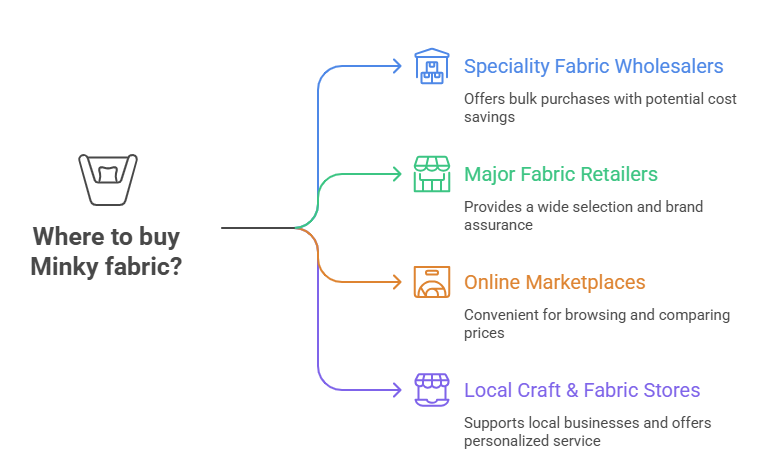
A Minky fabric is a luxurious, softer, plush fabric made of high-quality polyester microfiber. It is super fine for a blanket, baby items, apparel, and decor. Purchase minky fabric from speciality wholesalers, major fabric retailers, online marketplaces, and local craft shops. Conversely, if you have ever wondered where to buy minky fabric, it depends on whether you want it in bulk, for selection, or tactile before purchase.

The Allure of Minky Fabric

Now, imagine the softness of mink fur combined with a touch of the very practical polyester nature, and you would have an idea about the feel of Minky fabric. It is silky-smooth and reassuring to touch, something that quilters, crafters, and parents love to have around. Its very name implies some form of grandeur. After all, a fabric that calls itself “Minky” is really attached to being petted just like a kitten.

The tricky thing is knowing where to buy minky fabric. With so many sellers out there, from very large wholesalers to small Etsy sellers, the choice can become completely overwhelming. But do not worry, as we’ll discuss what Minky is, what it is used for, and the best places where you can grab some.

What is Minky Fabric?

Minky fabric is an exemplary synthetic textile that has come into being from ultra-fine polyester fibres. These ultra-fine fibres, having a very dense weave, would be very hard to separate and brushed to create a smooth-to-the-touch surface that would feel much like silk but would wear down like fleece.

  • Softness factor: It’s often compared to mink fur, but unlike the real thing, Minky is cruelty-free and machine washable.
  • Durability: Unlike some fabrics that lose their softness after a few washes, high-quality Minky keeps its silky feel over time.
  • Cost: It’s generally more expensive than standard fleece because it’s made from premium fibres — you’re paying for that buttery softness.

If fleece is your cosy winter hoodie, Minky is the spa robe version — a touch fancier, and almost impossible to resist.

What Can You Make with Minky Fabric?

Baby & Nursery Items

Minky is a fabric that parents love for being so soft and warm. It is generally used for making baby blankets, bedding for cribs, swaddling, and plush toys. Babies may not remember who made them a blanket, but they will remember how cosy it felt.

Home Décor & Comfort

Minky is not only made for children. Throw blankets, decorative pillows, and comforter sets in Minky create an ambience of luxury in any living room or bedroom. It sounds like, ‘Five more minutes on the couch, okay?’

Apparel & Accessories

From robes and scarves to loungewear, Minky fabric is perfect for garments designed for relaxation. It’s lightweight, breathable, and soft enough to turn a lazy Sunday into an all-day event.

Crafts & Gifts

We can also say that minky is widely used in crafting soft toys, quilt backs, or even personalised gifts. Some other characteristics that favour this material in creative projects include an infinite number of colours, patterns, and textures.

  • Softness: It’s softer than fleece, silkier than cotton, and warmer than many natural fibres.
  • Texture Variety: From dotted and embossed to smooth solids and animal prints, there’s a style for every project.
  • Durability: Minky stands up to frequent washes without losing its plush feel.
  • Appearance: It looks rich and stylish, making even a simple blanket feel like a boutique product.

Why Choose Minky Over Other Fabrics?

In short: if fabric were desserts, fleece would be a cookie — reliable and comforting — while Minky would be a chocolate soufflé — indulgent, special, and slightly addictive.

Where to Buy Minky Fabric

Speciality Fabric Wholesalers

Minky fabrics are offered under several brands, including Snuggle by companies such as EZ Fabrics. Usually, wholesale vendors offer a wide selection of prints, textures, and colours, often at better pricing for bulk orders. Perfect for companies, charities, or anyone having multiple projects.

Major Fabric Retailers

Brands such as Moda Fabrics + Supplies sell Minky in many varieties — solids, embossed dots, stripes, and even animal prints. These larger retailers are reliable sources when you want consistent quality and professional-grade fabric.

Online Marketplaces

Sites like Amazon, Etsy, and specialised fabric shops provide a wide array of options. Convenience may be just a click away, but the quality may vary. Word of advice: product reviews are your best friend, and always check the seller ranks before lashing ten yards of polka-dotted Minky into the shopping cart.

Local Craft & Fabric Stores

For those who prefer to touch before buying, stores like Joann or Hobby Lobby often stock Minky fabrics. This is the best option if you’re a first-time buyer, as you’ll get a hands-on feel for weight, stretch, and texture before committing.

Tips for Buying Minky Fabric

  • Check the weight and finish: Minky comes in different textures (smooth, dotted, embossed). Make sure it matches your project needs.
  • Buy a little extra: Minky can stretch when cutting, so having more yardage prevents panic mid-project.
  • Look for anti-pill versions: These keep their softness much longer.
  • Don’t be fooled by cheap versions: Bargain Minky might shed, fade, or feel scratchy after washing.

What This Means for You

Minky fabric is much more than just another textile: It is an all-terrain soft fabric that will go well with anything, be it baby blankets or styles of home décor. Your options are numerous if you want it in local stores or amassing your bulk online. Now that you have an idea about where to buy this fabric, you surely can shop well for the type, weight, and finish suited for your next big project.

And if your interest goes beyond small DIY projects, we can help. At fleece blankets wholesale, we specialise in high-quality fleece and Minky fabric products, from throws and baby blankets to custom embroidered designs. With years of experience in providing durable, stylish, and comfortable blankets, we’re the partner you can count on to bring softness and quality straight to your doorstep.

How Many Yards of Fabric to Make a Tie Blanket?

1 Oct

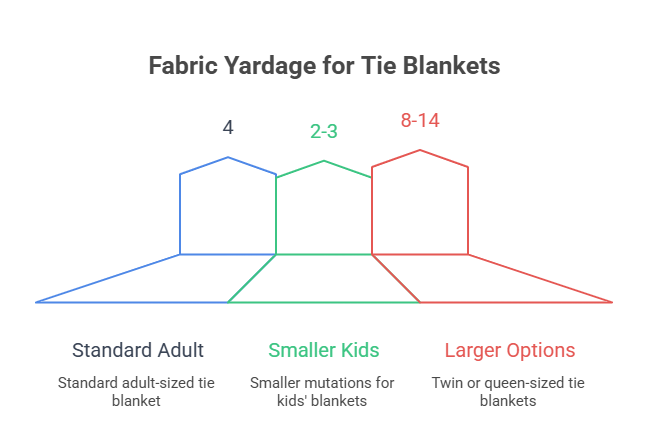
Mainly, all projects will require a standard 2 yards of fabric per side (4 yards in all) for a standard adult-sized tie blanket. Smaller mutations for kids can accommodate perhaps 1-1.5 yards per side, while the larger options, like twin or queen, might require between 4 and 7 yards per side. It’s a little tricky to say precisely since it depends on who will be getting this blanket and how much coverage they desire.

The Cosy World of Tie Blankets

If you’ve ever sunk into your couch in the dead of winter, you know there can never be “too many blankets”. The edge fringes and no-sew style that characterise tie blankets have turned them into one of the most sought-after DIY projects since they are fun to create and super functional.

How many yards of fabric to make a tie blanket? Short answer: It depends on its size. The long answer…well, this is why you came to the site, after all. Let’s get into the mechanics from yardage to a few handy hints that will make the process easier (rather than wrestling with a giant piece of fleece).

Understanding Tie Blankets (and Why Fabric Yardage Matters)

A tie blanket is essentially two layers of fabric — usually fleece — tied together at the edges with fringe knots. The result is a double-thick, cosy blanket without any sewing.

But here’s the catch: when you cut fringe strips and corner squares, you lose about 8–12 inches of the blanket’s original dimensions. That’s why buying the right amount of fabric matters. Too little fabric, and you’ll end up with a glorified pillowcase. Too much fabric, and you’ll wonder if you’ve mistakenly purchased material for a camping tent.

Standard Sizes and Fabric Needs

Baby & Infant Blankets

  • Fabric needed: 1 yard of each fabric (2 yards total).
  • Finished size: ~36” x 36”.

Perfect for tummy time, stroller rides, or as a crib companion.

Child or Lap Blankets

  • Fabric needed: 1.5 yards of each fabric (3 yards total).
  • Finished size: Around 40” x 50”.

Just right for movie nights or kids’ bedrooms.

Adult Throw Blankets

  • Fabric needed: 2 yards of each fabric (4 yards total).
  • Finished size: ~50” x 60”.

The classic “Netflix binge” blanket — warm but not oversized.

Twin Size

  • Fabric needed: 4–5 yards of each fabric (8–10 yards total).
  • Finished size: ~60” x 90”.

Great for college dorms or taller teens.

Queen or Larger

  • Fabric needed: 6–7 yards of each fabric (12–14 yards total).
  • Finished size: ~90” x 90” or more.

Be prepared — this one might need two people tying knots just to finish it.

Choosing the Right Fabric

Why Fleece is King

Fleece is the go-to choice for tie blankets because it doesn’t fray, it’s warm, and it comes in every pattern under the sun. It’s also forgiving — you don’t need a tailor’s precision to make it work.

Anti-Pill vs. Blizzard Fleece

  • Anti-pill fleece: Higher quality, stays soft longer, resists fuzz balls.
  • Blizzard fleece: More affordable, slightly lower quality, but great for casual blankets.

Mixing and Matching

Use a heavy contrasting print combined with a solid backing for a chic look. Just make sure that both fabrics are of the same type — pairing heavy fleece with lightweight fabric would create uneven knots.

How to Make a Tie Blanket (Step-by-Step)

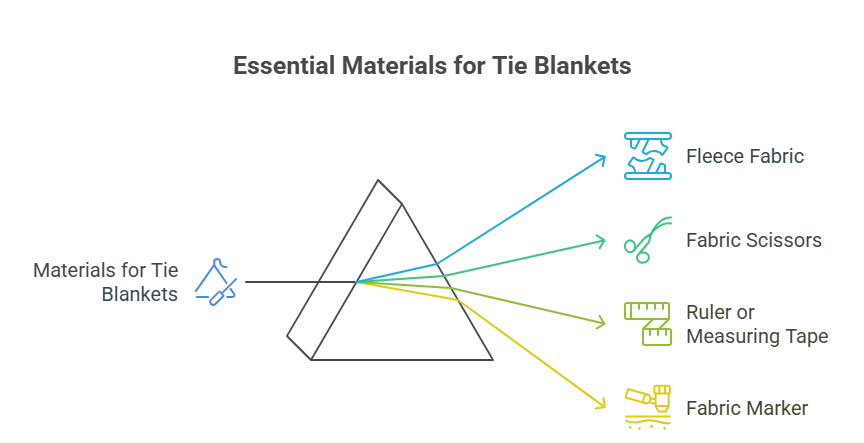
Materials You’ll Need

  • 2 equal pieces of fleece
  • Fabric scissors or rotary cutter
  • Ruler or measuring tape
  • Fabric marker (optional)

Steps

  1. Lay both fleece pieces flat, one on top of the other.
  2. Trim edges so both are even.
  3. Cut 4–5-inch squares out of each corner.
  4. Cut 1-inch-wide strips along all sides for fringe.
  5. Tie the top and bottom strips together in double knots.
  6. Repeat until you’ve tied all edges.

In a few hours, you’ll have a blanket that’s equal parts functional and personal.

Tie blankets are no longer just cosy DIY projects—they are now cultural icons with different nods. Many crafters would rather go green with an organic cotton and bamboo fleece choice. Personalisation has also made its way into tie-blanket styles, from monograms and initials to fabrics that display their favourite sports team.

For some time, tie-blanket events have been popular general charity activities where groups come together to make and donate blankets to shelters and hospitals. And there’s no doubt that DIY culture on TikTok and Instagram has galvanised the passion for tie blankets yet again, motivating a new generation of scissors-wielders to get tying.

Final Thoughts

How many yards of fabric to make a tie blanket? Generally, an adult throw has 2 yards on each side, which adds up to an overall length of 4 yards; however, these measurements might vary if it were a blanket for a baby, child, or an overgrown teddy bear. The method itself is fairly easy, the output is warm and snuggly, and its customisation options are endless.

And if this project sparks a bigger idea — say, bulk crafting for an event, a fundraiser, or even resale — we can help. At fleece blankets wholesale, we’ve spent over 21 years providing high-quality, non-pilling fleece blankets and jackets in every size and colour. We specialise in custom embroidery and bulk orders, and we even offer special pricing for charities. Whether you need a few dozen or a few hundred, we’re here to make sure you never run short on warmth.