Quick Answer: What is blanket fabric called?
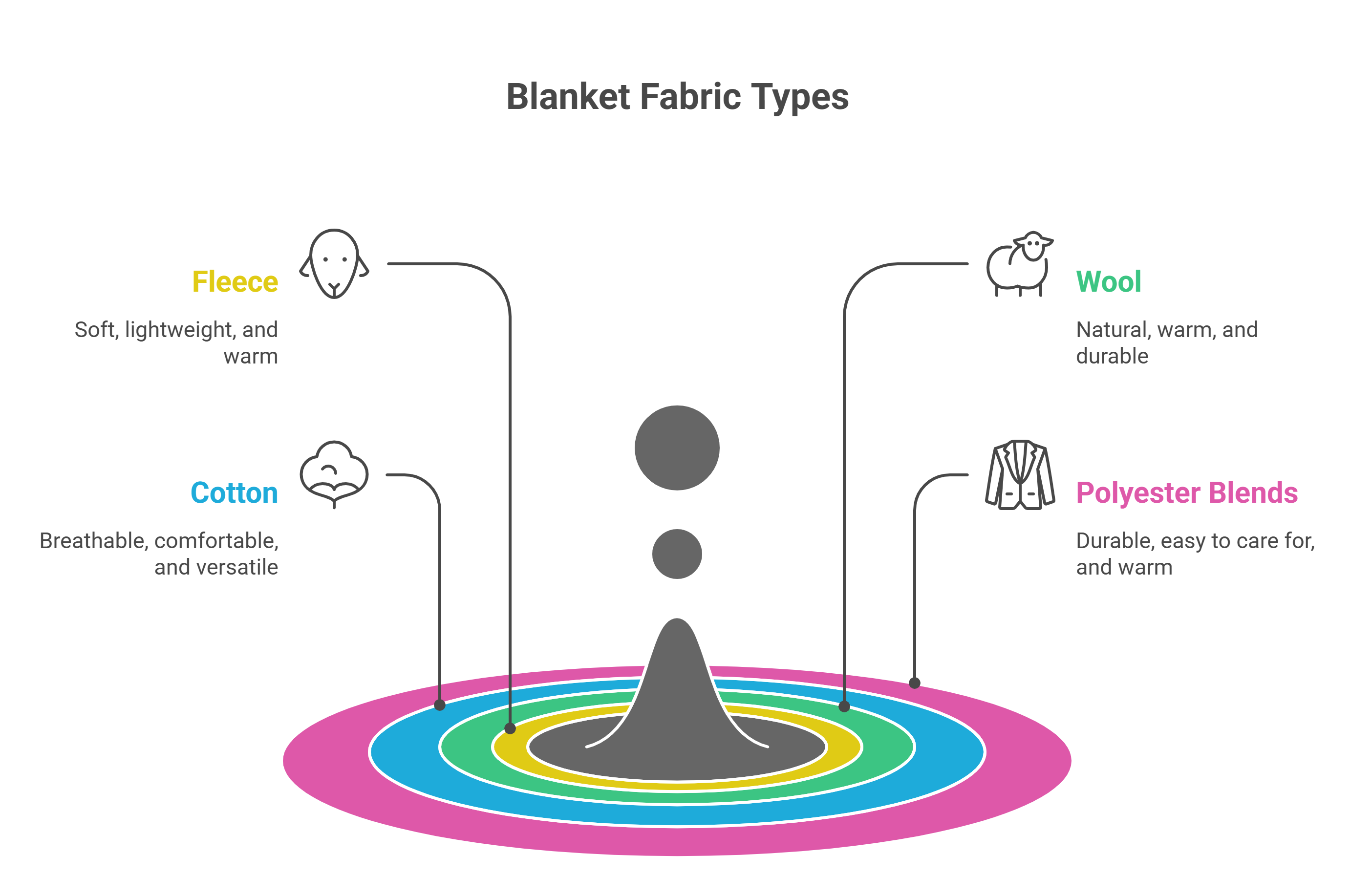
When you ask, “What is blanket fabric called?” the most common answer is fleece — a soft, warm, and lightweight synthetic fabric that’s ideal for cozy blankets. Fleece is made from polyester fibers that mimic wool’s insulating properties without its weight or itchiness.
Because of its comfort, affordability, and versatility, fleece dominates the blanket market today. For businesses and retailers, fleece blankets wholesale and fleece blankets bulk options offer great value for crafting, resale, and gifting purposes.
Now let’s dive deeper.
1. The Origin of Blanket Fabrics
Blanket fabrics have evolved dramatically over the years. Traditionally, people used wool, cotton, and linen because these were natural and readily available fibers. As textile technology advanced, synthetic materials like polyester and fleece emerged — changing the game completely.
The earliest blankets were heavy and dense, often woven from sheep’s wool. Wool’s insulating nature made it perfect for cold weather, but it was also itchy, hard to clean, and expensive. Today’s blankets are designed for comfort, convenience, and cost-efficiency — three qualities that make fleece the most common blanket fabric today.
2. Types of Fleece Blanket Fabrics
There are several varieties of fleece, each with distinct textures, weights, and uses. Knowing these can help you choose the right one for your home, retail shop, or craft project.
a. Polar Fleece
Polar fleece is the classic choice for blankets — thick, insulating, and extremely soft. It’s ideal for winter use or cooler climates and offers exceptional warmth without much weight.
b. Microfleece
Microfleece is thinner and lighter than polar fleece, making it perfect for lightweight throws, baby blankets, or travel blankets. It’s smooth, breathable, and easy to fold or pack.
c. Sherpa Fleece
Sherpa fleece has a fluffy, wool-like texture that resembles sheep’s fleece. It’s often used as the inner lining of blankets or hoodies for an ultra-cozy feel.
d. Coral Fleece
Coral fleece is known for its luxurious texture — smooth on one side and plush on the other. It’s commonly used for decorative throws and high-end bedding.
e. Anti-Pill Fleece
Anti-pill fleece is treated to prevent the little fabric balls (pills) that form after repeated use or washing. This makes it perfect for long-term durability and commercial use in fleece blankets bulk orders.
3. Why Fleece Became the Blanket Industry Standard?
The reason fleece has overtaken traditional fabrics like wool or cotton in popularity boils down to five key benefits:
- Softness: Fleece feels velvety smooth and gentle on the skin.
- Warmth: It traps air in its fibers, providing excellent insulation.
- Lightweight: Unlike wool, it doesn’t feel heavy or restrictive.
- Easy Care: Machine washable, fast-drying, and wrinkle-resistant.
- Cost-Effective: Synthetic fibers make fleece cheaper to produce, especially in wholesale or bulk quantities.
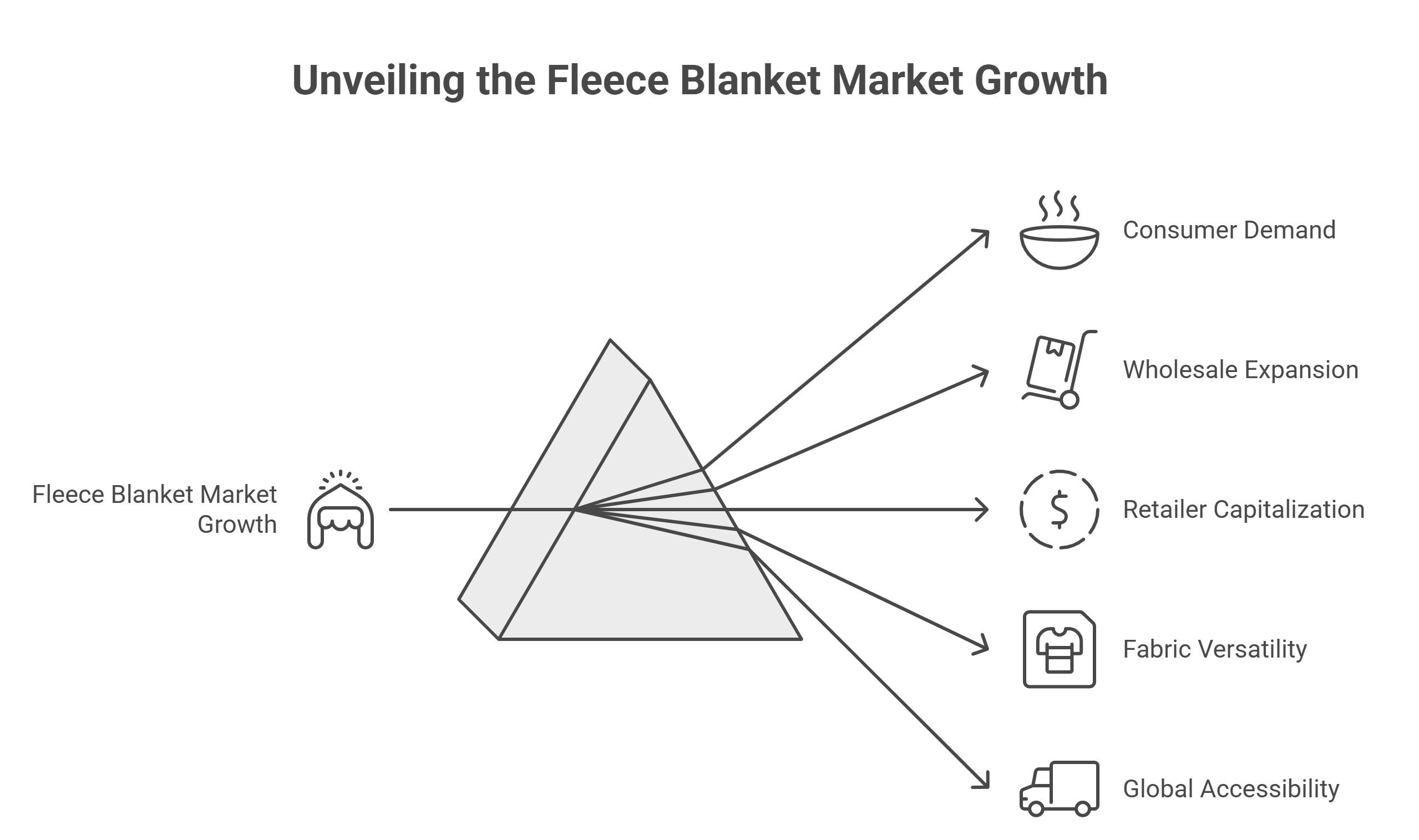
For manufacturers and resellers, this combination of comfort and affordability makes fleece an unbeatable option. That’s why the fleece blankets wholesale market continues to grow year after year.
4. Blanket Fabrics Beyond Fleece
While fleece is dominant, it’s not the only blanket fabric available. Here are a few others you might encounter:
a. Cotton
Cotton blankets are breathable, soft, and perfect for summer or mild climates. However, they don’t provide as much warmth as fleece or wool.
b. Wool
Wool remains a premium fabric choice. It’s natural, moisture-wicking, and long-lasting — but also more expensive and heavier.
c. Flannel
Flannel is made from cotton that’s brushed to create a fuzzy surface. It’s warm but not as thick as fleece, making it ideal for layering.
d. Acrylic
Acrylic mimics wool but is fully synthetic. It’s lightweight, colorfast, and affordable, though not as breathable as natural fibers.
Each of these materials serves specific needs, but fleece continues to dominate because of its versatility, affordability, and year-round usability.
5. The Rise of Fleece Blankets Wholesale Market
For retailers, event organizers, or eCommerce sellers, buying fleece blankets wholesale is one of the most profitable inventory strategies. Bulk purchasing allows businesses to get high-quality blankets at lower prices — ideal for giveaways, corporate gifts, charity donations, or resale.
Wholesale fleece suppliers offer a wide range of customization options:
- Different colors, sizes, and patterns
- Logo embroidery or screen printing
- Packaging options for branding and gifting
Whether you’re running an online home décor store or planning a corporate event, sourcing fleece blankets bulk helps maintain both quality and profit margins.
6. Fleece Blankets Bulk for Every Occasion
Fleece blankets are not just for home comfort — they’re multi-purpose products that fit every scenario.
- Corporate Gifts: Custom-branded fleece throws make excellent promotional items.
- Schools & Sports Teams: Perfect for outdoor games or fundraising events.
- Hotels & Hospitality: Lightweight yet cozy, great for guest rooms.
- Charity & Disaster Relief: Affordable and easy to distribute to those in need.
DIY Crafters: Popular for handmade blankets, no-sew projects, and gifts.
The availability of fleece blankets bulk has made it easier than ever for businesses and communities to access comfort on a large scale.
7. Sustainability and Modern Fleece Innovation
One concern with synthetic fabrics like fleece has been their environmental impact. However, modern textile manufacturers are addressing this through recycled polyester fleece, often made from repurposed plastic bottles.
This innovation means today’s fleece blankets wholesale options are not only soft and durable but also eco-friendly. It’s an important step toward sustainability — giving consumers the warmth they love without harming the planet.
8. How to Choose the Right Blanket Fabric?
When selecting the perfect blanket fabric, consider:
- Climate: For colder regions, choose polar or sherpa fleece.
- Purpose: For decorative throws, coral fleece or cotton works well.
- Maintenance: Fleece and acrylic are low-maintenance options.
- Budget: Buying fleece blankets bulk offers the best value for both personal and commercial needs.
The key is to balance comfort, cost, and convenience.
Final Thoughts
So, what is blanket fabric called? — In today’s world, fleece is the clear answer. It’s soft, warm, lightweight, and affordable — everything you want in a blanket. Whether you’re shopping for your home, starting a small retail business, or planning a bulk order, fleece remains the gold standard of comfort and practicality.
From cozy nights on the couch to large-scale corporate giveaways, fleece blankets wholesale and fleece blankets bulk continue to redefine how we think about warmth and style. And with modern innovations making fleece more sustainable and customizable than ever, it’s safe to say this beloved blanket fabric is here to stay.
 Peachfurblog | Wholesale & Bulk Blankets
Leave a comment