Quick Answer: Fleece Is What Material?
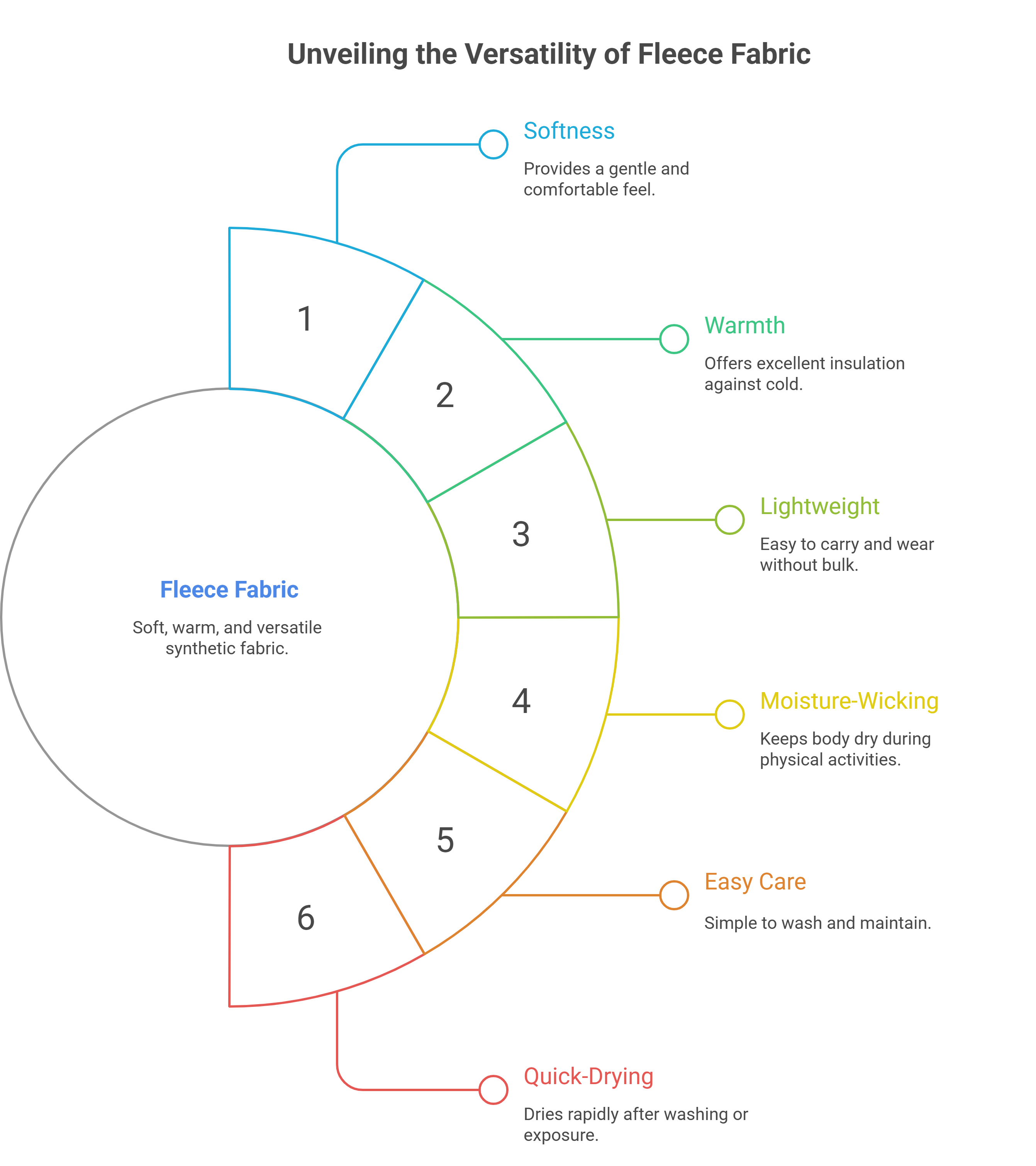
Fleece is a soft, warm, and lightweight synthetic material made primarily from polyester fibers. Designed to mimic the insulating properties of wool, fleece is moisture-resistant, quick-drying, and ideal for cold-weather clothing and blankets.
The material’s versatility has made it a popular choice for apparel and bedding manufacturers alike, with fleece blankets wholesale and fleece blankets bulk options widely available for retailers, schools, and charities seeking warmth and comfort in large quantities.
Now let’s dive deeper.
1. What Exactly Is Fleece?
Fleece is a synthetic fabric most commonly made from polyester, a type of plastic derived from petroleum. Unlike natural fibers such as cotton or wool, fleece is manufactured through a chemical process that melts and spins polyester fibers into soft, fluffy sheets.
Although it’s man-made, fleece was designed to mimic the insulating qualities of wool — without the heaviness or itchiness that some people find uncomfortable. The result is a lightweight, breathable material that traps heat effectively while allowing moisture to escape.
The name “fleece” originally referred to a sheep’s coat, but in the textile industry, it now denotes this synthetic version that provides similar warmth and texture.
2. The Origin of Fleece Fabric
The modern version of fleece was developed in the 1970s by Malden Mills (now Polartec). Their innovation was revolutionary — a lightweight, warm, and affordable material that could be produced on a large scale.
The company’s introduction of Polar Fleece reshaped the outdoor clothing market. For the first time, adventurers and everyday consumers had access to a fabric that performed like wool but dried faster, weighed less, and cost far less to produce.
Today, fleece is used in everything from sportswear and blankets to baby clothing, linings, and pet accessories.
3. How Is Fleece Made? The Manufacturing Process
The process of creating fleece begins with polyethylene terephthalate (PET) or recycled plastic bottles — a growing trend in sustainable textile manufacturing. The process typically involves:
- Melting and Extrusion: Plastic pellets are melted and extruded into fine fibers.
- Knitting: These fibers are then knitted into a fabric.
- Brushing: One or both sides of the fabric are brushed to create a soft, plush texture.
- Finishing: The fleece is dyed, cut, and treated for anti-pilling or moisture-wicking properties.
This process allows for different types of fleece — from microfleece (thin and lightweight) to Sherpa fleece (thicker and fluffier).
Thanks to innovations in textile recycling, modern fleece can now be eco-friendly, turning discarded plastic bottles into wearable warmth.
4. Types of Fleece Materials
Fleece isn’t a one-size-fits-all fabric. Depending on its intended use, it comes in several variations:
- Microfleece: Lightweight, breathable, and ideal for layering.
- Polar Fleece: Midweight and perfect for jackets or outdoor wear.
- Sherpa Fleece: Thick and textured like sheep’s wool — great for blankets and linings.
- French Terry Fleece: Smooth on one side, looped on the other, commonly used in sweatshirts.
- Coral Fleece: Extremely soft, used often for baby blankets or robes.
When buying fleece blankets wholesale, suppliers often list the GSM (grams per square meter) — a measure of thickness and warmth. A higher GSM means a heavier, warmer blanket.
5. Why Fleece Is So Popular?
Fleece has become a global favorite for both fashion and function — and for good reasons:
a. Warmth Without Weight
Unlike wool or down, fleece offers exceptional insulation while remaining light and breathable.
b. Moisture Resistance
Fleece doesn’t absorb water easily, making it ideal for wet or snowy weather.
c. Quick-Drying
Its synthetic fibers dry much faster than cotton or wool, making it perfect for outdoor gear and travel blankets.
d. Hypoallergenic & Soft
Fleece is non-irritating to the skin, making it suitable for babies, children, and sensitive users.
e. Cost-Effective
For businesses and organizations, fleece blankets bulk purchases are an economical way to provide warmth and comfort — from hospitals and shelters to hotels and schools.
6. Fleece vs. Other Materials
| Feature | Fleece | Wool | Cotton |
|---|---|---|---|
| Warmth | Excellent | Excellent | Moderate |
| Weight | Lightweight | Heavy | Medium |
| Moisture Wicking | High | Moderate | Low |
| Drying Speed | Very Fast | Slow | Slow |
| Cost | Affordable | Expensive | Moderate |
| Maintenance | Easy (machine washable) | Needs special care | Easy |
While fleece may not be as luxurious as natural fibers like wool, its performance and affordability make it the go-to choice for manufacturers and consumers alike.
7. Eco-Friendly Fleece: A Sustainable Revolution
Traditional polyester production has long been criticized for its environmental footprint. However, the textile industry has responded with recycled fleece — made from repurposed PET bottles and post-consumer plastics.
Brands and fleece blankets wholesale suppliers are increasingly embracing this approach to reduce waste. For example, producing one fleece blanket from recycled materials can save up to 10 plastic bottles from ending up in landfills or oceans.
Sustainable fleece options now often feature:
- Recycled polyester (rPET)
- Low-impact dyes
- Energy-efficient manufacturing processes
By combining performance with responsibility, eco-friendly fleece is redefining what modern comfort looks like.
8. Common Uses of Fleece Material
Fleece is an incredibly versatile fabric, used across various industries and applications:
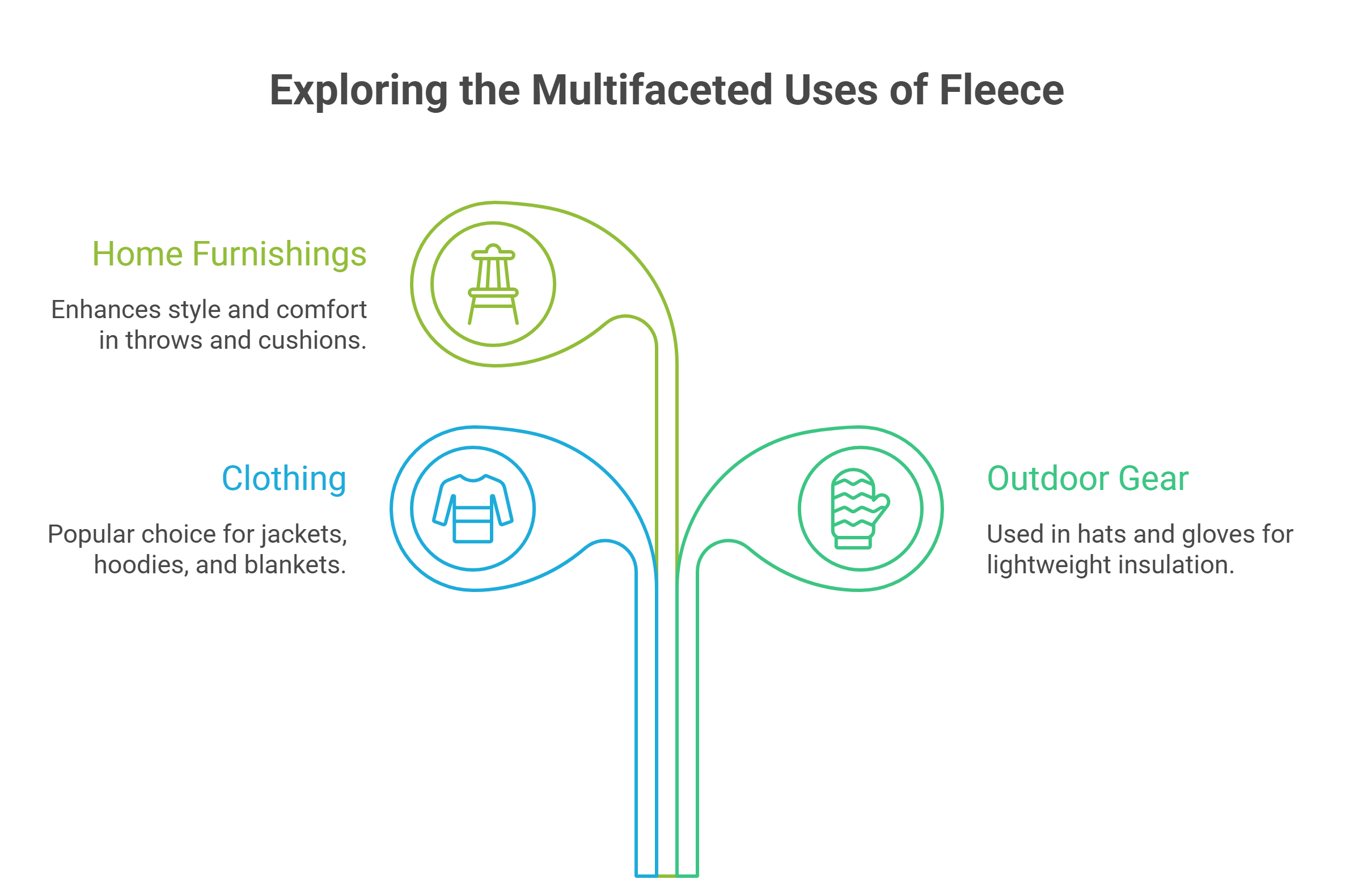
- Apparel: Jackets, sweatshirts, gloves, scarves, and hats
- Home Textiles: Fleece blankets bulk, throws, bedding sets
- Promotional Products: Customized blankets or apparel for businesses and events
- Pet Products: Cozy beds, mats, and covers
- Outdoor Gear: Sleeping bag linings, camping blankets, and travel gear
Because of its softness and durability, fleece remains one of the most practical fabrics for both home and commercial purposes.
9. Caring for Fleece: Maintenance Tips
To keep fleece looking and feeling new, follow these simple tips:
- Wash in cold water to prevent pilling.
- Avoid fabric softeners, as they can coat fibers and reduce softness.
- Air dry or tumble on low heat to maintain shape.
- Use gentle detergents — harsh chemicals can damage the fibers.
Proper care ensures that your fleece products, whether clothing or fleece blankets wholesale, remain soft, warm, and long-lasting.
10. Why Fleece Blankets Are a Best-Seller?
In the bedding and promotional markets, fleece blankets wholesale and fleece blankets bulk orders have surged in popularity. Their warmth, affordability, and customizability make them ideal for:
- Corporate gifts and branded merchandise
- Charity drives and disaster relief donations
- Hospitality and healthcare use
- Retail resale and eCommerce businesses
For distributors and retailers, fleece blankets offer high margins, low storage requirements, and strong seasonal demand — especially during fall and winter.
11. The Future of Fleece
The next generation of fleece is expected to focus on sustainability, performance, and innovation.
Emerging technologies are introducing:
- Biodegradable fleece fibers
- Smart fabrics with temperature regulation
- Ultra-lightweight fleece for activewear and travel
As sustainability becomes central to fashion and textile production, fleece is likely to evolve into a greener, more efficient version of itself — maintaining the comfort it’s loved for while minimizing environmental impact.
Final Thoughts
So, when someone asks, “Fleece is what material?” — the answer goes far beyond “a warm fabric.” It’s a symbol of innovation, combining science and comfort in a way few materials can.
From outdoor gear to fleece blankets bulk orders that keep entire communities warm, fleece represents modern efficiency, affordability, and care. Whether you’re a business owner, designer, or simply someone who loves a cozy blanket on a chilly night, fleece continues to deliver the perfect balance of warmth, softness, and practicality.
 Peachfurblog | Wholesale & Bulk Blankets
Leave a comment