Quick Answer: What Is That Fuzzy Fabric Called?
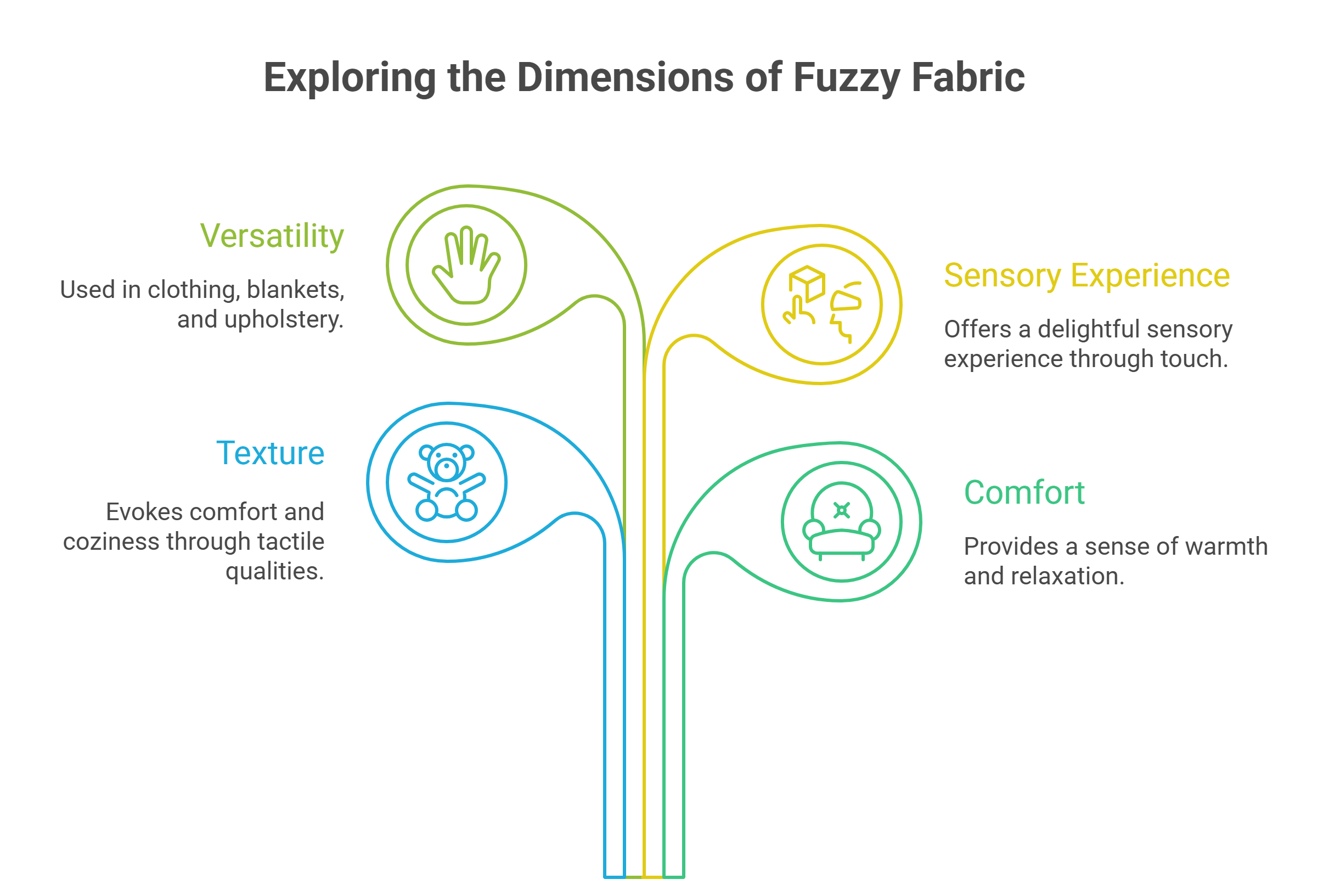
That soft, cozy, and slightly fuzzy fabric you love to snuggle under is called fleece. Known for its warmth, lightweight feel, and affordability, fleece has become a go-to material for blankets, jackets, and loungewear.
Made from synthetic fibers like polyester, fleece mimics the insulating qualities of wool but dries faster and resists shrinking. If you’re looking for comfort and durability, fleece is the perfect fabric that delivers softness without the weight or maintenance of traditional materials.
Now let’s dive deeper.
1. A Brief History: How Fleece Was Born
Fleece didn’t come from nature — it was born in a lab. In the late 1970s, textile innovators were on a mission to create a synthetic version of wool that offered warmth without bulk. The answer came in the form of polyester fleece, first developed by Malden Mills (now Polartec).
The invention quickly became a global success. Outdoor brands like Patagonia adopted it early, recognizing its lightweight, quick-drying, and insulating qualities. Today, fleece is one of the most popular fabrics in both fashion and home comfort industries.
2. How Fleece Is Made?
Unlike cotton or wool, fleece is made from synthetic polyester fibers — often derived from recycled plastic bottles. This makes it not only durable but also an eco-conscious choice when produced sustainably.
Here’s a simplified look at the process:
- Polyester Chips: It all starts with melting small polyester pellets or recycled plastic.
- Spinning into Fibers: The melted material is spun into fine fibers.
- Knitting into Fabric: These fibers are knitted into a soft fabric sheet.
- Brushing Process: Finally, the fabric is brushed on one or both sides to create that characteristic fuzzy, plush texture.
This brushing technique lifts the fibers, giving fleece its famous “fluffy” surface that traps warmth while staying incredibly lightweight.
3. Types of Fleece Fabrics
Not all fleece is created equal. Different varieties offer different textures and purposes:
- Polar Fleece: The classic type — soft, thick, and super warm. Ideal for blankets and winter wear.
- Microfleece: Thinner and breathable, perfect for activewear or layering.
- Sherpa Fleece: Fluffy on one side, smooth on the other — resembles sheep’s wool and is used in jackets or blankets.
- Coral Fleece: Extra soft and shiny with a velvety feel. Commonly used in premium blankets.
- French Terry Fleece: Smooth outer surface, looped inside — used in sweatshirts and hoodies.
Each type provides a unique balance between warmth, weight, and comfort.
4. Why Fleece Became So Popular?
Fleece’s popularity can be traced to three main advantages: comfort, versatility, and value.
- Lightweight Warmth: Fleece insulates like wool but feels much lighter on the skin.
- Easy Maintenance: It’s machine-washable, quick-drying, and doesn’t shrink.
- All-Season Comfort: While it’s a winter favorite, lighter versions make great year-round accessories.
- Affordability: Compared to wool or cashmere, fleece offers luxury softness at a fraction of the cost.
These factors make it an essential choice for everything from cozy throws to athletic outerwear.
5. The Fabric That Built a Business: Fleece in the Blanket Industry
In recent years, fleece has found one of its biggest commercial applications in the blanket industry. The comfort and cost-effectiveness of fleece have made it a top-selling material for both individual consumers and large retailers.
Manufacturers and resellers source fleece blankets wholesale to meet growing demand from hotels, hospitals, schools, and even promotional brands. The reason is simple — fleece offers durability, comfort, and easy branding (it takes well to embroidery and printing). Bulk orders help businesses and institutions maintain consistency in quality while cutting costs.
For example:
- Hotels use fleece blankets for their warmth and long-lasting softness.
- Event organizers buy them for giveaways or corporate gifts.
- Retailers resell customized fleece throws during holiday seasons.
From small startups to global distributors, the wholesale fleece market continues to expand as people seek comfort and style without overspending.
6. Fleece vs. Other Soft Fabrics: What Makes It Unique?
You might wonder how fleece compares to other cozy materials like flannel, microfiber, or wool. Let’s break it down:
| Fabric Type | Warmth | Weight | Maintenance | Cost | Key Feature |
|---|---|---|---|---|---|
| Fleece | High | Light | Easy | Low | Breathable and moisture-wicking |
| Flannel | Moderate | Medium | Moderate | Medium | Made from cotton, feels soft but heavier |
| Wool | Very High | Heavy | High | Expensive | Natural insulation and durability |
| Microfiber | Medium | Light | Easy | Low | Silky texture, used in bedding |
Fleece clearly offers the best balance for daily comfort and practicality — making it the perfect “fuzzy fabric” for modern lifestyles.
7. The Sustainability Side of Fleece
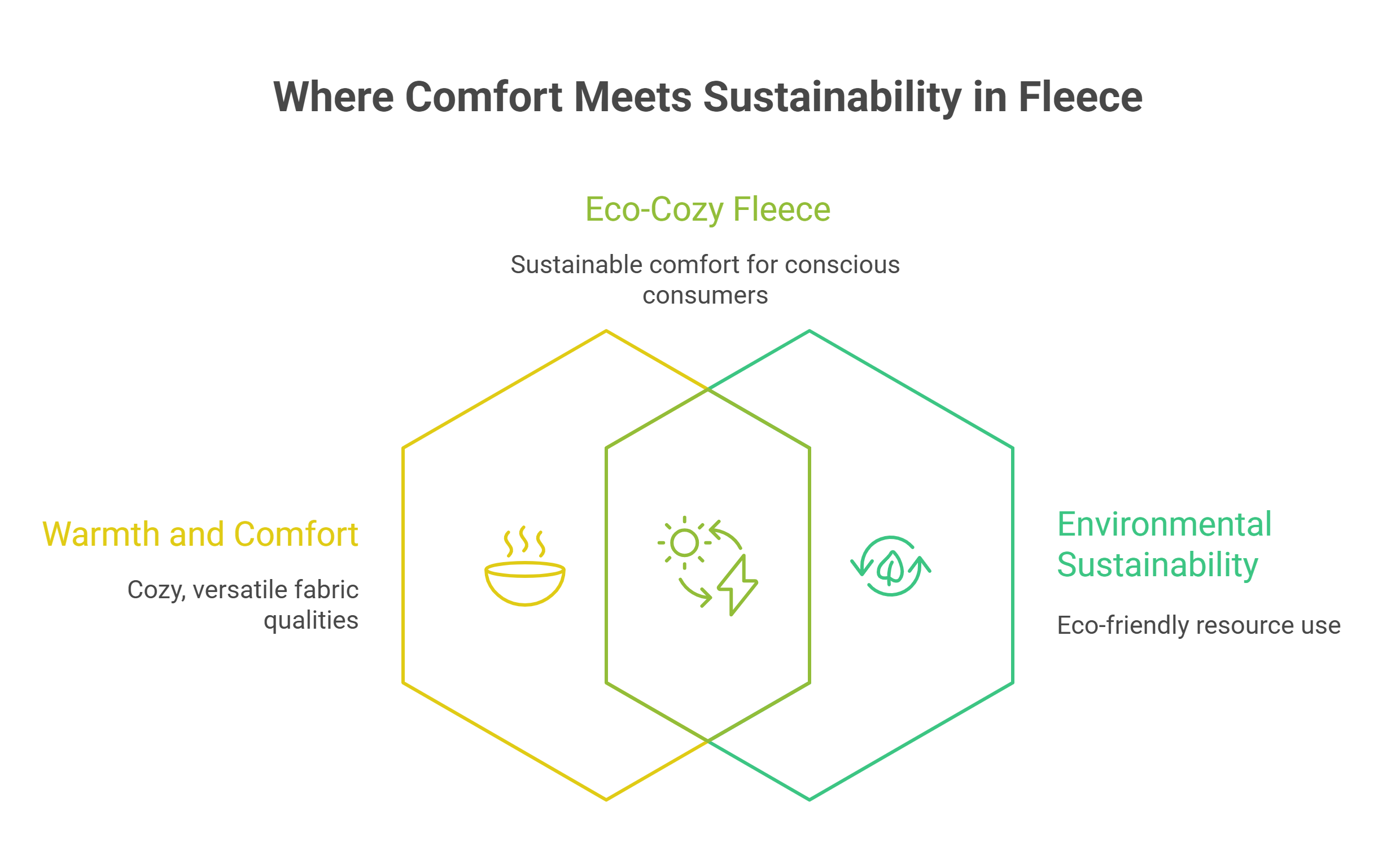
While fleece is synthetic, recent innovations have made it more sustainable than ever. Many companies now produce fleece using 100% recycled PET bottles, reducing landfill waste. Additionally, manufacturing technologies continue to evolve to minimize microplastic shedding and energy consumption.
Consumers can also contribute by choosing eco-fleece blankets or washing fleece products using special laundry bags that trap microfibers, helping protect waterways from pollution.
So, the next time you wrap yourself in a fleece blanket, remember — it could have once been a recycled water bottle!
8. Caring for Your Fleece the Right Way
To keep your fleece soft and fluffy for years, follow these simple care tips:
- Wash in cold water to prevent pilling.
- Avoid fabric softeners — they coat the fibers and reduce softness.
- Air dry or tumble on low heat.
- Brush occasionally to restore the fuzzy texture.
- Wash separately from lint-producing fabrics like towels.
With minimal effort, fleece can maintain its cozy feel and bright colors even after dozens of washes.
9. Modern Uses: Beyond Blankets
While we often associate fleece with blankets, it’s used in countless ways today:
- Outdoor Gear: Jackets, hats, gloves, and scarves.
- Home Décor: Cushions, bed throws, and rugs.
- Pet Accessories: Pet beds, coats, and carriers.
- Athleisure Fashion: Hoodies, sweatpants, and loungewear.
- DIY Projects: Craft lovers adore fleece for its easy cutting and no-fray edges.
Its adaptability continues to inspire creativity across industries.
Final Thoughts
So, next time you find yourself wondering “What is that fuzzy fabric called?” — you’ll know it’s fleece, the ultimate symbol of comfort and practicality. From winter wear to cozy bedding, fleece is woven into our everyday lives because it offers warmth, durability, and style at an unbeatable value.
And if you’re thinking about sourcing or selling, the fleece blankets wholesale market is your gateway to profit and customer satisfaction. With its ever-growing popularity and affordability, fleece remains one of the most sought-after materials in the textile world.
Whether you’re a business owner stocking up for your store or a family preparing for colder nights, nothing beats the soft embrace of fleece blankets bulk for warmth and coziness that lasts.
 Peachfurblog | Wholesale & Bulk Blankets
Leave a comment