- What Does Sherpa-Lined Mean?
- Where the Name “Sherpa” Comes From
- What Is Sherpa Fabric Made From?
- What Sherpa Lining Looks and Feels Like
- Why Sherpa Lining Is So Popular
- Conclusion
- About Us
The term “Sherpa-lined” is probably familiar to you if you have been looking at winter jackets, boots, or blankets. It surely sounds very fancy, yet there are still some people who ask, What does Sherpa-lined mean, and Why does it get so much attention, like it is the key to beating the cold?
In this guide, we’ll break down exactly what Sherpa lining is, why it’s so warm, and why it has become one of the most loved materials in winter clothing. No textile degree needed — just a love for staying warm and cosy.
What Does Sherpa-Lined Mean?
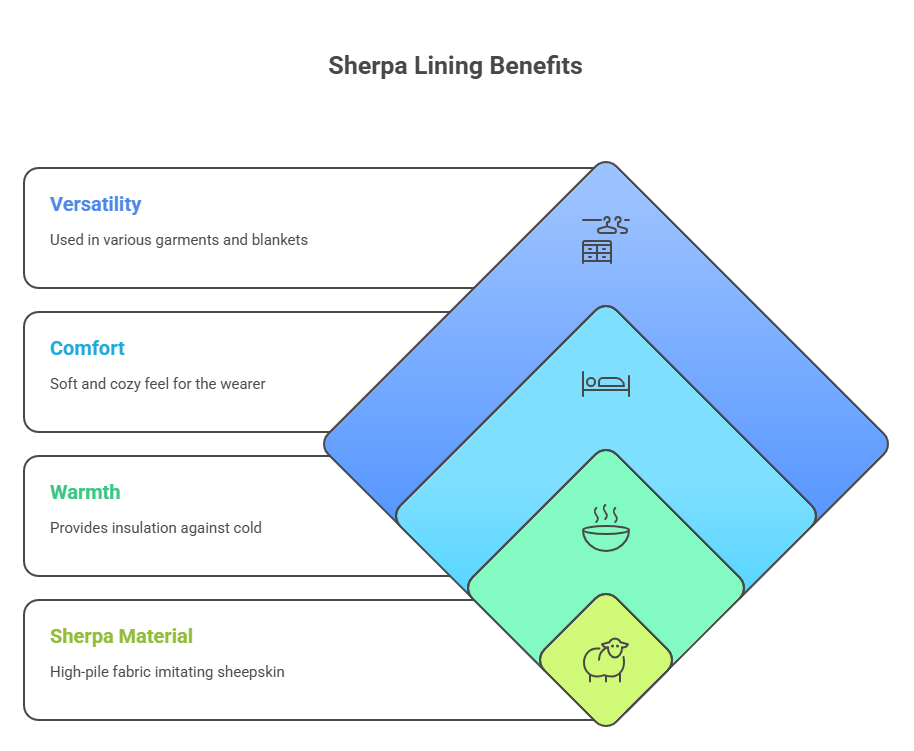
Sherpa-lined is a term that is often heard in the fashion world that points to the use of Sherpa material in the inner layer of the cloth, which is a premium and high-pile fabric that imitates the appearance and texture of real sheepskin wool. Besides, Sherpa lining serves to provide warmth, insulation, and comfort to the wearer, making it feel like the regular jacket or blanket has transformed into one soft and warm cloud.
Sherpa lining is a material that can be seen in jackets, vests, hoodies, boots, hats, gloves, and blankets. Its function is straightforward: to provide warmth without adding any weight. Imagine it as the delicate inner secret that empowers winter garments to perform better, hence you will not experience any hardships.
Where the Name “Sherpa” Comes From
The term “Sherpa” is derived from the Sherpas living in Nepal, who have successfully adapted to one of the most extreme weather and altitudes on the planet. Their wool clothing, which was in fact quite warm, allowed them to stay even through the hardest winters of the Himalayas, and the modern textiles imitate the name as a mark of warmth and robustness.
Of course, today’s Sherpa fabric isn’t made in Himalayan villages and doesn’t come from sheep — but the warmth it provides might make you feel just as brave as a mountain guide (or at least ready to tackle a cold morning commute).
What Is Sherpa Fabric Made From?
Despite its wool-like appearance, modern Sherpa fabric is completely synthetic. The most common materials include:
- Polyester (most popular due to durability and softness)
- Acrylic blends
- Polyester-cotton blends for added breathability
Using synthetic fibres gives Sherpa several advantages: it’s lightweight, easy to care for, vegan-friendly, and far more affordable than real shearling. It’s also quick drying, which is great for winter days when you accidentally get caught in the rain (because, of course, it rains the moment you forget your umbrella).
What Sherpa Lining Looks and Feels Like
Sherpa is a material that undoubtedly stands out because of its very soft, curly, and very thick surface, which imitates sheepskin. The upper side is soft and has a texture, while the lower side is smoother so that it can stick tightly to the fabric. The outcome? A lining that is extremely gentle on the skin envelops the body with heat, and makes you think why not all clothes are this comfortable.
Why Sherpa Lining Is So Popular
One of the main reasons why Sherpa lining has gained popularity during the winter season is that it provides remarkable warmth, comfort, and practicality all at the same time. The following are the main factors that made it a favourite among people:
Outstanding Warmth & Insulation
The raised fibres trap warm air inside the garment, creating natural insulation. This is why Sherpa-lined jackets feel instantly warm even before you zip them up.
Lightweight Comfort
Unlike real wool, Sherpa adds warmth without bulk. You get the insulation of a heavy material without feeling like you’re wearing half your closet.
Moisture-Wicking & Quick Drying
Sherpa helps pull sweat away from your skin and dries quickly, keeping you warm without overheating — perfect for active wearers or anyone who moves more than two steps.
Durable & Easy to Maintain
Sherpa doesn’t pill easily, holds its shape well, and is machine washable. No complicated laundry rituals required.
Vegan-Friendly & Eco-Conscious Options
Since Sherpa is synthetic, it’s a great alternative to animal-based shearling. Many modern versions even use recycled polyester.
Sherpa Lining vs Other Lining Materials
Understanding what sherpa-lined means becomes even clearer when compared with other common linings:
• Sherpa vs Standard Fleece:
Fleece is smoother and more breathable, but Sherpa provides deeper warmth and a wool-like texture.
• Sherpa vs High-Pile Fleece:
Both are fluffy, but Sherpa tends to be denser and feels more like sheepskin.
• Sherpa vs Real Shearling:
Real shearling is natural and expensive. Sherpa offers similar warmth at a fraction of the weight and cost, and with much easier maintenance.
Imagine the ordinary fleece as the reliable and daily use jacket… and Sherpa as the lavish winter coat that would always make you feel that you could stylishly weather a snowy day.
Conclusion
Since you are familiar with the term Sherpa-lining, it is quite obvious that this fabric has winter season must-have characteristics. Sherpa lining offers an ideal combination of heat, coziest, softness, strength, and most useful without the heaviness or the expense of natural wool. No matter if it is in coats, throws, footwear, or household items, the Sherpa lining continues to be one of the warmest and most dependable choices for winter.
About Us
Our company focuses on the production of premium fleece products, among which the most popular are warm and very durable blankets that can be purchased as fleece blankets bulk for charities, events, and organisations. We have been in the business for more than 21 years and supply first-class, non-pilling fleece while also providing custom embroidery for businesses and groups. No matter if you’re looking for blankets, clothes, or custom-made fleece products, our commitment is to provide you with super service and maximum value.
 Peachfurblog | Wholesale & Bulk Blankets
Leave a comment