- What Is Berber Fabric? The Two Main Types Explained
- Jacquard Berber Fabric: The Decorative Classic
- Berber Fleece Fabric: The Soft, Cosy Favourite
- A Brief History of Berber Fabric
- Key Characteristics of Berber Fabric
- How Berber Fabric Compares to Other Materials
- Caring for Berber Fabric
- Conclusion
- About Us – PeachFur Fleece
In case you have always been the one to wrap yourself in a sherpa-style hoodie, appreciate the beauty of a textured tribal-patterned rug, or lie down under a soft fleece blanket and think, “What is this lovely warm material?”—you are not the only one. A lot of people meet the Berber fabric every day without noticing it. Thus, we are going to explain everything, beginning with the main question: what is Berber fabric?
Definitely, the response is really captivating since the term “Berber fabric” is used for two completely dissimilar textiles. One is the jacquard-patterned upholstery fabric that is woven, and the other is the curly fleece, mainly for winter clothes and blankets. But still, they have their roots in the same ancient Berber textiles of North Africa, and each has transformed to get its own character. Therefore, let’s start with the two styles, their uses, and the reasons for the uninterrupted popularity of this fabric in modern-day homes, closets, and decor.
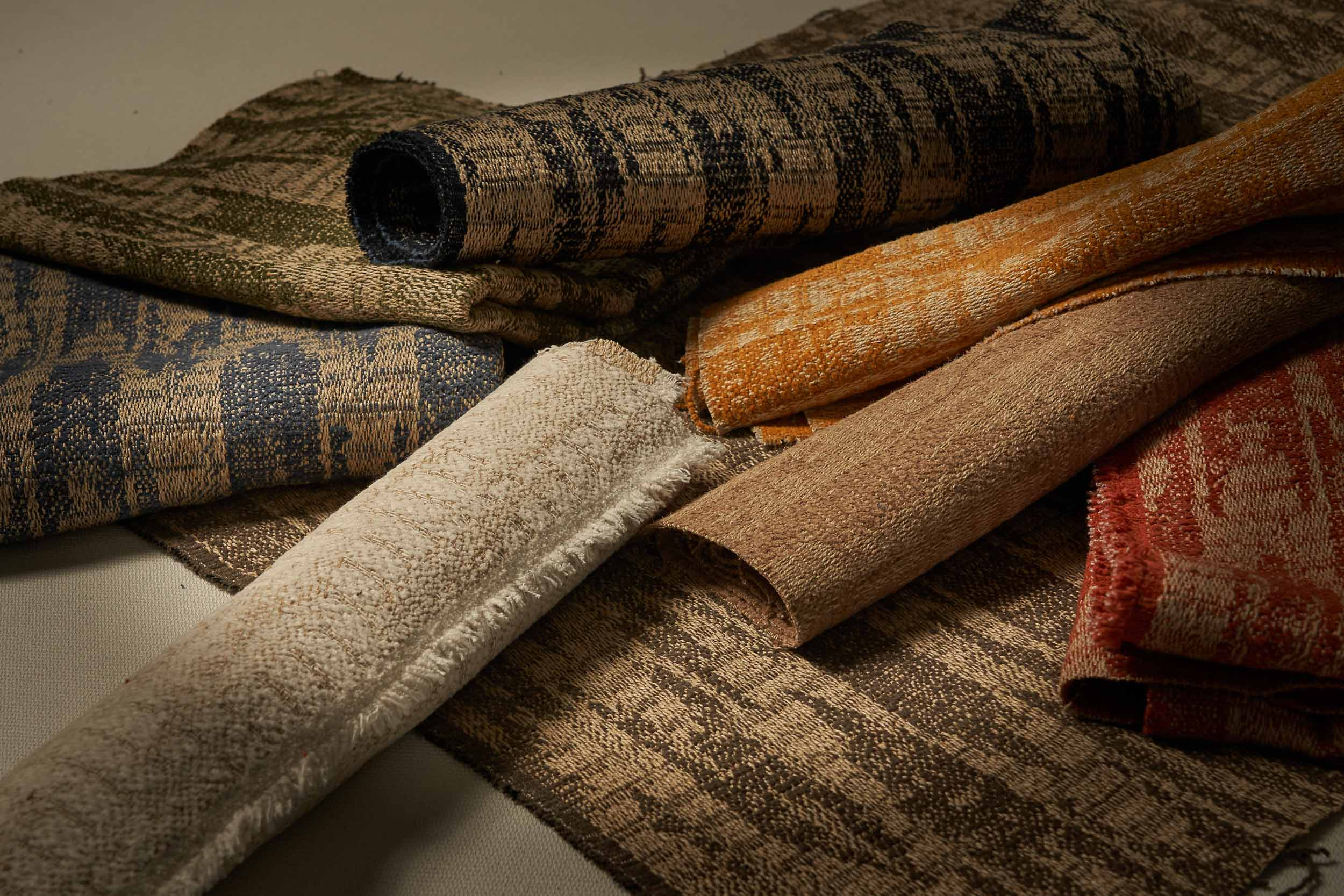
What Is Berber Fabric? The Two Main Types Explained
When people ask what Berber fabric is, they’re usually thinking about one of two things:
- Jacquard Berber Fabric – a decorative textile woven with geometric and ethnic-inspired patterns.
- Berber Fleece Fabric – the soft, plush, sheepskin-like fleece commonly known as sherpa or faux shearling.
Although these two materials are called the same, the reason for this is their historical background. Nevertheless, the eventual result is different. One is associated with luxury furniture, while the other is recommended for you during a Netflix marathon.
Jacquard Berber Fabric: The Decorative Classic
Jacquard Berber is the most conventional type of Berber textile, drawing on the complex weaving methods of the North African Berber tribes. It is very much characterised by its unique geometric shapes and its earthy, soft-surfaced texture produced by twisted, looped yarns, commonly made from cotton, wool, or jute. It is the kind of fabric that you pick when you want your lounge to scream with confidence, “Yes, I have sophisticated taste, and by the way, no, this pattern is not from a clearance bin by chance.”
Berber Fleece Fabric: The Soft, Cosy Favourite
Conversely, Berber fleece—the one that comes first to mind for most people—became a hit during the 1970s owing to its soft touch, warmth, and low price compared to natural sheepskin. It is sometimes sold under the guise of sherpa or faux shearling, and it is still the reason why you occasionally end up purchasing a blanket that you are sure you will not use… but then use it every day.
A Brief History of Berber Fabric
Berber fabric is linked to the Berber tribes that inhabited the Atlas Mountains. These tribes’ conventional fabrics had the characteristic loops and patterns, and at the same time, they were providing their purpose of warmth in the very cold areas.
Modern Berber fleece took inspiration from those textures but adopted polyester and knitting technology. Instead of wool and handlooms, manufacturers now use synthetic fibres and advanced machines to create a fabric that’s just as warm—but far softer, uniform, and affordable.
Key Characteristics of Berber Fabric
1. Texture & Appearance
Jacquard Berber is rustic and patterned, while Berber fleece has a plush, curly pile similar to sheepskin.
2. Warmth & Insulation
Berber fleece is widely acknowledged and sought-after for its thermal-insulation capacity because of its looped structure, making it a preferred choice for winter.
3. Durability
Both types are known for resilience—jacquard in upholstery, fleece in clothing and blankets.
4. Breathability & Moisture Control
Even though wool often struggles to find a solution, Berber fleece has this dual capacity of maintaining inner warmth and keeping the wearer dry.
5. Hypoallergenic Qualities
The synthetic fibres used in Berber fleece are ideal for sensitive skin.
How Berber Fabric Compares to Other Materials
Berber fleece is more lightweight, softer, and less demanding regarding care than wool. On the other hand, polar fleece is softer and warmer. Moreover, it is superior to cotton and microfiber regarding warmth, comfort, and in terms of durability.
If polar fleece is a warm sweatshirt, Berber fleece is the luxurious winter coat you look forward to wearing.
Caring for Berber Fabric
The care of Berber fabric is very simple once you understand the fundamentals. Use only cold water for washing, whether it is a machine cycle or hand washing, and do not use bleach or softeners because they can ruin the fibres. The safest option is to dry it in the air; however, if you have to dry it, do it at the lowest temperature possible.
For the regular care of the fabric, softly brush the fleece to refresh the loops and at the same time, take away the lint. Berber should be kept in a place that is cool and dry, and its compression should not be for a long time so that the loft is maintained.
Conclusion
Berber fabric, jacquard or fleece is a fabric that has a long story behind it, and it is warm, durable, and comfortable. Berber is a never-fading fabric for home decorating because of its texture, softness, and, therefore, usability in every season. Now that you are familiar with the characteristics of the Berber fabric, the process of selecting the right one for your home, wardrobe, or even creative project, whether it is decorative or something luxuriously soft, has become a lot easier for you.
About Us – PeachFur Fleece
PeachFur Fleece is the place where mass production of good-quality fleece products takes place. Our blankets, throws, and other fleece items that can be personalised are all made with top-notch non-pilling materials for a super-soft feel that lasts. We offer not only reasonable prices but also guaranteed quality and fleece blankets in bulk that suit your needs, so it feels safe for organisations and businesses to create warm and comfy fleece items.
 Peachfurblog | Wholesale & Bulk Blankets
Leave a comment