- The Origin Behind the Name
- So, What Does Sherpa Look Like?
- Why Sherpa Looks the Way It Does: A Peek Into Its Construction
- What Sherpa Feels Like (Because the Look Is Connected to the Touch)
- Key Characteristics That Shape Sherpa’s Appearance
- Sherpa vs. Fleece: A Quick Visual Difference
- Why Sherpa Is Such a Good Visual Fit for Winter Products
- Final Thoughts: The Timeless Appeal of Sherpa’s Look
Many of you must have visited the store and passed by even the biggest winter jacket or cuddle corner, where items draped in sherpa were installed. Well, the word that caught your eye was really “sherpa” off course. Cloudy, so amazing in texture, wraps up in warm comfort and somehow looks warm even from a distance. No surprise that people are full of curiosity about what does sherpa look like, or what a creature is this and how it becomes the most liked fabric throughout fashion and home decor.
This guide dives gently into Sherpa looks, its unique characteristics, and why it continues to be one of the most popular fabrics in attire creation for cold days.
The Origin Behind the Name
Sherpa is a fur that takes its name from the Sherpa community in Nepal, who are famous for their enduring capacities at high altitudes, warm woollen cloth, and harsh climates where chill doesn’t even qualify as an understatement. It is an utter paradox because the Sherpa cloth we see now is not even wool. Instead, it represents the acrylic and polyester fibres of humane manufacture that simulate wool and comfort close to sheepskin without engaging the wearer in any mountain climbing.
So, What Does Sherpa Look Like?
The Fluffy, Wool-Like Surface
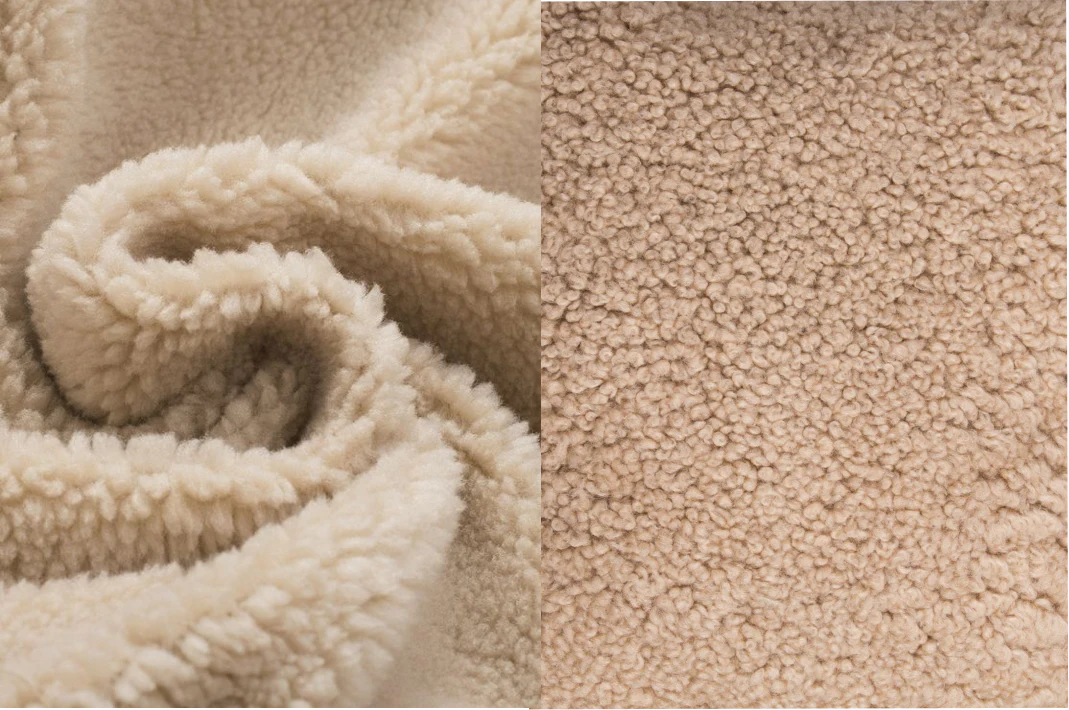
Imagine seeing a bedspread that looked like a beautifully groomed sheep, only friendlier. It’s the simplest way of understanding what Sherpa cloth is all about. On the top lies a curly-decorated surface, which is about as soft-looking, bumpy, and woolly as its softness permits. It seems light, cushiony, downy, and edible enough to be likened to a fairy floss (don’t go eating it, though).
The Smooth Underside
Flip Sherpa over, and the look completely changes. The reverse side is a smooth, knitted backing—flat, structured, and designed to support the fluffy surface. Think of it as the “calm and organised office manager” keeping the more playful, woolly side in place.
Thick but Not Bulky
Sherpa looks thick at first glance, but when you pick it up, you realise how lightweight it truly is. It has a rounded, lofty appearance, yet it drapes easily and never looks stiff or heavy. This balance between fullness and lightness gives Sherpa its visually inviting charm.
A Range of Colours and Patterns
The Sherpa fabric is not only available in popular creams but also in natural whites, but today, it can be found in an almost rainbow-like selection of colours, varying from neutrals, greys, to bold, solid hues or patterns. The texture stays fuzzy, picky to stay warm and comfortable.
Why Sherpa Looks the Way It Does: A Peek Into Its Construction

Sherpa fleece is mainly composed of polyester or acrylic yarns, and these yarns are knitted into small loops and piles. The Sherpa fleece is especially characterised by the cottony texture obtained by this knit. Yet, it is absolutely durable, breathable, and economical.
Historically, Sherpa fabric was developed by creative textile inventors in the U. S. area, willing the sake easy vegan options over sheepskin; scramble for it now to get somewhere soft, warm, and deserving of everyday garments.
They may not have received a medal for innovation, but every winter, shopper silently thanks them.
What Sherpa Feels Like (Because the Look Is Connected to the Touch)
Sherpa’s appearance is tied directly to its feel. It looks soft because it is soft—gentle, velvety, lightly stretchy, and cushiony. When you touch Sherpa, you instantly understand why it looks so inviting. Its fibres have a natural bounce that visually reads as “warmth” and “comfort” long before you even wrap yourself in it.
Key Characteristics That Shape Sherpa’s Appearance
1. High-Loft Texture
The long, fluffy pile gives Sherpa its signature “wool cloud” aesthetic.
2. Heat-Retaining Look
Even from afar, Sherpa looks like it traps warmth—which it absolutely does.
3. Lightweight Volume
It manages to look full without appearing bulky or heavy.
4. Eco-Friendly Options
Many Sherpa fabrics today are made using recycled polyester, giving them a refined, modern look with a greener footprint.
Sherpa vs. Fleece: A Quick Visual Difference
If you place Sherpa next to standard fleece, here’s what you’ll see:
- Fleece looks smoother and flatter, with shorter fibres.
- Sherpa looks fluffier, fuller, and closer to wool in texture.
Both are soft, warm fabrics—but Sherpa wins the visual contest when you want something that looks extra cosy.
Why Sherpa Is Such a Good Visual Fit for Winter Products
The appearance of a Sherpa alone oozes warmth, plushness, and comfort. In view of this, it gives a nice touch to winter fashion, home decor, baby items, and outdoor accessories, kind of enhancing the whole cosy feel that one lusts for while “remaining confined” in the cold months.
Final Thoughts: The Timeless Appeal of Sherpa’s Look
Now you know what does sherpa looks like; for this reason, it is almost a customised choice in attire, accessories, and home products. Its cloud-soft surface, near-to-nothing weight, and woolly bearing combine to create a material both appealing to the eyes as well as the touch.
Our discount offer on fleece blankets also leads us to contribute in many ways to charitable organisations, events, schools, and other activities. We make fleece blankets in bulk and also add the option for personalised embroidery. If you’re looking for trusted fleece blankets wholesale, we’re here to bring warmth, style, and comfort straight to you.
 Peachfurblog | Wholesale & Bulk Blankets
Leave a comment