- Why This Pattern Stands Out
- What Exactly Is Red and Black Flannel Called?
- Where Did This Pattern Come From?
- Why Is It Called Buffalo Plaid?
- What Makes Buffalo Plaid So Unique?
- Identifying Quality Buffalo Plaid Flannel
- Why the Pattern Remains So Loved
- About Us – PeachFur Fleece
That super comfy flannel shirt, those deep red squarish things with contrasting black, is what everyone loves. A lot of people have asked, What Is Red and Black Flannel Called? Well, the answer is Buffalo Ladies Flannel, as defined popularly by several other names. Throughout the generations, it has been adored: with its big square blocks of colour and real chicness, it does represent astonishingly well one of the most recognisable designs in textile history.
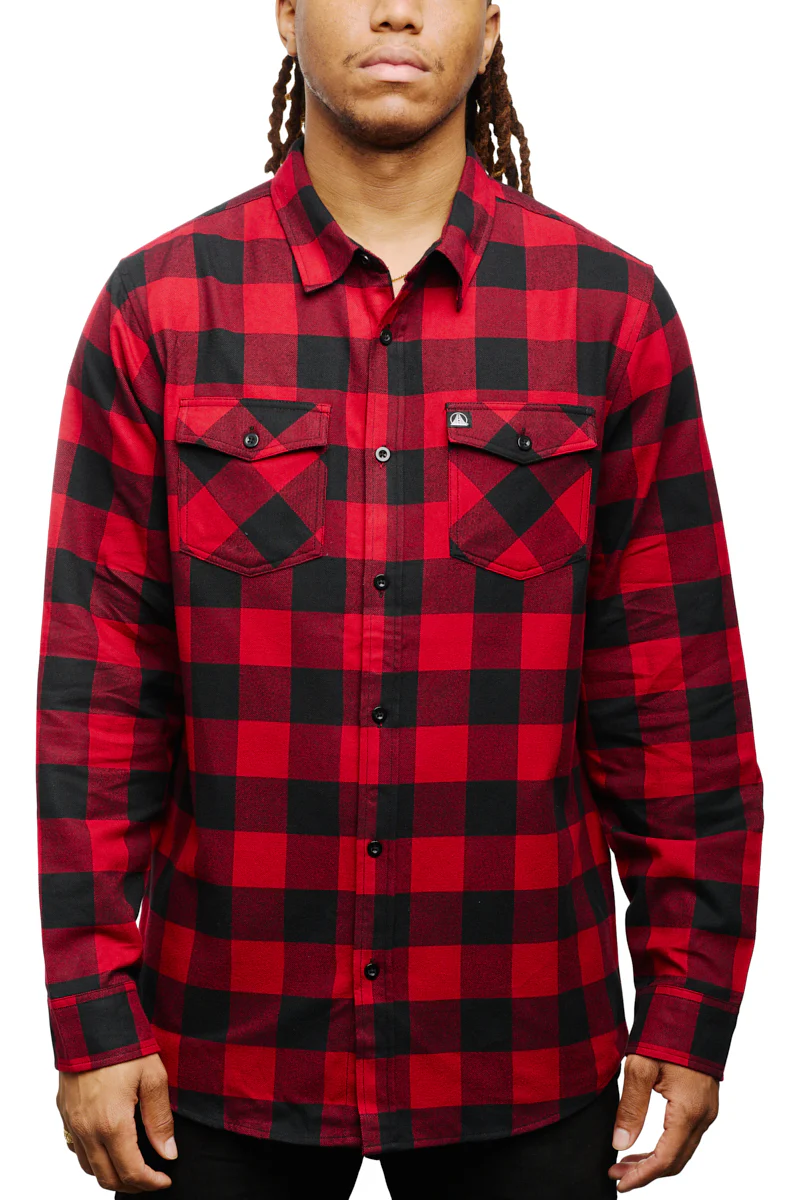
Why This Pattern Stands Out
The red and black checkered shirt is noticeable. It’s warm, familiar feel is further emphasised, with a slightly rugged one; you could just as easily imagine that it’s a piece of attire suitable for chopping wood with if, say, by chance, one owned and could actually use an axe or something similar. On a frigid morning walk, as well as giving the couch an airing over the holidays, nothing feels cosier than this pattern.
Its appeal lies in its tactile universality: outdoor workers use it, interior decorators repurpose it, families use it for matching Christmas card photos, and crafty types use it in everything from throws to table runners.
What Exactly Is Red and Black Flannel Called?
The buffalo check refers to the pattern of the style, not the medium. The fabric frequently features flannel, wool, or brushed cotton, simply gentle and warm against one’s skin. The official buffalo check utilises both primary colours (usually red and black) in a measly checkerboard format, the squares of which are bigger than gingham or other small-check squares, giving buffalo check a distinctive and easy-to-spot appearance.
Buffalo Plaid, to many people, seems to be cosy with a rugged hint of adventure. The pattern looks just right both on a fireplace mantel in a log canonically dressed and in a contemporary wardrobe.
Where Did This Pattern Come From?
Although we mostly relate Buffalo Plaid to North American culture, its origin can actually be traced back to Scotland. Initially, it began as the black-and-red Rob Roy tartan, worn by clans and woven into fabrics that were already traditional for centuries before it took a voyage across the seas to reach other shores. When the Scottish immigrants carried it to North America, it assumed a whole new life.
Outdoor workers and lumberjacks adopted it for its durability and excellent warmth—imagine early winter mornings, hardworking folks, and thick flannel shirts holding in body heat. Before long, the red and black check became a symbol of strength, resilience, and the classic “outdoorsman” image.
One lighthearted story often shared is that lumberjacks loved Buffalo Plaid because it made them “easy to spot in the woods.” Whether or not that’s true, the pattern certainly stands out even today.
Why Is It Called Buffalo Plaid?
There are many theories, but the most accepted explanation is simple: the pattern was given the name “Buffalo” in North America because it represented something bold and strong. The name stuck—and soon the design became widely known across clothing, blankets, décor, and seasonal goods.
Despite how it may appear, Buffalo Plaid is not actually made from buffalo. However, the name very well predicts the rugged outdoors and timeless charm that Buffalo Plaid represents.
What Makes Buffalo Plaid So Unique?
The most important thing about this design is its enormity. The blocks are large, there is a very strong contrast between red and black, and the design is easily recognised from a distance. Another factor is the emotion that this pattern evokes; the pattern conjures up feelings of warmth, comfort, and nostalgia. It is clearly the smile of fall weather and holiday gatherings or of a cosy weekend retreat; this blend marries effortlessly with a variety of decor themes, from rustic cabins to modern minimalist houses.
Identifying Quality Buffalo Plaid Flannel
To help readers recognise good material, here are a few gentle guidelines:
1. Look at the Pattern Alignment
High-quality flannel keeps its squares straight and consistent.
2. Feel the Fabric
Good flannel feels brushed, soft, and warm—not stiff or scratchy.
3. Check Colour Vibrancy
Bold reds and deep blacks are indicators of a well-dyed fabric.
4. Notice the Thickness
Heavier flannel is often more durable and warmer.
If you’ve ever washed a cheap flannel shirt only for it to shrink, fade, and suddenly resemble a child’s size—well, that’s exactly why looking for quality matters.
Why the Pattern Remains So Loved
Buffalo plaid is a timeless design that can switch gears to suit a particular mood or purpose; it can be bold and festive, rustic and yet neutral, or reversed to be neutral in colour. This usually goes well, whatever format might be provided to it: for fashion and decor, for events and every day; it has been reintroduced this year, and after a few centuries, it vanished from popularity.
The answer to the question ‘What is red and black flannel called,’ is obviously Buffalo Plaid pattern, steeped in history, character, and everyday usability. Warmth, charm or check-lookness, any which way you love it, the pattern still stays the staple part of both apparel and home textiles to this date.
About Us – PeachFur Fleece
At PeachFur Fleece, we genuinely value fabrics that stand the test of time, and Buffalo Plaid is one of them, indeed. If you are on the hunt for warm, cosy options for personal use, gifting, or business purposes, we can provide you with wholesale fleece blankets in bulk that are crafted with excellent quality and care. Our fleece product lines have been designed in order to bring comfort, durability, good fashion, and illustrious class to any space and season.
 Peachfurblog | Wholesale & Bulk Blankets
Leave a comment