- Why Washing a Fleece Properly Matters
- How Often Should You Wash a Fleece?
- Preparing a Fleece Before Washing
- How to Wash a Fleece in a Washing Machine
- How to Hand Wash a Fleece for Best Results
- Drying a Fleece the Right Way
- How Proper Washing Keeps Fleece Soft and Non-Piling
- Caring for Fleece Starts with How You Wash It
- Final Thoughts on Washing Fleece Properly
Fleece is undeniably one of the most pleasant fabrics to have. It is light and warm at the same time, has a soft texture but not a bulky one, and is multipurpose and can be made into a coat, a blanket, or an item for travel. Nonetheless, fleece likewise requires proper maintenance. A lot of people ruin their fleece without realizing it simply because they do not know the correct washing method. Knowing the right way to wash fleece will maintain its softness, avoid pilling, and increase its lifespan.
Cleaning fleece is not a complicated task, but it is still, nonetheless, the heat, strong detergents, as well scrubbing, that will most affect it. Adding a few easy steps to your daily routine will make your fleece look and feel much better over time.
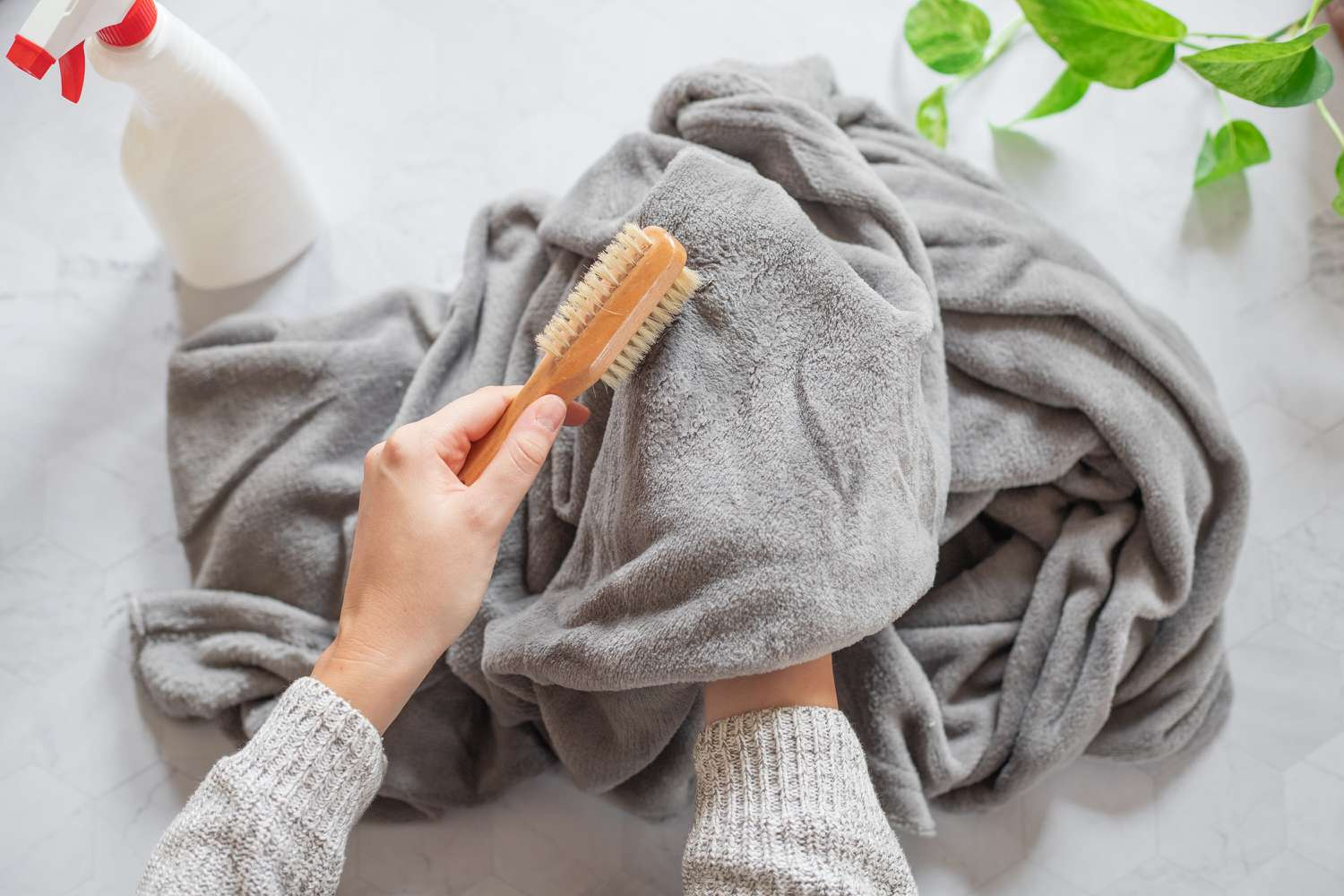
Why Washing a Fleece Properly Matters
Fleece is synthetic fibers’ product that has been engineered to hold warmth while still being breathable. These fibers are fragile in a certain way. If they undergo hot water, strong washing cycles, or fabric softeners, the fibers can either flatten or get tangled. Eventually, the loss of fleeces softness and the formation of pills are the results of this process.
A typical scenario in real life is when a person does a regular wash of fleece jacket with towels or jeans. The jacket may not look dirty, but it gets rough gradually. Such damage usually occurs silently and is seen after a number of washes. Fleece that is washed in the right way does not suffer from this at all.
How Often Should You Wash a Fleece?
Washing frequency is one of the most neglected aspects of fleece care. Fleece does not require frequent washing. The result of over-washing is increased friction, faster wear, and pilling.
Normally fleece is machine-washed after wearing it few times, and the primary reason for washing is that it has become dirty, has mud stains, or has absorbed sweat or odors from outdoor use. A fleece jacket that has undergone a mountain trip should be washed quicker than an indoor-used fleece blanket. Fleece is produced to be softer and longer-lived if washing is not frequent.
Preparing a Fleece Before Washing
Preparation is a must before putting fleece into water. By turning the fleece inside out, the outer side that is prone to pilling is protected. To avoid such damage, all zippers, hooks, and fasteners should be closed during washing. All pockets should be cleared because even a small piece of paper can spread the lint to the whole garment.
Fleece is better washed separately or together with other lightweight items. If it is washed with heavy fabrics, the result will be excessive rubbing that will ultimately ruin the fibers over time.
How to Wash a Fleece in a Washing Machine
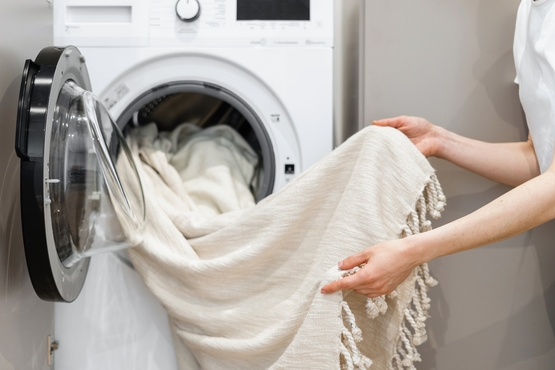
If correctly done, machine washing is safe for almost all fleece products. Coldwater is very important because it not only prevents shrinking but also keeps the fibers sturdy. So, washing in gentle or delicate cycle leads to reduced agitation and friction. With the use of a mild detergent, the fabric will be free of any buildup.
Understanding how to wash a fleece in a machine comes down to using cold water, gentle motion, and minimal detergent.
How to Hand Wash a Fleece for Best Results
For taking care of premium fleece, embroidered products or blankets, hand washing remains the most secure and reliable method and the best option in the long term. Just cold water and a tiny bit of gentle soap are good for it. The fleece ought to be softly immersed and slightly shifted in the water without turning or pressing out the water.
The rinsing process should be done properly to ensure that no detergent is left inside the fibers. This method is very soft and therefore the fleece will keep its original texture which is a big plus.
Drying a Fleece the Right Way
Drying plays a major role in fleece care. High heat is one of the fastest ways to damage fleece fibers. Air drying is always the best option. Hanging the fleece or laying it flat allows it to dry naturally without stress.
In case one is to use a dryer, then its setting should be the lowest heat or air-dry option. Taking out the fleece immediately after it is dry helps in avoiding heat exposure. A lot of people observe that fleece which is air-dried is still much softer compared to that machine-dried regularly.
How Proper Washing Keeps Fleece Soft and Non-Piling
If fleece is washed properly, the fibers will stay still and soft. This will not let pilling happen, will keep the fabric warm, and will also keep the fabric looking clean and new. Proper washing can especially benefit high-quality fleece, which is often the case that it becomes more pleasant to the touch through right care over time.
Learning how to wash a fleece is not just about cleanliness. It is about preserving comfort, appearance, and performance.
Caring for Fleece Starts with How You Wash It
Even though fleece has been designed to withstand hard usage, it still relies on appropriate care. The application of cold water, tender washing, mild detergent, and drying with caution are some very simple practices that can give a long life to fleece. The fleece, which is washed properly, continues to be soft, warm, and reliable, thus turning into a comfort item for a long run rather than a fleeting one.
Final Thoughts on Washing Fleece Properly
You are at the right place if you want to buy fleece blankets in bulk that are of good quality and at a low price. PeachFur Fleece uses the best non-piling fleece and we are the only ones who make quality fleece products such as blankets, throws, picnic blankets, baby blankets, and fleece jackets.
Washing a fleece properly is a tiny effort that brings big benefits in the long run. The right washing method keeps the fleece soft, prevents breakage, and guarantees that it remains as cozy as the day you bought it. If the fleece is treated correctly, it will warm and comfort you for many more years.
 Peachfurblog | Wholesale & Bulk Blankets
Leave a comment