Archive | December, 2025

Where to Buy Fabric for Blankets

4 Dec

Making a blanket is one of the most inventive and fulfilling tasks to do—be it sewing for family, making gifts for charity, or selling snuggly ones. Nevertheless, picking the right fabric and the right store to buy it is the very first step in the whole process. So, the question is that many skilled hands are asking where to buy fabric for blanket making and what the most appropriate materials are.

From common blanket fabrics to stating that fleece is one of the best choices, this blog shows you the best places for high-quality materials. You will be able to find everything necessary to make informed and confident decisions, no matter if you are shopping for one yard or getting ready for bulk purchases.

Understanding the Fabrics Used for Blanket Making

Blankets come in a plethora of styles, weights, and textures, and the choice of fabric determines the product’s final softness, warmth, and durability to a great extent. Cotton blankets are light or warm climates are very much preferred on account of their softness, breathability, and skin-friendly properties. Flannel, with its double-brushed finish, gives a feeling of warmth which makes it suitable for winter beddings and kids’ blankets.

In case you’re after a premium product, Minky fabric, with its luxurious feel, gloss, and smoothness, is great for infant linens and plush throws, yet it is mostly very expensive. Wool, however, is the number one in heat and thermal resistance; therefore, it is the only option for wintery places, and Sherpa, being the nearest competitor to wool, is thick and soft and super comfortable as a winter cover.

Why Fleece Is One of the Best Fabrics for Blankets

Fleece is worthy of all the hype around it mainly because of its peculiar characteristics of comfort and versatility. It is smooth, solid, warm, and simple to use, which makes it the first choice for the different skill levels of blanket makers, i.e. beginners and experts.

Types of Fleece Ideal for Blanket Projects

  • Polar fleece for every day, affordable blankets
  • Anti-pill fleece for long-lasting softness
  • Microfleece for lightweight throws
  • Sherpa fleece for thick, plush warmth
  • Double-sided fleece for extra-cosy blankets

Each variation offers its own texture and function while maintaining the signature softness fleece is known for.

Benefits of Using Fleece Fabric

Fleece has the natural ability to provide insulation while still being very light, thus it is a very good material to be used throughout the year. It is also a fast dryer, easy to wash, and does not shrink like some other natural fibres. The variety of its colours and patterns—from simple to vibrant prints—makes it suitable for a lot of things; e.g. children’s blankets, and Christmas projects.

Fleece is extremely popular for no-sew tie blankets, travel blankets, winter throws, baby blankets, and even branded promotional blankets. Because it’s easy to cut and doesn’t fray, fleece simplifies the entire crafting process.

Where to Buy Fabric for Blankets: Your Complete Source Guide
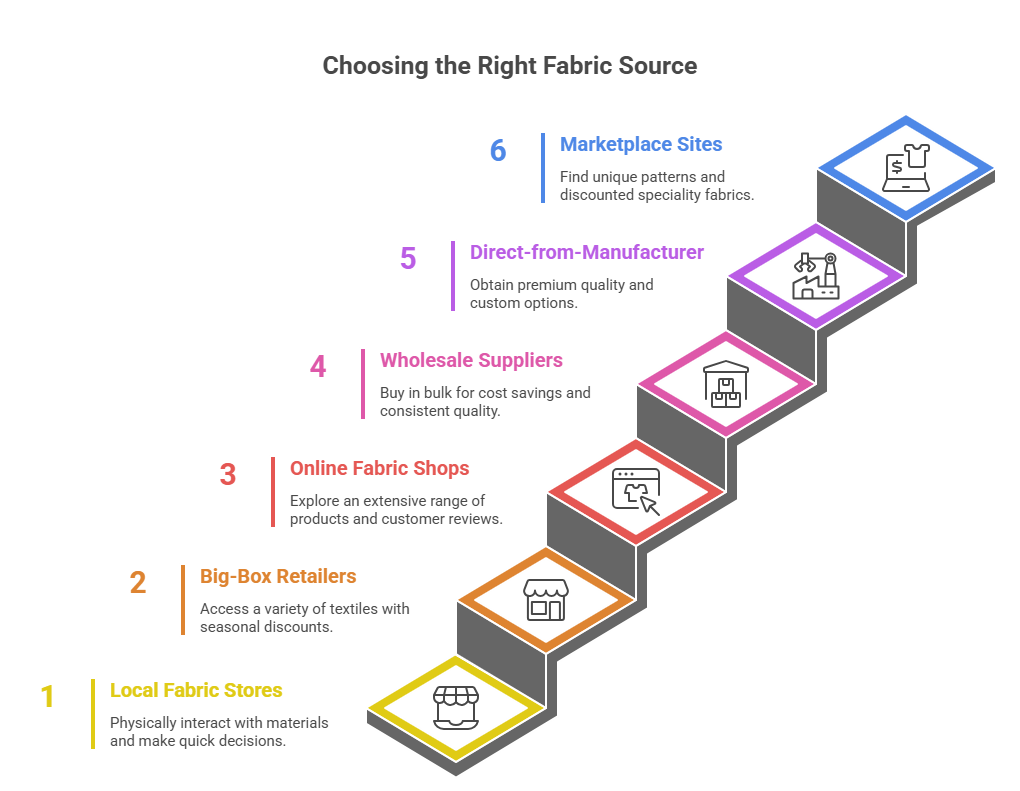
It is important to have a variety of options when choosing fabric for blankets since this will allow you to make a wise decision and save money. The following sources are your best options:

Local Fabric Stores

In local stores, one can physically interact with the materials, visually compare the thicknesses, and test the tensile strength, all of which are very hard to do online. They are also beneficial for making quick decisions and last-minute projects.

Big-Box Craft Retailers

Big stores that focus on crafts and arts usually have plenty of different textile types, such as fleece, flannel, cotton, and others with specific purposes. Discounts depending on the season and coupons offered weekly turn shopping into a fun and economic activity.

Online Fabric Shops

The online shops provide an extensive range of products and also access to materials that may not be available in the local market. A lot of websites make it simple to contrast the hues, patterns, and weights, and feedback from the customers aids in making a decision about the quality.

Wholesale Fabric Suppliers

Wholesale suppliers are ideal for businesses, charities, and frequent crafters. Buying in bulk reduces cost per yard and ensures consistent fabric quality.

Direct-from-Manufacturer Purchases

Manufacturers often offer premium quality and consistent dye lots. Buying directly can provide better pricing on large quantities and access to custom colour or style options.

Marketplace Sites

Online marketplaces can be useful for sourcing hard-to-find patterns, leftover yardage, and discounted speciality fabrics.

Speciality Boutiques and Artisan Shops

Boutiques offer curated, high-end materials—perfect for those looking to make luxury blankets or unique handcrafted designs.

Various aspects like project size, budget, and the level of convenience will determine the fabric source that is just right for you. In case you are into frequent sewing or blanket selling, buying wholesale or directly from the manufacturer would typically be the most cost-effective option in the long run. On the other hand, if it is only a single project or you are looking for very particular prints, then a craft store or an online shop could be the suitable places for you.

Making Blanket Fabric Shopping Easy and Enjoyable

It doesn’t matter if you are creating a warm winter throw or a large order of personalised blankets; learning where to buy fabric for blankets allows you to select materials that will last, be comfy and be nice looking at the same time. Moreover, fleece is still one of the most trusted materials for blanket-making due to its perfect combination of heat, gentleness and price.

If you are interested in large amounts of high-quality fleece materials or blankets already made, we have fleece blankets in bulk that are made for comfort, durability and long-lasting softness. Our blankets are perfect for organisations, events, charities, and retailers as they are the result of good craftsmanship and thus, great value. We are here to assist you in making every blanket project warm and of good quality.
How Much Is Fleece Per Yard?

4 Dec

Fleece is a fabric that is highly favoured and most widely used in the areas of sewing, crafting, apparel, and home comfort. Be it making blankets, hoodies, pet beds, or décor items, fleece still provides you with the advantages of being warm, soft, strong, and cheap. Nevertheless, there is one question that has been raised by both beginners and experienced crafters: How much is fleece per yard, and how do you know if you are getting the right one for your project?

This blog will softly and slowly take you through all the basics—from measuring the fabric and the factors that influence the price to planning the yardage and smart buying.

Understanding What a “Yard of Fleece” Really Means

Before getting into the price, it must be clarified what exactly you are purchasing when you buy fleece by the yard. A yard is equivalent to 36 inches in length; however, fleece is generally much wider than most materials. The usual widths are between 54 and 60 inches, although sometimes they can be more, and thus one yard is quite a lot of usable material, surprisingly.

Because of this width, fleece yardage often stretches further than people expect. Think of it as the fabric version of receiving “bonus fries” at the bottom of the bag—always a pleasant surprise.

What Determines How Much Fleece Costs Per Yard?

Fleece prices vary significantly, and several factors influence the cost:

Type of Fleece

Basic polar fleece is priced on the lower side of the cost spectrum, while premium sherpa, ultra-soft plush fleece, and specialised performance fleece are much more expensive. Printed fleece, particularly licensed designs, is also more expensive.

Fabric Weight

The GSM system is the one used to measure the fleece weight. The less heavy fleece gets the price of the lowest range, while the denser and heavyweight types, with better insulation, are more expensive because of the thicker fibres used in the production process.

Material Quality

Anti-pill coatings, extra softness, and high-density construction increase manufacturing costs and therefore the price per yard.

Solid colours are typically cheaper. Patterns, character prints, and designer fleece can be considerably more expensive. After all, style comes at a premium—even for fabric.

Retail vs Wholesale Pricing

Buying one or two yards at a retail store usually costs more. Wholesale suppliers, bulk orders, or roll purchases often offer better pricing because you’re buying larger quantities.

Together, these factors explain why fleece can range anywhere from budget-friendly to “premium fleece splurge mode.”

So, How Much Is Fleece Per Yard?

Generally speaking, fleece pricing fits into three broad ranges:

  • Basic everyday fleece – lower cost, ideal for craft projects, simple blankets, and kids’ items.
  • Mid-range fleece – slightly more expensive due to designs, patterns, or improved softness.
  • Premium fleece – thick, luxurious, high-performing fabrics that cost more because they offer superior durability and texture.

The primary factors impacting fleece prices are location, supplier, and quality, thus creating a huge disparity. For this reason, it is wise to compare various sellers and understand the product you are buying before making a decision. The answer to your question about the price of fleece per yard actually depends on such factors as the end use, quality, and retailer of the fleece.

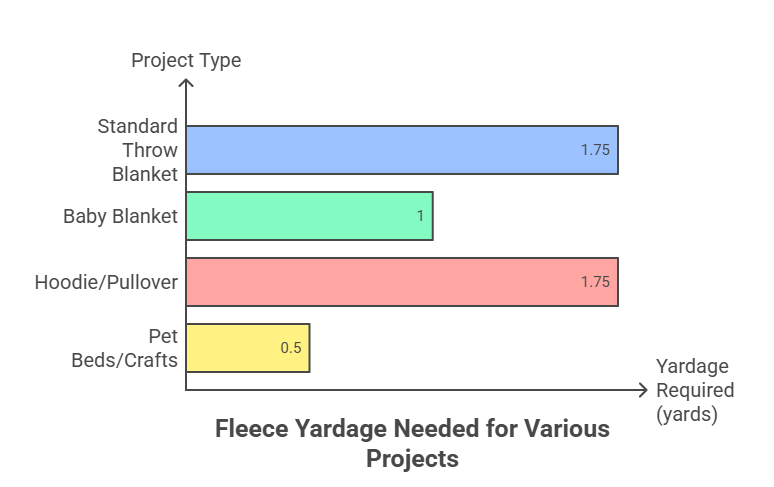
How Much Fleece Do You Need? A Practical Guide

Understanding yardage helps you buy the right amount without overspending:

  • A standard throw blanket typically requires about 1.5 to 2 yards.
  • A baby blanket usually needs 1 yard or less.
  • A hoodie or pullover may require 1.5 to 2 yards, depending on size.
  • Pet beds, scarves, hats, and craft projects often use smaller pieces or leftover scraps.

Due to the wide nature of fleece, you frequently require less yardage than with other textiles. It is indeed an uncommon fabric that provides you more than you have asked for—just like a courteous visitor who offers treats even when it is said ‘not to’.

Comparing Prices and Finding the Best Deals

Smart buyers never miss comparing fleece prices from many different places, like online sellers, fabric stores, seasonal clearances, and even wholesale vendors. The prices of small retail purchases could be quite different based on the store and type of fabric, but the cost per yard is still much lower when buying in bulk. Hence, bulk purchasing is a great option for beginners who sew frequently, small business owners, and people who work with fleece often and want to keep their material costs low.

Choosing the Right Fleece for Your Budget

Money impacts both experience quantity and quality. Generally, the standard fleece is quite good for most projects, but the top fleece provides an attractive look, a soft touch, and a very good quality that lasts. Choosing the right class guarantees that your project has the desired look and feel.

In case the fabric is in a doubtful stage, the inspection should be done through its density, softness, and a little bit of stretching at the edges. The fleece of good quality will provide both tough and soft sensations and will not lose too much of its fluff during the handling process.

Making Informed Fleece Purchases

Knowing how much fleece per yard in advance is a huge help in planning the project wisely, choosing the right materials, and not spending extra. Fleece is still among the least expensive, easiest to handle, and most versatile materials. With a bit of information, you will be able to make smart and nice decisions for your creations.

In case you are after high-class fleece at wholesale prices, we do have a selection of first-rate fleece blankets in bulk intended for businesses, events, charities, and non-profit organisations. Our items are made of an ultra-soft fleece that has been designed to last, giving the best comfort and durability. If you are looking for blankets for giveaways, selling, or big projects, we will be the one who offers you reliable and the same quality as before.

What Is Fleece Material Made Of?

4 Dec

Fleece is truly a unique fabric that can be described as soft, warm, and lightweight all together—this combination is the dream of many other textiles throughout their lifetime. Fleece has been and still is one of the very few and most versatile materials, covering everything from blankets and jackets to loungewear. Nevertheless, a question that most people often raise is: what is fleece material made of, and what is the process that endows it with the signature softness?

Your guess is as good as mine if you have ever thought about how a substance as soft as this could come from something as surprising as plastic, but you are certainly not the only one. So, let’s discuss fleece and its fibres, origins, and manufacturing methods in a nice and very educational manner.

A Little History: The Birth of Modern Fleece

Fleece, an artificial wool, was not made by a sheep but rather a synthetic material produced in a textile laboratory. The first fleece materials were created to imitate the warmth and insulation of wool without the usual downsides: being heavy, scratching, and the “wet sheep” effect when they come in contact with water.

Textile innovators rolled out a material that was not only very lightweight but also extremely versatile and water-repellent, which had a soft and luxurious touch. This fabric was very soon in and became one of the major ones for, among other things, outdoor wear, casual clothes, blankets, etc. Thus, fleece’s image changed from a nice concept to a global favourite that is warm, soft, and super easy-care.

So, What Is Fleece Material Made Of?

The short answer is: fleece is typically made from polyester, a synthetic fibre derived from PET (polyethene terephthalate). But there’s much more to the story.

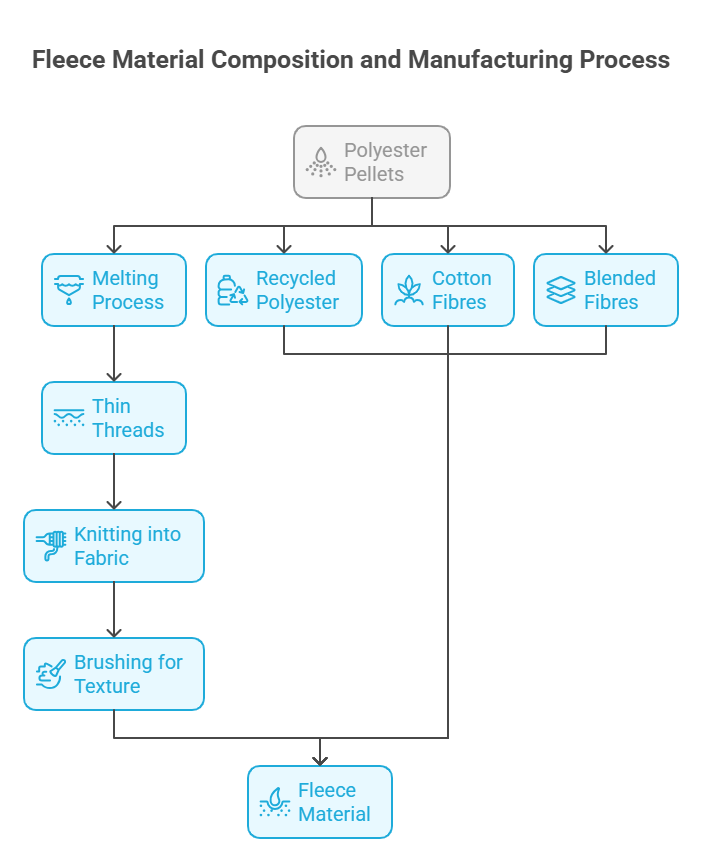
Fleece is mainly manufactured by melting polyester pellets or chips and subsequently drawing them out into very thin threads. These threads are then knitted into fabric and brushed to get the characteristic fluffy texture. Surprisingly enough, it performs almost the same as wool—but without the need for any sheep, thus your favourite fleece blanket didn’t require a shear to be made.

To make things even more interesting, fleece can also be made from:

  • Recycled polyester, created from plastic bottles
  • Cotton fibres, used to create softer, breathable fleece types
  • Blended fibres, such as rayon, hemp, bamboo, or wool

Simply put, the answer to the question regarding the fleece material’s composition is straightforward and multifaceted at the same time—polyester is the leading player, whereas occasionally other fibres join in to offer comfort, sustainability, or particular performance characteristics.

How Fleece Is Made: From Fibre to Fluff

Making fleece is a process that uses scientific and artistic knowledge together. The first move is the choice of the fibres—polyester, cotton, or mixtures—which are then made into yarn by spinning. Then, this yarn is either knitted or woven into a light base fabric that, at this stage, looks nothing like the fleece you know. After that, the change happens.

The fabric is then subjected to mechanical brushes, which raise the fibres and form a soft, fuzzy layer with a space for air to hold and thus provide warmth. Depending on the feel required, brushing can be done one time or several times. You can even imagine it as a soft hair-styling session for the fabric without the use of hairspray.

The use of recycled polyester starts even earlier in the process. The bottles made of plastic are gathered, passed through cleaning, ground into small chips, liquefied, and converted into fibres. Thus, your warm winter coat may be used to be a water bottle at the very least. A change of profession can be said.

Types of Fleeces Based on the Materials Used

Different fibres produce different kinds of fleece:

Polyester fleece is the classic version—lightweight, warm, durable, and suitable for almost anything from jackets to throws.

Recycled polyester fleece offers the same benefits with a reduced environmental footprint, making it a favourite among eco-conscious brands and consumers.

Cotton fleece is popular in sweatshirts and loungewear because of its natural softness and breathability.

Fibre-blend fleeces are developed to enhance texture, stretch, sustainability, or insulation. Adding rayon or spandex can improve flexibility, while adding bamboo or hemp enhances breathability.

Every variation has its own personality. Some are thin and sporty, some thick and luxurious, and others are so soft they could easily win an award for “Most Hug-like Material.”

Why Fleece Performs So Well

The secret of the fleece’s popularity, however, is its fibres and the way it was made. The surface that has been brushed creates a lot of small air pockets that capture heat and thus act like an insulator. The artificial fibres take away the moisture; they dry fast and do not shrink. Fleece being very light, it is suitable for a wide range of uses from blankets to the equipment of mountaineering.

Because of its engineered nature, fleece continues to evolve. Manufacturers can modify everything—from thickness to texture—to design fleece for specific uses. That’s why fleece is just as common in high-performance outdoor gear as it is in children’s pyjamas.

The Sustainability Aspect

Polyester, being the product of petroleum-based sources, is well-known, and so is the fact that the synthetic fabrics contribute to microfiber shedding. But the fleece industry has gradually moved in the direction of eco-friendly practices.

The use of recycled polyester helps eliminate plastic waste, gives a new life to bottles, and minimises reliance on virgin resources. Besides, a lot of contemporary fleece manufacturers have turned their attention towards waste minimisation, energy-efficient processing, and the use of organic or plant-based fibres in blends.

The question of what fleece material is made of is becoming more than science—it’s becoming part of a sustainability conversation.

How to Identify High-Quality Fleece

The top fleece has an extremely smooth and soft surface, as well as even thickness, with the longest and most even fibres. It shouldn’t shed too much, get worn out quickly or make balls of fluff just after washing. The thin fleece must be silky and breathable, whereas the thick fleece must be warm and soft.

If a fleece feels scratchy, flimsy, or like its already considering retirement, it may not be made from good-quality fibres.

Fleece, at first glance, could be thought of as a normal fabric; however, a careful examination of its construction would demonstrate that it is a highly developed product. To be more precise, fleece is a material that combines the three essentials, namely, comfort, performance and price, through synthetic and recycled fibres, cotton blends, and advanced manufacturing.

Your Reliable Source for Premium Fleece Products

In case of searching for the best quality fleece blanket at wholesale price, our fleece blanket collection is made of top-quality, non-pilling fleece that is intended for long-lasting softness. The company is a specialist in making beautifully crafted fleece blankets and garments that can be personalised for events, companies, charities, and so on. We are your provider of comfort, luxury, and uniformity in every fleece order.

How Do You Wash Fleece?

4 Dec

Fleece is a rare kind of fabric that gives a feeling of being wrapped in a warm hug, is almost weightless, and, depending upon its shape, it can still be chic, whether it is a jacket, a throw, a hoodie, or a blanket. However, fleece is indeed a very soothing fabric, but it is also very delicate in terms of washing. People commonly ask, “How Do You Wash Fleece without damaging it?”—the answer is very easy: you just need to have a little bit of patience, go through some careful steps, and show the fleece the same kindness it has been showing you on the cold nights.

This blog is going to take you through every aspect related to fleece care. By the time you finish reading it, you’ll be sure to wash your beloved items without any worry over pilling, shrinkage, or the sad point when your former fluffiness blanket seems to have endured a long winter outside.

Why Fleece Needs Extra Care

Fleece is marked by its extraordinary softness that is produced by the tiny synthetic fibres most commonly made of polyester, which are consequently brushed or “fluffed” to give a soft surface. This roughness is the reason for the warmth, but at the same time, it is the factor that makes fleece so prone to damage by friction, heat, and harsh detergents. Just a little mistake in washing can result in the flattening of fibres, pilling, and the garment feeling less soft over a period of time.

Think of fleeces as a comforting friend that will carry out your needs, but slightly dramatic in the spin. Just a slight tender touch.

Understanding the Types of Fleeces

Fleece is not the same material in every case, and knowing its type would allow you to take proper care of it. Polar fleece is a thick and warm winter material. Microfleece is nearly the other way round, being very lightweight and thin, usually suitable for layering. Sherpa fleece is the softest and most luxurious. It has a wool-like look and feel. French terry fleece is a soft, stretchy and like a sweatshirt with a nice inner surface.

All behave a little differently in water; however, they all abide by one law: a gentle wash is the best way to care for them.

Preparing Fleece Before Washing

When it comes to fleece, special and proper treatment is a must before detergent is even a consideration. Fleece has to be sorted out from tough cloth items like denim, towels, zippers, or Velcro. Fleece does draw lint; it does easily lose tiny threads, and it does always look great next to soft materials only. In case your fleece gets any visible liquid stains, take them out by very delicately washing with a mild detergent and being very cautious. Never wash them because heat will seal their fate, so always treat them before washing.

Flipping the clothes inside out may lead to an amazing change. It protects the delicate top layer and reduces the friction, which is the main cause of pilling. Moreover, if you are really into it, put your fleece in a mesh laundry bag. It’s as if you are washing your fleece along with its own shield.

Machine-Washing Fleece Properly

Machine washing is no problem if the process is done carefully. Cold water is a must since the heat could cause the fabric to shrink or change its feel. It is advisable to use a gentle cycle in order to avoid heavy vibrations and to always apply a mild detergent in small amounts. The application of too much detergent may lead to the formation of a residue that will make the fleece feel rough rather than smooth.

No matter what you do, without fabric softener, the process is incomplete. It might be a strange thing to do—the purpose is softness after all—but the softener covers the fibres and therefore does not let the fleece be so fluffy. Moreover, it decreases the fabric’s moisture-wicking ability.

Once the wash cycle finishes, take your fleece out right away. Leaving it damp inside the machine can cause creasing, odours, or that mysterious “washer smell” nobody wants in their blankets.

Hand Washing for Extra Gentleness

If the fleece is delicate or special—like a baby blanket or a favourite sherpa hoodie—you may prefer hand washing.

  • Fill a basin with cool water.
  • Add a small amount of mild detergent.
  • Submerge the fleece and gently swirl it around.
  • Let it soak for 20–30 minutes so it can relax (don’t we all need that?).
  • Rinse thoroughly until the water runs clear.
  • Press out excess water—never wring, twist, or treat it like a towel at the gym.

Drying Fleece, the Safe Way

The process of drying could be considered the most crucial of all. Air-drying is the process that fleece loves the most. The intention is to maintain the shape while avoiding heat, so either of the methods—flat lay on a towel or hang on a clothing rack—can be used. It is known that high temperatures will either cause fleece to shrink, fibrous hardening, or roughen the feel of the surface.

Just in case you might need a dryer, pick only the no-heat or air-dry setting. This is your fleece respectfully communicating with the dryer, “We can be friends, but only from a distance.”

Let the garment dry completely before folding or storing it to avoid moisture buildup.

Keeping Fleece Soft and Preventing Pilling

The maintenance of fleece is a continuous interaction, and a couple of habits can create a huge difference. If you turn it inside out for washing, use non-abrasive detergents, and practice air-drying every time, then the pilling process can be drastically slowed down. Still, it can happen that with perfect care, some fleece may pill over time, and this is a normal phenomenon. A fabric shaver or a soft pumice stone can turn the rough texture back to smooth without any fibres being harmed.

In case your fleece feels hard and rough, do not worry. A careful cleaning procedure with very little detergent, then rinsing to the maximum and drying it up with air, generally revives the fleece.

A Soft and Simple Care Reminder

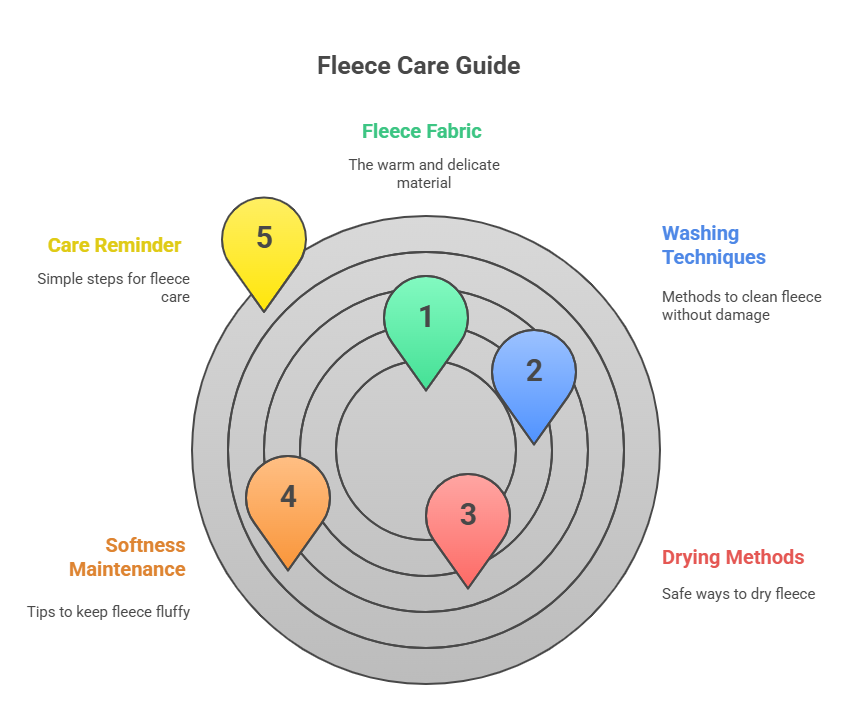
Whenever you find yourself wondering how do you wash fleece, remember this gentle formula: cold water, mild detergent, inside out, no softener, and fresh air for drying. Care for your fleece thoughtfully, and it will keep you warm, cosy, and comfortable for years.

About Us

If you’re looking for premium, first-quality fleece products at true wholesale pricing, PeachFur Fleece is your trusted source for fleece blanket bulk orders. For more than 21 years, we’ve specialised exclusively in soft, durable, non-pilling fleece blankets and jackets that can be customised with your logo. Whether you need blankets for events, charities, retail, or gifting, our fleece products are designed to stay as beautiful as the day you bought them.