- What Hot Water Really Does to Fleece Fabric
- The Quiet Damage Hot Water Can Cause
- Why Hot Water Is Usually a Bad Idea for Fleece Blankets
- Pilling and Roughness Explained Simply
- Is There Ever a Reason to Use Hot Water?
- Better Ways to Get a Deeper Clean
- Choosing the Right Water Temperature for Fleece
- Common Hot-Water Myths That Ruin Fleece
- Final Thoughts: Clean Fleece Doesn’t Need Hot Water
Generally, laundry day is not a hard and fast rule—it becomes a whole different game when you have a fleece blanket in the picture. You aspire to achieve the same quality and freshness through washing, but one question haunts you:’ Can Fleece Blankets Be Washed in Hot Water, or will that destroy them?
It’s a fair question. Hot water feels powerful. It sounds like the fastest way to clean anything that’s been used daily, covered in pet hair, snack crumbs, or just weeks of comfort use. But when it comes to fleece, heat needs a little more respect.
Let’s walk through this together in a simple way, without fear or overthinking.
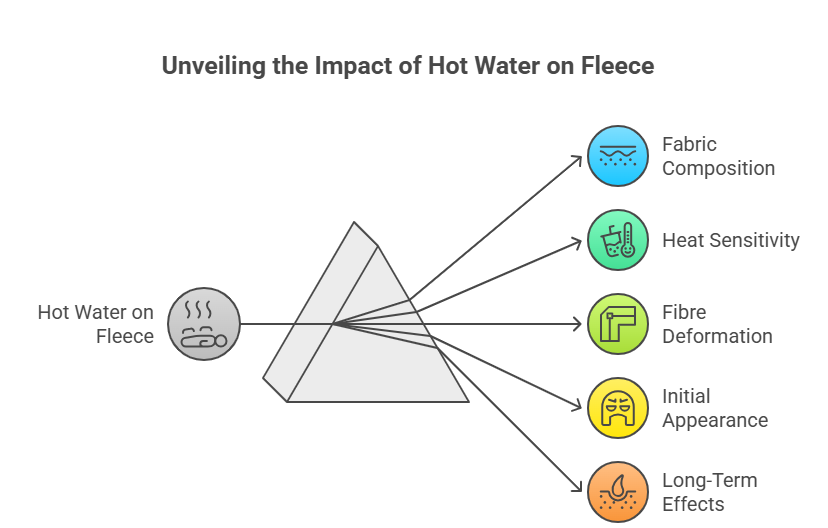
What Hot Water Really Does to Fleece Fabric
Understanding Fleece as a Heat-Sensitive Material
Most of the time, polyester, which is a man-made fibre that has been artificially designed to provide a soft, warm, and light feel, is the main component of fleece. This softness is produced through a process of brushing and moulding of the fibres that are so tiny.
Here’s the important part: polyester is essentially plastic-based. And just like plastic, it doesn’t respond well to high heat. When exposed to hot water, those soft fibres can change shape—even if the blanket still looks “okay” at first glance.
That’s why understanding the fabric matters before choosing the water temperature.
The Quiet Damage Hot Water Can Cause
Hot water doesn’t usually destroy fleece in one dramatic wash. Instead, it causes small changes that build up over time. The blanket may feel slightly stiff. The surface may start to look fuzzy or uneven. Colours might lose their brightness.
These changes often sneak up slowly, which is why many people don’t connect them to hot water right away.
Why Hot Water Is Usually a Bad Idea for Fleece Blankets
Shrinking Is Only Part of the Problem
When people ask can fleece blankets be washed in hot water, they often worry only about shrinking. But shrinking is just one possible issue.
Hot water may be responsible for the alteration of the fleece’s shape. The edges might curl up, certain areas of the blanket might seem thinner, and the general flow can be different. When this takes place, it is quite tough to go back to the original state.
Pilling and Roughness Explained Simply
Pills, the little balls that are created on fleece, are mainly formed when heat is present. Hot water loosens the fibres, resulting in their merging during washing.
A blanket can remain warm for a long time, but it wouldn’t be as soft and smooth as it was before. And that warmth is usually the most important reason for buying fleece at all.
Is There Ever a Reason to Use Hot Water?
Clean Doesn’t Always Mean Hot
Many people believe hot water cleans better, especially for blankets. While that can be true for some fabrics, fleece doesn’t work the same way.
Fleece releases dirt, oils, and odours quite easily—even in cold water. Using hot water doesn’t make it cleaner; it simply adds stress to the fibres.
Better Ways to Get a Deeper Clean
When it comes to cleaning, using a mild detergent along with a gentle cycle is still the best option for a super dirty fleece blanket instead of increasing the temperature. At times, washing with an extra cold water rinse or cycle is more effective than doing one strong hot wash.
Patience beats heat when it comes to fleece.
Choosing the Right Water Temperature for Fleece
Cold Water: The Safest Choice
Cold water is the best everyday option for fleece blankets. It protects the fibres, preserves colour, and keeps the blanket feeling soft wash after wash.
For regular cleaning, cold water does everything fleece needs—without the risks.
Lukewarm Water: A Careful Middle Ground
In some cases, slightly warm (not hot) water may be used for heavier soil. The key is moderation. Lukewarm water should feel comfortable to the touch, never steaming.
Once water starts feeling hot, it’s too much for fleece.
A Simple, Safe Washing Routine for Fleece Blankets
Before the Wash
Always check the care label if it’s still attached. If not, default to gentle settings. Shake out the blanket and wash it with similar soft items to reduce friction.
During the Wash
Use a gentle or delicate cycle. Choose a mild detergent and avoid bleach or fabric softeners. These products can coat or weaken fleece fibres over time.
After the Wash
Drying naturally is the softest method. In case of using a dryer, set it to a low temperature. Washing and drying are partners—using low heat in both stages keeps wool in good condition.
Common Hot-Water Myths That Ruin Fleece
One common myth is “one hot wash won’t hurt.” Unfortunately, even a single hot wash can start damaging fibres.
Another is assuming that damage means poor quality. In reality, even high-quality fleece can suffer if washed in hot water repeatedly.
And perhaps the biggest myth of all: hot water equals better care. With fleece, the opposite is usually true.
Final Thoughts: Clean Fleece Doesn’t Need Hot Water
Can Fleece Blankets Be Washed in Hot Water? In the majority of situations, the answer is no—and they really don’t have to. Cold or gentle warm water does an excellent job of cleaning fleece while keeping the softness and comfort you like safe.
Caring for fleece isn’t about being extra careful. It’s about being informed. Once you know how fleece reacts to heat, laundry day becomes much simpler and far less stressful.
Our company is dedicated to delivering the best quality fleece products and wholesale fleece blanket solutions to businesses, charities, and organisations that prioritise comfort and quality. We are committed to providing the best fleece and long-lasting softness as our main quality assurance for a good fleece feel and its long-life for years.
 Peachfurblog | Wholesale & Bulk Blankets
Leave a comment