- Do Fleece Blankets Have Microplastics?
- Why Are People Asking This Question Now?
- What Fleece Fabric Is Actually Made Of
- Are Microplastics Already Inside the Blanket?
- How Microplastics Are Released Over Time
- Where Do These Microplastics Go?
- Small Habits That Can Make a Difference
- Final Thoughts: Comfort and Understanding Can Coexist
Fleece blankets are associated with comfort, warmth, and that nice feeling we have when covered during winter. But since the environment and the materials being used daily are the concern of many people, a question that is very carefully thought out has been coming up very often: Do fleece blankets have microplastics in them?
We must say it’s a very good question, in fact, and the response should not be a source of confusion or fear at all. By simply bringing in some light, the whole picture becomes so much simpler when it is about what fleece is and how it can be included in the lifestyle of a person who is more aware of their choices.
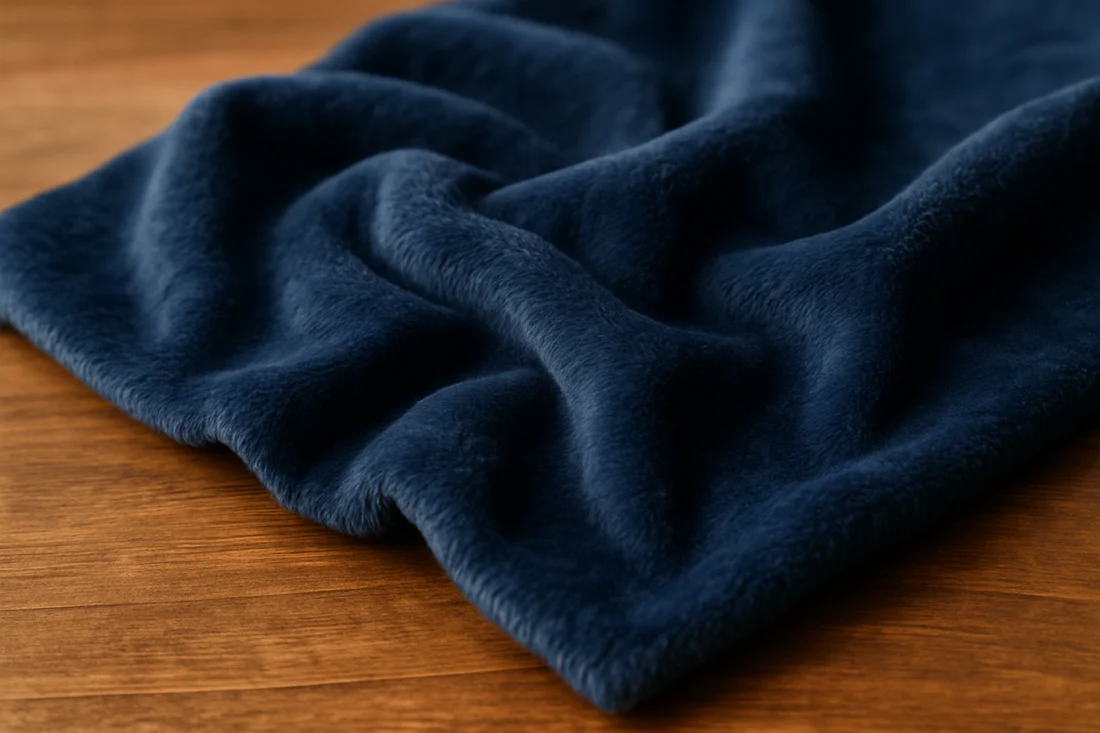
Do Fleece Blankets Have Microplastics?
Fleece blankets are often simply put together with synthetic fibres, and therefore, they are very much plastic-based. A new fleece blanket, however, does not contain any microplastics at all upon its release, but with time and the wear and tear of fibres through washing and drying, the release of microplastics will take place as a result of the breaking down process.
Yes, indeed, the question of whether fleece blankets contain microplastics is a legitimate one, and the reply depends on the manufacturing process of the fabric as well as the care given to it.
Why Are People Asking This Question Now?
For a long period, the term plastic was virtually limited to referring to bottles, bags, and packing materials only. But now it is absolutely clear that plastic is present in every nook and corner of the textile industry. With the increase in awareness of the issue, consumers are certainly scrutinising more of the daily items like beddings, clothes, and home textiles that are used and consumed.
This isn’t about fear or blame. It’s about understanding materials better so we can make more informed and balanced choices.
What Fleece Fabric Is Actually Made Of
Fleece is usually produced with synthetic fibres like polyester. The production begins with the plastic… which is first transformed into soft, flexible threads. The key element in fleece is the brushing process that gives it that soft and warm texture for which fleece is recognised.
Since fleece has a different texture and appearance from plastic, it is quite natural to forget that it is derived from plastic-based materials. The confusion about whether fleece blankets contain microplastics starts from this point.
Are Microplastics Already Inside the Blanket?
This is an important distinction.
A fresh fleece blanket has not yet accumulated any free-floating microplastics that are lying inside it. The fibres remain intact and stable. Later, microplastics are formed when tiny pieces of these fibres detach due to friction, wear, or washing.
Although fleece is made from plastic, it is not the case that microplastics appear all at once; they are formed slowly over time. Consequently, the usage and maintenance of a blanket have a significant impact on the entire process.
How Microplastics Are Released Over Time
Every time a fleece blanket is used, folded, washed, and dried, there occurs a very gradual weakening of the fibres due to the small amount of friction. The processes of drying and washing are the major contributors to the breakdown of fibres.
Certain fibres can go through the water system, while some might evaporate into the air during the drying process. This slow process is the reason why fleece is often included in the discussions about microplastics, despite it being a very fashionable and practical material.
Where Do These Microplastics Go?
Once released, microplastics can move beyond the home. In water, they may pass through filtration systems and reach natural environments. In the air, they can settle as dust.
It is not assuming that a single fleece blanket is dangerous by itself. On the contrary, it indicates that the small, regular choices, when combined, have a large impact. Fleece blankets are safe and soft enough for daily use. There is no point in stopping their use and questioning their warmth.
Awareness is the major factor. People are not forced to come up with drastic solutions to their problems if they know whether fleece blankets contain microplastics or not. A blanket that is used for a longer time, is cared for gently, and whose replacement is held back, can even be termed as a responsible approach.
Small Habits That Can Make a Difference
Mindful care can reduce the overall impact of fleece blankets:
- Washing only when needed
- Using gentle wash settings
- Choosing air drying when possible
- Keeping blankets in good condition for longer use
These are not rules, just helpful habits that support longer fabric life and reduced fibre breakdown.
Fleece has not lost its popularity because it is effective. It gives heat without making the wearer feel heavy, it is adaptable, and it is simple to take care of. The consciousness of materials, on the other hand, is steadily rising, and the innovation of fabrics is never-ending.
Understanding what fleece is made of allows people to enjoy it responsibly, without guilt or confusion.
Final Thoughts: Comfort and Understanding Can Coexist
So, do fleece blankets have microplastics?
Fleece is produced with plastic-based fibers and these fibres can eventually degrade into microplastics. Nevertheless, using it mindfully and giving proper care, fleece can still stay a very soft and useful piece of clothing in daily life.
Knowledge isn’t meant to take comfort away—it’s meant to help us use it more wisely.
We make it a point to produce only the best fleece products that are durable, comfy and for long-term use. Our expertise in providing wholesale fleece blankets has taught us that not only do the high-quality fleece blankets tend to last longer, but they also perform better if they are taken care of properly. Through focusing on quality and good manufacturing practices, we are enabling consumers to enjoy the plush feel and the great performance of their fleece over time.
 Peachfurblog | Wholesale & Bulk Blankets
Leave a comment