- Why Fleece Blankets Don’t Need Constant Washing
- How Often Wash Fleece Blanket Based on Real Life (Not Perfection)
- Signs Your Fleece Blanket Is Ready for a Wash
- Is It Safe to Wash a Fleece Blanket? Absolutely—With One Catch
- How to Wash a Fleece Blanket Properly (Without Turning It into a Science Project)
- Drying Fleece the Right Way (This Is Where Most People Slip)
- Why Washing Frequency Affects Softness and Lifespan
- A Simple Routine for Long-Lasting Warmth
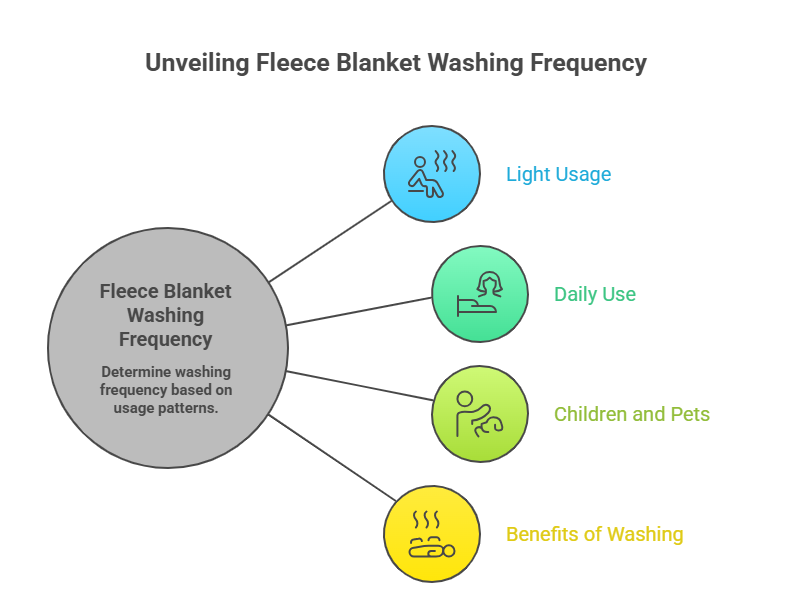
The easiest way to determine washing frequency for fleece blankets requires following this rule: users should wash their blankets between one and three months for light usage. The optimal washing schedule for your fleece blanket requires two to three weeks of washing after daily couch bed and movie marathon use. The washing schedule for blankets used by children and pets requires weekly cleaning. Fleece blankets can be washed safely because proper cleaning methods actually extend their lifespan while maintaining their softness.
The fleece blanket offers people a comfortable experience that they can enjoy without making any loud sounds. The blanket becomes available during three particular occasions, which include cold outdoor temperatures, excessive indoor cooling, and the Netflix service’s “Are you still watching?” prompt. People commonly use fleece blankets, yet they need to answer one question: How often should fleece blankets be washed without causing damage?
Fleece blankets exist in a grey area between sheets and towels because they require evaluation. Their surfaces remain uncontacted by skin throughout the night, yet their surfaces still accumulate dust, body oils and cookie crumbs, which occur from time to time. (No judgment—crumbs are part of the experience.)
Why Fleece Blankets Don’t Need Constant Washing
The users of fleece fabric gain three primary advantages from the material because it delivers warmth, supports air movement and needs very little upkeep. The fabric maintains its dry state. It repels moisture, which leads to faster drying times than cotton because it does not hold sweat. Fleece blankets need washing only after they have been used extensively because their fabric does not need cleaning every week. Fleece material loses its softness through over-washing because this process damages its fibres and creates pilling.
Your blanket remains in two fixed locations: the bottom of your bed and the back of your chair, which demonstrates to readers that washing it too often resembles daily cactus watering because both activities start as good practices yet become excessive.
How Often Wash Fleece Blanket Based on Real Life (Not Perfection)
The best way to decide how often wash a fleece blanket is to think about how it’s actually used.
The cleaning schedule for decorative or infrequently used blankets needs to be performed every two months in order to maintain their fresh condition. The cleaning schedule for couch and bed blankets should be conducted every two to three weeks because we use blankets more during the wintertime. The weekly washing of children’s blankets together with blankets used with pets helps to remove hair, odours, and allergens from the fabric.
The blanket needs immediate washing when the person begins to recover from their illness. The washing machine serves as the washing hero’s first victory because the blanket needs to be cleaned as soon as recovery starts.
Signs Your Fleece Blanket Is Ready for a Wash
People need calendars, but fleece blankets require people to use their common sense. A blanket needs to be washed when it starts to retain odours, becomes less soft, and develops static, which makes it look like a science experiment prop. The presence of allergy flare-ups, visible debris, and food spills serves as a clear indicator. The condition of an object holds greater importance than knowing the precise time of its most recent cleaning.
Is It Safe to Wash a Fleece Blanket? Absolutely—With One Catch
The statement confirms that fleece blankets can be washed in washing machines and their integrity remains intact through washing when proper procedures are followed. Most fleece damage occurs when people use hot water, harsh detergents, and aggressive drying methods. Fleece requires low maintenance, yet it demands high performance standards. The material will respond positively to gentle treatment.
Always glance at the care label first. It exists for a reason, even if most of us only read it after something goes wrong.
How to Wash a Fleece Blanket Properly (Without Turning It into a Science Project)
You must shake your blanket before washing to remove dust particles, crumbs, and pet hair. The process of removing stains requires gentle treatment, which should not involve forceful scrubbing that would harm the fabric.
You need to wash your clothes with cold water and use the gentle washing cycle. The fleece fabric maintains its original state because washing it with cold water prevents the material from shrinking. You should select a mild detergent and apply it at a rate lower than what you would need for washing towels. Fleece fabric already understands how to be soft, so fabric softener may seem appealing, but it covers the fibres, which results in decreased breathability over time.
Wash fleece blankets separately or with similarly soft items. Zippers, rough fabrics, and heavy towels are fleece’s natural enemies.
Drying Fleece the Right Way (This Is Where Most People Slip)
The best method for drying fleece safely maintains its original softness. You should operate the dryer at low heat or no heat settings. High temperatures cause fibres to become flat, while they also increase static electricity and develop pilling. The blanket should be taken out when it still has some dampness so that it can complete its drying process through natural means. The process requires some time to complete, but we wait for cookies to cool because that is what we do (sometimes).
Why Washing Frequency Affects Softness and Lifespan
Fleece blanket washing frequencies determine both cleanliness standards and blanket lifespan. The frequent washing of clothes causes their fibres to deteriorate, while the infrequent washing allows oils and dirt to accumulate. The maintenance of correct fleece fabric property balance enables the material to maintain its lightweight, breathable nature while providing warm, comfortable wear.
A well-maintained rug may endure for several years, but one must remember such factors as correct washing, over a hurried cleaning routine.
A Simple Routine for Long-Lasting Warmth
The design of fleece blankets exists to provide people with better comfort. The actual usage of a fleece blanket will help you determine its washing frequency, which will reduce your time spent on uncertainty and increase your time spent experiencing its familiar warmth. Fleece material enables you to stay warm without needing to perform any additional maintenance when you wash it with care and dry it at low temperatures.
The value of maintenance increases when wholesale fleece blankets receive proper care because their materials and durable design demonstrate exceptional quality. The wholesale market for fleece blankets requires vendors to maintain two essential requirements because customers need to know about product softness, washing safety and reading comfort. The correct maintenance of well-made fleece products results in enduring comfort that remains intact through multiple laundry cycles.
 Peachfurblog | Wholesale & Bulk Blankets
Leave a comment