Archive | fleece blankets wholesale RSS feed for this section

What Does Fleece Look Like?

30 Apr

Quick Answer: What Does Fleece Look Like?

What does fleece look like? Fleece is a soft, plush fabric that resembles the texture of sheep’s wool but is made from synthetic fibers like polyester. It has a fuzzy, velvety surface on one or both sides, giving it a cozy and warm feel.

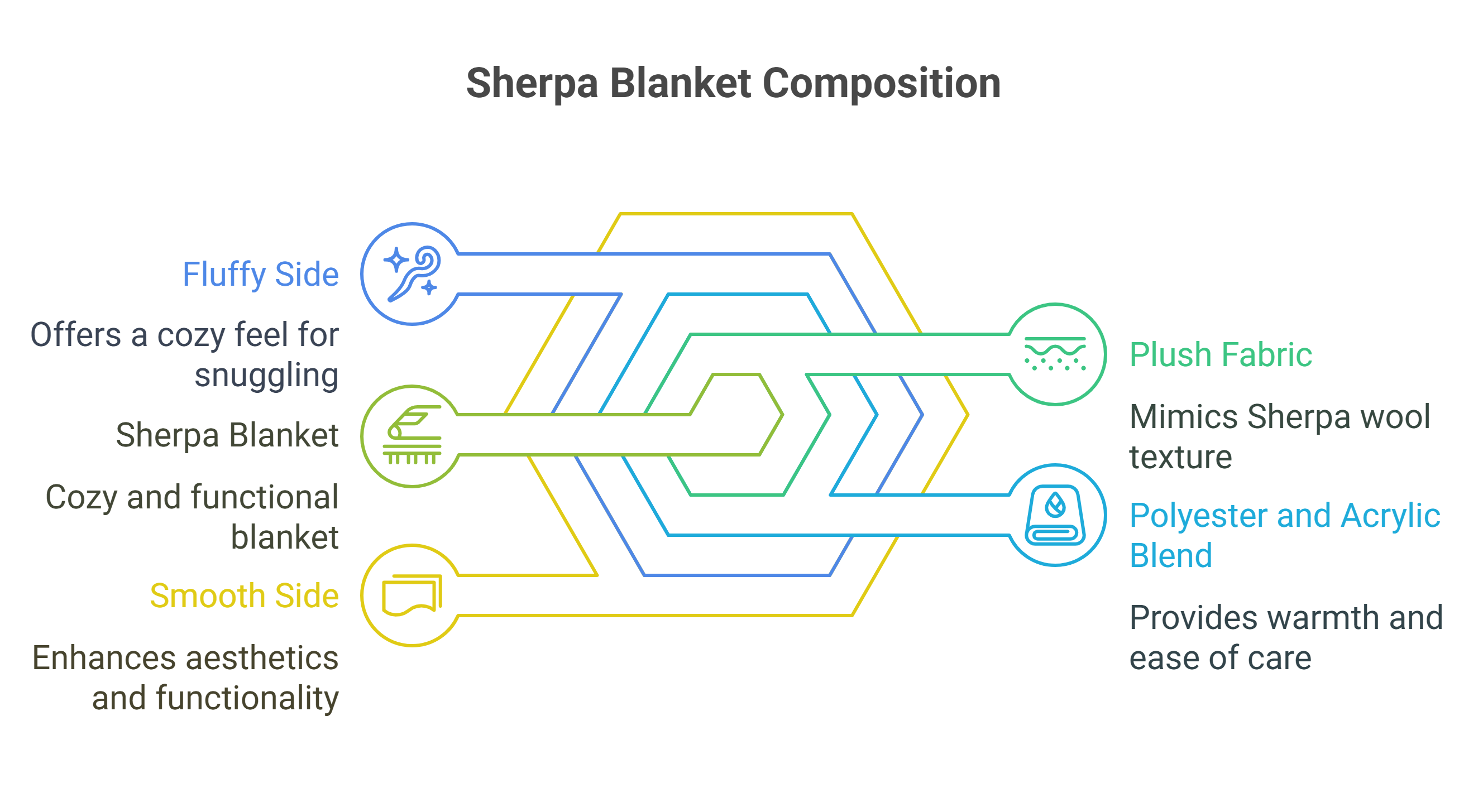
Available in a range of colors, densities, and finishes, fleece is popular in clothing, throws, and fleece blankets wholesale markets. Its appearance depends on the type—microfleece, polar fleece, or sherpa fleece—but all share the same warm, fluffy, and lightweight look that defines the material.

Now let’s dive deeper.
Understanding the Look and Feel of Fleece

When you hear the word fleece, you might instantly think of comfort—soft jackets, warm throws, or cozy winter blankets. But what does fleece actually look like? The answer goes beyond its visible fluff. Fleece is known for its unique texture, its insulating structure, and its adaptability to various styles and uses.

Originally inspired by natural wool, fleece has evolved into one of the most versatile fabrics in modern textiles. Whether you’re shopping for winter wear, home décor, or fleece blankets wholesale, understanding its visual and tactile characteristics helps you make better purchasing and design decisions.

1. The Visual Appearance of Fleece

At first glance, fleece looks like a cross between wool and velvet. It has a fluffy, dense, and smooth surface, which can range from short-napped (fine texture) to long-pile (thicker and plusher). The fibers are brushed to create a soft nap, giving it a slightly matte finish with a gentle sheen under light.

Depending on the manufacturing process, fleece can look:

  • Matte and soft – typical of microfleece used in jackets and lightweight clothing.
  • Thick and fluffy – common in polar fleece, often used for winter blankets.
  • Shaggy or wool-like – seen in sherpa or faux-sheepskin fleece.

When stacked or folded, fleece fabric looks dense and voluminous, yet lightweight—an appearance that conveys instant warmth and comfort.

2. The Texture and Touch of Fleece

While fleece’s look is distinctive, its feel is what makes it unforgettable. When you run your hand across a piece of fleece, it feels:

  • Soft and plush, like brushed cotton or fur.
  • Smooth yet slightly fuzzy, giving a sense of coziness.
  • Warm to the touch, because the fibers trap air and retain body heat.

These tactile qualities are enhanced in fleece blankets wholesale products, which are often designed for comfort and durability. Many suppliers double-brush the surface to increase softness, resulting in blankets that are both luxurious and practical.

3. Types of Fleece and Their Distinct Looks

Not all fleece fabrics look the same. Manufacturers produce different types based on fiber thickness, brushing technique, and intended use. Here’s how each type stands out visually and texturally:

a. Polar Fleece

  • Look: Thick, dense, and velvety surface.
  • Feel: Extremely soft, warm, and insulating.
  • Use: Ideal for winter clothing, outerwear, and fleece blankets wholesale manufacturing.

b. Microfleece

  • Look: Thin, sleek, and lightweight with a subtle shine.
  • Feel: Smooth and breathable while maintaining warmth.
  • Use: Activewear, lightweight blankets, and inner linings.

c. Sherpa Fleece

  • Look: Fluffy, curly, and wool-like—often white or cream-colored.
  • Feel: Super soft and textured, similar to lamb’s wool.
  • Use: Lining for jackets, hoodies, and luxury throws.

d. Coral Fleece

  • Look: Glossy and fine-textured with a slightly slippery surface.
  • Feel: Extremely soft and silky, with a richer appearance.
  • Use: Premium-grade fleece blankets wholesale or baby blankets.

4. How Fleece Is Made: The Source of Its Signature Look

Fleece fabric is primarily made from polyester fibers—derived from recycled plastic bottles or synthetic polymers. The fibers are woven into fabric, then brushed with fine metal brushes to raise the surface fibers and create the soft, plush nap we recognize as fleece.

This brushing process:

  • Loosens surface fibers, giving fleece its fuzzy look.
  • Increases thickness and softness.
  • Helps trap air for insulation.

Some high-quality fleeces go through a double-brushing process, making both sides equally soft—ideal for reversible blankets or jackets. In fleece blankets wholesale production, this ensures consistency and comfort across large quantities.

5. Color and Pattern Variations

Visually, fleece offers remarkable diversity. Because polyester absorbs dye well, manufacturers produce fleece in a wide spectrum of colors and prints—from classic solids to vibrant patterns and even custom branding.

Common options include:

  • Solid colors (navy, gray, red, or cream) for minimalist appeal.
  • Plaid and geometric patterns for home blankets.
  • Custom logo printing for promotional or wholesale purposes.

This adaptability makes fleece a favorite for businesses that buy in bulk, especially for personalized fleece blankets wholesale collections aimed at retail or corporate gifting.

6. How Fleece Compares Visually to Other Fabrics?

To understand what fleece looks like, it helps to compare it with other fabrics that serve similar purposes:

FabricAppearanceKey Difference
WoolNatural matte with visible fibersFleece is smoother and more uniform
CottonFlat and non-fluffyFleece has a raised nap
VelvetGlossy and sleekFleece is thicker and less shiny
FlannelBrushed but thinnerFleece is denser and softer

While each fabric has its charm, fleece stands out for its balance of softness, durability, and warmth without being heavy.

7. Durability and Maintenance: Why Fleece Keeps Its Look?

One of the biggest advantages of fleece is how well it maintains its appearance over time. Unlike wool, it doesn’t pill easily or lose shape after washing—especially when properly cared for.

  • Wash Care: Machine washable in cold water, air dry recommended.
  • Longevity: Maintains softness and color even after multiple washes.
  • Resistance: Repels moisture and dries faster than most natural fabrics.

These qualities make fleece a go-to choice for businesses dealing in fleece blankets wholesale, where maintaining consistent product quality across batches is crucial.

8. Why Fleece Looks Cozy—The Science Behind It

The warmth and cozy look of fleece come from its air-trapping structure. Each fiber forms a micro-layer of insulation that keeps heat in and cold out. The result? A visually thick and inviting material that conveys warmth even before you touch it.

Moreover, fleece’s light-reflective properties give it a gentle, comforting glow. It’s the perfect balance of function and aesthetic—ideal for winter apparel, loungewear, and home blankets.

9. Applications That Showcase Its Look Best

Fleece’s soft, appealing look makes it suitable for both functional and decorative use:

  • Apparel: Jackets, hoodies, gloves, and scarves.
  • Home décor: Throws, cushion covers, and bedding.
  • Promotional products: Custom fleece blankets wholesale with logos or embroidery.
  • Outdoor gear: Camping and travel blankets due to their lightweight and quick-dry nature.

Its blend of visual warmth and practical value continues to make fleece a favorite across industries.

Final Thoughts

So, what does fleece look like? Think of something soft, plush, and visually comforting—like the fabric version of a warm hug. It’s lightweight yet full-bodied, matte yet vibrant, and cozy enough to make any space feel inviting.

Whether you’re shopping for winter essentials or sourcing fleece blankets wholesale for your business, recognizing quality fleece is simple: look for a dense nap, even texture, and softness that lasts beyond the first wash.

Fleece isn’t just a fabric—it’s a feeling, a texture, and a look that defines warmth in every sense.
How Many Yards of Fabric for a Tie Blanket?

23 Apr

Quick Answer: How Many Yards of Fabric for a Tie Blanket?

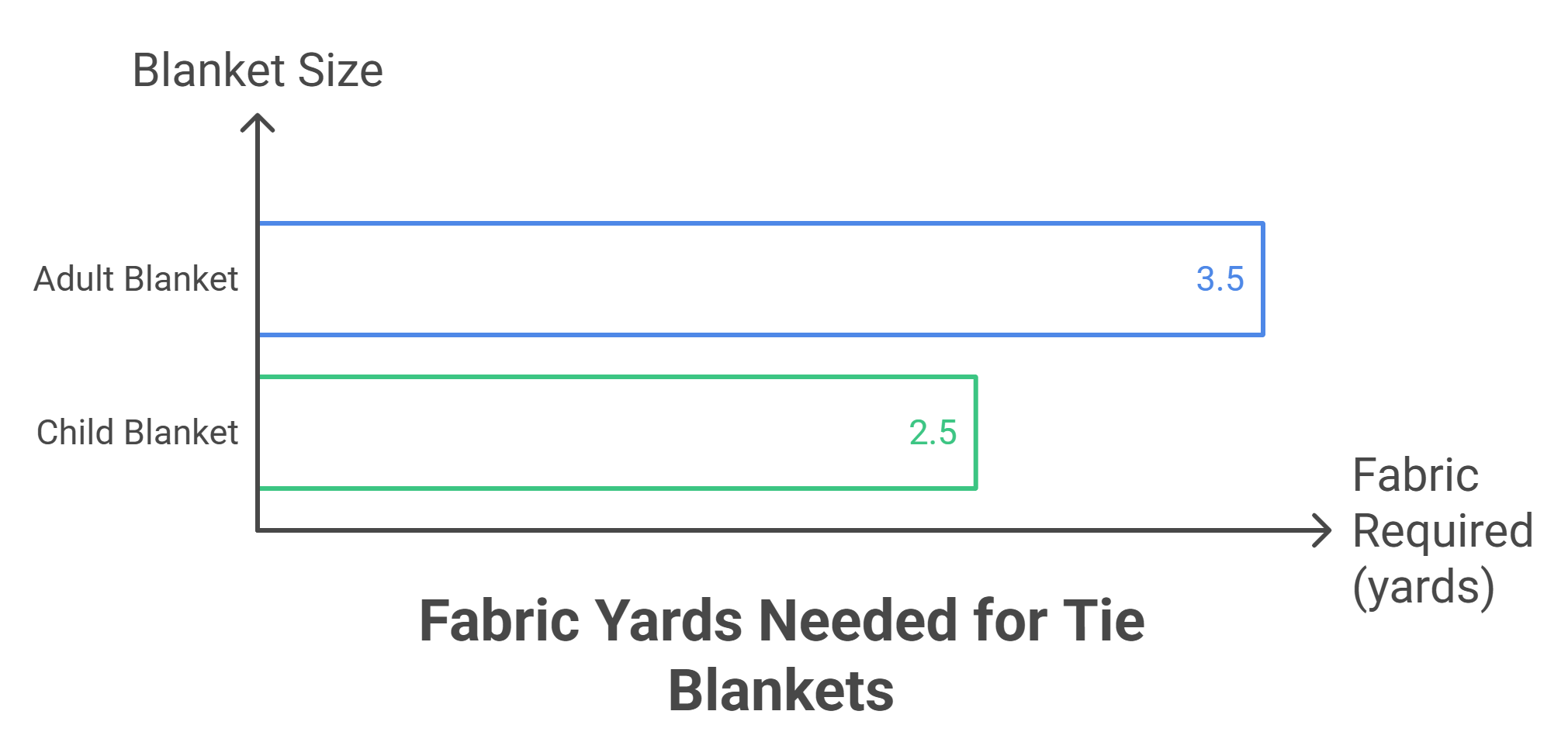
If you’re wondering how many yards of fabric for a tie blanket are needed, the answer depends on your desired size. Typically, a standard adult tie blanket requires 2 yards of fleece fabric per side (4 yards total), while a child-sized version may only need 1.5 yards per side.

When buying materials, consider sourcing fleece blankets wholesale or fleece blankets bulk to save on cost and ensure consistent fabric quality. This approach is perfect for families, crafters, or anyone planning multiple DIY blanket projects.

Now let’s dive deeper.

Why Tie Blankets Are Everyone’s Favorite DIY Project?

Tie blankets are one of the simplest and most rewarding craft projects you can make at home. They’re soft, warm, customizable, and—best of all—require no sewing skills. Whether you’re creating a personalized gift, adding cozy décor to your home, or organizing a community craft day, a tie blanket offers endless possibilities.

However, one of the most common questions crafters ask is: How many yards of fabric do I need for a tie blanket? The answer isn’t one-size-fits-all—it depends on the blanket’s intended size, fabric type, and design preferences. In this blog, we’ll cover everything you need to know—from exact yardage recommendations to tips for choosing fleece, cutting, and tying it neatly.

1. Understanding the Tie Blanket Concept

A tie blanket is typically made using two layers of fleece fabric, tied together along the edges to form a soft, double-sided blanket. The knots secure both layers without any stitching required. The beauty of this DIY project lies in its flexibility—you can adjust the blanket size, pattern, and color scheme to fit any purpose.

Why Fleece Is Ideal?

Fleece is the top choice for tie blankets because it:

  • Doesn’t fray when cut
  • Feels soft and warm
  • Comes in a wide variety of colors and patterns
  • Stretches slightly, making it easier to tie

Whether you’re making one for a baby or an adult, fleece ensures durability and comfort for years.

2. Determining How Many Yards of Fabric You Need

The yardage you need depends on the blanket size you want. Below is a quick reference guide to help you choose the right amount of fabric:

Blanket TypeDimensions (Approx.)Fabric Needed per SideTotal Fabric (2 Layers)
Baby Blanket36” x 36”1 yard2 yards
Child Blanket45” x 60”1.5 yards3 yards
Teen / Throw Blanket50” x 70”2 yards4 yards
Adult Blanket60” x 72”2 yards4 yards
Extra-Large Blanket72” x 90”2.5 yards5 yards

Example: Standard Adult Blanket

If you’re making an adult-sized tie blanket, you’ll need 2 yards for the top layer and 2 yards for the bottom layer, totaling 4 yards. Always buy a bit extra if you plan to make fringes or patterns along the edge.

3. Choosing the Right Type of Fleece

There are several fleece options available, and each offers different textures and thicknesses. Here’s a quick breakdown:

  • Anti-Pill Fleece: Smooth and durable, ideal for long-lasting blankets.
  • Blizzard Fleece: Thicker and warmer; perfect for winter use.
  • Microfleece: Lightweight and soft; suitable for baby blankets.
  • Printed Fleece: Adds visual appeal with patterns like polka dots, animals, or sports teams.

If you plan to make multiple blankets or gifts, it’s often cost-effective to purchase fleece blankets wholesale from trusted suppliers. Wholesale buying gives you access to better pricing, consistent material quality, and bulk color options—ideal for large family projects or business purposes.

4. Preparing Your Fabric

Once you’ve selected your fleece, follow these steps before starting your project:

  1. Lay Out the Fabric: Place the two pieces of fleece on top of each other with the right sides facing out. Align the edges as neatly as possible.
  2. Trim the Edges: Fleece may not always be cut perfectly at the store, so use a ruler and rotary cutter to straighten the edges.
  3. Cut Out the Corners: Typically, you’ll cut a 4-inch square from each corner to make tying easier later.
  4. Decide on Fringe Length: Most crafters choose to cut 4–5 inch strips about 1 inch wide along all sides.

5. Step-by-Step: How to Make a Tie Blanket?

Here’s the simple process to assemble your cozy tie blanket:

Step 1: Layer the Fabric

Lay both fleece layers flat on a large table or clean floor, ensuring they are even on all sides.

Step 2: Cut the Fringe

Cut 1-inch wide strips along each side, about 4–5 inches deep. Remember to cut out the corners first to prevent bunching.

Step 3: Tie the Knots

Starting on one side, tie the top and bottom strips together using a double knot. Continue around the entire blanket until all edges are secured.

Step 4: Fluff and Finish

Shake out your blanket to remove any loose fibers and smooth the surface. Your warm, hand-tied fleece blanket is now complete!

6. How to Choose Patterns and Colors?

Choosing the right pattern makes your blanket stand out. Try pairing a solid color fleece with a printed one for contrast. For example:

  • For children: cartoon prints, sports themes, or bright primary colors.
  • For adults: geometric designs, plaids, or soft neutral tones.
  • For holidays: seasonal prints like snowflakes or pumpkins.

If you’re purchasing fleece blankets bulk, opt for a mix of solid and patterned varieties. This gives you creative flexibility and makes it easy to match designs for different occasions or recipients.

7. Budgeting Tips for Your Tie Blanket Project

Fleece can vary in price depending on the store and fabric quality. Here are a few tips to save money without sacrificing quality:

  • Buy Offseason: Fabric stores often discount fleece in spring and summer.
  • Use Coupons: Retailers like Joann and Michaels frequently offer 40–50% off coupons.
  • Buy Wholesale: If you plan to make multiple blankets, buying fleece blankets wholesale can significantly cut costs.
  • Check Remnant Sections: Sometimes you’ll find large leftover fleece pieces at discounted prices that work perfectly for smaller blankets.

Even a simple craft like a tie blanket can have pitfalls. Avoid these common errors for best results:

8. Common Mistakes to Avoid

  • Uneven Edges: Always trim both layers evenly before tying.
  • Knots Too Loose: Loose knots will cause the layers to separate after washing.
  • Too Short Fringe Cuts: Make sure your strips are at least 4 inches deep for secure tying.
  • Ignoring Stretch Direction: Cut your fleece so that the stretch runs along the blanket’s width—it makes tying easier and improves flexibility.

9. Caring for Your Finished Blanket

To keep your tie blanket soft and fresh:

  • Wash in cold water with gentle detergent.
  • Tumble dry on low or air-dry to prevent pilling.
  • Avoid fabric softeners that can reduce the fleece’s fluffiness.

A high-quality fleece blanket can last for years with proper care, maintaining its cozy feel and vibrant colors.

10. Perfect for Gifting or Fundraising

Tie blankets aren’t just personal projects—they make fantastic gifts and fundraising items. Many schools, churches, and community groups create them in bulk to donate to shelters, hospitals, or animal rescues.

By purchasing fleece blankets bulk, you can create dozens of blankets affordably and make a real difference while engaging in a meaningful group activity.

Final Thoughts

Remember—each blanket begins with quality fleece. So, when planning multiple creations, consider sourcing fleece blankets wholesale or fleece blankets bulk to ensure consistent softness and cost savings.

Now that you know how many yards of fabric for a tie blanket, you’re ready to start crafting with confidence. Whether you’re making one cozy throw or organizing a group project, the process is simple, relaxing, and endlessly customizable.

Your next DIY blanket could be more than just fabric and knots—it could be a warm gesture of creativity, care, and comfort.

What is Fleece Fabric?

1 Apr

Quick Answer: What is Fleece Fabric?

Fleece fabric is a soft, warm, and lightweight synthetic textile made primarily from polyester fibers. Known for its plush texture and excellent insulation, fleece is commonly used in jackets, sweatshirts, and fleece blankets wholesale manufacturing.

The fabric’s unique brushing process creates tiny air pockets that trap heat, making it ideal for cold-weather comfort. Businesses often prefer fleece blankets bulk due to their affordability, durability, and versatility for customization, making them perfect for promotional products, home use, or outdoor events all year round.

Now let’s dive deeper.

The Cozy Marvel of Modern Textiles

When it comes to comfort, warmth, and versatility, few fabrics can rival the appeal of fleece. Whether you’re wrapping yourself in a soft blanket on a chilly evening or donning a winter pullover, fleece delivers unmatched coziness without the weight of wool. But what exactly is fleece fabric, and what makes it so special?

This blog dives deep into the world of fleece—its origin, types, manufacturing process, advantages, and why it’s a top choice for fleece blankets wholesale and fleece blankets bulk purchases worldwide.

1. What Is Fleece Fabric?

Fleece is a synthetic fabric that mimics the softness and insulating properties of wool. It is made primarily from polyester, a man-made fiber derived from petroleum. The material is brushed to create a dense, fuzzy surface on both sides, resulting in a texture that feels incredibly soft to the touch.

Originally developed in the late 1970s by Malden Mills (now Polartec), fleece revolutionized the textile industry. Unlike traditional wool, fleece is lightweight, quick-drying, and resistant to shrinking—qualities that made it instantly popular for activewear and home textiles.

Today, fleece is used in everything from outerwear and loungewear to cozy throws and travel blankets.

2. The Science Behind Fleece Fabric

Fleece is engineered for performance and comfort. The key to its effectiveness lies in its structure. The fabric is made from tightly woven polyester fibers that are then brushed to raise the surface nap. This brushing process traps air between the fibers, providing excellent thermal insulation.

This unique structure allows fleece to retain heat while wicking moisture away from the skin—a perfect combination for cold, damp environments.

Some fleece fabrics also incorporate blends such as spandex for stretch or cotton for added softness. These variations make it suitable for a wide range of applications, from lightweight summer throws to heavyweight winter garments.

3. Types of Fleece Fabric

There are many varieties of fleece, each serving specific functions. Here are the most common types you’ll encounter:

a. Polar Fleece

The most popular type, polar fleece is soft, thick, and ideal for warmth. It’s commonly used for jackets, gloves, scarves, and fleece blankets bulk orders.

b. Microfleece

Lightweight and breathable, microfleece is often used in athletic wear and baby blankets. It offers good insulation without overheating.

c. Coral Fleece

Known for its velvety texture, coral fleece is extra fluffy and soft—perfect for luxurious blankets and robes.

d. Sherpa Fleece

Sherpa fleece features a wool-like surface that mimics sheepskin. It’s typically used for linings and outerwear, adding both style and warmth.

e. Anti-Pill Fleece

Over time, fleece can form small fabric balls called pills. Anti-pill fleece is specially treated to resist this, keeping products looking new longer.

4. How Fleece Is Made?

The process of creating fleece fabric is a brilliant example of textile engineering:

  1. Polymer Creation: Polyester chips are melted and extruded through fine nozzles to create continuous filaments.
  2. Knitting: These filaments are knitted into a lightweight fabric base.
  3. Brushing: The fabric is brushed with wire rollers to raise the nap, creating a fluffy, insulating surface.
  4. Finishing: Depending on the end use, fleece may be dyed, printed, or treated for specific properties like water resistance or anti-pilling.

This process transforms petroleum-based raw materials into one of the most comfortable and practical fabrics available.

5. Key Properties of Fleece

Here are the characteristics that make fleece such a favorite worldwide:

  • Warmth: Fleece retains body heat exceptionally well, making it perfect for winter wear and blankets.
  • Lightweight: Despite its insulation, fleece is surprisingly light and easy to carry.
  • Softness: The brushed texture feels cozy and gentle on the skin.
  • Breathability: Fleece wicks moisture away from the body, keeping you dry.
  • Durability: It’s resistant to shrinking, stretching, and fading.
  • Easy Care: Machine washable and quick-drying.
  • Cost-Effective: More affordable than wool or down, especially when purchased as fleece blankets wholesale.

6. Common Uses of Fleece Fabric

Fleece is one of the most versatile materials in modern textile production. Here’s where you’ll find it most often:

  • Clothing: Jackets, hoodies, vests, gloves, scarves, and loungewear.
  • Accessories: Hats, socks, and linings for winter gear.
  • Home Textiles: Throws, cushion covers, and fleece blankets bulk for residential or hospitality use.
  • Outdoor Equipment: Sleeping bag linings, pet beds, and picnic mats.
  • Promotional Items: Many companies order fleece blankets wholesale with custom logos for corporate gifting or marketing events.

7. Advantages of Using Fleece Over Other Fabrics

Why do so many businesses and consumers prefer fleece over alternatives like wool, cotton, or flannel? Here’s why:

  1. Affordability: Fleece offers premium softness at a fraction of the price of natural fibers.
  2. Performance: It provides excellent insulation without adding weight.
  3. Low Maintenance: It’s machine-washable and fast-drying, unlike wool, which requires special care.
  4. Hypoallergenic: Fleece doesn’t attract dust mites or allergens, making it ideal for sensitive users.
  5. Vegan-Friendly: Since it’s synthetic, fleece is an ethical alternative to wool products.

These qualities make fleece especially appealing for fleece blankets bulk manufacturing, where durability and comfort are both top priorities.

8. Eco-Friendly Aspects of Fleece

Although fleece is synthetic, advancements in recycling have made it more eco-friendly. Many modern fleece fabrics are made from recycled PET bottles, reducing waste and conserving resources.

For example, it takes about 25 plastic bottles to make one standard-size fleece blanket. This innovative approach helps decrease the environmental impact of both the textile and plastics industries.

Companies that purchase fleece blankets wholesale can even promote sustainability by choosing suppliers that use recycled materials—a win-win for business and the planet.

9. Maintenance Tips for Fleece Fabric

Fleece is known for being low-maintenance, but proper care can extend its lifespan and preserve its softness:

  • Wash in Cold Water: Use mild detergent and avoid bleach.
  • Skip Fabric Softeners: They can coat the fibers and reduce fluffiness.
  • Air Dry or Low Heat: High heat can damage the fibers.
  • Avoid Ironing: Fleece doesn’t wrinkle easily; ironing can flatten the pile.
  • Wash Separately: To prevent lint transfer from cotton fabrics.

These small steps help retain the luxurious feel and durability of your fleece products over time.

10. Why Businesses Choose Fleece Blankets in Bulk?

For businesses, buying fleece blankets wholesale offers several advantages:

  • Cost Savings: Bulk orders reduce per-unit pricing significantly.
  • Customization: Ideal for branding with company logos or event themes.
  • Versatility: Suitable for corporate giveaways, hotels, hospitals, and charity drives.
  • Ease of Storage: Lightweight and compact, they’re easy to transport and store.

Hotels, clinics, and promotional companies frequently order fleece blankets bulk for their consistent quality and affordable pricing. Plus, fleece retains its visual appeal even after multiple washes, ensuring long-term customer satisfaction.

11. The Future of Fleece Fabric

As technology advances, fleece continues to evolve. We’re seeing innovations like:

  • Moisture-wicking fleece for athletes and outdoor enthusiasts.
  • Recycled and biodegradable fleece to support sustainability goals.
  • Hybrid fleece materials combining polyester with bamboo or organic cotton for enhanced softness.

These developments ensure that fleece remains a key player in both fashion and functional textiles for decades to come.

Final Thoughts

Fleece fabric has earned its place as one of the most beloved materials in the modern textile world. Combining warmth, comfort, and affordability, it has redefined what cozy living feels like. From stylish apparel to fleece blankets wholesale and fleece blankets bulk supplies, its versatility knows no bounds.

Whether you’re a business seeking cost-effective promotional items or a consumer craving year-round comfort, fleece fabric remains the go-to choice—proving that innovation and comfort can truly go hand in hand.