Archive | Fleece Blankets RSS feed for this section

What Fabric to Use for Tie Blankets: A Cozy Maker’s Guide

17 Jul

Tie blankets are becoming far more than a cozy DIY creation-Giving warmth, comfort, and a personal touch into it. Whether it is for a child or charities to hospitals, or just a leisurely project, the most common question is: “Which fabric should I use for tie blankets?” The answer can dictate a blanket’s fate, good or bad: in quality, in comfort.Since you plan to donate bulk tie blankets it is very worthwhile to know about the sources where you can buy wholesale fleece blankets-that is to save time and money and ensure quality.

Why Fabric Matters in Tie Blankets

Tie blankets are not sewn-they are merely tied together with two layers of fabric, usually after opposite edges are trimmed and cut into strips. Choosing the fabric would determine how long the blanket holds up, how warm it is, and even how easy it is to assemble, for there is no collection of stitches to keep things together.

Ideally, your fabric should have the following characteristics:

•  Does not fray at the edges

•   Soft and warm

•   Durable

•   Easy to cut and tie

With these in mind, let’s check out the first choice in fabrics and why it is the number one option for tie blanket enthusiasts worldwide.

The Undisputed Champion: Fleece

If one has read a little about tie blankets, they must have seen a fleece fabric dominate the discussion, and rightly so.

Why fleece?

•   It doesn’t fray-and so there is no need to hem or finish the edges.

•   Soft and gentle-Enough to cuddle with.

•  It cuts and ties with ease-Even children can join in making tie blankets.

•  Has a wide variety of colors and patterns-A matter of easy personalizing.

•  Durable-Remember, fleece is washable.

If you want to knit many blankets-for example, for a community drive or for a Christmas event-buying fleece in bulk would help reduce the cost, and at the same time, give the same soft finish each time.

Types of Fleece to Consider

Really not all fleeces are created equal. Let’s dissect the common types of fleece and their wear in tie blankets:

1. Polar Fleece

•    Best for: For-all-day tie blankets

•   Texture: Smooth, soft, and medium weight

•    Why use it: The in-and-out for tie blankets; polar fleece is warm and soft on both sides and does not pill to any extent. It demands the attention of adults and kids.”

2. Anti-Pill Fleece

•  Best for: Gifts or keepsake throws

•  Feel: Polar fleece textured with pilling resistance

•   Why use it: Sometimes, after several washes, fleece can pill in the form of tiny balls on the surface of the cloth. Anti-pilling fleece keeps smooth longer and thus makes an ideal choice for more premium or long-lasting applications.

3. Blizzard Fleece

•  Best for: Extra cozy winter blankets

•  Feel: Heavier than touchscreen polar fleece and warmer

• Why use it: Primarily for warmth, Blizzard fleece is your best choice. Heavier and plush, it is hence especially suited for chill weather.

4. Micro Fleece

•    Best for: Lightweight or baby blankets

•    Feel: Durable, ultra-soft, quite thin, and lightweight

•   Why use it: The softest-type fleece and least warm out of all. Good to have for babies or when the weather gets warmer.

If you want to buy in bulk, it is important to ensure the supplier of your fleece blankets wholesale can give you detailed specs and so you know exactly what type of fleece you’re getting.

Fabric to Avoid for Tie Blankets

While fleece is a good choice, below are a few fabrics not suitable for tie blankets:

•  Cotton: Tends to fray and is not stretchy enough for tying.

•   Flannel: Cozy as it may be, it frays over time and is less durable when cut.

•   Wool: Too thick and not easy to tie.

•   Silk or Satin: Too slippery and too fragile for tying.

These materials may work for sewn blankets, but tie blankets need structure and stretch that these fabrics can’t provide.

Tips When Buying Fleece Blankets Wholesale

If you’re bulk-buying items for a big project or donation:

• Avoid lighter weights of fabrics (measured in GSM or watts) for tie blankets; a good weight should be about 200-300 GSM fleece.

•  Choose colors/patterns that complement each other; usually, one patterned layer with one solid layer looks best.

•  Ensure the fleece is 100% polyester; this ensures durability, washability, and softness.

•  Request sample swatches; if a sample cutter is available to test, use it before buying up a large roll or a set.

Wholesale Fleece Blankets are usually pre-cut in selected standard sizes, thus saving a heap of work on your part for manipulation. Some suppliers might even indulge you with no-sew kits-perfect for group projects or beginner-friendly assignments.

Wrap It All Up (Literally)

Whatever it is you plan to tie, be it one tie blanket or hundreds, your fabric is everything. Fleece continues to stay in top ranks-easy to work with, warm, durable, and customizable. And if you are thinking in terms of a big project, then going for fleece blankets wholesale would be a wise choice. It maintains quality consistency even while cutting costs.

So, don’t wait. Boots-on, cutters ready: grab your scissors, picking the fleece, and start tying. With the right fabric, every knot is a small embrace of warmth.

Creative Ways to Reuse Fleece Scraps: Don’t Let Them Go to Waste!

17 Jul

If you have ever sliced fleece newborn throws, sewn baby clothes, or generated some winter accessories from fleece, you would know how surprisingly fast scraps pile up. And from a business perspective, with wholesale fleece blankets, you should be sitting on a mountain of leftovers just waiting to get repurposed. But don’t throw them away! Fleece is too soft, colorful, and immensely practical-money against the wall, so to say! Whether you are looking for some smart reuse ideas or just a DIY enthusiast, this guide will show you exactly what to do with fleece leftover scraps while inspiring you to make treasures from those trimmings.

1. Make Fleece Dog Toys-et Will Make Your Dog Happy.

Is there a dog at home, or do you know someone with a furry uncle? Fleece scraps make a perfect no-sew tug toy. Just take three strips of fleece and knot them together at one end, then braid tightly and knot the other end. The dog toy is ready for chewing, washing, and cost less than it would take to buy it!

Making these in bulk is great too—especially if you run the fleece blankets wholesale business and want to give your customers a sustainable add-on.

2. Sew Reusable Makeup Remover Pads

If you have smaller pieces of fleece, you can cut circles out of it and sew together dry fleece and wet fabric to make soft reusable makeup pads that are good for the skin, eco-friendly, and washable. Plus, they’re adorable when bundled with a few spa essentials and make great gifts.

For craft vendors or eco-conscious brands, this is another way to cut textile waste while selling products that support current sustainability trends.

3. Make Cozy Hand Warmers

Winter coming? Turn fleece scraps into microwaveable hand warmers. Cut the fleece into squares, sew most of the sides together, fill with dry rice or flaxseed, then finish sewing. Microwave them for 20 or 30 seconds, and then slide into gloves or coat pockets. They’re great to sell at craft fairs or even give as thoughtful gifts.

If your store offers fleece blankets wholesale, small fleece accessories like these are perfect up-sells that increase the cart value and generate goodwill for the brand.

4. Make Quilted Fleece Blankets or Pillows

Too many oddly sized pieces in a variety of colors? Do not worry about matching them-up—fleece quilts are made to look lively and pretty. Sew fleece scraps into panels and either back with a single large fleece panel or stuff them into patchwork pillows. You minimize waste and make something cool and unique.

This is made even more attractive if you buy fleece blankets wholesale and do a lot of trimming and customizing for resale.

5. Make Colorful Keychain Puffs or Bag Charms

Fleece scraps can be turned into fun accessories like tassels, puffs, or pom-poms. Cut strips, stack and tie, then fluff the ends. Attach to a keyring or zipper pull. Fast to make and sure to please the kids!

Whether you sell handmade goods or run a craft studio, this idea is ant cute way to embellish your leftover fleece.

6. Make Blocks and Soft Toys for Babies

Fleece is baby-friendly: soft, warm, and safe. Tiny blocks can be sewn from fleece scraps and filled with lightweight stuffing. You can insert a rattle or crinkle material for extra fun. If you are into plush toys, fleece scraps are great for making details for soft toys in the ears, noses, or tails.

And if your business sells fleece blankets wholesale to baby boutiques or nursery brands, offering complementary handmade toys shows your dedication to thoughtful upcycling.

7. Fashion DIY Draft Stopper

Cold air sneaking underneath your doors? Sew long tubes from fleece scraps; fill them with rice or sand, and place them at the foot of your doorways. They keep warm chills from entering and look warm and decorative.

Great project for home-use scraps or when you are left with long thin trimmings after trimming fleece blankets.

8. Sew into Slippers or Socks

If you are adept at sewing, fleece scraps may be cut and sewn into simple slipper socks or foot warmers. Use a basic slipper pattern and play with mixing colors or adding whimsical patches using different scrap fabrics. A great gift to give your family, to go into Christmas stockings, or maybe even to sell on a limited basis if you want to do a little repurposing for your fleece blankets wholesale business with offcut scraps.

9. Build a Cat Hammock or Bed

Cats will love fleece-it’s warm, it’s soft, and it’s right for kneading! You can make a little hammock or a pillow bed from scrap fleece. Just sew a few pieces together and attach them to a frame, or fill a pillowcase and cover it in bright fleece.

A great projects help shelters and rescues where there are always requests for soft bedding.

10. Use Scraps as Packaging Fill or Padding

Not all fleece scraps need to make it into a product. Small trimmings are perfect eco-friendly packaging filler material for your online orders-especially if you’re selling wholesale fleece blankets and want to give that personalized soft touch to your shipments. This is a fun way to use eco-friendly packaging instead of plastics.

One Blanket, Countless Possibilities

The fleece will always remain a delight-and there is something extra special about feeling like nothing goes to waste. If you run a crafting business or buy wholesale fleece blankets wholesale, finding worthwhile uses for those scraps could keep costs down while enhancing your creativity and environmentalism.

So, before you allow those fuzzy little scraps to go to waste, hold on a minute. A little bit of imagination coupled with scissors will greatly help to transform the discarded fleece scraps into something useful again and again.

What Is Sherpa Fleece?

1 Jul

Quick Answer: What Is Sherpa Fleece?

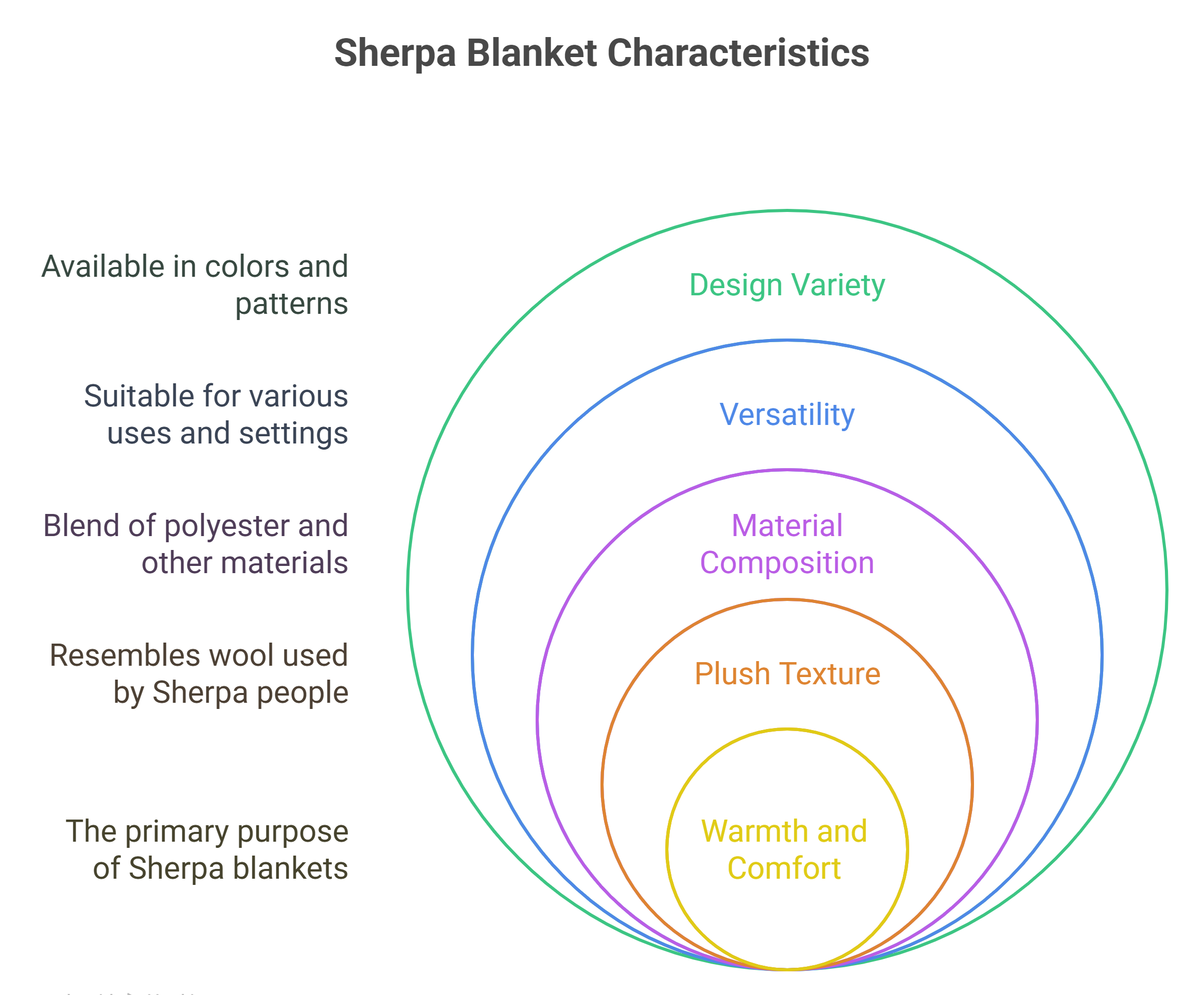
Wondering what is Sherpa fleece and why it’s such a popular fabric for comfort products? Sherpa fleece is a soft, warm, and lightweight synthetic material designed to mimic the cozy texture of sheep’s wool. It’s often used in jackets, throws, and especially blankets because it combines plush comfort with durability.

Businesses that buy fleece blankets wholesale or stock fleece blankets bulk love Sherpa fleece for its premium feel, affordability, and low-maintenance care—making it ideal for homes, hotels, promotional gifts, and seasonal product lines.

Now let’s dive deeper.

The Cozy Revolution Behind Sherpa Fleece

In the world of cozy textiles, Sherpa fleece has earned a top spot for both comfort and practicality. The name “Sherpa” comes from the Sherpa people of Nepal, known for their warm clothing suited for cold mountain climates. While true Sherpa wool is natural and traditional, Sherpa fleece—its modern counterpart—is fully synthetic yet engineered to deliver the same warmth and plushness without the weight or expense.

Today, Sherpa fleece is not only a fashion and home décor staple but also a business favorite for companies sourcing fleece blankets wholesale or in fleece blankets bulk quantities. Its ability to balance comfort, cost, and versatility makes it a top choice across industries.

1. What Exactly Is Sherpa Fleece?

Sherpa fleece is a man-made fabric, usually composed of polyester or a polyester-cotton blend, designed to look and feel like wool. The material features two distinct sides:

  • The outer side: Smooth, often made with a knit texture that provides durability and aesthetic appeal.
  • The inner side: Soft, fluffy, and wool-like—this is the Sherpa layer that delivers warmth and comfort.

This dual-sided structure gives Sherpa fleece its unique appeal. The smooth side ensures resilience and easy layering, while the inner side provides insulation and a luxurious touch.

Unlike natural wool, Sherpa fleece is lightweight, hypoallergenic, and dries quickly—making it a convenient alternative for both consumers and manufacturers.

2. The Origin and Naming of Sherpa Fleece

The term “Sherpa fleece” is inspired by the Sherpa people, native to the Himalayan region. These mountain dwellers are historically known for their heavy wool-lined garments that keep them warm at extreme altitudes.

While the modern fabric doesn’t use real wool, it mimics the look, feel, and insulation of traditional Sherpa wear. The goal was to replicate that same warmth but in a lightweight, machine-washable form that could be mass-produced.

As a result, textile innovators developed Sherpa fleece—a synthetic alternative that democratized comfort, allowing brands to create cozy products that anyone could afford.

3. How Is Sherpa Fleece Made?

Sherpa fleece production begins with synthetic yarns, primarily polyester. These fibers are:

  1. Knitted or woven into a base fabric.
  2. Brushed and napped to create the fluffy pile on one side.
  3. Heat-treated to lock in the softness and prevent shedding.

Some variations include blending polyester with cotton to improve breathability or adding recycled materials for sustainability. The brushing process is key—it gives Sherpa fleece its signature cloud-like texture.

The final result is a high-performance fabric that feels natural to the touch while being entirely machine-friendly and moisture-resistant.

4. Why Sherpa Fleece Feels So Soft?

The unparalleled softness of Sherpa fleece comes from the fine-gauge synthetic fibers used during manufacturing. These fibers are extremely thin—often thinner than human hair—and when brushed, they form micro air pockets.

These air pockets serve two main purposes:

  • Insulation: They trap body heat, keeping you warm without needing additional layers.
  • Softness: They create a plush surface that’s comforting against the skin.

That’s why Sherpa fleece is commonly used in blankets, hoodies, baby products, and winter wear—it’s soft enough for sensitive skin and cozy enough for cold weather.

5. Key Benefits of Sherpa Fleece

Sherpa fleece has gained massive popularity because it checks multiple boxes for comfort, practicality, and cost-effectiveness. Here are some standout advantages:

a. Warmth Without Weight

Unlike wool, Sherpa fleece is light and breathable, allowing wearers to stay warm without feeling bulky.

b. Moisture Resistance

Polyester fibers wick away moisture, ensuring you stay dry even in humid or damp conditions.

c. Easy Maintenance

Sherpa fleece is machine-washable and quick-drying—no special care needed.

d. Hypoallergenic

Unlike natural fibers that can irritate the skin, Sherpa fleece is non-irritating and ideal for those with sensitivities.

e. Affordable & Durable

For businesses, it’s cost-effective to produce and lasts longer than many natural fibers, making it perfect for fleece blankets wholesale and retail resale.

6. Sherpa Fleece vs. Regular Fleece: What’s the Difference?

Although both are synthetic and soft, Sherpa fleece has a few unique distinctions:

FeatureRegular FleeceSherpa Fleece
TextureSmooth, velvety surfaceFluffy, wool-like pile
WarmthModerateHigher insulation
LookUniform, sleekNatural, plush appearance
UseJackets, activewearBlankets, linings, winter clothing
CostSlightly lowerSlightly higher due to texture

In short, Sherpa fleece is designed for luxury comfort, while regular fleece is used for general-purpose warmth.

7. Practical Uses of Sherpa Fleece

Sherpa fleece’s versatility extends beyond personal comfort—it’s found in countless commercial and industrial applications.

a. Home Essentials

Blankets, throws, and cushion covers made of Sherpa fleece add warmth and style to living spaces.

b. Apparel

From hoodies to linings in winter jackets, Sherpa fleece is a go-to material for warmth without weight.

c. Pet Products

Many pet beds and accessories use Sherpa fleece for its softness and washability.

d. Hospitality Industry

Hotels, lodges, and resorts frequently buy fleece blankets bulk to provide guests with luxurious comfort at a low cost.

e. Promotional Merchandise

Brands often source fleece blankets wholesale to create personalized or branded giveaways, as they offer high perceived value and broad usability.

8. Caring for Sherpa Fleece Products

To keep Sherpa fleece looking and feeling like new, follow these simple care tips:

  1. Wash in cold water using a gentle cycle.
  2. Use mild detergent—avoid bleach or fabric softeners.
  3. Air dry or tumble dry on low heat to preserve softness.
  4. Brush lightly with a soft fabric brush to restore fluffiness after drying.

Following these steps ensures that Sherpa fleece products maintain their shape, color, and cloud-like texture for years.

9. Environmental Considerations and Sustainability

As demand grows, so does the focus on sustainability. Many modern manufacturers now produce eco-friendly Sherpa fleece using recycled polyester made from plastic bottles.

This innovation not only reduces waste but also appeals to environmentally conscious consumers. The result? Cozy, durable fleece products with a smaller ecological footprint.

If you’re sourcing fleece blankets wholesale, choosing suppliers that use recycled materials is a great way to combine business value with social responsibility.

10. Why Businesses Love Sherpa Fleece?

From a business perspective, Sherpa fleece offers a unique blend of market appeal and profitability. Whether you’re a retailer, hotel, or promotional brand, here’s why it’s a smart investment:

  • High perceived value – It feels premium without premium costs.
  • Versatility – Suitable for home goods, apparel, and branded merchandise.
  • Scalability – Easy to produce and customize for fleece blankets bulk orders.
  • All-season appeal – While best known for winter, Sherpa fleece products sell year-round.

It’s a product category that meets both consumer demand and business goals—a win-win scenario.

11. The Future of Sherpa Fleece

As textile innovation advances, Sherpa fleece continues to evolve. Manufacturers are developing ultra-soft microfleece hybrids, eco-conscious fibers, and temperature-regulating coatings that enhance the comfort and durability of the fabric.

The continued popularity of cozy home décor and wearable comfort means Sherpa fleece isn’t going anywhere soon. In fact, it’s becoming a mainstay in both luxury and budget markets alike.

Final Thoughts

So, what is Sherpa fleece? It’s more than just a fabric—it’s a revolution in comfort, combining the best qualities of natural wool and modern innovation. Its warmth, softness, and versatility make it a global favorite, from home blankets to retail products.

For businesses, investing in fleece blankets wholesale or fleece blankets bulk offers an unbeatable balance of affordability, quality, and customer satisfaction. Whether for home use, hospitality, or gifting, Sherpa fleece stands as a timeless symbol of comfort done right.

How Much Does It Cost to Make a Tie Blanket

30 Apr

The tie blanket becomes an enjoyable and very simple craft project for those wanting something warm, unique, and made from the heart, without requiring any sewing skills. One of the first questions most ask themselves is: What is the cost of making a tie blanket? Knowing the cost breakdown is essential, whether making it for yourself, giving gifts, or simply making it for sale, to budget right and create something nice without feeling burdened by the cost.

Fabric First: Your Main Investment

Thus, the overall fabric cost is the most substantial factor when it comes to establishing the price for making a tie blanket. Most of the tie blankets made are using fleece fabrics because of their soft, durable, and non-fraying fabric. Because of these characteristics, they are good for no-sewing projects. Two yards of the two different styles of fleece—the whole one for the front and the other for the back- is where the tie blanket would be the most efficient for a standard blanket (approximate measurement being around 50″ by 60″).

Prices can vary:

  • Budget fleece can start at $3–$5 per yard.
  • Premium fleece or designer prints may range from $10–$15 per yard.
  • That means you’re generally looking at $12–$30 in fabric costs alone.

Of course, buying in bulk or during sales can bring those numbers down dramatically something we’ll circle back to.

Size Matters (Especially in Your Budget)

Another key aspect in defining the cost of creating a tie blanket is the size. A baby blanket may only require 1 to 1.5 yards per side, while a queen-sized throw may need 2.5+ yards per side. Here goes a brief cheat sheet:

  • Baby/Toddler: $10–$20
  • Throw (Standard): $15–$30
  • Twin/Full Size: $25–$50+

As the blanket gets bigger, so do the material costs, and potentially, the time spent cutting and tying those fringe edges!

Simple or Styled: The Design Impact

Then let us talk creativity for a while. The simplest tie blanket is made through cutting two fleece layers and knotting them together-super easy, super comfortable right? But if you want to jazz up your blanket, even with all the end grains, ribbon embellishments, appliques, and so on might drive costs up.

Switching more into the touch of creativity, a basic tie blanket really made by cutting and knotting two layers of fleece is super simple and super cozy. However, if you want to go with a little flair and embellishments such as ribbon, appliqués, or even decorative edging can bump up your costs.

Join with me into the creativity discussion: A simple tie blanket is made by cutting and knotting together two fleece pieces-super simple, super cozy, isn’t it? But throw in some embellishments, rim, appliqués, or even decorative edging, and all that can really skyrocket your costs.

If you’re still wondering what the price of a tie blanket will be when design extras are included, figure on at least $5-$15 for add-ons, depending on your choices. You might also go for better tools like rotary cutters or fabric rulers, which are helpful for making multiple blankets.

Time is Money—Even if It’s Just Yours

If you’re crafting for fun, your time might be a labour of love. But if you’re making tie blankets to sell, don’t forget to factor in labour when calculating how much it costs to make a tie blanket. A simple blanket can take about an hour. More intricate ones? Double that.

So, if you’re setting a price or budgeting your efforts, add a value to your time whether it’s $10/hour or just the value of a quiet, productive evening on the couch.

Cost-Saving Tips You’ll Be Glad You Knew

For those of you making loads of tie blankets or planning to start your own little business, buying fleece in bulk can save all the expenses. Most of the crafter’s state that they cut their cost by half just buying through the wholesale suppliers instead of the retail yard-by-yard.

And this leads to the next logically important question-where to find high-quality fleece at an affordable price?

So, How Much Does It Cost to Make a Tie Blanket? The Bottom Line

Usually, a simple tie blanket costs between $10 and $40, depending on its size, fabric quality, and design. Luxurious however, with plush Minky or microfleece? Think higher-end. Want it to be cheap but still soft and comfortable? Standard fleece will do just fine. A tie blanket is easily adaptable. Whether you are doing one or one hundred, you can work around any budget-and still come up with something really nice and useful.
How Peach Fur Fleece Can Help with Your Tie Blanket Projects

Here at Peach Fur Fleece, we focus specifically on fleece blankets wholesale and quality microfleece materials perfect for tie blankets – soft, tough, and inexpensive. Whether you are an expert crafter or a beginner in his craft; we present you with the best options regarding buying fleece in bulk so that you do not have to compromise on quality but reduce your overall cost. Let us wrap your creativity in cozy blankets.
 What Material Is Sherpa?

30 Apr

If you’ve ever snuggled up in a blanket that felt like it was hugging your back, chances are, you’ve already experienced Sherpa. But what material is Sherpa? Is it made of actual sheep? Is there a secret cloud factory we don’t know about? Let’s unravel the fluff (literally) and get to the soft, fuzzy truth.

So… What Material Is Sherpa?

But Sherpa does not really mean some mystic Himalayan sheep, though it does have a mountain-chic name. When asked what is Sherpa, we’re really asking about an extremely soft, incredibly warm fabric usually made from synthetic fibres such as polyester or acrylic. Once in a while, for you wool lovers, some has wool, but 99% of the time it is man-made, baby.

Sherpa is brushed or sheared to create that signature soft pile, giving it a wool-like look without the itch or the price tag. The texture is what makes people swoon fuzzy on one side, smooth on the other, and ideal for anyone who treats “cozy” as a lifestyle.

A Name with Altitude

Ever wonder why it’s called “Sherpa”? Spoiler alert: it won’t really help you to climb Mount Everest (though it might help to get you out of bed on a cold day). The name is homage to the Sherpa people of Nepal, who are known to be able to stand up to and endure freezing temperatures with their strength-and-resilience kind of fabric. So, when you ask what material is Sherpa, know that its name carries both warmth and a little legacy.

How Sherpa Is Made (AKA, From Thread to Throne)

Let’s nerd out for a sec. To make Sherpa, manufacturers start with a woven or knitted base, often polyester. They then brush it out until it resembles a sheep that’s been through a spa day. The result is that thick, fluffy nap that gives Sherpa its warmth and texture. Sometimes, it’s bonded to another layer, like fleece or knit backing, to create even more insulation.

So yes, when you’re bundled up in it binge-watching your third episode of the night, you’re basically wearing a triumph of textile engineering.

Types of Sherpa: It’s Not All One-Fleece-Fits-All

As if choosing between pizza toppings wasn’t hard enough, now we have Sherpa types. There’s polyester Sherpa, which is durable and budget-friendly. Then there’s wool Sherpa, which is more eco and breathes better. You’ll find fleece Sherpa, which is a tag team of two cozy powerhouses Sherpa on one side, smooth fleece on the other. And don’t forget printed, bonded, and reversible Sherpa, because apparently, your blanket can now be more fashionable than you.

Still wondering what material is Sherpa in each of these? Same fuzzy concept different flavour of softness.

Sherpa vs. Everything Else

Once you get familiar with it, other fabrics start to feel… meh. Cotton? Too cool. Wool? Too itchy. Fleece? Great, but Sherpa is like fleece’s fluffier sibling who brings hot cocoa and good vibes.

If you’re still asking what material is Sherpa and why it wins the cuddle Olympics, the answer is: warmth, softness, durability, and that satisfying squish factor that makes winter slightly more bearable.

Is It High Maintenance?

Not really! Sherpa is low-key, just like your favourite hoodie. Wash it cold, tumble dry low, skip the fabric softeners (they flatten the fluff), and give it a brush now and then to bring it back to life. Basically, treat it like a houseplant with better odds of survival.

Why Everyone’s Obsessed (Including You, Probably)

From jackets and blankets to socks and pet beds, Sherpa is everywhere and for good reason. It’s like a hug in fabric form. Once you know what material is Sherpa, you’ll find yourself reaching for it whenever the temps drop or life feels a little too real.

We’ve Got the Soft Stuff in Bulk

At Peach Fur Fleece, we specialize in delivering that Sherpa-adjacent softness you love especially through our fleece blankets bulk. Our microfleece offers that cloud-like comfort with serious durability, making it perfect for retail brands, event merch, or cozy product lines. Need warmth with a wow factor? We’ve got the fluff to back you up.