- Why Sherpa Needs Gentle Care
- Before You Start Washing
- The Safest Method: Hand Washing Sherpa
- Machine Washing Sherpa (If allowed)
- Drying Sherpa the Right Way
- How to Restore Sherpa’s Fluffiness
- Long-Term Care Tips for Sherpa
- Final Thoughts
- About PeachFur Fleece
Sherpa fabric is simply the kind of material that makes you fall in love at first touch. It is warm, plush, cloud-soft, and utterly comforting. Sherpa-throw blankets on your couch or a warm sherpa-jacket you practically never take off during the cold months from mid-November till March, sherpa fabric feels genuinely luxurious.
Sherpa is soft as opposed to something that exhibits toughness. An inflow of materials can destroy the typical fluffy perfection of Sherpa faster than usual; in the blink of a second, it transforms into a look of being run over or raked through by a vacuum cleaner.
That’s why learning how to wash sherpa fabric correctly is essential. The good news? It’s not difficult—with the right approach, you can keep sherpa soft, clean, and cosy for years.
Why Sherpa Needs Gentle Care
It has the final feel of real fleece. This incredible fluffiness is a courtesy of the brushed woolly side, the one that is very soft. Otherwise, one side goes with a smooth knit to provide the fabric with structure.
But that fluffiness comes at a price. The brushed fibres can flatten, mat, or pill if the sherpa is washed incorrectly. Think of a sherpa like a pampered pet—soft, lovable, but absolutely not a fan of heat, harsh products, or rough handling.
If you treat it gently, the sherpa remains beautifully plush. Treat it roughly, and it will let you know.
Before You Start Washing
Taking a few preparation steps can make all the difference.
Give It a Shake
Start by shaking out your sherpa outside. You’ll be shocked at how much lint, dust, or mystery fluff falls out. (No judgment—sherpa attracts everything.)
Check the Care Label
Some Sherpa blankets and jackets may only require delicate hand washing, while others are washable in a home machine. Simply put, a washing label is no different from being a blueprint-just make sure that persistence in following instructions is a part of the plot, to keep your sherpa blanket forever.
Spot Clean Stains
If surface stains can be seen, use a mild bleach-free stain remover. Be delicate as if you are cleaning a luxury item—which you are.
Wash Sherpa Alone
Sherpa does not play well with items that have zippers, Velcro, hooks, buttons, or rough textures. Give Sherpa its own personal wash cycle. It deserves it.
The Safest Method: Hand Washing Sherpa
Hand washing is the most reliable way to protect the sherpa’s fluff.
To begin, fill up a basin or bath with cold water and then a small amount of mild detergent. After immersing in the water, massage the Sherpa gently, without rubbing, pushing, pressing, or wringing-no, Sherpas are not rugs.
Soaking needs a duration of 10–15 minutes, starting immediately after they are placed for washing. Cold-water rinsing can be continuous to ensure no soap remains at all, as soap residues become gummy and produce stiffness to the sherpa. Try to get as much water out of the fabric as possible by gently squeezing the excess, or gently rolling the fabric in a towel; be particularly careful not to stretch or deform sherpa fibres.
Machine Washing Sherpa (If allowed)
If your label says machine washing is safe, proceed—but gently.
Turn the sherpa fabric inside out and place it inside a mesh laundry bag. This protects the fluffy fibres from friction.
Use:
- Cold water
- A delicate or gentle cycle
- Mild detergent
- No bleach
- No fabric softener
Fabric softener may sound tempting, but it can coat the fibres and actually make the fabric feel less soft.
If possible, run an extra rinse cycle. Getting all the detergent out helps keep the sherpa smooth and cushy. And whatever you do—do NOT overload the machine. Sherpa needs space to float and move. When crowded, the fibres rub against other clothing and can mat down.
Drying Sherpa the Right Way
Drying is the step where things often go wrong. One moment of high heat, and your sherpa can come out looking like it had a rough day.
Best Method: Air Drying
Place your sherpa garment on a lying towel, and allow it to dry without outside intervention. Do not expose it to direct sunlight, radiators, or heaters. The major limitation for garment care is the product’s air-dry time, which furthers softness.
If You Must Use a Dryer
Use the lowest possible heat or the “air fluff” setting. Remove your sherpa as soon as it dries. Overheating can melt synthetic fibres or cause long-term texture damage.
How to Restore Sherpa’s Fluffiness
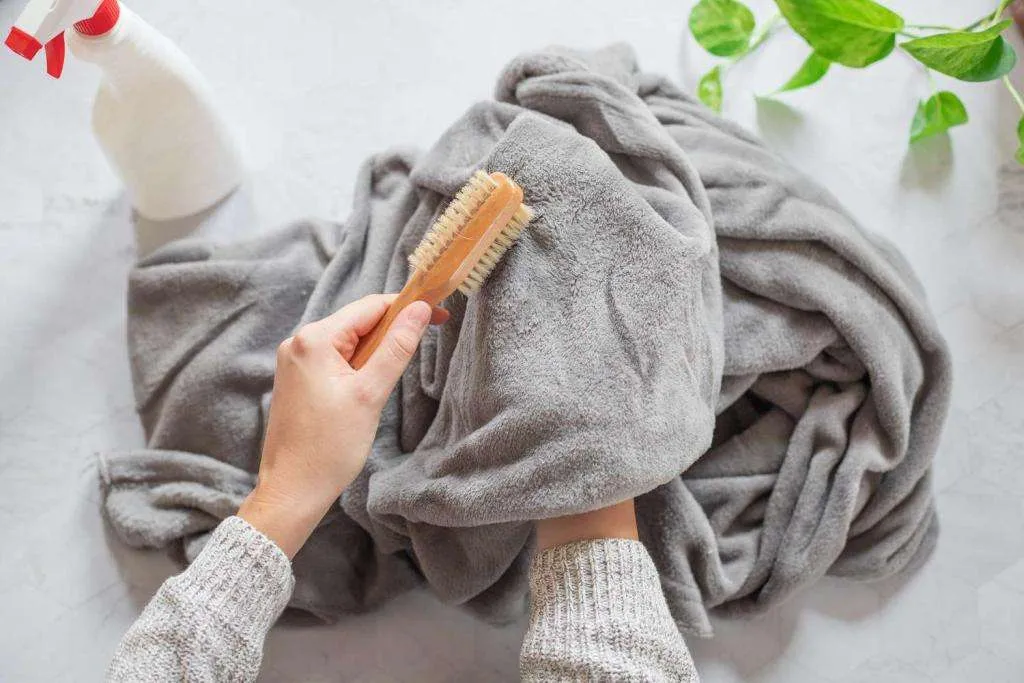
Sherpa fabric is sometimes hard-wearing, and therefore, it may lose some fluffiness after washing. It is good to know that re-fluffing it is easy. If necessary, once the fabric is fully dry, use a soft-bristle brush, a pet slicker brush, or your fingertips to lightly fluff the fabric.
Raise the pile and work with slightly more difficult matted areas while using small, circular motions, which promotes more looseness in fibres. This whole process, from fluffing out windows to fluffing out the piles, must be done with the minimum possible touch.
Long-Term Care Tips for Sherpa
To keep the Sherpa cosy long-term:
- Spot clean often instead of washing frequently.
- Store it loosely, never compressed under heavy items.
- Avoid heat in every form—washing, drying, or ironing.
- Brush lightly now and then to maintain softness.
- Shake and air out sherpa blankets occasionally to freshen them up.
Sherpa is not high maintenance—it just appreciates gentle, thoughtful care. Much like that favourite plant you never remember to water, but somehow still loves you.
Final Thoughts
In order to stay so soft and luxurious in a blanket, jacket, or home item, one must wash a sherpa fabric very gently. Sherpa requires only the mildest detergent, cold water, a little tenderness, and a very gentle dry.
Treat your sherpa right, and it will reward you with endless comfort and cosiness—no drama included.
About PeachFur Fleece
PeachFur Fleece is driven by the belief that comfort is the essence of quality. Over the course of two decades, we have been crafting the best quality fleece blankets in bulk, fleece jackets, and embroidered fleece products with custom designs. They are made from scratchy material, stone-coloured and bushy.
Our commitment to using higher-quality materials and well-crafted products results in fleece items that you proudly give away, and are not easy to throw away or dispose of.
 Peachfurblog | Wholesale & Bulk Blankets