Archive | April, 2025

What is Blizzard Fleece?

30 Apr

Quick Answer: What is Blizzard Fleece?

What is Blizzard Fleece? It’s a specially crafted, double-sided polyester fabric known for its incredible softness, warmth, and affordability. Unlike traditional fleece, Blizzard fleece is brushed on both sides, giving it a plush feel that makes it ideal for blankets, throws, pajamas, and winter wear.

It’s lightweight, easy to sew, and comes in a wide range of prints and colors, making it popular with crafters and manufacturers alike. In short, Blizzard fleece is the cozy fabric that blends comfort with versatility.

Now let’s dive deeper.

A Fabric That Redefines Cozy

The textile world is filled with fabrics designed for specific purposes—silk for elegance, denim for durability, and fleece for warmth. Yet, there’s one material that consistently stands out when cold weather arrives: Blizzard fleece. Its rise in popularity is no accident; it strikes the perfect balance between comfort, function, and affordability. For anyone who has wrapped themselves in a blanket made of this material, the question “What is Blizzard Fleece?” is quickly answered by its unmatched coziness.

The Origin and Development of Blizzard Fleece

Fleece fabrics became widely available in the 1970s and 1980s, thanks to technological advances in synthetic fibers. Over time, variations were introduced to meet different consumer needs. Blizzard fleece is one such innovation, a denser and softer version of standard fleece. Manufacturers designed it to mimic the warmth of wool while avoiding heaviness and itchiness. The result was a fabric that could be mass-produced at a lower cost, making it accessible to everyone, from big retailers to home crafters.

Characteristics of Blizzard Fleece

So, what makes Blizzard fleece stand out? Several key features define this fabric:

  • Double-Sided Softness: Both sides of the fabric are brushed for an ultra-plush texture.
  • Warmth and Insulation: Its dense fibers trap body heat, making it perfect for cold climates.
  • Lightweight Comfort: Unlike wool or heavy knits, it provides warmth without weighing you down.
  • No Fraying: Edges don’t unravel easily, which simplifies sewing projects.
  • Variety in Design: Available in countless colors and prints, from solids to seasonal patterns.

These qualities explain why Blizzard fleece dominates shelves during fall and winter months.

Everyday Uses of Blizzard Fleece

Blizzard fleece isn’t confined to a single use—it’s one of the most versatile fabrics available. Common applications include:

  1. Blankets and Throws: The most popular use, providing an affordable way to create cozy bedding.
  2. Apparel: Pajamas, loungewear, scarves, and hats often feature this fabric for its comfort.
  3. Craft Projects: DIY enthusiasts love it for no-sew blankets, pet beds, or holiday décor.
  4. Children’s Items: Its softness and safety make it ideal for baby blankets and plush toys.
  5. Seasonal Products: Retailers stock Blizzard fleece for winter-themed items, from holiday throws to festive clothing.

Its accessibility ensures that Blizzard fleece touches nearly every household during colder months.

Comparing Blizzard Fleece with Other Fleeces

Fleece comes in many forms—polar, micro, anti-pill, and Sherpa, to name a few. Where does Blizzard fleece fit?

  • Polar Fleece: Warmer but heavier, often used for outdoor jackets.
  • Micro Fleece: Lightweight, breathable, but not as insulating.
  • Sherpa Fleece: Mimics wool, fluffier but more expensive.
  • Blizzard Fleece: Balanced in softness, warmth, and affordability, making it the go-to for home use and crafts.

For those asking “What is Blizzard Fleece?” the answer lies in this balance—it’s designed to give everyday users comfort without complexity.

Why Consumers Love Blizzard Fleece?

Consumers consistently choose Blizzard fleece for several reasons:

  • Affordability: It delivers high quality at a fraction of the price of wool or Sherpa.
  • Easy Maintenance: Machine washable and quick-drying, perfect for busy households.
  • DIY Friendly: No special tools required to cut or finish edges.
  • Gift-Ready: Blizzard fleece blankets and garments make thoughtful, cozy gifts.

These traits make it one of the most customer-friendly fabrics available in the market.

Blizzard Fleece in the Wholesale Market

Blizzard fleece isn’t just a favorite for consumers—it’s equally attractive to wholesalers and retailers. Bulk orders of this fabric are common during winter seasons, especially for businesses producing custom blankets or holiday merchandise. Its popularity ensures a steady demand cycle, which is why fabric stores often dedicate entire sections to Blizzard fleece in autumn and winter.

Moreover, online platforms have amplified its availability, making it easier for crafters and small businesses to access the material.

Care Instructions for Blizzard Fleece

Maintaining Blizzard fleece is simple, but a few rules can extend its life:

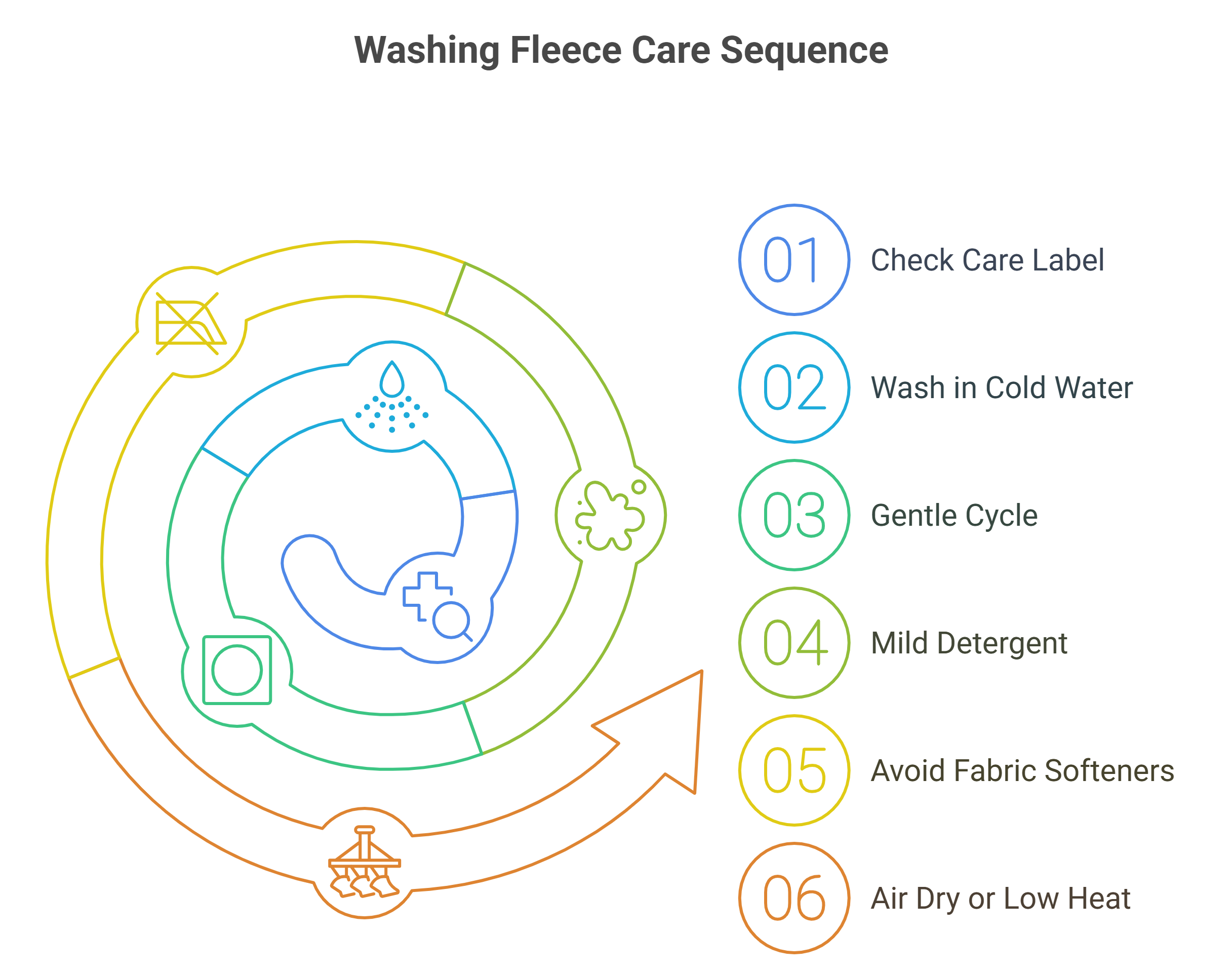
  • Wash Cold: Use cold water with mild detergent.
  • Avoid Heat: Tumble dry on low or air dry to prevent pilling.
  • Skip the Iron: Heat can damage synthetic fibers.
  • No Bleach: Harsh chemicals break down the fabric’s integrity.

By following these guidelines, Blizzard fleece items can retain their softness and vibrancy for years.

Environmental Considerations

As a polyester-based fabric, Blizzard fleece raises sustainability concerns. However, many manufacturers are shifting toward recycled polyester production, reducing the environmental impact. Eco-conscious buyers now look for “recycled Blizzard fleece” as an option, aligning comfort with responsibility.

This transition not only helps the environment but also enhances the fabric’s appeal in today’s increasingly eco-aware market.

The Role of Blizzard Fleece in Modern Living

Blizzard fleece isn’t just a fabric—it’s part of how we define comfort in modern homes. From keeping children warm to adding layers of coziness to living rooms, it fills practical and emotional roles. In a fast-paced world, curling up with a Blizzard fleece blanket provides a small yet meaningful retreat.

Final Thoughts

What is Blizzard Fleece? It’s the fabric that brings warmth, style, and practicality together in one affordable package. Its double-sided softness, durability, and versatility have made it a household staple across the globe. Whether you’re a retailer stocking shelves, a crafter starting a new project, or simply someone looking for warmth on a cold evening, Blizzard fleece offers a solution that feels luxurious without straining the budget.

From blankets to apparel, its role in our daily lives will only continue to grow—proof that sometimes the simplest fabrics can provide the greatest comfort.

Where You Can Donate Blankets?

30 Apr

Quick Answer: Where You Can Donate Blankets?

Where You Can Donate Blankets? The answer is simple—blankets can be donated to homeless shelters, community outreach centers, churches, disaster relief organizations, and local charities.

These places rely heavily on donations to keep vulnerable individuals safe and warm, especially during colder months.

Now let’s dive deeper.

The Impact of a Simple Blanket

Blankets may seem like ordinary household items, but for someone living without shelter, they are a lifeline. They provide warmth, security, and comfort in the face of harsh weather and uncertain living conditions. Many organizations across the United States and worldwide actively seek blanket donations to support their missions. This raises a key question many people have: Where You Can Donate Blankets?

This blog explores the most impactful places to donate blankets, why your contribution matters, and how to ensure your donation reaches those who need it most.

Why Blanket Donations Are So Important?

Blankets do more than keep people warm. For the homeless, displaced families, or disaster victims, a blanket can represent:

  • Warmth: Protection from cold temperatures, which can be life-threatening.
  • Comfort: A small piece of home in an unstable environment.
  • Dignity: A clean, warm blanket helps individuals feel valued and cared for.
  • Health Benefits: Proper insulation reduces the risk of illness in vulnerable populations.

The need for blankets spikes during winter, but donations are appreciated year-round, especially by shelters and disaster relief agencies.

Local Homeless Shelters

Homeless shelters are one of the first places to consider when deciding Where You Can Donate Blankets? These facilities serve hundreds of individuals every night, often stretching limited resources. Blankets in good condition are always welcomed and distributed immediately.

  • Why donate here? Direct impact—you know your blankets are going straight to people who need them that night.
  • Tip: Call ahead to confirm what type of blankets they accept. Some shelters may require new blankets due to hygiene standards.

Churches and Faith-Based Organizations

Many churches run outreach programs or collaborate with local charities to distribute essential items. Blankets often top their list of needs, especially during seasonal donation drives.

  • Why donate here? Churches are deeply rooted in communities, ensuring donations reach local families quickly.
  • Tip: Participate during organized drives—churches often coordinate with food pantries and clothing collections, amplifying the effect of your donation.

Community Outreach Centers

Community centers play a pivotal role in supporting low-income families. They often accept blanket donations to help children, seniors, and individuals facing financial hardship.

  • Why donate here? They address a broad range of needs, from youth programs to senior services, ensuring your donation helps all age groups.
  • Tip: Ask if they need seasonal-specific blankets, such as lighter throws in summer or heavier blankets in winter.

Disaster Relief Organizations

Organizations like the Red Cross, Salvation Army, and regional relief networks frequently request blankets after natural disasters such as hurricanes, floods, or wildfires. Victims who have lost everything need immediate comfort.

  • Why donate here? Your blanket becomes part of critical emergency response supplies.
  • Tip: Disaster relief agencies often prefer new blankets for sanitary reasons—check guidelines before donating.

Animal Shelters

Surprisingly, animal shelters are also excellent places to donate blankets. Dogs and cats in kennels benefit from the warmth and comfort of a soft blanket.

  • Why donate here? A blanket helps reduce animal stress, making shelter environments safer and more comfortable.
  • Tip: Animal shelters usually accept gently used blankets, even if they’re not suitable for human shelters.

Schools and Student Programs

In low-income districts, schools often partner with nonprofits to support students and their families. Blanket donations are sometimes included in winter clothing drives or holiday support programs.

  • Why donate here? Your contribution supports children and ensures they have warmth at home.
  • Tip: Contact school administration or parent-teacher associations to learn about ongoing drives.

Veterans’ Organizations

Many veterans face homelessness or financial hardship after their service. Organizations dedicated to veterans’ welfare often seek blanket donations to support transitional housing or outreach programs.

  • Why donate here? You’re directly supporting those who have served the country.
  • Tip: Look for veteran-focused nonprofits in your city to ensure your donation reaches this specific group.

Hospitals and Healthcare Facilities

Certain hospitals, especially those serving underfunded communities, accept blanket donations for patients in need. Nursing homes and hospices also appreciate them for elderly residents.

  • Why donate here? Blankets provide both physical warmth and emotional comfort to patients.
  • Tip: Most healthcare facilities require new blankets due to infection control protocols.

How to Prepare Blankets for Donation?

Before donating, make sure your blankets are:

  • Clean: Launder them before donation.
  • In Good Condition: Avoid donating anything torn, stained, or excessively worn.
  • Properly Packed: Fold blankets neatly in bags or boxes for easier distribution.

This small effort ensures your donation is usable and appreciated.

Middle Reminder of the Key Question

If you’re still asking yourself, Where You Can Donate Blankets?, remember that opportunities exist everywhere—from homeless shelters to animal shelters, from churches to disaster relief agencies. The key is choosing the right place based on the type of blankets you have and the causes you care about most.

National Organizations Accepting Blankets

  • Goodwill Industries: Known for reselling donations to fund community programs.
  • The Salvation Army: Provides direct aid to homeless and disaster-affected individuals.
  • Project Linus: Specializes in handmade blanket donations for children in need.
  • American Red Cross: Distributes blankets in disaster response situations.

These national organizations ensure your donation has a wide-reaching impact beyond your local community.

The Bigger Picture: Giving More Than Warmth

Donating blankets is not just about providing physical comfort—it’s about community building. When individuals step up to give, they create a ripple effect of kindness, inspiring others to do the same.

Every blanket you donate contributes to a network of compassion, bridging gaps between those who have resources and those who urgently need them.

Final Thoughts

So, Where You Can Donate Blankets? The truth is, opportunities are everywhere—from local shelters to global relief agencies. By donating, you are sharing more than fabric; you’re offering hope, warmth, and dignity to someone facing hardship. Your one act of kindness might make the cold night bearable for a family, comfort a patient, or ease the stress of a shelter pet. When you decide to part with a blanket, you’re wrapping someone else in care—and that is a gift that goes far beyond material value.

What Is Microfleece?

30 Apr

Quick Answer: What Is Microfleece?

What Is Microfleece? It’s a lightweight, synthetic fabric designed for warmth, breathability, and comfort. Unlike heavier wool or bulky fleece, microfleece uses finely woven polyester fibers that trap heat while allowing airflow, making it perfect for layering or wearing alone.

Its softness and quick-drying nature make it a favorite for jackets, blankets, and activewear.

Now let’s dive deeper.

The Fabric of Comfort

Modern textiles are designed not just to look appealing but also to adapt to human needs—lightweight, breathable, warm, and easy to care for. Microfleece has emerged as one of those fabrics that checks all the boxes. You’ve probably seen it in jackets, gym wear, pajamas, and even blankets. But you might still be asking: What Is Microfleece?

To answer that, let’s explore the origins, characteristics, uses, and why it has become such a staple in today’s clothing and lifestyle industry.

Origins of Microfleece

Microfleece was first introduced in the late 20th century as an innovation in the world of synthetic textiles. Traditional wool provided warmth but was heavy, scratchy, and hard to wash. Standard fleece was softer and more practical, but the development of microfleece took things a step further by creating a fabric that was thinner, softer, and even more versatile.

The term “micro” refers to the extremely fine fibers used, which are often less than one denier in thickness. This allows the material to feel luxurious against the skin while maintaining the warmth expected of fleece products.

Key Characteristics of Microfleece

What makes microfleece stand out from other fabrics? Here are the defining features:

  1. Lightweight Warmth: Despite its thinness, microfleece is excellent at insulating body heat.
  2. Softness: The ultra-fine fibers create a velvety, smooth texture that’s gentle on skin.
  3. Breathability: It wicks away moisture while allowing airflow, preventing overheating.
  4. Quick Drying: Its synthetic nature means it dries faster than cotton or wool.
  5. Low Maintenance: Machine washable and resistant to shrinking, it’s user-friendly.
  6. Durability: Resistant to pilling and wear, microfleece is designed to last.

Everyday Uses of Microfleece

You’ll find microfleece in an incredible variety of products, including:

  • Clothing: Jackets, pullovers, and activewear that require light insulation.
  • Accessories: Scarves, gloves, and hats for cold-weather comfort.
  • Loungewear: Pajamas and robes that feel soft yet breathable.
  • Home Textiles: Blankets and throws that combine warmth with lightness.
  • Outdoor Gear: Used in layering systems for hikers, skiers, and climbers.

Its balance of warmth and lightness makes it especially popular in transitional seasons like fall and spring, as well as for layering in winter.

Microfleece vs. Traditional Fleece

While both belong to the same fabric family, microfleece and traditional fleece have noticeable differences:

  • Thickness: Microfleece is much thinner, ideal for layering, while traditional fleece is bulkier.
  • Weight: Microfleece is lightweight, making it easy to wear or carry.
  • Warmth: Traditional fleece offers heavier insulation, whereas microfleece balances warmth and breathability.
  • Purpose: Microfleece is versatile and used across clothing and accessories, while thicker fleece is often reserved for outerwear or blankets.

This distinction explains why microfleece is found in athletic and casual wear, while traditional fleece often serves as outer layers.

Why Microfleece Is Popular?

Microfleece is loved by consumers for both practical and lifestyle reasons:

  • Comfort Factor: Its buttery-soft touch makes it highly wearable.
  • Versatility: Suitable for both outdoor activities and indoor relaxation.
  • Easy Care: Busy lifestyles demand fabrics that are simple to wash and maintain.
  • Stylish Functionality: Available in countless colors and patterns, it blends fashion with practicality.

These qualities explain why brands across fashion, fitness, and home décor markets have adopted microfleece as a staple material.

The Science Behind Microfleece’s Warmth

The warmth of microfleece lies in its structure. The ultra-fine fibers trap tiny air pockets close to the skin, which act as insulators. At the same time, the porous weave lets moisture escape, reducing sweat buildup.

This balance makes microfleece ideal for athletes and outdoor enthusiasts who need to stay warm without feeling clammy during activity. It’s a clear example of how textile science has revolutionized comfort.

Caring for Microfleece

Maintaining microfleece is simple, but following a few steps can extend its lifespan:

  • Wash in Cold Water: Prevents fabric weakening and maintains softness.
  • Use Mild Detergent: Harsh chemicals can reduce durability.
  • Air-Dry When Possible: Tumble drying on low is safe but air drying prevents static.
  • Avoid Fabric Softener: It can coat fibers and reduce breathability.

With proper care, microfleece items can last years without losing their softness or shape.

Microfleece and Sustainability

As with many synthetic fabrics, microfleece has faced scrutiny over its environmental impact, particularly concerning microplastics. However, many manufacturers are now producing recycled microfleece using repurposed plastic bottles or eco-friendly processes.

This evolution highlights the industry’s attempt to balance comfort with responsibility, making microfleece a more sustainable choice for conscious consumers.

Microfleece in Wholesale and Retail

In the retail world, microfleece is an easy sell. It’s affordable, stylish, and meets consumer demand for multipurpose comfort. Wholesale buyers often include microfleece in their product lines because it complements seasonal and year-round collections.

Businesses appreciate its universal appeal, while customers love its cozy feel. This dual advantage makes microfleece one of the most successful textile innovations of the last few decades.

Final Thoughts

So, What Is Microfleece? It’s a lightweight, versatile, and ultra-soft fabric designed to provide warmth and breathability without bulk. From outdoor gear to cozy home throws, it adapts seamlessly to different lifestyles. With proper care, it remains durable, stylish, and practical for years.

In today’s textile world, microfleece represents the perfect blend of comfort, functionality, and evolving sustainability. Whether you’re a consumer looking for your next cozy layer or a retailer stocking up on essentials, microfleece continues to prove its place as a fabric of the future.

How Much Fleece for a Tie Blanket?

23 Apr

Quick Answer: How Much Fleece for a Tie Blanket?

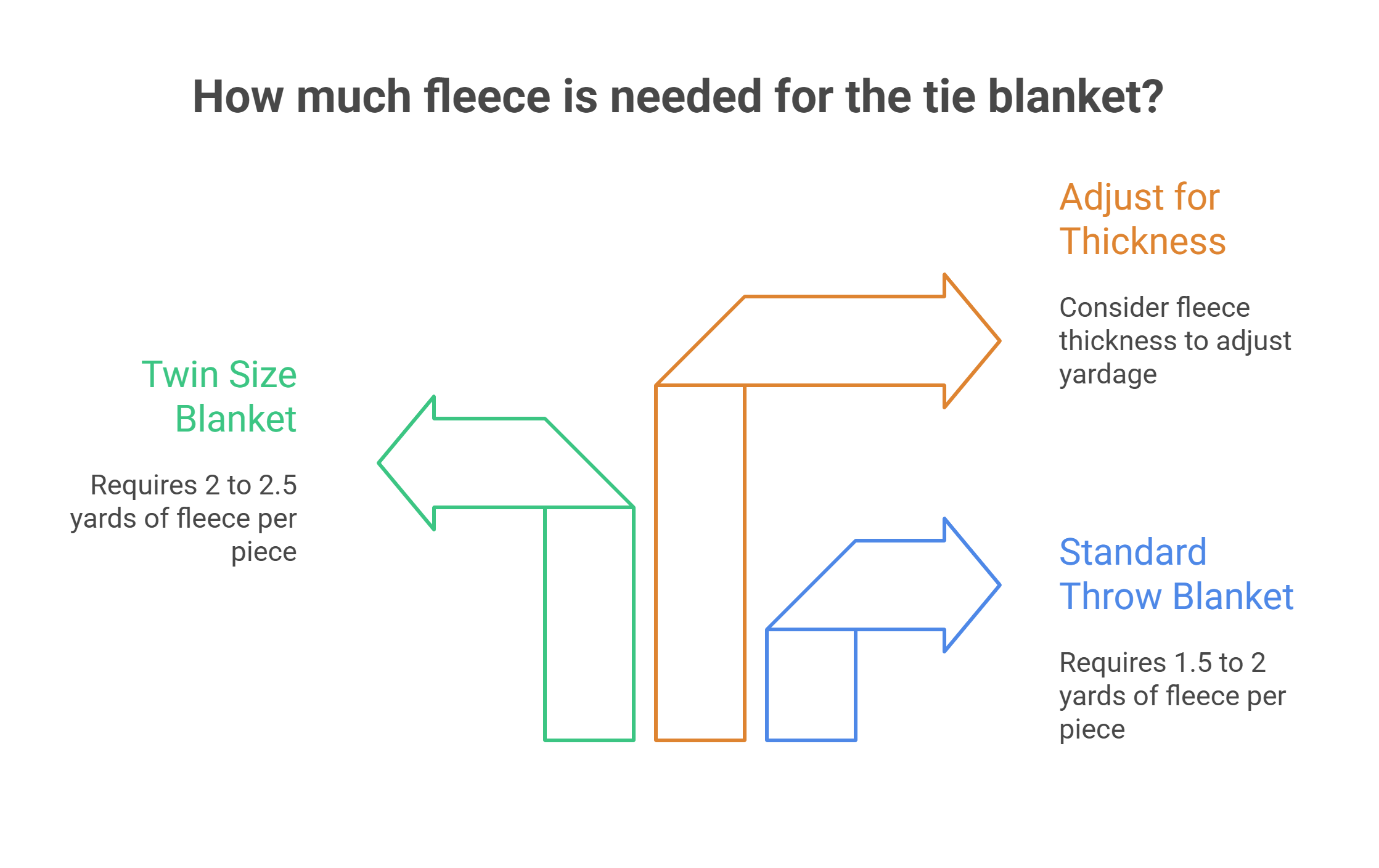
How Much Fleece for a Tie Blanket? The simple answer depends on the blanket size you want. For a standard throw (about 50 x 60 inches), you’ll need 2 yards of fleece for the front and 2 yards for the back—totaling 4 yards.

For a twin, plan for 2.5–3 yards per side, while larger sizes like queen or king may need 3–4 yards per side. Always buy a little extra to allow for trimming, tying, and perfecting those cozy edges.

Now let’s dive deeper.

The Popularity of Fleece Tie Blankets

Fleece tie blankets have become a favorite DIY project because they’re simple, fun, and practical. Unlike traditional quilting or sewing, there’s no stitching involved—just cutting, tying, and enjoying. They’re beginner-friendly, making them an ideal craft for kids, families, or anyone looking for a weekend project. Plus, the result is a cozy, custom-made blanket that can serve as a gift, home accessory, or personal comfort item.

But before starting, most people ask: How Much Fleece for a Tie Blanket? The answer varies depending on the size, use, and style of the blanket you’re planning to make.

Understanding the Basics of a Tie Blanket

A tie blanket is essentially two layers of fleece fabric tied together along the edges. This creates a plush, double-layered blanket that traps warmth and feels incredibly soft.

Key features include:

  • No sewing required: All you need are scissors (or a rotary cutter), fleece, and some time.
  • Customizable size: You can make anything from baby blankets to oversized family throws.
  • Creative options: Patterns, solids, and color combinations are endless with fleece fabric.

Since fleece doesn’t fray, it’s perfect for crafting without hemming or sewing. This durability makes it one of the easiest fabrics for DIY blankets.

Fabric Options: Why Fleece Works Best?

Before diving into measurements, it’s worth noting why fleece is the go-to choice:

  • Soft and Cozy: Perfect for warmth and comfort.
  • Affordable: Compared to other fabrics, fleece is budget-friendly.
  • Easy to Work With: No special tools or sewing skills required.
  • Variety: Available in hundreds of patterns and colors.

When choosing fleece, you’ll often find two main types:

  1. Anti-Pill Fleece: Maintains its smooth finish after washing.
  2. Blizzard Fleece: A bit thicker, offering extra warmth.

Both work well for tie blankets, though many crafters prefer anti-pill for long-term use.

Standard Fleece Measurements

Fleece fabric is typically sold in yards, with widths ranging between 54 to 60 inches. This is wide enough for most blanket projects without needing to join pieces.

Here’s a quick guide:

  • 1 yard: Good for small projects like scarves or baby loveys.
  • 2 yards: Enough for a throw blanket.
  • 3+ yards: Works for twin, queen, or king-size blankets.

Now, let’s answer the big question directly: How Much Fleece for a Tie Blanket?

How Much Fleece for Different Blanket Sizes?

To determine fabric needs, remember you’ll need two equal pieces of fleece—one for the front and one for the back.

  • Baby Blanket (30 x 40 inches): 1 yard each of two fabrics.
  • Child’s Blanket (40 x 50 inches): 1.5 yards each of two fabrics.
  • Throw Blanket (50 x 60 inches): 2 yards each of two fabrics.
  • Twin Blanket (66 x 90 inches): 2.5–3 yards each of two fabrics.
  • Full/Queen Blanket (90 x 90 inches): 3–3.5 yards each of two fabrics.
  • King Blanket (108 x 90 inches): 3.5–4 yards each of two fabrics.

These measurements allow room for trimming the edges and tying the knots without shrinking the blanket too much.

Accounting for Fringe and Knotting

One detail often overlooked is the fabric used for knotting. Each edge of the blanket requires you to cut strips about 5–7 inches long. This reduces the final size slightly, so always buy a little extra fabric to accommodate.

For example, if you want a finished throw size of 50 x 60 inches, you’ll start with fabric measuring closer to 56 x 66 inches, which is why 2 yards is ideal.

Tips for Buying the Right Amount of Fleece

  1. Round Up Instead of Down: It’s better to have extra fleece for pillows or accessories than not enough for your blanket.
  2. Check Fabric Width: Some fleece may run narrower than 60 inches, so measure before buying.
  3. Mix and Match: Use one patterned fleece and one solid color for contrast.
  4. Consider Sales: Craft stores often offer deep discounts on fleece, making bulk projects affordable.

By planning carefully, you avoid mid-project surprises and ensure a perfect tie blanket.

Step-by-Step: Making a Tie Blanket

  1. Lay Out Both Fabrics: Place fleece pieces back-to-back, lining up edges.
  2. Trim Edges: Remove selvage (factory edges) to even out the fabric.
  3. Cut Squares in Corners: Usually 5 x 5 inches, to create clean corners.
  4. Cut Strips Along Edges: Make strips 1–2 inches wide and 5–7 inches deep.
  5. Tie the Strips: Double-knot each pair of strips, securing both layers together.

The process is straightforward, and even beginners can complete a throw blanket in just a few hours.

Popular Uses of Tie Blankets

Tie blankets are more than cozy couch companions. They make excellent:

  • Baby Shower Gifts – Personalized with nursery colors or prints.
  • Charity Donations – Hospitals, shelters, and nonprofits welcome them.
  • Holiday Presents – Affordable yet thoughtful gifts for friends and family.
  • Decor Pieces – A stylish throw to complement your living room.

Their versatility makes them a project worth mastering.

Midway Recap

By now, you may already see why so many crafters ask: How Much Fleece for a Tie Blanket? The size you want determines the yardage, with most adult blankets needing 2–3 yards per side. Always remember that knotting reduces the final measurements, so buying a bit extra helps maintain your desired dimensions.

Cost Considerations

Fleece tie blankets are affordable compared to store-bought alternatives. Depending on sales and quality, fleece typically costs $5–10 per yard. That means a standard throw might cost under $40 to make—a fraction of what you’d pay for a designer blanket. Plus, the handmade element adds sentimental value that money can’t buy.

Caring for a Fleece Tie Blanket

One of the best parts about fleece is how easy it is to maintain.

  • Machine Washable: Use cold water and mild detergent.
  • Low Heat Drying: Tumble-dry low or air dry to preserve softness.
  • No Ironing Needed: Fleece doesn’t wrinkle easily.

With proper care, your tie blanket can last for years, retaining its color and softness.

Final Thoughts

So, how much fleece for a tie blanket? For most projects, plan on 2 yards per side for a throw, scaling up to 3 or more yards for larger bed sizes. The process is simple, affordable, and rewarding—whether you’re making one for yourself or gifting it to someone special.

By understanding measurements and planning ahead, you ensure your blanket turns out perfectly cozy. Next time you’re at the fabric store, remember this rule of thumb: more fabric is better than less. After all, nothing should come between you and your warmth on a chilly evening.

How Much Fleece for a Queen Size Tie Blanket?

23 Apr

Quick Answer: How Much Fleece for a Queen Size Tie Blanket?

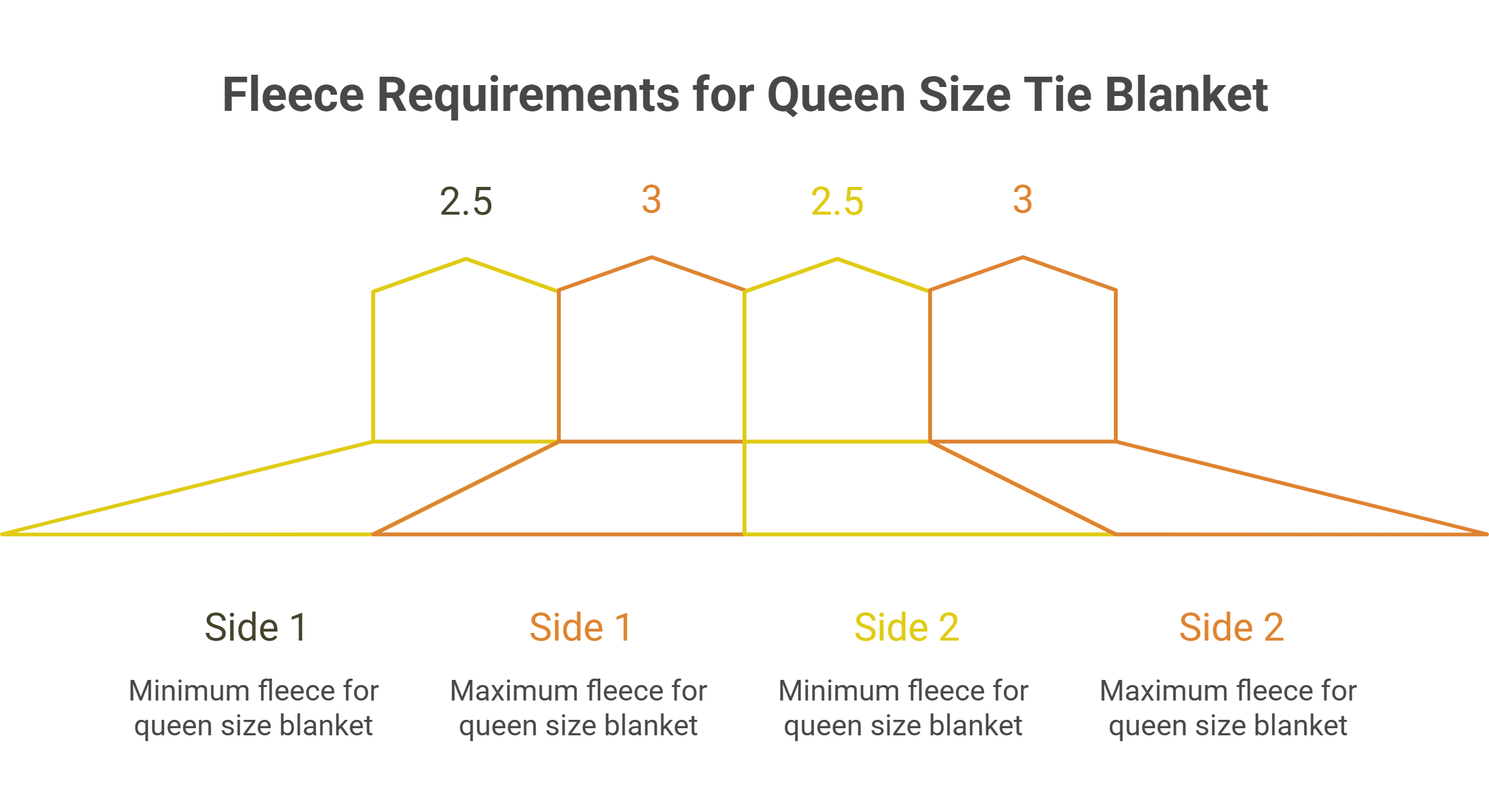
How Much Fleece for a Queen Size Tie Blanket? The standard recommendation is about 4 yards of fleece for each side, meaning you’ll need 8 yards total if you want a double-layer tie blanket.

Since queen size dimensions are roughly 90 inches by 90 inches, this yardage ensures enough coverage plus extra for the fringe ties.

Now let’s dive deeper.

The Comfort of Fleece Tie Blankets

Few DIY projects combine practicality, warmth, and creativity as well as a tie blanket. Unlike traditional quilting or sewing projects, tie blankets require no sewing machine or advanced skills—just fleece fabric, scissors, and a little patience. Among the many sizes you can make, the queen size tie blanket has become a favorite for its versatility. Large enough to cover a bed or provide extra warmth on the couch, it’s both functional and gift-worthy.

But one key question arises for every DIYer: How Much Fleece for a Queen Size Tie Blanket? Let’s break down the dimensions, fabric types, and tips to ensure your project is a success.

Understanding Blanket Sizes

Before buying fleece, it’s essential to understand standard bed sizes:

  • Twin: Around 66 × 90 inches
  • Full/Double: Around 80 × 90 inches
  • Queen: Around 90 × 90 inches
  • King: Around 108 × 90 inches

The queen size stands out as the “middle ground” option—spacious enough for couples or individuals who want extra coverage without overwhelming the space like a king-size blanket might. This makes queen-sized tie blankets a perfect project for families and crafters.

Fleece Fabric: Why It Works for Tie Blankets?

Fleece is the fabric of choice for tie blankets for several reasons:

  • Softness and Warmth: Fleece is cozy, lightweight, and insulating.
  • No-Fray Edges: Unlike woven fabrics, fleece edges don’t unravel, making it ideal for cutting and tying.
  • Variety of Colors and Prints: Available in endless designs, fleece allows you to get creative.
  • Durability: It maintains its softness wash after wash.

All of these qualities make fleece not only practical but also beginner-friendly. When you ask yourself “How Much Fleece for a Queen Size Tie Blanket?” you’re already halfway to creating a project that’s both stylish and functional.

Calculating Fabric Requirements

To make a queen size tie blanket, you need to consider both the blanket’s size and the extra material required for the ties.

  • Finished Size Goal: About 90 × 90 inches.
  • Fringe Allowance: Typically 4–6 inches per side for tying.
  • Fabric Needed: About 4 yards per side of fleece, totaling 8 yards for a double-layer blanket.

If you’re working with wider fleece bolts (usually 58–60 inches wide), the yardage ensures enough coverage both in length and width. For those who want a looser, more decorative fringe, consider adding an extra half yard.

Step-by-Step Guide to Making a Queen Size Tie Blanket

  1. Select Fabric: Choose two complementary or contrasting fleece fabrics. Many people pick one solid and one patterned side.
  2. Measure and Cut: Lay the fabrics on top of each other. Cut both to the same size—roughly 90 × 90 inches plus extra for fringe.
  3. Trim Edges: Even out any uneven edges with sharp scissors.
  4. Cut Corners: Remove 4–6 inch squares from each corner to prepare for the fringe.
  5. Make Fringe Cuts: Cut strips 4–6 inches deep and about 1–1.5 inches wide along all sides.
  6. Tie Knots: Tie each pair of strips (top and bottom layers) into double knots. Continue around the blanket.

By the end, you’ll have a sturdy, reversible blanket with a decorative knotted edge.

Budgeting for Fabric

Fleece prices vary widely depending on quality, print, and brand. Standard fleece ranges from $4 to $12 per yard, while premium prints may cost more. For an 8-yard project, you can expect to spend anywhere from $40 to $80.

If you’re budget-conscious, look for sales at fabric stores or consider buying fleece in bulk. Seasonal sales around winter holidays often make fleece more affordable, especially for large projects like queen-sized blankets.

Customizing Your Queen Size Tie Blanket

While the standard size is 90 × 90 inches, customization makes your project unique:

  • Extra Long: Add an additional yard for taller individuals who want more length.
  • Thicker Warmth: Use heavyweight fleece for added insulation.
  • Decorative Fringe: Alternate knot styles or braid strips for a creative edge.
  • Personal Touch: Embroider initials or add fabric paint designs before tying.

A tie blanket doesn’t just serve a purpose—it becomes a statement piece.

Common Mistakes to Avoid

Even a simple project like this has pitfalls. Watch out for these:

  • Not Buying Enough Fabric: Running short on fleece can ruin the finished dimensions.
  • Uneven Cutting: Unequal strips make tying harder and affect appearance.
  • Tying Too Tight or Too Loose: Knots should be snug but not overly tight, which could warp the blanket’s shape.
  • Ignoring Fabric Grain: While fleece doesn’t fray, aligning fabric properly ensures symmetry.

By planning carefully, you can avoid frustration and create a professional-looking result.

Why Choose a Tie Blanket Over Traditional Blankets?

Tie blankets stand apart from store-bought blankets because they’re:

  • Handmade: Adds sentimental value as a gift.
  • Customizable: Pick colors and patterns to suit your taste.
  • Durable: Double layers mean added warmth and long-lasting comfort.
  • Fun to Make: A great group activity for families, classrooms, or community projects.

When you craft your own blanket, the result isn’t just functional—it’s personal.

Midpoint Recap

At this stage, let’s revisit the main question: How Much Fleece for a Queen Size Tie Blanket? The answer remains clear: about 4 yards per side, totaling 8 yards for a double-layer blanket. This ensures full coverage, extra fabric for knots, and a professional finish. With this knowledge, you can confidently shop for materials and begin your project.

Caring for Your Sherpa Tie Blanket

Once complete, maintaining your fleece tie blanket is easy:

  • Washing: Use cold water and mild detergent to preserve softness.
  • Drying: Tumble dry low or air-dry to prevent pilling.
  • Storage: Fold neatly and store in a dry place. Avoid vacuum sealing as it may flatten the fleece texture.

These simple steps keep your handmade project in top condition for years.

Final Thoughts

So, How Much Fleece for a Queen Size Tie Blanket? The golden rule is 8 yards—4 yards for each side of the blanket. This allows room for ties, fringe, and trimming without compromising coverage. Tie blankets are more than fabric projects; they are cozy, personalized creations that bring warmth into homes and hearts. Whether you’re crafting one for yourself or as a heartfelt gift, knowing the right fleece requirements is the first step to success.