Archive | July, 2025

What Is Sherpa Made From? The Cozy Fabric That’s Warmer Than You Think

31 Jul

The arrival of winter is welcomed by anything else but a soft and warm wrap. It is Sherpa that often comes to the rescue. Sherpa can be found lining your jackets, luxurious on throws or starring in the thick fleece blankets themselves. But have you ever considered the question — what is Sherpa made from?

Sherpa, despite its woolly texture, does not contain any wool. It is a synthetically created marvel meant to resemble the sheep’s fleece in appearance and feel, and this rise to popularity is far from random. So let us unravel the warm truth behind it: what it is, how it is made, and why it has become a favorite among fleece blanket wholesalers and winter fashion lines.

A Wooly Illusion: Sherpa’s Origins

Sherpa gets its name from the Sherpa of Nepal, world-renowned mountaineers and high-altitude life practitioners. The fabric is named for and inspired by their wool-lined garments. But since the fabric is derived from a synthetic compound-based recipe, it is not really wool. It can be polyester, acrylic, or a mixture of the two, and thus it is not the real sheepskin or wool.

Sherpa fleece is said to be somewhat structurally similar to real lambswool, with its thick, curly-pile texture on one side (the side that feels good against your skin), and a smoother knit on the other side. The very lightweight nature of the fabric also keeps it insulating, allowing warmth to gush out of it albeit without concerns regarding an animal raw-material weight.

How Is Sherpa Fabric Made?

Sherpa development carpets are born of synthetic fibers, usually polyester, woven or knitted into a fabric base. Brushing the surface fibers creates that familiar fluffiness-having been loosened and raised.

The basic breakdown goes something like this:

– The base fabric is knitted or woven (usually polyester).

– The fabric is brushed on one side to lift and curl the fibers, creating a woolly texture.

– Sometimes shearing can follow, which evens out the fleece and softens the surface.

The brushing process is the magical thing that takes a flat polyester base and makes it so snuggly and cuddly. No sheep have suffered injuries in making your throw, but it surely feels as if you were being wrapped by one!

Sherpa vs. Fleece: Not the Same Thing

Sherpa gets confused with regular fleece most of the times, especially considering that both may be blended together. Fleece, being another polyester fabric, usually has a smooth and flat surface, warm and light enough to be made into hoodies and base layers. Sherpa is shaggy high high-rib pile that traps air, bringing greater insulation.

Consider fleece your trusty warmth layer, while Sherpa is a kind of luxurious layer ready to be hugged. The market for wholesale fleece blankets now features many dual-sided designs, with fleece used on one side for durability and Sherpa on the other for maximum comfort.

Why Sherpa Is So Popular

There is a reason the Sherpa is invading the blanket section, the outerwear shelves, and even the baby product aisle: perfect balancing act for:

•Warmth: Heat gets trapped by the clumping texture in cold climates.

•Lightness: Sherpa is that rare thing: it is airy and does not weigh it down with leathery hold as wool does.

•Cost-effectiveness: Being synthetic, it is also widely available at cheaper prices than real wool.

•Ethics: Being vegan and cruelty-free, Sherpa stands out for the conscious consumer.

•Care: Wash it in your machine and dry it in under an hour or two; in no time at all, it will be soft again with repeated washings.

Thus, those retailers want to stock their shelves with some winter comfort items offered by fleece blanket wholesale suppliers with Sherpa lining. And the combination is always between Lux and Economics, the combination that sells in every home, hotel, and gift shop.

Common Products Made with Sherpa

When it comes to the different uses of Sherpa fabric, the possibilities are nearly endless.

•             Aerobic jackets and coats (lining or trim)

•             Baby blankets or stroller liners

•             Slippers and robes

•             Furniture throws

•             Pet beds and accessories

Because Sherpa bears warmth-almost luxuriating in the glories of comfort-its applications target the essence of really being comfortable. To be able to give their customers more for less, businesses in hospitality and retail buy fleece blankets in bulk lined with Sherpa.

Caring for Sherpa Fabric

Sherpa is synthetic, yet it still appreciates a little TLC to maintain that fluffy softness so very dear. Here are a few tips:

•             Machine wash cold on delicate.

•             Do not use fabric softener as it leaves residue on synthetic fibers.

• Air drying is preferable; you may also tumble dry on low to keep fabric loft.

•             Do not use a high-temperature setting as this could flatten or melt the fibers.

Treat your Sherpa blanket like you would a favorite sweater: with patience and care, and it will serve you for many years of cozy companionship.

Wrapping it Up

So, what exactly is Sherpa? Sherpa is synthetic fleece that is mostly made from polyester and is specially engineered to resemble lamb’s wool in weight, cost, and animal involvement. However, it is the answer of the 21st century to the time-honored needs of warmth and comfort: a profane technically sound fabric.

Whether for yourself or some wholesale fleece blankets for your business, Sherpa very well might make a convincing argument. Comfort needn’t be expensive. And sometimes, a blanket is a better hug than a human.

What Is Fleece Material?

31 Jul

Quick Answer: What Is Fleece Material?

What is fleece material? Fleece is a soft, warm, and lightweight synthetic fabric, often made from polyester, that mimics the feel of wool without the heaviness. Known for its comfort and insulating properties, it’s widely used in clothing, outerwear, and cozy home essentials like throws and fleece blankets bulk.

Fleece resists moisture, dries quickly, and stays breathable, making it a popular choice for both fashion and function. If you’ve ever wrapped yourself in soft, plush warmth, chances are it was fleece.

Now let’s dive deeper.

Why Fleece Matters?

We live in a world where comfort meets practicality, and few fabrics embody that marriage better than fleece. From chilly winter mornings when you don’t want to crawl out from under the covers, to evening hikes where you need an extra layer, fleece proves its worth time and again. But have you ever stopped to ask yourself: what exactly is fleece material?

This blog will dive deep into fleece’s origins, properties, uses, and why it remains such a staple in our wardrobes and homes. Along the way, we’ll also explore its sustainability aspects, variations, and why so many people prefer fleece for both personal use and wholesale buys like fleece blankets bulk.

The Origins of Fleece

Fleece didn’t come from sheep—at least not the kind we’re talking about here. Unlike wool, which is shorn from sheep, fleece fabric was invented in the late 20th century as a man-made alternative. The material most commonly used is polyester, derived from petroleum-based products.

Polartec, one of the early innovators, developed synthetic fleece to mimic wool’s insulating properties but with added advantages: it’s lighter, dries faster, and is less itchy. This revolutionary invention reshaped the textile and outdoor clothing industries, creating an affordable, durable, and vegan-friendly alternative to wool.

Characteristics That Make Fleece Special

1. Softness and Comfort

Fleece’s brushed fibers create a plush texture, giving it a luxurious, cloud-like feel. Whether in jackets or blankets, fleece is synonymous with coziness.

2. Insulating Warmth

Despite its light weight, fleece traps body heat effectively. Its lofted fibers create air pockets that insulate, keeping you warm in cold conditions.

3. Moisture Resistance

Fleece wicks moisture away from the skin, making it perfect for sportswear and outdoor gear. Unlike cotton, it won’t stay soggy after a drizzle.

4. Durability

With proper care, fleece holds its shape and softness for years. Its fibers resist pilling, shrinking, and stretching when maintained properly.

5. Easy Care

Machine washable, quick drying, and wrinkle-resistant—fleece is low-maintenance, which is why it’s a household favorite.

Types of Fleece

Not all fleece is created equal. Different types cater to different needs:

  • Microfleece: Thin and lightweight, ideal for layering or sportswear.
  • Polar Fleece: Thicker and warmer, often used in jackets and blankets.
  • Sherpa Fleece: Textured like sheep’s wool, offering extra warmth and a stylish look.
  • Anti-pill Fleece: Treated to resist those pesky fabric balls after frequent washes.
  • Recycled Fleece: Made from plastic bottles or other recycled polyester, a sustainable option for eco-conscious buyers.

Everyday Uses of Fleece

  • Clothing: Fleece jackets, hoodies, and pullovers are cold-weather staples. Athletes love fleece for its breathability and moisture-wicking properties.
  • Accessories: Hats, scarves, gloves, and slippers crafted from fleece provide warmth without bulk.
  • Home Essentials: Blankets, throws, and bedding highlight fleece’s cozy side. Families often choose fleece blankets bulk orders for cost-effectiveness, whether for large households, events, or donations.
  • Outdoor Gear: From camping sleeping bags to lining in boots, fleece is essential for adventurers.

Why Fleece Is Perfect for Blankets?

Fleece blankets are an international favorite for good reason:

  • Warmth without weight: You get snuggly comfort without feeling suffocated.
  • Affordability: Fleece is budget-friendly, especially when bought in bulk.
  • Variety: Available in countless colors, patterns, and thickness levels.
  • Durability: Unlike some natural fibers, fleece blankets last through repeated washes.

It’s no wonder charities, hotels, and schools often purchase fleece blankets bulk to distribute comfort at scale.

Sustainability and Concerns

While fleece is beloved for its practical qualities, it does have environmental considerations. Being a petroleum-based product, polyester production requires energy and resources. Furthermore, washing fleece can release microplastics into water systems.

However, manufacturers are working on solutions:

  • Recycled polyester: Converts plastic bottles into fleece fibers.
  • Innovative treatments: Reduce shedding of microplastics.
  • Eco-conscious buying: Opting for durable fleece that lasts longer reduces waste.

As consumers, choosing recycled fleece or supporting brands that promote sustainability helps minimize environmental impact.

How Fleece Compares to Other Materials?

  • Fleece vs. Wool: Fleece is lighter, less itchy, and dries faster. Wool, however, is naturally renewable.
  • Fleece vs. Cotton: Cotton breathes well but absorbs moisture. Fleece repels water, making it better for wet or cold conditions.
  • Fleece vs. Down: Down is warmer but heavier and requires more care. Fleece is machine-washable and cruelty-free.

Caring for Fleece

To keep fleece soft and functional, follow these tips:

  1. Wash in cold water to prevent fiber damage.
  2. Avoid fabric softeners—they coat fibers and reduce moisture-wicking ability.
  3. Air-dry when possible; heat from dryers can degrade fibers.
  4. Use a garment bag to reduce microfiber shedding.

With proper care, fleece remains a trusted companion season after season.

The Cultural Impact of Fleece

Fleece isn’t just fabric—it’s a lifestyle. Outdoor enthusiasts swear by it for layering, fashion lovers embrace it for streetwear, and families cherish it for its affordability. When you think of cozy evenings, hot cocoa, and Netflix marathons, chances are fleece blankets and hoodies play a starring role.

Conclusion

So, what is fleece material? It’s more than just a fabric—it’s warmth without weight, comfort without complication, and affordability without compromise. Its versatility stretches from outdoor adventures to cozy nights at home, making it a universal favorite. Whether you’re bundling up in a hoodie or distributing warmth through fleece blankets bulk, fleece delivers on its promise of softness and practicality.

If comfort, durability, and style are what you’re after, fleece is a fabric that checks every box.
How Much Fabric Do I Need to Make a Tie Blanket?

31 Jul

Quick Answer: How Much Fabric Do I Need to Make a Tie Blanket?

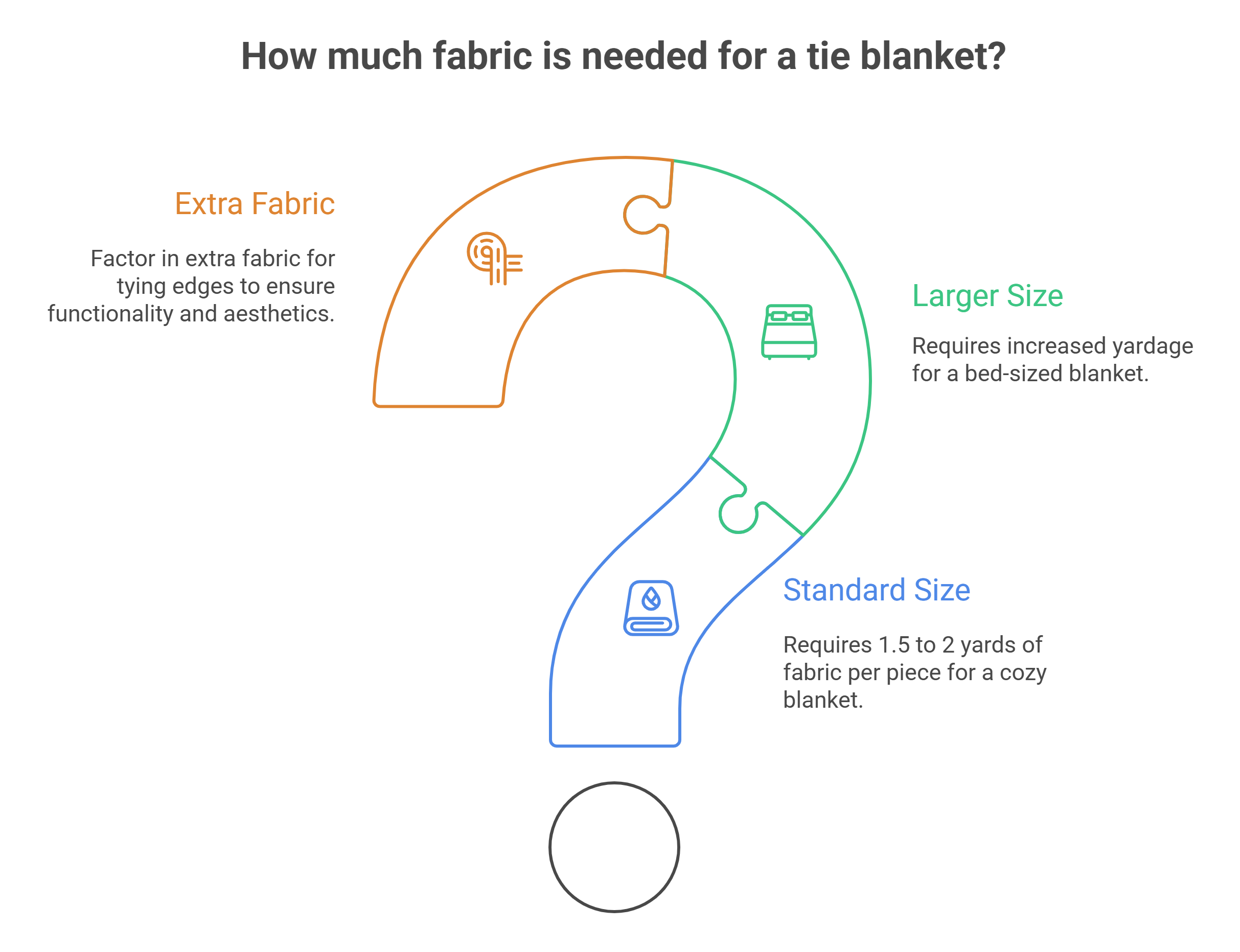
If you’re wondering how much fabric do I need to make a tie blanket, the simple answer is: you’ll need two equal pieces of fleece fabric, each measuring about 2 yards (72 inches) for a standard adult blanket, 1.5 yards for a teen or throw, and 1 yard for a child’s blanket.

For crafting multiple blankets or saving on cost, consider buying fleece blankets wholesale or fleece blankets bulk, as these options provide consistent quality, large quantities, and better pricing per yard—perfect for family projects, classrooms, or gift-making.

Now let’s dive deeper.

Why Tie Blankets Are So Popular?

Tie blankets have become a beloved DIY project across all age groups. They’re cozy, customizable, and don’t require sewing—a simple craft that transforms plain fleece into something warm, beautiful, and meaningful. Whether you’re crafting for family, charity, or your home décor, the first question always remains: how much fabric do I need to make a tie blanket?

The answer depends on factors like the blanket’s size, fabric type, and desired design. And for anyone making several blankets—perhaps for a fundraiser, classroom, or small business—purchasing fleece blankets wholesale or fleece blankets bulk is a cost-efficient solution that guarantees uniform material quality and reduces waste.

1. Understanding What a Tie Blanket Is

A tie blanket is made from two layers of fleece fabric—typically anti-pill or plush fleece—cut into identical rectangles. Instead of stitching the edges, the crafter cuts fringe-like strips around the perimeter and ties both layers together.

The result is a soft, no-sew blanket with a fun, knotted border that feels handmade and personal. Because fleece doesn’t fray, there’s no need for hemming, making it an excellent choice for beginners and kids.

Buying fleece blankets wholesale or fleece blankets bulk ensures you get matching patterns and colors for all your blanket sets—especially useful if you’re making them for an organization or event.

2. Determining How Much Fabric You Need

So, how much fabric do I need to make a tie blanket? It depends on who you’re making it for. Here’s a standard guide:

Blanket SizeDimensions (Approx.)Fabric Needed (Per Layer)Total Fleece Needed
Baby36” x 36”1 yard2 yards total
Child48” x 60”1.5 yards3 yards total
Teen/Throw60” x 72”2 yards4 yards total
Adult72” x 90”2.5 yards5 yards total
Queen/King90” x 108”3 yards6 yards total

Always remember that you need two pieces of fleece—one for the top and one for the bottom. You can choose matching colors, coordinating solids and prints, or even school/team themes.

If you plan on making multiple blankets, ordering fleece blankets wholesale or in fleece blankets bulk quantities ensures consistency in size, color, and softness—plus, it significantly reduces the per-blanket cost.

3. Choosing the Right Type of Fleece

When selecting fleece for tie blankets, you’ll typically find two main options:

  • Blizzard Fleece: Softer and thicker, ideal for warmth and durability.
  • Anti-Pill Fleece: Resistant to pilling and looks newer for longer, great for gifts and long-term use.

If you’re sourcing material for large-scale projects, fleece blankets wholesale suppliers often offer both types in various patterns—solids, plaids, animal prints, and seasonal designs. You can even mix and match patterns (e.g., one solid and one printed) to create layered visual appeal.

Buying fleece blankets bulk also ensures you get consistent fabric weight and feel across all blankets, a critical factor if you’re making them for resale or brand gifting.

4. Cutting and Preparing the Fabric

Once you have your fleece, follow these steps to prepare it for your tie blanket project:

  1. Lay both pieces together: Place the two fleece layers on a large flat surface, wrong sides facing each other.
  2. Trim the edges: Ensure both layers are the same size. Trim any factory edges or uneven lines.
  3. Cut the corners: Cut out 5-inch squares from each corner. This helps the blanket lie flat once tied.
  4. Create the fringe: Around the edges, cut 5-inch-long strips about 1 inch wide. These will be the ties.

If you’re producing multiple blankets, pre-cutting fabric from fleece blankets bulk rolls can save hours of prep time and keep uniform dimensions across your products.

5. Tying the Knots

Once your strips are cut, start tying!

  • Tie each pair of top and bottom strips together using a double knot.
  • Work around the edges until the entire blanket is complete.
  • Shake it out to remove loose fleece fibers and flatten the knots.

This simple process makes tie blankets one of the most beginner-friendly DIY crafts. For schools, teams, or nonprofits making them in batches, using fleece blankets wholesale allows everyone to work with pre-matched materials, speeding up group crafting events.

6. Cost-Effective Options: Wholesale and Bulk Fleece

One of the smartest ways to save on fabric costs is by purchasing fleece blankets wholesale or fleece blankets bulk from trusted suppliers. Let’s explore why:

a. Lower Price per Yard

Buying wholesale means you pay significantly less than retail prices, making it ideal for large projects or organizations.

b. Consistent Quality

Wholesale lots are often cut from the same production batch, ensuring consistent thickness, softness, and color.

c. Easier Sourcing

Suppliers offering fleece blankets bulk usually stock a wide range of colors and patterns, allowing you to mix and match easily.

d. Ideal for Customization

If you run a small business selling tie blankets, ordering fleece blankets wholesale enables you to maintain uniform product standards and even brand your creations with tags or packaging.

e. Perfect for Events and Donations

Many schools, community groups, and charities purchase fleece blankets bulk for donation drives, craft nights, or holiday gifts—combining affordability with meaningful craftsmanship.

7. Tips for Perfecting Your Tie Blanket

To make your tie blanket both beautiful and durable, keep these tips in mind:

  • Choose coordinating fabrics: Pair a print with a solid for contrast.
  • Avoid stretching the fleece: It can distort your cuts.
  • Double-check alignment: Misaligned layers lead to uneven fringes.
  • Use fabric scissors or a rotary cutter: It saves time and ensures clean edges.
  • Prewash not required: Fleece doesn’t shrink, so you can cut and tie right away.

For bulk crafting projects, especially when using fleece blankets bulk, setting up a cutting station and an assembly line (cutters, tiers, quality checkers) improves efficiency and ensures all blankets have a professional finish.

8. Design Inspiration and Seasonal Ideas

If you’re using fleece blankets wholesale options, you’ll likely find seasonal and thematic patterns perfect for:

  • Winter Holidays: Snowflakes, reindeer, or plaid patterns.
  • Sports Teams: Local team colors for fan blankets.
  • Charity Drives: Cheerful prints or solid colors for hospitals and shelters.
  • Children’s Designs: Cartoon characters, dinosaurs, or animals.

When you buy fleece blankets bulk, you can mix patterns for every occasion—making it easy to produce a variety of designs without overspending.

9. How Much Does It Cost to Make a Tie Blanket?

The total cost depends on fabric quality and where you source it. On average:

  • Retail: $20–$35 per blanket (2–4 yards of fleece).
  • Wholesale/Bulk: $10–$15 per blanket when ordering fleece blankets wholesale.

When you buy fleece blankets bulk, your price per unit drops dramatically, allowing for affordable gifting, fundraising, or small-scale resale.

10. Why Fleece Is the Perfect Material?

Fleece remains the top choice for tie blankets because of its:

  • Softness & Warmth: Perfect for cozy nights.
  • Durability: Withstands repeated washing without losing shape.
  • Non-Fraying Texture: Ideal for no-sew crafts.
  • Vibrant Colors & Patterns: Available in hundreds of designs when buying fleece blankets wholesale.

It’s no wonder that schools, families, and crafters keep using fleece blankets bulk to create these timeless, comforting pieces.

Final Thoughts

So, how much fabric do I need to make a tie blanket? The answer may vary depending on size, but typically, two matching fleece pieces—1 to 3 yards each—will do the job. And when you’re making more than one blanket, buying fleece blankets wholesale or fleece blankets bulk is the smartest way to save money while ensuring top quality.

Whether you’re crafting for warmth, love, or a good cause, tie blankets bring comfort and creativity together—and the right fabric source makes it even better. So grab your scissors, your fleece, and a little imagination—the perfect tie blanket awaits!

Where to Buy Hoodie Fabric: A Guide for Crafty Creators and DIY Dreamers

31 Jul

The whole custom hoodie little detail makes a difference in everything-from fashion houses to school teams to just-for-bags cozy sewing-whoever has whatever type of fabric wants. Not just any fabric. It needs to feel soft, warm, and tough, yet friendly on the wallet: this starts the quality showroom for hoodie fabric.

Now where to buy hoodie fabric? Answering this depends on understanding oneself first, then realizing what would work best for the materials, then finding clever ways of sourcing-project-buying in large yards. Interestingly, many smart artisans and tiny clothing companies find that bulk purchasing fleece blankets is a cheap and creative shortcut. Now, let us see why.

What Makes a Good Hoodie Fabric?

Before delving into where to buy, let’s familiarize ourselves with what we are going to buy. Hoodies are primarily about comfort, warmth, and durability. These reasons make one of these categorize as the best hoodie materials:

•Cotton fleece: Natural fiber, breathes, and soft to the touch.

•Polyester fleece: Cheaper to produce, retains heat, and dries very quickly.

•French terry: Offer light-to-medium weights, good for spring and fall hoodies.

•Sweatshirt knit: Has a polished outer side while the backside is looped, mostly frequently used in that classic hoodie.

Depending on weather, fit, and style you want, each fabric renders different benefits. But fleece is the fabric that is cherished the most ever since for making hoodies.

Why Consider Fleece Blankets in Bulk?

Now, this may sound unusual but fleece blankets, particularly in bulk, are a hidden treasure for DIY apparel. Here’s why:

1.Price Friendly: Fleece blankets can indeed sometimes be cheaper in bulk than normal fleece from a fabric store.

2.Dream Varieties: A single large fleece blanket will almost have enough fabric for a whole hoodie, sometimes even more.

3.Pre-Washed and Finished: The blankets are considered ready-to-use material. They’re already washed and finished, so from cutting to sewing, it’ll be easy.

4.Unique Prints: Bulk packs of fleece blankets come in all sorts of colors and patterns-artistic ones if you want a custom look.

If it’s custom hoodies for a brand or school group, it isn’t just a fun hack-the buy of fleece blankets in bulk might just be the way to go.

Where to Buy Hoodie Fabric (and Fleece Blankets in Bulk)

So, for the real deal: where does one actually buy hoodie fabrics, including fleece blankets?

1. Wholesale Fabric Suppliers

There are numerous online wholesalers that sell sweatshirt fleece and cotton and polyester fleece by the yard. These vendors usually cater to small clothing manufacturers and hobbyists.

•Pros: High-quality stock material and consistent supply.

•Cons: May require high minimum orders; price usually varies with type.

Popular ones are Fabric Wholesale Direct, Mood Fabrics, and Fashion Fabrics Club.

2. Online Marketplaces

eBay, Amazon, and Etsy may not be your classic fabric marts, but these are brimming with fleece blankets and fabric bundle offers—often from sellers looking to clear inventory or offer surplus goods.

Search for terms such as “fleece throw bulk lot” or “microfleece blanket bundle.” Big value can often be found here.

•Pro Tip: Read reviews before making your purchase as a way of assuring quality and seller reliability.

3. Big-Box Craft Stores

Joann Fabrics, Michaels, and Hobby Lobby occasionally run sales on fleece and sweatshirt materials. If you’re just starting out or only need a few hoodies’ worth of material, this can be a convenient way to shop locally.

  • Pros: Easy returns, tactile experience, frequent coupons.
  • Cons: Limited in bulk discounts.

4. Textile Trade Fair or Market

If you intend to forge a lasting relation with fabric suppliers or simply want to see and feel the material, then trade fairs or local textile markets may be the best opportunities researched for. Vendors specializing in fleece products may be found here or vendors may be offering bulk fleece blankets as a shortcut in manufacturing.

Things to Ponder Over When Buying Fleece and Blanket for Hoodies

Whether buying fleece by the roll or sourcing blankets in a more creative way, keep these in mind:

– GSM (Grams per Square Meter): The heavier the fleece, the warmer and more upscale it feels.

– Stretch & Recovery: If comfort and flexibility” are desired in a hoodie, fleece with spandex or a bit of stretch should be the target.

– Shrinkage Rate: Pre-washed blankets will save you from any come-as-a-surprise moments after sewing.

– Colorfastness: Easiest and cheapest fleece would probably bleed when washed. Look for fabric care notes.

If you are ever unsure about the quality of the material, never fail to place an order for a sample or a test piece. After all, fabric that pills, shrinks, or stretches out of shape just after the first wash is the last kind you want to deal with.

The Extra Tip: Thriving on Repurposing Creatively and Sustainably

Today, we have to admit, it’s all about sustainability. Anytime you are involved with launching a hoodie line or just trying to decrease your fabric wastage, buying fabric through

becomes an economics-oriented idea that really goes into your brand story.

Imagine selling your hoodies as upcycled comfortwear from leftover blankets. That sort of story connects well with environmentally conscious shoppers and sets you apart in the market.

Fabric searching is the very first step towards making a hoodie that people actually want to live in. Whether you are buying fabric rolls from a wholesaler or getting creative by sourcing fleece blanket bulk, it all comes down to comfort, quality, and your personal touch.

At the next opportunity where someone may want to ask you, “Where did you get that hoodie?” you can flash a smile and reply, “Set from scratch. And from a blanket.”

How Big Is a 2 Yard Blanket? Everything You Need to Know

31 Jul

When it comes to buying throws, or custom-making cozies, many ask, “How big is a 2 yard blanket?” Whether you are a DIY crafter, a small-time business owner, or trying to get sizing down pat ahead of placing an order for wholesale fleece blankets, blanket measurements are just so important to get right. Let us now get into the whole world of measurements and fabrics and what makes a 2 yard fleece blanket a choice number one for warmth, comfort, and convenience.

Understanding Blanket Sizing: What Does 2 Yards Mean?

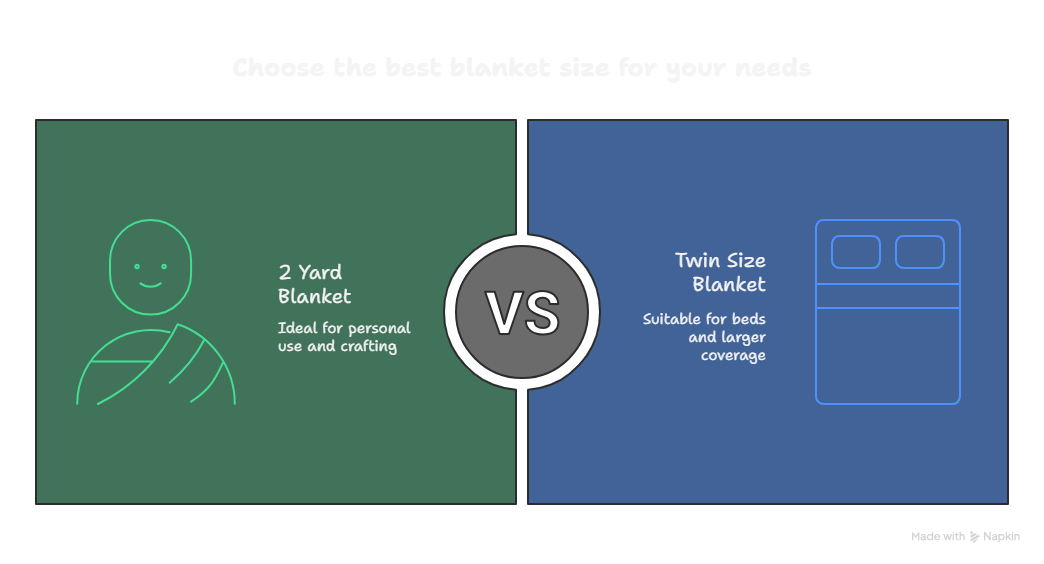
Let’s begin with some number talk. One yard is 36 inches in length. Consequently, any blanket of 2 yards is 72 inches long. Most fleece fabric rolls usually come in the standard widths from 58 to 60 inches. So a 2-yard fleece blanket will be about 72 inches or 6 feet long and about 58 to 60 inches or 5 feet wide.

In other words, just smaller than a twin-size blanket, a 2-yard blanket can cover one adult from shoulders to toes. This shall make it granny-perfect for lounging on the couch, a nap, or even for some travel. No wonder crafters and businesses love ordering fleece blankets wholesale in 2-yard lengths as that is the size most people can practically use.

Why Choose Fleece for Your Blanket?

Fleece being a very worthy textile for blankets because it is warm, soft, and cheap. Polyester-made, fleece blankets provide that comfy, velvety feel which would be the complete opposite of itchy for wool manufacturers. Fleece blankets are lightweight, quick-drying, and heat-retentive-all these traits combined drain the beauty out of interesting designs, and that makes them perfect for any sort of indoor comfort or outdoor activity.

Usually wholesale fleece blankets can be found in solid colors, patterns, or even customized for a company, event, or giveaway. Thanks to its durability, fleece does well after being washed a couple of times; it does not easily fray and resists shrinking, which makes it one of the best fabrics to make a couple of blankets for your DIY projects or resale.

What Can You Do With a 2 Yard Blanket?

There is plenty of room for plenty of use and creativity in that 2-yard blanket. It’s not just for curling up during cold nights; in fact, it is a good size to:

•No Sew DIY Blankets – Just get 2 yards of one printed fleece and 2 yards of plain fleece, cut fringe around all the edges, and tie them together. Ta-da! You have just created a double-layered warm throw.

•Baby Play Mats or Nap Blankets – Large enough for tummy time and use in day care.

•Lap Blankets for Seniors – Easy to carry around and just the right size to keep one’s legs warm without adding weight.

•Promotional Giveaways or Branding Merchandise- Firms buying fleece blankets wholesale with logos printed on them can use these as promotional merchandise that people put into use.

•Pet Blankets – Animal shelters or animal lovers make use of this size for bedding inside crates or pet beds.

The versatility of a 2 yard blanket makes it one of the most requested sizes when purchasing fleece blankets wholesale, especially for those who like to get crafty or offer thoughtful, cozy gifts.

Fleece Blankets Wholesale: A Smart Buy for Every Need

A bulk purchase of wholesale fleece blankets gives you the best value. From a company looking for inexpensive branded gifts to a school planning a craft fundraiser, buying wholesale fleece ensures one can buy more and accomplish more.

Most wholesalers have discounting schemes based on volume, so a purchase of 20 or more 2 yard fleece blankets really knocks down the cost per item. A standard size means not having to worry about awkward sizes or resizing of fabric-the stuff is ready for immediate use or crafting.

When selecting a wholesale fleece blanket supplier, keep an eye on:

•Fabric Weight (GSM or oz/yard): Higher weight fleece offers more warmth and therefore could be a tad priced above lighter fleece.

•Color and Pattern Variety: This might include seasonal prints, team colors, or just solid hues relevant to your branding.

•Customization Options: Some wholesalers may allow embroidery or screen printing to brand your blankets.

•Shipping and Minimum Order Quantities: Some vendors have low minimums, others cater strictly to bulk buyers.

Once a 2 yards blanket’s precise measurement is known, a buyer would go on to shop confidently, create purposefully, and distribute with ease—especially when buying big.

Real Life Use: The Blanket That Started It All

That day will always be etched in my memory for having made my very first no-sew fleece blanket. Searching for a gift at the last minute, I stumbled upon fleece on sale with a loud buffalo plaid print.

Two yards felt enough, so I picked up a solid color to match. Then, I followed an online tutorial and went at it. An hour later, I had a soft-looking blanket fresh out of the studio that year: warm, easy, and fabulous, really unlike any blanket anyone there had ever made. That big first half-incision was a defining moment in my willingness to look into wholesale fleece blankets, soon making throws as gifts for birthdays, baby showers, and just for my small fledgling business.

So, How Big Is a 2 Yard Blanket?

In a nutshell, a 2 yard blanket measures approximately 6 feet in length and 5 feet in width, apt for single-person use or crafting-gifting-promotional uses, striking the perfect balance between portability and coziness. Wholesale fleece blanket sellers see “economical with every square foot” in this area.

Whoever you may be- a maker, a seller, or a cuddler- blanket measurements will go a long way in shaping your experience. So, when next you ask yourself, “How big is a 2 yard blanket?”, think of all the good it can do without being a burden. Chill out smart!