Archive | August, 2025

What Is Flannel Fleece?

22 Aug what is flannel fleece

Quick Answer: What Is Flannel Fleece?

If you’re asking yourself what is flannel fleece, here’s the short version: it’s a plush, polyester-based fabric that blends the warmth of fleece with the velvety softness of flannel. Known for its lightweight feel, insulating qualities, and smooth surface, flannel fleece has become a staple for blankets, apparel, baby products, and even upholstery.

Why is it so popular? Because it’s durable, affordable, hypoallergenic, and easy to maintain. Whether you’re curling up on the couch with a throw or outfitting a hotel with fleece blanket wholesale options, flannel fleece delivers cozy comfort with long-lasting performance.

Now let’s dive deeper.


The Origins of Flannel and Fleece

To really understand flannel fleece, it helps to know where it came from.

  • Flannel: Originating in 17th-century Wales, flannel was traditionally woven from wool. Later, cotton flannel became the everyday version we know today — soft, brushed, and breathable. It’s long been associated with shirts, pajamas, and winter sheets.
  • Fleece: A much more modern fabric, fleece was invented in the late 20th century. Made from synthetic fibers (usually polyester), fleece is knit and brushed to create a thick, insulating pile that mimics wool but is lighter and easier to care for.
  • Flannel Fleece: This hybrid combines the best qualities of both. Polyester fibers are knitted and brushed to create a smooth, peach-skin surface like flannel, while still retaining the warmth and durability of fleece. The result is an adaptable fabric that looks refined but feels incredibly soft.
what is flannel fleece

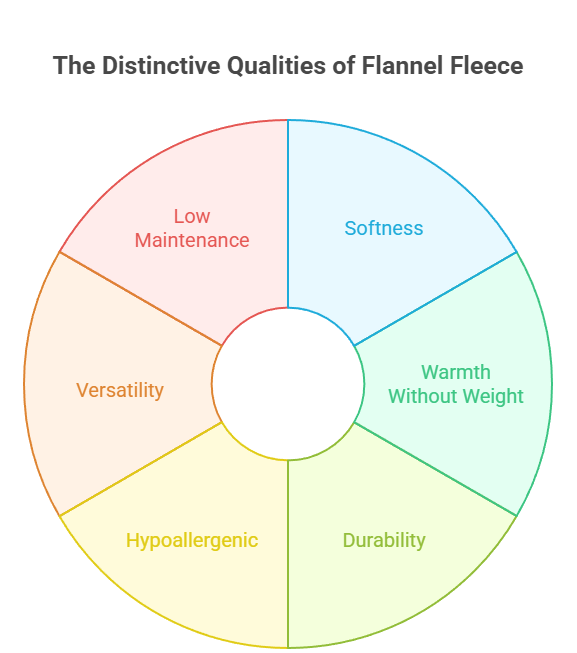
Characteristics of Flannel Fleece

What sets flannel fleece apart from other fabrics?

  • Softness: Its brushed surface gives it a velvety, peach-like feel.
  • Warmth Without Weight: Retains heat effectively without being bulky.
  • Durability: Resistant to shrinking, wrinkling, and pilling.
  • Hypoallergenic: Polyester fibers reduce dust mite buildup.
  • Versatility: Can be dyed, sublimated, or patterned into countless designs.
  • Low Maintenance: Machine washable, fast-drying, and wrinkle-resistant.

These qualities make it suitable for everything from luxury throws to promotional personalized blankets in bulk.


Everyday Uses of Flannel Fleece

Home Textiles

Flannel fleece shines in bedding and décor:

  • Blankets and duvet covers
  • Throws for couches or beds
  • Cushion covers and rugs

Apparel

Thanks to its warmth and softness, it’s often used in:

  • Pajamas and robes
  • Jackets, coats, and hats
  • Children’s costumes and sleepwear

Travel & Outdoor Use

Its lightweight yet insulating nature makes it perfect for:

  • Travel pillows and blankets
  • Picnic blankets
  • Camping gear

Corporate & Events

Businesses love it because it’s affordable and customizable:

  • Event giveaways
  • Hospitality bedding
  • Logo-embroidered blankets for branding

Flannel vs. Fleece vs. Flannel Fleece

FeatureFlannelFleeceFlannel Fleece
MaterialCotton/WoolPolyesterPolyester
FeelSoft, breathableThick, fluffyVelvety, plush
WarmthMediumHighMedium–High
BreathabilityHighLowModerate
Best UseShirts, sheetsJackets, blanketsMulti-purpose

So, to answer again: what is flannel fleece? It’s the in-between fabric that gives you flannel’s smooth comfort with fleece’s cozy warmth.


How to Care for Flannel Fleece

The good news? Flannel fleece is as low-maintenance as it gets.

Do’s:

  • Wash in cold or warm water, gentle cycle.
  • Use mild detergent.
  • Air dry or tumble dry on low.

Don’ts:

  • Avoid bleach (weakens fibers).
  • Skip ironing (heat can melt polyester).
  • Don’t use fabric softeners (they reduce fluffiness).

Tip: To keep static low, remove items from the dryer while slightly damp and let them air dry fully.


Sustainability and Longevity

While flannel fleece is synthetic, it has one big sustainability advantage: longevity. A single blanket can last years without losing softness. And unlike some natural fabrics, it resists moth damage, mildew, and fading.

Old flannel fleece blankets can also be repurposed — into cushion covers, pet beds, or DIY projects — extending their lifespan. So while polyester has an environmental footprint, its long-lasting nature means less frequent replacement, which reduces waste.


Why People Love Flannel Fleece

It’s not just about warmth. Here’s why the fabric is universally loved:

  • Works in both mild and cold climates.
  • Affordable compared to wool flannel.
  • Available in countless patterns and textures.
  • Soft enough for babies, durable enough for hotels.
  • Washes easily, dries quickly, and resists wear.

In short, it’s a fabric that fits seamlessly into daily life.


FAQs About Flannel Fleece

Is flannel fleece good for winter?
Yes — it’s insulating enough for cold nights but breathable enough not to overheat.

Does flannel fleece pill?
Quality flannel fleece resists pilling, especially when washed on a gentle cycle.

Is it safe for sensitive skin?
Yes. Its hypoallergenic fibers make it a good choice for children and those with sensitivities.

How does it compare in cost?
It’s generally more affordable than wool flannel, making it a budget-friendly luxury.


A Note from PeachFur Fleece

At PeachFur, we’ve been crafting cozy home essentials from flannel fleece for over a decade. From duvet covers to baby blankets, our designs bring together comfort, durability, and style. For businesses, designers, and organizations, we also offer fleece blanket wholesale and personalized blankets in bulk, making it easy to share warmth at scale.


Conclusion

So, what is flannel fleece? It’s more than just a fabric — it’s a blend of comfort, practicality, and style. From cozy blankets to stylish apparel, it’s the textile that adapts to every space and every season.

And when you’re ready to bring that comfort home — or to your business — PeachFur Fleece is here with designs that last, warmth you can count on, and styles you’ll love.

How Many Yards of Fabric to Make a Tie Blanket?

8 Aug

Quick Answer: How Many Yards of Fabric to Make a Tie Blanket?

If you’re wondering how many yards of fabric to make a tie blanket, the answer depends on the size you want to create. A standard adult-sized tie blanket typically requires 2 yards of fleece for both the front and back (a total of 4 yards).

For a child’s blanket, 1.5 yards each is often enough, while larger throws or queen-size versions may need up to 2.5 yards per side. Choosing soft, durable fleece ensures comfort, warmth, and a long-lasting finish.

Now let’s dive deeper.

Why Tie Blankets Are So Popular?

Tie blankets have become a favorite DIY project for crafters and families alike. Not only are they cozy and customizable, but they also don’t require any sewing skills, making them perfect for beginners. All you need is fabric, scissors, and a little bit of time. The beauty of these blankets lies in their simplicity—just knot the fabric edges together, and you have a finished product that’s warm, stylish, and personal.

But the biggest question most people have before starting is: how many yards of fabric to make a tie blanket? Let’s break it down by size, purpose, and a few pro tips to help you avoid common mistakes.

Understanding Fabric Yards and Blanket Sizes

Fabric is usually sold by the yard, with most fleece fabric bolts measuring around 58–60 inches wide. When making a tie blanket, you’ll need two equal pieces of fabric—one for the top and one for the bottom.

Here’s a quick size guide:

  • Child/Small Blanket: 1.5 yards per piece (total: 3 yards).
  • Adult Throw Blanket: 2 yards per piece (total: 4 yards).
  • Large/Queen Blanket: 2.5 yards per piece (total: 5 yards).

This means if you’re heading to the fabric store, you’ll be purchasing two cuts of fabric of equal length. Always remember that you’ll lose a few inches when cutting the fringe for the ties, so buying a little extra never hurts.

Step-by-Step Guide to Making a Tie Blanket

Step 1: Choose the Right Fabric

Fleece is the go-to choice for tie blankets. It’s soft, durable, and easy to cut without fraying. If you’re shopping in bulk, consider fleece blankets wholesale options for cost savings, especially if you plan on making multiple blankets for gifts or donations.

Step 2: Measure and Cut

Lay both pieces of fabric flat on top of each other. Cut off any selvage edges (the factory-finished sides), ensuring both fabrics align evenly. Then, cut out a square (usually 4×4 inches) from each corner.

Step 3: Cut Fringe Strips

Cut 4–5 inch long strips around all sides of the fabric, each about 1 inch wide. These will become the ties that hold the blanket together.

Step 4: Tie It Together

Double-knot each strip of fabric, tying the top layer to the bottom layer. Work your way around the blanket until it’s completely secured.

And just like that—you’ve made your first tie blanket!

How Many Yards for Different Uses?

  1. Baby Blankets
    For infants or toddlers, 1 yard per piece (total: 2 yards) is often enough. These make wonderful personalized gifts.
  2. Teen or College Dorm Throws
    A 2-yard length per side (total: 4 yards) is ideal for lounging on beds, sofas, or study chairs.
  3. Family Movie Night Blankets
    For oversized comfort, go with 2.5 yards per side. Perfect for sharing during movie nights or cozy winter evenings.

Fabric Buying Tips

  • Always Buy a Little Extra: Cutting fringes will reduce the final size, so an extra quarter-yard can save you from frustration.
  • Match or Contrast: Pick two patterns that complement each other, or pair a print with a solid color for a bold design.
  • Look for Sales: Craft stores often run fleece fabric sales in fall and winter. Stocking up early saves money.
  • Consider Bulk Buying: If you’re planning multiple blankets, fleece blankets wholesale purchases give you better value and variety.

Why Fleece Works Best?

Fleece is not only soft and warm but also doesn’t unravel when cut, unlike cotton or flannel. This makes it beginner-friendly and hassle-free. Plus, fleece comes in countless colors, patterns, and licensed prints—so you can find something for everyone, from superheroes to cozy solids.

Common Mistakes to Avoid

  • Buying Too Little Fabric: Measure twice before cutting, especially if making a larger blanket.
  • Skipping Corner Cuts: Forgetting to cut squares from the corners will cause bunching and uneven edges.
  • Tying Too Loose: Loose knots will unravel after washing. Double-knotting ensures durability.
  • Ignoring Fabric Widths: While most fleece is 58–60 inches wide, some may vary. Always check the bolt label.

Creative Ideas for Tie Blankets

Tie blankets aren’t just for personal use—they’re also great for charity drives, family crafts, or team events. Schools, hospitals, and shelters often welcome donations of handmade fleece blankets. By purchasing fleece blankets wholesale, you can maximize your budget and provide warmth to more people in need.

You can also experiment with:

  • Adding two different patterned fabrics for a reversible design.
  • Creating themed blankets for holidays or sports teams.
  • Using extra fabric scraps to make matching pillows or scarves.

Caring for Your Tie Blanket

Fleece tie blankets are easy to care for, but here are a few tips:

  • Wash in cold water on a gentle cycle.
  • Avoid fabric softener—it can reduce fleece softness over time.
  • Air-dry or tumble-dry on low heat to prevent static.
  • Store folded neatly to keep the ties from tangling.

Final Thoughts

So, how many yards of fabric to make a tie blanket? For most adult throws, 2 yards per side (total of 4 yards) is the sweet spot. Smaller blankets for kids need around 1.5 yards, while oversized ones may require 2.5 yards per side. Choosing fleece ensures your blanket will be warm, durable, and easy to make—whether it’s for yourself, a gift, or donation.

If you’re planning multiple projects or looking for budget-friendly options, don’t overlook fleece blankets wholesale suppliers. Not only do they save you money, but they also give you a wide variety of designs to keep your blankets creative and personal. Tie blankets are more than just fabric and knots—they’re handmade warmth, ready to wrap around someone you care about.

How to Wash a Tie Blanket?

7 Aug

Quick Answer: How to Wash a Tie Blanket?

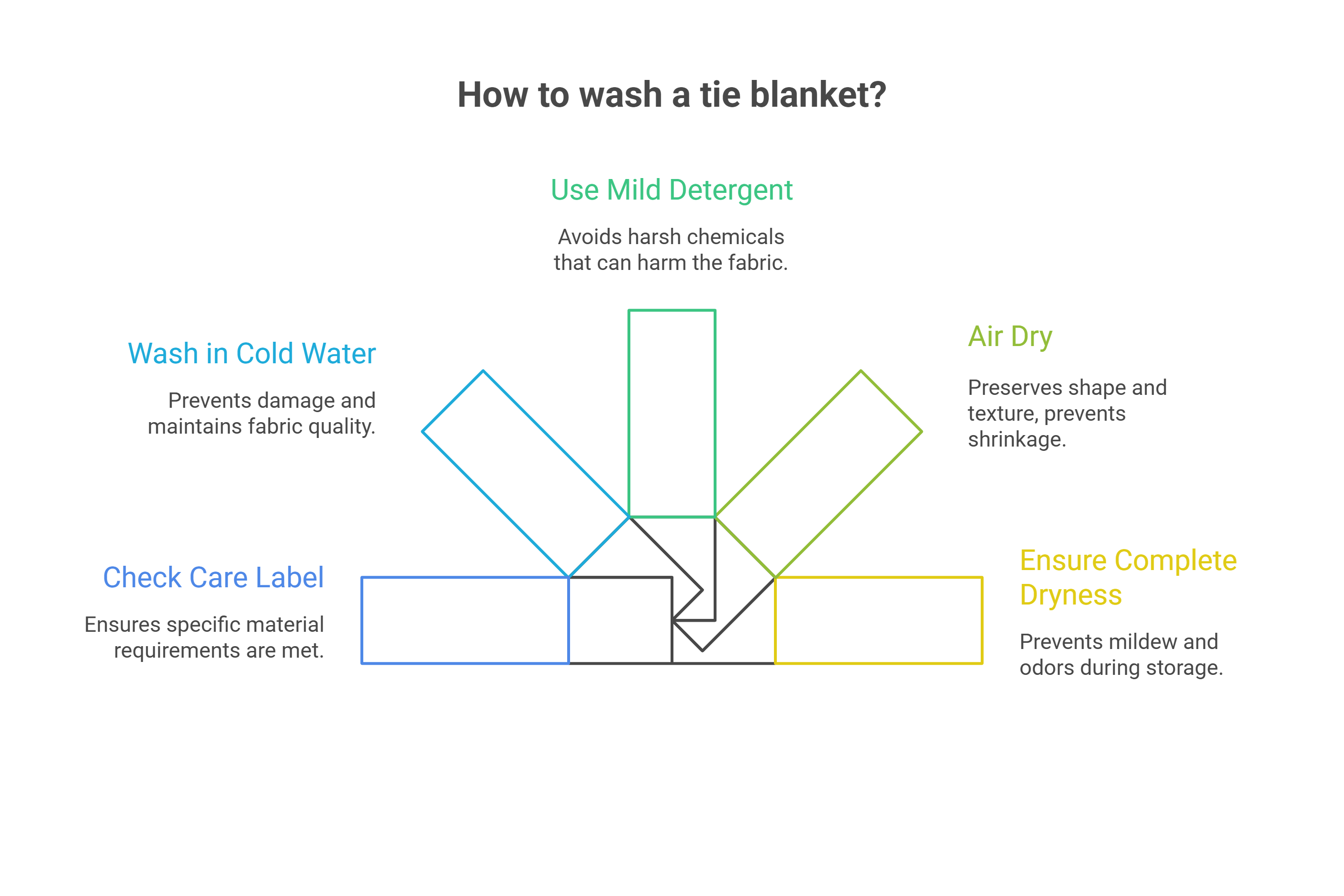
Washing a tie blanket is simple but requires a gentle touch. Always use cold water, a mild detergent, and a delicate cycle to preserve the fabric’s softness and prevent fraying. Air-drying is the best option, though a low-heat tumble works if necessary. Avoid bleach, harsh chemicals, or high heat that can damage fleece.

Whether your tie blanket is handmade or store-bought, proper care ensures it stays cozy, colorful, and long-lasting for years of comfort.

Now let’s dive deeper.

The Comfort of a Tie Blanket

Tie blankets are not just practical household items—they carry stories, warmth, and often sentimental value. From gifts exchanged among friends to DIY crafts completed on a quiet weekend, tie blankets provide unmatched coziness. But the real question arises: how do you keep them looking fresh and soft after several washes? Unlike standard bedding, tie blankets often feature fleece fabric and knotted edges, which demand a different level of care. Mishandling them in the wash could result in tangled knots, pilling, or even shrinking.

In this blog, we’ll walk you through a complete guide on washing, drying, and maintaining a tie blanket so that it remains as good as new. We’ll also touch on tips for bulk fleece care, making this guide especially useful if you’ve purchased multiple pieces or even fleece blankets bulk for family, friends, or organizations.

Step 1: Understanding the Fabric

Most tie blankets are made from fleece, a synthetic fabric that is lightweight, warm, and easy to maintain. Unlike wool, fleece does not shrink in water, but it can pill or lose softness if washed improperly.

Key things to remember about fleece:

  • It traps warmth while remaining breathable.
  • It resists wrinkles but can attract lint and pet hair.
  • It responds best to cold water and gentle detergents.

Knowing this sets the foundation for the proper wash routine.

Step 2: Preparing the Tie Blanket for Washing

Before tossing your tie blanket into the washing machine, take a moment to prepare it.

  1. Shake It Out: Give the blanket a good shake outdoors to remove dust, crumbs, or pet hair.
  2. Check the Knots: Tug gently on the ties to ensure none are coming loose. If they are, retie them securely before washing.
  3. Spot Clean First: If there are food stains or spills, use a mild stain remover or a mixture of baking soda and water to pre-treat the area.

This preparation ensures your blanket doesn’t deteriorate in the wash.

Step 3: Choosing the Right Detergent

The detergent you choose can make or break your blanket’s softness. Avoid harsh formulas with bleach or strong scents, which may weaken the fibers. A mild liquid detergent is ideal. If you have sensitive skin or are washing for children, hypoallergenic detergents are even better.

Pro Tip: Never pour detergent directly on the fleece. Always dilute it in the washer drum or use the detergent tray to avoid concentrated spots that can stiffen the fabric.

Step 4: Washing Process – Gentle is Key

Now, it’s time to wash. Follow these steps carefully:

  • Water Temperature: Always use cold water. Hot water can damage fleece fibers and cause knots to fray.
  • Cycle Selection: Opt for the gentle or delicate cycle on your machine.
  • Load Size: Wash your tie blanket by itself or with other fleece items. Avoid washing with jeans, towels, or rough fabrics that can cause pilling.
  • Fabric Softener: While tempting, fabric softeners can coat fleece fibers and reduce softness over time. It’s best to skip it.

By treating your tie blanket gently, you ensure it retains its fluffy charm.

Step 5: Drying the Tie Blanket

Drying is often where tie blankets lose their shape. High heat can cause fleece to harden or knots to shrink.

  • Best Option: Lay the blanket flat on a drying rack or clean surface to air-dry. This prevents stretching and keeps the knots secure.
  • Alternative Option: Use a tumble dryer on the lowest heat setting. Add a couple of dryer balls to reduce static and keep the fabric soft.
  • Avoid Direct Sunlight: Extended exposure to strong sunlight can cause colors to fade.

Step 6: Post-Wash Maintenance

Your tie blanket should now feel fresh and soft. But to extend its life, you’ll want to follow some ongoing care tips:

  1. Brush Out Pilling: Use a fabric shaver or a soft brush to gently remove pilling if it occurs.
  2. Store Properly: Keep it folded neatly in a cool, dry place. Avoid stuffing it into tight spaces where the knots can deform.
  3. Refresh Without Washing: If your blanket just needs a little freshening, tumble it on a no-heat cycle for 10 minutes with a dryer sheet.

Caring for Multiple Tie Blankets

If you have several tie blankets—maybe as gifts, family sets, or for a group—you’ll need a plan for caring for them all at once. This is particularly true for people who order fleece blankets bulk from suppliers for schools, charities, or sports teams.

When washing multiple tie blankets:

  • Wash them in separate loads to avoid overstuffing the washer.
  • Group similar colors together to avoid dye transfer.
  • Rotate use so each blanket gets even wear and wash cycles.

By treating each blanket with care, you ensure consistency across the batch.

Common Mistakes to Avoid

Even with the best intentions, many people make small errors that shorten the life of their tie blankets. Here’s what to steer clear of:

  • Using Hot Water: This can ruin fleece.
  • Skipping Knot Checks: Loose knots can unravel in the wash.
  • Overloading the Washer: Cramming too many items in one cycle stresses the fabric.
  • Using Harsh Chemicals: Bleach or fabric softeners reduce softness and durability.
  • High Heat Drying: This leads to stiffness and shrunken knots.

Avoiding these mistakes guarantees long-lasting comfort.

When to Replace a Tie Blanket?

Even with perfect care, no blanket lasts forever. Signs it might be time to retire your tie blanket include:

  • Persistent pilling that cannot be shaved off.
  • Knots that repeatedly come loose despite retying.
  • Fading colors that no longer match their original vibrance.

At that point, consider either repurposing the fabric for smaller crafts or replacing it with a fresh tie blanket. Ordering fleece blankets bulk is a cost-effective option if you want to make new ones for multiple people at once.

Final Thoughts

Washing a tie blanket doesn’t have to be intimidating. By sticking to cold water, gentle cycles, and mindful drying, you can keep your blanket soft, vibrant, and knot-secure. Remember, the key is treating fleece with care, avoiding heat and chemicals, and giving a little attention to knot maintenance.

Whether your tie blanket is a cherished gift or part of a larger set, the right care ensures it continues to provide warmth, comfort, and happy memories. With these tips, your blanket can remain just as inviting as the day you first made—or received—it.

What is Microfleece Fabric?

7 Aug

The textile scene might zestfully call microfleece the new big thing; before it had time to even develop, it had been in everything from casual clothing to bedding sets. But what is microfleece, really? And why does it spring up when fleece blanket wholesale or high-quality comfort blankets are discussed? Let’s get down and warm-hearted about this lightweight and versatile fabric redefining softness. It is basically a thin fleece fabric that is very light, breathable, and soft. Generally, fleece stands for any fiber made from polyester in the hypothesis of replacing wool-an insulating property present in natural fibers without bulk and weight. The aforementioned benefits of microfleece have also been questioned. Microfleece is like a thin version of fleece, under 200 g/m2. Such a decreasing weight becomes an advantage when layering, traveling, or situations that call out for warmth without heavy insulation.

Truly, fleece gets its main characteristic from its texture. It is brushed on both sides to develop a velvety, plush feel with which people immediately associate comfort. Be it a little chilling weather while you bend over an old book or a stroller ride with your baby, microfleece give you steady warmth without holding any moisture. The wick-away ability of fabric makes it a preferred choice in activewear and performance fabrics. That means the sweat can almost evaporate off the surface instantly, keeping the wearer dry and comfortable.

Within the world of fleece blankets wholesale, microfleece is considered one of the top contenders. Further favored by retailers and resellers because of its luxurious appearance and feel at a very reasonable price. It dyes well, resists pilling when made to high standards, and retains shape over time. These attributes of microfleece make it excellent for large orders of throws, travel blankets, and promotional gifts. Long-lasting elegance is what customers want, and microfleece is usually their answer.

Durability further aids in boosting the attractiveness of microfleece. While wool or cotton shrinks or stretches with washing, microfleece will almost always be only a little changed. After a short wash, it dries quickly and does not wrinkle, making it ideal for commercial uses. Hotels, hospitals, airlines, and spas depend on fleece blanket wholesale suppliers to provide a warm-yet-hard-to-maintain kind of option; and microfleece is often top on that list.

It is also good to remember that microfleece is hypoallergenic and thus great for the people who have sensitive skin or allergic conditions. Since there are no animal fibers postulated in this, there is almost no chance of irritation, and due to its synthetic nature, it does not act as a harbor for allergenators, like dust mites. For all these reasons, parents decide to choose microfleece baby blankets and apparel: they are gentle, washable, and safe for the babies.

From a design point of view, microfleece gives the ultimate versatility that designers and crafters appreciate. It can be affected with heat transfers, embroideries, and even with custom prints, thus allowing for personalization. Hence another reason why fleece blankets wholesale catalogs usually contain microfleece models-these get easily customized with logos, names, or themed patterns. It could be simple corporate logo embroidery on one blanket or a colorful holiday print on another, and microfleece will gladly bear the brunt of the creativity.

Concern for the environment is growing in importance within the textile world, and microfleece is keeping up. Many microfleece manufacturers today are producing the item made from recycled polyester, which often comes from plastic bottles. This paradigm shift achieves waste reduction and brings on a greener choice without compromising softness and quality. Henceforth, the businesses wanting to have greener products in their fleece blankets wholesale offer will find microfleece options matching those values.

Secondly, the quality has to be chosen with microfleece. The array of microfleece fabrics varies with regard to quality; with low-quality resins tends to shed, sometimes pill, or may lose their original softness within just a few washes. There is the aspect of obtaining fleece blankets wholesale-the assurance of good quality and trusted suppliers who can provide clear fabric weight specifications is essential, especially in microfleece granulation. A top-of-the-line microfleece blanket will still feel luxury after the same-year and the day it was first used.

Microfleece is an all-season fabric that is also used in stadium blankets, pet beds, outdoor gear, and vehicle emergency kits. It packs small but layers big: a dream for traveling and packing. From a company standpoint, microfleece blankets, which are stock seasonal items and winter promotional items, serve as a lightweight yet high-impact product which consumers truly appreciate.

In closing, microfleece fabric is indeed an evolution in textile engineering. Light but warm, soft but sturdy, cheap but classy! No wonder this fabric is growing in commercial appeal right across industries. If seen as one of the fleece blankets wholesale options, your business will do well supplying these. For the consumer going after the best alternative to wool without the irritating vibes, microfleece is a worthy rival–reliable, functional, and convenient. Casting a tie between consistent performance and comfort has been the reason for its introduction into closets, stores, and hotel rooms all over the world. Along these lines, being and remaining loose and conscious is obviously going to be on the design map with microfleece for a long time.

What Size Fabric for Tie Blanket? A Complete Guide Before You Snip and Knot

7 Aug

If you have ever cozied up on the couch with a soft tie fleece blanket wholesale , you know this charm has to go beyond just softness. It lies in the rigmarole, in the thought process, in the delivery of warmth—both literally and metaphorically. Whether it’s a kid starting out in crafts, a parent working on a DIY project with kids, or a small business working on customized fleece gifts, one question always comes forward: what could be the size of fabric for a tie blanket?

So, from the get-go, let’s talk about everything you need to know about fabric sizing because a small blanket feels like a missed hug while a blanket that’s too big might truly get in the way of being warm.

Start with the Basics: What is a Tie Blanket?

The name suggests a blanket that has been tied. In reality, a tie blanket is a no-sew style of blanket made when layers of fleece are stacked together and tied around the edges into fringes. No sewing machine, no fancy embroidery—just scissors, a little time, and hands to work with. One of the very simplest and beginner kindly crafts. The great thing about fleece is it doesn’t fray-so it’s ideal for these projects.

But ease of execution does not necessarily mean that you can just grab any yard of fabric and expect to have a flawless outcome. Selecting the right fabric size will have a big impact on comfort, function, and overall appearance.

The Ideal Fabric Sizes Based on Age or Use

Tie blankets can be made in any size, depending on the client involved in the process. A projector is involved: A toddler? A teenager? An adult who doesn’t miss any movie nights? Different users have needs. First off, most people use standard measurements for their reference:

• Baby Blanket: If you are making a tie blanket for a baby or a toddler, then usually 1 to 1.5 yards of fleece for each side (around 36″ x 36″ or 36″ x 45″) will do. This small-sized one works wonderfully for cribs, car seats, or even as a playmat.

• Child/Youth Blanket: As the top choice for kids who grow, the 1.5 to 2 yard size (54″ x 54″ or 54″ x 60″) allows for more room for the kid to grow into it and gets cuddle time. This can easily fit a twin bed or sit on a reading nook.

• Adult Throw Blanket: This is one of the most sought-after DIY tie blanket sizes. Leaving 2 yards on either side (72″ x 60″) creates a large and comfortable throw that fits well on movie time or couch nap time.

• Twin/full bed blanket: When making a full size bed blanket, consider 2.5 yards or more per side; just remember, the bigger the blanket, the more tying (and patience) required. But in return, a custom, hand-tied blanket will establish its presence on your bed.

Keep in mind that while determining the finished dimensions of your tie blanket, you will give up about 4 to 5 inches on each side due to the fringes you tie (usually 2″ – 2.5″ fringes). So, for example, if you begin with a 60″ x 72″ piece of fabric, your finished blanket will measure closer to 55″ x 67″.

The Fabric: Why Fleece is a Must-Have

For tie blankets, fleece is the ace. Soft and non-fraying, it comprises myriad colors and patterns, and it is warm without weighing the blanket down. More importantly, it is penalty-free-for you do not have to be an expert in proceeding to make a fleece tie blanket.

Purchasing fleece wholesale would definitely save you bucks if you intend to make tie blankets for family, gifts, or sale. Wholesale fleece not only cuts down on cost but also ensures you have consistent quality across your batch of blankets. Many suppliers even have pre-cut fleece pieces in common sizes, thereby cutting your working period and simplifying your workflow.

When in the market for any kind of fleece—the anti-pill one, the blizzard one, or the polar one—make sure to really feel the fabric if you have the chance; one type could be thicker or stretchier than another. Medium-weight fleece for this kind of work–easy to work with and warm but not so bulky that it’s a hassle to tie–is commonly the best choice.

Matching, Layering, and Cutting

A tie blanket is made with two layers of fleece. The top can have a pattern such as plaid, cartoon designs, or florals, while the bottom can be solid usually in basically one of the colors from the top. That is why the tie blankets: they can go down to the fringes.

Always buy fleece in the exact amount for both layers of the top and bottom. Place one layer on top of the other evenly, making sure they are well aligned before cutting begins. Remember that a 4-inch border should remain for all sides that will be tied, so we will be cutting out 4”x4” squares at every corner before starting to cut the fringe.

If you are working with wholesale fleece, check whether the edges are already finished or if there needs to be some trimming done before layering. A clean cut makes tying easier and results in a more polished look.

Start Small, Scale Big

When making tie blankets, maybe starting smaller-adult child or youth size-is a good idea. It’s a great way to practice fair cutting and tying before committing all the effort to a large adult throw. After a few times, this craft is unexpectedly relaxing. It feels like a mix of crafting and meditation!

And should you ever get into mass production-whether for a school fundraiser, for a craft shop, or for a drive for holiday gifts-buying wholesale fleece blankets makes perfect sense from creation to economics. You’d save dollar bills while keeping a consistent quality and no last-minute trips to a fabric shop.

At the end of the day, however, it is not only about choosing the right size. It is about creating something that carries warmth and thoughtfulness for a lifetime. Whether it will live on a couch or in a child’s bed or be gifted to someone needing a hug-they’ll feel the warmth you’ve tied into every knot.