Archive | September, 2025

What Is Anti-Pill Fleece?

19 Sep

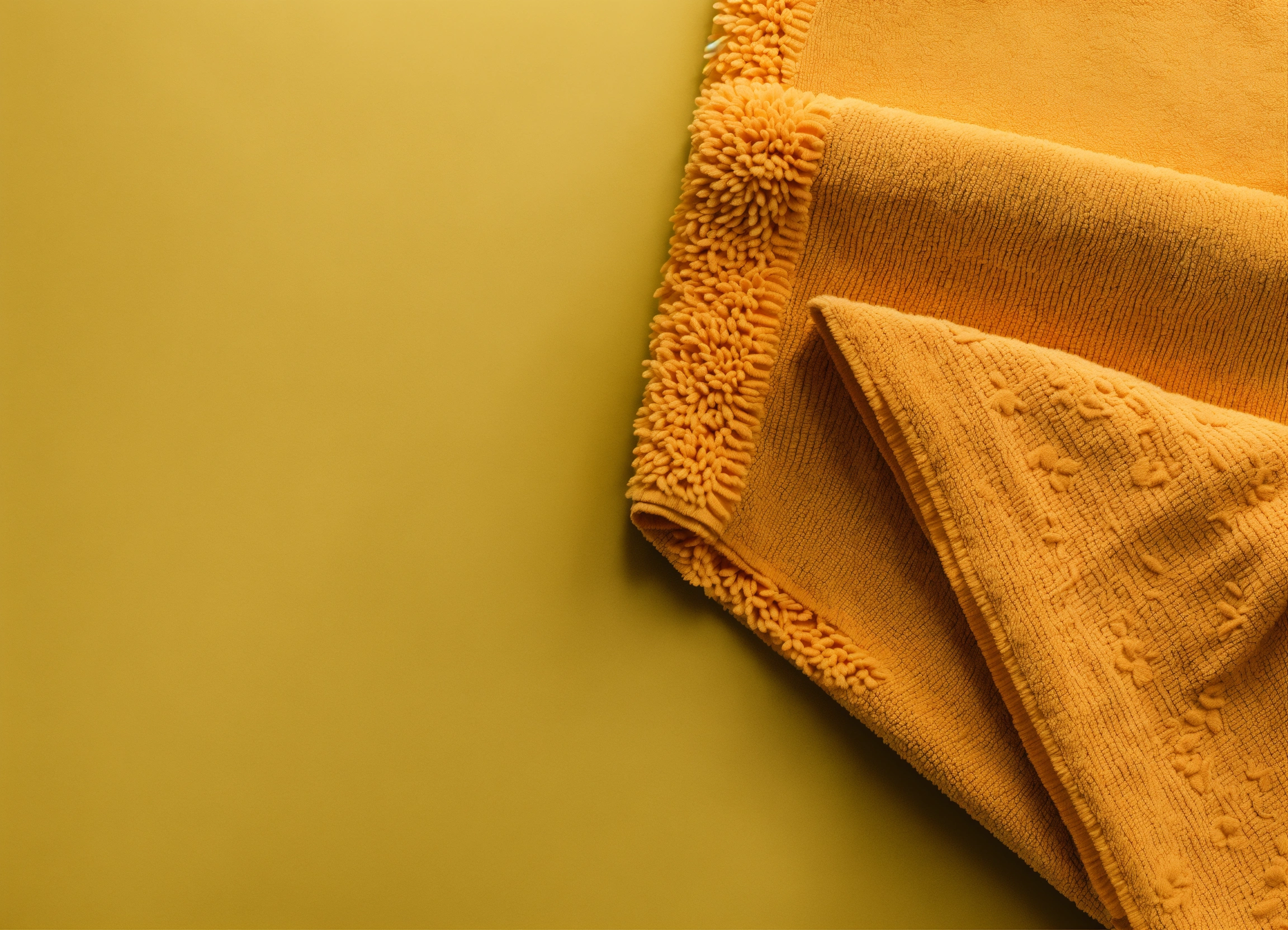
If you’ve ever questioned, “What is anti-pill fleece?” Let me answer simply: It is a particular sort of fleece fabric designed so that it resists the formation of those annoying little fuzz balls (pills) that appear on regular fleece fabric after wear and washing. These extra finishing steps in the manufacturing process ensure the anti-pill fleece maintains its smoothness, softness, and fresh look for a good long while and is, therefore, sought after for the making of blankets, jackets, and, of course, DIY projects!
Why Fleece Pills in the First Place

Warmth and softness are what fleece is known for; however, every owner of a fleece hoodie or a fleece separating blanket would understand the woes of pilling. These are those tiny balls of tangled fibres that appear in high-friction areas like under the armpits of a jacket or along the sides of a blanket. They occur when the fibres are broken and begin to loosen and cluster together as time goes by. Though pilling does not make fleece less functional, it can contribute towards an appearance that feels old and rough instead of smooth and youthful.

That’s where anti-pill fleece changes the game—it’s engineered to prevent these fibre tangles before they start.

How Anti-Pill Fleece Is Made

The Base Material: Polyester

When talking about pill-proof fleece, the material in question is mostly polyester, a man-made fibre that is so strong, yet so flexible. Polyester is moisture-resistant, fast-drying, and can resist setting; it should be rubbed repeatedly.

Surface Finishing Techniques

Here’s where the “anti-pill” magic happens: after the fleece is woven and brushed to raise its signature fluffy nap, it undergoes extra finishing. This might include:

  • Fibre sealing to reduce breakage.
  • Heat-setting to stabilise the surface.
  • Resin coatings to lock fibres in place.

The result is a fabric surface that resists friction, tangling, and pilling—without losing its trademark softness.

Eco-Friendly Options

Today’s manufacturers often use recycled polyester to produce anti-pill fleece. This way, the plastic bottles do not end up in a landfill. Thus, crafters and buyers of this product, who are environmentally conscious, remain at peace. Some mills dye anti-pill fleece under water-saving methods and treat the textiles with low-chemical footprints.

Types of Anti-Pill Fleece

By Weight

  • Lightweight – breathable, perfect for baby clothes, spring jackets, or linings.
  • Midweight – the “all-rounder,” great for hoodies, loungewear, and throws.
  • Heavyweight – thick, warm, and sturdy; ideal for blankets, outdoor jackets, and pet bedding.

By Design

  • Solid Colours – simple, classic, and versatile for everything from uniforms to home décor.
  • Printed Patterns – bold, fun options ranging from geometric prints to seasonal holiday themes. Perfect for kids’ projects or statement pieces.

By Format

  • By the Bolt – cost-effective for large projects, businesses, or professional crafters.
  • Pre-Cut Sheets – ready-to-use sizes, ideal for hobbyists, DIY kits, or small-scale sewing projects.

Anti-Pill Fleece vs Regular Fleece

If you’ve ever compared a brand-new fleece sweatshirt to one that’s been washed ten times, you know the difference.

  • Regular fleece: cheaper up front, but prone to heavy pilling after a few washes. Looks worn quickly.
  • Anti-pill fleece: slightly higher cost, but it resists fuzz balls and keeps a smooth, clean finish for much longer.

Fleece without the magical anti-pill with good quality fleece: And that means- buy it once and cherish it longer. Of course, it may cost a little more upfront, but over time, money will be saved upon not having to replace the items again in such a short span.

Benefits of Anti-Pill Fleece

Durability

Resists pilling, fraying, and roughening, keeping garments and blankets looking new.

Comfort

Retains the same softness as regular fleece—minus the fuzz balls that make fabric feel scratchy over time.

Easy Maintenance

Machine washable, quick-drying, and wrinkle-resistant. No ironing required (and no one wants to iron a blanket anyway).

Hypoallergenic

Less likely to trap dust, allergens, or pet hair—making it a healthier choice for sensitive households.

Everyday Uses for Anti-Pill Fleece

  • Clothing: Hoodies, jackets, hats, mittens and scarves.
  • Home Comforts: Throws, fleece blankets, and pillow covers.
  • Outdoor Gear: Camping blankets, hiking clothes, and pet coats.
  • DIY: Tie blankets, quilting, craft kits, and personalised gifts.

Anti-pill fleece, in short: Just the most versatile one, having anti-pill potency. When you’re working on a baby blanket or gearing up for the hike in the mountains, the fabric is the smarter choice.

Caring for Anti-Pill Fleece

Even though anti-pill fleece is more resilient, it still deserves some TLC:

  • Wash inside out on a gentle cycle.
  • Use mild detergent—avoid bleach or harsh chemicals.
  • Skip fabric softener, which can leave residue.
  • Air dry or tumble dry low to preserve the smooth finish.

Handled this way, your anti-pill fleece items will stay soft, cosy, and smooth for years.

What This Means for You

So, now that we’re back to the initial question: What is anti-pill fleece? It is the better, progressive kind of fleece: soft, durable, low-maintenance, and built to last without the dreaded fuzz balls. Be it for blanket-making or outerwear shopping for the next cheap, easy DIY project, anti-pill fleece will give you comfort and value for years to come.

At PeachFur Fleece, we’ve spent years perfecting quality fleece products trusted by resorts, schools, churches, and relief organisations worldwide. If you’re looking for anti-pill fleece blankets or want to buy in bulk, our fleece blanket wholesale collection has you covered. From cosy throws to large-scale donations, we’re here to keep your projects (and your people) warm, soft, and pill-free.
Where to Donate Blankets for the Homeless

19 Sep

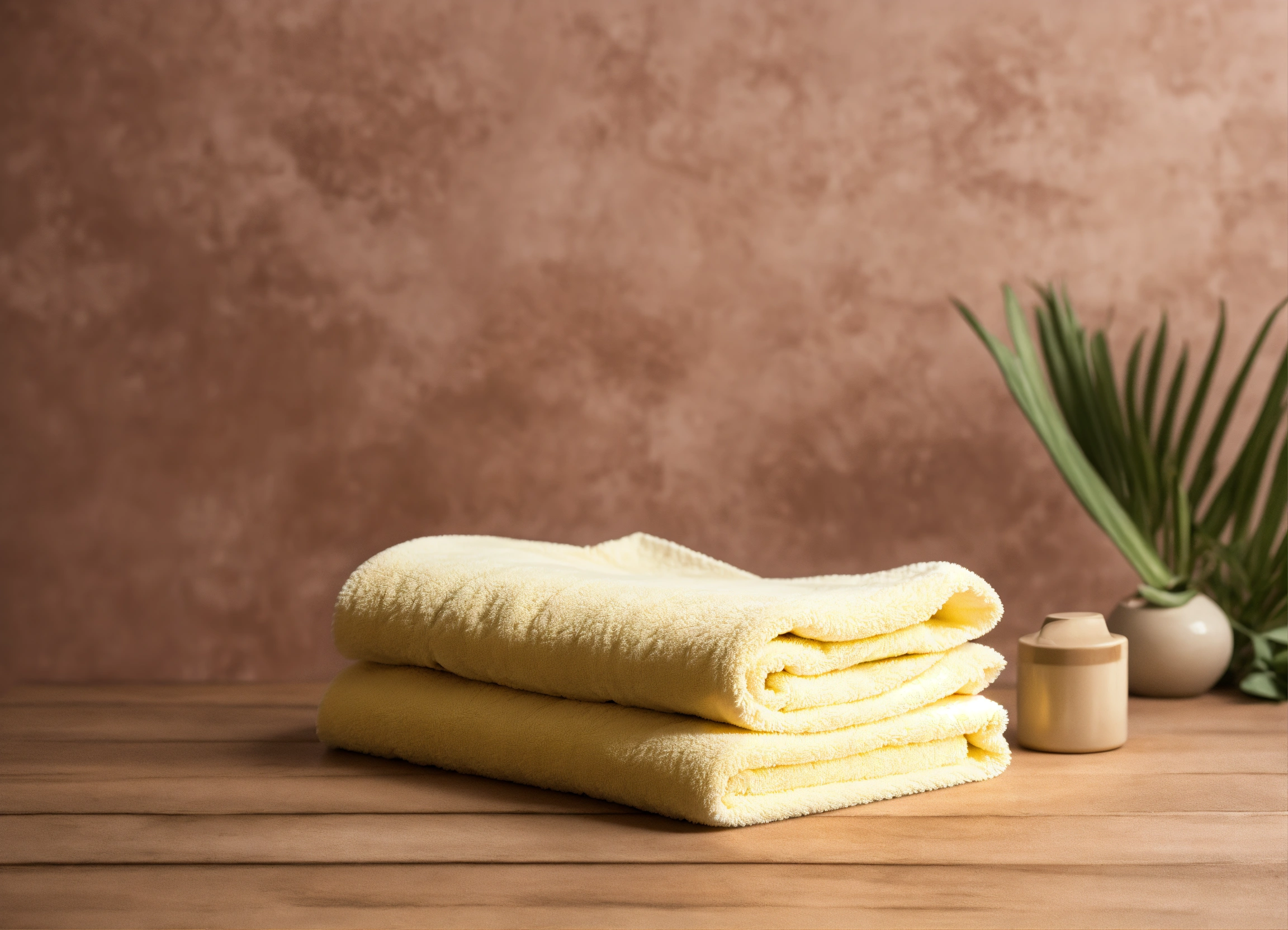
Blankets go a long way in keeping an individual warm on frosty, cold, and wet nights. Is it not a lovely gesture to allow one who is down and out to at least feel warmth on their body? Upon inquiry on where to donate, the answer is straightforward: local shelters, national nonprofits, community-support groups, and even animal rescues would accept donations. Operating a blanket bank is the most charitable thing one could do: you can either declutter your life just a little or make some money shopping.

Why Donating Blankets Matters

Warmth and Comfort in Difficult Times

Imagine facing winter nights without a blanket. For many experiencing homelessness, this is a daily reality. A donated blanket is more than fabric—it’s insulation against the cold and a small sense of safety in an uncertain situation.

Meeting a Universal Need

Blankets are certainly not seasonal luxuries. They are versatile in their use and are in demand throughout the year. During cold weather, they provide comfort against freezing temperatures while in summer, they might act as a bedding or sometimes shade when outdoors.

The Ripple Effect of Giving

The act of donating is not merely meeting an urgent need. It creates a domino effect. When others see giving being done, it inspires them to give as well. Blankets are very simple things that could constitute a huge change for communities, together.

Things to Keep in Mind Before Donating

Condition of Blankets

Only donate items that are clean and in good condition. A blanket that’s torn, stained, or threadbare doesn’t offer dignity or comfort. New or gently used is the way to go.

Laundering First

Wash and dry blankets thoroughly before donating. This step removes allergens, odours, and dust, ensuring recipients get a truly fresh start.

Timing Matters

Think about when your donation will be most helpful. Heavier fleece or wool blankets are lifesavers in fall and winter, while lighter blankets work better in spring or summer.

Transport and Packaging

Blankets tend to be bulky items. Fold the blankets nicely, put them into bags or boxes, and consider the way you’ll take them over to the donation point. Delivery could be very simple to arrange in the case of a close location of the donation, while bulk donations require some planning.

Local Places to Donate

Homeless Shelters

Shelters are the first stop for many people looking for where to donate blankets for homeless individuals. Call your local shelter to check their current needs—most gladly accept donations of warm, clean blankets to help residents get through the night.

Domestic Violence Shelters

Often, these places prematurely offer shelter for abuse survivors while they have children with them. A blanket gets donated with a little more warmth and comfort into these rooms that are supposed to feel safe for them.

Churches and Community Centres

Faith groups and local community hubs frequently organise donation drives for struggling families. Blankets are always among the most requested items.

Veterans’ Organisations

Many veterans’ face housing insecurity. Donating to veteran support groups ensures your blankets reach those who’ve served but now need a helping hand.

Animal Shelters

Here’s a twist—animal rescues love blanket donations too! They’re used for bedding, warmth, and even cleaning. If you’ve got extras, your local shelter will put them to good use.

National Organisations Accepting Blanket Donations

Project Linus

Specialises in handmade and new blankets for children in hospitals, shelters, and foster care. It’s a great way for crafty donors to put their sewing skills to work.

Salvation Army

With thousands of locations worldwide, the Salvation Army accepts clean blankets and distributes them directly to people in crisis.

Goodwill

Donated blankets are resold in Goodwill shops, with proceeds funding job training and employment support programs.

St. Jude’s Ranch for Children

Their “Linens for Kids” program supports abused or neglected youth in residential facilities. Blankets and towels are always welcome.

Quilts for Kids

Provides quilts to children facing illness or trauma. New, child-sized blankets are particularly needed.

Project Night Night

Delivers comfort kits—including a blanket, book, and stuffed toy—to children entering emergency shelters. Only new blankets are accepted.

Habitat for Humanity ReStores

While better known for housing supplies, many ReStores accept gently used blankets to resell. Profits go toward building affordable housing.

Reasons to Donate Blankets Today

  • Declutter with purpose: Free up closet space while helping someone in need.
  • Immediate impact: A single blanket can make the difference between a freezing night and a safe, warm one.
  • Support nonprofits: Donations allow charities to use their funds for other critical programs.
  • Set an example: Involving children or family members in donating teaches empathy and generosity.
  • Possible tax benefit: Itemise your donation for a small perk while doing a big good.

What This Means for You

Blanket donation is one of those rare things that may be done easily, affordably, and meaningfully. If you have been looking for places to donate blankets for the homeless, you now have local and national alternatives-from shelters to international NGOs- where the donation can make a difference.

We at PeachFur Fleece embrace this mission fully. Under the PeachFur Gives Back program, we have aided organisations with blankets, ranging from shelters to veteran groups and churches to disaster relief, all over the United States and beyond. From hurricane survivors in America to needy families in Afghanistan and Africa, these experiences have shown us how a simple blanket can rekindle a lost glimmer of hope.

If you would love to join us in giving more warmth, we have affordable wholesale fleece blanket options perfect for individual donors, businesses, and community groups. Be it just one or even a hundred, everyone counts. Warmth is something that nobody shall ever be excluded from sharing; it is one of the kindest gifts you could ever offer someone.

What to Make with Fleece Fabric?

5 Sep

Quick Answer: What to Make with Fleece Fabric?

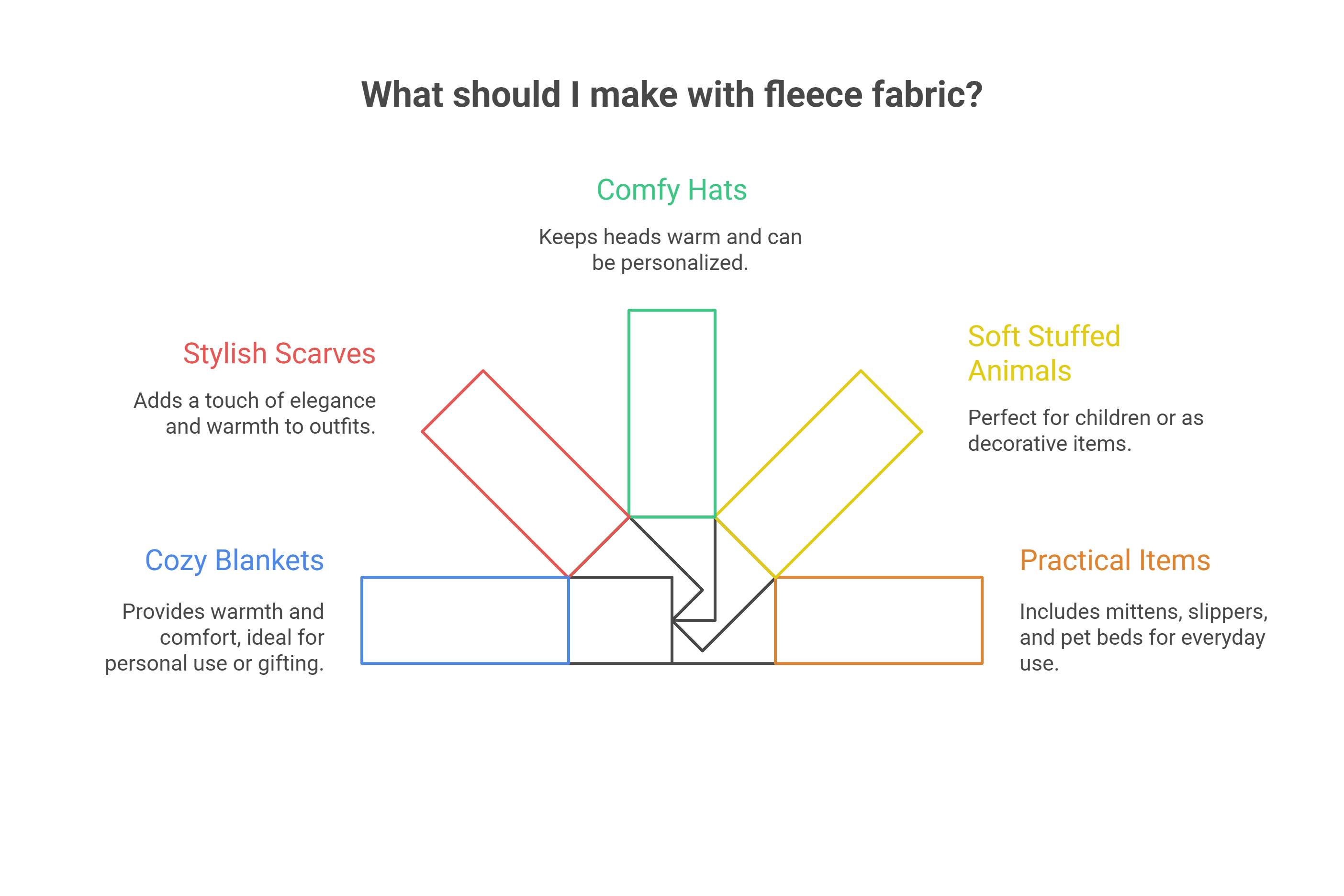
If you’ve been wondering what to make with fleece fabric?, the possibilities are endless. Fleece is soft, durable, affordable, and versatile, making it a favorite for crafting, sewing, and DIY projects. From cozy scarves and hats to no-sew pillows and custom throws, fleece can transform into practical and creative items with minimal effort.

It’s also popular for larger projects like fleece blankets bulk, which are perfect for gifts, donations, or businesses. With fleece, you can create comfort, warmth, and style in countless ways.

Now let’s dive deeper.

Why Choose Fleece Fabric?

Fleece has earned its place as a staple in the crafting and sewing world. Unlike many fabrics that require special care or advanced sewing skills, fleece is beginner-friendly and forgiving. Its edges don’t fray, meaning you can cut and tie without worrying about hems. This makes it a dream for both novice and seasoned creators.

Another reason fleece is loved is its comfort. Soft to the touch and lightweight yet insulating, fleece is ideal for warm clothing, bedding, and accessories. It also comes in a wide variety of patterns and colors—from bold solids to fun prints with animals, sports, or seasonal designs. Whether you want to make something practical or whimsical, fleece gives you plenty of room to play.

Clothing You Can Make with Fleece

Cozy Hoodies and Pullovers

One of the most common uses of fleece fabric is in hoodies or sweatshirts. With a simple pattern, you can sew a pullover that keeps you warm during cold evenings. Fleece stretches enough for comfort but is structured enough to hold its shape.

Scarves, Hats, and Gloves

Fleece accessories are a quick project that can be made in under an hour. Scarves can be as simple as cutting a rectangle of fabric and adding fringe. Hats and gloves can be sewn with basic patterns—or you can even make no-sew versions by tying edges together. These items make excellent gifts, especially when customized with favorite colors or prints.

Pajamas and Slippers

Fleece pajamas or lounge pants are a winter favorite. They are easy to sew and incredibly comfortable. Slippers made from fleece are another great project, perfect for keeping feet warm on chilly floors.

Home Décor and Practical Items

Fleece Blankets

The most iconic fleece project is the blanket. With no-sew tie techniques or sewing methods, fleece blankets can be made in a variety of sizes. They’re not only cozy for personal use but also serve as thoughtful handmade gifts. When you purchase fleece blankets bulk, you can stock up for family, friends, or charity donations.

Pillows and Cushion Covers

Just like blankets, pillows made with fleece are quick, fun, and customizable. You can make tie-edge pillows that require no sewing, or you can sew covers for a more polished look. Matching blankets and pillows can turn a room into a cozy retreat.

Pet Beds and Toys

Pets love fleece as much as people do. You can make pet beds, chew toys, or simple braided tugs for dogs out of scrap pieces of fleece. It’s washable and durable, making it ideal for animals.

Seasonal and Holiday Projects

Stockings and Tree Skirts

Fleece is perfect for Christmas stockings or tree skirts. With holiday prints available, you can create unique decorations for your family. They’re easy to personalize with names or embellishments.

Halloween Costumes

Because fleece is soft and easy to work with, it’s excellent for creating costumes. From capes to animal ears, you can craft imaginative pieces without spending a fortune.

Valentine’s and Birthday Gifts

Personalized fleece projects, like heart-shaped pillows or themed throws, make heartfelt gifts. They’re inexpensive yet meaningful.

Crafting with Kids

One of the best things about fleece is how safe and easy it is for children to use. Since it doesn’t fray, kids can join in on crafting without sharp tools or complex instructions. No-sew fleece projects like knotted blankets, braided scarves, or stuffed animals can keep children engaged while teaching them creativity and patience.

Family crafting nights with fleece are not only fun but also productive—you end up with something you can actually use.

Charitable and Community Uses

Fleece has become a go-to material for community projects. Many groups make tie blankets to donate to shelters, hospitals, or disaster relief organizations. Because it’s affordable and easy to produce in large numbers, fleece blankets bulk orders are often purchased for these causes. Crafting for charity with fleece is a beautiful way to combine creativity and compassion.

Business Opportunities with Fleece

For small businesses or entrepreneurs, fleece projects can be a profitable venture. Personalized blankets, embroidered scarves, or pet accessories can be sold online or at craft fairs. Buying fleece by the yard or investing in fleece blankets bulk can cut costs and allow for customization, giving your products a unique touch.

Many businesses also use fleece products for promotional purposes. Custom blankets or throws with logos are popular giveaways that customers keep for years, providing long-lasting brand visibility.

Tips for Working with Fleece

  • Use Sharp Scissors or a Rotary Cutter: Fleece is thick, and clean cuts are essential.
  • Wash Before Use: Pre-washing helps ensure your final product won’t shrink.
  • Experiment with Layers: Fleece layers well for added warmth or pattern variety.
  • Personalize with Embroidery or Appliqué: Add initials, logos, or designs for a unique finish.
  • Don’t Fear Mistakes: Fleece is forgiving. Uneven edges can be tied, and small flaws often go unnoticed.

Creative Project Ideas

Here are some unique projects you may not have thought of:

  • Travel Blanket with Pocket: Perfect for flights or road trips.
  • Fleece Poncho: A stylish yet functional outer layer.
  • Hot Water Bottle Cover: Adds comfort and safety.
  • Stuffed Animals: From teddy bears to plush toys, fleece makes cuddly companions.
  • Reusable Hand Warmers: Small fleece pouches filled with rice that can be microwaved.

These projects demonstrate just how adaptable fleece can be.

Final Thoughts

So, what to make with fleece fabric? The real question is—what can’t you make? From clothing and home décor to seasonal crafts and pet accessories, fleece is one of the most versatile fabrics available. Its affordability, ease of use, and comfort make it a favorite for DIYers, parents, and even entrepreneurs.

Whether you’re creating a single project or investing in fleece blankets bulk for larger needs, this fabric guarantees both functionality and fun. Start with something simple like a scarf or pillow, and you’ll soon discover that fleece opens up an entire world of creative possibilities.

What Is Heather Fabric?

5 Sep

Quick Answer: What Is Heather Fabric?

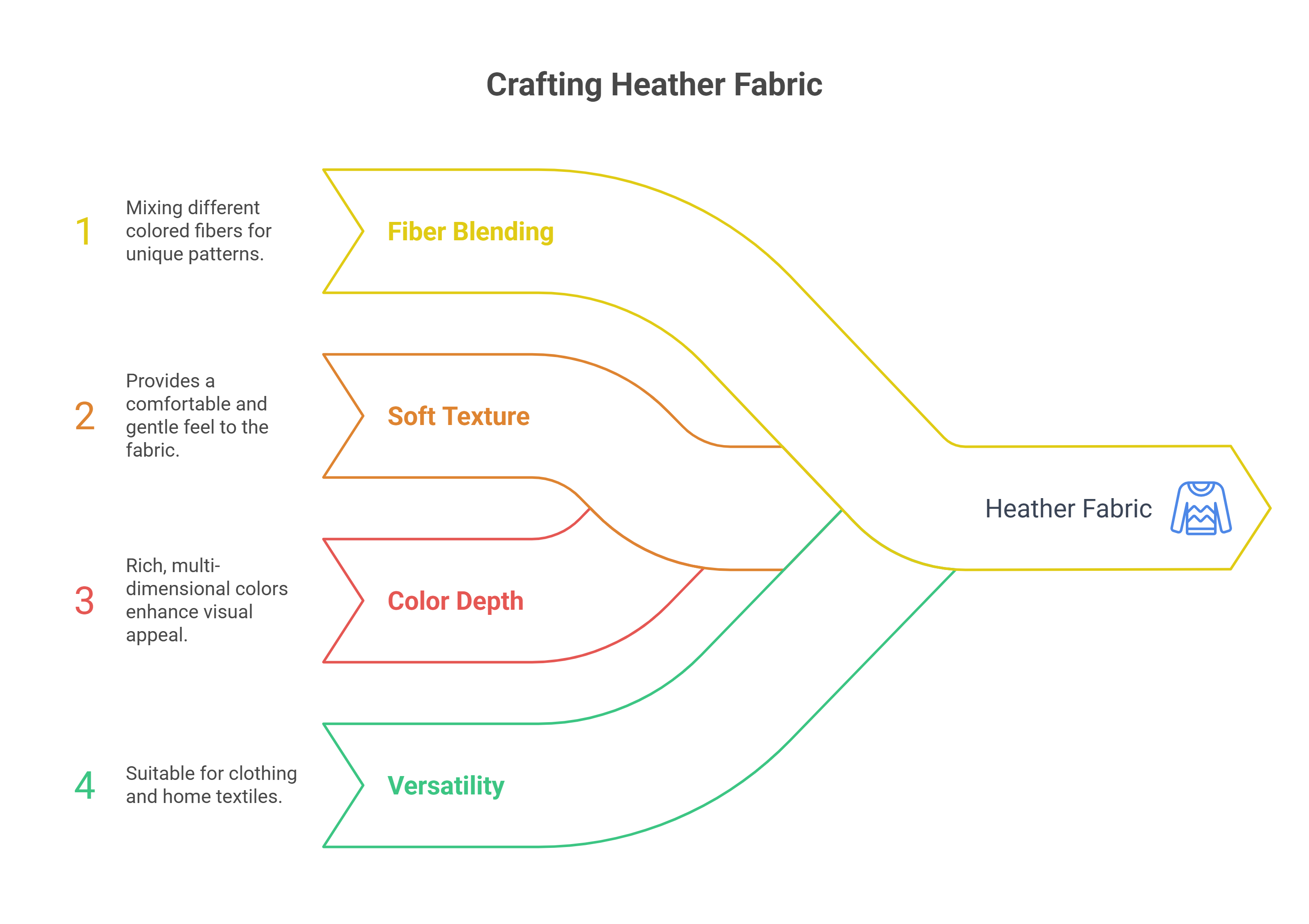
What is heather fabric? Simply put, it’s a type of fabric woven or knitted using different colored fibers, giving it a soft, speckled look that’s both stylish and versatile. Known for its casual yet premium appeal, heather fabric is popular in clothing, upholstery, and even accessories.

Whether you’re shopping for everyday wear or cozy home goods, understanding what makes heather fabric unique will help you make smarter choices. Fun fact: even fleece blankets bulk often come in heather-inspired tones for added charm.

Now let’s dive deeper.

Why Fabrics Matter More Than You Think?

We rarely stop to think about the fabrics that shape our everyday lives. From the T-shirt you grab in the morning to the throw blanket that warms your evenings, fabrics play a quiet but powerful role. Among these, heather fabric stands out for its distinct texture and timeless appearance. So, what is heather fabric, and why has it become such a favorite across industries? Let’s explore its origins, qualities, and uses, and see why its subtle charm continues to inspire designers and consumers alike.

The Origins of Heather Fabric

Heather fabric didn’t just appear overnight. It has roots in the textile traditions of Europe, where blending different yarns was a way to create unique shades without relying on dyes alone. The term “heather” itself is inspired by the plant that grows in muted, earthy tones across Scotland’s moorlands. Just like the plant, heather fabric carries a speckled, natural look that makes it appear cozy and organic. Over time, the method of creating heather blends became more refined, making the fabric a staple in casual wear and lifestyle products.

How Heather Fabric Is Made?

The process behind heather fabric is both simple and fascinating. Instead of spinning yarns from one single color, textile makers blend multiple fibers of different shades together. This could be a mix of gray with blue, or beige with cream, depending on the desired effect. The result is a soft, mottled appearance that doesn’t look flat or uniform but instead has depth and character.

Two main methods are common:

  1. Blended Yarn Spinning: Fibers of different colors are spun together to make yarns that already have the speckled look.
  2. Knitting or Weaving with Varied Yarns: Different colored yarns are knitted or woven together, creating subtle streaks and shifts in tone.

This is what gives heather fabric its iconic “marled” or “flecked” look.

The Key Qualities of Heather Fabric

Heather fabric is valued for more than just its looks. Here are some of its standout qualities:

  • Softness: Heather fabrics are often cotton- or polyester-based, making them gentle on the skin.
  • Breathability: The blending doesn’t compromise air circulation, keeping garments comfortable.
  • Durability: With proper care, heather fabric resists wear and tear better than plain weaves.
  • Aesthetic Appeal: Its natural, textured look makes it versatile for both casual and semi-formal settings.
  • Low Maintenance: Many heather blends resist wrinkling and shrinking, perfect for daily wear.

Heather vs. Solid Fabrics: What’s the Difference?

At first glance, you might wonder why not just stick with solid-colored fabrics. The difference is in the visual depth. Solid fabrics have a flat, uniform look that works for formal attire or minimalist designs. Heather fabric, on the other hand, introduces texture without extra embellishment. It’s like the difference between a plain white wall and one with subtle shading—it adds character. That’s why sportswear, lounge clothing, and casual office attire often lean toward heather tones.

Common Uses of Heather Fabric

Heather fabric is surprisingly versatile and is used across many industries:

1. Clothing

T-shirts, hoodies, joggers, and sweaters often feature heather blends. They give off a relaxed vibe while still looking stylish.

2. Home Goods

From cushion covers to upholstery, heather fabrics add a cozy, welcoming touch. Even fleece blankets bulk orders often include heather-inspired designs, as they look premium without breaking the budget.

3. Accessories

Caps, scarves, and even tote bags use heather fabric for its durability and aesthetic edge.

4. Athleisure

The casual yet polished vibe of heather fabric has made it a darling in the athleisure world, where looking sharp while staying comfortable is key.

Why Designers Love Heather Fabric?

Fashion and interior designers alike are drawn to heather fabric for its understated charm. Unlike bold prints that can go out of style, heather’s muted tones are timeless. It also pairs effortlessly with solids and other textures, making it a go-to fabric for layering and contrast. Whether it’s a heather-gray sweatshirt or a heather-beige sofa cover, it’s hard to go wrong.

The Role of Heather Fabric in Today’s Market

Heather fabric has found its way into both luxury and affordable markets. High-end brands use heather blends for minimalist, elegant pieces, while mass retailers appreciate the fabric’s wide appeal and durability. Its versatility also means you’ll see it across product lines, from fashion staples to large-scale manufacturing. For instance, bulk fabric orders for hotels or schools often include heather-toned products like towels or fleece blankets bulk, ensuring style and practicality come together.

Caring for Heather Fabric

The good news about heather fabric is that it’s relatively low-maintenance. Still, a few tips can help preserve its beauty:

  • Wash in Cold Water: Helps prevent fiber shrinkage and maintains color balance.
  • Avoid Harsh Bleach: Can damage the subtle blend of fibers.
  • Tumble Dry Low or Air Dry: Protects the softness and shape.
  • Store Properly: Keep folded or hung to avoid deep creases.

With these simple steps, your heather garments and home goods will last longer and retain their charm.

The Psychological Appeal of Heather Fabric

It might sound surprising, but heather fabric carries psychological weight. The soft, speckled tones are seen as calming and natural. People often associate it with comfort and authenticity—qualities that modern consumers crave. In a world where bold logos and flashy designs dominate, the quiet elegance of heather fabric provides a refreshing contrast.

Is Heather Fabric Eco-Friendly?

Heather fabric can be eco-friendly, depending on how it’s made. When manufacturers use organic cotton, recycled polyester, or natural dyes, it minimizes environmental impact. Some sustainable fashion brands now market heather blends as part of their eco-conscious lines. Consumers looking for green choices should always check fabric labels and certifications.

Final Thoughts

So, what is heather fabric? It’s more than just a mix of fibers—it’s a timeless textile that combines beauty, comfort, and durability. From your favorite T-shirt to the cozy throw on your couch, heather fabric makes everyday life a little softer and more stylish. Its versatility across industries, including clothing, accessories, and even fleece blankets bulk, ensures its place in the fabric world for years to come. Whether you’re a designer, retailer, or simply someone who loves comfort, heather fabric is a classic worth appreciating.

What Is Poly Cotton Fabric?

5 Sep

Quick Answer: What Is Poly Cotton Fabric?

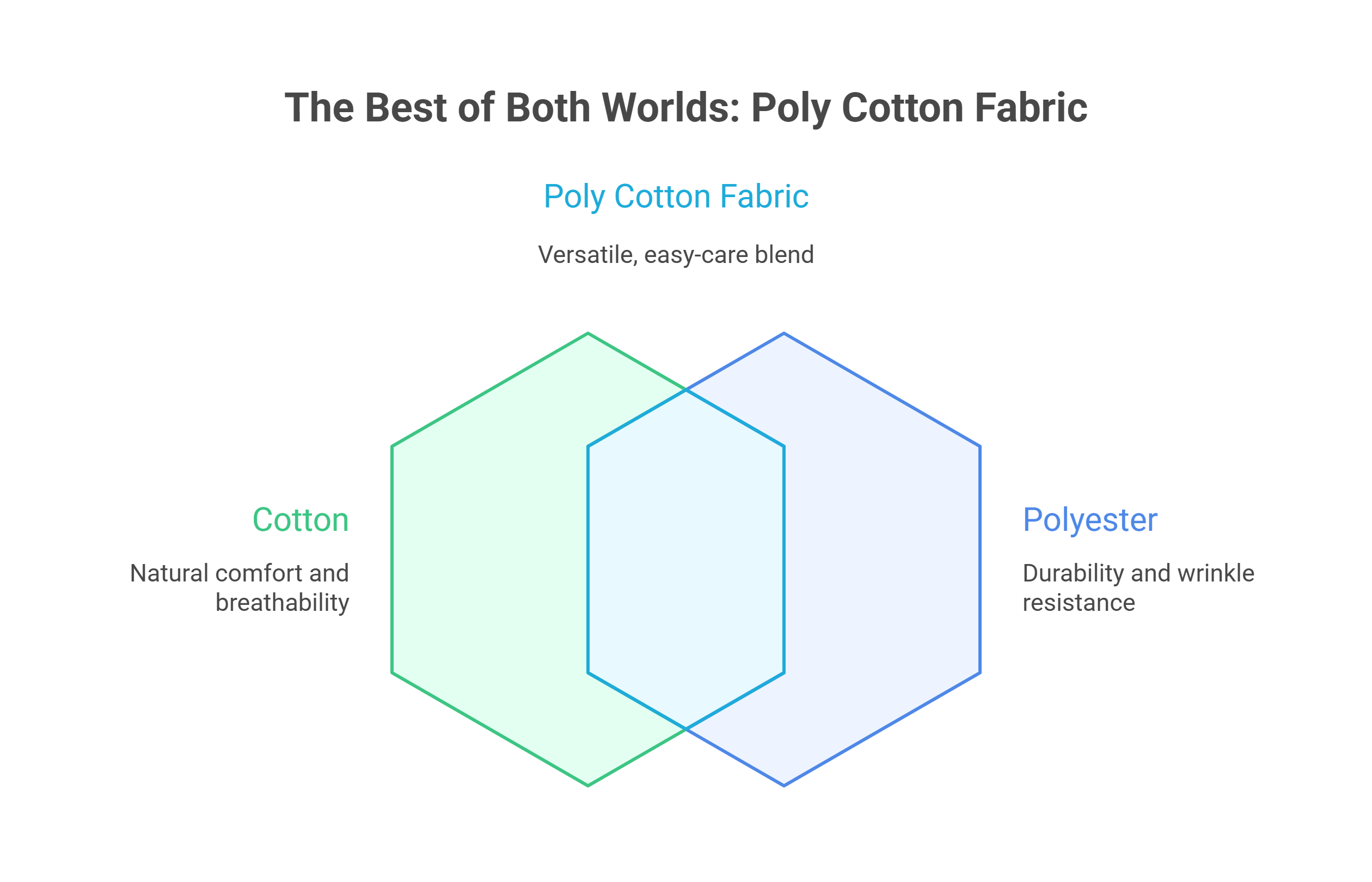
What is poly cotton fabric? It’s a blended textile made by combining polyester and cotton fibers, designed to give you the best of both worlds—durability and comfort. Poly cotton is popular in clothing, uniforms, bed sheets, and even accessories like tote bags because it resists wrinkles, holds color well, and stays breathable.

This versatile fabric strikes a balance between natural softness and synthetic strength, making it a go-to choice for manufacturers, retailers, and buyers alike.

Now let’s dive deeper.

Introduction to Poly Cotton Fabric

Poly cotton fabric, as the name suggests, is a hybrid material made by blending polyester (a synthetic fiber) and cotton (a natural fiber). Typically, the blends are 65% polyester and 35% cotton, or 50/50, but these ratios can vary depending on the intended purpose. This combination brings together the natural breathability and softness of cotton with the strength, resilience, and wrinkle resistance of polyester.

This fabric has become a staple in industries ranging from fashion to interior textiles. Whether it’s the shirt you wear to work or the bedsheets you sleep on, poly cotton is probably closer to your daily life than you realize.

Why Poly Cotton Was Created?

The idea behind poly cotton fabric was to overcome the weaknesses of 100% cotton and 100% polyester. Cotton alone is comfortable and breathable but tends to shrink, wrinkle, and wear down quickly. Polyester, on the other hand, is long-lasting, retains shape, and resists stains, but it lacks comfort and breathability.

By blending them, manufacturers created a fabric that:

  • Is softer and more breathable than pure polyester.
  • Holds shape better and wrinkles less than pure cotton.
  • Costs less to produce and lasts longer.

In other words, poly cotton fabric represents a win-win for both consumers and businesses.

Key Properties of Poly Cotton

  1. Durability: Poly cotton is stronger than cotton alone, making it suitable for items that undergo frequent washing, like uniforms and bed linens.
  2. Wrinkle Resistance: The polyester content helps the fabric stay neat without constant ironing.
  3. Softness: The cotton content ensures the material still feels comfortable against the skin.
  4. Breathability: Though not as airy as pure cotton, poly cotton allows enough airflow to remain wearable in most climates.
  5. Cost Efficiency: It is more affordable than 100% cotton, especially for bulk orders, making it a popular choice in wholesale markets, including those that specialize in fleece blankets wholesale.

Common Uses of Poly Cotton

  1. Apparel: From t-shirts and dress shirts to work uniforms, poly cotton is valued in clothing manufacturing for its versatility and comfort.
  2. Home Textiles: Poly cotton is commonly used in bedsheets, pillowcases, tablecloths, and curtains because it is both practical and easy to care for.
  3. Crafts and Accessories: Tote bags, aprons, and quilting often rely on poly cotton for its durability and color retention.
  4. Hospitality Industry: Hotels and restaurants rely on poly cotton linens that withstand repeated washing while remaining presentable.
  5. Blankets and Throws: While poly cotton blends are popular, bulk buyers also look for complementary textiles like fleece blankets wholesale, where affordability and warmth meet.

Advantages of Poly Cotton

  • Easy Care: Machine washable, quick-drying, and resistant to shrinking.
  • Cost-Effective: Offers a lower price point than pure cotton without sacrificing quality.
  • Colorfastness: Retains dye better, meaning vibrant prints and colors last longer.
  • Versatility: Suitable for both personal and commercial use.

Disadvantages of Poly Cotton

No fabric is perfect, and poly cotton is no exception. Some drawbacks include:

  • Less Breathable: While more breathable than polyester, it’s still warmer than pure cotton.
  • Pilling: Over time, polyester fibers may form small balls on the surface.
  • Environmental Impact: Polyester is not biodegradable, so the blend is less eco-friendly than natural fabrics.

How Poly Cotton Compares to Other Fabrics?

  1. Poly Cotton vs 100% Cotton
    • Cotton is more breathable but wrinkles easily.
    • Poly cotton is more durable and less prone to shrinking.
  2. Poly Cotton vs 100% Polyester
    • Polyester lasts longer but feels less comfortable.
    • Poly cotton balances softness and strength.
  3. Poly Cotton vs Fleece
    • Fleece is warmer and better for blankets, often sold in bulk like fleece blankets wholesale.
    • Poly cotton is lighter, making it ideal for clothing and linens.

Caring for Poly Cotton

One of the reasons poly cotton is widely loved is because it’s easy to maintain:

  • Washing: Machine wash in warm water with mild detergent.
  • Drying: Tumble dry on low heat; avoid high temperatures to prevent damage.
  • Ironing: Light ironing is usually sufficient, thanks to wrinkle resistance.
  • Storage: Store in a cool, dry place to avoid mildew and prolong fabric life.

Why Businesses Love Poly Cotton?

Retailers, wholesalers, and service industries favor poly cotton for several reasons:

  • Bulk Orders: Lower costs for high volumes make it ideal for uniforms, linens, and bedding.
  • Consistency: With standardized blends, the quality and feel remain uniform across large orders.
  • Longevity: Its durability reduces replacement costs.

Whether for resale or operational use, poly cotton provides excellent return on investment, just like other bulk textile markets such as fleece blankets wholesale.

The Future of Poly Cotton

With growing awareness about sustainability, manufacturers are exploring ways to make poly cotton blends more eco-friendly. Options include using recycled polyester or organic cotton. Innovations in textile technology may also lead to blends that are softer, greener, and even more durable.

Conclusion

So, what is poly cotton fabric? It’s a clever blend of polyester and cotton designed to give consumers and businesses the benefits of both. With its affordability, durability, and versatility, it continues to dominate industries from fashion to hospitality. While it has some downsides, its advantages make it one of the most practical fabrics of modern times. Whether you’re looking for everyday wear, home linens, or bulk textiles, poly cotton deserves a spot on your radar.