Archive | October, 2025

What Can You Make with Fleece Fabric?

29 Oct

Quick Answer: What Can You Make with Fleece Fabric?

If you’ve ever wondered what can you make with fleece fabric, the answer is — almost anything cozy, soft, and functional. Fleece is an incredibly versatile textile used to create blankets, scarves, hats, pet beds, jackets, and even DIY crafts.

Thanks to its warmth, durability, and easy maintenance, it’s popular among both hobbyists and manufacturers. Whether you’re creating gifts or sourcing fleece blankets wholesale for resale, this fabric allows endless possibilities for comfort and creativity. Many small businesses also buy fleece blankets bulk to personalize and sell during colder seasons.

Now let’s dive deeper.
The Magic of Fleece Fabric

Few materials rival fleece when it comes to comfort, versatility, and affordability. Originally designed as a synthetic alternative to wool, fleece quickly became a household favorite. It’s lightweight yet warm, breathable yet insulating — perfect for everything from apparel to home décor.

Fleece is made from polyester fibers woven and brushed to create a soft, plush texture that feels luxurious to the touch. Because it doesn’t fray easily and comes in a wide variety of colors and prints, it’s a dream for both crafters and professional designers.

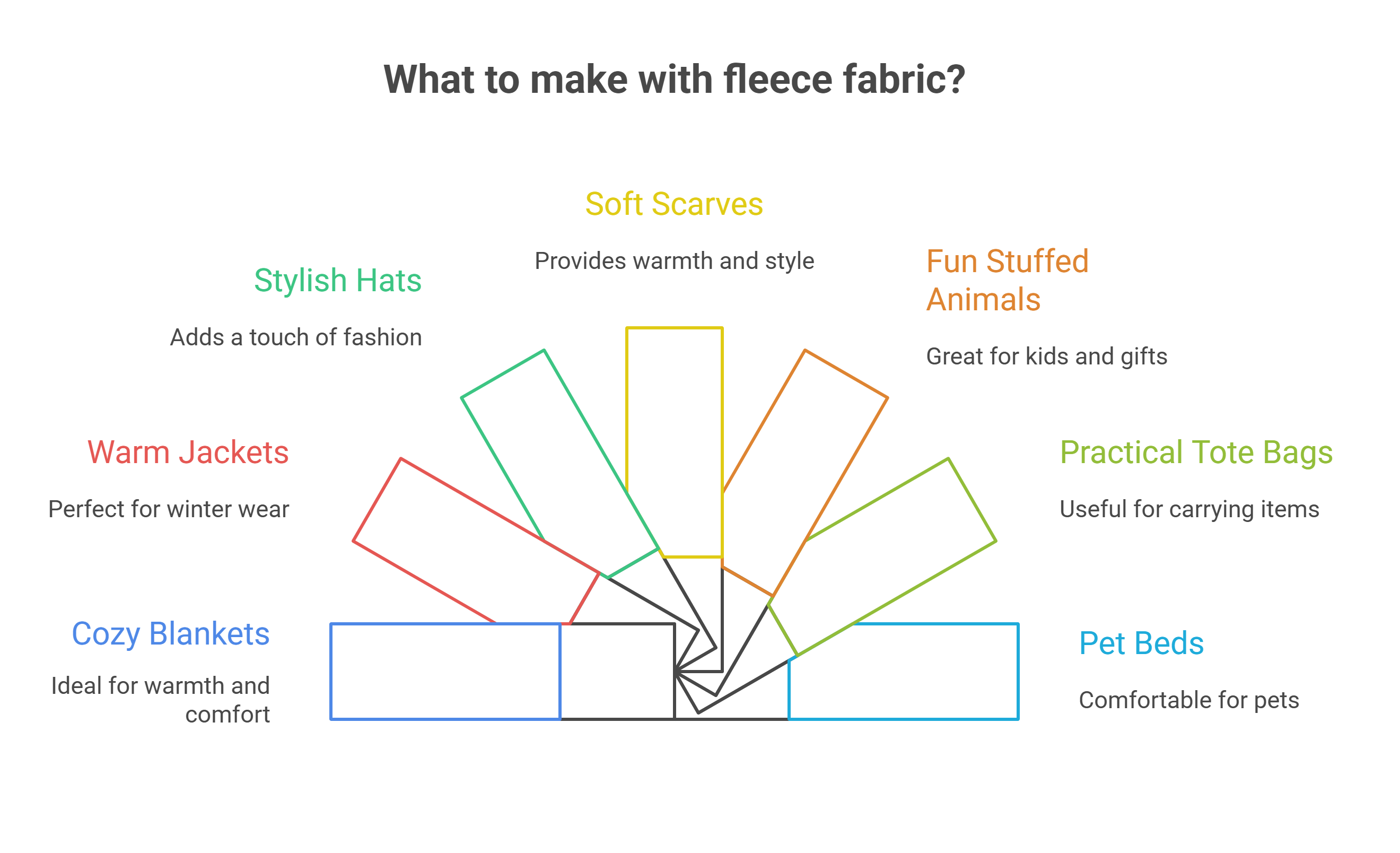
1. Cozy Blankets and Throws

Let’s start with the most obvious and most popular use — blankets. Fleece blankets are known for their warmth, softness, and durability, making them ideal for every season.

  • Single-layer throws: Great for summer nights or movie marathons.
  • Double-layer blankets: Two fleece sheets sewn together for extra warmth and a neat, reversible look.
  • Tied fleece blankets: No-sew blankets made by cutting fringes and knotting the edges — perfect for quick DIY projects.

Businesses often order fleece blankets wholesale to brand them with company logos for giveaways, events, or retail sales. Because fleece is cost-effective and easy to customize, it’s the top choice for both personal and commercial blanket-making.

2. Warm Clothing and Winter Accessories

Fleece is a go-to fabric for cold-weather apparel because of its lightweight insulation. You can make:

  • Sweatshirts and hoodies: Great for layering and extremely comfortable.
  • Jackets and vests: Popular in outdoor gear due to their moisture-wicking properties.
  • Scarves and gloves: Easy to make and personalize with patterns or embroidery.
  • Beanies and ear warmers: A simple project that makes excellent handmade gifts.

Because fleece doesn’t unravel, it’s perfect for beginners — no need for hemming or finishing edges in most cases. That’s why many small clothing brands and Etsy sellers choose fleece for their winter collections.

3. Pet Accessories and Bedding

Our furry friends love fleece as much as we do. It’s soft, washable, and durable, making it ideal for pet products like:

  • Dog beds and cat mats: Soft layers of fleece sewn or tied together.
  • Pet blankets: Easy to clean and perfect for crates or travel.
  • Toys and chew ropes: Braided strips of fleece create fun, safe toys for pets.

Pet shelters often make use of leftover fleece fabric or purchase fleece blankets bulk to create bedding for animals. It’s a cost-effective and humane way to provide comfort in colder months.

4. Home Décor Essentials

Fleece isn’t just for clothing and blankets — it’s a wonderful addition to home décor. Its flexibility makes it perfect for:

  • Pillow covers: Add warmth and texture to living rooms or bedrooms.
  • Draft stoppers: Roll fleece and fill with rice or sand to block cold air under doors.
  • Chair or sofa throws: Stylish accents that double as functional layers during winter.
  • Table runners and coasters: Especially popular in festive or themed designs.

You can coordinate fleece patterns to match your interior style — whether rustic, modern, or playful.

5. Baby and Children’s Items

Fleece is hypoallergenic and gentle, making it safe for baby-related products. You can craft:

  • Baby blankets: Soft, lightweight, and machine washable.
  • Burp cloths and bibs: Easy to make and absorbent.
  • Stuffed animals: Fleece’s texture is perfect for cuddly toys.
  • Sleep sacks and pajamas: Keep babies warm without overheating.

Parents love fleece for its practicality — it’s soft against sensitive skin and dries quickly, making it ideal for everyday use.

6. Travel and Outdoor Gear

Because fleece retains warmth even when damp, it’s an essential fabric for outdoor enthusiasts. You can make:

  • Camping blankets: Lightweight but insulating for cool nights.
  • Travel pillows and sleep masks: Soft and compact for road trips or flights.
  • Picnic blankets: Durable, easy to wash, and resistant to grass stains.
  • Seat covers and car throws: Add comfort to vehicles during long rides.

Adventure brands often purchase fleece blankets wholesale to distribute under their own labels or as branded giveaways for loyal customers.

7. Holiday Gifts and Crafts

One of the most rewarding ways to use fleece is for handmade gifts. Since it’s affordable and forgiving to work with, you can make dozens of custom pieces quickly. Try these ideas:

  • Personalized photo blankets for family members.
  • Christmas stockings in holiday prints.
  • Stuffed hearts or ornaments for décor.
  • Custom team or school spirit scarves with appliqué logos.

Fleece’s wide range of colors and patterns — from polka dots to paw prints — makes it easy to create thoughtful, customized gifts for any occasion.

8. DIY Projects and Upcycling Ideas

Got leftover fleece scraps? Don’t throw them away! Here are clever ways to reuse every inch:

  • Earbud pouches or phone sleeves: Protect devices with soft padding.
  • Cozy slippers or boot liners: Ideal for home use.
  • Reversible tote bags: Strong enough for daily errands.
  • Hair scrunchies: Fun and quick to sew.

These projects are perfect for craft fairs or Etsy shops where handmade, sustainable items are in high demand.

9. Why Fleece Is the Ideal Fabric for Makers and Businesses?

Fleece stands out because it combines affordability, ease of use, and versatility. Here’s why crafters and entrepreneurs love it:

  • Easy to cut and sew: No fraying edges.
  • Low maintenance: Machine washable and quick drying.
  • Year-round demand: Especially high during fall and winter seasons.
  • Highly customizable: Works well with embroidery, heat transfer vinyl (HTV), and sublimation printing.
  • Environmentally friendly options: Recycled fleece made from PET bottles is now widely available.

Because fleece items sell well online and offline, many small businesses buy fleece blankets bulk to customize with prints or embroidery and resell for profit.

10. Tips for Working with Fleece Fabric

While fleece is beginner-friendly, following a few professional tips ensures perfect results:

  • Use a sharp rotary cutter to get clean edges.
  • Sew with a ballpoint needle to prevent fabric damage.
  • Avoid high heat when ironing fleece can melt or distort.
  • Pre-wash fabric to remove lint and prevent static.
  • Test stretch direction it matters when making fitted garments or accessories.

These small steps make a big difference in achieving professional-quality finished products.

11. The Growing Market for Fleece Products

Fleece isn’t just popular for personal use—it’s also a booming market opportunity. With global demand for sustainable, cozy textiles rising, fleece products are in high demand across:

  • Hospitality: Hotels and spas use branded fleece throws.
  • Corporate gifting: Businesses love practical, logo-ready items.
  • Online retail: Custom fleece blankets and apparel sell year-round.
  • Pet care: Affordable, washable pet accessories are growing in popularity.

Entrepreneurs who buy fleece blankets bulk can easily scale their business by offering customized designs, branded packaging, or themed collections.

Final Thoughts

When someone asks, what can you make with fleece fabric, the possibilities are nearly endless. From soft blankets and stylish apparel to pet accessories and home décor, fleece offers a perfect balance of comfort, durability, and creativity.

Its affordability and adaptability make it a top choice for both hobbyists and businesses alike. Whether you’re crafting one-of-a-kind gifts or ordering fleece blankets wholesale for your brand, fleece remains one of the most versatile materials in the textile world.

In short, creativity begins where comfort meets craftsmanship — and fleece is the fabric that brings them together.

How Much Fleece for a Blanket?

29 Oct

Quick Answer: How Much Fleece for a Blanket?

If you’ve ever wondered how much fleece for a blanket you really need, the answer depends on the blanket’s size, purpose, and whether you’re making a single or double-layer design.

A small baby blanket typically requires about 1 to 1.5 yards, a throw blanket about 2 yards, and a queen or king-size blanket around 3 to 4 yards of fleece fabric. When producing multiple pieces, buying fleece blankets wholesale or ordering fleece blankets bulk can help save on cost while ensuring consistent texture, warmth, and quality across every piece.

Now let’s dive deeper.

The Cozy Craft That Never Goes Out of Style

Fleece blankets are a timeless favorite — soft, warm, and easy to make, whether you’re crafting at home or producing them commercially. Their versatility makes them ideal for gifts, fundraisers, home décor, and promotional use. But one question arises every time you start a blanket project: how much fleece for a blanket should you buy?

Getting the measurements right is important. Too little fabric can ruin your project, while too much can lead to unnecessary waste or expense. Understanding the dimensions, design type, and fleece variety helps you calculate the right amount for your needs — whether you’re sewing, tying, or ordering in bulk.

1. Understanding Fleece Fabric

Before you grab your scissors or shopping cart, it helps to understand the fabric itself. Fleece is a synthetic fabric made primarily from polyester. It’s known for its lightweight feel, warmth, and soft texture — which mimic wool but without the heaviness or itchiness.

There are several types of fleece commonly used for blankets:

  • Anti-pill fleece: Smooth on both sides and resistant to pilling, making it great for long-term use.
  • Blizzard fleece: Extra warm and slightly thicker; ideal for winter blankets.
  • Microfleece: Lightweight and breathable, perfect for baby or travel blankets.
  • Polar fleece: Dense and plush, providing excellent insulation.

Choosing the right fleece type affects how much material you need. Thicker fabrics (like blizzard or polar fleece) often require slightly more yardage due to shrinkage or seam adjustments.

2. Blanket Size Guide: How Much Fleece You’ll Need?

Here’s a quick reference chart to help you decide how much fleece to buy based on blanket size:

Blanket TypeDimensions (inches)Yards of Fleece Needed
Baby Blanket30 x 401 – 1.5 yards
Toddler Blanket36 x 501.5 – 2 yards
Throw Blanket50 x 602 yards
Twin Blanket66 x 902.5 – 3 yards
Full/Queen Blanket90 x 903 – 3.5 yards
King Blanket108 x 903.5 – 4 yards

These estimates assume you’re making a single-layer blanket. If you’re creating a no-sew tie blanket or a double-layer fleece blanket, simply double the yardage. For example, a 2-yard throw will need 4 yards total (2 yards per layer).

3. Calculating Fleece for Tie Blankets

Tie blankets are one of the most popular DIY fleece projects. They’re easy to make — no sewing required — and great for gifts or fundraisers.

Here’s how to calculate:

  • Throw size: 2 yards per layer (total 4 yards).
  • Twin size: 2.5 to 3 yards per layer (total 5–6 yards).
  • Queen/King size: 3.5 to 4 yards per layer (total 7–8 yards).

You’ll also want to leave room for the fringe cuts, typically around 4–6 inches on each side. That means a bit more fabric helps maintain the blanket’s finished dimensions after tying.

4. Custom vs. Pre-Made: When Buying in Bulk Makes Sense?

If you’re creating blankets for resale, branding, or events, buying fabric for each piece individually can get expensive. That’s where fleece blankets wholesale and fleece blankets bulk come in handy.

Benefits of Buying Wholesale:

  • Cost Savings: Wholesale suppliers often offer lower per-unit pricing, especially when ordering 20+ pieces.
  • Consistency: Every blanket has the same thickness, color tone, and softness.
  • Customization Options: Many wholesale suppliers allow logo embroidery, custom tags, or packaging.
  • Time Efficiency: No need to cut, measure, or sew if ordering pre-finished fleece blankets.

This approach is especially useful for businesses, charities, or schools that need large quantities for giveaways, events, or product resale.

5. Factors That Affect How Much Fleece You Need

Several small details can influence how much fleece your project requires:

a. Blanket Design

Simple one-layer throws need less fabric, while double-sided or quilted designs demand more.

b. Fabric Width

Most fleece bolts come in 58–60 inches width, but some specialty fabrics (like printed fleece) may be narrower. Always check width before calculating yardage.

c. Shrinkage and Cutting Margin

Though fleece is less prone to shrinkage than cotton, it can still shrink slightly after washing. Add an extra ¼ to ½ yard to be safe.

d. Fringe or Border

If you’re adding a tied fringe or decorative edge, account for 4–6 inches per side. A neatly cut border enhances appearance but reduces usable blanket area.

6. DIY Example: Making a Throw Blanket

Here’s a step-by-step example to help you visualize the process:

Goal: Make a 50 x 60-inch double-layer tie blanket.

You’ll Need:

  • 2 pieces of fleece, each 2 yards (total 4 yards).
  • Scissors or rotary cutter.
  • Measuring tape.
  • Pins (optional).

Steps:

  1. Lay both fleece pieces flat, wrong sides facing each other.
  2. Trim edges to ensure both layers align perfectly.
  3. Cut out a 5-inch square from each corner.
  4. Cut 5-inch fringe strips along all four edges.
  5. Tie the top and bottom fringes together in double knots.

In just an hour or two, you’ll have a cozy handmade throw blanket ready to use or gift.

7. Tips for Efficient Fleece Buying

  1. Buy Extra: A little more fabric is better than falling short, especially for patterned fleece that requires alignment.
  2. Watch for Sales: Many fabric stores offer deep discounts during seasonal clearance events.
  3. Pre-Wash (Optional): While fleece doesn’t shrink much, washing removes static and lint.
  4. Mix Patterns and Solids: Combining one printed and one solid fleece layer creates stylish, two-tone designs.
  5. Consider Weight: Heavier fleece offers more warmth but may require adjustments in yardage for thickness.

If you’re producing multiple blankets, reach out to fleece blankets wholesale suppliers who provide bulk pricing and fabric samples before placing large orders.

8. For Businesses: Scaling Blanket Production

For companies in the textile, décor, or promotional products industry, scaling blanket production requires efficiency and consistency. Buying fleece blankets bulk instead of cutting from rolls allows you to focus on branding rather than production logistics.

These ready-made blankets can be customized with:

  • Embroidery or printed logos for corporate gifting.
  • Private labeling for retail resale.
  • Charity branding for donation drives or fundraising events.

Additionally, wholesale vendors often supply eco-friendly options made from recycled polyester fleece, appealing to sustainability-conscious consumers.

9. Common Questions About Fleece Yardage

Q: Can I make two small blankets from one large piece of fleece?

Yes. For example, a 3-yard piece of 60-inch-wide fleece can be cut into two baby blankets.

Q: What if my fleece isn’t wide enough?

You can sew two pieces together lengthwise to achieve desired dimensions.

Q: Should I buy patterned or solid fleece for beginners?

Start with solids or simple prints; patterns require careful alignment to look professional.

Q: Is fleece easy to work with?

Absolutely. It doesn’t fray, which means no hemming is necessary—a major plus for beginners.

Final Thoughts

When planning your next cozy project, knowing how much fleece for a blanket makes all the difference in achieving the perfect size and comfort. From a small baby wrap to a luxurious king-size throw, measuring correctly ensures beautiful results every time.

If you’re producing blankets for business, charity, or resale, consider sourcing from fleece blankets wholesale or fleece blankets bulk suppliers. Not only does this reduce costs, but it also guarantees uniform quality and availability for larger orders.

Whether it’s for crafting, gifting, or growing your product line, the right fleece—and the right amount—will keep every creation as warm, soft, and inviting as it’s meant to be.

What Can I Make with Fleece Fabric?

29 Oct

Quick Answer: What Can I Make with Fleece Fabric?

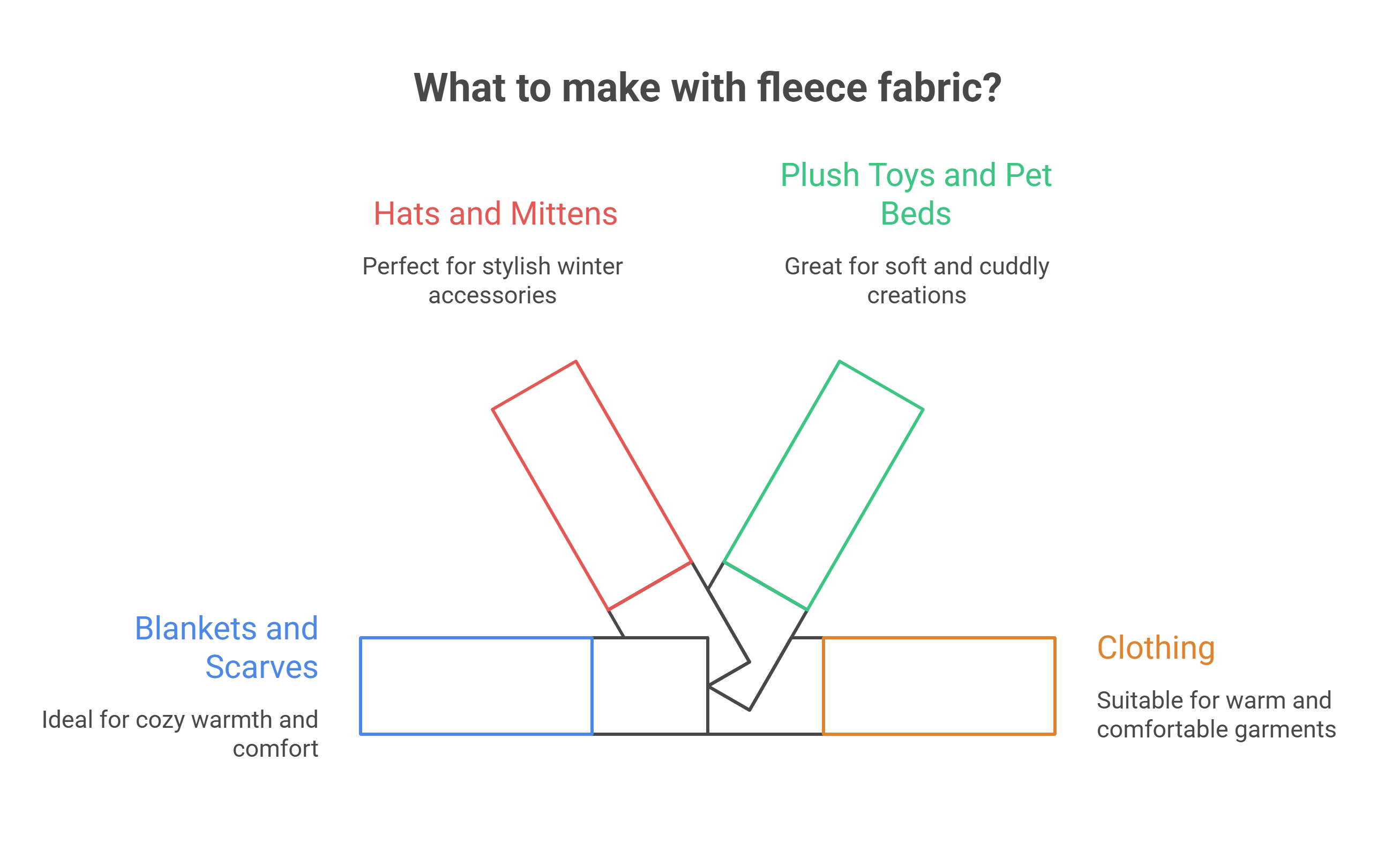
Wondering what can I make with fleece fabric? The answer is — almost anything cozy, creative, and functional! Fleece is a soft, durable, and budget-friendly material perfect for crafting personalized gifts, home décor, clothing, and even pet accessories.

From handmade scarves and mittens to customized throws and fleece blankets wholesale, this fabric adapts easily to both sewing and no-sew projects. Whether you’re a hobby crafter or a business sourcing fleece blankets bulk, fleece’s warmth, versatility, and easy maintenance make it one of the best all-purpose materials available today.

Now let’s dive deeper.

Why Fleece Fabric is a Crafter’s Dream?

Fleece fabric has earned its place as a go-to material for both creative DIYers and commercial textile producers. Known for its softness, warmth, and easy handling, fleece requires no hemming, resists fraying, and comes in endless colors, patterns, and thicknesses. Whether you’re crafting by hand or mass-producing products for resale, fleece combines comfort with practicality.

What makes fleece stand out is its adaptability — it’s suitable for both small-scale personal crafts and large-scale manufacturing projects. From baby blankets to outdoor gear, fleece is a favorite across industries. Let’s explore exactly what you can make with fleece fabric and how to make the most of it.

1. Cozy and Custom Fleece Blankets

Perhaps the most popular use of fleece fabric is creating blankets. Fleece is warm, lightweight, and perfect for year-round comfort.

a. No-Sew Blankets

A favorite among beginners, no-sew fleece blankets require minimal tools. Simply layer two fleece sheets, cut fringe edges, and tie them together. The result is a soft, decorative blanket that requires no stitching.

b. Personalized Gifts or Business Products

If you’re running a small craft shop or an embroidery business, personalized fleece blankets make fantastic gift items. You can add custom embroidery, applique designs, or logos for corporate giveaways, sports teams, or family reunions.

For those in the textile trade, sourcing fleece blankets wholesale ensures consistent quality and pricing for bulk orders. Wholesale fleece allows you to design, customize, and resell without worrying about high unit costs — a win-win for entrepreneurs and customers alike.

2. Stylish Fleece Scarves and Shawls

Fleece scarves are easy to make, incredibly soft, and ideal for winter fashion. With just a yard of fleece, you can create multiple scarves for family, gifts, or resale. You can:

  • Add fringes for flair.
  • Stitch two contrasting fabrics for a reversible look.
  • Personalize with heat-pressed vinyl or embroidery.

Because fleece doesn’t unravel, these accessories require no hemming, saving both time and effort.

3. Warm Hats, Mittens, and Ear Warmers

Winter accessories like hats and mittens are simple to craft from fleece and make excellent handmade gift sets. You can use printable patterns or freehand designs. The stretch and softness of fleece provide both comfort and insulation — great for cold climates or holiday markets.

  • Hats: Beanies, slouch caps, or animal-ear hats for kids.
  • Mittens: Sew lined mittens or fingerless gloves for tech-friendly wear.
  • Ear Warmers: Perfect scrap fabric project for leftover fleece pieces.

These are popular items for crafters who attend local fairs or Etsy sellers who prefer low-cost, high-profit handmade goods.

4. Pet Accessories and Bedding

Pets love fleece for the same reasons people do — it’s warm, soft, and easy to wash. You can make:

  • Pet blankets and beds.
  • No-sew tug toys.
  • Reversible pet jackets for cold walks.
  • Car seat covers to keep fur off upholstery.

If you run a pet supply store or custom pet boutique, ordering fleece blankets bulk helps you produce consistent, high-quality accessories for your customers while keeping costs manageable.

5. Home Décor and Comfort Items

Fleece isn’t limited to wearable crafts. It’s perfect for cozy home projects that add texture and warmth to any space.

  • Pillow Covers: Make quick covers with envelope folds or zippers.
  • Draft Stoppers: Fill fleece tubes with rice or beans to block cold air under doors.
  • Chair Throws: Add comfort to your living room or office with decorative fleece throws.
  • Floor Cushions or Poufs: Soft and lightweight for kids’ rooms or reading corners.

Fleece’s adaptability means you can easily match your décor with seasonal colors or printed designs.

6. Kids’ Crafts and Toys

Fleece is safe for children’s projects because it’s soft, hypoallergenic, and easy to clean. Parents, teachers, and daycare centers love using fleece for hands-on crafts such as:

  • Stuffed animals and plush toys.
  • Dress-up costumes or capes.
  • Baby blankets or burp cloths.
  • Playroom floor mats.

Even simple DIY projects like “tie pillows” or “snuggle blankets” help kids learn basic crafting skills while creating something they can use.

7. Apparel and Outdoor Gear

With its excellent insulation properties, fleece is widely used in clothing and sportswear. You can create:

  • Jackets and Hoodies: Perfect for layering in cool weather.
  • Vests and Pullovers: Lightweight warmth for outdoor activities.
  • Loungewear and Pajamas: Cozy and breathable for home comfort.
  • Camping and Travel Blankets: Compact, washable, and easy to store.

Fleece is also a favorite fabric for outdoor and adventure brands because it retains warmth even when damp — ideal for hikers, campers, and athletes.

8. DIY Gifts and Seasonal Décor

If you’re into holiday crafting, fleece is your best friend. Its versatility allows you to create festive items such as:

  • Christmas stockings and tree skirts.
  • Valentine’s heart pillows or blankets.
  • Halloween costumes or plush pumpkins.
  • Personalized gift wraps and ribbons.

For craft sellers, seasonal fleece products sell exceptionally well when marketed as “handmade gifts” during peak seasons.

9. Educational or Sensory Crafts

Teachers and occupational therapists often use fleece for educational or therapeutic projects. The texture and warmth of fleece make it suitable for:

  • Sensory mats and weighted lap pads.
  • Storytime props and puppets.
  • Alphabet and shape cutouts for preschool classrooms.
  • Quiet books and interactive learning tools.

Fleece is gentle, machine washable, and safe for children — a reliable choice for hands-on learning materials.

10. Eco-Friendly and Upcycled Projects

With sustainability on the rise, many fleece fabrics are now made from recycled plastic bottles (PET). This eco-friendly version offers the same comfort and durability while reducing environmental impact.

If you’re passionate about sustainability, consider making:

  • Reusable fleece wipes or cleaning pads.
  • Shopping bag handles or protective wraps.
  • DIY insulation liners for bags or lunch totes.

Upcycling fleece scraps into new items minimizes waste and promotes green crafting practices.

11. Selling Fleece Creations — Turning Passion into Profit

Fleece isn’t just a crafting staple; it’s a business opportunity. Small business owners, Etsy sellers, and boutique manufacturers can build profitable product lines with fleece-based items. Here’s how:

  • Purchase fleece blankets wholesale to customize with embroidery, patches, or prints.
  • Create themed collections (e.g., holiday blankets, pet beds, or kids’ gifts).
  • Offer personalized monogramming or logo printing for businesses.

Buying fleece blankets bulk reduces your per-unit cost, letting you price competitively while maintaining healthy profit margins.

Final Thoughts

If you’ve ever wondered what can I make with fleece fabric, the possibilities are nearly endless. From cozy home projects to profitable handmade goods, fleece combines warmth, affordability, and versatility in one easy-to-use material.

Whether you’re crafting custom scarves for family, pet beds for your store, or sourcing fleece blankets wholesale for your growing business, this fabric remains one of the most rewarding to work with.

When purchased in fleece blankets bulk, you not only save on costs but also open up countless opportunities to design, personalize, and profit — all while spreading a little extra comfort and creativity to those around you.

Where Can I Buy Blanket Fabric?

29 Oct

Quick Answer: Where Can I Buy Blanket Fabric?

If you’re wondering where can I buy blanket fabric, the best options include online fabric wholesalers, textile manufacturers, craft supply stores, and specialty marketplaces that offer a variety of materials—such as fleece, flannel, cotton, and sherpa.

Whether you’re purchasing for personal projects or resale, you’ll find excellent deals through suppliers offering fleece blankets wholesale and fleece blankets bulk orders. These suppliers provide customization, color variety, and discounts on large quantities, making it easy for small businesses, crafters, and retailers to source high-quality blanket fabric affordably.

Why Blanket Fabric Matters More Than You Think?

Blankets are more than just cozy comfort—they’re a blend of functionality, style, and warmth. From winter throws to baby blankets, the choice of fabric determines how soft, durable, and visually appealing the finished product will be. But before creating or selling blankets, you need to answer one key question: Where can I buy blanket fabric?

Whether you’re a DIY enthusiast, an interior designer, or a business looking to source fabric for production, finding reliable suppliers who deliver quality at scale is essential.

1. Understanding Blanket Fabrics: What You Should Know?

Before you start shopping, it’s important to know what makes a fabric suitable for blankets. The perfect material should combine softness, insulation, and durability while being easy to maintain.

Here are some common types of blanket fabrics you’ll encounter:

  • Fleece: Soft, affordable, and lightweight, fleece is ideal for cozy winter blankets. It’s also hypoallergenic and easy to wash.
  • Flannel: Made of brushed cotton, flannel provides warmth without being too heavy—great for transitional seasons.
  • Sherpa: Known for its fluffy, wool-like texture, sherpa adds a luxurious feel to blankets.
  • Cotton: Breathable and natural, cotton blankets are ideal for year-round use.
  • Wool: Offers excellent insulation but requires special care to maintain texture.
  • Minky Fabric: Extremely soft and plush, perfect for baby blankets or high-end custom creations.

Once you know your fabric type, you can narrow down your sources—whether you’re buying fleece blankets wholesale or selecting smaller cuts for handmade designs.

2. Where to Buy Blanket Fabric?

a. Online Fabric Wholesalers

If you’re buying in bulk, online wholesalers are your best bet. They specialize in large orders and often provide discounted pricing for retailers, designers, and manufacturers.

Popular options include:

  • Fabric.com – Offers a vast range of blanket materials including fleece, flannel, and minky.
  • WholesaleFabrics.co – Known for bulk deals and custom color orders.
  • Joann Wholesale – A go-to for craft businesses and DIY creators.
  • Alibaba or Made-in-China – Ideal for international wholesale sourcing, especially for fleece blankets bulk orders.

Online wholesalers provide competitive pricing, fabric swatches, and delivery to your doorstep, making them ideal for scaling production or building your brand.

b. Local Fabric Stores and Craft Chains

If you prefer to touch and feel the material before purchasing, local fabric stores like Joann Fabrics, Hobby Lobby, or Michael’s are excellent options. They often have seasonal discounts and clearance sales on cozy materials like fleece or sherpa.

Benefits include:

  • Immediate availability.
  • No shipping delays.
  • Personalized assistance from in-store experts.

However, prices per yard may be higher than wholesale suppliers, especially for larger projects.

c. Textile Manufacturers

For businesses that need large quantities or custom designs, working directly with textile manufacturers can be the most cost-efficient option. Manufacturers can produce fabric according to your specifications—color, weight, or even custom patterns.

Advantages:

  • Access to fleece blankets wholesale pricing.
  • Customization options (branding, dye color, stitching).
  • Bulk order discounts and long-term supply contracts.

These manufacturers typically serve retailers, hotels, or promotional product companies, but many are open to small business partnerships as well.

d. Online Marketplaces and Specialty Retailers

If you’re running a small operation or just starting, marketplaces like Etsy, Amazon Business, and eBay Wholesale provide flexible buying options without the high minimum order quantities that come with factory deals.

These platforms are great for:

  • Sampling multiple materials.
  • Testing fabric quality before scaling up.
  • Finding niche or custom-printed fabrics for small-batch production.

e. Trade Shows and Fabric Expos

Attending fabric trade shows can be incredibly valuable for networking with suppliers and discovering new materials. Events such as Texworld USA or Fabric Show Orlando feature hundreds of vendors showcasing innovative fabrics.

For Florida and nearby states, you might also find regional expos where local distributors showcase fleece blankets bulk options for commercial buyers.

3. Factors to Consider Before Buying Blanket Fabric

Buying fabric may sound simple, but making the right purchase requires attention to detail. Here’s what to consider before placing an order:

a. Material Quality

Softness, durability, and thickness should align with your intended use. A fleece throw blanket will require different material properties than a decorative couch blanket.

b. Fabric Weight

Fabric weight (measured in GSM—grams per square meter) determines warmth and density. For example:

  • 150–250 GSM: Lightweight and breathable (good for summer).
  • 250–350 GSM: Medium-weight, suitable for general blankets.
  • 400+ GSM: Thick and heavy, ideal for winter or plush products.

c. Minimum Order Quantity (MOQ)

If you’re a small business, ensure the supplier offers flexible MOQ requirements. Some manufacturers may require orders of 100+ yards, while others allow smaller purchases.

d. Pricing and Shipping

Compare total costs—including shipping and taxes. Many wholesalers offer free shipping above a certain threshold, making bulk orders more economical.

e. Sustainability

Eco-conscious consumers prefer organic cotton, bamboo, or recycled polyester fleece. Ask suppliers about eco-certifications (like OEKO-TEX or GOTS) if sustainability aligns with your brand values.

4. Why Fleece Is the Most Popular Blanket Fabric?

When it comes to warmth, softness, and affordability, fleece is hard to beat. It’s made from synthetic fibers—typically polyester—which makes it both lightweight and durable. Plus, it dries quickly and resists shrinking, making it perfect for everyday use.

Advantages of Fleece Fabric:

  • Extremely soft and cozy.
  • Machine washable and low maintenance.
  • Available in countless colors and patterns.
  • Affordable even when ordered in large quantities.
  • Suitable for embroidery, printing, and personalization.

This is why most manufacturers and crafters buy fleece blankets wholesale or in fleece blankets bulk lots—it guarantees consistent quality and color uniformity across production batches.

5. How to Identify High-Quality Fleece Fabric?

Not all fleece is created equal. When shopping for quality fleece, check:

  • Density: Thicker fleece offers better insulation.
  • Texture: Should feel smooth, not rough or scratchy.
  • Stretch Recovery: Good fleece bounces back when pulled.
  • Pilling Resistance: Quality fleece doesn’t form fuzzy balls after washing.

Ask your supplier for sample swatches before confirming a large order. Testing the material ensures it meets your comfort and durability expectations.

6. Tips for Buying Fabric in Bulk

Buying blanket fabric in bulk can significantly reduce costs, but it requires smart planning:

  1. Order Samples First: Always inspect color, softness, and texture before committing.
  2. Negotiate Pricing: Bulk purchases often qualify for discounts.
  3. Check Return Policies: Ensure there’s a clear return or replacement policy for defective materials.
  4. Schedule Deliveries: For large orders, coordinate staggered deliveries to avoid storage issues.
  5. Maintain Vendor Relationships: Reliable suppliers often reward repeat customers with better rates.

Purchasing in fleece blankets bulk quantities not only saves money but also ensures consistency in product design and quality—critical for businesses selling custom or branded blankets.

7. Beyond Fabric: Tools and Accessories You’ll Need

If you plan to make your own blankets, consider additional materials such as:

  • Sewing thread and needles
  • Fabric scissors or rotary cutters
  • Measuring tape
  • Edge binding or trims
  • Sewing machines (for commercial use)

Having the right setup ensures your blankets look professional and last longer.

8. How Blanket Fabric Suppliers Add Value to Your Business?

A good supplier is more than a vendor—they’re a partner in your success. Many professional wholesalers and textile producers now offer:

  • Custom printing and embroidery services
  • Private labeling for retail brands
  • Flexible payment plans for small businesses
  • Drop-shipping options for eCommerce sellers

These services streamline your operations and let you focus on sales and branding rather than logistics.

Final Thoughts

When asking where can I buy blanket fabric, the answer depends on your purpose—small-scale crafting, bulk resale, or custom product design. For affordability and quality, online wholesalers and textile manufacturers are excellent choices, especially when purchasing fleece blankets wholesale for consistent quality and color.

If you’re producing on a larger scale or starting a retail line, buying fleece blankets bulk ensures cost efficiency and reliable supply. By choosing trusted suppliers, comparing options, and testing materials, you can source blanket fabrics that meet both your creative and business needs—delivering warmth, comfort, and craftsmanship in every stitch.

What Does Fleece Material Look Like?

29 Oct

Quick Answer: What Does Fleece Material Look Like?

If you’ve ever wondered what fleece material looks like, think of a soft, fluffy fabric that resembles the texture of wool but feels lighter, smoother, and warmer. Fleece has a plush surface with a slightly fuzzy appearance that traps heat efficiently, making it a favorite for cozy clothing and blankets.

Available in various weights and finishes—from microfleece to polar fleece—it’s durable, easy to wash, and dries quickly. Whether used in jackets or fleece blankets wholesale collections, this fabric combines comfort, versatility, and performance like no other textile.

Now let’s dive deeper.

The Cozy Appeal of Fleece

Few fabrics balance warmth, comfort, and practicality as well as fleece. Since its invention in the late 20th century, fleece has become a household name in everything from winter wear to bedding. It’s beloved for being soft, breathable, and surprisingly light while retaining heat efficiently. But what exactly does fleece look like—and how can you tell it apart from other soft materials like flannel or wool?

1. The Origin and Composition of Fleece

Fleece was originally developed as a synthetic alternative to wool. Traditional wool offered warmth but came with drawbacks—weight, shrinkage, and slow drying time. In the 1970s, textile innovators discovered that polyester fibers, when knitted and brushed, could mimic the softness of wool while improving on its drawbacks.

Today, fleece is typically made from 100% polyester, though some variations include blends with cotton or spandex for added flexibility. What gives fleece its signature look and feel is the process of brushing the fibers on one or both sides to create a fluffy, nap-like surface. This texture traps air, providing exceptional insulation.

2. What Fleece Material Actually Looks Like?

So, what does fleece material look like? In simple terms—it’s smooth on one side and fluffy or brushed on the other. Depending on the type of fleece, its texture can vary from velvety and sleek to thick and deep-piled.

Here’s a breakdown of its visual and tactile qualities:

  • Soft Surface: The raised, brushed fibers give fleece a cozy, cloud-like texture.
  • Matte Finish: Unlike satin or silk, fleece has a muted, non-shiny appearance.
  • Visible Nap Direction: You can often see or feel the fibers lying in one direction, similar to suede or velvet.
  • Uniform Texture: High-quality fleece has an even pile, free from lumps or rough patches.
  • Light Sheen on Some Types: Microfleece or anti-pill fleece may have a gentle sheen, reflecting light subtly.

Visually, fleece looks like a smooth, dense blanket of fibers—much like a thick, brushed sweater. When dyed, it holds color exceptionally well, appearing vibrant and consistent across the surface.

3. Types of Fleece and How They Differ in Appearance

Not all fleece fabrics look or feel the same. Different types have distinct textures, weights, and appearances.

a. Microfleece

  • Look: Thin, soft, and smooth with a fine pile.
  • Use: Ideal for lightweight clothing and travel blankets.
  • Touch: Feels silky and delicate, perfect for layering.

b. Polar Fleece

  • Look: Medium to thick with a visible brushed texture.
  • Use: Common in outerwear, jackets, and warm fleece blankets bulk.
  • Touch: Soft but slightly textured for added insulation.

c. Sherpa Fleece

  • Look: Resembles sheepskin or lamb’s wool with a curly, fluffy surface.
  • Use: Common in linings, hoodies, and throw blankets.
  • Touch: Extremely plush, providing deep warmth and comfort.

d. Coral Fleece

  • Look: Glossy and ultra-smooth with longer fibers.
  • Use: Luxury blankets and loungewear.
  • Touch: Silky, warm, and luxurious.

e. Anti-Pill Fleece

  • Look: Dense and even surface with minimal fuzzing.
  • Use: Ideal for fleece blankets wholesale markets where durability matters.
  • Touch: Smooth and consistent, even after repeated washing.

Each of these variations maintains fleece’s core characteristic—its soft, brushed finish—but differs in thickness and surface feel.

4. How Fleece Is Made to Achieve Its Iconic Look?

The distinct appearance of fleece is no accident—it’s carefully engineered. The production process involves:

  1. Knitting the Base Fabric: Polyester yarns are knitted to create a flexible fabric.
  2. Brushing: The surface is brushed using metal bristles to raise fibers, creating that fuzzy, soft feel.
  3. Shearing: The fibers are trimmed to ensure uniform texture and prevent excessive pilling.
  4. Finishing: Treatments like anti-static or anti-pill coatings are applied for durability and softness.

This process gives fleece its recognizable texture: a dense, fluffy surface that looks cozy and feels inviting.

5. Why Fleece Remains Popular in Modern Textiles?

Fleece stands out not just for its appearance but also for its functional benefits:

  • Warmth without Weight: It looks thick but feels light, perfect for layering.
  • Moisture Resistance: Fleece repels water better than natural fibers.
  • Quick-Drying: Ideal for outdoor use or frequent washing.
  • Easy to Clean: Machine washable and resistant to wrinkles.
  • Vibrant Colors: Fleece dyes beautifully, maintaining brightness over time.

Its combination of practicality and comfort makes it a favorite material for everything from sportswear to fleece blankets bulk production.

6. Comparing Fleece to Other Soft Fabrics

To understand fleece visually and texturally, it helps to compare it with other popular materials:

Fabric TypeLook & TextureKey Difference
FleeceFluffy, matte, uniform pileSynthetic, more durable, quick-drying
WoolCoarse, natural fibersHeavier, can feel itchy
FlannelSmooth weave, brushed on one sideCotton-based, less fluffy
VelourGlossy, short velvet-like pileMore sheen, less breathable
SherpaCurly, high-pile textureWarmer and thicker than standard fleece

Visually, fleece is more uniform and matte than velour, less coarse than wool, and more plush than flannel.

7. Fleece in Everyday Products

Fleece’s recognizable look makes it a popular choice in multiple industries. You’ll find it in:

  • Blankets and Throws: The most common use, especially for fleece blankets wholesale production.
  • Outerwear: Jackets, pullovers, and sweatshirts that balance comfort with insulation.
  • Baby Products: Soft baby blankets and sleepwear for sensitive skin.
  • Pet Accessories: Cozy mats and bedding.
  • Promotional Products: Custom logo blankets or winter giveaways.

In each case, fleece delivers that signature “snuggle-ready” appearance that instantly communicates warmth and comfort.

8. How to Identify Quality Fleece by Look and Feel?

Not all fleece fabrics are made equal. Here’s how to spot premium quality fleece at a glance:

  1. Check for Even Texture: Good fleece has consistent pile height and no visible thin spots.
  2. Look for Anti-Pill Labeling: High-quality fleece resists forming small fiber balls after washing.
  3. Inspect the Backing: The underside should be smooth and tightly knit.
  4. Test Flexibility: It should stretch slightly without losing shape.
  5. Feel the Weight: Denser fleece provides better insulation and durability.

The higher the GSM (grams per square meter), the thicker and warmer the fleece tends to be—ideal for fleece blankets bulk or outdoor wear.

9. Sustainability and Modern Innovations

While traditional fleece is made from polyester, many modern manufacturers are now using recycled plastic bottles to create eco-friendly fleece. This innovation maintains the same look and feel while reducing environmental impact.

Some brands also experiment with plant-based polyester alternatives and biodegradable treatments to make fleece more sustainable. The result is a fabric that’s not only soft and durable but also eco-conscious—appealing to both businesses and consumers.

Final Thoughts

So, what does fleece material look like? It’s the fabric that visually communicates warmth, comfort, and softness even before you touch it. Its brushed, velvety surface and even texture give it a cozy, inviting appeal that works across seasons and industries.

Whether it’s used for jackets, pet beds, or large-scale fleece blankets wholesale orders, fleece continues to dominate as one of the most versatile and visually distinctive materials in the textile world. For businesses and consumers alike, investing in fleece products—especially through trusted fleece blankets bulk suppliers—means combining style, practicality, and enduring comfort all in one irresistibly soft package.