Quick Answer: How Much Fabric for Fleece Tie Blanket?
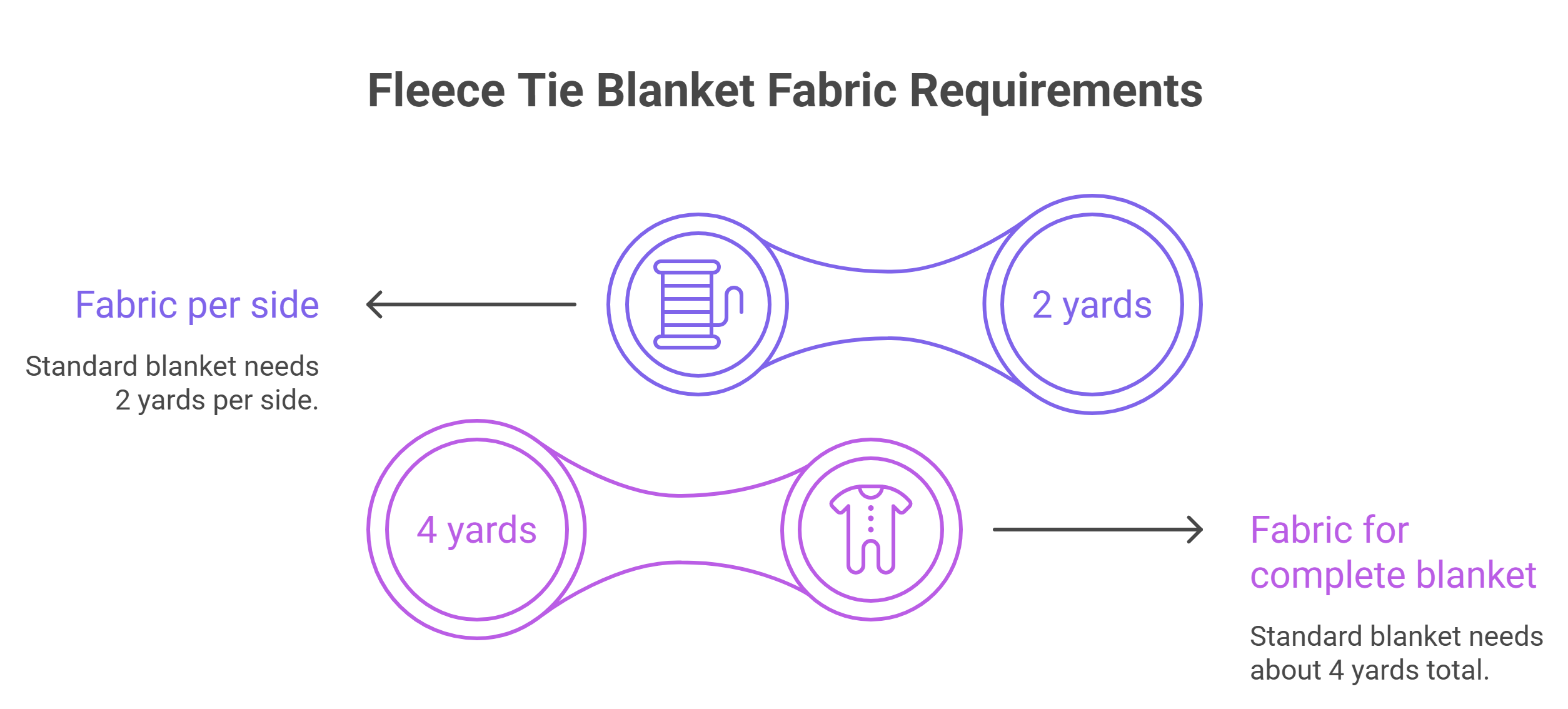
If you’re wondering how much fabric for a fleece tie blanket, the quick answer is: you’ll generally need two pieces of fleece fabric each the same size typically 1.5 to 2 yards for a standard throw, or 2.5 to 3 yards for a larger adult blanket.
The fabric’s width (usually 58–60 inches) remains the same, but the length varies based on your desired size. Whether you’re crafting a cozy winter gift or producing fleece blankets wholesale, choosing quality fleece and calculating fabric precisely ensures a warm, stylish, and professional-looking finish every time.
Now let’s dive deeper.
The Comfort and Simplicity of Fleece Tie Blankets
Few DIY projects combine comfort, style, and simplicity quite like a fleece tie blanket. It’s the perfect mix of craft and coziness no sewing machine required. You simply cut, tie, and in under an hour, you have a soft, custom-made blanket perfect for yourself, your kids, or even charity drives.
But before you begin, you’ll face the most common question among both hobbyists and bulk buyers: How much fabric for a fleece tie blanket is actually needed?
Getting this right ensures that your blanket looks proportional, ties neatly, and wastes as little material as possible. And for those working with fleece blankets wholesale or managing fleece blankets bulk orders, accuracy directly affects your production costs and overall efficiency.
1. Understanding the Basics of Fleece Tie Blankets
A fleece tie blanket is made using two layers of fleece fabric — usually in contrasting or coordinating patterns. The edges of both pieces are trimmed and cut into strips, then tied together to form a finished edge.
No stitching. No complicated patterns. Just fabric, scissors, and creativity.
The project has become incredibly popular for several reasons:
- Fleece doesn’t fray, so no hemming is needed.
- The blanket feels ultra-soft and warm.
- It’s a fun project suitable for all ages — even kids can help tie the knots!
Before we discuss the fabric quantity, let’s cover the most important step: understanding standard blanket sizes.
2. Standard Blanket Size Chart for Fleece Tie Projects
Here’s a quick reference for how much fabric you’ll typically need depending on the blanket’s purpose:
| Blanket Type | Fabric Length (Each Piece) | Total Fleece Needed |
|---|---|---|
| Baby Blanket | 1 yard (each) | 2 yards total |
| Toddler Blanket | 1.5 yards (each) | 3 yards total |
| Teen / Throw Blanket | 2 yards (each) | 4 yards total |
| Adult Blanket | 2.5 yards (each) | 5 yards total |
| Oversized Blanket | 3 yards (each) | 6 yards total |
Since fleece is usually 58–60 inches wide, these lengths ensure the blanket feels balanced and proportionate.
If you’re planning to sell fleece blankets wholesale, maintaining standard dimensions like these ensures consistency for your buyers — an essential factor in product satisfaction and repeat sales.
3. How to Calculate Fabric for Custom Sizes?
Sometimes, you’ll want a custom-sized blanket — perhaps for an oddly shaped couch, a pet bed, or a specific decor aesthetic.
Here’s how to calculate the right amount of fleece:
- Decide the finished blanket size.
Example: You want a 60″ x 80″ blanket (typical queen size throw). - Add extra for the fringe ties.
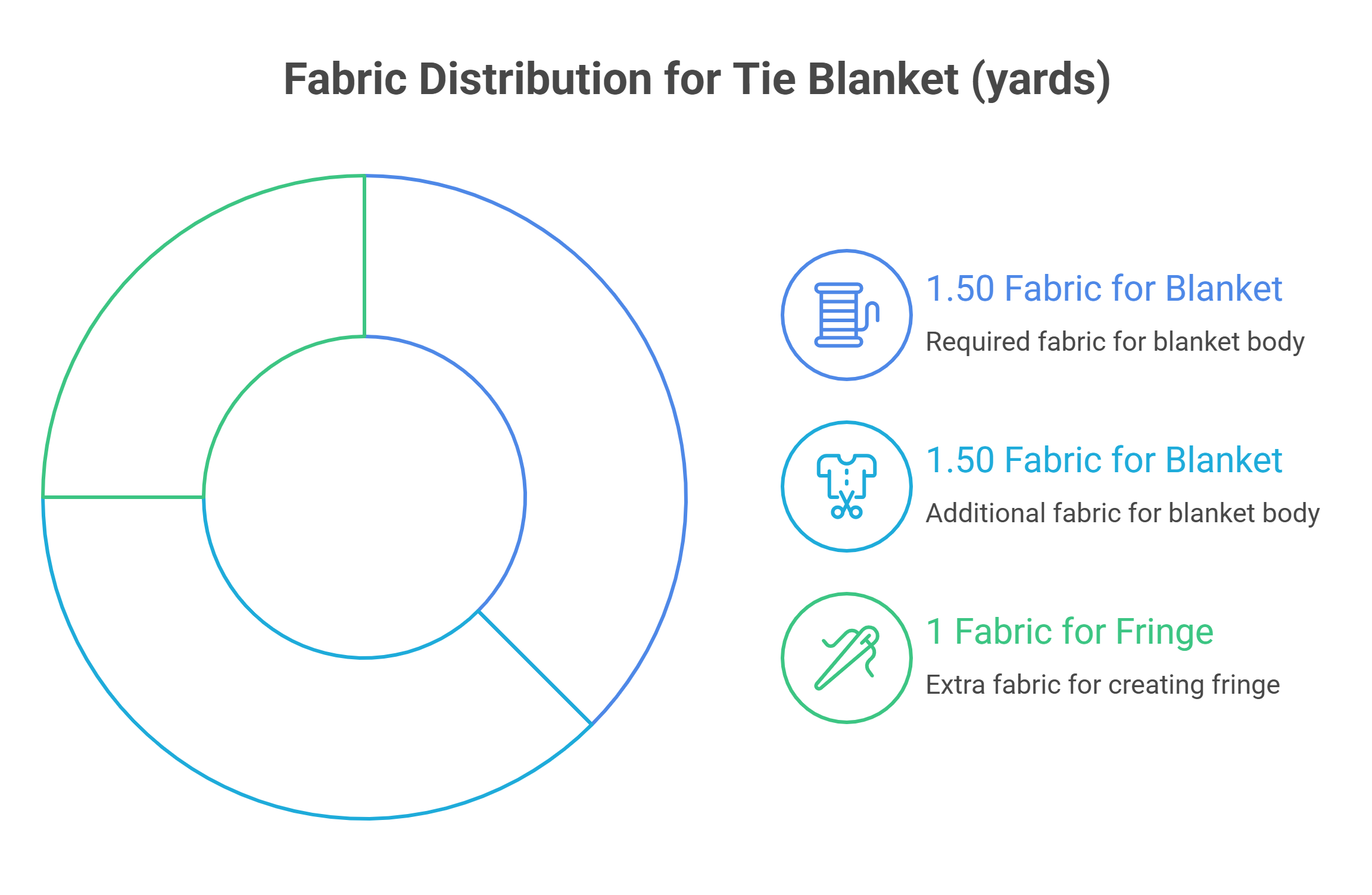
Most tie blankets use 4 to 5 inches per side for knots.
So, add 8–10 inches to both length and width.
That means you’ll need two pieces approximately 68″ x 88″ each. - Convert that to yards.
88 inches ÷ 36 = 2.45 yards → round up to 2.5 yards per piece.
So, for one queen-size fleece tie blanket, you’ll need 5 yards of fleece total.
4. Choosing the Right Type of Fleece
The type of fleece you choose matters just as much as how much you buy. There are several varieties available:
- Anti-pill fleece – Resists fuzzing after washing; ideal for long-lasting blankets.
- Blizzard fleece – Thick and warm; excellent for winter blankets.
- Microfleece – Lightweight and soft; great for layering or children’s blankets.
- Plush fleece – Luxuriously soft and thick, perfect for premium blankets or fleece blankets bulk orders aimed at retail.
If you’re creating fleece blankets wholesale, anti-pill or blizzard fleece is the best choice since they retain texture and color even after multiple washes, maintaining customer satisfaction and reducing returns.
5. Preparing the Fabric: Prepping Before Cutting
Before you start tying:
- Lay out both fleece pieces flat — with right sides facing out.
- Trim the edges so both layers align perfectly.
- Cut out 4–5 inch squares from each corner. This prevents bunching when tying the corners.
- Cut fringe strips (about 1 inch wide) around all sides.
- Tie each strip together twice to create secure knots.
While this process is simple, precision ensures the blanket looks professional. This is particularly crucial for sellers managing fleece blankets wholesale production, where uniformity is a sign of quality craftsmanship.
6. Tips for Buying Fleece in Bulk
If you’re crafting multiple blankets or running a small business, buying fleece blankets bulk or fabric rolls in larger quantities can save money and simplify your workflow.
Tips for smart bulk purchasing:
- Check weight (GSM): Thicker fleece (200–300 GSM) feels warmer and more premium.
- Ask for samples: Always test fabric feel, stretch, and wash durability before ordering large quantities.
- Buy coordinating colors: Neutral bases like gray, cream, and navy sell well and match seasonal prints.
- Negotiate with suppliers: Wholesale fleece fabric suppliers often offer price breaks on orders over 50–100 yards.
If you’re into resale or gifting, ordering fleece blankets wholesale ensures consistent quality and pricing, making it easier to produce multiple tie blankets at scale without constant fabric sourcing.
7. Design Inspiration: Patterns and Color Combinations
One of the joys of fleece tie blankets is the creative freedom they offer. You can mix patterns and colors for endless combinations:
- Classic Combo: Solid + Plaid
- Kids’ Favorite: Cartoon print + Bright solid color
- Elegant Look: Two muted solids (e.g., beige + ivory)
- Sports Theme: Team logo fleece + Matching color
- Holiday Style: Festive prints for Christmas, Thanksgiving, or Valentine’s
If you’re producing fleece blankets bulk for retail or promotional giveaways, seasonal designs and custom prints can help attract a broader audience — from cozy home users to corporate gift buyers.
8. Cost Estimation and Efficiency Tips
For a single DIY project, you can buy fleece at your local craft store for around $6–$10 per yard, depending on quality. That means a standard two-yard throw costs roughly $25–$30 total to make.
However, for those ordering fleece blankets wholesale, the price per yard drops significantly — often to $3–$5 per yard, depending on order size.
Pro Tip: If you plan to sell, track your cost per blanket carefully. Factor in fabric, shipping, packaging, and time spent cutting and tying. This transparency ensures profitable pricing while keeping your handmade or wholesale fleece business sustainable.
9. Common Mistakes to Avoid
- Buying too little fabric: Always round up — you can trim excess, but you can’t stretch short fabric.
- Ignoring width differences: Not all fleece bolts are 60 inches wide; some may be 54″.
- Cutting uneven fringe: Use a ruler or template to maintain neat, consistent ties.
- Skipping pre-wash: Though fleece doesn’t shrink, washing first removes manufacturing residues.
- Mixing fabric types: Don’t combine two different fleece types; they may stretch differently.
Avoiding these mistakes helps ensure your blanket feels balanced, looks clean, and holds up after multiple washes.
Final Thoughts
A fleece tie blanket is one of the simplest yet most rewarding fabric projects you can take on. Once you understand how much fabric for a fleece tie blanket is needed — and the type of fleece that suits your design — you can confidently create personalized throws for family, friends, or even customers.
For hobbyists, it’s a heartwarming gift. For business owners, it’s a scalable product opportunity. Investing in quality materials and accurate measurements — whether buying individual cuts or ordering fleece blankets wholesale — ensures every blanket ties together comfort, warmth, and craftsmanship.
So, grab your scissors, measure your fleece, and get ready to tie up something beautifully cozy — one knot at a time.


 Peachfurblog | Wholesale & Bulk Blankets