Archive | November, 2025

How to Dry Fleece?

28 Nov

Each shopping experience is enjoyable and even more so when you are shopping for a fleece. It is always that every time you touch the pristine fleece jacket or blanket or the throw, you feel like wrapping it around you and cuddling, if you know what I mean. But then, none of us also quite knows how to take proper care of these items! Of course, a dry machine killing the fleece is criminal.

That’s why learning how to dry fleece properly matters more than we realise. Fleece is a beautiful, breathable, warm fabric, but it’s also sensitive. Without proper drying, it can go from “soft cloud” to “rough dish scrubber” surprisingly fast.

I actually learned this the hard way. A few years back, I washed my favourite fleece hoodie after a winter hike. I was cold, impatient, and very confident in my dryer’s capabilities—so I tossed it in on high heat. An hour later, I pulled out something that looked like it belonged to a toddler. It was smaller, stiffer, and no longer resembling anything that could keep a human warm. So, trust me—what you’re about to learn will save you heartbreak.

Why Proper Drying Makes Such a Big Difference

Fleece isn’t generated like your normal cotton. It is crafted out of soft and fluffy artificial fibres for catching in heat and preventing loss of body warmth. Besides being light, it’s very delicate towards heat, stretching and abrasion.

Dry it incorrectly, and these fibres:

  • Lose their loft (the fluffy softness)
  • Become stiff or matted
  • Start pilling
  • Lose their insulating ability
  • Or worse—melt from high dryer temperatures

Learning how to dry fleece isn’t just about keeping it clean—it’s about preserving its comfort and lifespan.

Start with Gentle Water Removal

Loosen the excess water before you even start the drying process. The first impulse of most people is to hang-dry clothes by twisting out the water, which can be very harmful when trying to wash and wear a fleece. The twisting only stretches the fibres and will never revert to their typical form.

Then, treat the garment as one would treat anything elegant. Press with hands, squeezing out wetness gently. Another alternative is setting fleece onto a towel and rolling. This is the quiet before the storm of dryness.

Air Drying: The Safest and Best Method

If fleece were to prefer, I am sure he would choose the air-dry process every time. Air drying is soft, authentic and the best possible protection for those fibres; better than any machine on earth could.

The best method involves spreading out the fleece onto a dry towel or, on an effective drying rack, reshaping it when needed so that it dries as close as possible to its original state. A few others have found that drying fleece jammed up on padded hangers also works. Some folk’s dry fibre straight, and this is hard to kill, too. Fleece dried this way dries so incredibly quickly and goes fluffy, soft, and absolutely wonderful.

Machine Drying (Only When Necessary)

Now, there will be times when waiting for air drying feels impossible. Maybe it’s raining for days, or you’re travelling, or you simply forgot you needed that fleece jacket in 20 minutes. Life happens.

If you must use a dryer, it’s totally okay—as long as you treat the dryer like a powerful tool, not a shortcut. Always choose a low-heat or “air dry” setting. High heat is fleece’s worst enemy. It melts synthetic fibres and leaves the garment stiff and dull. A little trick that actually helps is adding two clean tennis balls to the dryer.

Avoid These Common Mistakes

Leading factors are highly common mistakes that are acceptable, as some might hastily commit them. Usually, these are the mishaps people regret committing sometime later.

  • Never use high heat in the dryer
  • Don’t leave fleece under direct sunlight
  • Avoid dryer sheets—they reduce moisture wicking
  • Don’t hang heavy, soaked fleece—it will stretch
  • Skip wringing or twisting at all costs

Following these simple rules ensures your fleece stays soft, fluffy, warm, and beautiful.

Storing Fleece, the Right Way

After the fleece is completely dry, keep it stored in a dry place. Keep from squeezing it in, and certainly do not stack heavy things on it. Fleece usually prefers some air—that goes a long way in maintaining its loft and shape.

If you have ever wondered why some people’s fleece blankets still remain soft for decades, but some change into scratchy textures just after a single season, air-warming and folding position management are the answer.

Final Thoughts

Drying is the most basic and straightforward method to keep a fleece fabric looking and feeling brand new. One has an obligation to protect their loved jackets, cuddly blankets, or their queen-sized hoodie from more and not letting them remain damp or stiff in the drying process.

PeachFur Fleece specialises in premium fleece products and offers fleece blankets in bulk for charities, retailers, events, and organisations that want unmatched quality at wholesale prices. With over 21 years in the industry, we deliver top-quality blankets, jackets, and innovative products like a travel pillow and fleece blanket in one.

How Big Is a 2-Yard Blanket?

28 Nov

If you spend your time sewing, doing crafts, or even enjoying the world of fleece blanket creation and shopping, you have most likely run into the 2-yard blanket once or maybe more. It is one of the most commonly used blankets for adults. Yet even after being told the length, many people are still left wondering just how big is a 2-yard blanket. Well, this isn’t hard at all, not when you know a few background facts on fabric measurement, and if ever you want, you want to buy the right amount of fleece material.

Let’s break it down in a way that’s clear, practical, and easy to imagine, without turning it into a math lecture.

What “2 Yards” Actually Means in Fabric

When you purchase fabric by the yard, it refers to the fabric’s length, not width. Here is an example: One-yard measures three feet, hence two yards will measure up to six feet in length of cloth. The breadth of the material is contingent upon the width of the material when rolled onto the bolt. Fleece typically comes in widths of 54 in. to 60 in. and remains, like so, an impediment upon the yardage.

So, when you purchase 2 yards of fleece off the bolt, you’re essentially getting a piece that is 6 feet long and roughly 4.5 to 5 feet wide, depending on the manufacturer.

So… How Big Is a 2-Yard Blanket?

In the simplest terms, a 2-yard blanket usually measures around 72 inches by 54 inches, which is 6 feet by 4.5 feet.

Its size adds to the amazing potential of its versatility among grown-ups; it is long enough to drape over yourself when sitting or reclining, and wraps snugly around a large person with plenty of space saved for folding up on your little couch.

On a slightly enlightened note, should one hold up an old hand-woven blanket, mere feet down from shoulder to ankle, it could be translated to two yards of fleece-draping a couch or occupying a queen-size bed as needed. If blankets were people, that one would say, “Blocks cold, just never really the queen of the living room.”

Does a 2-Yard Blanket Use a Lot of Fleece?

Surprisingly, not a lot; usually, a two-yard-long piece of fabric can provide a full throw blanket. However, if you are making a no-sew tie, the type where two layers are tied together around the edges, you will need two two-yard-long cuts. So, you will need double the fabric since you will be putting them together to make a double-layer blanket.

This is the reason most folks walk into a crafts store wanting to make just a “small blanket,” but walk out with enough fleece to make a small village cosy if there is a need. Fortunately, the fleece is thick and at the same time lightweight; two layers didn’t even seem that heavy.

What Does a 2-Yard Blanket Look Like in Real Life?

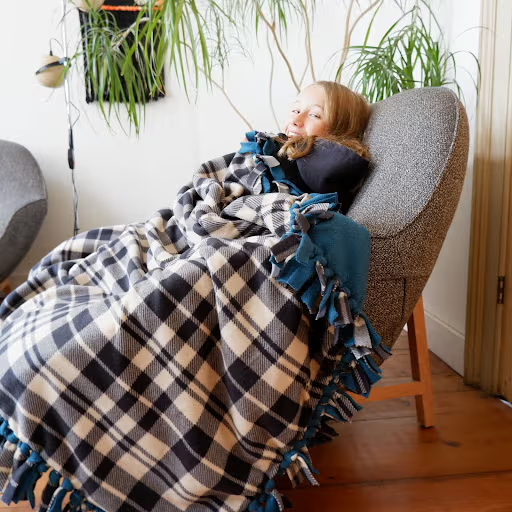
Numbers are helpful, but what people truly want to know is how it feels in everyday use. A 2-yard blanket comfortably fits an adult curled up on the couch. It covers the length of an average recliner. It’s spacious enough for kids and adults to share during a movie night, but also cosy enough for one person to claim as their “no one else touches this blanket” blanket.

If you’ve seen fleece throws sold in retail stores—the kind labelled “XL throw” or “adult throw”—you’re looking at something very close to a 2-yard blanket.

One of the biggest reasons this size is so loved is that it hits the sweet spot between comfort and practicality. It’s easy to sew, easy to carry, easy to gift, and easy to store. Crafters love it because it works for almost all no-sew blanket tutorials. Families love it because it fits every age group. And anyone buying fleece in bulk knows that 2 yards gives the best value for making a large, usable blanket without wasting fabric.

Does the Final Size Ever Change?

Sometimes it could be, but merely by a little, as there is always variation on the width—generally between 54 to 60 inches in width-of a fleece bolt, and the blanket’s width could vary within a couple of inches. Taking off the edges or selvedges would reduce the width slightly. With tie blankets, the tie knots take length as well as width from the yard of fabric. This would, however, reduce the size so that the completed blankets from these fleece pieces would be smaller than the raw cut.

But the general rule holds: if you start with two yards, you’ll end up with a blanket that fits comfortably around an adult.

Final Thoughts

How Big Is a 2-Yard Blanket? Usually 6 feet by 4.5 feet, approximately; that is large enough for an adult and is excellent for lounging, gifting, crafting, or layering. Whether you are buying fleece for DIY purposes to simply want to know the amount of material that goes into a standard adult throw, knowing these dimensions is beneficial in choosing the correct amount of fabric, such that you never make incorrect assumptions about the size of a blanket.

At PeachFur Fleece, we pride ourselves on providing soft, durable, high-quality 2-yard pillowcases for everyday and warm help for numerous extras, gifting options, and charity projects. If it’s just a few blankets you’re after, or you might be looking for fleece blankets in wholesale quantities, our team is here at your service to help you find essentially what you are looking for, given the lack of quality and comfort that are found in every Cloar.
Where to Buy Hoodie Fabric

28 Nov

The process of fabric selection can very well be an adventure every time—sometimes, even if properly conducted, it may still end up with fabric that is not exactly what was intended, if not the other way around. The whole process is almost like going through all your life decisions, full of ups and downs, to finally arrive at the right fabric. The question “Where to buy hoodie fabric?” arises in the minds of many people, to get the answer to which they have to wonder where to buy fabrics at all.

Whether you are launching a small brand of clothes, creating bespoke work for your creative clients, or just desire to make a cosy hoodie, the first heavyweight sledgehammer you can save on effort is to know exactly where to look. California is one of the best places within the whole of the United States when it comes to gathering a wide variety of coveted fabrics, replete with choices from local shops, bustling fabric districts, and the comfort of online choices.

Let’s break down the smartest, most reliable places to buy hoodie fabric today—without complicating things.

Understanding Hoodie Fabric Before You Shop

Before one thinks about where to find one’s fabric, it is good to settle on the cloth one wants. Fabric for hoodies is broadly segmented into tailored and broad classes: cotton fleece, which is warm and soft; polyester blends, which are rugged and pretty warm; and French terry, soft and warm with the additional advantage of weight reduction, along with sweatshirt fleece by any account for traditional and weighty pullover-type hoodies. Each type has its associated appearance, a maximum degree of stretch, and overall weight.

If you’ve ever wondered the reason why some hoodies feel like clouds, and others feel like cardboard, then the magical term is fabric composition and GSM. The higher the GSM (which is weight), the thicker and warmer the hoodie is in its reach. Well, it stores considerable ground for making your judgment on a store that you wish to knock on, according to the type of hoodie you wish to buy.

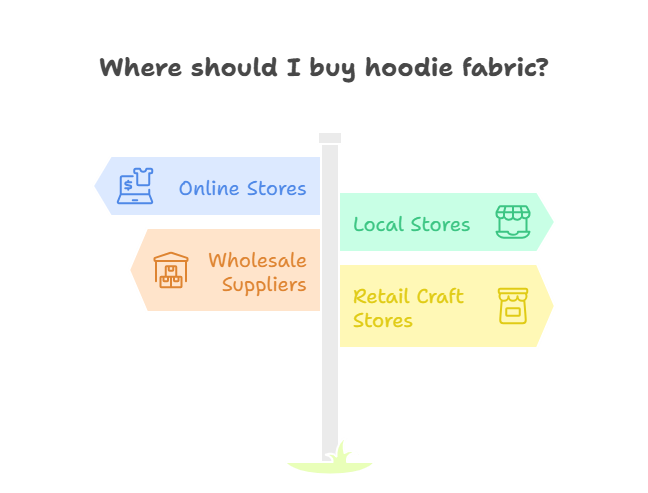
Buying Hoodie Fabric Online: Simple, Fast & Full of Options

One of the best and most convenient ways to shop, undoubtedly, is through online marketplaces. Online marketplaces have an endless range of fabrics available for any need: whether you require only one quantity for an individual project or wholesale lots for commercial sales. These include fleece, cotton fleece, cotton-polyester blends, French terry, brushed fleece, and speciality knit fabrics, etc., along with related descriptions and weight specifications.

Shopping online also involves comparing textures, reading reviews, viewing photos, and much, much more=from the convenience of your couch. (A luxury for anyone who loves fabric shopping while snuggling in a hoodie made from materials previously purchased.)

For many people searching for where to buy hoodie fabric, the internet becomes their best friend because it offers immediate access to hundreds of sellers, easy ordering, and doorstep delivery.

Specialised Online Fabric Stores for Serious Makers

There are many specialised online fabric stores catering solely to knit materials, sweatshirt fabrics, and fleece beyond general marketplaces. These pages usually offer less detail on aspects like stretch percentage, GSM, shrinkage, or even fibre; however, this information should be very helpful to an industrial hoodie designer.

Retail and bulk fabrics are hot among these stores, proving excellent for apparel stores and consistent crafters. High-maintenance shoppers should consider bookmarking the specialised online sites; they take care of more robust summertime fabrics, exquisite blends, and rare one-of-a-kind colours that won’t be found elsewhere.

Local Fabric Stores in California: Touch Before You Buy

Sometimes the charms of shopping in person for fabrics include the idea to appreciate the substance of fabrics, the necessary moisture and relief, and to predict sturdiness. The online photos do not satisfy those particular purposes. Anyway, if you are very choosy or want to feel every fabric in the shop, then feel free to take up space in front of the shelves till you breathe at ease.

San Francisco, Oakland & the Bay Area

Fabric boutiques, situated across the Bay Area, often fill their shelves with high-quality knitted materials, warm fleece and eco-friendly cotton blends. The trendy French Terry is also a staple here. Such stores fill their shelves with fashion-forward selections, serving small-time designers and boutique hoodie brands alike.

Independent Shops Across California

In San Diego, Sacramento, and Fresno, among many large and small cities all around the state, there are numerous small fabric stores providing seasonal fleeces, sweatshirt fabrics, and knit remnants. They are great for a warm, cosy, and leisurely way to shop without the claustrophobic, overly commercial shopping districts. While we’re there, it would also be nice to find someone who knows the excitement of purchasing “just a little fabric” while walking out of the store with a giant 12 yards.

Craft Stores & Big-Box Retailers

Big retail chains throughout California carry a selection of fleece and sweatshirt fabrics, especially during fall and winter. These stores aren’t as specialised as fabric districts or knit-focused suppliers, but they offer convenience—easy parking, easy returns, and often a coupon or two waiting in your inbox.

Plus, they’re great when you want to buy fabric, thread, scissors, and snacks in the same trip. Efficiency at its finest.

Choosing the Right Place Based on Your Needs

Where you should shop depends on what you’re looking for:

  • If you want a huge variety → go online.
  • If you want to feel the fabric → visit local stores.
  • If you want the best prices for large orders → check wholesale suppliers.
  • If you want simple, accessible options → retail craft stores work perfectly.

Once you know the type of hoodie you want to create, choosing where to buy hoodie fabric becomes much easier.

Conclusion

Choosing the best fabric for creating a hoodie is not rocket science. It doesn’t matter if you shop online, browse the fascinating fabric districts in California, quickly visit the local fabric shops, or wholesale agents if you want fabric by bulk; the state offers numerous trustworthy options to check or not with. In order to make the right decision in a sea of fabric choices, one must know what one needs: material, heaviness, stretch and budget.

Passionate about soft, cosy, durable, and quality fleece apparel at PeachFur Fleece. While remaining huge suppliers of fleece blankets in bulk and accessories, our brand’s speciality is in delivering premium hoodie designs and jackets that boast the synergy of cosiness and dressmaking. We are thrilled with the opportunity to serve you for all your requirements – be it bulk orders or unique custom solutions.

What Is Dark Heather?

28 Nov

What gives some colours a look that is deeper, richer, and more textured compared to others when you go shopping for tees or hoodies? Dark Heather tees and hoodies are likely to have come into contact with you. Such colours on clothing tags are called Dark Heather, Heather Grey, or Charcoal Heather. But it is relatively rare for an individual to pause and consider what is Dark Heather?

Dark heather is at present one of the most desired colours of modern clothing, having carved its place in the market for the varied and versatile look and the texture of its great natural appearance. But the popularity of it goes far beyond “nice shade of grey”. Imparting the magical textile processes that result in the intriguing dark heather in parole will surely strike an indelible mark on you.

Before we dive in, let me say—if you’ve ever assumed “heather” was named after someone who invented the colour, you’re not alone. (We’ve all imagined a very stylish woman named Heather revolutionising fashion one day.) But no, this colour has nothing to do with a person. Let’s explore why.

Where the Term “Heather” Comes From

What is dark heather? Discussions should start with the word “heather.” In the fabric industry, the term “heather” is used to describe fabric with yarn made from multi-colored fibres. This blend of colours creates a somewhat freckled, noneven appearance rather than a flat, solid one.

As such, the name Heather is taken from the wild growth seen in Scotland of the heather plant; the blooms of which are gentle hues of purple-grey. The weavers dampen this colour even more in these juxtapositions of the fabrics, and the name arose unconsciously, calling to mind the dampened Spitfire and highly emotive tones of the heather.

So no, Heather didn’t invent the fabric… but she definitely inspired it.

What Is Dark Heather? The Simplest Explanation

“Dark heather, essentially, indicates a deep variation of grey achieved by blending very dark fibres—usually black, charcoal, and deep grey—before fabricating yarn. This executive distinction portrays the appearance of a texturedly shaped terrain, rather than that of a single grey field.”

Instead of being dyed after the yarn is made, the look of dark heather comes from combining pre-dyed fibres. Think of it like creating a smoothie: the magic happens in the blending.

The result is a colour that is:

  • Rich
  • Subtle
  • Versatile
  • Flattering to almost everyone

It’s no surprise that brands love using it for everyday apparel.

How Dark Heather Is Made (The Fabric Lover’s Version)

If you enjoy understanding how things work behind the scenes, this is where dark heather gets interesting.

1. Fibre Blending

Manufacturers start with fibres that are already dyed different shades of grey and black. They mix them in controlled proportions depending on how dark they want the final shade to be.

This mixing stage determines the “texture” of the heathered look.

2. Spinning the Yarn

The blended fibres are then spun together. Because the colours mix during spinning—not after—the yarn itself becomes a naturally speckled thread.

If solid colours are flat paint, heathered yarn is marbled art.

3. Knitting or Weaving the Fabric

When these multi-toned yarns are knitted or woven, you get the signature mottled appearance that heather fabrics are known for.

It’s subtle, but that subtlety is exactly why dark heather is used everywhere from athletic tees to casual hoodies and even premium apparel.

Why Dark Heather Looks So Good

A big reason for dark heather’s popularity is its versatility. Solid grey can sometimes feel plain, and black can be too intense for certain outfits. Dark heather sits comfortably in the middle—modern, stylish, and easy to pair with almost anything.

It’s also one of the most flattering colours in everyday wear. The slight texture works like a visual soft-focus filter—subtle enough to look natural, helpful enough to hide little folds, curves, or creases. (If only phone cameras used a “dark heather mode,” right?)

Dark Heather vs. Heather Grey vs. Solid Grey

While all heather fabrics share a mixed-fibre look, dark heather has a deeper tone compared to standard heather grey. Solid grey is a single uniform shade, while dark heather looks more dynamic thanks to the interplay of different fibres.

It’s why many brands prefer dark heather for screen printing and embroidery—the designs pop more while still looking refined.

When Should You Choose Dark Heather?

Dark heather is ideal for:

  • T-shirts and hoodies
  • Sweatshirts
  • Fleece jackets
  • Uniforms
  • Corporate and promotional apparel
  • Custom printing
  • Athletic wear

With a neutral tint and uneven finish, you can put this on for any occasion or season. If you start having clothes in your wardrobe for every day or pour an abundant heap of them, you will never really grow weary of dark heather.

Final Thoughts

What Is Dark Heather? The term intakes colour and implies a clothing art, style, and fashion trend. The inherent depth, eclectic balance, and surpassing appearance of classic and modern trends make it an appealing choice from producers, creators, and wearers alike.

At PeachFur Fleece, we are passionate about fabrics – not just the fleece, but also the colours and finish that bring these creatures to life. Whether for those who love classic solids or modern tones like dark heather, we are offering premium apparel fleece and fleece blankets in bulk -the top choice for softness and quality.

What Is Sherpa Made From?

28 Nov

In the case that you have slipped comfortably into a sweatshirt or wrapped yourself up in a sherpa blanket, you know the feeling — all this plushness, softness, cosiness-there is no question in your mind that you are not going to get up anytime soon. But did you ever wonder what is Sherpa made from and why it feels just too cuddly when you snuggle up to it?

This blog gives you the warmth of total comprehension. Easy to read and beautifully written with all professional decor, it enlightens you on the reason why Sherpa is pure seduction.

What Exactly Is Sherpa?

Sherpa is a type of synthetic fleece fabric made to mimic the curly, woolly appearance and texture of sheepskin. By all means, Sherpo looks and feels like wool, but it doesn’t use any animal fibre, making it a nice, ethical, and inexpensive fabric. The name “sherpa” has an obvious connotation to the predominantly wool-lined garments worn by the Sherpa people in the Himalayan region.

Both names and garments are realistic, but all things modern are artificial fibre. A good solution while retaining warmth over wool, saving you the cost of wool wear and tear in the long run.

What Is Sherpa Made From? (The Heart of the Fabric)

Sherpa is usually made from a combination of the following materials:

1. Polyester

Polyester is the most common material used in sherpa fabrication. It’s:

  • lightweight
  • durable
  • easy to wash
  • naturally moisture-resistant

Many polyester sherpa fabrics are actually made from recycled plastic bottles. The next time you hear how your blanket is a big contributor to Mother Earth’s ailments, tell them that they don’t help beauty at all.

2. Acrylic

Acrylic fibres add fluffiness and warmth. They mimic the feel of real wool without the itchiness many people struggle with. Acrylic blends are softer, loftier, and great for maintaining that “teddy bear” texture we all love.

3. Cotton or Cotton Blends

Some sherpa fabrics are blended with cotton to create a more natural, breathable feel. Cotton sherpa is perfect for:

  • baby blankets
  • sensitive skin
  • home décor items

Cotton sherpa tends to be slightly heavier but very gentle on the skin.

Why These Materials Are Used

The sherpa is combining simple materials that are strategically used together. Polyester provides support by being durable, whilst acrylic imparts an extraordinary softness, and cotton gives some breathing room. So, when put together, these fibres make the fabric warm basically; by trapping in your body heat, it is appropriate for cold conditions. Although it is fluffy, the sherpa continues to remain incredibly light, giving sherpa jackets that feeling of not having your bed mattresses around town.

Sherpa undergoes a special brushing and looping process during manufacturing, which gives it that “teddy bear” texture. It’s one of the few fabrics people touch in stores and immediately say, “Ohh, this is nice,” even before looking at the price tag.

Sherpa vs. Regular Fleece — Are They the Same?

Although sherpa is a type of fleece, it has its own personality.

FeatureSherpaRegular Fleece
TextureWool-like, fluffy, curlySmooth and uniform
WarmthHigher insulationModerate warmth
WeightLight but warmerLight and breathable
Best Used ForBlankets, linings, winter clothingJackets, activewear, everyday throws

If regular fleece is your dependable daily cup of coffee, sherpa is the premium latte with extra foam and a drizzle of comfort.

How Sherpa Is Used

Versatility is a major selling point for sherpa materials, insofar as the sherpa lies at the hem of winter jackets, vests, hoodies, gloves, and hats from the fashion world. Sherpa remains the top option for de-winterising without giving the pant or the one who dons such a jacket/baggy coat yet another layer of puff on the outer, such that it continues to be vogue for every cold period.

In home décor, sherpa shines even brighter. Sherpa blankets, throws, and cushion covers create an instant warm and inviting atmosphere. If you’ve ever walked into a living room during winter and felt immediately cosier, chances are Sherpa was involved.

Sherpa also finds its way into slippers, pet beds, outdoor camping blankets, and sleeping bag linings — essentially anywhere that warmth and comfort are top priorities.

Sherpa offers a rare combination of warmth, breathability, lightness, affordability, and softness — all while being animal-friendly. It delivers luxury without the luxury price tag. It’s practical, beautiful, and comforting, all wrapped into one fabric.

In other words, sherpa is the fabric equivalent of a warm hug on a cold day — and who doesn’t need more of those?

PeachFur Fleece — Your Source for Premium Sherpa Blankets

PeachFur Fleece is a boutique-style online store that offers traditional two-touchy Sherpa Mink Blankets made for unmatched comfort and dependability. The magnificent lifestyle blanket is furry on one side and has that silky, shiny mink fleece on the other end. These luxury mink and Sherpa Blankets fit into the most balanced combination of heat and refinement.

Are you seeking to buy fleece blankets wholesale? Sherpa mink blankets in bulk at competitive prices make for an ideal gifting and retail set-up. With products available in two sizes—50″ × 60″ and 60″ × 72″—everything that is delivered maintains exceptional standing from quality and colour to hand-feel.

For premium wholesale sherpa fleece blankets, PeachFur Fleece is here to keep you warm — one cosy layer at a time.