Archive | November, 2025

What to Do with Fleece Scraps

27 Nov

In case you have ever dealt with fleece—be it for making blankets, winter garments, or comfy home accessories—then you are already aware of the almost magical quality of this fabric. It is hot without being heavy, gentle without being delicate, and tough, just like it can take years of usage. However, what most people are not cognizant of is that the tiny remaining bits are often just as helpful as the fabric itself.

Certainly, fleece offcuts can lead you to the very world filled with imagination, sustainability, and even fun that you never thought of before. And if you consider leftover fabric pieces to be nothing but bits that are to be thrown, don’t be afraid-at the end of this blog, you will no longer think of them as nothing but treasure and know What to do with Fleece Scraps. (Indeed, we have now become the “whisperers of scraps” officially.)

Understanding What to Do with Fleece Scraps

Before diving into smart applications, it is necessary to understand that fleece scraps are not waste. Fleece is generally made of very thin polyester fibres, which are then knitted and brushed to give a soft and warm texture. It does not fray, is very light in weight, absorbs moisture quickly, and at the same time has a great mix of toughness and softness. That is why the smallest amount of fleece still has these characteristics.

This is the very reason that scraps may be very useful. The combination of fleece’s insulating property and its no-fray edges allows for transforming scraps into functional objects without using complex sewing methods. It’s the only cloth that does not give a hard time to non-professional seamstresses. (Wouldn’t it be great if every fabric were this nice?)

Large Fleece Scraps: Transforming Bigger Pieces into Beautiful Creations

If you have bigger fleece panels left over, then you probably have a lot of possibilities in your hands. One of the easiest but most gratifying is to make patchwork throws. You can simply stitch or knot together big fleece squares, and then you get a beautiful, warm, and extensive blanket. It is like making a quilt, but without the hassles of exact measurements or the worries of ruining your grandma’s sewing legacy.

Big leftovers can be used to create pillow covers as well. Fleece pillowcases have an easy sewing process. Comfort-wise, they are excellent, plus they are a nice way to make your home feel warmer. Absolute novices can also attempt the envelope-style pillow covers—they are easy, useful, and very likely to give you the impression that you are a pro.

Medium-Sized Fleece Scraps: Make the Most of These Versatile Pieces

The most interesting materials to deal with are often those of medium size. Fleece scraps are perfect for making plush toys or stuffed animals, as the fabric does not fray or shed. All the pros of fleece are that it is easy to sew, friendly for kids, and super soft, so that the final product is also soothing to hold. Fleece scraps are sometimes turned into sensory toys for babies, such as soft blocks or tag toys that are safe for the skin, easy to wash, and gentle on the skin.

Another fantastic application of medium scraps is to sew up some winter wear like beanies or ear warmers. Fleece is a wonderful material for winter apparel since it is both flexible and keeps its original form. If it is your first time making a hat, don’t worry; it’s a lot easier than you think.

These scraps can also be transformed into small home-care items such as hot pad covers or sleeves for reusable heat packs. Since fleece insulates well, these covers remain warm longer while protecting hands from direct heat.

Tiny Fleece Scraps: Don’t Underestimate the Smallest Pieces

Tiny scraps of fabric are usually discarded as people think they do not serve any purpose. But in the world of fleece, even the smallest pieces are still workable. One of the most basic ways is to convert them into stuffing material. The small bits can be utilised for a pillow, plush toy, pet bed, or draft stopper filling. It is soft, free stuffing and does not lead to waste at any cost.

Moreover, the tiny fleece scraps may be cut into amusing shapes and made into coasters or mug warmers. The fleece’s gentle heat absorption capability makes such small creations ideal for winter nights with hot drinks. You may also make braided items like keychains or hair ties from thin strips—suitable for children’s craft projects or as little gift add-ons.

Sharing and Donating Fleece Scraps

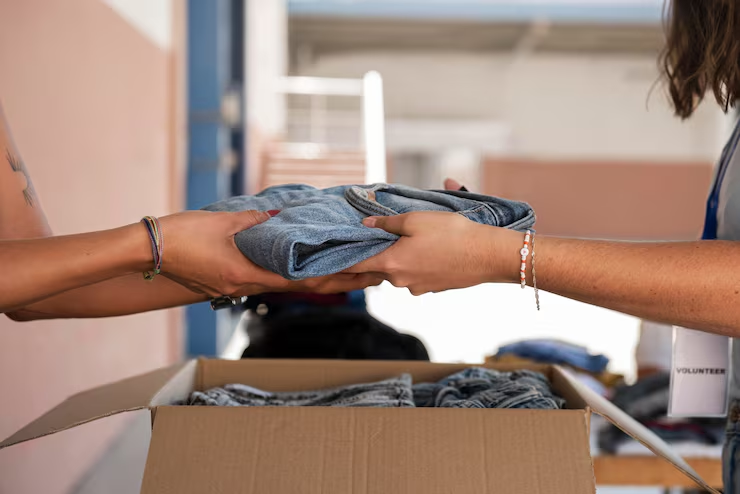
In case your heap of unwanted scraps has turned into a mountain (no problem at all, as we’ve all experienced it), think of giving it away. Fleece remnants are frequently accepted by schools, craft centres, children’s activity groups, and animal shelters. Crafting with fleece has always been kids’ favourite, and using it for bedding or comfort toys for the rescued animals is one of the shelters’ solutions. It is a practical and kind-hearted way to confirm the new purpose for your scraps.

Organising Fleece Scraps for Long-Term Use

A helpful habit is sorting your scraps by size and colour. Large pieces together, tiny pieces in separate bags, patterned scraps in another section. When everything is organised, starting new projects becomes significantly easier. A little organisation goes a long way—plus, it gives you the perfect excuse to buy new storage bins.

Final Thoughts

The selection of what to do with Fleece Scraps is a creative pathway, plus an eco-friendly custom. Every scrap that gets reused equals one less synthetic material that ends up in the landfill. What is more, fleece is still the most luxurious and warmest material even if the piece left is the tiniest.

At PeachFur Fleece, we produce fleece duvet covers, baby blankets, and bespoke throws of exceptional quality that are favoured by hotels, designers, and families throughout the United States. Moreover, we supply large quantities of fleece blankets in bulk for non-profit organisations, events, and firms that desire first-rate quality in large quantities.

Where to Donate Used Blankets?

27 Nov

The importance of a blanket is simply that it is an everyday essential. In the case of homelessness, recovering from a crisis, or living in temporary shelters, blankets conjure warmth, a touch of dignity, and a sense of security. Every house has one or two extra blankets, slightly overused stuff stored in boxes or compartments with the newer and more appealing ones draped across the edges of the guest room or living room. With this knowledge, you can open their doors to share necessities by donating these blankets hiding unused in their homes.

Always find out if your blankets are clean, gently used, tarnish-free, and tear-free before donation. Shelters and other nonprofit agencies are working very hard to assist people in rebuilding their lives; giving them items in a usable condition could be the most basic support you provide to their efforts. Also, don’t forget that closet space just might become free at long last.

Homeless Shelters & Emergency Housing Centres

The homeless shelters are typically the first resort homes for people to think of when handing out unused blankets, and very justifiably so. Such entities help protect the dwell-visiting individuals who live without warm shelter each night-and blankets are the most frequently asked-for donations. Sheets, since washable, are washed and replaced soon after they are used again by the inhabitants of a shelter where there is continual turnover in residents with limited use of laundry facilities.

Women’s Shelters & Family Crisis Centres

Women’s shelters have the sole task of providing safety and protection to those escaping their dangerous and unhealthy homes, often with children. A clean, warm blanket may represent even more—a first sign of safety and security—once volunteers have welcomed a family. Donations are normally accepted in every size and shape, from conventional bedding to kids’ blankets, if they are in good condition.

Animal Shelters & Wildlife Rescue Centres

Supposing your blankets are not good enough to be given to people or are made of something more to the liking of animals, animal shelters will still be happy to accept them. Blankets are used in many rescues to line crates, cover pets after surgeries or provide comfort for pets getting used to a new environment.

The key is to choose blankets that have no loose threads or stuffing or that are not knitted firmly, which you will be thankful for with the inquisitive paws wanting to test every corner of the room. Animal shelters also use heavy-duty blankets during the movement and care of animals. But, it is always good to call the shelter first to find out about the items they need, as different organisations have different policies.

Community Donation Centres & Local Non-Profit Missions

Different community groups receive non-monetary donations as a means of supporting families and individuals in difficulty. If you are concerned, where to Donate Used Blankets, which are supposed to be directly given to the needy or used for emergency warming centres, keep in mind that local missions and charity centres are the ones to choose.

Your donated blankets may:

  • Be offered to families experiencing financial strain
  • Support winter outreach programs
  • Stock warming stations during cold seasons
  • Help supply low-income households with essential bedding

Some centres also provide tax-deductible receipts for donated items—so yes, your generosity might even help during tax season (the one time of year when we’re all looking for a little warmth).

Disaster Relief Drives & Seasonal Emergency Campaigns

In case of flood, fire, hurricane, and extreme winter conditions, blankets still rank among the primary necessities. Disaster victims accommodated in emergency shelters are usually provided with new and clean blankets as part of the disaster relief program.

If your neighbourhood or town sets up a collection drive, contributing your blankets will ensure that the recipients are needy and in miserable situations. Just keep in mind the packaging or hygiene instructions—relief workers want the supplies to be quickly distributed.

Tips for Donating Responsibly (and Making Your Gift Even More Helpful)

A meaningful donation doesn’t just depend on what you give—it depends on how you give it. Here are a few tips to make sure your blankets are truly useful:

  • Clean bedding supports health and safety for everyone involved.
  • If it’s overly torn, stained, or unusable, textile recycling is a better option.
  • It helps volunteers sort and distribute them quickly.
  • Each organisation has its own policies—and a quick phone call saves everyone time.
  • Winter increases the demand for bedding significantly.

And yes—your neatly folded blanket really does make someone’s job easier. Consider it your random act of organisational kindness.

Finding out where to donate used blankets isn’t such a hard task today, and your donation of a blanket can make someone feel safer, warmer, and loved. The blanket’s final destination could be a homeless shelter, a family support centre, an animal rescue, or a community outreach program. However, the act of donating will bring comfort at the most needed place and time without a doubt. Small gestures will accumulate, and today, a simple blanket might be just what a person is hoping for.

About Us – PeachFur Fleece

In case you are planning a charity event or a big donation, the quality of fleece blankets wholesale at very low prices from PeachFur Fleece can assist you. The companies have always been a source of support for needy communities and have been a part of the global charitable projects for a long time. Our products are available for one blanket donation or thousands, and easily provide the warmth where it is most needed. We are here to support you in making a difference.

Where Can I Buy Fleece Fabric?

27 Nov

Fleece is one of the rare fibres that truly excels in all categories-soft, warm, durable, easy to work with, and, surprisingly, affordable. Whether you’re piecing in a blanket, stitching together a jacket, cooking up some baby gear, knitting some poodle jumps and pooch beanies, or attempting to stock the donation centres of local charities, there’s still going to be more than enough fleece to offer to anything utterly new or completely new to you.

But the real question most people ask is: where can I buy fleece fabric without compromising on quality or price?

Some people enjoy the hands-on experience of visiting local stores, while others prefer online shopping at midnight with a cup of tea (just remember to check the yardage unless you want a “mystery-sized project”). Thankfully, today there are multiple great places where you can buy fleece fabric depending on your needs, budget, and project type.

Let’s explore all the options in detail to help you make the best decision.

Local Fabric Stores

If you want to observe and feel fleece before you buy it, fabric stores in the vicinity are your first stop. You can observe the width, colours and feel of fabrics by hand. It gives you hands-on support, given that you are not confident in deciding between anti-pill fleece or polyester varieties.

It’s also convenient for quick or small projects since you can take the fabric home immediately. Although prices may be slightly higher and stock can be limited, local stores remain one of the best places to begin when wondering where can I buy fleece fabric.

National Craft Store Chains

Craft shops are the mecca for people who attempt DIY, offering a vast range of fleece prints coming in several varieties, from holiday patterns and cartoon characters to baby motifs, to solid bright colours, and seasonal designs. They usually offer decent discounts, carry fun designs, and offer an easy return in case one carries out disaster sewing on the weekend.

Because they provide fleece of high quality only rarely, craft stores are the absolute best place for using it up, especially in decorations, craft shows, and small business set-ups. Yet, the clearance section can be quite dangerous for those who are crazy about fabrics.

Big-Box Retailers

These stores are convenient and usually offer simple, budget-friendly fleece options perfect for basic throws, pet bedding, or quick craft projects.

Pros:

  • Affordable prices
  • Easy in-store pickup
  • Convenient for basic fleece needs

Cons:

  • Limited selection
  • May not carry speciality or heavyweight fleece
  • Quality varies seasonally

If you’re making professional-grade blankets or jackets, this may not be your best option; however, it’s a good place to grab fleece when you’re in a hurry.

Online Fabric Stores

When it comes to options, online fabric stores have a big edge over physical stores; almost anything you want can be found online when searching for those rare designs, unique colours, or specific fabric weight, with hundreds of designs available to choose from. Price comparison has become seamless; one can just as easily purchase multiple yards or in bulk for large project requirements.

Your only concern will be whether your colour selection will look the same on the screen and in reality: if your desk is forest green, it might look more like unexpected lime in reality. Pay heed to the reviews and request samples to escape shocking expectations.

Wholesale Fleece Suppliers

If you’re planning a large project, running a small business, or organising a charitable blanket drive, wholesale suppliers are often the best place to buy fleece.

Advantages:

  • Best pricing for large quantities
  • High-quality, consistent fleece
  • Multiple colours and sizes available
  • Ideal for embroidery and customisation

Wholesale buyers typically receive anti-pill, professional-grade fleece suitable for long-term use. This option makes the most sense for charities, companies, schools, and organisations ordering in bulk.

Why Buy from Speciality Manufacturers?

Speciality Manufacturers offer very good quality fleece fabric, which is something customers need for long-term use. High-quality non-pilling fleece swatches are provided for large orders, and they are quite upfront about fabric type, weight, and longevity. Simply because they are significant here, resulting in a major edge over standard fabric stores that offer intermixed materials. Thus, speciality manufacturers are terrific places to buy exceptional fleece for experienced sewing, branding, or, say, large projects.

Buying In-Store vs. Buying Online: Which Is Better?

In case you still have doubts about where one can purchase fleece, here is some quick advice. In-store is optimal if you require immediate accessibility, want to physically feel the fabric, or would rather have some personalised advice from the shop staff. On the other hand, buying online provides a larger set of prospects, allows bulk buy price cuts, boasts speciality types of fleeces, and offers convenience in the sense that you may shop whenever it suits you.

You will also realise that finding a source where you can buy fleece fabric supplies is not a difficult task. You can pick from smaller fabric shops to strong online marketplaces, craft stores to large-scale fleece sellers. The problem is selecting one that lets you personally inspect, has a great variety, a good price, or that is so quality-specific in a wannabe-apparel- or home décor-line driven market. Fleece projects of any size will render more than comfort, long life, and good looks with the right supplier.

About Us – PeachFur Fleece

If you are looking for excellent fleece fabrics at affordable prices, PeachFur Fleece is here to help. We offer custom embroidery on any of our fleece items and offer discounts to charity groups that give away their purchased blankets to someone in need. From baby blankets to picnic throws, fleece jackets to our innovative Travel Billow, a neck pillow and fleece blanket in one, we are your trusted source for any fleece blankets in bulk.

What Fabric to Use for Tie Blankets

27 Nov

What is most beloved about tie blankets is that, in spite of the fact that they are so simple to make, they are very homely, soft things-attractive for gifting, donating, or simply keeping you warm on the couch. So, all you need is some fabric, scissors and lots of patience (good thing you are doing it in front of the TV). But the fun part follows careful consideration for the fabric to go into the tie blanket because that determines how warm, soft, durable, or convenient the blanket will be.

So, the right answer to What Fabric to Use for Tie Blankets is not one; there are multiple fabrics we can use for making the tie blankets. They are typically made of two layers of fabric tied along the edges, requiring the material of your choice to be easily cut, knot well, and feel good against the skin. Here is all you need to know about choosing the perfect fabric.

Fleece is the most common material for tie blankets as it never frays and is lightweight, soft, warm and very simple to cut into ties. You can actually pick from any number of other choices, like cotton, light, micro fur, or wool, based on preferences, style, or climate.

Cotton – A Breathable and Lightweight Alternative

Another popular fabric for tie blankets is cotton, especially considering that cotton is a lightweight and breathable option rather than polyester. Cotton is smooth, soft, and gentle, an excellent fabric choice for warm weather-that is practical for those who find fleece heavy after a few hours. The endless prints and designs make it easy to find cotton fabrics that match your style or décor.

However, cotton behaves differently from fleece. It can fray when cut, so you need to be more careful when trimming the edges and creating the fringe. Cotton also shrinks when washed, which means pre-washing is highly recommended unless you want your blanket to mysteriously shrink into a “fun-size version” after the first wash.

Minky – The Softest and Most Luxurious Choice

Minky is used for irresistibly soft and cloud-like blanket fabric. Minky is very plush and velvety in feel; this, incidentally, makes it the highest quality and attractive for baby blankets, comfort blankets, and prestigious gifts, just for this reason.

With tying the knots, Minky can stretch, so one needs to maintain more patience. Minky is not as breathable as cotton, so it requires some care in washing to keep its softness. Yet nothing can beat its charming appearance for making a blanket that people cannot help but wrap up in the moment.

Faux Fur – For a Thick, Fuzzy, High-End Look

A tie blanket can look striking, stylish, or snug in the hands of faux fur. It has an extremely strong and lush softness that adds grace to any room. The warmth and the fuzzy texture make it ideal to use as a winter blanket.

The main challenge with faux fur is cutting it evenly because the long fibres can hide your cutting lines. The knots also tend to be bulkier, and tying them requires more effort. While it may not be the easiest material for beginners, faux fur creates some of the most beautiful and eye-catching tie blankets.

Wool and Wool Blends – The Warmest Option Available

A wool blanket and a blend of wool and silk are excellent options for extreme warmth. Wool has incredible insulating properties that can offer extra benefits for the colder months or outdoor blankets. Furthermore, a durable and long-lasting product, wool will keep the heat much more efficiently than almost any other blanket material.

However, wool can be heavier and sometimes slightly scratchy depending on the blend. It is also more expensive than fleece or cotton. Still, for winter-specific tie blankets or blankets meant for outdoor use, wool is a powerful option.

What Fabric to Use for Tie Blankets

Selecting the right fabric for tie blankets is somewhat simplified; think of the eventual recipient a bit, and it will get easier. Is the throw meant for a newborn, a full-grown adult, or a pet? These recipients have different preferences for fabric, transportation comfort, etc. For a really wintery day or a strong blanket, materials like fleece, faux fur, or wool will generally be best. Conversely, for lighter use or a tropical climate, thin cotton might make for a good fabric.

It is also good to think about the pattern and coordinating colours. The tie blankets look better with two coordinated layers, so the choice of fabrics that complement each other really counts in the end. In a tie blanket, you are going to cut corners, turn under edges, and create fringe. Having some extra inches of material assures that, even if all these measurements were made while multitasking, you obtain a blanket of the correct size.

About Us – PeachFur Fleece

Selecting what fabric to use for tie blankets totally relies on your sense of style, weather conditions, composure, sense of skill, and height. So okay, fleece is doubtlessly the best fabric to use for such projects: no-fray edges, warmth and softness, and easy enough for novices to make use of.

In case you are considering a tie blanket or want to buy one readymade, it is possible to go for PeachFur Fleece. We provide excellent-quality fleece fabrics, and tie blankets are crafted well and also soft, sturdy, and affordable. Being in the business of fleece blankets wholesale as well as creating durable tie blankets, PeachFur Fleece is indeed known for offering warmth and comfort.

How Much Material Do You Need for a Tie Blanket?

22 Nov

Tie blankets can be a list of those projects that make one feel homely, creative, and instantly famous as a crafter-just like that, even if your arts and crafts skills usually stop at taping wrapping paper. They’re easy, cosy, soft, and personalised blends that require no machine sewing at all. You should simply grab the stuff to make a tie blanket for yourself, a baby, another friend, or all gathered to have a luxurious flick. The first and very important thing to consider always is, “How much material should I buy for a tie blanket to work?”

Good news? It sounds difficult, but in practice, it’s a cinch. Anyone, prepared with a pile of fabric ready at arm’s length, can make a beautiful tie blanket in a mere two hours. Here is a detailed walk-through of everything you need to know.

What Is a Tie Blanket?

A tie blanket is a two-layer fleece blanket made of two pieces of fleece, with fringe, and the two pieces together. Actually, no pins or needles are needed. This super-easy way of creating a soft, cuddly gift only requires a pair of scissors and 1-2 hours to work. Usually, these blankets are used for gifts for friends or to charities, baby essentials, the best way to dress a dorm room, and much more… outside of lying around at home as part of the decor.

The best part is how customizable they are: mix and match colours, choose fun patterns, or go classy and minimal. Tie blankets work for everyone—from newborns to grandparents to pets who believe every blanket is actually theirs. (And honestly, they’re not wrong.)

How Much Material Do You Need for a Tie Blanket?

The exact yardage depends on the size you want to make. You will need two pieces of fleece, each the same size.

Baby / Crib Size

• 1 yard of each fleece fabric

Perfect for stroller rides, naps, and tummy time. It’s small, lightweight, and easy to carry around.

Child Size

• 1.5 yards of each fleece fabric

Ideal for toddlers and younger children. Works well for bedtime, reading time, or travel blankets.

Adult Size

• 2 yards of each fleece fabric

The classic couch throw—great for reading, relaxing, and pretending you didn’t just watch four episodes in a row.

Large Adult Throw or Twin-Style Blanket

• 2.5 to 3 yards of each fleece fabric

Perfect for taller adults, oversized blankets, or creating a luxurious wrap-yourself-like-a-burrito experience.

Don’t Forget Fabric Width

Most fleece is 54 to 60 inches wide. Make sure the selected width matches the size you had in mind, because the blanket will feel more generous or cosy if the width of the fabric increases. When in doubt, broader is better, much like the padding of a jacket in winter.

Materials You’ll Need & Choosing the Right Fabric

A fleece tie blanket can be made with simple supplies that are readily available. All that you need is a pair of very sharp scissors or a rotary cutter, two pieces of fleece fabric in coordinating colours, some tape, and a ruler or yardstick. Quilting fabric is absolutely out of the question, but you can try using any fabric you want if you dare!

It is an incredible fabric, since it is warm, soft, does not unravel, retains its shape, and wicks moisture. Therefore, it is suitable for any no-sew project. With hundreds of colours and designs to choose from, fleece seemingly gives one a great deal of creative freedom. Opt for an anti-pill variety, as this will guarantee that your blanket stays lovely and smooth no matter how much it has been used or washed.

Preparing Your Fabric Before You Start

A little prep now saves frustration later.

  • Lay both fleece pieces on top of each other with the right sides facing outward.
  • Trim uneven edges so both layers match perfectly.
  • Check that your patterns face the same direction (unless you enjoy sideways dinosaurs or upside-down snowflakes).
  • Washing fleece beforehand is optional—fleece doesn’t shrink much, but some people prefer washing in advance.

How to Cut and Prep the Fabric Correctly

Once your fleece is aligned and trimmed:

  1. Cut out a square from each corner (usually 2×2 inches). This keeps the corners from bunching up when tying.
  2. Cut the fringe: Make slits about 1 inch wide and roughly 3–5 inches deep along all four sides.
  3. Keep slits consistent: This helps your blanket look smooth and evenly tied.

Before you know it, you’ll be tying away like a pro—though it never hurts to take breaks, especially if your fringe starts looking like it has “Monday energy.”

When Should You Buy a Tie Blanket Instead of Making One?

Do-it-yourself projects are fun, but for some occasions, it is better to buy a tie blanket off the shelf. Whenever you require a large number of blankets quickly—for events, charities, or giveaways—buying is just much simpler. It is also better when you want to have it with perfect uniform quality, or a gift you could buy ready-made.

It can be especially useful if some custom embroidery is wanted on a logo, or if it just comes to a home maker’s thoughts halfway through, that those scissors don’t work just like they used to. The ready-made tie blanket gives you all the inimitable warmth and handmade charm that you appreciate, minus the cutting marathon.

What to Look for When Buying a Tie Blanket

While buying a tie blanket is an alternative to making one, buyers should keep a few important details in mind, which will bring about an awesome quality. Start with buying a tie blanket made from non-pilling first quality, first-quality fleece because it adds longevity to the tenderness in them. Make sure that the fringing is nicely or uniformly cut at the far ends, and the blanket is double-layered for warmth and durability. Lastly, the knots should be tied tight and tightly to the fabric, the perfection in the details giving the tie blanket a clean and furnished look.

It’s always good to know the specifications you want—will the blanket be for your baby, maybe just used for a couch throw or even become a grown-up blanket—and any personalisation, options such as having embroidered names with other details. A magnificent hand-tie-and-knot blanket feels utterly soft, plump, and embracing when lifted.

About PeachFur Fleece

Knowing the quantity of materials needed for a tie blanket brings the project into perspective, streamlining it and making it so much more enjoyable. Whether working on your first blanket or making some stacks as gifts for those dear to you, using the superior quality fleece, even though expensive, will let you create enduring, thick blankets.

For over 21 years, PeachFur Fleece has tirelessly been serving customers seeking wholesale fleece blankets, along with first-quality, anti-pill fleece material to be used in DIY tie blankets. Whether you need a fleece blankets wholesale, ready-to-go tie-blankets, or high-quality fleece fabric for your crafting projects, working with you to make something warm and beautiful, having something splendid now could be a privilege for getting such an honor.