Archive | November, 2025

How Wide Is a Bolt of Fleece Fabric?

14 Nov

Whenever planning a sewing or crafting project, one ought to know the width of the fabric involved, especially when it comes to fleece material. The bearer of bulk, bulk fabric covering zip-to-zippy areas! Nevertheless, without knowledge of the standard measurements of the fabric, you risk ordering more or less. Imagine researching how wide a bolt of fleece The answer is here-to the point, and simplified information-sharing.

So, it is somewhat clear that a bolt is not just random cloth. It follows industry standards for sizing, which is necessary when a crafter, manufacturer, or DIY enthusiast is trying to plan the parameters of his or her project ahead of time. Whether one needs to create an entire product run or avoid a stressful moment by looking for more fabric, he or she must not ignore the width of bolts.

Let’s break it down.

What Is the Standard Width of a Fleece Fabric Bolt?

The Common Industry Standard

Most fleece fabric bolts measure 59–60 inches wide. This width has become the standard among leading manufacturers because it’s large enough for most project layouts and works well with commercial cutting tables. It also offers enough room for efficient pattern placing without leaving too much unusable scrap.

Think of the 59–60-inch width as the “medium coffee cup” of the fabric world — not too small, not too oversized, and universally understood.

Normal Variations You Might See

Although 59–60 inches is the standard, fleece isn’t one-size-fits-all. You may come across bolts that measure:

  • Around 54 inches wide
  • Up to 61 inches wide

Such small differences suggest the manufacturers’ choices, the machine setups, and the types of fleece being made. Such that no, in case you order fleece from two different brands and notice that one bolt can be thinner while the other looks wider, that is not your eyes fooling you.

What Affects the Width of a Fleece Bolt?

Fleece is made in numerous silhouettes and many fabrication processes, and the factors that greatly affect the final width under an industrial environment include:

1. Type of Fleece

Different categories of fleece — such as anti-pill fleece, polar fleece, or microfleece — each require slightly different production processes. Those processes result in minor width differences. Some fleece types naturally lie wider on the production line, while others shrink a bit during finishing.

It’s like baking cookies: slightly bigger or perfectly tender ones due to the oven. Although its capabilities are not too delicious.

2. Manufacturer Production Methods

Each manufacturer uses machinery set to their own specifications. Some prefer producing fleece at exactly 60 inches, while others allow a little space and let it run wider. Production line tension, heat application, and finishing techniques all contribute.

In short, width can vary simply because every manufacturer has its own version of “perfect.”

3. Printed vs Solid Designs

Printed fleece sometimes requires additional processing, alignment, or edge stabilisation, which may slightly impact the final width. Solids, on the other hand, often maintain more consistent sizing.

If you’ve ever bought one bolt with a print that seemed a little narrower, it wasn’t your tape measure misbehaving.

Why Does the Width of a Fleece Bolt Matter?

Understanding the width of your fleece bolt helps you plan your project with precision. Here’s why it matters:

1. Better Measurement Planning

Knowing the width helps you calculate how much fabric you actually need. Fleece is bulky, so precise measurements prevent waste — and also save money. When a project requires large pieces (like wide cuts or pattern matching), the bolt width becomes even more important.

2. Efficient Pattern Placement

Having the fabric of the width gives you more room to lay out pattern pieces more efficiently, and reduces the number of seams that need to be made. It opens opportunities for thinking about contriving when cutting. This is a real boon for any overlocker, with a large number of identical objects to put together.

3. Smarter Cost Decisions

Width affects value. A wider bolt gives you more fabric per yard, meaning better cost efficiency. Two fleece yards can look identical at a glance — but if one is 54 inches wide and the other is 60 inches, you’re getting significantly more usable fabric from the wider one.

Little details like this are what separate “smart buyer mode” from “I didn’t notice that” mode.

How to Check the Width Before Buying

In a market saturated with fabric suppliers and fleece manufacturers, it is necessary that the precise measurements of the garments are checked prior to purchasing. Here’s what to do:

1. Read the Fabric Listing Carefully

Most online retailers clearly list fleece width in the product description. Look for the measurements in inches, typically next to fibre content or fabric weight.

2. Ask the Seller or Supplier

If the details aren’t listed, reach out directly. Whether you’re buying in-store or online, reputable sellers can confirm the width immediately. Never assume — fleece can surprise you.

3. Review Swatches or Sample Cuts

Some suppliers offer sample pieces that include all technical details, including width. It’s a small step that removes guesswork when buying in large quantities.

Final Thoughts

If you are planning to make a fleece blanket, this might come to your mind: How wide is nominated fleece fabric? In most cases, expect this fabric to measure 59-60 inches, as long as it could vary a bit. Normally, bolt widths vary between 54-61 inches, with differences from one fabric to another or one manufacturer to another. Knowledge of these dimensions is perfect in obtaining an accurate purchase, build cuts with certainty, and circumvent any surprises midway.

In the world of crafting and sewing, where measurements matter, knowing this simple detail can make every project smoother — and a lot more enjoyable.

About Us

Peach Fur Fleece offers an array of high-quality fleece products for those who need large quantities. Therefore, we provide them with custom-made products. We provide high-quality fleece blankets in bulk, fleece jackets, etc. As for bulk orders, they will always have a reasonable budget and always end up with an order that suits them.
What Does Sherpa-Lined Mean?

13 Nov

The term “Sherpa-lined” is probably familiar to you if you have been looking at winter jackets, boots, or blankets. It surely sounds very fancy, yet there are still some people who ask, What does Sherpa-lined mean, and Why does it get so much attention, like it is the key to beating the cold?

In this guide, we’ll break down exactly what Sherpa lining is, why it’s so warm, and why it has become one of the most loved materials in winter clothing. No textile degree needed — just a love for staying warm and cosy.

What Does Sherpa-Lined Mean?

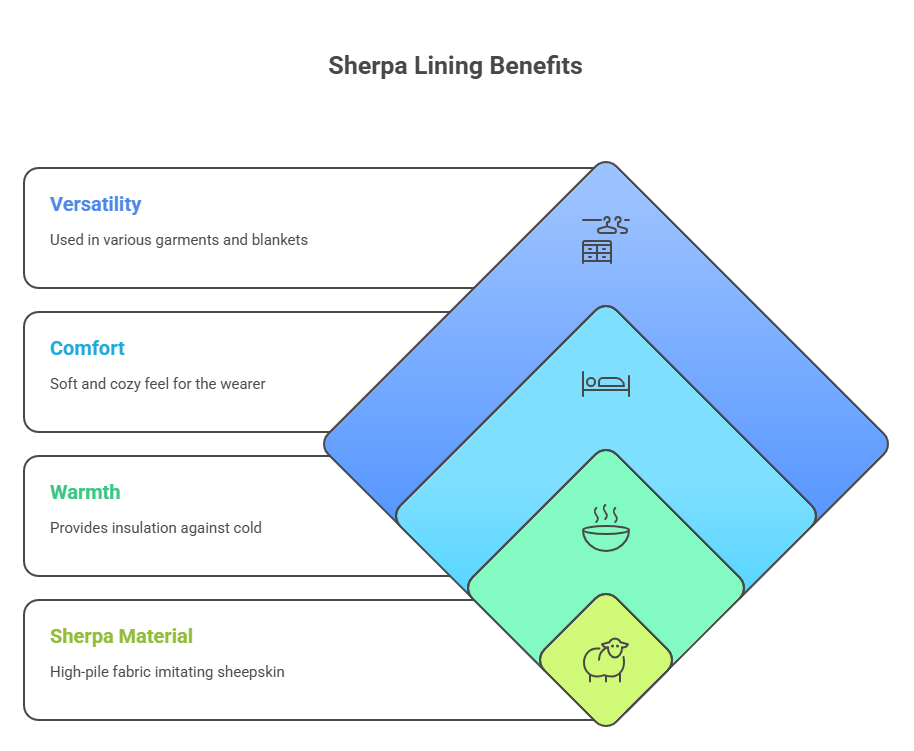
Sherpa-lined is a term that is often heard in the fashion world that points to the use of Sherpa material in the inner layer of the cloth, which is a premium and high-pile fabric that imitates the appearance and texture of real sheepskin wool. Besides, Sherpa lining serves to provide warmth, insulation, and comfort to the wearer, making it feel like the regular jacket or blanket has transformed into one soft and warm cloud.

Sherpa lining is a material that can be seen in jackets, vests, hoodies, boots, hats, gloves, and blankets. Its function is straightforward: to provide warmth without adding any weight. Imagine it as the delicate inner secret that empowers winter garments to perform better, hence you will not experience any hardships.

Where the Name “Sherpa” Comes From

The term “Sherpa” is derived from the Sherpas living in Nepal, who have successfully adapted to one of the most extreme weather and altitudes on the planet. Their wool clothing, which was in fact quite warm, allowed them to stay even through the hardest winters of the Himalayas, and the modern textiles imitate the name as a mark of warmth and robustness.

Of course, today’s Sherpa fabric isn’t made in Himalayan villages and doesn’t come from sheep — but the warmth it provides might make you feel just as brave as a mountain guide (or at least ready to tackle a cold morning commute).

What Is Sherpa Fabric Made From?

Despite its wool-like appearance, modern Sherpa fabric is completely synthetic. The most common materials include:

  • Polyester (most popular due to durability and softness)
  • Acrylic blends
  • Polyester-cotton blends for added breathability

Using synthetic fibres gives Sherpa several advantages: it’s lightweight, easy to care for, vegan-friendly, and far more affordable than real shearling. It’s also quick drying, which is great for winter days when you accidentally get caught in the rain (because, of course, it rains the moment you forget your umbrella).

What Sherpa Lining Looks and Feels Like

Sherpa is a material that undoubtedly stands out because of its very soft, curly, and very thick surface, which imitates sheepskin. The upper side is soft and has a texture, while the lower side is smoother so that it can stick tightly to the fabric. The outcome? A lining that is extremely gentle on the skin envelops the body with heat, and makes you think why not all clothes are this comfortable.

One of the main reasons why Sherpa lining has gained popularity during the winter season is that it provides remarkable warmth, comfort, and practicality all at the same time. The following are the main factors that made it a favourite among people:

Outstanding Warmth & Insulation

The raised fibres trap warm air inside the garment, creating natural insulation. This is why Sherpa-lined jackets feel instantly warm even before you zip them up.

Lightweight Comfort

Unlike real wool, Sherpa adds warmth without bulk. You get the insulation of a heavy material without feeling like you’re wearing half your closet.

Moisture-Wicking & Quick Drying

Sherpa helps pull sweat away from your skin and dries quickly, keeping you warm without overheating — perfect for active wearers or anyone who moves more than two steps.

Durable & Easy to Maintain

Sherpa doesn’t pill easily, holds its shape well, and is machine washable. No complicated laundry rituals required.

Vegan-Friendly & Eco-Conscious Options

Since Sherpa is synthetic, it’s a great alternative to animal-based shearling. Many modern versions even use recycled polyester.

Sherpa Lining vs Other Lining Materials

Understanding what sherpa-lined means becomes even clearer when compared with other common linings:

• Sherpa vs Standard Fleece:

Fleece is smoother and more breathable, but Sherpa provides deeper warmth and a wool-like texture.

• Sherpa vs High-Pile Fleece:

Both are fluffy, but Sherpa tends to be denser and feels more like sheepskin.

• Sherpa vs Real Shearling:

Real shearling is natural and expensive. Sherpa offers similar warmth at a fraction of the weight and cost, and with much easier maintenance.

Imagine the ordinary fleece as the reliable and daily use jacket… and Sherpa as the lavish winter coat that would always make you feel that you could stylishly weather a snowy day.

Conclusion

Since you are familiar with the term Sherpa-lining, it is quite obvious that this fabric has winter season must-have characteristics. Sherpa lining offers an ideal combination of heat, coziest, softness, strength, and most useful without the heaviness or the expense of natural wool. No matter if it is in coats, throws, footwear, or household items, the Sherpa lining continues to be one of the warmest and most dependable choices for winter.

About Us

Our company focuses on the production of premium fleece products, among which the most popular are warm and very durable blankets that can be purchased as fleece blankets bulk for charities, events, and organisations. We have been in the business for more than 21 years and supply first-class, non-pilling fleece while also providing custom embroidery for businesses and groups. No matter if you’re looking for blankets, clothes, or custom-made fleece products, our commitment is to provide you with super service and maximum value.

What Is Sherpa Fleece Made Of?

13 Nov

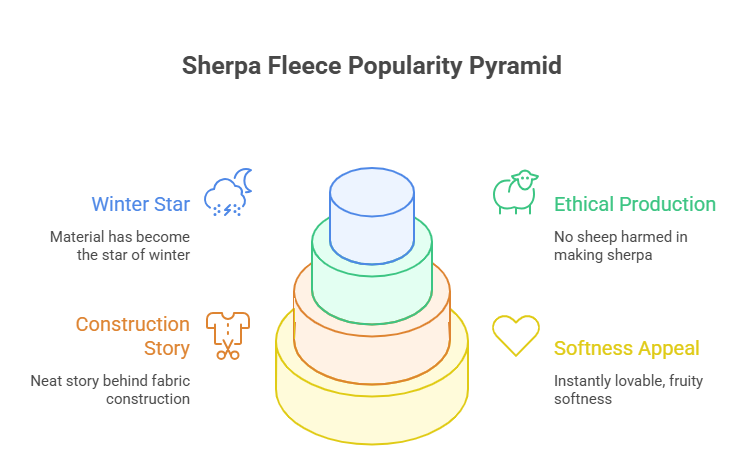
Sherpa fleece is one of those fabrics that people instantly fall in love with. You touch it once, and suddenly you’re talking about new blankets, jackets, pet beds, and maybe even redoing your entire living room. But behind this fruity softness, there is a neat story of construction, and surprisingly, no sheep were hurt in the making of your favourite sherpa hoodie.

If you’re searching for what is sherpa fleece made of, or simply want to understand why this material has become the star of winter, this guide takes you through every detail.

A Fabric Inspired by the Mountains, Not Made in Them

The name Sherpa comes from the Sherpa tribe of Nepal, notable for making woollens and for their cold-endurance capacity in cold weather.

Modern sherpa fleece, however, is not wool at all — it was engineered to mimic the warmth and texture of sheepskin, but with lighter weight, easier care, and zero animal fibres.

So yes, it looks like wool, it feels like wool, but it won’t shrink like wool did that one time you accidentally washed your sweater in hot water (we’ve all been there).

What Is Sherpa Fleece Made Of?

Here’s the truth behind the fluff:

A. Synthetic Sherpa — The Most Common Version

Most sherpa fleece is made from:

  • 100% polyester, or
  • A blend of polyester and acrylic

These synthetic fibres are spun into yarn, knitted into fabric, and then texturised to create that fluffy “sheepskin look.”

This type is warm, durable, and wonderfully soft — and this is the version found in most jackets, blankets, and winter accessories.

B. Blended Sherpa — A Soft, Breathable Option

Some sherpa includes cotton blended with polyester, giving:

  • A softer feel
  • Slightly more breathability
  • A more natural touch

These blends are great for baby clothes, everyday wear, and lightweight cold-weather items.

C. Natural Sherpa — Eco-Friendly Alternatives

A small but growing category of sherpa fleece is made from:

  • 100% organic cotton

This is used in:

  • Diapers
  • Baby wraps
  • Sensitive-skin items
  • Eco-focused projects

It’s less fluffy than synthetic sherpa but far more natural.

How Sherpa Is Constructed: The Dual-Surface Design

This fleece is truly unique because of its ingeniously developed two sides. Shear fleece is described as a wool pile with the first side, with the pile resembling the natural sheepskin and trapping the warm air for insulation. The other side has a smooth, stretch-knit backing for durability and to keep the fabric feeling good against the skin.

Together, these layers make a material that retains heat exceptionally well without compromising the featherlight properties of warmth. It’s a big plus for the one seeking a touch of winter warmth without the sensation of being wrapped in a 10-pound blanket.

Why Sherpa Fleece Stands Out: Benefits You Can Feel

Trying to put it all in one breath, it would have to come down to that ultimate synergy of warmth, comfort, and practicality being the factor that emerged as the main draw for Sherpa fleece. Its deep-pile structure gives it one of the highest heat retention levels in fleece fabrics. Yet, with all its fluffy appearance, Sherpa remains surprisingly lightweight and, therefore, excellent for cosy clothing and winter accessories.

The fabric is soft and pleasant, with no itchiness, and kind to bare human skin, making it an excellent alternative indeed for babies, adults, pets, or anyone else who just loves being in touch with comfort. Apart from the nit-picking, Sherpa remains low maintenance with the polyester version being machine washable, quick drying, non-shrinking, and easy to care for, so it’s basically luxurious and useful to have around every day.

What Can You Actually Make with Sherpa Fleece?

Sherpa fleece can really do a lot, such as giving comfort, staying reliable, and chilling in cold weather conditions. It is considered the best in cold-weather apparel: jackets, hoodies, and pullovers. Hand-knit mittens and scarves, along with a good attitude and warm sherpa-lined boots, would give one’s gloved hands the very essence of a bear walking on its hind legs. The fleece offers great insulation for camping and travel gear: sleeping bags, travel pillows, or car blankets.

For children, it’s just right—warm enough for jackets, winter wraps, soft-lined hoodies, and snug crib blankets with a tiny bit of pinch. Natural animals, however, seem to discover maximum comfort even quicker than we do. Therefore, Sherpa is loved by pets, whether for beds, carriers, doggie jackets, or play mats.

Sherpa vs. Regular Fleece: The Key Differences

FeatureRegular FleeceSherpa Fleece
TextureSmoothWool-like, fluffy
WarmthModerateHigher insulation
WeightVery lightSlightly heavier, still light
Best UseActivewear, layersBlankets, winter wear, décor

Sherpa is essentially the cosier, warmer cousin in the fleece family.

Caring for Sherpa Fleece (So It Stays Fluffy for Years)

Sherpa is a rugged fabric, but care will retain its softness and fluffy texture. Wash the sherpa fleece in cold to lukewarm water with a mild detergent, while ensuring to steer clear of bleaching agents or fabric softeners, as these will ruin the pile. Should an area become matted, brushing it with a soft-bristle brush will often do the trick to lift the fibres. When storing sherpa, don’t put too tight a pack, since it requires some space to stay plush and fluffy (much like all of us post-holiday dinners).

Why Sherpa Fleece Is Loved Everywhere

Sherpa fleece is the perfect combination of warmth, softness, lightness, and the practicalities of life. Now that you have studied fabric anatomy and engineering behind the cuddly feel of Sherpa fleece-and really what makes it much desired in winter wear or apparel-making Sherpa for clothes, blankets, household items, baby products, and so much more.

Premium Fleece Materials at Wholesale Value

The best fleece options that are long-lasting, warm, and comfortable are available here for those interested in making their own sherpa blankets, winter wear, or cosy home items. Using our fleece blankets wholesale store, you can order in bulk, customise your selections, and get the finest materials at the best possible price. Creating for profit or in the hobby field, we support your creative interests with quality fleece that you will enjoy working with.

Where to Buy Fleece Fabric

13 Nov

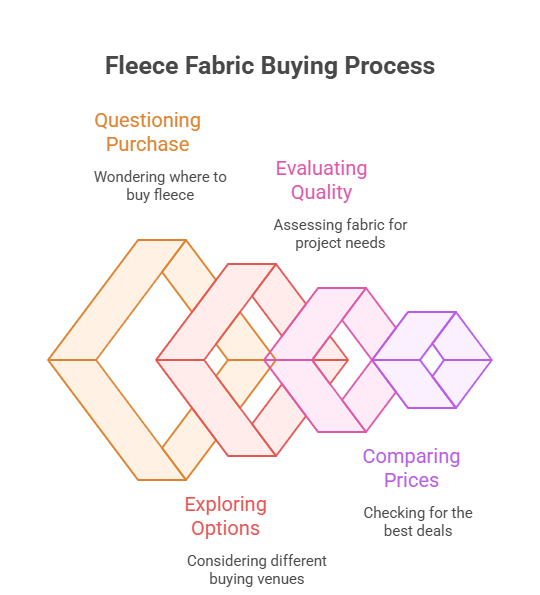
It is one of the first questions that crosses one’s mind when planning a sewing, crafting, or blanket-making project: “Where do we buy fleece fabric?” And I suppose if you’re anything like me, then you have also had the experience of standing in the store, grasping two fleece rolls with the puzzled expression of a scientist, all the while wondering if you were scoring a good deal.

It might become the most versatile fabric available, but knowing where to buy it and what to look for can make all the difference when it comes to price, quality, and results of your project. So, let’s cover all that you might need to know before going out to purchase fleece fabric.

Understanding the Different Places You Can Buy Fleece Fabric

Today’s buyers have more options than ever before, each with its own advantages. If you are into winter clothing, charitable blankets, baby blankets, or a giant 5×5 pet bed so huge even your dog will use it twice as a pile of wool, knowing your options will ensure you are making a wise purchase decision.

1. Local Fabric Stores

Local fabric shops are still one of the most reliable places to start. They allow you to feel the fleece before you purchase — something online shopping can’t compete with (yet). These stores often carry the most common fleece types: polar, anti-pill, and basic printed fleece.

Benefits:

  • You can test softness and thickness
  • Instant buying (no shipping delays)
  • Staff can answer questions

Limitations:

  • Smaller stores often have limited colour or pattern selection
  • Prices can be higher without seasonal discounts

2. Craft Supply Chains

Large craft stores usually have dedicated fleece aisles with everything from classic solids to playful prints. This is a great option if you want project inspiration and variety in one trip.

Pros: broader selection, seasonal fleece collections.

Cons: pricing fluctuates — catching sales becomes a sport.

I once visited during a “50 per cent off” weekend sale, only to find every other shopper guarding fleece rolls like precious treasure. It felt like the Olympics of fabric shopping.

3. Wholesale Warehouses or Bulk Suppliers

If you need large quantities, this is where things get exciting. Wholesale suppliers often sell fleece by the roll, making them ideal for schools, businesses, charity groups, and large craft projects.

Why consider bulk sources?

  • Lower price per yard
  • Larger and consistent dye lots
  • Availability of extra-wide fleece for oversized projects

This is especially useful when you don’t want different shades of “navy blue” showing up in the same product — a common nightmare for crafters.

4. Online Fabric Retailers and Marketplaces

In case you prefer doing your shopping in pyjamas (I won’t judge), then any online marketplace guarantees your choice. From microfleece to sherpa and plush fleece, these sites have every variety of fleece imaginable

Always check the product description carefully. Width, weight, thickness, and anti-pill quality vary significantly. Buying fleece online is wonderful if you read the details like a detective.

This is also a great moment to remind readers again about where to buy fleece fabric — online or offline, the key is choosing a source that offers clear specifications.

5. Direct-from-Manufacturer or Speciality Fleece Providers

Some manufacturers produce fleece exclusively, which means they offer consistent quality and often customisation services. These are excellent options for:

  • Embroidered blankets
  • Branded apparel
  • Bulk fleece items
  • Event or promotional fleece products

These suppliers focus on fleece only, so buyers often get better quality control and fabric consistency.

6. Local Markets and Seasonal Fabric Fairs

Seasonal markets sometimes carry fleece at lower prices, especially excess stock or discontinued colours. The catch? You must inspect the material properly, as quality may vary. But for bargain seekers, this is a fun and rewarding adventure — sort of like treasure hunting, but with fabric.

Key Things to Know Before Buying Fleece Fabric

Choosing quality fleece material and having a good price depends on some facts. For selections of fleece, fleece-a-pil for blankets, microfleece for clothes, should be warm from sherpa, or plush for that extra soft feel. Check that the thickness/GSM fits the warmth that you require and confirm the fleece width, which varies somewhere between 48 inches and 90 inches.

Look for indicators of quality in the fabric, such as softness, anti-pilling texture, and colourfastness. On top of that, examine the return policy, especially when purchasing online; at least, you will have your back if the fabric does not come up to expectations.

Final Thoughts: Choosing the Best Buying Option

Whether you prefer shopping in person, from bulk suppliers, or online, knowing where to buy fleece saves you money, buys you better quality materials, and gets you better results. Every source has its disadvantages and advantages, depending on what we shall be looking for in the cloth: thickness, width, anti-pill ratings, and others, so that the project comes out just as we imagined it.

Your Trusted Source for Premium Fleece Products

If you’re searching for soft, durable, non-pilling fleece materials, we’ve got you covered. We offer a wide range of fleece blankets, jackets, baby blankets, picnic throws, embroidered fleece items, and more — all crafted with exceptional care and attention to detail.

Whether you’re ordering small quantities or preparing for large events, our fleece blankets wholesale selection ensures consistent quality, great pricing, and easy customisation. And now that you know exactly where to buy fleece fabric, we’re here to help you choose the right fleece materials for every project with confidence.

What Is a Fleece Sweatshirt?

7 Nov

Quick Answer: What Is a Fleece Sweatshirt?

A fleece sweatshirt is a soft, warm, and lightweight pullover or zip-up garment made from synthetic fleece — a fabric known for its insulating and breathable properties. It’s designed to trap body heat while keeping moisture away, making it perfect for chilly days or outdoor activities.

Interestingly, fleece sweatshirts share the same cozy material used in fleece blankets wholesale and fleece blankets bulk production, offering unmatched warmth and comfort at an affordable price. They’re versatile, durable, and an eco-friendly alternative to wool.

Now let’s dive deeper.

1. The Origin of Fleece: From Wool Substitute to Everyday Essential

Fleece as a fabric was developed in the late 1970s by Malden Mills (now known as Polartec). The goal was to create a lightweight, warm, and washable alternative to wool — something that could insulate without the itchiness or heaviness. The result was polar fleece, a soft synthetic fabric made primarily from polyester fibers.

It quickly became a hit in outdoor apparel, especially for hikers, campers, and athletes. Soon, fleece expanded beyond jackets and outdoor wear into household textiles, including fleece blankets wholesale and fleece blankets bulk products that today dominate the comfort market.

2. What Makes a Fleece Sweatshirt Unique?

A fleece sweatshirt is not just any pullover — it’s a combination of advanced fabric engineering and comfort-driven design. Here’s what makes it stand out:

  • Lightweight Warmth: Despite its minimal weight, fleece traps body heat efficiently due to its soft pile structure.
  • Breathability: The synthetic fibers allow moisture to escape, preventing overheating during activity.
  • Soft Texture: The plush surface of fleece gives that signature “cozy” feeling.
  • Quick-Drying: Unlike cotton, fleece dries rapidly, making it ideal for travel and outdoor use.
  • Easy Maintenance: Machine washable and durable, fleece sweatshirts maintain their shape and softness for years.

In short, it’s a modern comfort essential designed for both function and fashion.

3. The Connection Between Fleece Sweatshirts and Fleece Blankets

Fleece sweatshirts and fleece blankets wholesale products share the same foundational material — polyester fleece. The only difference lies in thickness, finish, and intended use.

  • Fleece Sweatshirts: Usually made from medium-weight fleece, often with brushed interiors for extra softness.
  • Fleece Blankets: Typically use heavier, double-sided fleece for maximum warmth and coverage.

This overlap makes fleece a remarkably versatile textile. Many manufacturers that produce fleece blankets bulk also supply fabric for clothing brands, keeping production efficient and sustainable.

Moreover, the same warmth you feel wrapped in a fleece blanket is what you experience when wearing a high-quality fleece sweatshirt — cozy, insulating, and gentle on the skin.

4. Types of Fleece Used in Sweatshirts

Fleece comes in several variations, each suited for different needs. Here are the most common types:

a. Microfleece

  • Thin, soft, and lightweight
  • Great for layering or activewear
  • Highly breathable and quick-drying

b. Midweight Fleece

  • The standard for most sweatshirts
  • Balances warmth and flexibility
  • Suitable for everyday use and mild winters

c. Heavyweight Fleece

  • Thicker and denser for extreme cold
  • Used in premium sweatshirts and outerwear
  • Offers maximum insulation

The same categorization applies to fleece blankets bulk materials, where thickness determines warmth level and price point.

5. Why Choose Fleece Over Cotton or Wool?

While cotton sweatshirts are soft and breathable, they tend to absorb moisture, becoming heavy and cold when wet. Wool, on the other hand, provides great insulation but can be itchy and requires careful maintenance.

Fleece bridges the gap perfectly — it’s lightweight, smooth, and moisture-resistant. In addition, fleece is often made from recycled plastic bottles, making it a sustainable choice when produced responsibly. Many fleece blankets wholesale manufacturers now focus on eco-friendly production, turning waste materials into comfort products.

This combination of comfort, performance, and sustainability explains why fleece remains a preferred fabric for both clothing and blankets.

6. Styling the Fleece Sweatshirt: Comfort Meets Versatility

Fleece sweatshirts have evolved beyond their outdoor roots to become a mainstream fashion staple. Whether for casual wear, athleisure, or layering in cold weather, they offer endless styling possibilities:

  • Athletic Look: Pair with joggers and sneakers for an effortless sporty vibe.
  • Layered Look: Combine with a denim or leather jacket for extra style points.
  • Home Comfort: Perfect for lounging, reading, or working from home.
  • Outdoor Adventure: Ideal for hiking or camping, thanks to their warmth-to-weight ratio.

The adaptability of fleece makes it a year-round favorite — cozy enough for winter yet breathable enough for cool evenings in spring or autumn.

7. The Environmental Angle: Sustainable Fleece Matters

Traditional fleece production relies heavily on petroleum-based polyester, which has raised environmental concerns. However, advancements in textile technology are changing that.

Many modern fleece sweatshirts and fleece blankets bulk suppliers now use recycled PET polyester sourced from discarded plastic bottles. This reduces landfill waste and minimizes the demand for virgin materials.

Some brands even combine natural fibers like bamboo or organic cotton with synthetic fleece to create hybrid eco-friendly fabrics.

If you’re shopping wholesale, look for certifications like Global Recycled Standard (GRS) or OEKO-TEX to ensure the fleece material meets environmental and safety standards.

8. How to Care for a Fleece Sweatshirt?

To preserve the softness and durability of your fleece sweatshirt, proper care is essential. Here’s how to keep it in top shape:

  1. Wash Cold: Use cold or lukewarm water with mild detergent.
  2. Avoid Fabric Softeners: They can clog the fleece fibers and reduce breathability.
  3. Air Dry When Possible: High heat can damage the texture; tumble dry on low if necessary.
  4. Avoid Ironing: The synthetic fibers may melt under high heat.
  5. No Bleach: It can weaken fibers and discolor the material.

The same care tips apply to fleece blankets wholesale products, ensuring they stay fluffy and long-lasting.

9. Fleece in the Modern Market: Beyond Clothing

Fleece has gone far beyond the fashion industry. Today, you’ll find it in home décor, pet accessories, baby products, and even automotive linings. The fleece blankets bulk market, in particular, continues to grow rapidly due to high demand from hospitality, gifting, and promotional sectors.

For brands and retailers, this crossover between fashion and home textiles opens up new opportunities. By sourcing fleece responsibly and marketing its comfort-driven value, businesses can tap into a sustainable, year-round market.

Final Thoughts

A fleece sweatshirt is more than just a warm pullover — it’s a blend of science, style, and sustainability. Its unique composition, derived from the same fabric used in fleece blankets wholesale manufacturing, offers unmatched comfort and versatility.

Whether you’re curling up on the couch, heading outdoors, or layering for work, the fleece sweatshirt remains a timeless favorite. And as innovations in fleece blankets bulk and apparel production continue to prioritize eco-friendly practices, fleece will likely remain at the forefront of modern comfort wear.