Archive | December, 2025

What Does Sherpa Look Like?

5 Dec

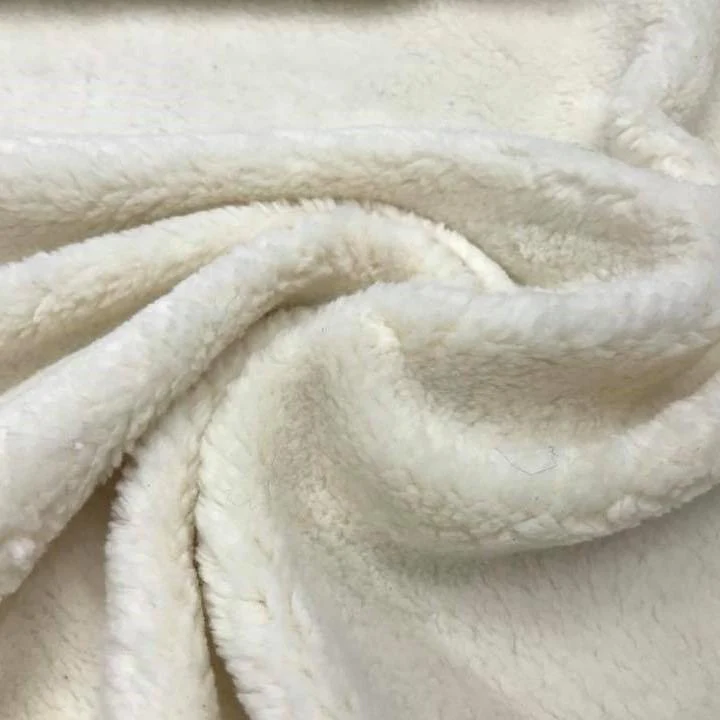
Many of you must have visited the store and passed by even the biggest winter jacket or cuddle corner, where items draped in sherpa were installed. Well, the word that caught your eye was really “sherpa” off course. Cloudy, so amazing in texture, wraps up in warm comfort and somehow looks warm even from a distance. No surprise that people are full of curiosity about what does sherpa look like, or what a creature is this and how it becomes the most liked fabric throughout fashion and home decor.

This guide dives gently into Sherpa looks, its unique characteristics, and why it continues to be one of the most popular fabrics in attire creation for cold days.
The Origin Behind the Name

Sherpa is a fur that takes its name from the Sherpa community in Nepal, who are famous for their enduring capacities at high altitudes, warm woollen cloth, and harsh climates where chill doesn’t even qualify as an understatement. It is an utter paradox because the Sherpa cloth we see now is not even wool. Instead, it represents the acrylic and polyester fibres of humane manufacture that simulate wool and comfort close to sheepskin without engaging the wearer in any mountain climbing.

So, What Does Sherpa Look Like?

The Fluffy, Wool-Like Surface

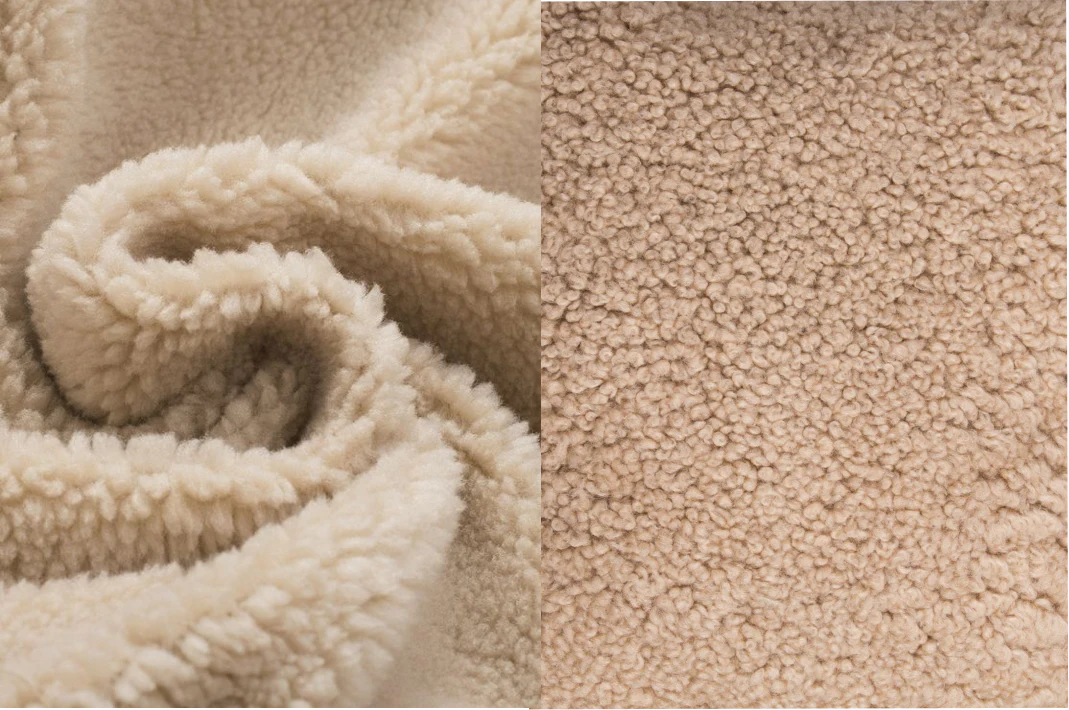
Imagine seeing a bedspread that looked like a beautifully groomed sheep, only friendlier. It’s the simplest way of understanding what Sherpa cloth is all about. On the top lies a curly-decorated surface, which is about as soft-looking, bumpy, and woolly as its softness permits. It seems light, cushiony, downy, and edible enough to be likened to a fairy floss (don’t go eating it, though).

The Smooth Underside

Flip Sherpa over, and the look completely changes. The reverse side is a smooth, knitted backing—flat, structured, and designed to support the fluffy surface. Think of it as the “calm and organised office manager” keeping the more playful, woolly side in place.

Thick but Not Bulky

Sherpa looks thick at first glance, but when you pick it up, you realise how lightweight it truly is. It has a rounded, lofty appearance, yet it drapes easily and never looks stiff or heavy. This balance between fullness and lightness gives Sherpa its visually inviting charm.

A Range of Colours and Patterns

The Sherpa fabric is not only available in popular creams but also in natural whites, but today, it can be found in an almost rainbow-like selection of colours, varying from neutrals, greys, to bold, solid hues or patterns. The texture stays fuzzy, picky to stay warm and comfortable.

Why Sherpa Looks the Way It Does: A Peek Into Its Construction

Sherpa fleece is mainly composed of polyester or acrylic yarns, and these yarns are knitted into small loops and piles. The Sherpa fleece is especially characterised by the cottony texture obtained by this knit. Yet, it is absolutely durable, breathable, and economical.

Historically, Sherpa fabric was developed by creative textile inventors in the U. S. area, willing the sake easy vegan options over sheepskin; scramble for it now to get somewhere soft, warm, and deserving of everyday garments.

They may not have received a medal for innovation, but every winter, shopper silently thanks them.

What Sherpa Feels Like (Because the Look Is Connected to the Touch)

Sherpa’s appearance is tied directly to its feel. It looks soft because it is soft—gentle, velvety, lightly stretchy, and cushiony. When you touch Sherpa, you instantly understand why it looks so inviting. Its fibres have a natural bounce that visually reads as “warmth” and “comfort” long before you even wrap yourself in it.

Key Characteristics That Shape Sherpa’s Appearance

1. High-Loft Texture

The long, fluffy pile gives Sherpa its signature “wool cloud” aesthetic.

2. Heat-Retaining Look

Even from afar, Sherpa looks like it traps warmth—which it absolutely does.

3. Lightweight Volume

It manages to look full without appearing bulky or heavy.

4. Eco-Friendly Options

Many Sherpa fabrics today are made using recycled polyester, giving them a refined, modern look with a greener footprint.

Sherpa vs. Fleece: A Quick Visual Difference

If you place Sherpa next to standard fleece, here’s what you’ll see:

  • Fleece looks smoother and flatter, with shorter fibres.
  • Sherpa looks fluffier, fuller, and closer to wool in texture.

Both are soft, warm fabrics—but Sherpa wins the visual contest when you want something that looks extra cosy.

Why Sherpa Is Such a Good Visual Fit for Winter Products

The appearance of a Sherpa alone oozes warmth, plushness, and comfort. In view of this, it gives a nice touch to winter fashion, home decor, baby items, and outdoor accessories, kind of enhancing the whole cosy feel that one lusts for while “remaining confined” in the cold months.

Final Thoughts: The Timeless Appeal of Sherpa’s Look

Now you know what does sherpa looks like; for this reason, it is almost a customised choice in attire, accessories, and home products. Its cloud-soft surface, near-to-nothing weight, and woolly bearing combine to create a material both appealing to the eyes as well as the touch.

Our discount offer on fleece blankets also leads us to contribute in many ways to charitable organisations, events, schools, and other activities. We make fleece blankets in bulk and also add the option for personalised embroidery. If you’re looking for trusted fleece blankets wholesale, we’re here to bring warmth, style, and comfort straight to you.
What Is Eyelet Fabric?

5 Dec

If you have ever seen certain dresses with those small, tiny embroidered holes put into flower or geometric designs and some curtain materials that maintain airiness, allowing light to enter without losing their elegance, you have already encountered a most loved textile for the warm weather–eyelet material. However, this eyelet material is a matter of interest to many people, that what is Eyelet Fabric? Why does it enjoy such agelessness in a variety of clothes and decorations?

Some masters of the intricate are simply bored with perfection, as ventilation is filled into this summer lace affair. Eyelet fabric creates that perfect centre fold of beauty, comfort, and practicality. Let’s talk about its origins, how it is made, where it used to reside, and why designers and everyday creators reach for it year after year.

A Fresh Look at What Eyelet Fabric Really Is

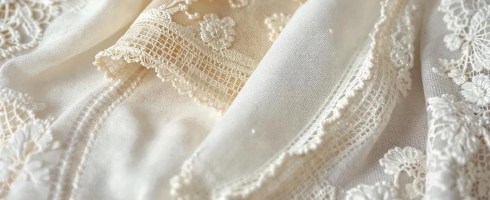
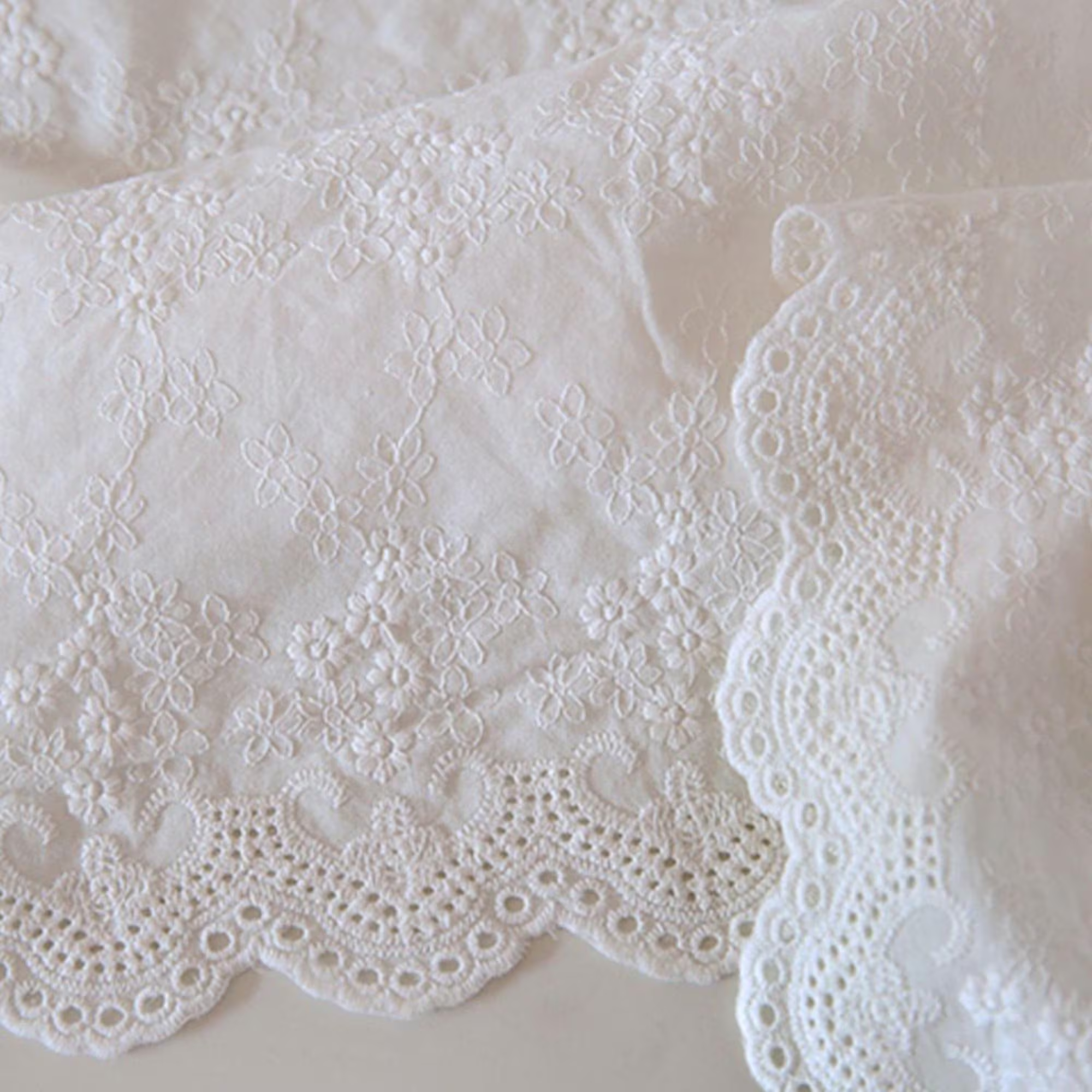
Eyelet is easily marked by decorative holes on the fabric, where a pattern is established through stitching called eyelets. These small holes are either cut or punched around the material and subsequently turned under to allow the surrounding edges to be stitched neatly to avoid unravelling. The cover looks somewhat reminiscent of lace with a soft, airy feel, and a classy sense of style that can put some heat on when need be.

Eyelet fabric is lightweight and breathable because it has traditionally been made from cotton or linen, which makes it suitable for summer fashion. Its softness allows the movement of air, hence helping any person to dry up under the soaring sun. (Remember stepping outside on a sweltering day and everything feeling like a hot oven?)

How Eyelet Fabric Is Made: A Blend of Art and Engineering

Although it looks delicate, eyelet fabric requires precise craftsmanship.

1. Creating the Cutwork

Small holes are cut or punched into a woven fabric in a controlled pattern. These can be circles, ovals, flowers, or more modern geometric shapes.

2. Reinforcing the Openings

Each hole is then stitched around with embroidery thread—often resembling a tiny buttonhole stitch. This keeps the fabric durable while adding decorative texture.

3. Forming the Pattern

Eyelets may appear all over the fabric or be arranged in borders or panels. Some fabrics even include scalloped edges that are perfect for hems and sleeves.

A more advanced process, such as embroidery machines, produces this type of fabric. And such advanced technology makes the end product much more blended than in the old days. Thanks to crying, it is great that we can have beautifully put-together fabrics without demanding that you manually embroider hundreds of mini holes. Unless you think of that as fun!

What Makes Eyelet Fabric Special?

Embroidered fabric is blessed with beauty, even though the structure is functional and aesthetic. Opposing these very small vents that allow the air to get inside in hot and humid climates is tantamount to adding vents of purpose, casting off all care for aesthetics. But due to its fine drape, the fabric has daintily, delightfully free-flowing grace, and it looks superb with romantic, whatever styles of skirts and dresses, and tops have been created.

Eyelet is also extremely versatile, looking vintage, romantic, modern or minimal, depending on the colour and pattern, and equally suited to a cute sundress or chic home décor. The embroidered edge around each opening appears delicate but gives its wearer durability, a testament to the fact that eyelet is much stronger than it looks, much like many of us carrying graciously through daily tasks of tedious to-do lists.

Types and Styles of Eyelet Fabric

  • White work Classic: Often known as broderie Anglaise, this traditional eyelet stitch pattern in white or ivory is iconic and ageless in look.
  • Border Eyelet: Features decorative edges and motifs along one side—perfect for hems and sleeves.
  • All-over Eyelet: Patterns cover the entire fabric, offering even texture and detail.
  • Modern Interpretations: Bold colours, large florals, and contemporary shapes bring freshness to a classic textile.

Where Eyelet Fabric Is Used

Eyelet fabric is the best-received fabric for warm-season styling, commonly utilised in apparel and home décor. In apparel, it is extensively adopted for summer dresses, blouses, skirts, children’s clothing, and robes with a view to providing the wearer with ease and a soft, feminine image. It makes an amazing adornment for cuffs, collars, and edges. Designers usually pile up eyelets over solid fabrics to flaunt the disparities between the two fabrics as well as to present dimension.

How to Choose the Right Eyelet Fabric

When selecting eyelet fabric, consider:

  • Fibre content: Cotton for softness, blends for durability.
  • Pattern density: Fewer holes for structure, more holes for maximum breathability.
  • Colour: White and pastels offer a classic look; modern bold hues add personality.
  • Weight: Lighter for clothing, mid-weight for décor.

Keeping these factors in mind ensures you choose the perfect eyelet for your project.

The Beauty of Eyelet Fabric

Knowing what is eyelet fabric will make you appreciate its fine craft and the ambitious productivity within it. It has breathability, charm, blendability and is simultaneously sensitive enough to enrich even the plainest garment or interior garment.

In project after project, eyelet continues to be a popular choice for warm-weather seasons. Regardless of whether you’re sewing for style, home, or creative projects, it never fails to bring both elegance and relaxation to anything it adorns.

About Us – PeachFur Fleece

PeachFur Fleece gladly assists designers, brands, charitable groups, and craft-makers with fleece blankets at wholesale in large quantities through soft blankets and materials to cater to gifting, branding, and seasonal warmth. Its fleece products are famous for their softness and are durable and designed for the clientele’s lovely, cosy experience, whether they are small-scale or long-range. Our goal is to allow you the freedom to beautifully fabricate and generously give away.

What Is Sherpa Fabric Made Of?

5 Dec

Sherpa Fabric is the sweetest one out there for those who love traditional methods of dressing. Why? Because you can whip cool clothes in this fabric for yourself, and also provide them for countless little coyote revellers while dreaming in a conventional style around an open fire. It falls easily into your pocket and delivers unforgettable times for the deserving; its only fault is that of hiding hidden cuteness.

Its wool ensures warmth and is as soft and lovable as a teddy bear. Sherpa! Clearly, such a wonderful fabric is rooted in diverse interpretations, reminiscent of an adage, which gives the onlooker a sense of blanket cuddles.

A Modern Fabric Inspired by Traditional Warmth

Sherpa fabric is named after the Sherpa communities found in Nepal. Revolved in producing heavy-duty mountain-weather-resistant garments. Hold on, though; the modern Sherpa is devoid of animal wool. Rather, this is a moderately machine-created cloth intended to look and feel like shearling without the weight, cost, or maintenance of natural fibres.

There is always a natural choice of synthetic fibres, such as polyester or acrylic, when we talk about what is Sherpa fabric made of. The choice is because of the synthetic fibres’ durability, softness, and insulating properties, which are helpful to the item. Different blends with other fabrics are also used in various instances. For example, polyester could be mixed with cotton to either produce a billowiness feel or to create better breathability. In whatever way the mixture is presented, Sherpa retains its soft texture.

How Sherpa Gets Its Famous Softness

A knitted foundation with loops that is then brushed, sheared, or left in a curly state for the plush, irresistibly soft feel. It is this construction that gives Sherpa its ability to trap heat close to your body while keeping out cold air-long story short, it’s a hug you can wear and wash. (Sherpa doesn’t even complain if you spill hot chocolate on it-unlike those “other” hugs.)

The engineering behind Sherpa gives it the best of both worlds: it feels luxurious like wool but remains lightweight like a standard fleece.

Why Sherpa Fabric Is a Winter Essential

1. Exceptional Warmth

Sherpa adds pockets of warm air that are produced by its dense pile, which provides superior insulation when compared to so many variations in fleece. Sherpa retains heat close to the skin and inhibits penetration of cold air. It makes Sherpa ideal for freezing nights, outdoor action, or pretending you have a ski lodge in your living room.

2. Feather-Light Comfort

Surprisingly, Sherpa is very lightweight despite its plush volume. This is because the synthetic fibres provide warmth without making you feel weighed down. If one were lucky to find a woollen blanket as light as a small elephant, he or she would realise that all such weight has now gone in the Sherpa, making one almost as good as being wrapped in a warm cloud.

3. Soft Enough for Everyone

It’s often used for kids getting dressed because of its non-irritating gentleness to the skin. Therefore, if its softness is good even for babies, it would definitely do well for an adult manufacturer or anyone looking to survive winter gracefully.

4. Vegan-Friendly & Affordable

Sherpa offers the cosy feel of shearling without using animal fibres. It is an accessible, cruelty-free option suitable for anyone seeking warmth with a conscience.

5. Easy to Care For

Sherpa is super easy to care for—machine washable, fast drying, and shrink-resistant. While the long fibres require tender loving care, this could still handle being abused with much more ease than traditional woollen stuff. (And you knew your washer was taking a break as well!)

Where Sherpa Shines: Everyday Uses

Sherpa looks mighty good anywhere, from wearing a white or worthy jersey/hoddie to trying as a throw in winter or in home stuff such as blankets and coverlets. It is there in outdoor accessories, pet items, and even travel stuff like sleeping bags and neck pillows. Sherpa is always there for warmth and softness—often quite gracefully so, considering its fancy look.

Sherpa vs. Standard Fleece: The Cosy Comparison

Normal fleece is recognised as warm and soft; however, Sherpa takes another step to provide needed comfort. Its woolly soft pile gives it more of a luxury feel, and because the thick curly fibres provide remarkable warmth, it is the perfect material for regions with cold temperatures.

The Sherpa is often stated to feel as though it envelops you like a sheep or a cloud — if a cloud could envelop a human (a sheep certainly at least has a better chance of running away). Both fabrics are indispensable and suitable for all purposes; however, Sherpa excels in terms of providing extraordinary warmth and a plush, cosy look.

A Winter Fabric Worth Choosing

The most popular fabric for winters would be sherpa, popularly known for warm and cosy feelings against a user’s skin, along with being lightweight and hearty. When a close look is taken at the foundation of fabric for making a sherpa, it becomes a tribute to the meticulousness with which the sheer existence of the heavy load is thought about. For excellent warmth that makes that long, cold weather a bit cosier, be it one’s blankets, jackets, home decorations, or accessories.

If staying warm is your mission this season, Sherpa is a fabric you will want within arm’s reach—preferably wrapped around you on a couch with a good movie.

About Us – PeachFur Fleece

PeachFur Fleece provides suppliers of Sherpa fabrics and fleece blankets bulk, which are of good quality and give terrific warmth and comfort. Our Sherpa Mink blankets have Sherpa plush on one side and smooth mink fleece on the other. These are appealing as gifts, brands, or for use in winter. We offer company branding with the hidden-zipper finish that marks a classy presentation lift.

How Much Fabric Is Needed for a Tie Blanket?

5 Dec

Tie blankets, also known as no-sew blankets, are a simple and fun initiative for beginners, crafters, classrooms, or charitable organizations. Having one each for winter, reading, or just lounging on the couch is super comfortable. Do not-tie-blankets relax you after making them? It’s a first-time friendly project. All you need is fabric, scissors, and a good dose of patience; trust me, that snack at arm’s reach will not hurt the proceedings either (crafting has no calories for the record).

This article explores a guide to selecting material to make tie blankets. This could be an exciting project to work on while you are in a jovial mood, just to warm the little ones or cheer up some of your friends for this winter, so use the right amount of fabric to suit the design idea.

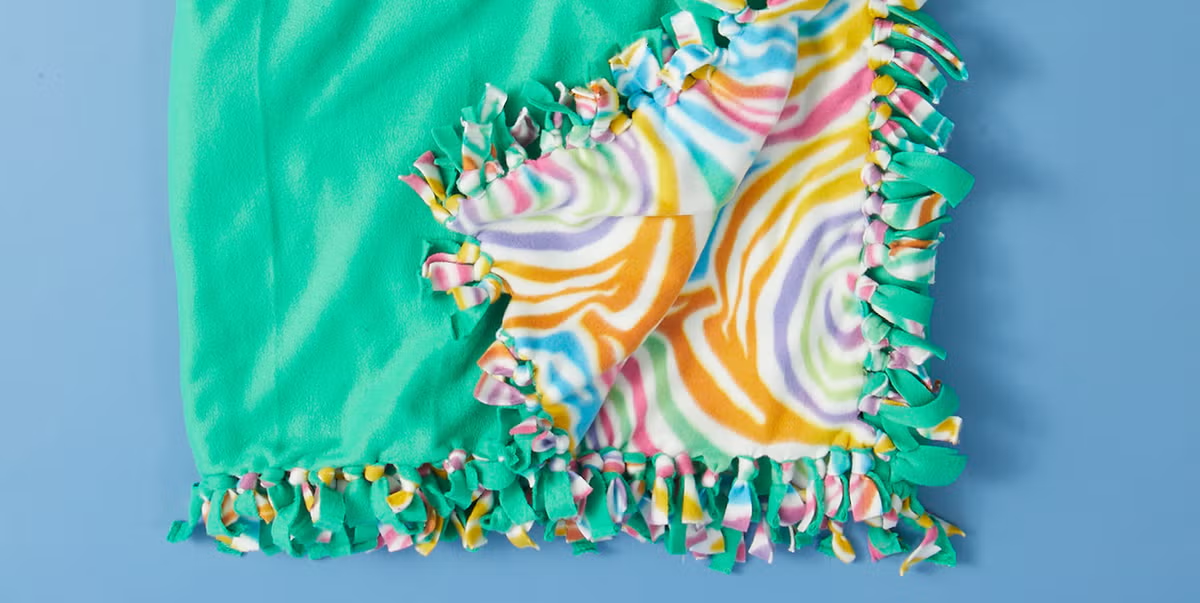
One is fascinated by the simplicity of the blanket room. No sewing skills, no sewing machine, no extensive years of researching on Pinterest. Just two pieces of fabric- one piled atop the other- folded over on all four edges, fringed and then tied together. Two-layer cuddle blankets with a homemade feel are the result!

They are the best crafts for presents; they can be made in favorite colors, prints, and objects. Primarily, they are great to make. They could be “the craft escapade without stress,” the one that gives you the right to brag.

Why Fabric Amount Matters

Before starting, you’ll want to know how much fabric is needed for a tie blanket so you don’t end up short on one side and doing “creative adjustments” that only you understand. Tie blankets always use two layers of fabric, so your total amount is double the length of a single piece.

Choosing the correct yardage helps your blanket drape nicely, stay comfortable, and look professionally made.

How Much Fabric You Need by Blanket Size

1. Baby Tie Blanket

A baby-sized tie blanket is perfect for strollers, tummy time, and naptime cuddles.

  • Fabric amount: One piece for the top and one for the bottom
  • Total needed: Enough to cover a small rectangular area suitable for infants

Soft, gentle fabrics—especially fleece—make excellent baby blankets because they’re warm yet lightweight.

Babies can’t tell you if your fabric choice is right, but they will let you know if they’re not cosy enough.

2. Child Tie Blanket

Children’s blankets are slightly larger and great for bedtime, reading corners, and travel.

  • Fabric amount: One layer each for the top and bottom
  • Total needed: Enough yardage to create a medium-sized blanket

This size is ideal for beginner crafters—big enough to be impressive, small enough to finish before your motivation mysteriously disappears.

3. Adult Tie Blanket

Adult blankets are the most common project size and perfect for lounging, gifting, or layering on beds.

  • Fabric amount: One piece for each layer
  • Total needed: Yardage suitable for a large rectangular blanket

Cozy warmth is the main appeal, but the blanket doesn’t have the luxury price tag. Besides, making one will make you feel oddly empowered, that is to say, you will level up and become more skilled in the matter of adorning your home.

Choosing the Best Fabric for Tie Blankets

Fleece

The hero of tie-blanket supplies is fleece, being soft, warm and strong and does not fray. Most people seem to understand that fleece was actually made specifically for tie blankets, although the two are hardly inseparable.

Perfect for: winter use, cuddling, gifting, and charity drives.

Minky

No-sew luxury comes in the form of Minky. The material is very soft and warm, making it the best choice for comfort/sensory blankets. While not as breathable as fleece, most people adore the silky feeling it gives.

Perfect for: baby gifts, couch blankets, or when you want someone to say, “Wow, this is SO soft.”

Faux Fur

If you want the fluffiest, cosiest blanket possible, faux fur is your friend. It adds texture and warmth but is slightly trickier to tie, so patience is recommended.

Perfect for: decorative blankets, winter layering, luxury gifting.

Wool

When insulation is your priority, wool is unmatched. It holds warmth better than most materials and works beautifully for cold-weather tie blankets.

Perfect for: extremely cold climates, outdoor use, or anyone who believes “there’s no such thing as too warm.”

Preparing Your Fabric (Before the Fun Begins)

Before you begin making your tie blanket, it’s always good to do a little preparation with your materials. Fabrics that may shrink should be prewashed; better to find out the shrinking quality now than after tying a hundred knots. Gather all your supplies and tools you will be needing: scissors or a rotary cutter, a ruler or measuring guide, and a flattish work area to assist in cutting. Furthermore, create split corners so that, if your tie blanket is irregular, the eyesight of artist will look fine.

Start Crafting with Confidence

Knowing how much fabric is needed for a Tie blanket makes everything seem like a gentle project where everything is predictable and enjoyable, so be it is delivered as a heartwarming gift, be it a personal comfy wrap, or a donation to a charitable cause, tie blankets happen to be some of the simplest methods of introducing warmth and sentimentality.

Each knot you tie adds comfort, style, and intention into the finished blanket—and that is what makes them so loved.

About Us — PeachFur Fleece

PeachFur Fleece stands by the folks creating tie blankets, craft hobbyists, and charity projects by providing wholesale fleece blankets in bulk, coupled with fleece blankets with high-quality standards and affordable competitive pricing. These fabrics are incredibly soft and durable and can be used to make lovely little blankets for no-sew projects. Whether you are working alone or preparing for drives for donations in the thousands, we are there to support the spread of warm feelings for their cause.

What Is Sherpa Lining?

4 Dec

The choice of fabric grows quite important as the mercury plunges even further and the cold air settles in; Sherpa lining, however, with warmth, gentleness, and timeless comfort, offers hope. The wool is situated locally, Binder says, and while Sherpa doesn’t actually use sheepskin, it gives off nearly the same look and soft feel. The most common kind of Sherpa is the one to be grouped into accent pillows, bedspreads, casual throws, blankets, jackets, and accessories, providing the feel and warmth that words for winter.

This article will explore what is Sherpa lining, how it is created, why it is the beloved preference of people worldwide, and why, even today, it remains one of the best choices in warm clothes and home fabrics for the winter.

Understanding What is Sherpa Lining

What is Sherpa Lining, then? Another thing to talk about is, it is really soft and highly luxurious faux fur made to simulate real sheepskin. Mostly, it is woven from synthetic fibres such as polyester or acrylic; however, there is also one made out of cotton. This fabric is knitted and then brushed to create a curly wool-like pile on one side while being smooth and even on the other. Due to its dual construction, the sherpa is warm, insulating, and naturally soft yet highly durable.

Sherpa, known as faux sheepskin or faux shearling due to its resemblance to lamb’s wool without the actual wool, is a great fabric to own. The material is warm, light, and made from reactive skin; thus, it’s no wonder it fetches a slightly higher price and is just as good as money can buy in a similar price range.

The Origins Behind the Name “Sherpa”

The word “Sherpa” refers to the original wool-lined clothes of the Sherpa ethnic group in Nepal, who have a great adaptation to the tough mountain climate. They would wear heavy wool and sheepskin to get warmth during high-altitude climbs. Contemporary Sherpa fabric still has the warm essence of those garments, but gives it in a more accessible and ethically produced manner. The real sheepskin can now be imitated with the use of light and cheap fibres.

What Is Sherpa Lining Made Of? A Look at the Fibres

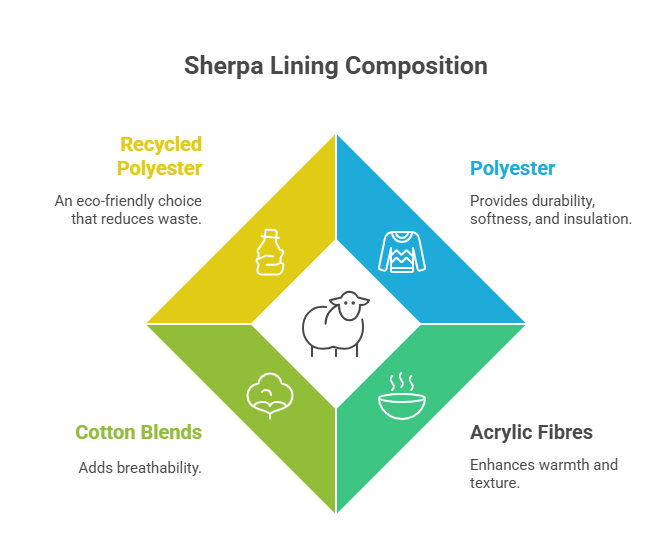
Today’s Sherpa lining is created using a blend of materials selected for warmth, softness, and ease of care.

Most commonly, Sherpa fabric is made from:

  • Polyester, which offers durability, softness, and excellent insulation
  • Acrylic fibres, used to enhance warmth and texture
  • Cotton or cotton blends, which add breathability
  • Recycled polyester, an eco-friendly choice that reduces waste

The fibres undergo knitting to form a structured base, which is then treated with specialised tools that lift and twist the yarns, thus creating the famous fluffy pile. The whole process is responsible for the cloud-like texture of Sherpa, its heat retention capability, and its attractive wool-like appearance.

How Sherpa Lining Is Made

Sherpa’s signature softness is the result of careful craftsmanship. The creation process involves:

  1. Twisting the fibres into yarn
  2. Knitting the yarn into a base fabric
  3. Brushing the surface with wire tools to create the curly, plush texture
  4. Shearing or shaping the pile to give it a natural, wool-like look

The result is a lightweight fabric that insulates remarkably well. Unlike real shearling, Sherpa dries quickly, resists shrinking, and can usually be machine-washed—making it far more practical for everyday use.

Sherpa lining is beloved for several standout qualities:

Soft and Plush Texture

Its fluffy, wool-like feel provides instant comfort against the skin.

Excellent Insulation

The dense pile traps heat effectively, making Sherpa ideal for bitterly cold and windy weather.

Lightweight and Breathable

Despite its warmth, Sherpa doesn’t feel heavy or bulky, offering a gentle balance of comfort and insulation.

Durable and Easy to Maintain

Synthetic versions are machine-washable, fast-drying, and resistant to shrinking or matting.

Animal-Friendly

For those seeking cruelty-free alternatives, Sherpa delivers the same cosy feel as wool without using animal fibres.

Sherpa vs. Shearling vs. High-Pile Fleece

The primary objective of Sherpa is to mirror the texture of sheepskin, while the actual shearling is acquired from the real skin and wool of lamb or sheep. Shearling is thicker, more expensive, and requires professional attention. Conversely, Sherpa offers a similar appearance and feel but at a significantly lower price and weight.

High-pile fleece is still another close relative. While it has a thick and fluffy texture similar to that of Sherpa, it does not always resemble the latter’s sheep-like appearance. Sherpa and high-pile fleece have Similar structures, but Sherpa frequently looks like sheepskin and is mostly used as a lining rather than a full outer material.

Caring for Sherpa Lining

Sherpa lining has been designed to require little maintenance, but proper washing still keeps its smooth touch. Gentle cycle washing, minimal heat usage, and choosing air-drying can all help fibres to last longer. Also, periodic light brushing can restore the texture if the pile has flattened and lost it after a while.

Why Sherpa Lining Remains a Winter Favourite

Understanding what sherpa lining is helps to appreciate its versatility in making winter clothing and comfort items. It merges together four main qualities—heat, softness, longevity, and price—which then turn it into a wise and fond option for both suppliers and normal users. A Sherpa, whether lying inside a coat or being draped around you on a chilly night, gives a certain amount of comfort that is constantly trustworthy.

Premium Sherpa Mink Blankets in Bulk

Our luxurious Sherpa Mink fleece blankets consist of silky-soft Sherpa on one side and luxuriously smooth mink fleece on the other, which is perfect for gifting, branding, and use in large quantities. The quality of our fleece blankets wholesale is high; they are customizable, and their major purpose is to bring warmth and comfort that is nothing but extraordinary. When it comes to elegant corporate gifts or bulk blankets for events, we have the finest products that are made to wow the receiver.