Archive | December, 2025

How to Embroider on Fleece

6 Dec

Many people do wonder how to embroider on fleece, mostly because it’s too soft, absorbent, or would not stretch. However, it is not just possible but somewhat easier to concentrate on one side of the embroidery on the fleece if few points (hammer punch and stripper for tearaway) are considered while Right Needle is stabilized suitably. The reason for such attention is that embroidery adds identity and charm to fleece items where once a simple fleece jacket would then get all dressed to the nines for a dressy Christmas party.

Introduction

Embroidery has always been an excellent way to turn a regular fabric into a personal style. Embroidery enhances any garment or accessory, from monogramming to floral to artistic designs. The good news, we can easily transform our own fleece. Despite its softness, stretchiness, and texture, fleece can become a pretty decorative fabric when embroidered.

Embroidering on fleece entails the potential for making shades of different clothing categories (blanks, jackets, hats, scarves, mittens, and even home decorations) its own itself. A fleece garment speaks alongside being trendy and remarkable; besides, it is worth giving as a gift for warmth and necessity. Must winter apparel be warm and comfy? But no one ever said it needs to bore you!

Understanding Fleece Before You Start Embroidery

To embroider successfully on fleece, it helps to understand the character of the fabric. Fleece has a “nap,” or soft surface pile, which gives it that beloved fluffy texture. This same fluffiness can also hide fine details in embroidery if not properly stabilised. Fleece also stretches, meaning the fabric needs support so the stitches don’t warp or disappear.

Different kinds of fleeces, like polar fleece, polyester fleece, sherpa, plush fleece, and microfleece, all have slightly varying behaviours, but these fabrics all take well to embroidery with a little bit of preparation. The right side of the fabric, which is silky and slight, happens to be the best surface for embroidered stitches in most cases. This side will prevent the stitch from looking bumpy and will ensure that the embroidery thrives in high-quality form.

Materials You Need for Embroidering on Fleece

The most important thing to bear in mind when tackling fleece with a view to stitching on it is the selection of materials. Underneath the fabric, the only way to keep fleece from stretching due to the pulling of fibres while stitching is through an adhesive-backed stabiliser. As backing stitches are neither visible nor felt when working with a very dense fleece, a water-soluble top layer will prevent stitch displacement, however overstuffed the area may be.

A ballpoint needle is the perfect tool because it has the capacity to gently wade into fabric instead of either tearing or piercing it. Embroidery floss actually adds strength to the embroidery design and makes the finished product wash-worthy, mainly polyesters in some of the projects. In a way, these are the jea behind the backstage while providing synergy to the act, because they may not be visible but form the basis on which the play is staged.

Preparing Your Fleece Fabric
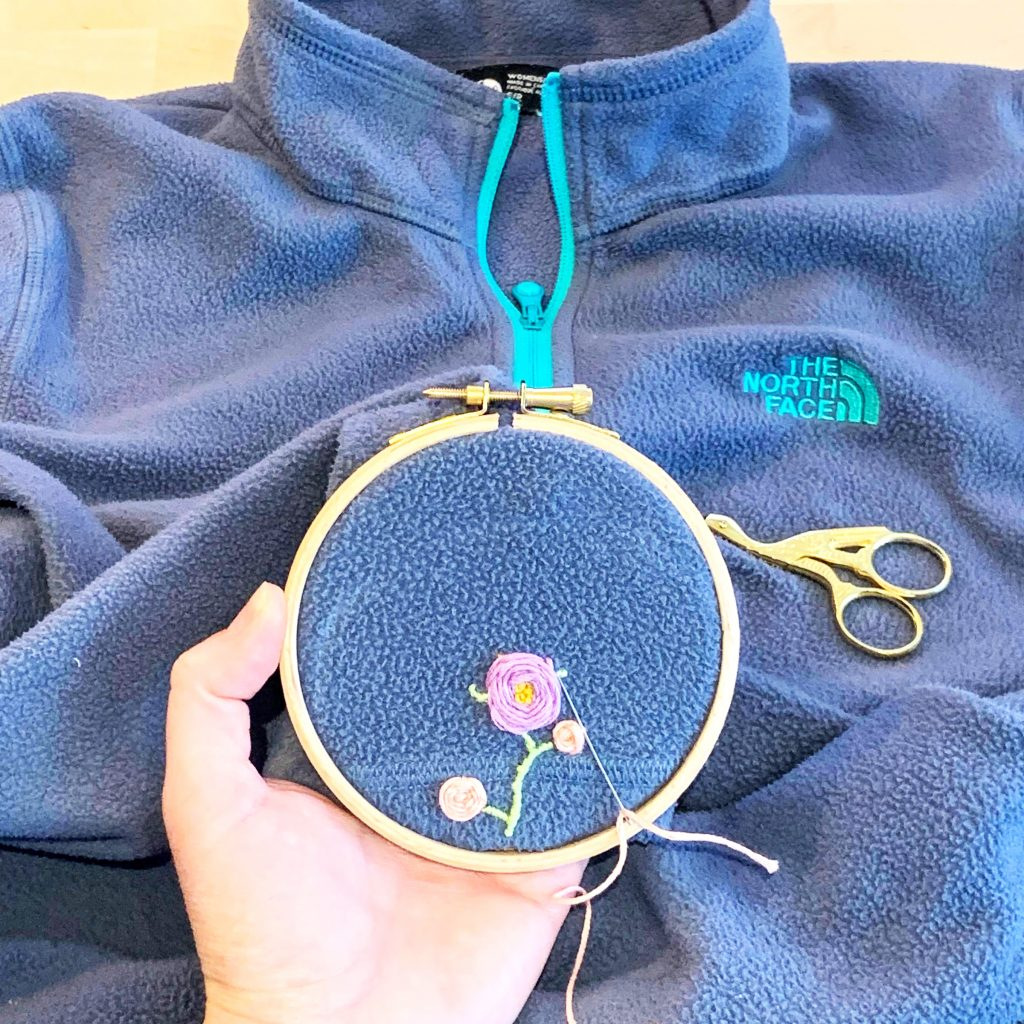
Before you start to embroider, it is important to do a few things right. The first step is to mark the centre line and alignment lines on the fabric. This can be done with either a water-soluble fabric pen or tailor’s chalk. This will provide you with a good line to follow and prevent you from having to rip out stitches.

Instead of hoisting the fleece directly in the embroidery hoop, which may cause marks or stretch the fabric, float it on a hooped sticky stabiliser. This action allows it to be held smoothly on the surface and prevents undue fibre tension.

Place a water-soluble stabiliser on top, which will stop the stitches from disappearing into the fluffy nap. Look at this as a boost, so that your embroidery is nice and proud.

Step-by-Step Guide: How to Embroider on Fleece

Now that your materials are ready, here’s how to embroider on fleece using a simple, reliable method.

Begin by hooping the stabiliser firmly on its own. Score off and strip some paper backing if you are using an adhesive stabiliser, and press the fleece quite gently but firmly onto that adhesive.

Reduce the pace of your embroidery machine slightly. This will help to avoid distortions. Also, make the thread tension a bit lower so the embroideries come out softer and sit better on the fabric. Suited to fleece is a better embroidery design with thick lines or elements, as very delicate lines get lost in the fibres.

You should take the whole object off the matter of the needle poking through the fleece so that it does not pull on the fabric during sewing. When every detail is aptly set, just go away, but do not leave too far to get quick protection if it shifts out of position. Embroidery is kind of like cooking, in the sense that the machine does all the work, but human surveillance keeps bad surprises from popping up.

Finishing Your Embroidered Fleece Project

Just after the finishing of embroidery work is finished, you ought to carefully peel off the water-soluble stabiliser from the sewn item before turning the item inside out. When the object has been turned inside out, cut away the aforementioned surrounding bulk from its backside without engaging in any necessary cleaning. Nonetheless, if some stabiliser remains, you can rinse (gently) or dab some lukewarm water on the wet excess.

Very, very gently nap against a fluff of smooth fleece to give back that softness to the embroidery. That embroidered piece, then, looks crisp, well-made, and planned: as though the embroidery were always planned for it in the centre.

Conclusion

Embroidery is the conductor of aesthetic beauty to any kind of fabric, and a fleece does not remain deprived of its grace. Learning how to embroider on fleece gives you the scope to turn cosy winter essentials into stylish, personal creations. Would it be a name on a blanket, or would it be adorning a jacket, or customising a hat? Embroidery is a tool to elevate basic warmth into something unforgettable and expressive.

We offer excellent fleece blankets wholesale palette of colours and various textures and weights, making it the ideal solution for embroidery, baby blankets, apparel, or winter arts. We choose our fleece cloths for their property of having a clean sewing stitch, with nice details, thus providing you with the liberty to design what you please. Whether for gifting projects or for apparel designing, the fleece fabric makes a big difference in the beauty and softness.
What Can You Make with Fleece Fabric?

6 Dec

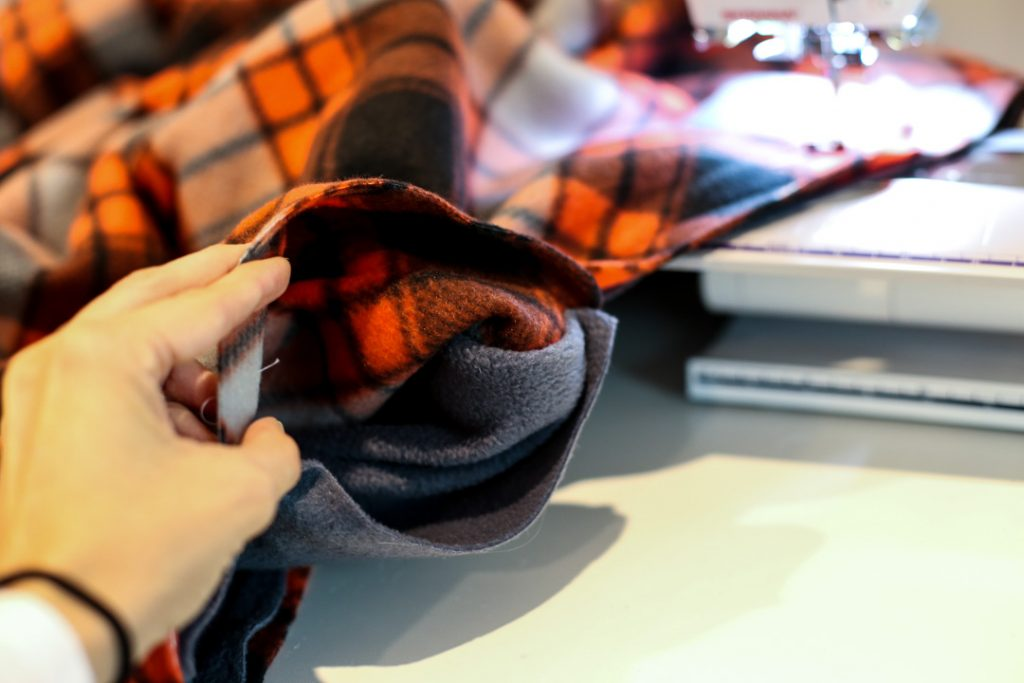
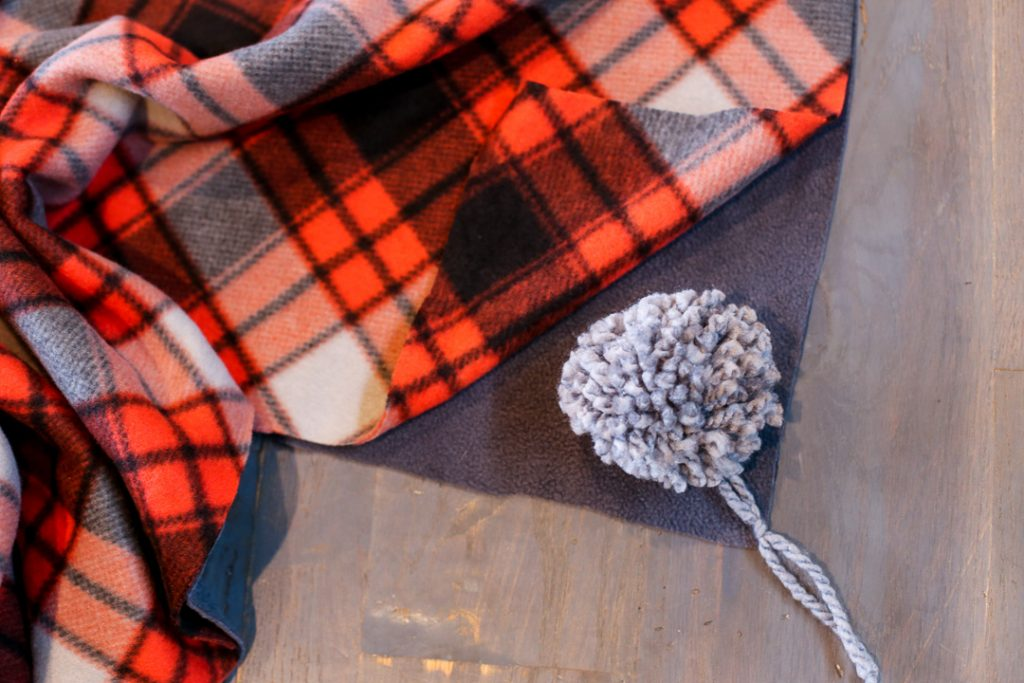
If you’ve been pondering what can you make with fleece fabric, the simple truth is it’s rather limited. You can create anything that spells softness, warmth, or cosiness. Working with fleece fabric is so well and allows so much space for concocting garments, throws, home items, toys, gifts, and no-sew crafts. Rain or shine, whether the quantity you’ve got is only sufficient for that project or you’re left with a few pieces of fabric to use up, there is always something cosy yet to be made.

Fleece, among other reasons, can be that rare cloth that is both practical and comforting. It’s soft enough to be used as a baby blanket, strong enough to be used in outdoor clothes, warm enough for winter accessories, and forgiving for newbies just learning to sew in a straight line. Many beginner sewers look up various crafts that they can make with fleece fabric, since it opens up doors to crafts that do not require more elaborate tools and techniques.

Why Fleece Is Perfect for DIY Projects

Why fleece is so easy to craft, such a lovely material, makes a bit more sense to gain first. Fleece is so naturally soft that it feels great against the skin; that’s why it is almost regularly found in clothing, baby stuff, and winter accessories. It is a very low-maintenance fabric—no hemming, no fraying, no preparation involved.

Fleece is a versatile fabric that can be used for any number of projects. It is very easy to work with, so that wearables can be done without sewing, while more advanced creations like jackets and pieced blankets call for a little more patience. In addition to this, options include anti-pill fleece, wubby fleece, microfiber fleece, and micro velvet fleece. Crafters can use whatever they like for original creations.

Clothing You Can Make with Fleece Fabric

When it comes to what can you make with fleece fabric, clothing ranks high in pursuit. Hence, fleece hats, scarves, mittens, vests, and ear warmers, because of the material’s warmth and stretch, are recommended for special products in this category, which you could experiment with.

Fleece hats form a special category of headwear, from the simplest beanie to fashion-forward animal hats for children, complete with ears or horns. These hats are the easiest DIY sewing projects besides the minimum-sew required projects for all. Headband ear warmers tend to be a quick project with minimal use of fabric, but provide a lot of comfort during the chilly months.

Blankets, Throws & Bedding: The Heart of Fleece Projects

If there were a crown jewel of fleece crafting, it would undoubtedly be blankets. Fleece blankets have the rare ability to feel handmade, practical, and sentimental all at the same time. They are often given as gifts, donations, or family keepsakes, and they remain the number one reason many people search for what you can make with fleece fabric.

Non-sewed tie blankets are one of the simplest and most favourite kinds. It is very minimal in sewing–or not at all–and any fringed edge can be tied to another with scissors and a bit of patience. There are also hooded comfort blankets for children and older people that merge comfort and fun. Rag quilts and quilted-looking fleece throws give a more ruffled look than fleece made with satin binding, which has a gleaming finish.

Fleece blankets are still a great favourite to give as they can be easily personalised, are sheer blessings, and always appreciated by whoever receives them quite heartily. Given the opportunity to unwrap something divine like wholesale fleece blankets, no one could say, “Dear me, what a bother this warmth and comfort are!”

Home Décor Projects with Fleece

Fleece refreshes the atmosphere of the home by bringing warmth and personality; it may do wonders in a pillowcase, the easiest and simplest way of updating the living space on an incredibly cushy basis. Every pad cover, bench cushion, or decorative throw may yet be a show stopper.

Fleece is commonly used for seasonal decorations, such as hats for the holidays, wall hangings and the like. Alongside its companions, fleece has become a favourite product for pet beds and kennel liners to provide comfort and still keep up its imposed durability while being quickly laundered.

Creative Ways to Use Leftover Fleece Scraps

The great thing about working with fleece is that there is no wastage. Scrap a chunky fleece together to machine-sew a scarf, some hair bows, or appliqué-work out of fleece, or little bags created from fleece. The large leftover fleece pieces should be hand-stitched together for a vibrant quilt or used in various ways to make elaborate ornaments and decorations.

Artists who exercise eco-friendly practices demonstrate their love for recycling every little bit of wool for some art project, giving new life to the lowliest bits of leftovers.

Final thought

Fleece opens up numerous creative possibilities, from personal use winter attire to exclusive home textiles, toys, accessories, and the most personalised gifts. Among beginners and skilled artists, fleece is still recognised for its materialised cosiness, durability, ease of working with, and flexibility; whether working with many yards or a tiny piece of scrap, fleece will always give the crafter endless opportunities in creating something practical, lovely, and warm, generally one-of-a-kind.

And if you do wish to source fleece blankets wholesale, we offer premium fleece fabrics in many colours, weights s and textures, ideally structured to assist makers, businesses, and charity organisations along. Please let this fleece project disappear from the category of the mundane, and let each project transform, ranging from simple accessories to any of the large custom blankets!

Where to Get Fleece Fabric

5 Dec

When it comes to fleece fabric, the most efficient way to begin your search is to check the physical stores nearby selling fabrics, the craft supply chains, the wholesale fabric warehouses, online textile retailers, and regional textile markets. The traditional sources of fabric purchase have different prices, qualities, and quantities, so you will be able to locate the suitable fleece for your project needs easily and cheaply.

Fleece has been, and still is, the go-to fabric for warmth, comfort, and trust, of course, without the bulk of conventional wool. The customer may be sewing jackets, making blankets, doing school craft projects, and buying fleece products for their business; the quest for fleece fabric can be quite daunting. The fabric world is indeed gigantic, and fleece comes in more varieties than most people think.

This guide is going to be your companion throughout the whole process. You will learn what fleece consists of, how its quality is determined, where to buy it at the best price and what to consider before buying it. At the end of it all, you will be able to tell precisely where to obtain fleece fabric according to your requirements, budget, and sprinkling of creativity.

What Is Fleece Fabric?

Fleece is a soft, light, and warming synthetic material that is mostly composed of polyester and created to resemble the warmth of wool but at the same time, be more breathable and easier to care for. The main human attraction to fleece is its pleasantness, which is obtained by brushing to create a velvet, fuzzy feel on one or both sides.

There is a wide variety of fleeces, each of which is suitable for a particular application. Polar fleece, for instance, is used in winter garments; microfleece is very light and a perfect choice for layering, while sherpa fleece looks like lamb’s wool; the plush fleece is the one that carpets are made of, being cuddly instead of super soft. The production of the eco-friendly fleece from PET bottles is being recognised not only for its sustainability aspect but also for its growing acceptance in the textile market.

Understanding these variations helps shoppers determine where to get fleece fabric based on the kind of project they’re planning.

Understanding Fleece Quality Before You Buy

It is essential to be aware of the factors affecting the quality of fleeces first before proceeding to buy options. The first factor is weight, which is typically given in GSM (grams per square meter), and the second one, the warmth or thickness of the fabric, is also a point of difference. Thick fleece is warmer, but lighter GSM is recommended for layering fabrics.

The anti-pill fleece has been designed in a way that it will not produce any pills during its lifespan and which gives the fabric a good look even after many washes. The fleece’s flexibility, direction, and touch feel are also considerations when making selections for some applications, like clothing or bedding.

Once again, we must point out that fleece is not all the same. There are types of fleece that are very soft and warm, while there are others that still require heating up to be comfortable. By understanding the quality, buyers can prevent their discontent and also save on returns that are not needed.

Where to Get Fleece Fabric: The Most Reliable Places

The question ‘where to get fleece fabric?’ does not have just one answer. On the contrary, the answer varies according to the quantity, purpose, budget, and the amount of assistance needed. The following is a list of the most frequently found types of places that sell fleece fabric, without mentioning any particular company or retailer.

Local Fabric Stores

Nearby fabric shops are still among the easiest locations where one can purchase fleece. Customers have the opportunity to feel, pull, and visually compare materials, with nothing less than these online listings giving them an experience similar to that. In the course of the year, these shops usually stock different colour prints, basic colours and different rates of fleece weights. Newcomers can rely on the staff at the local store for help in discovering the qualities of the fabric before making a purchase.

Craft Supply Stores

Craft-oriented shops are also superb for fleece with themes or prints. Usually, they display patterns that are attractive to families, kids, pet owners, and seasonal crafters. Besides, these stores frequently have sales and promotions, so they are not only attractive for shoppers who need small to medium amounts at a fair price but also for the stores themselves.

Wholesale Fabric Warehouses

The wholesale fabric warehouses are often the solution for such buyers who either need to obtain larger quantities or are looking for the best price per yard. Generally, these suppliers sell top-quality fleece at the markup of retail places. Designers, schools, charities, and manufacturers are the ones who prefer to get fleece from the warehouse’s bulk due to the factors of the quality being the same, the quantity, as well as the price being favourable for the big projects.

Online Fabric Retailers

Online platforms permit the comfort of searching for numerous fleece types in a single location. Digital merchants’ range of goods extends from the softest plush fleece to the thickest polar fleece, thus being the widest selection of fleece accessible anywhere. As for product reviews, these can be of great help to buyers in determining quality, especially in the case of those who are not able to feel the material personally.

Trade Shows & Craft Expos

Textile expos and craft fairs give buyers a chance to see fleece innovations firsthand. These events connect shoppers directly with suppliers and mills and often offer special pricing, samples, and previews of upcoming fleece technologies.

Creative Uses for Fleece

Among the main factors for the popularity of fleece is its amazing versatility. It is perfect for blankets, throws, coats, sweaters, baby items, pet beds, outdoor gear, and unlimited DIY creations. The material is simple to stitch, won’t unravel, and adds a warm softness to whatever it turns into. The only thing fleece cannot do is to automatically make itself look like it was new, which, to tell the truth, is a common problem for all fabrics.

Final Buying Tips

Once you determine your particular use, knowing where to get fleece fabric will be a piece of cake. It can save you both time and money if you match the fabric weight to your project, compare retail and wholesale prices, and check return policies. Good quality fleece lasts for a very long time; hence, investing in the right type of fleece gives you comfort and durability for a long period.

Wholesale Fleece Blankets and Apparel – The Best Option for First-Quality Fleece Blankets and Jackets in Bulk. If you are searching for the best, cheap fleece blankets in large piles, then you are exactly at the right spot. We are happy to help charities and therefore offer them special discounts, and we also sell wholesale fleece blankets and jackets in all colours and sizes, even with custom embroidery for companies or events.

How Much Does Fleece Cost?

5 Dec

If you are asking how much does Fleece cost, the answer is simply that it is determined largely by all its characteristics, such as type, weight, finish, purpose, and retailer. The fleece market today is so diverse that it is possible to find anything from budget-friendly solid colours to the most expensive anti-pill prints, snuggly sherpa fleece, house no-sew blanket kits, and fully-made fleece clothes for every pocket and project. Knowledge of these variations in prices lets buyers be wiser and more economical in their choices.

How much does fleece cost today?

The reality of fleece pricing is that it is very much a case of not one price fitting all. The fleece type, its form, and the vendor location are the decisive factors in determining its price. Try to compare fleece to coffee—at times you are paying for the cup, at times you are paying for the beans, at times you are even paying for some artist’s skill with the foam. So too, fleece varies in quality, weight, and product format.

This blog will reveal to you the precise pricing of fleece in various classifications and the reasons behind these price changes. No matter if you are purchasing fabric by the yard, selecting a no-sew kit, or making a comparison of finished fleece products, this guide will surely assist you in confidently acknowledging how much Fleece costs.

Why Fleece Prices Vary Today

Pricing begins with understanding what influences the cost of fleece. The first factor is fabric weight, which determines warmth and quality. Lightweight microfleece costs less, medium-weight fleece sits at a middle price point, and heavy, plush, or spun fleece costs more due to the manufacturing involved.

Special textures such as sherpa, faux-fur-style fleece, plush fleece, and double-brushed fleece push the price higher as they require more complex finishing. In short, the answer to how much fleece costs depends largely on quality and form. Some fleece is priced like a basic necessity, while other fleece feels like a luxury purchase—soft enough to make you question why all fabric isn’t this generous.

The Cost of Fleece by the Yard

Buying material by the yard is the easiest way for a shopper or a crafter to source some fleece. Pricing depends on several factors such as weight, texture, and finish.

Solid fleece by the yard typically occupies the lowest rung of the price ladder, thus being perfect for extensive projects or economy-calculated crafts. The Prints have a bit higher price tag because printed fabric goes through extra processing, such as designing, colouring, and finishing.

The anti-pill fleece cost, especially in medium or premium weights, is rising due to its longevity. Heavyweight fleece, which is mostly used for making jackets, blankets, or winter clothes, is also more costly than regular varieties. Nevertheless, the sherpa fleece cost is at the higher side of the range because of its softness and wool-like feel.

Microfleece is still a low-cost alternative due to its lightness and simple production, which also lessens the price, making it common for such products as blankets, linings, and non-insulated clothing.

The Cost of Fleece Kits (No-Sew and DIY Kits)

No-sew fleece kits have gained enormous popularity as they are a fun and pre-measured experience where crafting is made simple. These kits usually cost more than the addition of fabric separately, but the worth is in ease, selected colours, and dimensions that are ready for use.

Kits for smaller sizes are reasonably priced, while the larger premium kits are considerably more expensive, particularly those that include double-sided or anti-pill fleece. To put it differently, you are buying the comfort of getting the proper blanket without going through the process of measuring, cutting or fabric matching. This convenience is of great value to many novice crafters—if not, they would still pay a little extra.

The Cost of Finished Fleece Goods

If you’re not buying raw fleece, you might be purchasing fleece in the form of jackets, sweatshirts, tracksuits, baby blankets, thermal pullovers, or winter throws. In finished products, the fabric is only part of the cost. Labour, stitching, zippers, lining, brand presentation, and construction details all influence pricing.

Generally speaking, fleece blankets that are lightweight are on the lower end, while plush, double-layered, or oversized blankets are on the higher end when it comes to their cost. Fleece jackets, hoodies, or thermal pullovers also vary greatly in price depending on the thickness, craftsmanship, and the highest-selling season. The cost of fleece keeps increasing in the winter months, as it has already become one of the necessities in every wardrobe.

Finished fleece products are popular because they provide a ready-to-use experience. And unlike raw fleece, you don’t have to sew anything—which is good news for people whose sewing machines seem determined to argue with them.

International Cost Variation

Fleece prices usually vary from one country to another because of a variety of factors like currency exchange rates, transportation charges, taxes on imports, and the ability of the local factories. Certain places have cheaper fleece because they manufacture it themselves, while other places have the opposite scenario, as they import a lot of fleece, which causes an increase in the overall price.

Understanding local textile trends and practical availability helps buyers find the best value within their region.

Final Thought

The price of fleece is determined by many aspects, including weight, finish, place of purchase, and format. Getting to know how much does Fleece cost helps you choose the right material without spending too much money, if you are a casual crafter, a DIY lover, or a professional buyer. Even today, fleece is still a cheap and versatile fabric, accommodating projects of all sizes, despite the huge number of options available.

Wholesale Fleece Blankets and Apparel – Your Trusted Source for First-Quality Fleece Blankets and Jackets in Bulk.

Our fleece products are not only of high quality but also come at an affordable price and are available in many colours, weights, and sizes, plus the embroidery option can be done according to your custom design. With over 21 years of experience, we are proud to extend our dependable service to national charities, events, companies, and organisations.

Where Can You Donate Blankets?

5 Dec

It is very rare that blankets become unusable, and they generally remain in excellent condition for a very long time, as opposed to other home articles. However, many people still throw them away, simply because they have bought new ones or the old ones have lost their usefulness. This guide, instead of leading you to the trash, leads you to counter means of donating blankets, which become a supply of warmth, dignity, and shelter for those who really are in need of them.

Donations of blankets are of great significance in the community all over the world. A blanket can provide quick comfort for a family that is trying to get back on its feet, for a homeless person or for a pet that is waiting for adoption. This blog will guide you through the process of giving away blankets in a considerate and responsible manner so that your donation will have a positive impact.

Why Donating Blankets Matters

A blanket has many different roles besides being a mere piece of fabric—it is also a source of warmth, an outer world shield, and an insulator. For instance, a person living outdoors or going through tough times might consider a new blanket as a source of warmth and hope. The same can be said for regions affected by natural disasters. The personnel working in emergency response often say that blankets are among the most essential items to be supplied, along with other things.

Sustainability is also supported by investing blankets to the right places, which is learnt by you learn. The practice of giving items a second life leads to waste reduction and the prevention of usable materials from being buried in landfills. It is through the donation of items that the community becomes more united, and the poor receive assistance.

Local Places Where You Can Donate Blankets

1. Homeless Shelters

Blanket donation is one of the most reliable options that homeless shelters offer. These institutions are always in need of bedding supplies for their inhabitants, particularly during the winter season. A simple phone call to the closest shelter will clarify which kinds of blankets they take and when you can bring them.

2. Community Outreach Centres

Winter-relief programs are frequently organised by local charities, community groups, and religious organisations. The blankets that are given in this place are usually delivered to people and families who lack regular warm bedding. A lot of centres have a well-organised distribution system which lets you be sure that your donation will be given straight to the people with the highest need.

3. Animal Shelters

It is a common oversight that animals also require comfort and warmth. Used blankets are always welcomed by animal shelters and rescue centres to cover crates, beds, and healing spaces. Your donation at this place lets you help the ones that are loved but not yet adopted pets.

4. Doorstep Pickup Services

If time or transportation is limited, several donation services offer pickup from your home. They accept clothing, blankets, and household goods, making it extremely convenient. Before scheduling, it is still best to confirm acceptance guidelines to ensure your blanket fits their requirements.

5. Thrift and Reuse Stores

Community-based thrift stores often sell blankets to raise funds for their programs. While some locations accept all types of bedding, others may have restrictions. Calling ahead guarantees your donation will be used effectively.

National and Online Organisations Accepting Blanket Donations

A lot of nationwide charities run campaigns for donations that are either periodic or related to emergencies. These charities provide warm blankets for the needy in places like areas hit by disasters and the countryside where extremely cold winters prevail. Donation to top-notch relief organisations ensures that the blanket given by you is a part of a cleverly managed and systematically organised relief operation.

Online platforms also allow you to support verified blanket donation campaigns. This is particularly helpful when you prefer contributing remotely or wish to donate directly to specific causes.

Some organisations prioritise children, hospital patients, or survivors of crises and might choose to receive handmade or new blankets. Usually, their websites provide information about nearby chapters and drop-off places, facilitating the search for the nearest alternative.

Direct Donation to Individuals in Need

A lot of individuals usually have a couple of blankets in their vehicle, which are then passed on to a needy-looking person. Despite the fact that this is a nice act, it is still recommended to first contact local outreach organisations. They might tell you the most secure and considerate ways to give out the goods.

When direct giving is done with careful consideration, it can be very significant, particularly when you spend the time to make sure that the blanket is clean, presentable, and given in a dignified manner.

Things to Do Before Donating

Cleanliness and Condition

Only donate blankets that are clean, odour-free, and free from rips or stains. A blanket in good condition shows respect and preserves the dignity of its recipient.

Confirm Organisation Guidelines

Every organisation has different needs. Some prefer thick winter blankets, others accept lighter fleece blankets, while certain facilities may only take new items. Calling ahead prevents waste and ensures your donation is genuinely useful.

Prepare Your Donation Thoughtfully

Fold your blankets neatly and place them in a clean bag. Some organisations welcome small uplifting notes, which can provide emotional comfort alongside physical warmth.

Seasonal and Emergency Donation Opportunities

Peak demand for blankets in the coldest season is not only due to the natural conditions but also to an increasing number of emergencies like floods, storms, and people without homes. One of the best ways to ensure that your blankets are delivered to the most urgent, needy ones is to contribute to local or national winter drives.

Such charitable activities during the season usually work hand in hand with the shelters, hospitals, and relief agencies, thus making your donations reach the very place where they are most needed without any delay.

How Your Donation Makes a Lasting Impact

Every single blanket that is given as a donation has a direct influence on the comfort and wellness of a person. For instance, it may provide warmth at night to an unhoused person, give a child a feeling of safety in hard situations, or assist a pet waiting for adoption. The small gifts together make the communities stronger and bring about a culture of caring.

Understanding where you can donate blankets ensures your act of generosity goes further and touches lives in meaningful ways.

PeachFur Fleece’s Commitment to Giving Back

At PeachFur Fleece, we believe that warmth is a gift worth sharing. Throughout the years, the PeachFur Gives Back program has assisted humanitarian activities both locally and around the world—supporting storm survivors and giving aid in places that are suffering the most. We have seen firsthand the great comfort that even a fleece blanket can provide during a disaster.

PeachFur Fleece, in addition, provides top-notch fleece blankets in bulk for individuals, community groups, and businesses that want to make a massive impact, which is ideal for donation drives and winter-relief programs.