Archive by Author

What Does Sherpa-Lined Mean?

13 Nov

The term “Sherpa-lined” is probably familiar to you if you have been looking at winter jackets, boots, or blankets. It surely sounds very fancy, yet there are still some people who ask, What does Sherpa-lined mean, and Why does it get so much attention, like it is the key to beating the cold?

In this guide, we’ll break down exactly what Sherpa lining is, why it’s so warm, and why it has become one of the most loved materials in winter clothing. No textile degree needed — just a love for staying warm and cosy.
What Does Sherpa-Lined Mean?

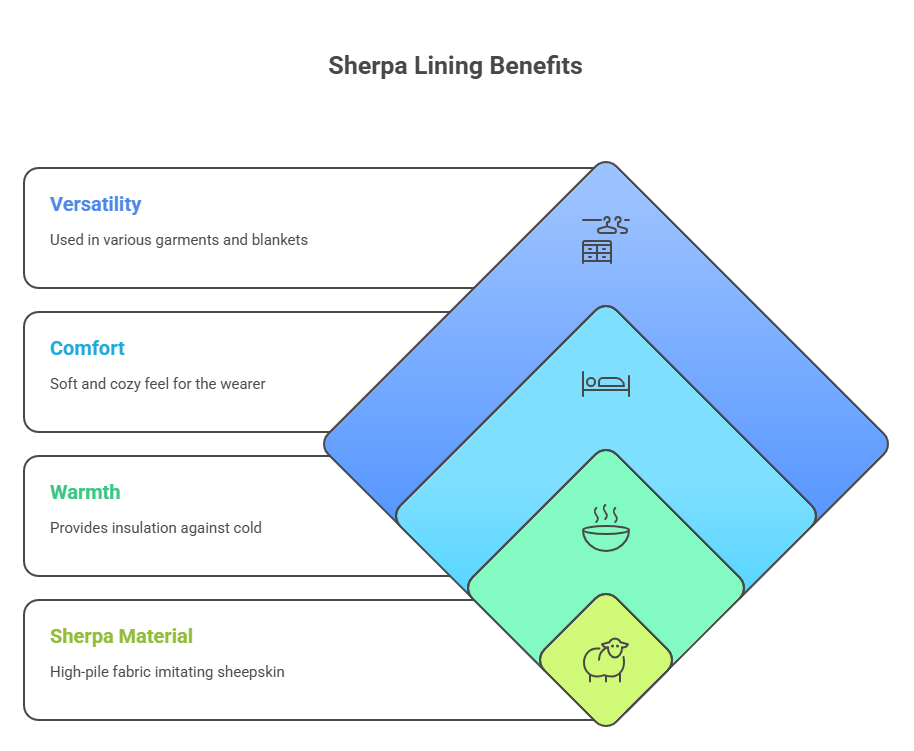
Sherpa-lined is a term that is often heard in the fashion world that points to the use of Sherpa material in the inner layer of the cloth, which is a premium and high-pile fabric that imitates the appearance and texture of real sheepskin wool. Besides, Sherpa lining serves to provide warmth, insulation, and comfort to the wearer, making it feel like the regular jacket or blanket has transformed into one soft and warm cloud.

Sherpa lining is a material that can be seen in jackets, vests, hoodies, boots, hats, gloves, and blankets. Its function is straightforward: to provide warmth without adding any weight. Imagine it as the delicate inner secret that empowers winter garments to perform better, hence you will not experience any hardships.

Where the Name “Sherpa” Comes From

The term “Sherpa” is derived from the Sherpas living in Nepal, who have successfully adapted to one of the most extreme weather and altitudes on the planet. Their wool clothing, which was in fact quite warm, allowed them to stay even through the hardest winters of the Himalayas, and the modern textiles imitate the name as a mark of warmth and robustness.

Of course, today’s Sherpa fabric isn’t made in Himalayan villages and doesn’t come from sheep — but the warmth it provides might make you feel just as brave as a mountain guide (or at least ready to tackle a cold morning commute).

What Is Sherpa Fabric Made From?

Despite its wool-like appearance, modern Sherpa fabric is completely synthetic. The most common materials include:

  • Polyester (most popular due to durability and softness)
  • Acrylic blends
  • Polyester-cotton blends for added breathability

Using synthetic fibres gives Sherpa several advantages: it’s lightweight, easy to care for, vegan-friendly, and far more affordable than real shearling. It’s also quick drying, which is great for winter days when you accidentally get caught in the rain (because, of course, it rains the moment you forget your umbrella).

What Sherpa Lining Looks and Feels Like

Sherpa is a material that undoubtedly stands out because of its very soft, curly, and very thick surface, which imitates sheepskin. The upper side is soft and has a texture, while the lower side is smoother so that it can stick tightly to the fabric. The outcome? A lining that is extremely gentle on the skin envelops the body with heat, and makes you think why not all clothes are this comfortable.

One of the main reasons why Sherpa lining has gained popularity during the winter season is that it provides remarkable warmth, comfort, and practicality all at the same time. The following are the main factors that made it a favourite among people:

Outstanding Warmth & Insulation

The raised fibres trap warm air inside the garment, creating natural insulation. This is why Sherpa-lined jackets feel instantly warm even before you zip them up.

Lightweight Comfort

Unlike real wool, Sherpa adds warmth without bulk. You get the insulation of a heavy material without feeling like you’re wearing half your closet.

Moisture-Wicking & Quick Drying

Sherpa helps pull sweat away from your skin and dries quickly, keeping you warm without overheating — perfect for active wearers or anyone who moves more than two steps.

Durable & Easy to Maintain

Sherpa doesn’t pill easily, holds its shape well, and is machine washable. No complicated laundry rituals required.

Vegan-Friendly & Eco-Conscious Options

Since Sherpa is synthetic, it’s a great alternative to animal-based shearling. Many modern versions even use recycled polyester.

Sherpa Lining vs Other Lining Materials

Understanding what sherpa-lined means becomes even clearer when compared with other common linings:

• Sherpa vs Standard Fleece:

Fleece is smoother and more breathable, but Sherpa provides deeper warmth and a wool-like texture.

• Sherpa vs High-Pile Fleece:

Both are fluffy, but Sherpa tends to be denser and feels more like sheepskin.

• Sherpa vs Real Shearling:

Real shearling is natural and expensive. Sherpa offers similar warmth at a fraction of the weight and cost, and with much easier maintenance.

Imagine the ordinary fleece as the reliable and daily use jacket… and Sherpa as the lavish winter coat that would always make you feel that you could stylishly weather a snowy day.

Conclusion

Since you are familiar with the term Sherpa-lining, it is quite obvious that this fabric has winter season must-have characteristics. Sherpa lining offers an ideal combination of heat, coziest, softness, strength, and most useful without the heaviness or the expense of natural wool. No matter if it is in coats, throws, footwear, or household items, the Sherpa lining continues to be one of the warmest and most dependable choices for winter.

About Us

Our company focuses on the production of premium fleece products, among which the most popular are warm and very durable blankets that can be purchased as fleece blankets bulk for charities, events, and organisations. We have been in the business for more than 21 years and supply first-class, non-pilling fleece while also providing custom embroidery for businesses and groups. No matter if you’re looking for blankets, clothes, or custom-made fleece products, our commitment is to provide you with super service and maximum value.
What Is Sherpa Fleece Made Of?

13 Nov

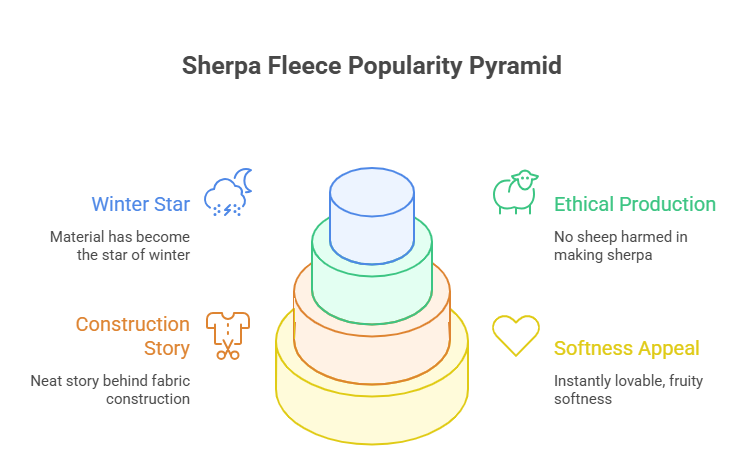
Sherpa fleece is one of those fabrics that people instantly fall in love with. You touch it once, and suddenly you’re talking about new blankets, jackets, pet beds, and maybe even redoing your entire living room. But behind this fruity softness, there is a neat story of construction, and surprisingly, no sheep were hurt in the making of your favourite sherpa hoodie.

If you’re searching for what is sherpa fleece made of, or simply want to understand why this material has become the star of winter, this guide takes you through every detail.

A Fabric Inspired by the Mountains, Not Made in Them

The name Sherpa comes from the Sherpa tribe of Nepal, notable for making woollens and for their cold-endurance capacity in cold weather.

Modern sherpa fleece, however, is not wool at all — it was engineered to mimic the warmth and texture of sheepskin, but with lighter weight, easier care, and zero animal fibres.

So yes, it looks like wool, it feels like wool, but it won’t shrink like wool did that one time you accidentally washed your sweater in hot water (we’ve all been there).

What Is Sherpa Fleece Made Of?

Here’s the truth behind the fluff:

A. Synthetic Sherpa — The Most Common Version

Most sherpa fleece is made from:

  • 100% polyester, or
  • A blend of polyester and acrylic

These synthetic fibres are spun into yarn, knitted into fabric, and then texturised to create that fluffy “sheepskin look.”

This type is warm, durable, and wonderfully soft — and this is the version found in most jackets, blankets, and winter accessories.

B. Blended Sherpa — A Soft, Breathable Option

Some sherpa includes cotton blended with polyester, giving:

  • A softer feel
  • Slightly more breathability
  • A more natural touch

These blends are great for baby clothes, everyday wear, and lightweight cold-weather items.

C. Natural Sherpa — Eco-Friendly Alternatives

A small but growing category of sherpa fleece is made from:

  • 100% organic cotton

This is used in:

  • Diapers
  • Baby wraps
  • Sensitive-skin items
  • Eco-focused projects

It’s less fluffy than synthetic sherpa but far more natural.

How Sherpa Is Constructed: The Dual-Surface Design

This fleece is truly unique because of its ingeniously developed two sides. Shear fleece is described as a wool pile with the first side, with the pile resembling the natural sheepskin and trapping the warm air for insulation. The other side has a smooth, stretch-knit backing for durability and to keep the fabric feeling good against the skin.

Together, these layers make a material that retains heat exceptionally well without compromising the featherlight properties of warmth. It’s a big plus for the one seeking a touch of winter warmth without the sensation of being wrapped in a 10-pound blanket.

Why Sherpa Fleece Stands Out: Benefits You Can Feel

Trying to put it all in one breath, it would have to come down to that ultimate synergy of warmth, comfort, and practicality being the factor that emerged as the main draw for Sherpa fleece. Its deep-pile structure gives it one of the highest heat retention levels in fleece fabrics. Yet, with all its fluffy appearance, Sherpa remains surprisingly lightweight and, therefore, excellent for cosy clothing and winter accessories.

The fabric is soft and pleasant, with no itchiness, and kind to bare human skin, making it an excellent alternative indeed for babies, adults, pets, or anyone else who just loves being in touch with comfort. Apart from the nit-picking, Sherpa remains low maintenance with the polyester version being machine washable, quick drying, non-shrinking, and easy to care for, so it’s basically luxurious and useful to have around every day.

What Can You Actually Make with Sherpa Fleece?

Sherpa fleece can really do a lot, such as giving comfort, staying reliable, and chilling in cold weather conditions. It is considered the best in cold-weather apparel: jackets, hoodies, and pullovers. Hand-knit mittens and scarves, along with a good attitude and warm sherpa-lined boots, would give one’s gloved hands the very essence of a bear walking on its hind legs. The fleece offers great insulation for camping and travel gear: sleeping bags, travel pillows, or car blankets.

For children, it’s just right—warm enough for jackets, winter wraps, soft-lined hoodies, and snug crib blankets with a tiny bit of pinch. Natural animals, however, seem to discover maximum comfort even quicker than we do. Therefore, Sherpa is loved by pets, whether for beds, carriers, doggie jackets, or play mats.

Sherpa vs. Regular Fleece: The Key Differences

FeatureRegular FleeceSherpa Fleece
TextureSmoothWool-like, fluffy
WarmthModerateHigher insulation
WeightVery lightSlightly heavier, still light
Best UseActivewear, layersBlankets, winter wear, décor

Sherpa is essentially the cosier, warmer cousin in the fleece family.

Caring for Sherpa Fleece (So It Stays Fluffy for Years)

Sherpa is a rugged fabric, but care will retain its softness and fluffy texture. Wash the sherpa fleece in cold to lukewarm water with a mild detergent, while ensuring to steer clear of bleaching agents or fabric softeners, as these will ruin the pile. Should an area become matted, brushing it with a soft-bristle brush will often do the trick to lift the fibres. When storing sherpa, don’t put too tight a pack, since it requires some space to stay plush and fluffy (much like all of us post-holiday dinners).

Why Sherpa Fleece Is Loved Everywhere

Sherpa fleece is the perfect combination of warmth, softness, lightness, and the practicalities of life. Now that you have studied fabric anatomy and engineering behind the cuddly feel of Sherpa fleece-and really what makes it much desired in winter wear or apparel-making Sherpa for clothes, blankets, household items, baby products, and so much more.

Premium Fleece Materials at Wholesale Value

The best fleece options that are long-lasting, warm, and comfortable are available here for those interested in making their own sherpa blankets, winter wear, or cosy home items. Using our fleece blankets wholesale store, you can order in bulk, customise your selections, and get the finest materials at the best possible price. Creating for profit or in the hobby field, we support your creative interests with quality fleece that you will enjoy working with.

Where to Buy Fleece Fabric

13 Nov

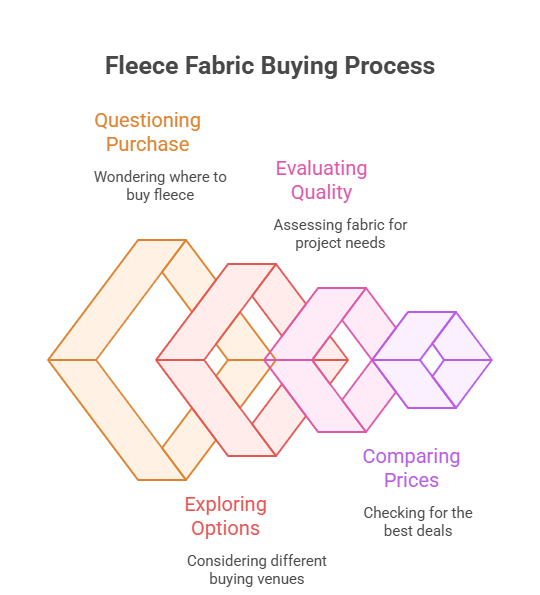
It is one of the first questions that crosses one’s mind when planning a sewing, crafting, or blanket-making project: “Where do we buy fleece fabric?” And I suppose if you’re anything like me, then you have also had the experience of standing in the store, grasping two fleece rolls with the puzzled expression of a scientist, all the while wondering if you were scoring a good deal.

It might become the most versatile fabric available, but knowing where to buy it and what to look for can make all the difference when it comes to price, quality, and results of your project. So, let’s cover all that you might need to know before going out to purchase fleece fabric.

Understanding the Different Places You Can Buy Fleece Fabric

Today’s buyers have more options than ever before, each with its own advantages. If you are into winter clothing, charitable blankets, baby blankets, or a giant 5×5 pet bed so huge even your dog will use it twice as a pile of wool, knowing your options will ensure you are making a wise purchase decision.

1. Local Fabric Stores

Local fabric shops are still one of the most reliable places to start. They allow you to feel the fleece before you purchase — something online shopping can’t compete with (yet). These stores often carry the most common fleece types: polar, anti-pill, and basic printed fleece.

Benefits:

  • You can test softness and thickness
  • Instant buying (no shipping delays)
  • Staff can answer questions

Limitations:

  • Smaller stores often have limited colour or pattern selection
  • Prices can be higher without seasonal discounts

2. Craft Supply Chains

Large craft stores usually have dedicated fleece aisles with everything from classic solids to playful prints. This is a great option if you want project inspiration and variety in one trip.

Pros: broader selection, seasonal fleece collections.

Cons: pricing fluctuates — catching sales becomes a sport.

I once visited during a “50 per cent off” weekend sale, only to find every other shopper guarding fleece rolls like precious treasure. It felt like the Olympics of fabric shopping.

3. Wholesale Warehouses or Bulk Suppliers

If you need large quantities, this is where things get exciting. Wholesale suppliers often sell fleece by the roll, making them ideal for schools, businesses, charity groups, and large craft projects.

Why consider bulk sources?

  • Lower price per yard
  • Larger and consistent dye lots
  • Availability of extra-wide fleece for oversized projects

This is especially useful when you don’t want different shades of “navy blue” showing up in the same product — a common nightmare for crafters.

4. Online Fabric Retailers and Marketplaces

In case you prefer doing your shopping in pyjamas (I won’t judge), then any online marketplace guarantees your choice. From microfleece to sherpa and plush fleece, these sites have every variety of fleece imaginable

Always check the product description carefully. Width, weight, thickness, and anti-pill quality vary significantly. Buying fleece online is wonderful if you read the details like a detective.

This is also a great moment to remind readers again about where to buy fleece fabric — online or offline, the key is choosing a source that offers clear specifications.

5. Direct-from-Manufacturer or Speciality Fleece Providers

Some manufacturers produce fleece exclusively, which means they offer consistent quality and often customisation services. These are excellent options for:

  • Embroidered blankets
  • Branded apparel
  • Bulk fleece items
  • Event or promotional fleece products

These suppliers focus on fleece only, so buyers often get better quality control and fabric consistency.

6. Local Markets and Seasonal Fabric Fairs

Seasonal markets sometimes carry fleece at lower prices, especially excess stock or discontinued colours. The catch? You must inspect the material properly, as quality may vary. But for bargain seekers, this is a fun and rewarding adventure — sort of like treasure hunting, but with fabric.

Key Things to Know Before Buying Fleece Fabric

Choosing quality fleece material and having a good price depends on some facts. For selections of fleece, fleece-a-pil for blankets, microfleece for clothes, should be warm from sherpa, or plush for that extra soft feel. Check that the thickness/GSM fits the warmth that you require and confirm the fleece width, which varies somewhere between 48 inches and 90 inches.

Look for indicators of quality in the fabric, such as softness, anti-pilling texture, and colourfastness. On top of that, examine the return policy, especially when purchasing online; at least, you will have your back if the fabric does not come up to expectations.

Final Thoughts: Choosing the Best Buying Option

Whether you prefer shopping in person, from bulk suppliers, or online, knowing where to buy fleece saves you money, buys you better quality materials, and gets you better results. Every source has its disadvantages and advantages, depending on what we shall be looking for in the cloth: thickness, width, anti-pill ratings, and others, so that the project comes out just as we imagined it.

Your Trusted Source for Premium Fleece Products

If you’re searching for soft, durable, non-pilling fleece materials, we’ve got you covered. We offer a wide range of fleece blankets, jackets, baby blankets, picnic throws, embroidered fleece items, and more — all crafted with exceptional care and attention to detail.

Whether you’re ordering small quantities or preparing for large events, our fleece blankets wholesale selection ensures consistent quality, great pricing, and easy customisation. And now that you know exactly where to buy fleece fabric, we’re here to help you choose the right fleece materials for every project with confidence.

What Is Heather Fabric?

24 Sep

Heather basically means a textile made by interweaving yarns of different colours to impart a subdued speckled effect. This can be for cotton, polyester, wool, or blends for various blends of comfort and style. On being asked what Heather fabric is, the simplest explanation therein is: they are the next best thing for clothing and home decor when solid colours feel like too boring and wild prints feel like too much to handle.

Heather Fabric Basics

What Is Heather Fabric?

Heather fabric is uncommon because of its muted, multicoloured look. A fine set of fibres in two or more shades is interlocking, giving it a sense of depth and texture rather than having just one single colour shade on the surface. Just picture that T-shirt of yours which is neither grey nor white-it must be heather.

The Origin Story

The name “Heather” originates from heather, a plant that grows in the Scottish Highlands. The plant consists of earthy speckled shades resembling the mixed colourway of this textile. While the term has an earthy origin, it went on to be equally famed in the fashion domain, especially in knitwear and casual apparel. Designers saw the potential for a mottled texture to infuse interest into anything-even a plain T-shirt!

Key Characteristics of Heather Fabric

Visual Appearance

The most defining trait is its speckled or flecked surface. Unlike tie-dye or prints, the look is subtle—making garments appear more natural and versatile.

Texture and Feel

Soft, smooth, textured, or cuddly are all possible touch sensations of heather fabrics, just depending upon what kind of fibres are used. Cotton heathers breathe more and are lighter, whereas wool heathers tend to be thicker and warmer.

Fiber Variety

Heather isn’t one single material—it’s a category of looks. It can be crafted from cotton, polyester, wool, bamboo, or acrylic. Many modern heather fabrics are blends, combining natural softness with synthetic durability.

Performance Traits

  • Breathable: Cotton-heavy blends keep you cool.
  • Moisture-wicking: Polyester-heavy blends suit athletes.
  • Warm: Wool-based heathers are insulating.
  • Durable: The blending process increases strength.

Types of Heather Fabrics

Cotton Heather

Perhaps the most common, cotton heather is lightweight, soft, and ideal for everyday wear. It’s used in T-shirts, loungewear, and hoodies. The slight colour variation adds flair to basic garments.

Polyester Heather

Today’s fashion has forgotten the silhouette, which can take the hourglass shape due to the tutu, leaving you ready for anything. The bell shape is set to postpone old age, and it grabs the best for the round.

Wool Heather

Being warm and textured, wool-heather fabrics are primarily used for sweaters, coats, and scarves. Think of them as winter wardrobe heroes that are there to give you comfort without a dull look.

Blended Heather

Mixtures like cotton-polyester or wool-acrylic combine the strengths of completely different types of fibres. Due to their versatility, these fabrics have so many applications, such as softness, stretch, or moisture control.

Specialty Types

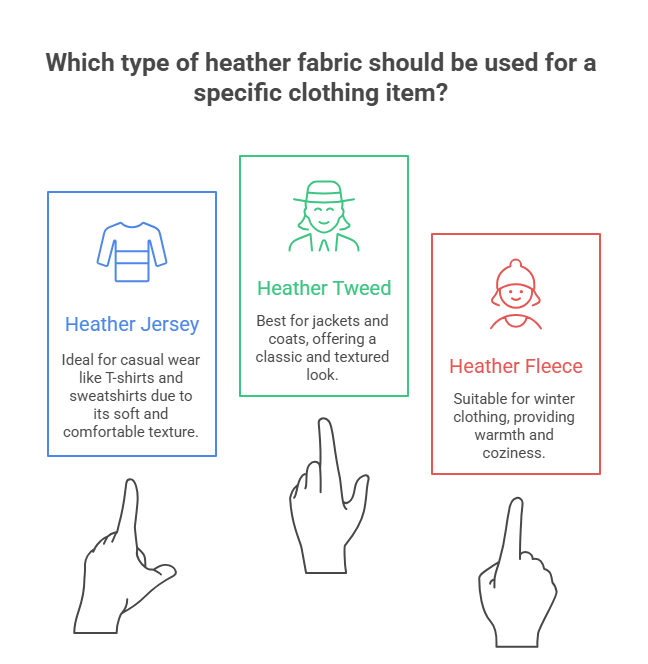
  • Heather Jersey: Mainly used for casual wear, long T-shirts and sweatshirts.
  • Heather Tweed: Quite textured classic wool blends for jackets and coats mostly.
  • Heather Fleece: Cosy and warm, a must for winter and cold-weather clothing.

Everyday Wear

Heather is a hit casual wardrobe fabric, perfect for hoodies, tees, joggers, and jammies. The cool coolness of the heather style should work for chilling at home and running small errands around town.

Sportswear and Athleisure

Polyester heathers crown the activewear segment. The fabric is breathable, moisture-wicking, and flexible-just perfect for workouts or yoga classes. Plus, the familiar speckled pattern from the silver-returns-and-gives glare-on-the-library-book-code dots into a handy anytime spotter for sweat stains!

Outerwear

Wool heathers are seen in coats, jackets, and scarves. They provide insulation with a rich, textured appearance that adds sophistication to winter fashion.

Home Textiles

Heather fabrics aren’t limited to fashion. They appear in cushions, throws, curtains, and upholstery. Designers love the understated depth they bring to interiors.

Heather Fabric vs. Other Fabrics

Heather Fabric vs. Cotton

Heather can be made entirely from cotton, but unlike plain cotton fabrics, it has that distinctive speckled effect. It’s cotton with a visual upgrade.

Heather Fabric vs. Melange

Both involve blending different colored fibers, but “melange” refers to a broader category of mixed-fibre looks. Heather is a specific, classic style within that category.

Heather Cotton vs. Heather Fleece

Heather cotton is soft, breathable, and suited for everyday wear. On the other hand, Heather Fleece is heavier and designed to keep warm, suited to cold nights and layers.

Care and Maintenance Tips

Washing and Drying

  • Wash in cold water to preserve colours and prevent shrinkage.
  • Air-dry when possible; if using a machine, stick to moderate or low heat.

Ironing and Storage

  • Cotton heathers can be ironed at a higher heat.
  • Polyester or blended heathers need a low setting.
  • Store folded or on hangers to maintain shape.

Common Issues

  • Cotton heathers may shrink if washed too hot.
  • Synthetic blends may pill over time, but choosing high-quality fabrics reduces this risk.

Why Consumers Love Heather Fabric

Heather fabrics check many boxes: they’re stylish, comfortable, versatile, and low maintenance. The muted colours make them easy to pair with other pieces, while the blended construction ensures durability. And let’s be honest—sometimes that heather grey tee just looks cooler than a plain white one.

In between all these, it will be worth revisiting the question: what is Heather fabric? It’s the quiet workhorse of the textile world-never flamboyant, always dependable, and somehow able to make the simplest everyday wardrobe feel just right.

The Mystery of the Favourite T-Shirt

We have all come across that lucky T-shirt we wear all the time. The one that fits just right, feels soft, and goes well with anything. The secret? Perhaps it’s Heather fabric. That speckled look and the fibre-blend work to make it less transparent, more durable, and more attractive with every use. So, should you have ever pondered over the question of why you can’t give up your shirt, the answer lies in the weave!

A Fabric That Blends Style with Practicality

So, in the end, what is Heather fabric? It’s an intermingling of fibres and colours into something comfortable, strong, and stylish. From the hoodie you wear casually after work to the wool coat you have in the harsh winter, heather fabrics have carved their niche in wardrobes and houses across the globe.

And if you’re interested in textiles that combine comfort and practicality, we can help. Our business specialises in bulk fleece products that balance warmth, durability, and affordability. From embroidered jackets to cosy throws, our fleece blankets wholesale collection is perfect for charities, corporate events, schools, or anyone needing high-quality fleece in volume. Just like Heather fabric, our fleece options prove that the best fabrics are the ones that quietly make life better.

Where to Donate Blankets for the Homeless

19 Sep

Blankets go a long way in keeping an individual warm on frosty, cold, and wet nights. Is it not a lovely gesture to allow one who is down and out to at least feel warmth on their body? Upon inquiry on where to donate, the answer is straightforward: local shelters, national nonprofits, community-support groups, and even animal rescues would accept donations. Operating a blanket bank is the most charitable thing one could do: you can either declutter your life just a little or make some money shopping.

Why Donating Blankets Matters

Warmth and Comfort in Difficult Times

Imagine facing winter nights without a blanket. For many experiencing homelessness, this is a daily reality. A donated blanket is more than fabric—it’s insulation against the cold and a small sense of safety in an uncertain situation.

Meeting a Universal Need

Blankets are certainly not seasonal luxuries. They are versatile in their use and are in demand throughout the year. During cold weather, they provide comfort against freezing temperatures while in summer, they might act as a bedding or sometimes shade when outdoors.

The Ripple Effect of Giving

The act of donating is not merely meeting an urgent need. It creates a domino effect. When others see giving being done, it inspires them to give as well. Blankets are very simple things that could constitute a huge change for communities, together.

Things to Keep in Mind Before Donating

Condition of Blankets

Only donate items that are clean and in good condition. A blanket that’s torn, stained, or threadbare doesn’t offer dignity or comfort. New or gently used is the way to go.

Laundering First

Wash and dry blankets thoroughly before donating. This step removes allergens, odours, and dust, ensuring recipients get a truly fresh start.

Timing Matters

Think about when your donation will be most helpful. Heavier fleece or wool blankets are lifesavers in fall and winter, while lighter blankets work better in spring or summer.

Transport and Packaging

Blankets tend to be bulky items. Fold the blankets nicely, put them into bags or boxes, and consider the way you’ll take them over to the donation point. Delivery could be very simple to arrange in the case of a close location of the donation, while bulk donations require some planning.

Local Places to Donate

Homeless Shelters

Shelters are the first stop for many people looking for where to donate blankets for homeless individuals. Call your local shelter to check their current needs—most gladly accept donations of warm, clean blankets to help residents get through the night.

Domestic Violence Shelters

Often, these places prematurely offer shelter for abuse survivors while they have children with them. A blanket gets donated with a little more warmth and comfort into these rooms that are supposed to feel safe for them.

Churches and Community Centres

Faith groups and local community hubs frequently organise donation drives for struggling families. Blankets are always among the most requested items.

Veterans’ Organisations

Many veterans’ face housing insecurity. Donating to veteran support groups ensures your blankets reach those who’ve served but now need a helping hand.

Animal Shelters

Here’s a twist—animal rescues love blanket donations too! They’re used for bedding, warmth, and even cleaning. If you’ve got extras, your local shelter will put them to good use.

National Organisations Accepting Blanket Donations

Project Linus

Specialises in handmade and new blankets for children in hospitals, shelters, and foster care. It’s a great way for crafty donors to put their sewing skills to work.

Salvation Army

With thousands of locations worldwide, the Salvation Army accepts clean blankets and distributes them directly to people in crisis.

Goodwill

Donated blankets are resold in Goodwill shops, with proceeds funding job training and employment support programs.

St. Jude’s Ranch for Children

Their “Linens for Kids” program supports abused or neglected youth in residential facilities. Blankets and towels are always welcome.

Quilts for Kids

Provides quilts to children facing illness or trauma. New, child-sized blankets are particularly needed.

Project Night Night

Delivers comfort kits—including a blanket, book, and stuffed toy—to children entering emergency shelters. Only new blankets are accepted.

Habitat for Humanity ReStores

While better known for housing supplies, many ReStores accept gently used blankets to resell. Profits go toward building affordable housing.

Reasons to Donate Blankets Today

  • Declutter with purpose: Free up closet space while helping someone in need.
  • Immediate impact: A single blanket can make the difference between a freezing night and a safe, warm one.
  • Support nonprofits: Donations allow charities to use their funds for other critical programs.
  • Set an example: Involving children or family members in donating teaches empathy and generosity.
  • Possible tax benefit: Itemise your donation for a small perk while doing a big good.

What This Means for You

Blanket donation is one of those rare things that may be done easily, affordably, and meaningfully. If you have been looking for places to donate blankets for the homeless, you now have local and national alternatives-from shelters to international NGOs- where the donation can make a difference.

We at PeachFur Fleece embrace this mission fully. Under the PeachFur Gives Back program, we have aided organisations with blankets, ranging from shelters to veteran groups and churches to disaster relief, all over the United States and beyond. From hurricane survivors in America to needy families in Afghanistan and Africa, these experiences have shown us how a simple blanket can rekindle a lost glimmer of hope.

If you would love to join us in giving more warmth, we have affordable wholesale fleece blanket options perfect for individual donors, businesses, and community groups. Be it just one or even a hundred, everyone counts. Warmth is something that nobody shall ever be excluded from sharing; it is one of the kindest gifts you could ever offer someone.