Archive by Author

How to Customize a Blanket?

9 Oct

Quick Answer: How to Customize a Blanket?

Wondering how to customize a blanket that feels both personal and premium? Start by selecting quality materials—fleece blankets wholesale are a top choice for durability, softness, and affordability. From there, choose your preferred size, color, and fabric weight.

Personalize it using methods like embroidery, screen printing, or sublimation to add logos, names, or designs. Whether for corporate gifting, retail resale, or cozy home décor, customized blankets offer warmth with a personal touch—making fleece blankets wholesale the perfect foundation for creativity and comfort.

Now let’s dive deeper.

The Appeal of a Personalized Blanket

Few things feel as comforting as wrapping yourself in a blanket designed just for you. Whether it carries your company logo, a family name, or a favorite quote, a customized blanket is more than just a cozy accessory—it’s a statement of identity, warmth, and creativity.

The process of how to customize a blanket may seem simple, but the right approach can make a huge difference in the quality, design impact, and emotional value of the final product. Businesses, event organizers, and even families increasingly turn to fleece blankets wholesale because they provide both cost-effectiveness and quality customization options.

1. Start with the Foundation: Choosing the Right Material

The first and most crucial step in customizing a blanket is selecting the fabric. The type of material determines not only how your design will look but also how the blanket will feel and perform over time.

Fleece: The Customization Favorite

Fleece is the undisputed favorite among custom blanket materials. It’s soft, lightweight, and provides excellent insulation. It’s also one of the easiest materials to customize through printing or embroidery.

For bulk customization projects—whether for company giveaways or resale—fleece blankets wholesale offer an unbeatable combination of cost and quality. Buying wholesale allows you to experiment with multiple designs and colors while keeping production costs manageable.

Other Material Options

  • Cotton: Natural, breathable, and ideal for lightweight blankets.
  • Sherpa: Offers ultra-soft texture; great for premium custom gifts.
  • Wool: Provides warmth and luxury but is harder to print or embroider.
  • Microfiber: Durable and smooth, ideal for photo printing.

Each material serves different purposes, but fleece remains the most versatile option for both large and small-scale customization.

2. Choosing the Right Blanket Size and Weight

When you’re planning to customize blankets, size and weight play a major role in both design flexibility and usability.

Common Sizes

  • Baby Blankets: 30″ x 40″ – perfect for nurseries or keepsakes.
  • Throw Blankets: 50″ x 60″ – great for lounging or travel.
  • Queen or King Size: 60″ x 80″ or larger – ideal for bedding or premium gifts.

Weight Considerations

Fleece blankets come in various weights (measured in GSM—grams per square meter).

  • Lightweight (150–200 GSM): Easy to pack, ideal for promotional events.
  • Midweight (200–300 GSM): Perfect balance of warmth and portability.
  • Heavyweight (300+ GSM): Luxurious, plush texture—great for winter or premium branding.

When ordering fleece blankets wholesale, consider offering different weight options to suit diverse customers or climates.

3. Design Planning: Where Creativity Meets Purpose?

The design stage is where the blanket truly becomes your creation. Before diving into colors and patterns, take time to define your purpose.

Ask yourself:

  • Is this blanket for personal gifting, brand promotion, or retail resale?
  • Should the design focus on a logo, pattern, or photo?
  • What’s the desired mood—cozy, professional, or luxurious?

Color Selection

When buying fleece blankets wholesale, most suppliers offer a wide range of base colors. Neutral tones like gray, navy, or beige give a classic appeal, while bright hues like red, blue, or yellow make logos pop.

Design Placement

Common design areas include:

  • Top-center: For brand logos or monograms.
  • Corner placement: Subtle yet stylish.
  • Full-surface prints: Ideal for photo blankets or creative patterns.

Planning design placement early ensures that your customization aligns with the blanket’s proportions and aesthetics.

4. Customization Techniques: Printing, Embroidery, and More

There are several ways to personalize a blanket. Each method offers different visual effects, costs, and durability levels.

1. Embroidery

  • Best for: Logos, monograms, text-based designs.
  • Pros: Long-lasting, elegant texture, professional finish.
  • Cons: Limited to simple designs and fewer color gradients.

Embroidery gives your blanket a premium, tactile feel—ideal for corporate gifts or commemorative items.

2. Screen Printing

  • Best for: Large, bold designs.
  • Pros: Vibrant colors, affordable for bulk orders.
  • Cons: Works better on smooth fleece surfaces; not ideal for intricate graphics.

Screen printing is perfect when ordering fleece blankets wholesale, as it allows high-volume, uniform production with vivid results.

3. Sublimation Printing

  • Best for: Full-color photo or pattern designs.
  • Pros: Permanent, high-resolution finish that won’t peel or crack.
  • Cons: Requires synthetic fabrics like polyester-based fleece.

This technique is excellent for retail-ready blankets or personalized photo gifts.

4. Heat Transfer

  • Best for: Small batches or custom names/numbers.
  • Pros: Fast turnaround, good for short-run personalization.
  • Cons: May fade over time with heavy washing.

Each customization method offers unique advantages. Choose based on your budget, purpose, and the level of detail in your design.

5. Working with Suppliers and Manufacturers

When buying fleece blankets wholesale for customization, your supplier is just as important as your designer. Here’s how to choose wisely:

  • Check Fabric Quality: Request samples before finalizing a bulk order.
  • Ask About Customization Compatibility: Not all fleece fabrics handle every print or embroidery technique equally.
  • Confirm Minimum Order Quantities (MOQ): Some wholesalers require large volume purchases—plan your quantities accordingly.
  • Discuss Packaging and Delivery Options: Custom packaging can elevate the final presentation.

Reliable suppliers not only deliver quality products but also assist in ensuring smooth design integration and production consistency.

6. Adding Finishing Touches

Customization isn’t just about logos and colors—it’s also about details that elevate perceived value. Consider:

  • Stitching Styles: Overlock or blanket stitches can change the edge’s look and feel.
  • Tags and Labels: Add woven or printed tags for branding.
  • Gift Wrapping: Use custom ribbon, bags, or boxes for an elevated presentation.

Small details like these can turn an ordinary blanket into a memorable keepsake or premium retail product.

7. Best Use Cases for Customized Blankets

Custom blankets serve various purposes beyond personal comfort. Some popular applications include:

  • Corporate Gifting: A practical, thoughtful gift during the holidays.
  • Event Giveaways: Perfect for charity runs, festivals, or trade shows.
  • Retail Branding: Boutique shops or e-commerce stores can sell their own designs.
  • Team Spirit: Sports teams or clubs can feature their logos and colors.
  • Home Décor or Family Gifts: Personalized blankets make timeless gifts for weddings, anniversaries, or baby showers.

Because of their flexibility and affordability, fleece blankets wholesale are the preferred base for all these scenarios.

8. Maintenance and Care for Custom Blankets

To preserve the beauty and softness of your customized blanket:

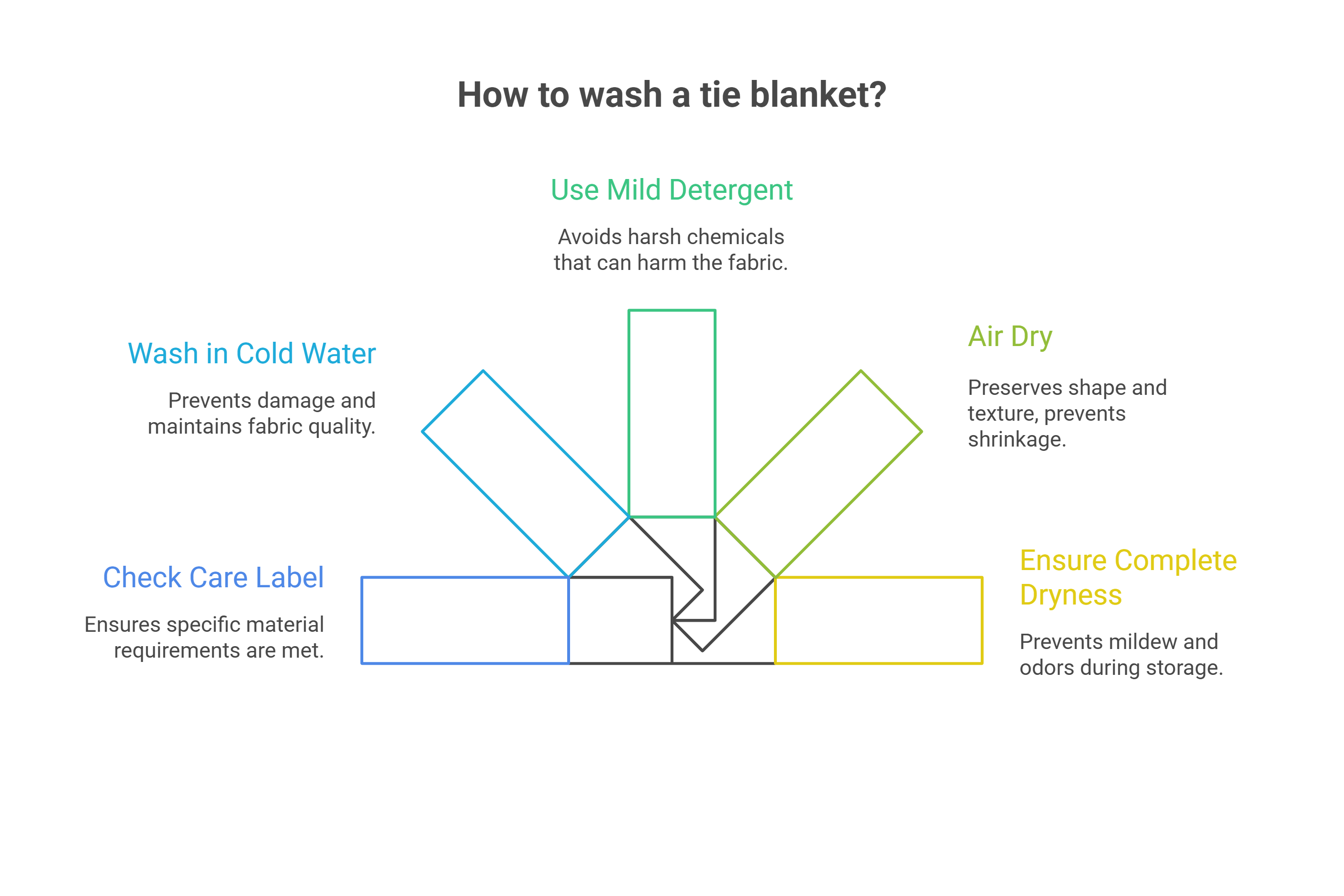
  • Wash in cold water using gentle detergent.
  • Avoid bleach or harsh chemicals.
  • Air dry or tumble dry on low heat.
  • Avoid ironing directly on printed or embroidered areas.

Proper care ensures your design remains vibrant and your blanket stays plush for years.

9. Cost Considerations: Balancing Quality and Budget

Pricing for customized blankets varies depending on:

  • Fabric type and GSM
  • Printing or embroidery method
  • Quantity and packaging

Wholesale fleece options typically offer the best value, especially for businesses ordering in bulk. By purchasing fleece blankets wholesale, you save on unit cost and gain flexibility for future reorders or seasonal campaigns.

Final Thoughts

Learning how to customize a blanket is as much an art as it is a business opportunity. With the right approach, your blankets can serve as promotional tools, heartfelt gifts, or stylish home accessories.

From selecting high-quality materials to mastering embroidery or sublimation printing, every step adds value to the final product. And when you start with fleece blankets wholesale, you ensure that your designs rest on a foundation that’s soft, durable, and cost-effective.

So, whether you’re launching a new brand, promoting your business, or crafting the perfect gift, remember—custom blankets are more than fabric and thread; they’re warmth woven with creativity.

What Is a Sublimation Blanket?

8 Oct

Quick Answer: What Is a Sublimation Blanket?

A sublimation blanket is a type of customizable fabric product designed using a special heat-transfer process called sublimation printing. This process embeds vibrant, long-lasting designs directly into the fibers, making the blanket soft, colorful, and fade-resistant.

Whether you’re a business owner looking to expand your fleece blankets wholesale inventory or a designer creating personalized gifts, sublimation blankets offer endless creative potential. They’re popular for both personal use and retail because they combine warmth, comfort, and full-color design flexibility in one durable product.

Now let’s dive deeper.

The Rise of Personalized Comfort

Blankets have always been a symbol of warmth and comfort, but in recent years, they’ve also become a canvas for creativity. From cozy throws with family photos to promotional blankets featuring brand logos, sublimation has transformed how we see everyday textiles.

So, what is a sublimation blanket? It’s not just another soft throw—it’s a piece of art fused into fabric. The sublimation process allows high-resolution prints that won’t peel, crack, or fade, even after multiple washes. For manufacturers and retailers dealing in fleece blankets wholesale, sublimation offers a profitable way to combine functionality with customization.

1. What Exactly Is a Sublimation Blanket?

A sublimation blanket is a type of printed blanket made through a process called dye-sublimation printing. Instead of printing on the surface, the design becomes part of the fabric itself.

Here’s how it works:

  • Special sublimation ink is printed on transfer paper.
  • The design is then heat-pressed onto a polyester or poly-blend surface.
  • Under heat and pressure, the ink turns into gas and permanently bonds with the fabric fibers.

The result? A soft, vivid, and long-lasting print that won’t fade or wash off.

Unlike screen printing or vinyl transfers, sublimation doesn’t create a thick layer on top of the blanket. This makes the finished product smooth to the touch and breathable—perfect for cozying up during cold nights or gifting during holidays.

2. The Fabric Behind the Magic

Not every fabric can be sublimated. The process works best with polyester or polyester-blend fabrics, as the dye bonds well with synthetic fibers.

That’s why fleece blankets wholesale suppliers often prefer polyester fleece—it’s lightweight, plush, and ideal for retaining heat. It also allows high-resolution, photo-quality printing.

Common fabrics for sublimation blankets include:

  • Coral fleece: Extremely soft with a velvety texture.
  • Microfiber fleece: Thin but warm, often used for promotional blankets.
  • Sherpa fleece: Features a cozy, wool-like texture on one side for added luxury.

These materials not only ensure comfort but also durability, allowing designs to stay sharp even after repeated washing.

3. How the Sublimation Printing Process Works?

The sublimation process may sound technical, but it’s surprisingly efficient once you understand the steps:

  1. Design Creation: The artwork or photograph is designed digitally, often using tools like Adobe Illustrator or Photoshop.
  2. Printing: The design is printed onto a special sublimation paper using sublimation inks.
  3. Heat Transfer: The paper is placed over the blank blanket fabric and passed through a heat press (usually around 400°F).
  4. Sublimation Reaction: Under heat and pressure, the ink transforms into gas and penetrates the fabric’s fibers.
  5. Cooling: Once cooled, the ink re-solidifies inside the fibers, locking the image in permanently.

Because the print becomes part of the material, it’s resistant to fading, scratching, or cracking—something traditional prints can’t match.

4. Why Businesses Love Sublimation Blankets?

For companies in the custom printing or textile business, sublimation blankets are more than just cozy products—they’re profitable assets.

a. High Customization Value

You can personalize sublimation blankets with photos, logos, artwork, or patterns—making them ideal for corporate gifts, sports teams, or family keepsakes.

b. Low Minimum Orders

Many fleece blankets wholesale suppliers offer low minimum order quantities, allowing small businesses and startups to test new designs or seasonal collections.

c. Long-Lasting Print Quality

Because the ink penetrates the fibers, the print remains sharp and vivid, even after years of use.

d. Excellent Margins

Sublimation blankets are relatively inexpensive to produce, especially when ordered in bulk. The high perceived value allows retailers to enjoy strong profit margins.

5. The Appeal of Sublimation in Home Décor

Sublimation blankets aren’t just for retail—they’ve become a growing trend in home décor. Consumers love the idea of personalizing their space with items that reflect their identity.

A blanket printed with a child’s artwork, a favorite travel memory, or a brand aesthetic adds warmth to both the room and the heart.

For interior designers, these blankets also double as statement pieces—vibrant and unique, blending comfort with creativity. And since they’re machine washable and durable, they’re practical for everyday use.

6. Comparing Sublimation Blankets to Other Printed Blankets

FeatureSublimation BlanketScreen-Printed BlanketVinyl Transfer Blanket
DurabilityHigh (design infused into fabric)ModerateLow to Moderate
SoftnessVery soft, no raised textureMay have minor textureSlightly rough due to vinyl layer
Color VibrancyExtremely vibrantGood but can fadeLimited
Wash ResistanceExcellentAveragePoor (may crack or peel)
Cost Efficiency (bulk)HighMediumMedium
Ideal FabricPolyester, fleeceCotton, blendsCotton, polyester

Clearly, sublimation blankets lead the way when it comes to long-lasting color and softness—especially in fleece blankets wholesale production, where comfort and quality drive customer satisfaction.

7. Eco-Friendly Edge

One of the underrated benefits of sublimation printing is its eco-friendliness. Unlike traditional textile printing that uses water and harsh chemicals, sublimation is a dry process. It produces minimal waste, requires no water runoff, and uses non-toxic inks.

For brands focusing on sustainability, sublimation offers a cleaner, greener way to meet consumer demand without compromising on quality or design.

8. Perfect Occasions for Sublimation Blankets

Sublimation blankets make perfect gifts and promotional products for various occasions:

  • Corporate Branding: Companies can distribute logo blankets at trade shows or as client gifts.
  • Holidays & Events: Personalized blankets with family photos or holiday patterns make heartfelt gifts.
  • Sports Teams: Team logos and player names can be sublimated for merchandise.
  • Pet Lovers: Custom pet photo blankets are a top-selling niche item.

Retailers offering fleece blankets wholesale often cater to these niche markets by providing bulk pricing and customization options.

9. Care Instructions for Sublimation Blankets

To maintain the softness and brightness of your sublimated blanket:

  • Machine wash on cold with mild detergent.
  • Avoid bleach or fabric softeners.
  • Tumble dry low or air dry.
  • Do not iron directly on the print.

Following these steps ensures the blanket stays just as soft and vibrant as the day it was printed.

10. What This Means for Businesses and Buyers?

For buyers, sublimation blankets offer comfort with a personal touch. For businesses, they open the door to creativity, differentiation, and profitability.

The growing popularity of fleece blankets wholesale sublimation means companies can easily diversify their product range—offering everything from baby blankets and pet throws to branded gifts and home décor items.

By combining digital printing innovation with soft, durable fleece materials, sublimation blankets have become a perfect blend of technology and tradition.

Final Thoughts

Sublimation blankets are more than just cozy covers—they’re personalized experiences woven into fabric. As consumer demand for custom products continues to rise, businesses that adapt to sublimation printing gain a competitive edge.

If you’re a retailer, distributor, or designer exploring new opportunities, consider adding sublimation-ready fleece to your fleece blankets wholesale collection. It’s not just a smart investment—it’s a way to turn creativity into comfort, one blanket at a time.

How to Dry Fleece?

8 Oct

Quick Answer: How to Dry Fleece?

Knowing how to dry fleece properly is key to maintaining its softness, shape, and durability. Fleece is a delicate yet durable fabric, but improper drying—like using high heat or wringing—can cause pilling, shrinking, or loss of texture.

Always air-dry or tumble dry on a low-heat setting to preserve the fibers. If you’ve bought fleece blankets bulk for home, business, or resale, handling them correctly ensures they stay plush, vibrant, and long-lasting. Follow the right care steps to keep every fleece item feeling brand new after every wash.

Now let’s dive deeper.

Why Drying Fleece Correctly Matters?

Fleece is one of the most loved fabrics for a reason—it’s warm, lightweight, and irresistibly soft. Whether it’s your favorite hoodie, a cozy throw, or a shipment of fleece blankets bulk for your business, the care method can make or break its quality. The real secret to long-lasting fleece isn’t just washing it right—it’s drying it correctly.

Many people make the mistake of tossing fleece into a hot dryer or leaving it under direct sunlight, only to find it rough, matted, or shapeless afterward. This guide breaks down, step-by-step, how to dry fleece safely while maintaining that buttery softness we all love.

1. Understanding the Nature of Fleece

Before diving into the drying process, it helps to understand what fleece actually is. Fleece is typically made from synthetic polyester fibers, though some blends include natural materials like cotton or wool. The fibers are brushed to create that signature fluffy texture, which traps heat and gives fleece its insulating properties.

However, those same fibers are sensitive to heat and friction. High temperatures can melt or flatten them, and aggressive drying can cause pilling or shrinkage. This is why fleece requires extra care—especially when handling fleece blankets bulk, where consistency across multiple items matters.

2. Preparing Fleece Before Drying

Proper drying starts before you even begin. Follow these key steps after washing:

  • Gently Shake It Out: Remove excess water by lightly shaking the fleece. Don’t wring it—this damages fibers and causes distortion.
  • Use a Gentle Spin Cycle: If you’re machine washing, select a slow spin to remove water without twisting or stretching.
  • Separate by Fabric Type: Avoid drying fleece with rough fabrics like denim or towels, as they can cause lint transfer and abrasion.

This simple preparation ensures your fleece is in the best shape before the drying process begins.

3. Air Drying: The Best and Safest Method

If you truly want to preserve the softness and structure of your fleece, air drying is your best option.

How to Air Dry Fleece?

  1. Lay Flat: Place the fleece on a clean, dry towel. Reshape it to its original form while it’s still damp.
  2. Avoid Hanging: Hanging fleece can stretch it out, especially if it’s heavy when wet.
  3. Dry Indoors or in Shade: Keep it out of direct sunlight, which can fade colors or weaken fibers.
  4. Flip Occasionally: Turn it every few hours to ensure even drying.

Air drying is slower than machine drying but gentler, ensuring your fleece stays plush and fluffy for a long time.

For businesses dealing with fleece blankets bulk, air drying in a temperature-controlled environment can ensure uniform softness across all units.

4. Machine Drying Fleece: When You’re Short on Time

Sometimes air drying isn’t practical especially if you’re managing dozens of fleece blankets bulk for a hotel, store, or promotional event. In that case, machine drying can still be safe if you follow these precautions.

Safe Tumble-Drying Steps:

  • Select Low Heat: Use the lowest heat setting possible or the “delicate” cycle.
  • Add Dryer Balls: Wool or rubber dryer balls help reduce static and keep the fleece fluffy.
  • Avoid Dryer Sheets: These can leave a waxy coating that affects softness and breathability.
  • Don’t Overdry: Remove the fleece while it’s still slightly damp to prevent overheating.

Once removed, lay it flat for a few minutes to allow residual moisture to evaporate naturally. This combination of gentle heat and air finish keeps fleece looking and feeling brand new.

5. Common Mistakes to Avoid

Even a small misstep can ruin your favorite fleece blanket or jacket. Here’s what not to do:

High Heat Drying

Excess heat melts the polyester fibers, causing stiffness or a “crusty” texture. Once damaged, the softness rarely returns.

Wringing Out Water

Twisting fleece to remove water may stretch it permanently and break the fibers.

Ironing Fleece

Never iron fleece. The heat can cause burns, shiny marks, or even melt patches.

Using Harsh Detergents

Avoid bleach or fabric softeners; they weaken fibers and attract lint.

Avoiding these mistakes ensures your fleece remains a staple comfort piece season after season.

6. How to Keep Fleece Soft After Drying?

Drying fleece correctly is only half the job—keeping it soft afterward requires consistent care.

Tips to Maintain Softness:

  • Use Mild Detergents: Choose a detergent designed for delicate or synthetic fabrics.
  • Brush Occasionally: Use a soft fabric brush to lift flattened fibers after drying.
  • Store Properly: Keep fleece folded in a cool, dry place instead of crammed in drawers or baskets.
  • Skip the Fabric Softener: These leave residues that reduce breathability and softness over time.

If you’re managing fleece blankets bulk, consider periodic maintenance—like light brushing and folding—to maintain that fresh-from-the-factory feel.

7. Commercial Tip: Drying Fleece Blankets in Bulk

For businesses handling fleece blankets bulk, drying is both a quality and efficiency challenge. Whether you’re a retailer, wholesaler, or hotel operator, uniform texture and cleanliness matter.

Here’s how to manage large batches effectively:

  • Use Industrial Dryers with Temperature Control: Set at low heat (below 50°C / 122°F).
  • Segment Loads by Weight and Size: Smaller batches dry more evenly and prevent overloading.
  • Implement Quality Checks: After drying, inspect each fleece blanket for softness, lint, and shape retention.
  • Rotate Inventory: Store dried fleece blankets in breathable bags to prevent mustiness and static build-up.

When cared for properly, fleece retains its appeal for long-term storage or resale—an important factor for businesses relying on customer satisfaction and repeat purchases.

8. Dealing with Static Electricity

Static is a common nuisance when drying fleece, especially in dry or cold climates. While fabric softeners can help, they often coat the fibers, reducing breathability. Instead, try these static-safe methods:

  • Add a damp washcloth to the dryer load—it increases humidity, reducing static.
  • Use dryer balls or anti-static dryer sheets specifically designed for synthetics.
  • If air drying, place a small humidifier nearby to balance moisture in the air.

These solutions keep your fleece comfortable without harming its structure.

9. Eco-Friendly Drying Options

If sustainability is part of your lifestyle or business model, consider eco-conscious fleece care. Air drying remains the greenest option, consuming no electricity and extending the fabric’s lifespan. You can also:

  • Use solar shade drying: Dry fleece under shade outdoors to utilize natural air circulation.
  • Upgrade to energy-efficient dryers: Modern dryers with eco settings consume up to 40% less power.
  • Avoid single-use dryer sheets: Opt for reusable wool balls or eco strips.

If you’re purchasing fleece blankets bulk for resale or brand merchandise, promoting “eco-friendly care instructions” can appeal to environmentally conscious customers.

Final Thoughts

Knowing how to dry fleece is an art that pays off in comfort, longevity, and quality. Whether you own one cozy throw or handle hundreds of fleece blankets bulk, gentle drying practices preserve the softness and structure that make fleece so beloved.

Skip the shortcuts—high heat and harsh handling will only shorten your fabric’s life. Instead, take a mindful approach: low heat, air drying, and proper storage. By following these steps, your fleece items will stay fresh, soft, and ready to warm you for years to come.

Where to Buy Blankets in Bulk?

8 Oct

Quick Answer: Where to Buy Blankets in Bulk?

If you’re wondering where to buy blankets in bulk, the best place to start is with trusted fleece blankets wholesale suppliers. Buying in bulk from reputable wholesalers or manufacturers ensures consistent quality, lower per-unit costs, and a wide range of styles, colors, and weights.

Whether you need cozy throws for retail resale, donation drives, or corporate gifting, fleece blankets wholesale options give you flexibility and savings. Look for suppliers that offer bulk discounts, customization options, and reliable shipping to get the best value for your blanket order.

Now let’s dive deeper.

Why Buying Blankets in Bulk Makes Sense?

Blankets aren’t just for keeping warm—they’re comfort, style, and utility rolled into one soft package. Whether you run a retail store, manage a hotel, or coordinate charity donations, buying blankets in bulk is often more economical and efficient than purchasing them individually.

From hospitals and shelters to corporate events and gift shops, bulk blanket purchases help organizations save money while maintaining uniform quality and design. The challenge, however, lies in knowing where to buy and what type of blankets to buy. That’s where exploring fleece blankets wholesale comes into play—offering affordability, softness, and durability all at once.

1. Understanding the Benefits of Buying Blankets in Bulk

Before you start your search, it’s essential to understand the core benefits of buying in bulk.

a. Cost Efficiency

When you buy in bulk, suppliers offer significant discounts. The cost per blanket drops dramatically compared to retail prices, especially for fleece materials that are already affordable.

b. Consistency in Quality

Bulk purchases from one supplier ensure that every blanket has the same texture, color, and finishing—ideal for brands, hotels, or donation programs aiming for uniformity.

c. Availability in Large Quantities

Need 200 blankets for a community drive? Or 1,000 for a winter preparedness program? Wholesale suppliers can meet high-volume demands without long waiting times.

d. Branding Opportunities

Many fleece blankets wholesale providers offer customization services, allowing you to add your company logo, embroidery, or special tags—perfect for brand awareness or corporate gifting.

2. Why Fleece Blankets Are the Go-To Choice?

When choosing blankets for bulk purchase, fleece blankets are the preferred option for most buyers—and for good reasons.

Softness and Comfort

Fleece offers unmatched softness, making it ideal for all ages, from kids to seniors. It’s lightweight yet provides exceptional warmth, making it perfect for various climates.

Durability

High-quality fleece blankets retain their softness and shape even after multiple washes, ensuring long-term value.

Affordability

Compared to cotton or wool, fleece is much cheaper to produce and buy, which is why fleece blankets wholesale markets dominate the bulk blanket industry.

Variety

They come in endless colors, prints, and weights—ideal for retail stores, giveaways, or home use.

3. Best Places to Buy Blankets in Bulk

Let’s look at some of the best sources for buying blankets in large quantities.

a. Wholesale Marketplaces

Online B2B platforms like Alibaba, Global Sources, and Made-in-China are major hubs for wholesale blanket purchases. You can connect directly with manufacturers, compare prices, and even customize your order.

  • Pros: Competitive pricing, wide selection, international shipping.
  • Cons: Longer delivery times and import duties (if buying from overseas).

b. U.S.-Based Wholesalers

If you prefer faster delivery and easier communication, U.S.-based fleece blankets wholesale suppliers like Towel Hub, Bulk Fleece Blankets, or DollarDays are excellent choices. They specialize in bulk orders for schools, charities, and businesses.

  • Pros: Reliable shipping, easy returns, and no customs hassles.
  • Cons: Prices may be slightly higher than offshore suppliers.

c. Local Distributors and Manufacturers

For smaller orders, regional distributors or textile manufacturers may offer better pricing and flexibility. You can often inspect samples before purchasing and negotiate better rates.

d. Retail Membership Warehouses

If you’re not ready for a massive order but still want a bulk deal, stores like Costco, Sam’s Club, or BJ’s Wholesale often stock fleece blankets in multi-packs at discounted prices.

4. What to Consider Before Buying in Bulk?

Before finalizing a supplier, consider these crucial points:

a. Material Quality

Not all fleece is created equal. Ensure the blankets are made from high-quality polyester fleece that is soft, non-pilling, and machine washable.

b. Blanket Size and Weight

Standard fleece blankets come in various sizes, from throw-size (50×60 inches) to twin or queen sizes. Choose based on your end use—smaller sizes for giveaways or larger ones for hotels and homes.

c. Minimum Order Quantity (MOQ)

Some suppliers have a minimum order requirement (usually 50–100 pieces). Always check this before placing an order.

d. Shipping and Delivery

Bulk orders are heavy, so shipping costs can add up. Ask whether the supplier offers free or discounted shipping for large purchases.

e. Return Policy

Ensure the company has a reasonable return or exchange policy if the blankets don’t meet your expectations.

5. Popular Uses for Bulk Fleece Blankets

Knowing how you plan to use the blankets can help narrow down your choices. Here are a few popular use cases:

a. Donation and Charity Drives

Nonprofits and relief organizations often buy fleece blankets in bulk to distribute to shelters, hospitals, or disaster-affected regions.

b. Hospitality Industry

Hotels, motels, and Airbnb hosts use fleece blankets as affordable layering options for guest comfort.

c. Corporate Gifting

Businesses often customize fleece blankets with company logos for promotional giveaways or employee appreciation gifts.

d. Schools and Camps

Fleece blankets are great for fundraisers, sports teams, and camp programs—lightweight, easy to store, and cozy.

e. Retail Resale

Retailers and online sellers can buy bulk blankets at wholesale rates, repackage them with their branding, and resell at a markup.

6. How to Get the Best Deal?

Finding the best deal isn’t just about choosing the cheapest supplier. Consider:

  • Requesting Samples: Always test the blanket’s softness, stitching, and durability before bulk ordering.
  • Negotiating Prices: Most wholesalers offer discounts for higher quantities. Don’t hesitate to ask.
  • Comparing Multiple Vendors: Look at quality, shipping rates, and turnaround time.
  • Checking Reviews: A supplier’s reputation says a lot about reliability and product consistency.

Pro Tip: Some fleece blankets wholesale suppliers offer loyalty programs or repeat-order discounts—especially useful if you plan to buy regularly.

7. Eco-Friendly and Sustainable Options

As sustainability becomes a growing concern, many wholesalers now offer eco-friendly fleece blankets made from recycled polyester or organic fibers. These are ideal for eco-conscious brands and charities promoting sustainability.

Not only do these options reduce environmental impact, but they also resonate well with consumers who value green initiatives.

8. Common Mistakes to Avoid When Buying in Bulk

Even seasoned buyers can make costly mistakes. Watch out for these pitfalls:

  • Ignoring Material Specs: A cheaper blanket may feel rough or thin—always check GSM (grams per square meter) for density and softness.
  • Forgetting About Customization Lead Time: Custom embroidery or printing can extend production time, so plan ahead.
  • Overlooking Shipping Costs: International orders may seem cheap until you calculate freight and customs fees.
  • Failing to Check Reviews: Never skip reading reviews or requesting references from past customers.

9. Final Checklist Before You Order

  • Before confirming your bulk purchase:
  • Compare at least three suppliers.
  • Review material samples or photos.
  • Confirm total costs (including shipping).
  • Double-check size, color, and customization details.
  • Ask for tracking details once the order ships.

This small due diligence ensures your bulk blanket purchase goes smoothly from start to finish.

What This Means for You?

Buying blankets in bulk is both smart and strategic—whether for business use, donation programs, or resale. The key is finding a supplier that balances quality, cost, and reliability.

When in doubt, start with fleece blankets wholesale distributors—they specialize in bulk orders, offer customization options, and have streamlined logistics that save you time and money.

With the right supplier, you’ll have warm, stylish, and affordable blankets ready for any occasion—without breaking your budget.

Final Thoughts

Blankets symbolize comfort and care, and when purchased in bulk, they also represent smart business sense. From wholesale platforms to local distributors, today’s buyers have more choices than ever before.

So, the next time you ask yourself “Where to buy blankets in bulk?”—remember that the best answer often lies in exploring the world of fleece blankets wholesale. They’re affordable, customizable, and versatile, making them the perfect choice for businesses, charities, and beyond.

What is Fleece Material Made Of?

8 Oct

Quick Answer: What Is Fleece Material Made Of?

Fleece is a soft, lightweight, and warm synthetic fabric, usually made of polyester, which is a man-made fiber or plastic (polyethylene terephthalate or PET). The fabrication techniques of fleece such as knitting, brushing, and shearing yield a plush texture that resembles wool rather than being weighed down with a hefty price tag.

It is the warm, long-lasting, and water-repellent qualities that give an opportunity to fleece to be used for clothing, throws, and fleece blankets wholesale. Whether it is considered winter wear that wins over the hearts of many or cheaper bulk blankets for use around the house, fleece remains a very good choice for the modern consumers due to its practicality, comfort, and eco-friendliness.

Now let’s dive deeper.

The Magic of Fleece

Have you ever wrapped yourself up in a warm blanket on a cold night or slipped on a hoodie-soft hug? Then, you were enjoying the fleece. Have you ever wondered what fleece material is actually made of? In spite of feeling woolly, fleece is not obtained from sheep or any other animal. It is a modern, engineered fabric to enhance ease and provide warmth.

Wholesale fleece blankets are in demand, more so by retailers, event managers, and hospitality businesses. Why is that? Because fleece is cheap to sew up into an article of clothing or a blanket yet so functional that it tops the list of almighty textiles. From a short history of synthetic fabric to an overview of applications in fashion and home furnishings, we shall see what really makes fleece so special.

1. What exactly is fleece material?

Fleece is a soft synthetic fibre that offers some warmth, while remaining cool and breathable. It so happens that the name “fleece” reminds one of wool, but they are two different materials. Traditional wool of course comes from animal coats, while current fleece is man-made — mostly from polyester fibers, though some variations resort to cotton or recycled plastics.

Fleece is a fabric that came up in the late 1970s as a lighter and cheaper alternative to wool. The idea was to manufacture a fabric that not only gave warmth like wool but was easy to wash and dry in a hurry. This invention revolutionized the whole textile industry, and presently, fleece jackets and fleece blankets wholesale collections found in homes, hospitals, and hotels across the globe.

2. Composition: What Is Fleece Material Made Of?

At its core, fleece is primarily made from a synthetic fiber known as polyester. Polyester is a food of petroleum origin. These plastic pellets are melted and spun into long, fine fibers, which are then knitted into cloth. The cloth is then brushed on one or both sides, providing the characteristic soft and fluffy feel we associate with fleece.

Present-day technology has further diversified fleece production, beyond petroleum-based polyester. Thus, many manufacturers are now choosing to go green and make fleece out of recycled plastics such as water bottles. Green-fleece varieties pan out the same way thermally and comfort-wise but with an added bonus of being good to Mother Earth.

Common Materials Used in Fleece Production:

  • Polyester: The most prominent synthetic fibers in most fleece fabrics.
  • Cotton Blends: Some fleece types have polyester mixed with cotton to increase softness.
  • Recycled PET: Environmentally-friendly fleece made of recycled plastic bottles.
  • Spandex or Lycra: Sometimes added for stretchability.

This combination provides the fleece with the softness, strength, and thermal efficiency to withstand multiple washes.

3. The Manufacturing Process: From Plastic to Plush Fabric

The journey from raw plastic to warm European fleece is fascinating and highly technical. Here is how it usually unfolds:

Step 1: Melting and Extrusion

Polyester pellets are heated into a molten thick liquid, so thick that molded droplets exit through tiny holes to form very fine threads — a process not unlike spinning silk.

Step 2: Knitting

The fibers are knit together into large sheets of fabric. The way the knitting is done determines the density of the fleece and how much it will stretch.

Step 3: Brushing

The fabric is brushed with fine metal brushes that raise the fibers to create a soft fluffy surface that traps air for insulation.

Step 4: Shearing and Finishing

Finishing involves clipping raised fibers to a uniform length to provide smoothness and avoid pilling. Dyes, water repellants, or flame retardants may be imparted.

A unique balance between engineering and creative flair gives fleece its feel — light yet warm, and soft yet durable.

4. Fleece Material Types

The fleece fabric isn’t a one-size-fits-all product. Fleece types vary depending on its use, such as athletic wear and fleece blankets wholesale.

a. Polar Fleece

It is the most common fleece fabric with its thick, warm feel perfect for cold seasons. Hence, it is used for winter jackets and heavy blankets.

b. Microfleece

It is a thin, soft type of fleece fabric used for light clothing and baby wear. It keeps you warm without adding bulk.

c. Coral fleece

Raised to the extremely plush level, coral fleece finds use in bathrobes, throws, and expensive blankets.

d. Sherpa Fleece

This wooly name replicates the woolly look and feel on one side, which makes it suitable for linings, outerwear, and cozy bedding.

e. Anti-Pill Fleece

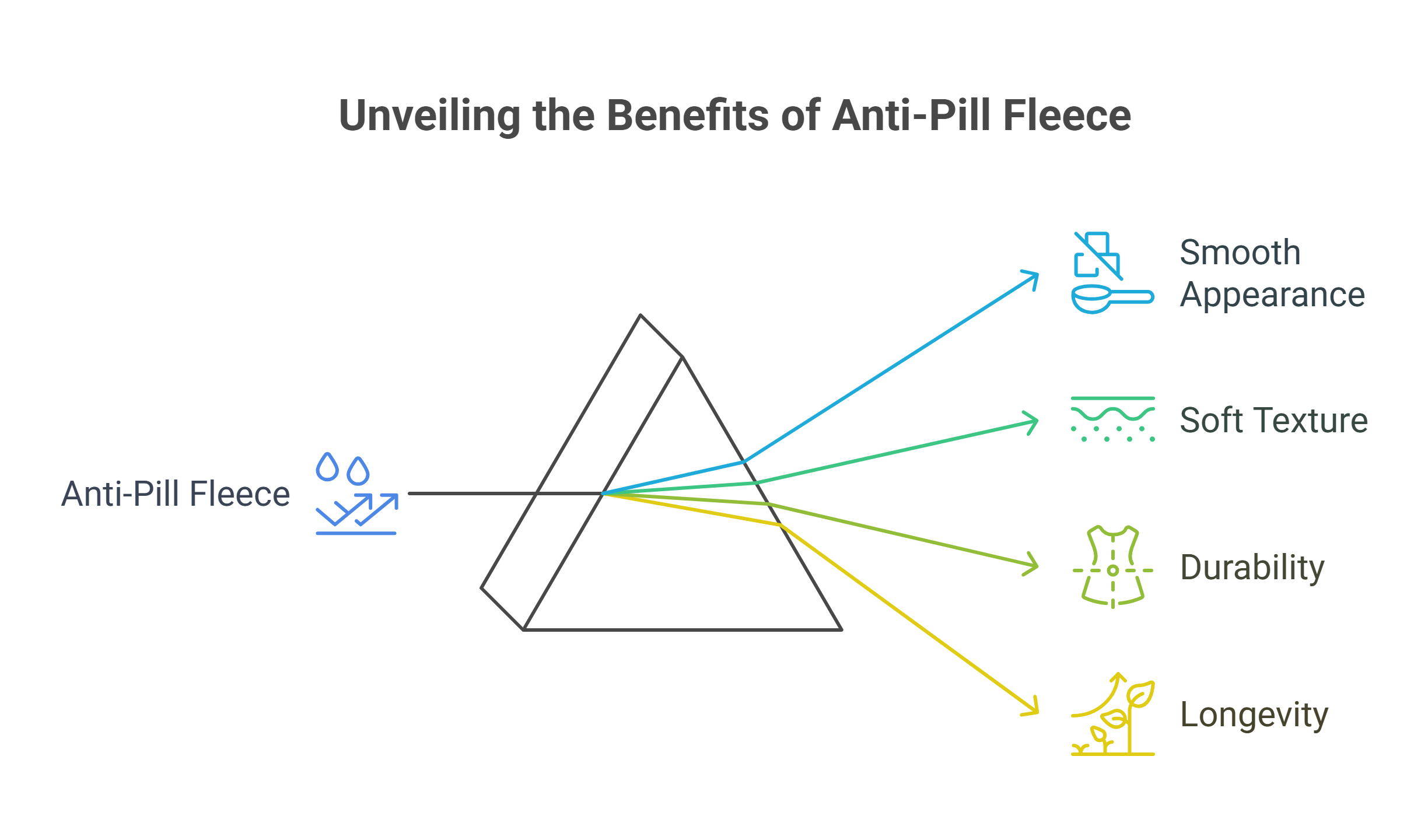
Anti-pill treatment to prevent fiber balling with time; hence this smooth-looking fleece stays smooth-looking even after multiple washes.

This fleece type is however different and suits one climate or need better than others on account of its softness, breathability, and insulation.

5. With Reason Fleece Became A Global Favourite

The harmony of practical benefits and adaptability accounts for the growing popularity of fleece. It offers fixings of comfort, utility, and low price, of which very few clothing materials are endowed.

Advantages of Fleece:

  • Lightweight warmth by way of insulation.
  • Quick to dry, good for outdoorswear, and continuous washing.
  • Durable and long lasting, it does not shrink or stretch.
  • Reasonably priced, especially when bought in wholesale fleece blankets.
  • Hypoallergenic: In contrast to wool, it does not trigger any irritation to the sensitive skin.
  • Easy Care: It is machine washable and holds wrinkle resistance.

This makes fleece fitting well into industries from haute couture and hospitality to sportswear and promotional merchandise.

6. Fleece and Wholesale

One of the greatest contributors for keeping fleece afloat is the wholesale market. Retailers, non-profit organizations, and associations buy fleece blankets in wholesale quantities for giveaways, fundraisers, and massive events. Also, fleece blankets maintain their popularity in hospitals, shelters, and hotels just because of the maintainability and comfort it offers.

Buying fleece in bulk could be economically beneficial in many ways:

  • Cost-Efficiency: Lower cost per unit/function for businesses and distributors.
  • Consistency: Same quality and color through big quantity.
  • Customization: Logos, embroidery, or tags can be added to promote the company.
  • Versatility: Wholesale fleece blankets might be the perfect gifting choice for employees, charity drives, and retail resale.

Eco-conscious buyers would also consider wholesale fleece blankets; those made from recycled materials bring an eminent sustainability factor to an otherwise very versatile product.

7. Is Fleece Eco-Friendly?

Although traditional polyester fleece is petroleum-based, the industry has made tremendous steps toward greener bookkeeping. Many manufacturers nowadays use recycled polyester (rPET) from post-consumer plastic bottles, diverting waste from landfills and oceans.

But the microplastic pollution theory remains hotly debated: tiny fibers get washed away with fleece, yet innovations such as closed-loop recycling, microfilter washing bags, and biodegradable fleece fibers have all done their bit to minimize that.

In brief, fleece is a moving target — initially a petroleum product that is fast turning into a sustainable textile with a global environmental conservation undertone.

8. Caring for Fleece: Maintenance Tips

Keeping fleece products at their best means:

  • Use cold water when washing with gentle detergent.
  • Avoid fabric softeners, which can coat the fibers and thereby reduce softness.
  • Air dry or tumble dry on low heat so as to prevent the fiber mass from being compressed.
  • Never iron, as heat will affect the fibers.

Proper care will extend the lifespan of your fleece clothing and blankets, ensuring the softness throughout their use.

The Final Thoughts

From being a mere alternative to wool to becoming an international textile phenomenon, fleece has secured its status as a comfort necessity. The transition from petroleum-based toward eco-conscious production is a lesson of how modern technology has enabled comfort in a sustainable manner.

Fleece, in the truest sense, is always about warmth-with-a-purpose, be it for bundling up chilly evenings or for fleece blankets sold wholesale for bulk demand. Softness, utility, and price make it popular across various industries, such as fashion, fitness, hospitality, and home décor.

Thus, whether you tuck yourself in with a soft blanket or put on a thick fleece hoodie, you will realize what makes fleece so special- it’s comfort-first, engineered warmth.