Archive by Author

What to Make with Fleece Fabric?

5 Sep

Quick Answer: What to Make with Fleece Fabric?

If you’ve been wondering what to make with fleece fabric?, the possibilities are endless. Fleece is soft, durable, affordable, and versatile, making it a favorite for crafting, sewing, and DIY projects. From cozy scarves and hats to no-sew pillows and custom throws, fleece can transform into practical and creative items with minimal effort.

It’s also popular for larger projects like fleece blankets bulk, which are perfect for gifts, donations, or businesses. With fleece, you can create comfort, warmth, and style in countless ways.

Now let’s dive deeper.

Why Choose Fleece Fabric?

Fleece has earned its place as a staple in the crafting and sewing world. Unlike many fabrics that require special care or advanced sewing skills, fleece is beginner-friendly and forgiving. Its edges don’t fray, meaning you can cut and tie without worrying about hems. This makes it a dream for both novice and seasoned creators.

Another reason fleece is loved is its comfort. Soft to the touch and lightweight yet insulating, fleece is ideal for warm clothing, bedding, and accessories. It also comes in a wide variety of patterns and colors—from bold solids to fun prints with animals, sports, or seasonal designs. Whether you want to make something practical or whimsical, fleece gives you plenty of room to play.

Clothing You Can Make with Fleece

Cozy Hoodies and Pullovers

One of the most common uses of fleece fabric is in hoodies or sweatshirts. With a simple pattern, you can sew a pullover that keeps you warm during cold evenings. Fleece stretches enough for comfort but is structured enough to hold its shape.

Scarves, Hats, and Gloves

Fleece accessories are a quick project that can be made in under an hour. Scarves can be as simple as cutting a rectangle of fabric and adding fringe. Hats and gloves can be sewn with basic patterns—or you can even make no-sew versions by tying edges together. These items make excellent gifts, especially when customized with favorite colors or prints.

Pajamas and Slippers

Fleece pajamas or lounge pants are a winter favorite. They are easy to sew and incredibly comfortable. Slippers made from fleece are another great project, perfect for keeping feet warm on chilly floors.

Home Décor and Practical Items

Fleece Blankets

The most iconic fleece project is the blanket. With no-sew tie techniques or sewing methods, fleece blankets can be made in a variety of sizes. They’re not only cozy for personal use but also serve as thoughtful handmade gifts. When you purchase fleece blankets bulk, you can stock up for family, friends, or charity donations.

Pillows and Cushion Covers

Just like blankets, pillows made with fleece are quick, fun, and customizable. You can make tie-edge pillows that require no sewing, or you can sew covers for a more polished look. Matching blankets and pillows can turn a room into a cozy retreat.

Pet Beds and Toys

Pets love fleece as much as people do. You can make pet beds, chew toys, or simple braided tugs for dogs out of scrap pieces of fleece. It’s washable and durable, making it ideal for animals.

Seasonal and Holiday Projects

Stockings and Tree Skirts

Fleece is perfect for Christmas stockings or tree skirts. With holiday prints available, you can create unique decorations for your family. They’re easy to personalize with names or embellishments.

Halloween Costumes

Because fleece is soft and easy to work with, it’s excellent for creating costumes. From capes to animal ears, you can craft imaginative pieces without spending a fortune.

Valentine’s and Birthday Gifts

Personalized fleece projects, like heart-shaped pillows or themed throws, make heartfelt gifts. They’re inexpensive yet meaningful.

Crafting with Kids

One of the best things about fleece is how safe and easy it is for children to use. Since it doesn’t fray, kids can join in on crafting without sharp tools or complex instructions. No-sew fleece projects like knotted blankets, braided scarves, or stuffed animals can keep children engaged while teaching them creativity and patience.

Family crafting nights with fleece are not only fun but also productive—you end up with something you can actually use.

Charitable and Community Uses

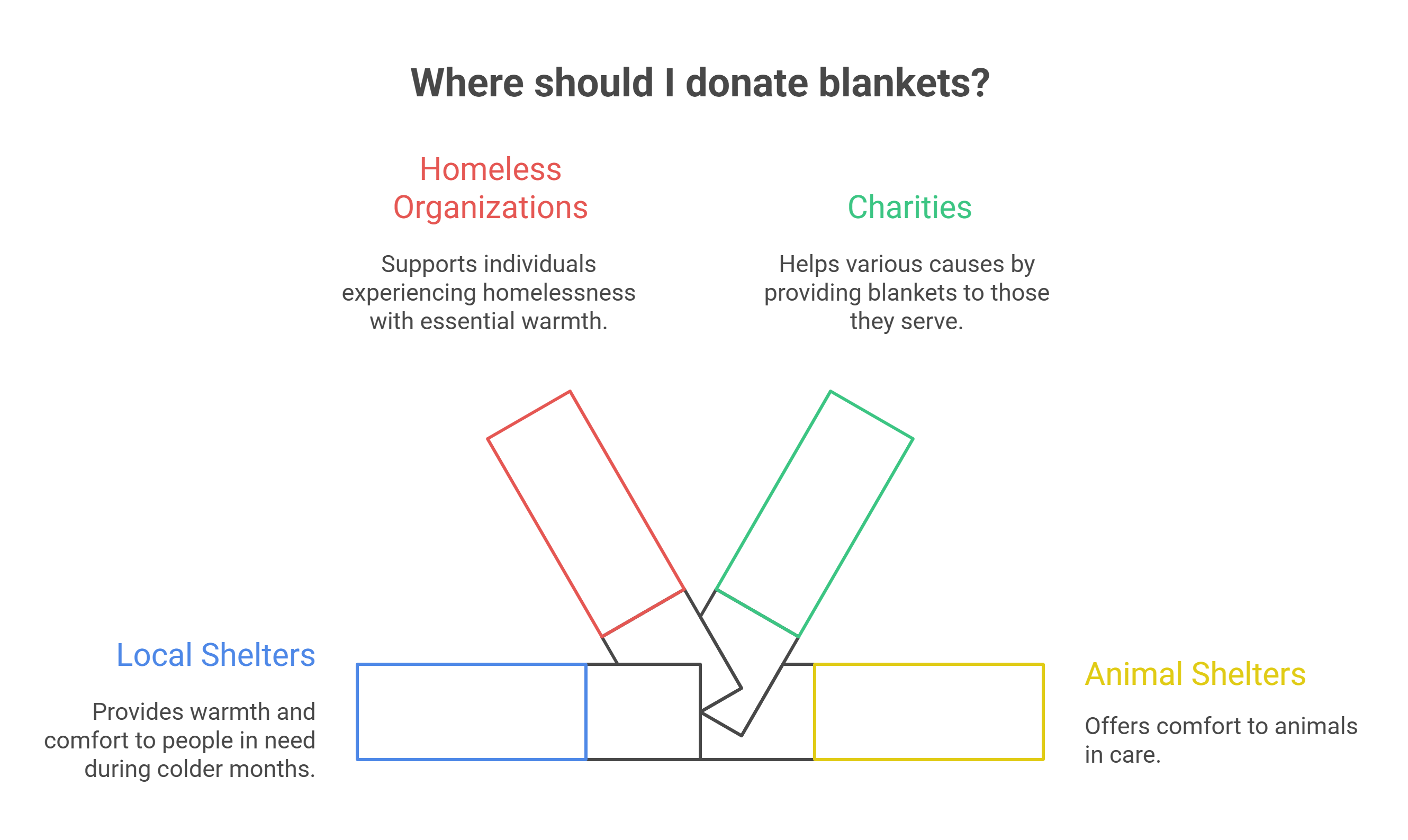
Fleece has become a go-to material for community projects. Many groups make tie blankets to donate to shelters, hospitals, or disaster relief organizations. Because it’s affordable and easy to produce in large numbers, fleece blankets bulk orders are often purchased for these causes. Crafting for charity with fleece is a beautiful way to combine creativity and compassion.

Business Opportunities with Fleece

For small businesses or entrepreneurs, fleece projects can be a profitable venture. Personalized blankets, embroidered scarves, or pet accessories can be sold online or at craft fairs. Buying fleece by the yard or investing in fleece blankets bulk can cut costs and allow for customization, giving your products a unique touch.

Many businesses also use fleece products for promotional purposes. Custom blankets or throws with logos are popular giveaways that customers keep for years, providing long-lasting brand visibility.

Tips for Working with Fleece

  • Use Sharp Scissors or a Rotary Cutter: Fleece is thick, and clean cuts are essential.
  • Wash Before Use: Pre-washing helps ensure your final product won’t shrink.
  • Experiment with Layers: Fleece layers well for added warmth or pattern variety.
  • Personalize with Embroidery or Appliqué: Add initials, logos, or designs for a unique finish.
  • Don’t Fear Mistakes: Fleece is forgiving. Uneven edges can be tied, and small flaws often go unnoticed.

Creative Project Ideas

Here are some unique projects you may not have thought of:

  • Travel Blanket with Pocket: Perfect for flights or road trips.
  • Fleece Poncho: A stylish yet functional outer layer.
  • Hot Water Bottle Cover: Adds comfort and safety.
  • Stuffed Animals: From teddy bears to plush toys, fleece makes cuddly companions.
  • Reusable Hand Warmers: Small fleece pouches filled with rice that can be microwaved.

These projects demonstrate just how adaptable fleece can be.

Final Thoughts

So, what to make with fleece fabric? The real question is—what can’t you make? From clothing and home décor to seasonal crafts and pet accessories, fleece is one of the most versatile fabrics available. Its affordability, ease of use, and comfort make it a favorite for DIYers, parents, and even entrepreneurs.

Whether you’re creating a single project or investing in fleece blankets bulk for larger needs, this fabric guarantees both functionality and fun. Start with something simple like a scarf or pillow, and you’ll soon discover that fleece opens up an entire world of creative possibilities.

What Is Heather Fabric?

5 Sep

Quick Answer: What Is Heather Fabric?

What is heather fabric? Simply put, it’s a type of fabric woven or knitted using different colored fibers, giving it a soft, speckled look that’s both stylish and versatile. Known for its casual yet premium appeal, heather fabric is popular in clothing, upholstery, and even accessories.

Whether you’re shopping for everyday wear or cozy home goods, understanding what makes heather fabric unique will help you make smarter choices. Fun fact: even fleece blankets bulk often come in heather-inspired tones for added charm.

Now let’s dive deeper.

Why Fabrics Matter More Than You Think?

We rarely stop to think about the fabrics that shape our everyday lives. From the T-shirt you grab in the morning to the throw blanket that warms your evenings, fabrics play a quiet but powerful role. Among these, heather fabric stands out for its distinct texture and timeless appearance. So, what is heather fabric, and why has it become such a favorite across industries? Let’s explore its origins, qualities, and uses, and see why its subtle charm continues to inspire designers and consumers alike.

The Origins of Heather Fabric

Heather fabric didn’t just appear overnight. It has roots in the textile traditions of Europe, where blending different yarns was a way to create unique shades without relying on dyes alone. The term “heather” itself is inspired by the plant that grows in muted, earthy tones across Scotland’s moorlands. Just like the plant, heather fabric carries a speckled, natural look that makes it appear cozy and organic. Over time, the method of creating heather blends became more refined, making the fabric a staple in casual wear and lifestyle products.

How Heather Fabric Is Made?

The process behind heather fabric is both simple and fascinating. Instead of spinning yarns from one single color, textile makers blend multiple fibers of different shades together. This could be a mix of gray with blue, or beige with cream, depending on the desired effect. The result is a soft, mottled appearance that doesn’t look flat or uniform but instead has depth and character.

Two main methods are common:

  1. Blended Yarn Spinning: Fibers of different colors are spun together to make yarns that already have the speckled look.
  2. Knitting or Weaving with Varied Yarns: Different colored yarns are knitted or woven together, creating subtle streaks and shifts in tone.

This is what gives heather fabric its iconic “marled” or “flecked” look.

The Key Qualities of Heather Fabric

Heather fabric is valued for more than just its looks. Here are some of its standout qualities:

  • Softness: Heather fabrics are often cotton- or polyester-based, making them gentle on the skin.
  • Breathability: The blending doesn’t compromise air circulation, keeping garments comfortable.
  • Durability: With proper care, heather fabric resists wear and tear better than plain weaves.
  • Aesthetic Appeal: Its natural, textured look makes it versatile for both casual and semi-formal settings.
  • Low Maintenance: Many heather blends resist wrinkling and shrinking, perfect for daily wear.

Heather vs. Solid Fabrics: What’s the Difference?

At first glance, you might wonder why not just stick with solid-colored fabrics. The difference is in the visual depth. Solid fabrics have a flat, uniform look that works for formal attire or minimalist designs. Heather fabric, on the other hand, introduces texture without extra embellishment. It’s like the difference between a plain white wall and one with subtle shading—it adds character. That’s why sportswear, lounge clothing, and casual office attire often lean toward heather tones.

Common Uses of Heather Fabric

Heather fabric is surprisingly versatile and is used across many industries:

1. Clothing

T-shirts, hoodies, joggers, and sweaters often feature heather blends. They give off a relaxed vibe while still looking stylish.

2. Home Goods

From cushion covers to upholstery, heather fabrics add a cozy, welcoming touch. Even fleece blankets bulk orders often include heather-inspired designs, as they look premium without breaking the budget.

3. Accessories

Caps, scarves, and even tote bags use heather fabric for its durability and aesthetic edge.

4. Athleisure

The casual yet polished vibe of heather fabric has made it a darling in the athleisure world, where looking sharp while staying comfortable is key.

Why Designers Love Heather Fabric?

Fashion and interior designers alike are drawn to heather fabric for its understated charm. Unlike bold prints that can go out of style, heather’s muted tones are timeless. It also pairs effortlessly with solids and other textures, making it a go-to fabric for layering and contrast. Whether it’s a heather-gray sweatshirt or a heather-beige sofa cover, it’s hard to go wrong.

The Role of Heather Fabric in Today’s Market

Heather fabric has found its way into both luxury and affordable markets. High-end brands use heather blends for minimalist, elegant pieces, while mass retailers appreciate the fabric’s wide appeal and durability. Its versatility also means you’ll see it across product lines, from fashion staples to large-scale manufacturing. For instance, bulk fabric orders for hotels or schools often include heather-toned products like towels or fleece blankets bulk, ensuring style and practicality come together.

Caring for Heather Fabric

The good news about heather fabric is that it’s relatively low-maintenance. Still, a few tips can help preserve its beauty:

  • Wash in Cold Water: Helps prevent fiber shrinkage and maintains color balance.
  • Avoid Harsh Bleach: Can damage the subtle blend of fibers.
  • Tumble Dry Low or Air Dry: Protects the softness and shape.
  • Store Properly: Keep folded or hung to avoid deep creases.

With these simple steps, your heather garments and home goods will last longer and retain their charm.

The Psychological Appeal of Heather Fabric

It might sound surprising, but heather fabric carries psychological weight. The soft, speckled tones are seen as calming and natural. People often associate it with comfort and authenticity—qualities that modern consumers crave. In a world where bold logos and flashy designs dominate, the quiet elegance of heather fabric provides a refreshing contrast.

Is Heather Fabric Eco-Friendly?

Heather fabric can be eco-friendly, depending on how it’s made. When manufacturers use organic cotton, recycled polyester, or natural dyes, it minimizes environmental impact. Some sustainable fashion brands now market heather blends as part of their eco-conscious lines. Consumers looking for green choices should always check fabric labels and certifications.

Final Thoughts

So, what is heather fabric? It’s more than just a mix of fibers—it’s a timeless textile that combines beauty, comfort, and durability. From your favorite T-shirt to the cozy throw on your couch, heather fabric makes everyday life a little softer and more stylish. Its versatility across industries, including clothing, accessories, and even fleece blankets bulk, ensures its place in the fabric world for years to come. Whether you’re a designer, retailer, or simply someone who loves comfort, heather fabric is a classic worth appreciating.

What Is Poly Cotton Fabric?

5 Sep

Quick Answer: What Is Poly Cotton Fabric?

What is poly cotton fabric? It’s a blended textile made by combining polyester and cotton fibers, designed to give you the best of both worlds—durability and comfort. Poly cotton is popular in clothing, uniforms, bed sheets, and even accessories like tote bags because it resists wrinkles, holds color well, and stays breathable.

This versatile fabric strikes a balance between natural softness and synthetic strength, making it a go-to choice for manufacturers, retailers, and buyers alike.

Now let’s dive deeper.

Introduction to Poly Cotton Fabric

Poly cotton fabric, as the name suggests, is a hybrid material made by blending polyester (a synthetic fiber) and cotton (a natural fiber). Typically, the blends are 65% polyester and 35% cotton, or 50/50, but these ratios can vary depending on the intended purpose. This combination brings together the natural breathability and softness of cotton with the strength, resilience, and wrinkle resistance of polyester.

This fabric has become a staple in industries ranging from fashion to interior textiles. Whether it’s the shirt you wear to work or the bedsheets you sleep on, poly cotton is probably closer to your daily life than you realize.

Why Poly Cotton Was Created?

The idea behind poly cotton fabric was to overcome the weaknesses of 100% cotton and 100% polyester. Cotton alone is comfortable and breathable but tends to shrink, wrinkle, and wear down quickly. Polyester, on the other hand, is long-lasting, retains shape, and resists stains, but it lacks comfort and breathability.

By blending them, manufacturers created a fabric that:

  • Is softer and more breathable than pure polyester.
  • Holds shape better and wrinkles less than pure cotton.
  • Costs less to produce and lasts longer.

In other words, poly cotton fabric represents a win-win for both consumers and businesses.

Key Properties of Poly Cotton

  1. Durability: Poly cotton is stronger than cotton alone, making it suitable for items that undergo frequent washing, like uniforms and bed linens.
  2. Wrinkle Resistance: The polyester content helps the fabric stay neat without constant ironing.
  3. Softness: The cotton content ensures the material still feels comfortable against the skin.
  4. Breathability: Though not as airy as pure cotton, poly cotton allows enough airflow to remain wearable in most climates.
  5. Cost Efficiency: It is more affordable than 100% cotton, especially for bulk orders, making it a popular choice in wholesale markets, including those that specialize in fleece blankets wholesale.

Common Uses of Poly Cotton

  1. Apparel: From t-shirts and dress shirts to work uniforms, poly cotton is valued in clothing manufacturing for its versatility and comfort.
  2. Home Textiles: Poly cotton is commonly used in bedsheets, pillowcases, tablecloths, and curtains because it is both practical and easy to care for.
  3. Crafts and Accessories: Tote bags, aprons, and quilting often rely on poly cotton for its durability and color retention.
  4. Hospitality Industry: Hotels and restaurants rely on poly cotton linens that withstand repeated washing while remaining presentable.
  5. Blankets and Throws: While poly cotton blends are popular, bulk buyers also look for complementary textiles like fleece blankets wholesale, where affordability and warmth meet.

Advantages of Poly Cotton

  • Easy Care: Machine washable, quick-drying, and resistant to shrinking.
  • Cost-Effective: Offers a lower price point than pure cotton without sacrificing quality.
  • Colorfastness: Retains dye better, meaning vibrant prints and colors last longer.
  • Versatility: Suitable for both personal and commercial use.

Disadvantages of Poly Cotton

No fabric is perfect, and poly cotton is no exception. Some drawbacks include:

  • Less Breathable: While more breathable than polyester, it’s still warmer than pure cotton.
  • Pilling: Over time, polyester fibers may form small balls on the surface.
  • Environmental Impact: Polyester is not biodegradable, so the blend is less eco-friendly than natural fabrics.

How Poly Cotton Compares to Other Fabrics?

  1. Poly Cotton vs 100% Cotton
    • Cotton is more breathable but wrinkles easily.
    • Poly cotton is more durable and less prone to shrinking.
  2. Poly Cotton vs 100% Polyester
    • Polyester lasts longer but feels less comfortable.
    • Poly cotton balances softness and strength.
  3. Poly Cotton vs Fleece
    • Fleece is warmer and better for blankets, often sold in bulk like fleece blankets wholesale.
    • Poly cotton is lighter, making it ideal for clothing and linens.

Caring for Poly Cotton

One of the reasons poly cotton is widely loved is because it’s easy to maintain:

  • Washing: Machine wash in warm water with mild detergent.
  • Drying: Tumble dry on low heat; avoid high temperatures to prevent damage.
  • Ironing: Light ironing is usually sufficient, thanks to wrinkle resistance.
  • Storage: Store in a cool, dry place to avoid mildew and prolong fabric life.

Why Businesses Love Poly Cotton?

Retailers, wholesalers, and service industries favor poly cotton for several reasons:

  • Bulk Orders: Lower costs for high volumes make it ideal for uniforms, linens, and bedding.
  • Consistency: With standardized blends, the quality and feel remain uniform across large orders.
  • Longevity: Its durability reduces replacement costs.

Whether for resale or operational use, poly cotton provides excellent return on investment, just like other bulk textile markets such as fleece blankets wholesale.

The Future of Poly Cotton

With growing awareness about sustainability, manufacturers are exploring ways to make poly cotton blends more eco-friendly. Options include using recycled polyester or organic cotton. Innovations in textile technology may also lead to blends that are softer, greener, and even more durable.

Conclusion

So, what is poly cotton fabric? It’s a clever blend of polyester and cotton designed to give consumers and businesses the benefits of both. With its affordability, durability, and versatility, it continues to dominate industries from fashion to hospitality. While it has some downsides, its advantages make it one of the most practical fabrics of modern times. Whether you’re looking for everyday wear, home linens, or bulk textiles, poly cotton deserves a spot on your radar.

What Is Anti-Pill Fleece?

5 Sep

Quick Answer: What Is Anti-Pill Fleece?

What is anti-pill fleece? Simply put, it’s a specially treated type of fleece fabric designed to resist those annoying little fabric balls (called “pills”) that form after repeated washing and wear. Unlike traditional fleece, anti-pill fleece stays soft, smooth, and cozy for much longer, making it perfect for everything from jackets to craft projects and especially blankets.

If you’ve ever looked into fleece blankets bulk for gifts, events, or resale, you’ve likely come across the term anti-pill—and for good reason.

Now let’s dive deeper.

The Basics of Fleece Fabric

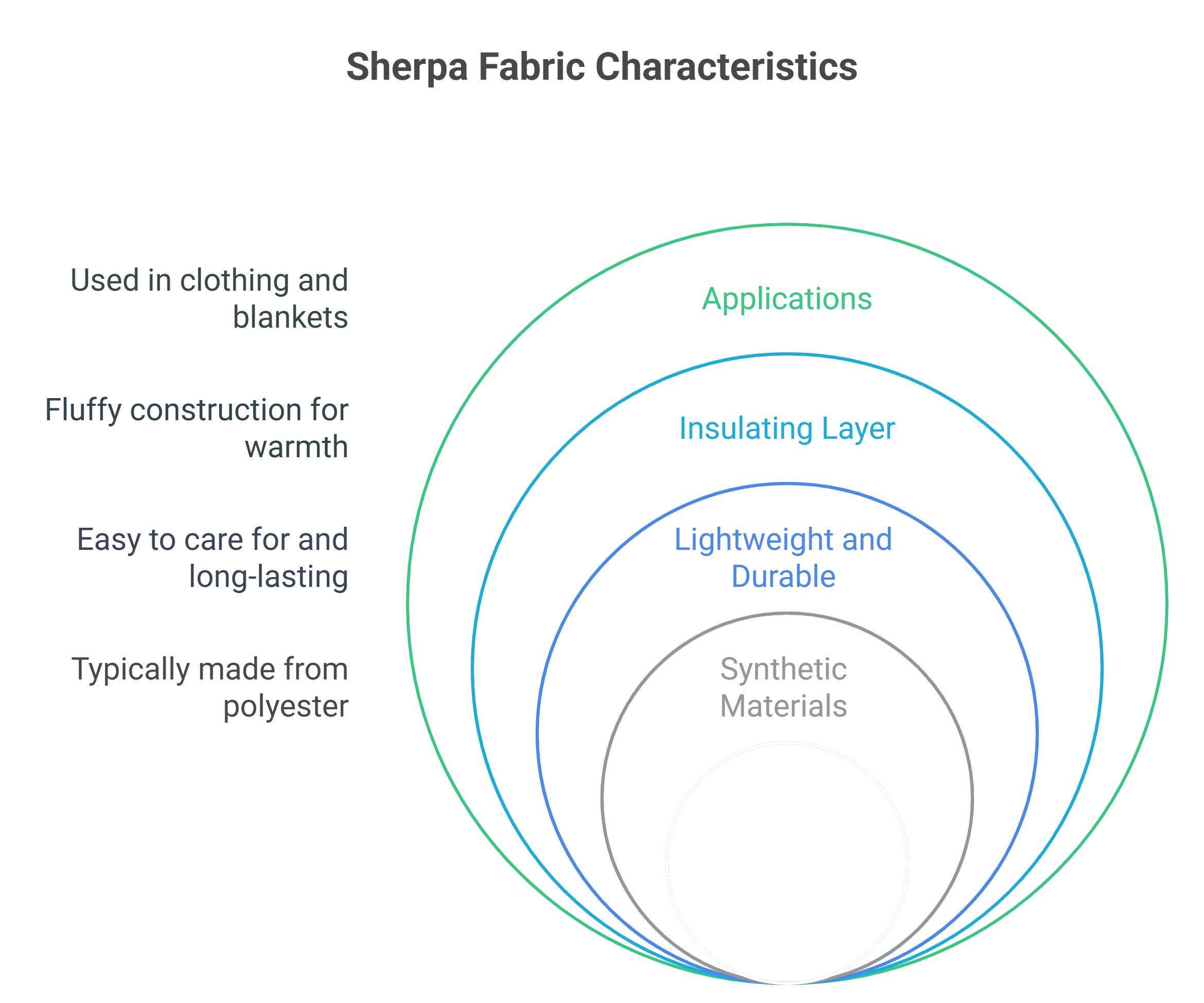
Fleece is a synthetic fabric, most often made from polyester, known for its warmth, lightweight feel, and breathability. It has become a staple in clothing, blankets, and accessories because it mimics the insulating properties of wool without the heaviness or cost. Its brushed surface traps air, which helps retain body heat, making it ideal for cold-weather gear.

But fleece isn’t perfect. Over time, friction from washing, drying, or even daily use can cause tiny fibers to break loose and clump into small balls—those dreaded “pills” that make fabric look worn out. Enter anti-pill fleece.

What Makes Fleece “Anti-Pill”?

Anti-pill fleece is engineered or chemically treated to resist fiber breakage. Manufacturers may use tighter weaving methods, stronger fibers, or surface treatments that minimize loose ends. The result is a fabric that remains smooth and neat even after dozens of washes.

This doesn’t mean anti-pill fleece is completely immune to wear and tear—it just means it performs far better than regular fleece. In fact, many buyers of fleece blankets bulk prioritize anti-pill fabrics because the items are likely to be used frequently, and long-term durability matters.

How Does Pilling Happen?

Pilling occurs when:

  • Loose fibers are abraded (rubbed repeatedly).
  • Fibers tangle and clump together.
  • Small balls form on the surface of the fabric.

This is most common in high-friction areas—think under the arms of a fleece jacket, or the middle of a blanket that gets folded and handled daily. Regular fleece pills quickly because polyester fibers, though durable, tend to fray and clump when exposed to friction.

Anti-pill fleece, however, undergoes treatments like brushing and shearing to remove weak fibers before the fabric reaches your hands.

The Benefits of Anti-Pill Fleece

1. Longer-Lasting Appearance

Nobody wants their cozy new blanket to look old after a few washes. Anti-pill fleece holds up better, keeping its fresh, plush appearance longer.

2. Softer Texture

Because surface fibers are removed during manufacturing, the fabric feels smoother against the skin. It’s less scratchy, more cuddly, and perfect for clothing or bedding.

3. Lower Maintenance

With fewer pills, your fleece is easier to wash and dry. You won’t spend time picking at fabric balls or worrying about your blanket looking shabby.

4. Cost-Effective in Bulk

If you’re buying fleece blankets bulk—say for promotional events, gifts, or resale—anti-pill options ensure customers or recipients get more value, which reflects positively on your brand or business.

Common Uses of Anti-Pill Fleece

  • Blankets: By far the most popular use. Anti-pill fleece blankets retain their cozy look and feel through years of use.
  • Clothing: Hoodies, jackets, and pajamas made with anti-pill fleece last longer and look better over time.
  • Crafting: Anti-pill fleece is often chosen for DIY projects like scarves, pillow covers, or no-sew tie blankets.
  • Promotions and Events: Bulk orders of customized fleece products almost always favor anti-pill to guarantee lasting quality.

Comparing Anti-Pill Fleece vs. Regular Fleece

FeatureRegular FleeceAnti-Pill Fleece
DurabilityPills quicklyResists pilling
TextureCan feel rough over timeSmooth and soft
AppearanceWorn-out look after washesFresh look longer
CostCheaper upfrontSlightly higher but better value
Best ForShort-term use, casual wearLong-term use, resale, gifting

Caring for Anti-Pill Fleece

Even though anti-pill fleece is more resilient, proper care goes a long way:

  1. Wash in Cold Water: Hot water can weaken fibers.
  2. Use Gentle Cycle: Reduces friction inside the machine.
  3. Avoid Fabric Softener: It can coat fibers and reduce breathability.
  4. Air Dry or Low Heat: High heat may still cause light pilling over time.

Following these steps ensures your blanket or clothing item keeps its anti-pill advantage.

Why Anti-Pill Fleece Matters in Bulk Purchases?

Imagine giving away 500 promotional fleece blankets at an outdoor event. If they look pilled and shabby after two washes, the memory of your brand won’t be positive. But with anti-pill fleece, those blankets last longer, stay soft, and keep reminding customers of your business every time they’re used.

That’s why distributors, businesses, and even nonprofits often choose anti-pill when purchasing fleece blankets bulk. The extra durability makes the investment worthwhile, whether you’re ordering for resale, donation, or corporate gifts.

The Environmental Angle

Fleece is often criticized for being synthetic, but there’s a silver lining. Many modern fleece fabrics are made from recycled plastic bottles, giving waste a new life. Anti-pill versions last longer, meaning fewer discarded blankets or garments. This sustainability angle adds another layer of value when making a conscious buying decision.

Final Thoughts

So, what is anti-pill fleece? It’s the better, smarter version of fleece—engineered to stay soft, smooth, and good-looking long after regular fleece would have given up. Whether you’re shopping for a single blanket or considering fleece blankets bulk, choosing anti-pill means choosing durability, value, and comfort. From cozy nights at home to large promotional events, anti-pill fleece ensures the warmth lasts as long as the memories.

How Many Yards of Fabric to Make a Tie Blanket?

8 Aug

Quick Answer: How Many Yards of Fabric to Make a Tie Blanket?

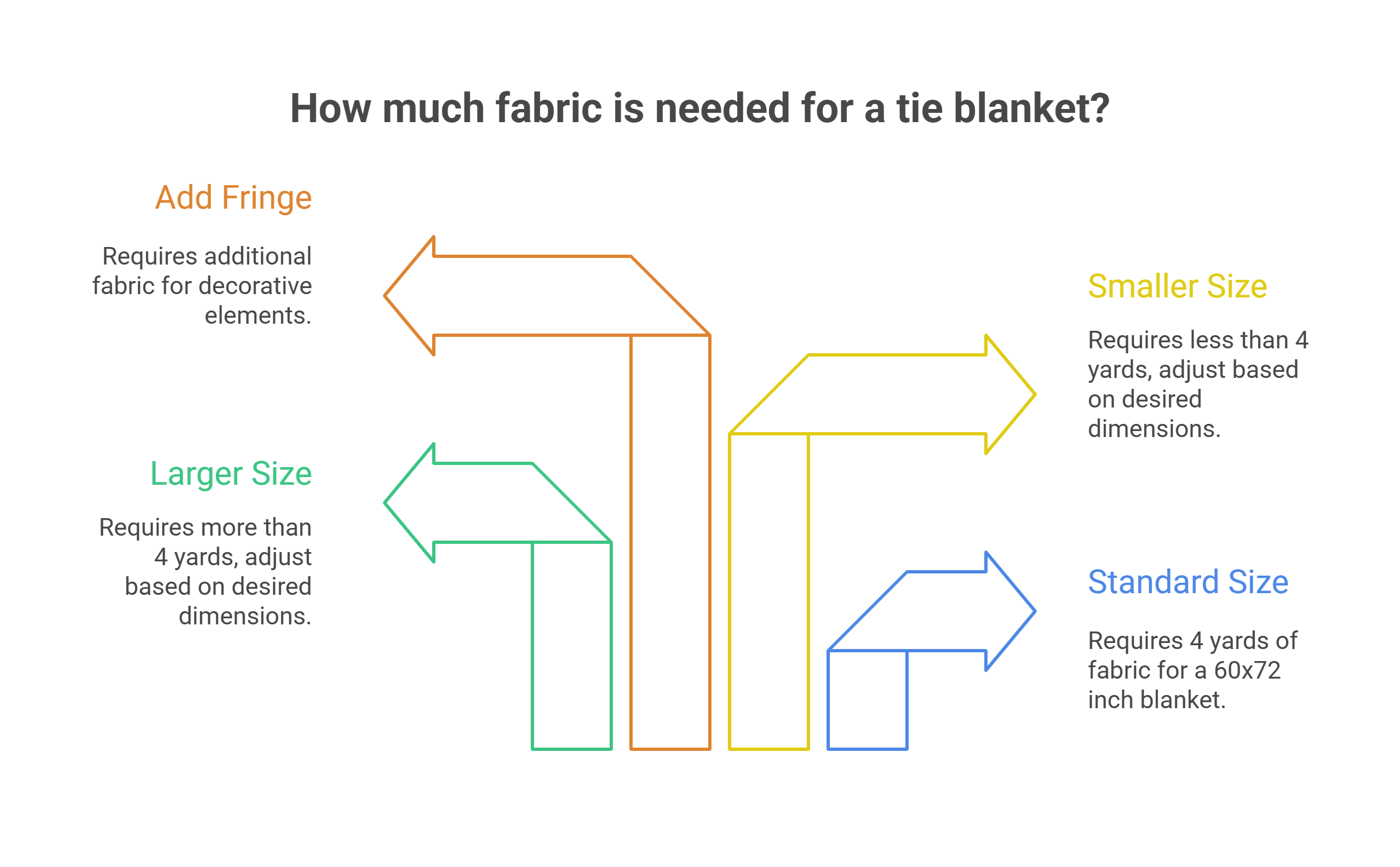
If you’re wondering how many yards of fabric to make a tie blanket, the answer depends on the size you want to create. A standard adult-sized tie blanket typically requires 2 yards of fleece for both the front and back (a total of 4 yards).

For a child’s blanket, 1.5 yards each is often enough, while larger throws or queen-size versions may need up to 2.5 yards per side. Choosing soft, durable fleece ensures comfort, warmth, and a long-lasting finish.

Now let’s dive deeper.

Why Tie Blankets Are So Popular?

Tie blankets have become a favorite DIY project for crafters and families alike. Not only are they cozy and customizable, but they also don’t require any sewing skills, making them perfect for beginners. All you need is fabric, scissors, and a little bit of time. The beauty of these blankets lies in their simplicity—just knot the fabric edges together, and you have a finished product that’s warm, stylish, and personal.

But the biggest question most people have before starting is: how many yards of fabric to make a tie blanket? Let’s break it down by size, purpose, and a few pro tips to help you avoid common mistakes.

Understanding Fabric Yards and Blanket Sizes

Fabric is usually sold by the yard, with most fleece fabric bolts measuring around 58–60 inches wide. When making a tie blanket, you’ll need two equal pieces of fabric—one for the top and one for the bottom.

Here’s a quick size guide:

  • Child/Small Blanket: 1.5 yards per piece (total: 3 yards).
  • Adult Throw Blanket: 2 yards per piece (total: 4 yards).
  • Large/Queen Blanket: 2.5 yards per piece (total: 5 yards).

This means if you’re heading to the fabric store, you’ll be purchasing two cuts of fabric of equal length. Always remember that you’ll lose a few inches when cutting the fringe for the ties, so buying a little extra never hurts.

Step-by-Step Guide to Making a Tie Blanket

Step 1: Choose the Right Fabric

Fleece is the go-to choice for tie blankets. It’s soft, durable, and easy to cut without fraying. If you’re shopping in bulk, consider fleece blankets wholesale options for cost savings, especially if you plan on making multiple blankets for gifts or donations.

Step 2: Measure and Cut

Lay both pieces of fabric flat on top of each other. Cut off any selvage edges (the factory-finished sides), ensuring both fabrics align evenly. Then, cut out a square (usually 4×4 inches) from each corner.

Step 3: Cut Fringe Strips

Cut 4–5 inch long strips around all sides of the fabric, each about 1 inch wide. These will become the ties that hold the blanket together.

Step 4: Tie It Together

Double-knot each strip of fabric, tying the top layer to the bottom layer. Work your way around the blanket until it’s completely secured.

And just like that—you’ve made your first tie blanket!

How Many Yards for Different Uses?

  1. Baby Blankets
    For infants or toddlers, 1 yard per piece (total: 2 yards) is often enough. These make wonderful personalized gifts.
  2. Teen or College Dorm Throws
    A 2-yard length per side (total: 4 yards) is ideal for lounging on beds, sofas, or study chairs.
  3. Family Movie Night Blankets
    For oversized comfort, go with 2.5 yards per side. Perfect for sharing during movie nights or cozy winter evenings.

Fabric Buying Tips

  • Always Buy a Little Extra: Cutting fringes will reduce the final size, so an extra quarter-yard can save you from frustration.
  • Match or Contrast: Pick two patterns that complement each other, or pair a print with a solid color for a bold design.
  • Look for Sales: Craft stores often run fleece fabric sales in fall and winter. Stocking up early saves money.
  • Consider Bulk Buying: If you’re planning multiple blankets, fleece blankets wholesale purchases give you better value and variety.

Why Fleece Works Best?

Fleece is not only soft and warm but also doesn’t unravel when cut, unlike cotton or flannel. This makes it beginner-friendly and hassle-free. Plus, fleece comes in countless colors, patterns, and licensed prints—so you can find something for everyone, from superheroes to cozy solids.

Common Mistakes to Avoid

  • Buying Too Little Fabric: Measure twice before cutting, especially if making a larger blanket.
  • Skipping Corner Cuts: Forgetting to cut squares from the corners will cause bunching and uneven edges.
  • Tying Too Loose: Loose knots will unravel after washing. Double-knotting ensures durability.
  • Ignoring Fabric Widths: While most fleece is 58–60 inches wide, some may vary. Always check the bolt label.

Creative Ideas for Tie Blankets

Tie blankets aren’t just for personal use—they’re also great for charity drives, family crafts, or team events. Schools, hospitals, and shelters often welcome donations of handmade fleece blankets. By purchasing fleece blankets wholesale, you can maximize your budget and provide warmth to more people in need.

You can also experiment with:

  • Adding two different patterned fabrics for a reversible design.
  • Creating themed blankets for holidays or sports teams.
  • Using extra fabric scraps to make matching pillows or scarves.

Caring for Your Tie Blanket

Fleece tie blankets are easy to care for, but here are a few tips:

  • Wash in cold water on a gentle cycle.
  • Avoid fabric softener—it can reduce fleece softness over time.
  • Air-dry or tumble-dry on low heat to prevent static.
  • Store folded neatly to keep the ties from tangling.

Final Thoughts

So, how many yards of fabric to make a tie blanket? For most adult throws, 2 yards per side (total of 4 yards) is the sweet spot. Smaller blankets for kids need around 1.5 yards, while oversized ones may require 2.5 yards per side. Choosing fleece ensures your blanket will be warm, durable, and easy to make—whether it’s for yourself, a gift, or donation.

If you’re planning multiple projects or looking for budget-friendly options, don’t overlook fleece blankets wholesale suppliers. Not only do they save you money, but they also give you a wide variety of designs to keep your blankets creative and personal. Tie blankets are more than just fabric and knots—they’re handmade warmth, ready to wrap around someone you care about.