Archive by Author

How to Wash a Tie Blanket?

7 Aug

Quick Answer: How to Wash a Tie Blanket?

Washing a tie blanket is simple but requires a gentle touch. Always use cold water, a mild detergent, and a delicate cycle to preserve the fabric’s softness and prevent fraying. Air-drying is the best option, though a low-heat tumble works if necessary. Avoid bleach, harsh chemicals, or high heat that can damage fleece.

Whether your tie blanket is handmade or store-bought, proper care ensures it stays cozy, colorful, and long-lasting for years of comfort.

Now let’s dive deeper.

The Comfort of a Tie Blanket

Tie blankets are not just practical household items—they carry stories, warmth, and often sentimental value. From gifts exchanged among friends to DIY crafts completed on a quiet weekend, tie blankets provide unmatched coziness. But the real question arises: how do you keep them looking fresh and soft after several washes? Unlike standard bedding, tie blankets often feature fleece fabric and knotted edges, which demand a different level of care. Mishandling them in the wash could result in tangled knots, pilling, or even shrinking.

In this blog, we’ll walk you through a complete guide on washing, drying, and maintaining a tie blanket so that it remains as good as new. We’ll also touch on tips for bulk fleece care, making this guide especially useful if you’ve purchased multiple pieces or even fleece blankets bulk for family, friends, or organizations.

Step 1: Understanding the Fabric

Most tie blankets are made from fleece, a synthetic fabric that is lightweight, warm, and easy to maintain. Unlike wool, fleece does not shrink in water, but it can pill or lose softness if washed improperly.

Key things to remember about fleece:

  • It traps warmth while remaining breathable.
  • It resists wrinkles but can attract lint and pet hair.
  • It responds best to cold water and gentle detergents.

Knowing this sets the foundation for the proper wash routine.

Step 2: Preparing the Tie Blanket for Washing

Before tossing your tie blanket into the washing machine, take a moment to prepare it.

  1. Shake It Out: Give the blanket a good shake outdoors to remove dust, crumbs, or pet hair.
  2. Check the Knots: Tug gently on the ties to ensure none are coming loose. If they are, retie them securely before washing.
  3. Spot Clean First: If there are food stains or spills, use a mild stain remover or a mixture of baking soda and water to pre-treat the area.

This preparation ensures your blanket doesn’t deteriorate in the wash.

Step 3: Choosing the Right Detergent

The detergent you choose can make or break your blanket’s softness. Avoid harsh formulas with bleach or strong scents, which may weaken the fibers. A mild liquid detergent is ideal. If you have sensitive skin or are washing for children, hypoallergenic detergents are even better.

Pro Tip: Never pour detergent directly on the fleece. Always dilute it in the washer drum or use the detergent tray to avoid concentrated spots that can stiffen the fabric.

Step 4: Washing Process – Gentle is Key

Now, it’s time to wash. Follow these steps carefully:

  • Water Temperature: Always use cold water. Hot water can damage fleece fibers and cause knots to fray.
  • Cycle Selection: Opt for the gentle or delicate cycle on your machine.
  • Load Size: Wash your tie blanket by itself or with other fleece items. Avoid washing with jeans, towels, or rough fabrics that can cause pilling.
  • Fabric Softener: While tempting, fabric softeners can coat fleece fibers and reduce softness over time. It’s best to skip it.

By treating your tie blanket gently, you ensure it retains its fluffy charm.

Step 5: Drying the Tie Blanket

Drying is often where tie blankets lose their shape. High heat can cause fleece to harden or knots to shrink.

  • Best Option: Lay the blanket flat on a drying rack or clean surface to air-dry. This prevents stretching and keeps the knots secure.
  • Alternative Option: Use a tumble dryer on the lowest heat setting. Add a couple of dryer balls to reduce static and keep the fabric soft.
  • Avoid Direct Sunlight: Extended exposure to strong sunlight can cause colors to fade.

Step 6: Post-Wash Maintenance

Your tie blanket should now feel fresh and soft. But to extend its life, you’ll want to follow some ongoing care tips:

  1. Brush Out Pilling: Use a fabric shaver or a soft brush to gently remove pilling if it occurs.
  2. Store Properly: Keep it folded neatly in a cool, dry place. Avoid stuffing it into tight spaces where the knots can deform.
  3. Refresh Without Washing: If your blanket just needs a little freshening, tumble it on a no-heat cycle for 10 minutes with a dryer sheet.

Caring for Multiple Tie Blankets

If you have several tie blankets—maybe as gifts, family sets, or for a group—you’ll need a plan for caring for them all at once. This is particularly true for people who order fleece blankets bulk from suppliers for schools, charities, or sports teams.

When washing multiple tie blankets:

  • Wash them in separate loads to avoid overstuffing the washer.
  • Group similar colors together to avoid dye transfer.
  • Rotate use so each blanket gets even wear and wash cycles.

By treating each blanket with care, you ensure consistency across the batch.

Common Mistakes to Avoid

Even with the best intentions, many people make small errors that shorten the life of their tie blankets. Here’s what to steer clear of:

  • Using Hot Water: This can ruin fleece.
  • Skipping Knot Checks: Loose knots can unravel in the wash.
  • Overloading the Washer: Cramming too many items in one cycle stresses the fabric.
  • Using Harsh Chemicals: Bleach or fabric softeners reduce softness and durability.
  • High Heat Drying: This leads to stiffness and shrunken knots.

Avoiding these mistakes guarantees long-lasting comfort.

When to Replace a Tie Blanket?

Even with perfect care, no blanket lasts forever. Signs it might be time to retire your tie blanket include:

  • Persistent pilling that cannot be shaved off.
  • Knots that repeatedly come loose despite retying.
  • Fading colors that no longer match their original vibrance.

At that point, consider either repurposing the fabric for smaller crafts or replacing it with a fresh tie blanket. Ordering fleece blankets bulk is a cost-effective option if you want to make new ones for multiple people at once.

Final Thoughts

Washing a tie blanket doesn’t have to be intimidating. By sticking to cold water, gentle cycles, and mindful drying, you can keep your blanket soft, vibrant, and knot-secure. Remember, the key is treating fleece with care, avoiding heat and chemicals, and giving a little attention to knot maintenance.

Whether your tie blanket is a cherished gift or part of a larger set, the right care ensures it continues to provide warmth, comfort, and happy memories. With these tips, your blanket can remain just as inviting as the day you first made—or received—it.

What Is Fleece Material?

31 Jul

Quick Answer: What Is Fleece Material?

What is fleece material? Fleece is a soft, warm, and lightweight synthetic fabric, often made from polyester, that mimics the feel of wool without the heaviness. Known for its comfort and insulating properties, it’s widely used in clothing, outerwear, and cozy home essentials like throws and fleece blankets bulk.

Fleece resists moisture, dries quickly, and stays breathable, making it a popular choice for both fashion and function. If you’ve ever wrapped yourself in soft, plush warmth, chances are it was fleece.

Now let’s dive deeper.

Why Fleece Matters?

We live in a world where comfort meets practicality, and few fabrics embody that marriage better than fleece. From chilly winter mornings when you don’t want to crawl out from under the covers, to evening hikes where you need an extra layer, fleece proves its worth time and again. But have you ever stopped to ask yourself: what exactly is fleece material?

This blog will dive deep into fleece’s origins, properties, uses, and why it remains such a staple in our wardrobes and homes. Along the way, we’ll also explore its sustainability aspects, variations, and why so many people prefer fleece for both personal use and wholesale buys like fleece blankets bulk.

The Origins of Fleece

Fleece didn’t come from sheep—at least not the kind we’re talking about here. Unlike wool, which is shorn from sheep, fleece fabric was invented in the late 20th century as a man-made alternative. The material most commonly used is polyester, derived from petroleum-based products.

Polartec, one of the early innovators, developed synthetic fleece to mimic wool’s insulating properties but with added advantages: it’s lighter, dries faster, and is less itchy. This revolutionary invention reshaped the textile and outdoor clothing industries, creating an affordable, durable, and vegan-friendly alternative to wool.

Characteristics That Make Fleece Special

1. Softness and Comfort

Fleece’s brushed fibers create a plush texture, giving it a luxurious, cloud-like feel. Whether in jackets or blankets, fleece is synonymous with coziness.

2. Insulating Warmth

Despite its light weight, fleece traps body heat effectively. Its lofted fibers create air pockets that insulate, keeping you warm in cold conditions.

3. Moisture Resistance

Fleece wicks moisture away from the skin, making it perfect for sportswear and outdoor gear. Unlike cotton, it won’t stay soggy after a drizzle.

4. Durability

With proper care, fleece holds its shape and softness for years. Its fibers resist pilling, shrinking, and stretching when maintained properly.

5. Easy Care

Machine washable, quick drying, and wrinkle-resistant—fleece is low-maintenance, which is why it’s a household favorite.

Types of Fleece

Not all fleece is created equal. Different types cater to different needs:

  • Microfleece: Thin and lightweight, ideal for layering or sportswear.
  • Polar Fleece: Thicker and warmer, often used in jackets and blankets.
  • Sherpa Fleece: Textured like sheep’s wool, offering extra warmth and a stylish look.
  • Anti-pill Fleece: Treated to resist those pesky fabric balls after frequent washes.
  • Recycled Fleece: Made from plastic bottles or other recycled polyester, a sustainable option for eco-conscious buyers.

Everyday Uses of Fleece

  • Clothing: Fleece jackets, hoodies, and pullovers are cold-weather staples. Athletes love fleece for its breathability and moisture-wicking properties.
  • Accessories: Hats, scarves, gloves, and slippers crafted from fleece provide warmth without bulk.
  • Home Essentials: Blankets, throws, and bedding highlight fleece’s cozy side. Families often choose fleece blankets bulk orders for cost-effectiveness, whether for large households, events, or donations.
  • Outdoor Gear: From camping sleeping bags to lining in boots, fleece is essential for adventurers.

Why Fleece Is Perfect for Blankets?

Fleece blankets are an international favorite for good reason:

  • Warmth without weight: You get snuggly comfort without feeling suffocated.
  • Affordability: Fleece is budget-friendly, especially when bought in bulk.
  • Variety: Available in countless colors, patterns, and thickness levels.
  • Durability: Unlike some natural fibers, fleece blankets last through repeated washes.

It’s no wonder charities, hotels, and schools often purchase fleece blankets bulk to distribute comfort at scale.

Sustainability and Concerns

While fleece is beloved for its practical qualities, it does have environmental considerations. Being a petroleum-based product, polyester production requires energy and resources. Furthermore, washing fleece can release microplastics into water systems.

However, manufacturers are working on solutions:

  • Recycled polyester: Converts plastic bottles into fleece fibers.
  • Innovative treatments: Reduce shedding of microplastics.
  • Eco-conscious buying: Opting for durable fleece that lasts longer reduces waste.

As consumers, choosing recycled fleece or supporting brands that promote sustainability helps minimize environmental impact.

How Fleece Compares to Other Materials?

  • Fleece vs. Wool: Fleece is lighter, less itchy, and dries faster. Wool, however, is naturally renewable.
  • Fleece vs. Cotton: Cotton breathes well but absorbs moisture. Fleece repels water, making it better for wet or cold conditions.
  • Fleece vs. Down: Down is warmer but heavier and requires more care. Fleece is machine-washable and cruelty-free.

Caring for Fleece

To keep fleece soft and functional, follow these tips:

  1. Wash in cold water to prevent fiber damage.
  2. Avoid fabric softeners—they coat fibers and reduce moisture-wicking ability.
  3. Air-dry when possible; heat from dryers can degrade fibers.
  4. Use a garment bag to reduce microfiber shedding.

With proper care, fleece remains a trusted companion season after season.

The Cultural Impact of Fleece

Fleece isn’t just fabric—it’s a lifestyle. Outdoor enthusiasts swear by it for layering, fashion lovers embrace it for streetwear, and families cherish it for its affordability. When you think of cozy evenings, hot cocoa, and Netflix marathons, chances are fleece blankets and hoodies play a starring role.

Conclusion

So, what is fleece material? It’s more than just a fabric—it’s warmth without weight, comfort without complication, and affordability without compromise. Its versatility stretches from outdoor adventures to cozy nights at home, making it a universal favorite. Whether you’re bundling up in a hoodie or distributing warmth through fleece blankets bulk, fleece delivers on its promise of softness and practicality.

If comfort, durability, and style are what you’re after, fleece is a fabric that checks every box.

How Much Fabric Do I Need to Make a Tie Blanket?

31 Jul

Quick Answer: How Much Fabric Do I Need to Make a Tie Blanket?

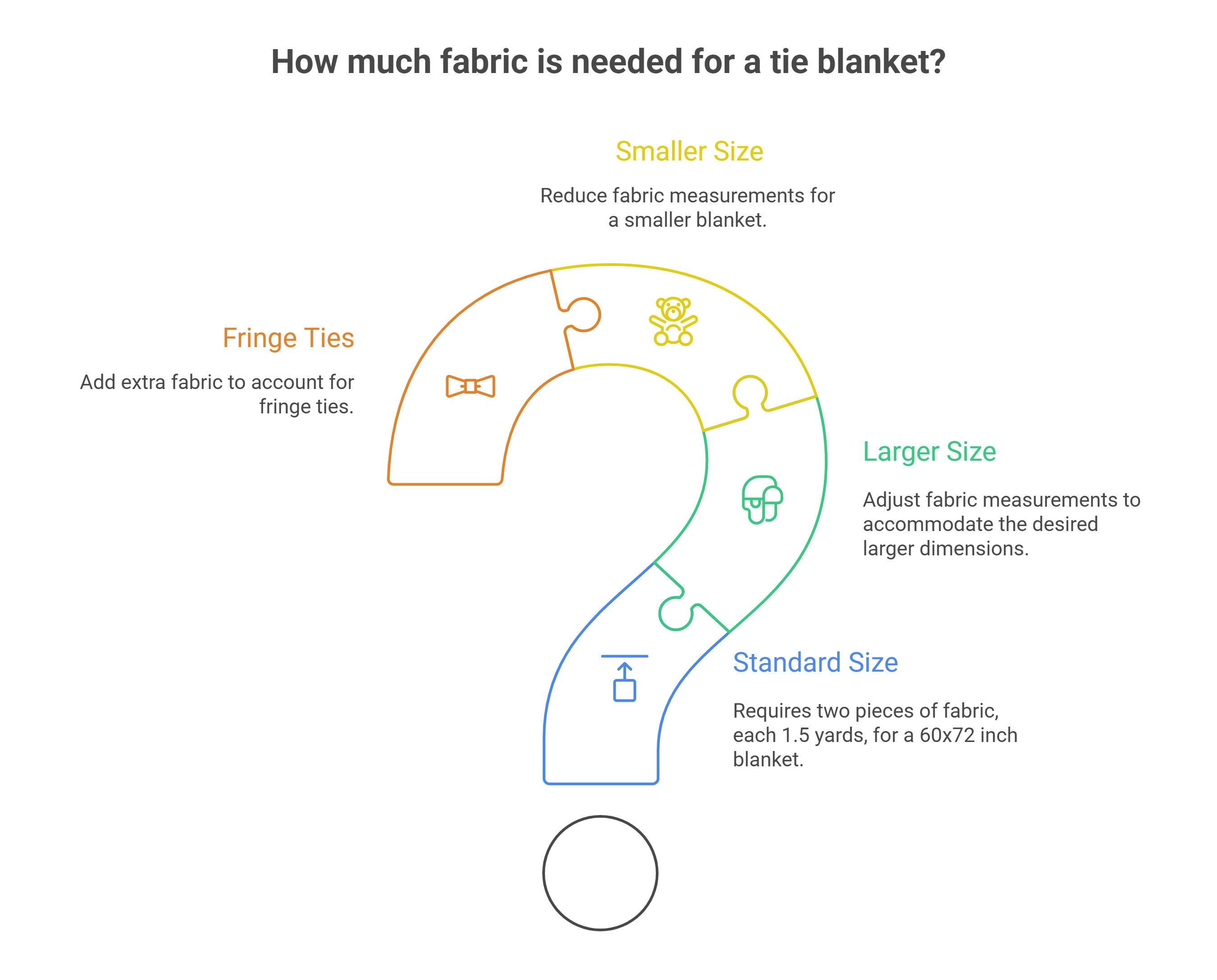
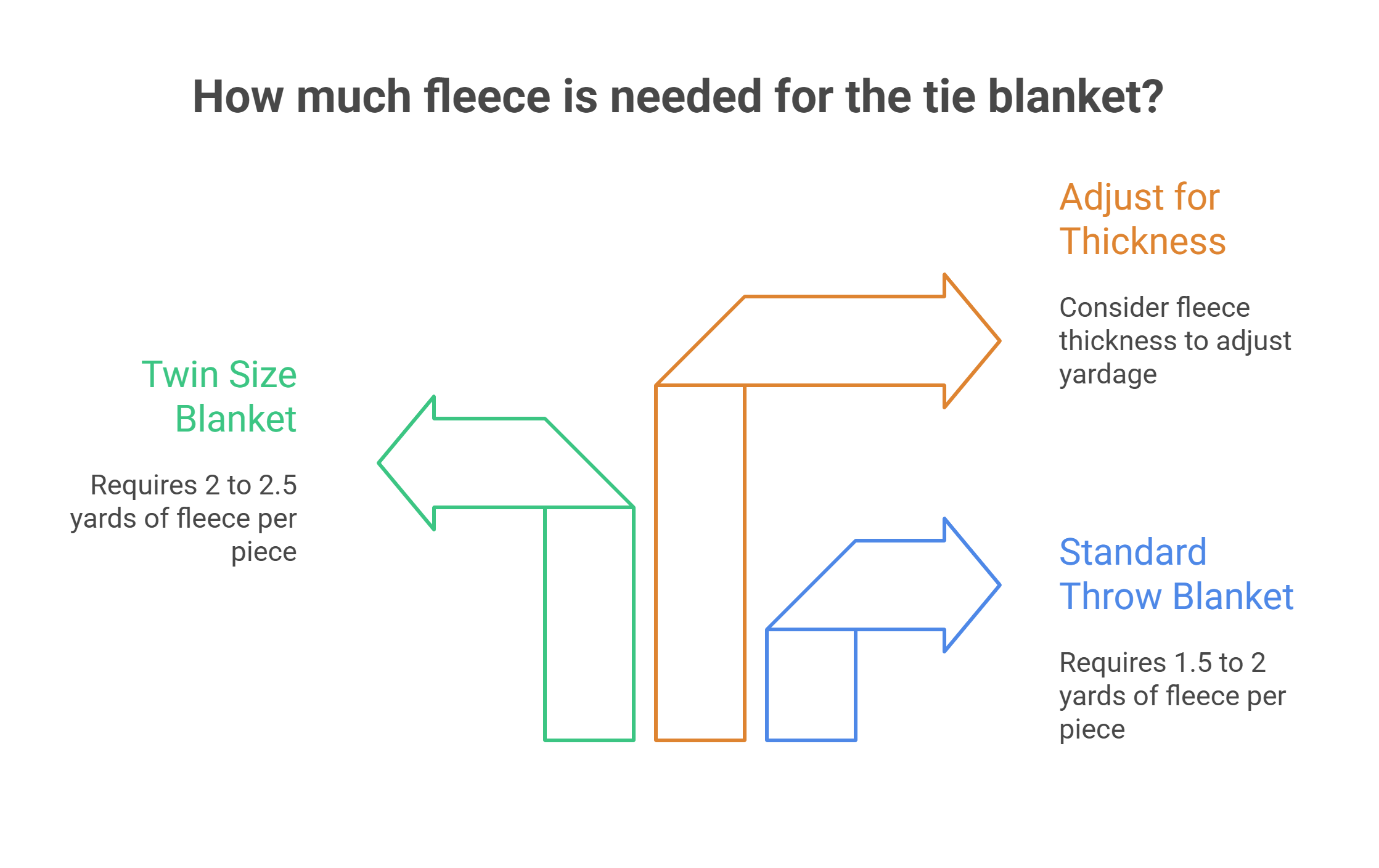
If you’re wondering how much fabric do I need to make a tie blanket, the simple answer is: you’ll need two equal pieces of fleece fabric, each measuring about 2 yards (72 inches) for a standard adult blanket, 1.5 yards for a teen or throw, and 1 yard for a child’s blanket.

For crafting multiple blankets or saving on cost, consider buying fleece blankets wholesale or fleece blankets bulk, as these options provide consistent quality, large quantities, and better pricing per yard—perfect for family projects, classrooms, or gift-making.

Now let’s dive deeper.

Why Tie Blankets Are So Popular?

Tie blankets have become a beloved DIY project across all age groups. They’re cozy, customizable, and don’t require sewing—a simple craft that transforms plain fleece into something warm, beautiful, and meaningful. Whether you’re crafting for family, charity, or your home décor, the first question always remains: how much fabric do I need to make a tie blanket?

The answer depends on factors like the blanket’s size, fabric type, and desired design. And for anyone making several blankets—perhaps for a fundraiser, classroom, or small business—purchasing fleece blankets wholesale or fleece blankets bulk is a cost-efficient solution that guarantees uniform material quality and reduces waste.

1. Understanding What a Tie Blanket Is

A tie blanket is made from two layers of fleece fabric—typically anti-pill or plush fleece—cut into identical rectangles. Instead of stitching the edges, the crafter cuts fringe-like strips around the perimeter and ties both layers together.

The result is a soft, no-sew blanket with a fun, knotted border that feels handmade and personal. Because fleece doesn’t fray, there’s no need for hemming, making it an excellent choice for beginners and kids.

Buying fleece blankets wholesale or fleece blankets bulk ensures you get matching patterns and colors for all your blanket sets—especially useful if you’re making them for an organization or event.

2. Determining How Much Fabric You Need

So, how much fabric do I need to make a tie blanket? It depends on who you’re making it for. Here’s a standard guide:

Blanket SizeDimensions (Approx.)Fabric Needed (Per Layer)Total Fleece Needed
Baby36” x 36”1 yard2 yards total
Child48” x 60”1.5 yards3 yards total
Teen/Throw60” x 72”2 yards4 yards total
Adult72” x 90”2.5 yards5 yards total
Queen/King90” x 108”3 yards6 yards total

Always remember that you need two pieces of fleece—one for the top and one for the bottom. You can choose matching colors, coordinating solids and prints, or even school/team themes.

If you plan on making multiple blankets, ordering fleece blankets wholesale or in fleece blankets bulk quantities ensures consistency in size, color, and softness—plus, it significantly reduces the per-blanket cost.

3. Choosing the Right Type of Fleece

When selecting fleece for tie blankets, you’ll typically find two main options:

  • Blizzard Fleece: Softer and thicker, ideal for warmth and durability.
  • Anti-Pill Fleece: Resistant to pilling and looks newer for longer, great for gifts and long-term use.

If you’re sourcing material for large-scale projects, fleece blankets wholesale suppliers often offer both types in various patterns—solids, plaids, animal prints, and seasonal designs. You can even mix and match patterns (e.g., one solid and one printed) to create layered visual appeal.

Buying fleece blankets bulk also ensures you get consistent fabric weight and feel across all blankets, a critical factor if you’re making them for resale or brand gifting.

4. Cutting and Preparing the Fabric

Once you have your fleece, follow these steps to prepare it for your tie blanket project:

  1. Lay both pieces together: Place the two fleece layers on a large flat surface, wrong sides facing each other.
  2. Trim the edges: Ensure both layers are the same size. Trim any factory edges or uneven lines.
  3. Cut the corners: Cut out 5-inch squares from each corner. This helps the blanket lie flat once tied.
  4. Create the fringe: Around the edges, cut 5-inch-long strips about 1 inch wide. These will be the ties.

If you’re producing multiple blankets, pre-cutting fabric from fleece blankets bulk rolls can save hours of prep time and keep uniform dimensions across your products.

5. Tying the Knots

Once your strips are cut, start tying!

  • Tie each pair of top and bottom strips together using a double knot.
  • Work around the edges until the entire blanket is complete.
  • Shake it out to remove loose fleece fibers and flatten the knots.

This simple process makes tie blankets one of the most beginner-friendly DIY crafts. For schools, teams, or nonprofits making them in batches, using fleece blankets wholesale allows everyone to work with pre-matched materials, speeding up group crafting events.

6. Cost-Effective Options: Wholesale and Bulk Fleece

One of the smartest ways to save on fabric costs is by purchasing fleece blankets wholesale or fleece blankets bulk from trusted suppliers. Let’s explore why:

a. Lower Price per Yard

Buying wholesale means you pay significantly less than retail prices, making it ideal for large projects or organizations.

b. Consistent Quality

Wholesale lots are often cut from the same production batch, ensuring consistent thickness, softness, and color.

c. Easier Sourcing

Suppliers offering fleece blankets bulk usually stock a wide range of colors and patterns, allowing you to mix and match easily.

d. Ideal for Customization

If you run a small business selling tie blankets, ordering fleece blankets wholesale enables you to maintain uniform product standards and even brand your creations with tags or packaging.

e. Perfect for Events and Donations

Many schools, community groups, and charities purchase fleece blankets bulk for donation drives, craft nights, or holiday gifts—combining affordability with meaningful craftsmanship.

7. Tips for Perfecting Your Tie Blanket

To make your tie blanket both beautiful and durable, keep these tips in mind:

  • Choose coordinating fabrics: Pair a print with a solid for contrast.
  • Avoid stretching the fleece: It can distort your cuts.
  • Double-check alignment: Misaligned layers lead to uneven fringes.
  • Use fabric scissors or a rotary cutter: It saves time and ensures clean edges.
  • Prewash not required: Fleece doesn’t shrink, so you can cut and tie right away.

For bulk crafting projects, especially when using fleece blankets bulk, setting up a cutting station and an assembly line (cutters, tiers, quality checkers) improves efficiency and ensures all blankets have a professional finish.

8. Design Inspiration and Seasonal Ideas

If you’re using fleece blankets wholesale options, you’ll likely find seasonal and thematic patterns perfect for:

  • Winter Holidays: Snowflakes, reindeer, or plaid patterns.
  • Sports Teams: Local team colors for fan blankets.
  • Charity Drives: Cheerful prints or solid colors for hospitals and shelters.
  • Children’s Designs: Cartoon characters, dinosaurs, or animals.

When you buy fleece blankets bulk, you can mix patterns for every occasion—making it easy to produce a variety of designs without overspending.

9. How Much Does It Cost to Make a Tie Blanket?

The total cost depends on fabric quality and where you source it. On average:

  • Retail: $20–$35 per blanket (2–4 yards of fleece).
  • Wholesale/Bulk: $10–$15 per blanket when ordering fleece blankets wholesale.

When you buy fleece blankets bulk, your price per unit drops dramatically, allowing for affordable gifting, fundraising, or small-scale resale.

10. Why Fleece Is the Perfect Material?

Fleece remains the top choice for tie blankets because of its:

  • Softness & Warmth: Perfect for cozy nights.
  • Durability: Withstands repeated washing without losing shape.
  • Non-Fraying Texture: Ideal for no-sew crafts.
  • Vibrant Colors & Patterns: Available in hundreds of designs when buying fleece blankets wholesale.

It’s no wonder that schools, families, and crafters keep using fleece blankets bulk to create these timeless, comforting pieces.

Final Thoughts

So, how much fabric do I need to make a tie blanket? The answer may vary depending on size, but typically, two matching fleece pieces—1 to 3 yards each—will do the job. And when you’re making more than one blanket, buying fleece blankets wholesale or fleece blankets bulk is the smartest way to save money while ensuring top quality.

Whether you’re crafting for warmth, love, or a good cause, tie blankets bring comfort and creativity together—and the right fabric source makes it even better. So grab your scissors, your fleece, and a little imagination—the perfect tie blanket awaits!

Where to Donate Blankets?

17 Jul

Quick Answer: Where to Donate Blankets?

If you’re wondering where to donate blankets, there are several impactful options — from local homeless shelters and animal rescues to disaster relief organizations and hospitals. Donating blankets can bring warmth and comfort to those facing harsh conditions or emergencies.

Many charities also welcome new or unused items from fleece blankets wholesale and fleece blankets bulk suppliers, making large-scale donations even more practical. Whether it’s for people, pets, or victims of natural disasters, your blanket donation can make a life-changing difference.

Now let’s dive deeper.

The Power of a Simple Gesture

In a world where many struggle to meet even their basic needs, something as simple as a blanket can become a symbol of care and comfort. As temperatures drop and living costs rise, countless individuals and families find themselves without adequate warmth during the colder months. That’s why knowing where to donate blankets matters.

Blanket donations go far beyond providing physical warmth—they offer emotional comfort, dignity, and a sense of security. Whether you’re a business owner with extra stock, a community group organizing a drive, or an individual wanting to help, your contribution has immense value. In this guide, we’ll explore where to donate blankets, how to make the biggest impact, and the types of organizations that most need your support.

1. Homeless Shelters: The First Stop for Warmth

Homeless shelters are among the most common and important places to donate blankets. These facilities provide refuge for people who are living on the streets or temporarily displaced.

During winter, many shelters struggle to meet the demand for warm bedding. Donations of clean, gently used, or new blankets are always appreciated. You can reach out to your local shelter or city’s Department of Homeless Services to ask about current needs.

Many shelters prefer durable and easy-to-clean options, such as fleece blankets wholesale donations, because fleece is lightweight, warm, and machine-washable — ideal for frequent use in shared environments.

Examples of organizations:

  • The Salvation Army – Operates shelters and outreach programs nationwide.
  • Volunteers of America – Provides housing and support for individuals facing homelessness.
  • Local mission shelters – Small, community-based shelters often have the greatest need.

2. Domestic Violence Shelters: Offering Comfort During Crisis

Domestic violence shelters provide safe havens for individuals escaping abusive situations, often with little more than the clothes they’re wearing. Donating blankets to these shelters provides more than physical warmth—it offers emotional comfort and stability during one of the hardest transitions of a person’s life.

Before donating, call the shelter to confirm their policies. Some may only accept new blankets for hygienic reasons. Others may also welcome related items like bedding, towels, or personal care kits.

A soft, cozy blanket can go a long way in helping survivors feel safe and supported as they rebuild their lives.

3. Disaster Relief Organizations: Supporting Victims in Emergencies

Natural disasters—such as hurricanes, floods, and wildfires—often displace thousands of families within hours. Relief organizations like the American Red Cross, Team Rubicon, and Direct Relief rely heavily on donations to provide emergency supplies to affected communities.

Blankets are always in high demand during these crises. Donating through national or regional relief programs ensures your contributions are distributed quickly and efficiently to areas most in need.

If you’re part of a company or group with access to fleece blankets bulk supplies, partnering with these organizations can help send large quantities of warm, durable blankets directly to disaster zones.

4. Hospitals and Nursing Homes: Bringing Warmth to Patients

Hospitals, nursing homes, and assisted living centers often welcome blanket donations, especially for long-term patients and elderly residents. For those spending extended periods in care facilities, a soft blanket can add a personal touch of comfort to otherwise sterile environments.

Before donating, check with the administration. Most facilities require new blankets due to strict hygiene protocols, and they often prefer materials like fleece or cotton because they’re soft, lightweight, and easy to sanitize.

Consider creating custom “care bundles” that include a small note of encouragement — a heartfelt gesture that reminds patients they’re not alone.

5. Animal Shelters and Rescues: Comfort for Furry Friends

Blankets aren’t just for people. Animal shelters and rescue organizations constantly need soft materials to line cages, create comfortable bedding, and help nervous animals feel at ease.

Used blankets, towels, and linens are typically accepted as long as they’re clean and free from holes or loose threads. Fleece blankets are especially useful since they provide warmth without shedding fibers that could be ingested by animals.

Donating to your local animal rescue not only helps animals feel secure but also saves shelters money they can redirect toward food, medicine, and adoption programs.

6. Churches and Community Centers: Local Impact, Personal Touch

Many faith-based groups and community organizations run year-round or seasonal drives for clothing and blankets. Churches often partner with local charities, homeless shelters, and refugee centers to ensure donations reach those most in need.

The benefit of donating through these local channels is that your contributions directly impact your own community. It’s also a great way to involve friends, family, or coworkers in charitable giving.

Some centers even organize “blanket drop-off days,” where donors can meet volunteers and learn how their donations are being used.

7. Schools, Youth Groups, and Corporate Drives

Educational institutions and businesses often host blanket donation drives during the winter season. These drives are an excellent way to engage larger groups and multiply impact.

Schools can encourage students to bring new or gently used blankets, teaching them empathy and community responsibility. Companies can partner with fleece blankets wholesale suppliers to purchase items in bulk and distribute them through trusted charities or hospitals.

By collaborating with local nonprofits, these organized efforts can reach hundreds—sometimes thousands—of people in need within a single campaign.

8. International Organizations and Refugee Assistance Programs

If you’re looking to make a global impact, international aid organizations are another excellent option. Groups like UNICEF, CARE, and Refugees International provide blankets and survival gear to displaced families in war-torn or disaster-affected regions.

When donating internationally, it’s often best to send funds or coordinate with logistics partners rather than shipping physical goods yourself. However, if you’re working with manufacturers or have access to fleece blankets bulk distributions, some organizations can arrange direct supply chain delivery to refugee camps or emergency response centers.

9. Online and National Donation Platforms

In the digital age, donating doesn’t always require physical drop-offs. Several online platforms and charity directories help connect donors with verified organizations that accept blankets and other essentials.

Examples include:

  • Goodwill Donation Centers – Local drop-offs for textiles and household goods.
  • Charity Navigator – Helps you find legitimate charities near you.
  • One Warm Coat / Warm Up America! – Nonprofits that coordinate national blanket and clothing drives.

These services ensure your donations go to trustworthy organizations while simplifying logistics.

10. Preparing Your Blankets for Donation

Before donating, it’s important to ensure your items meet the receiving organization’s standards. Follow these simple guidelines:

  • Cleanliness: Wash all blankets thoroughly and fold them neatly.
  • Condition: Only donate items in good condition—no stains, rips, or pet hair.
  • Packaging: Use sealed bags or boxes to protect items during transit.
  • Labeling: If donating in bulk, label the contents and quantity for easier distribution.

If donating new items, include size or fabric details on the packaging (for instance, “Twin Fleece Blankets – 50 pcs”). Small touches like these make distribution faster and more organized.

11. The Ripple Effect of Blanket Donations

Your blanket donation can spark a ripple effect of kindness. Beyond offering warmth, it can inspire others in your circle to do the same. What begins as one person’s gesture can grow into a community-wide initiative that supports hundreds of people.

Final Thoughts

Moreover, bulk or corporate donations can make a lasting impact. Businesses sourcing from fleece blankets wholesale vendors can amplify their charitable reach while managing costs efficiently. Many suppliers even collaborate directly with nonprofits, offering discounted rates for donation purposes.

Donating blankets might seem like a small act, but for someone in need, it can mean everything. From homeless shelters to hospitals, from animal rescues to disaster zones, every blanket represents warmth, care, and humanity.

So the next time you find yourself asking where to donate blankets, remember that help is needed everywhere — locally and globally. Whether you donate one blanket or a thousand, your contribution matters.

If you’re organizing a larger drive or representing a business, consider sourcing from trusted fleece blankets wholesale or fleece blankets bulk suppliers to make your generosity go further. A simple act of giving warmth can brighten lives, strengthen communities, and remind us all that compassion never goes out of style.

The Importance of Donating Blankets

Blankets are more than just bedding; they represent warmth, security, and comfort. For someone experiencing homelessness, fleeing from domestic violence, or recovering from a disaster, a blanket can be one of the most valuable possessions. Unlike other donations, blankets serve a direct and immediate need. They help shield people from cold nights, offer emotional comfort, and even reduce health risks associated with prolonged exposure to low temperatures.

This makes blanket donations one of the most impactful yet often overlooked contributions you can make.

Understanding the Need

The demand for blankets is far greater than most realize. According to various social welfare organizations, thousands of people sleep outdoors every night in urban and rural areas alike. In emergency shelters, blankets are among the first items to run out. Hospitals, nursing homes, and refugee centers also rely heavily on donations to keep individuals safe and warm.

Additionally, animal shelters use donated blankets to line cages, provide bedding, and comfort rescued animals. The versatility of a single blanket highlights why knowing where to donate blankets can make a significant difference.

Where to Donate Blankets Locally?

If you’re wondering where to donate blankets?, start with your own community. Local options include:

  • Homeless Shelters: These organizations often operate at full capacity, especially in winter. A donated blanket may be the only warmth someone has during the night.
  • Churches and Community Centers: Many faith-based groups and nonprofits host clothing and blanket drives throughout the year.
  • Hospitals and Nursing Homes: These institutions may accept new blankets for patients, especially in pediatric and long-term care units.
  • Animal Shelters: Dogs and cats benefit greatly from soft, clean blankets that provide comfort and reduce stress.

These outlets ensure your contribution stays close to home, impacting neighbors and community members directly.

National and International Organizations

Beyond local efforts, many larger organizations accept blanket donations on a national or global scale:

  • Red Cross: Known for disaster relief, the Red Cross frequently distributes blankets to families displaced by fires, storms, or emergencies.
  • Salvation Army: This nonprofit has wide-reaching donation programs and ensures blankets reach individuals in shelters or low-income families.
  • Goodwill and Thrift Stores: While primarily resale-based, proceeds from donated items, including blankets, support job training and community development programs.
  • Project Linus: Specializing in handmade blankets, this group donates to children in hospitals, shelters, and foster care.

Donating to these organizations ensures your gift has a broader reach, extending comfort to people across regions and sometimes even internationally.

Tips for Donating Blankets

Before making a donation, there are a few important considerations:

  1. Condition Matters: While many organizations accept gently used items, ensure blankets are clean, stain-free, and free of damage.
  2. New vs. Used: Some institutions, like hospitals, may only accept new blankets for hygiene purposes. Always check guidelines.
  3. Material Preferences: Fleece, cotton, and wool are often preferred because of their durability and warmth.
  4. Contact First: A quick call or website check can confirm what an organization currently needs.
  5. Consider Timing: Donations spike during the winter but are needed year-round, especially in disaster-prone areas.

Donating Through Blanket Drives

Seasonal blanket drives are a convenient way to give back. Schools, workplaces, and community groups frequently organize drives during the fall and winter months. These efforts make it easy to donate multiple blankets at once and often provide assurance that the donations will be delivered to trusted organizations.

Participating in a drive not only makes the donation process simple but also encourages a sense of collective community action.

Digital Age Donations: Buy and Ship

Thanks to online platforms, you can now donate blankets without leaving your home. Many nonprofits maintain wish lists on sites like Amazon, where you can purchase blankets and have them shipped directly to the organization. This method ensures the items are exactly what’s needed and saves time while still making an impact.

The Emotional Impact of Blanket Donations

Donating a blanket is not just a material act; it’s an emotional one. For someone in crisis, receiving a blanket signals care and dignity. It shows that people outside their immediate circle are willing to extend kindness. In many testimonials, recipients have expressed how much comfort a simple blanket gave them during their most difficult times.

This emotional connection is what transforms a piece of fabric into a meaningful gift of compassion.

Midway Reflection

At this point, you may already be identifying opportunities in your neighborhood or favorite charity. The question where to donate blankets? is not just about logistics—it’s about making a conscious choice to contribute warmth where it’s needed most. From homeless shelters to animal rescues, every donation tells someone they are seen, valued, and supported.

Encouraging Others to Join In

One blanket donation makes a difference, but a community effort multiplies the impact. Encourage friends, coworkers, and family to join in. You could organize a small blanket drive at work, involve your children in collecting donations, or promote local nonprofits on social media. The ripple effect of shared generosity can transform dozens—or even hundreds—of lives.

Final Thoughts

So, where to donate blankets? The options are many, from local shelters and hospitals to national organizations and international relief efforts. The key is to choose an outlet that aligns with your values and ensures your gift reaches those in need. Whether it’s a single blanket or a dozen, every donation adds warmth and comfort to someone’s life.

In a world where small gestures can create big impacts, giving a blanket is a reminder that compassion is timeless. Take the step today, and let your generosity wrap someone in warmth.

Where Can I Donate Blankets for the Homeless?

17 Jul

Quick Answer: Where Can I Donate Blankets for the Homeless?

If you’ve ever asked yourself, “Where can I donate blankets for the homeless?” the good news is, there are many trusted places ready to accept your generosity. From local shelters and churches to nationwide charities and community outreach groups, each organization ensures your donation goes directly to those in need.

Whether it’s a brand-new blanket or one bought in bulk, such as fleece blankets wholesale, your contribution can provide warmth, comfort, and dignity to someone facing cold nights without a home.

Now let’s dive deeper.

The Power of a Simple Blanket

A blanket may seem like a small gesture, but for someone living without shelter, it represents safety, warmth, and comfort. Winter months are especially harsh, and many homeless individuals struggle to survive freezing nights without adequate protection. Donating blankets is one of the most direct ways to make a difference, and often, the question isn’t whether to donate but where to donate.

Why Blanket Donations Matter?

Homelessness is not just a lack of shelter—it’s a lack of basic human necessities. Blankets serve multiple purposes:

  • Warmth and Protection: They help shield against harsh weather conditions.
  • Comfort and Dignity: A blanket gives a sense of security, especially for individuals sleeping on the streets.
  • Practicality: Blankets are portable, easy to use, and can be shared among families.

Studies show that something as simple as a blanket can reduce health risks associated with cold exposure, such as hypothermia and respiratory illnesses.

Local Homeless Shelters

The most direct and effective place to donate blankets is your local homeless shelter. Shelters often operate with limited budgets and welcome donations of essentials like clothing, bedding, and hygiene products.

  • How to Find Them: A quick Google search for “homeless shelter near me” can provide multiple options.
  • What They Accept: Most shelters prefer new blankets, but gently used ones may also be accepted depending on the facility’s policies.
  • Why It Matters: Shelters distribute donations immediately, ensuring your blanket reaches someone in urgent need.

Churches and Religious Organizations

Churches, mosques, synagogues, and temples frequently run outreach programs for the homeless. These organizations often hold donation drives and are well connected to communities in need.

  • Advantages: They usually have volunteers to distribute items directly on the streets or through events.
  • Best Practices: Contact them beforehand to ask about specific needs.

If you’re considering buying in bulk, donating fleece blankets wholesale can make a huge difference during winter outreach programs run by faith-based groups.

National Charities and Nonprofits

Many large organizations collect and distribute blankets nationwide. Some well-known ones include:

  • The Salvation Army: With locations across the U.S., they provide shelter and essential items year-round.
  • Goodwill: Often accepts donations and sells them at affordable prices, with proceeds funding employment and training programs.
  • Project Linus: Specializes in blanket donations, focusing on handmade blankets for children in need.

These organizations are trusted and ensure your donation reaches the right hands.

Hospitals and Crisis Centers

You might not immediately think of hospitals or crisis centers, but they are essential donation points. Many serve homeless patients or individuals in transitional housing. A blanket provides both medical and emotional comfort for patients with nowhere else to turn.

Women’s shelters and domestic violence crisis centers also welcome blankets, as they often serve mothers and children escaping dangerous situations with very few belongings.

Community Outreach Groups

Grassroots organizations often work directly with the homeless population in local areas. These groups are highly effective because they:

  • Deliver items directly on the streets.
  • Build personal relationships with people in need.
  • Use donations quickly and efficiently.

Contact your city’s community outreach group to learn about blanket drives or donation drop-off points.

Schools and Student Organizations

Universities, schools, and student clubs frequently run blanket donation drives during colder months. Donating to these groups is an excellent way to support both the homeless and local students’ volunteer efforts. Plus, students often collaborate with shelters and nonprofits, ensuring your donation reaches the right people.

Animal Shelters

Here’s something many people overlook—animal shelters also welcome blanket donations. While not directly connected to homelessness, many homeless individuals keep pets as companions. Local animal shelters may accept gently used blankets, and in some cases, joint efforts with human shelters help both people and pets stay warm.

Tips for Donating Blankets

  1. Choose the Right Type: Fleece blankets are highly recommended because they are lightweight, warm, and easy to clean.
  2. New vs. Used: New blankets are always preferred, but gently used ones in good condition may be accepted.
  3. Bulk Purchases: If you want to donate on a larger scale, consider buying fleece blankets wholesale—it’s cost-effective and maximizes impact.
  4. Check Policies: Always confirm donation policies before dropping items off.
  5. Include Extras: Consider pairing blankets with socks, gloves, or hygiene kits.

Buying and Donating in Bulk

If you’re planning a large donation or organizing a community drive, buying in bulk is the smartest option. Fleece blankets wholesale are affordable, durable, and easy to distribute. Many online retailers and local suppliers offer wholesale pricing, making it possible to stretch your budget while helping more people.

Making Blanket Donations Personal

While donating to big organizations is effective, there’s also power in direct giving. If you feel safe, consider handing blankets directly to people in need. This not only provides immediate warmth but also reminds them that they are seen, valued, and cared for.

Adding a small handwritten note with your blanket can also make a huge difference—sometimes, emotional warmth is just as important as physical warmth.

Final Thoughts

A blanket may not end homelessness, but it can make a freezing night bearable. When you ask, “Where can I donate blankets for the homeless?” the answer is simple: anywhere people need compassion, warmth, and dignity.

Whether you donate through local shelters, churches, national charities, or directly to individuals, your action matters. Consider buying in bulk, supporting community drives, or even organizing your own donation effort.

In the end, one blanket can change one night—and sometimes, that’s all it takes to restore hope.