Archive by Author

What Is Sherpa Made Of?

8 Jul

Quick Answer: What Is Sherpa Made Of?

Sherpa is made from soft synthetic materials—primarily polyester—designed to mimic the warmth, texture, and coziness of real wool. Unlike traditional wool, sherpa fabric is lightweight, machine-washable, and hypoallergenic, making it a favorite for cozy apparel and home textiles.

When sourced through fleece blankets wholesale or fleece blankets bulk suppliers, sherpa offers unmatched comfort, durability, and affordability for businesses in the bedding, fashion, or gift industries. It’s the perfect combination of plush comfort and practical performance for both everyday use and luxury warmth.

Now let’s dive deeper.

The Cozy Allure of Sherpa Fabric

Few materials capture the essence of comfort quite like sherpa. Whether it’s a soft blanket draped over your couch or the inside lining of your favorite winter jacket, sherpa instantly conveys warmth, softness, and luxury. But despite its familiar texture, most people don’t realize what sherpa is actually made of—or why it has become one of the most popular materials in modern textile design.

The term “sherpa” comes from the famous Sherpa people of Nepal, known for their endurance and resilience in cold climates. The fabric is inspired by the warm, woolly clothing they traditionally wore, but with a modern, synthetic twist. Unlike real wool, sherpa fabric is crafted to be both cozy and practical, offering the same comforting warmth without the heaviness or maintenance challenges of natural fibers.

1. What Exactly Is Sherpa?

Sherpa fabric is a synthetic textile that replicates the luxurious softness of wool fleece. It’s typically made from 100% polyester, though sometimes it’s blended with other fibers like acrylic or cotton to adjust texture and breathability.

Sherpa fabric is characterized by two distinct sides:

  • The smooth knit side — resembling a soft suede or jersey surface.
  • The fluffy, textured side — which mimics the curly, cloud-like feel of sheep’s fleece.

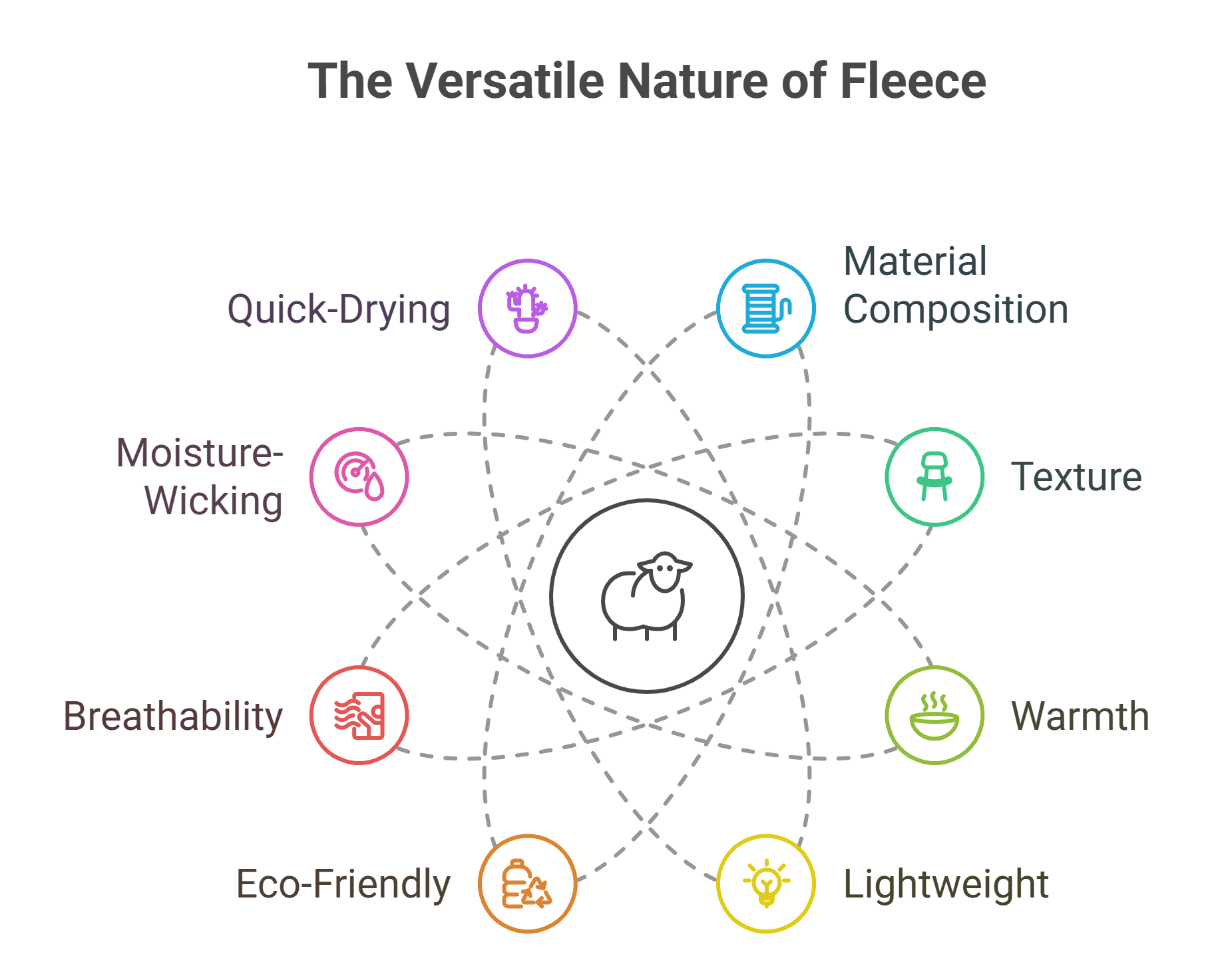
This dual structure allows sherpa to be both visually appealing and functionally versatile—offering insulation and comfort without excessive weight. It’s a material engineered for modern lifestyles: easy to clean, quick to dry, and durable enough for repeated use.

2. How Sherpa Is Made: The Science Behind the Softness

To understand what sherpa is made of, it helps to explore how it’s constructed. The process begins with polyester fibers, a synthetic polymer derived from petroleum. These fibers are spun into fine threads and then knit or woven into a base fabric.

Once the base is formed, one side undergoes a special brushing or napping process, where tiny loops of the fabric are teased out and trimmed to create a high-pile, fluffy texture. The result is a soft, fleece-like layer that retains air pockets for insulation—this is what gives sherpa its signature warmth.

Some variations of sherpa are even made from recycled polyester, offering an eco-conscious alternative that doesn’t compromise on quality or comfort. Advances in textile manufacturing have also allowed for anti-pill finishes and moisture-wicking treatments, making modern sherpa fabrics more durable and functional than ever.

3. Sherpa vs. Fleece: What’s the Difference?

Many people use “sherpa” and “fleece” interchangeably, but they’re not identical. Fleece refers to a broader category of synthetic fabrics made for warmth, while sherpa is a specific type of fleece that mimics wool’s texture and feel.

Here’s how they differ:

FeatureFleeceSherpa
TextureSmooth and uniformWool-like, fluffy, curly pile
WeightLight to mediumMedium to heavy
WarmthHighVery high
Best UseOuterwear, blankets, liningsLining, throws, decorative blankets

Both are made from similar materials, but sherpa provides a more luxurious, plush experience—which is why it’s commonly used in fleece blankets wholesale and retail products designed for comfort and style.

4. The Benefits of Sherpa Fabric

Sherpa’s popularity isn’t just about looks—it’s about performance. Here’s why it’s beloved by manufacturers and consumers alike:

a. Exceptional Warmth

The fluffy texture traps heat, keeping you warm without overheating. It’s ideal for cold-weather products like jackets, hoodies, and blankets.

b. Lightweight and Breathable

Despite its thickness, sherpa remains lightweight. Its air pockets enhance insulation while allowing airflow, maintaining comfort over long periods.

c. Easy Maintenance

Unlike natural wool, sherpa is machine-washable and dries quickly. Its synthetic composition prevents shrinking and fading, making it perfect for frequent use.

d. Hypoallergenic and Vegan-Friendly

Since it’s made from polyester, sherpa contains no animal fibers, making it hypoallergenic and cruelty-free—ideal for eco-conscious and vegan consumers.

e. Softness That Lasts

Sherpa doesn’t lose its softness over time. With proper care, its fibers retain their plushness, making it a long-lasting comfort material.

5. Common Uses of Sherpa Fabric

Sherpa is one of the most versatile textiles in the market. It’s widely used across industries for both functional and aesthetic purposes.

  • Blankets and Throws: Cozy sherpa blankets are a staple in homes, especially during winter. Many suppliers offer fleece blankets bulk for retailers and hospitality industries.
  • Jackets and Hoodies: Sherpa-lined outerwear provides warmth without adding bulk.
  • Home Décor: Pillows, chair covers, and even rugs feature sherpa textures to add a cozy ambiance.
  • Pet Products: Sherpa beds and mats keep pets warm and comfortable.
  • Baby Products: Its hypoallergenic softness makes it perfect for baby blankets and sleepwear.

6. Why Businesses Love Sherpa: The Wholesale Advantage

For businesses in home goods, hospitality, or retail, sherpa is more than just a soft material—it’s a high-value product. Purchasing fleece blankets wholesale allows businesses to meet customer demand for affordable, luxurious comfort without sacrificing quality.

Wholesale sherpa blankets come in various sizes, weights, and colors, making them ideal for hotels, hospitals, spas, and promotional merchandise. They are also a top choice for corporate gifting during the colder months.

When ordered as fleece blankets bulk, companies benefit from:

  • Lower unit costs
  • Consistent quality across products
  • Easy customization with logos or embroidery
  • Faster fulfillment for seasonal campaigns

Wholesale suppliers also ensure compliance with safety and quality standards, making sherpa blankets a reliable and profitable inventory choice.

7. Sustainability and Modern Innovations

Although sherpa originated as a petroleum-based fabric, manufacturers are now moving toward eco-friendly versions made from recycled polyester or sustainable blends. These innovations maintain the same softness and warmth while reducing environmental impact.

Some advanced sherpa materials even incorporate biodegradable fibers, moisture control features, and static reduction technology—ideal for high-performance apparel and luxury textiles alike.

For eco-conscious brands purchasing fleece blankets bulk, opting for recycled sherpa offers a balance between sustainability and consumer appeal.

8. Caring for Sherpa: Keeping It Soft and Fluffy

Proper care can make sherpa last for years. Here are a few professional maintenance tips:

  • Wash in cold water: Warm water can cause matting or reduce softness.
  • Use mild detergent: Avoid bleach or harsh chemicals that can damage fibers.
  • Air dry or tumble dry low: High heat can melt polyester fibers.
  • Brush gently after drying: Use a soft brush to restore the fluffy texture.

Following these steps helps maintain the plush feel that customers expect from premium sherpa and fleece products.

9. Sherpa in Modern Fashion and Interior Design

Sherpa isn’t limited to function—it’s also a design trend. Its luxurious texture has become a statement in modern minimalism, where tactile comfort meets aesthetic simplicity. Designers use sherpa for cozy-chic home interiors, layered winter fashion, and premium accessories.

In Detroit, Cleveland, and other northern cities, sherpa throws and jackets are must-have items during colder months—both for comfort and for style. The rising popularity of fleece blankets wholesale collections reflects this growing demand for warmth with elegance.

Final Thoughts

So, what is sherpa made of? The answer lies in its carefully engineered blend of polyester fibers, crafted to deliver warmth, softness, and durability. Whether you’re curling up with a sherpa blanket or donning a sherpa-lined jacket, you’re experiencing the comfort of modern textile innovation.

For businesses, sourcing fleece blankets wholesale or fleece blankets bulk provides a strategic advantage—offering customers premium-quality products that balance affordability with luxury. Sherpa is more than just a cozy fabric; it’s a symbol of comfort, craftsmanship, and sustainability in today’s textile world.

How Many Yards of Fabric Do I Need for a Tie Blanket?

1 Jul

Quick Answer: How Many Yards of Fabric Do I Need for a Tie Blanket?

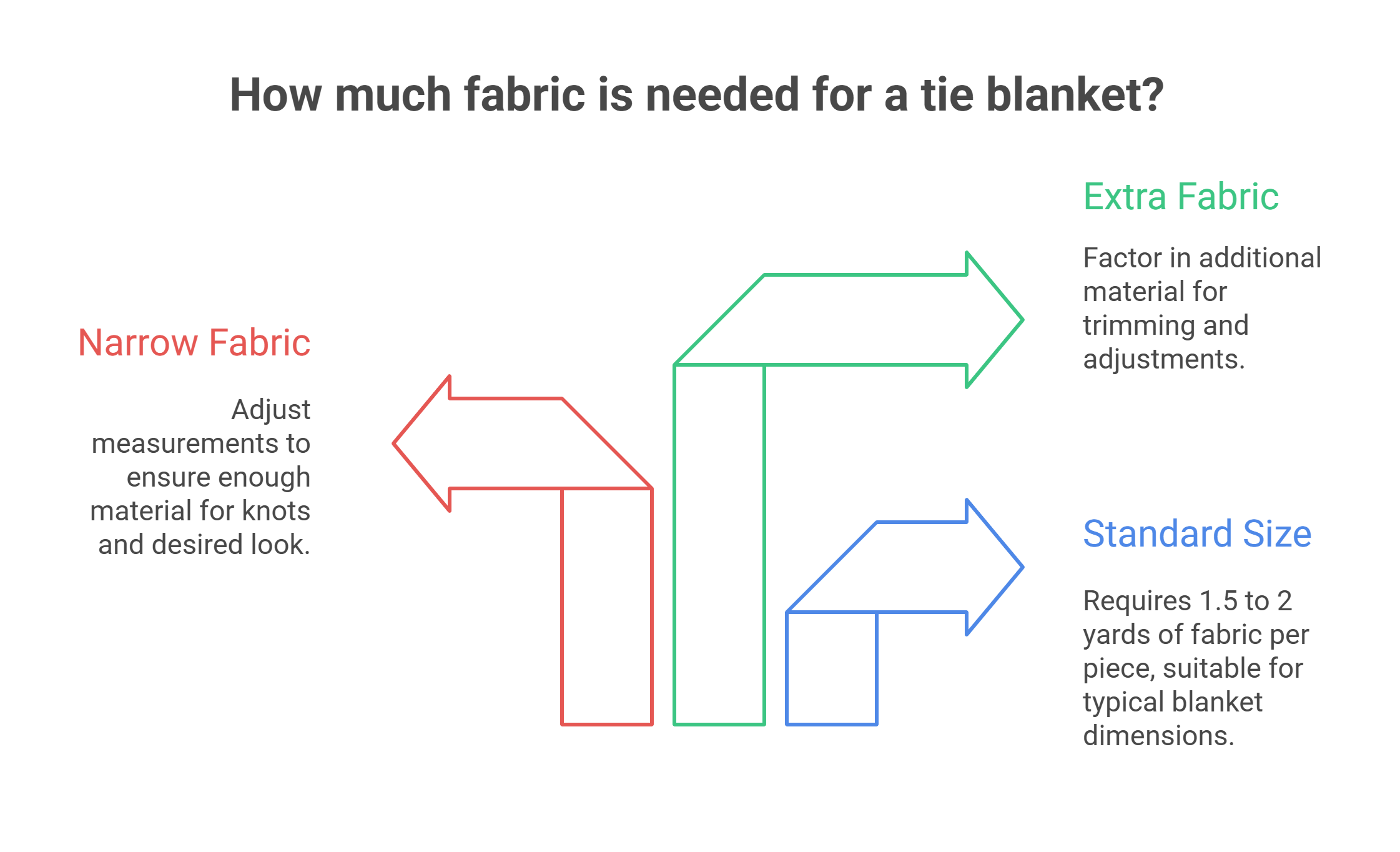
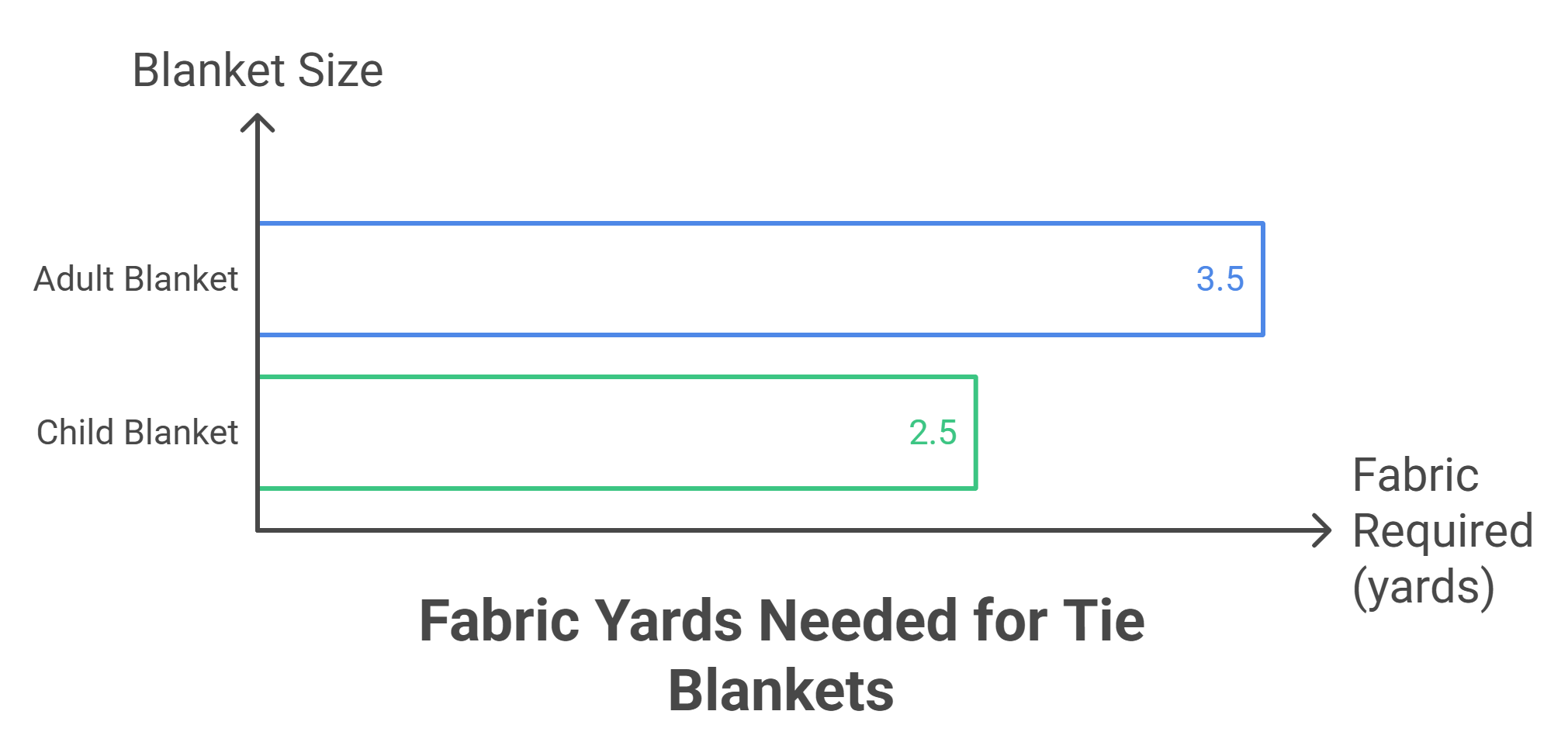
If you’re wondering how many yards of fabric you need for a tie blanket, the answer depends on the size of the blanket you want to make. For a standard adult-size tie blanket, you’ll typically need two pieces of fleece fabric—each 2 yards long.

For a child-size blanket, 1.5 yards per piece is usually enough, while a larger bed-size blanket may require 2.5 to 3 yards per piece. Remember, both layers are essential for that cozy, double-sided warmth and soft, knotted edge finish.

Now let’s dive deeper.

The Cozy Craft That Everyone Loves

Few DIY projects are as rewarding—or as simple—as making a tie blanket. These soft, warm, and no-sew blankets have become a favorite among crafters, families, and even charities. Whether you’re creating one as a personal keepsake, a gift, or a donation, the process is fun, relaxing, and customizable.

But before you start cutting and tying, the first big question arises: How many yards of fabric do you actually need for a tie blanket?

Choosing the right amount of fleece ensures you don’t run short halfway through or waste money buying too much. The answer depends on several factors—like who the blanket is for, the fabric width, and how big you want the finished piece to be.

1. Understanding What a Tie Blanket Is

A tie blanket is made from two layers of fleece fabric—usually coordinating or contrasting colors. The edges are cut into strips and tied together to form knots, securing the two pieces without sewing. The result is a soft, double-layered blanket with a decorative fringe.

Because fleece doesn’t fray, there’s no need for hemming or sewing. This makes tie blankets perfect for beginners, families with kids, or anyone who wants to create something cozy without a sewing machine.

2. Fabric Yardage for Different Blanket Sizes

When calculating how many yards of fleece you need, it’s essential to consider the intended size of the blanket. Here’s a quick guide to common sizes and yardage:

Blanket TypeApproximate DimensionsFabric Needed (per layer)
Baby Blanket36 x 36 inches1 yard
Child Blanket48 x 60 inches1.5 yards
Teen/Throw Blanket50 x 70 inches2 yards
Adult Blanket60 x 72 inches2 yards
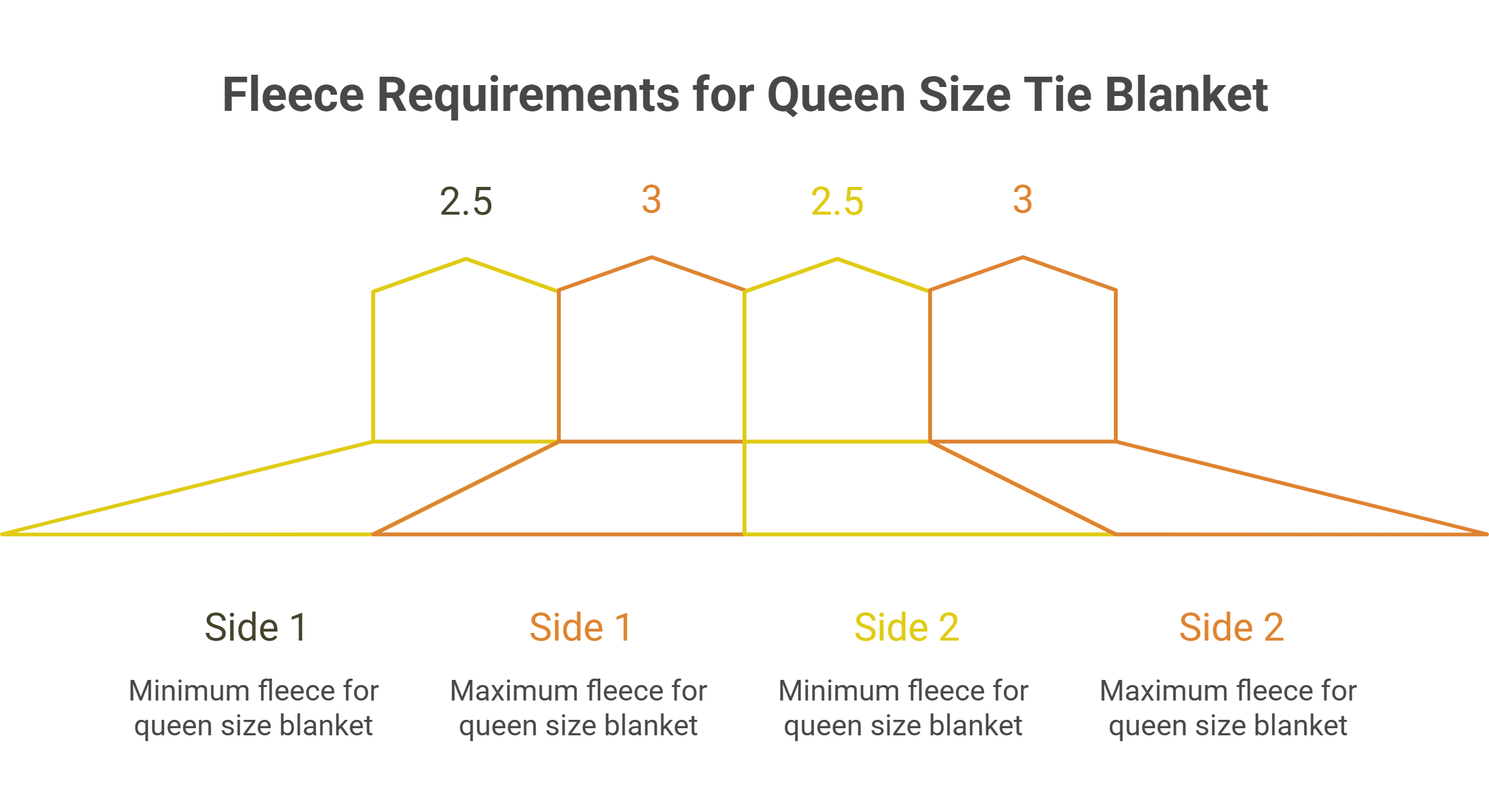
Queen Bed Blanket90 x 90 inches2.5–3 yards
King Bed Blanket108 x 90 inches3 yards

Remember that you need two layers—so for an adult blanket, you’ll need 4 yards total (2 yards per layer).

If you’re unsure, it’s better to buy an extra half yard for each layer, especially if your fleece has uneven edges or a printed pattern you want to align perfectly.

3. The Role of Fabric Width

Most fleece fabrics come in 58 to 60 inches wide, which is ideal for most blanket sizes. However, always check the width before cutting—some specialty fleece fabrics may be narrower or wider.

If you’re planning a very large blanket, the width becomes a limiting factor. For instance, if your fleece is only 54 inches wide, your blanket will naturally be shorter unless you add additional panels (which isn’t typical for tie blankets).

4. Choosing the Right Type of Fleece

There are different types of fleece to consider when shopping for fabric:

  • Anti-pill fleece: The most popular choice—it resists fuzzing and looks smooth after multiple washes.
  • Blizzard fleece: A bit heavier and warmer, perfect for colder climates.
  • Microfleece: Lightweight and softer but not as thick.
  • Printed fleece: Adds character and fun patterns—great for kids or themed gifts.

Make sure both layers are similar in texture and stretch so that tying the edges feels uniform.

5. Preparing Your Fabric

Before you start cutting, lay both pieces of fleece flat on top of each other, right sides facing out. Trim off any uneven edges or manufacturer’s labels. You’ll also need to cut out small squares (about 4 x 4 inches) from each corner to make tying easier and neater.

Use a ruler or cutting mat to ensure consistent fringe width. Most people prefer cutting 1-inch-wide strips about 4 inches long along all four sides.

6. How to Make a Tie Blanket (Step-by-Step)?

Here’s a simple process to follow once you’ve got your fabric ready:

  1. Lay the fleece layers: Place one on top of the other, aligning the edges.
  2. Trim and square the fabric: Make sure both layers are the same size.
  3. Cut corner squares: Remove 4-inch squares from each corner.
  4. Cut fringe strips: Around the entire edge, cut 1-inch-wide, 4-inch-deep strips.
  5. Tie the knots: Tie each top and bottom strip together in a double knot. Continue around the blanket.

Once done, your blanket will have a beautiful, knotted edge and double the warmth.

7. Creative Ideas for Custom Tie Blankets

Tie blankets are as versatile as your imagination. You can mix and match colors, patterns, or textures to create something truly unique. A few creative combinations include:

  • Sports themes: Team logos on one side and solid colors on the other.
  • Seasonal patterns: Snowflakes for winter, florals for spring.
  • Charity drives: Hospitals and shelters often welcome fleece tie blanket donations.
  • Personalized gifts: Add an embroidered name tag or patch before tying.

Whether for decor or comfort, these blankets bring warmth and personality to any space.

8. Tips for Buying Fleece Fabric Efficiently

Buying fleece can get expensive if you’re making multiple blankets. To save costs:

  • Watch for seasonal sales: Craft stores and online retailers often run discounts during winter months.
  • Buy in larger quantities: Ordering fleece blankets wholesale can significantly reduce your cost per yard. Many suppliers offer discounted pricing for bulk purchases, which is ideal for schools, charities, or crafting groups.
  • Mix solid and patterned fleece: Using a solid color for one layer and a pattern for the other can balance cost and style beautifully.

If you’re planning to make several tie blankets—for gifts, business, or donations—consider sourcing fleece blankets bulk. Wholesale suppliers often provide consistent fabric quality at lower prices, making it easy to create cozy and affordable blankets without compromising on comfort.

9. Common Mistakes to Avoid

Even a simple project like this can have pitfalls. Here are a few mistakes to steer clear of:

  • Uneven cutting: This leads to mismatched fringe lengths and crooked edges.
  • Not aligning patterns: If you’re using printed fleece, ensure designs are centered before cutting.
  • Tying knots too tight: Overly tight knots can warp the blanket edges.
  • Using mismatched fleece weights: Heavy and light fleece together can feel uneven and twist after washing.

Take your time with the cutting and tying steps—precision makes the final product look professional and polished.

10. Maintaining and Caring for Your Tie Blanket

Fleece is low-maintenance, but caring for it properly ensures longevity:

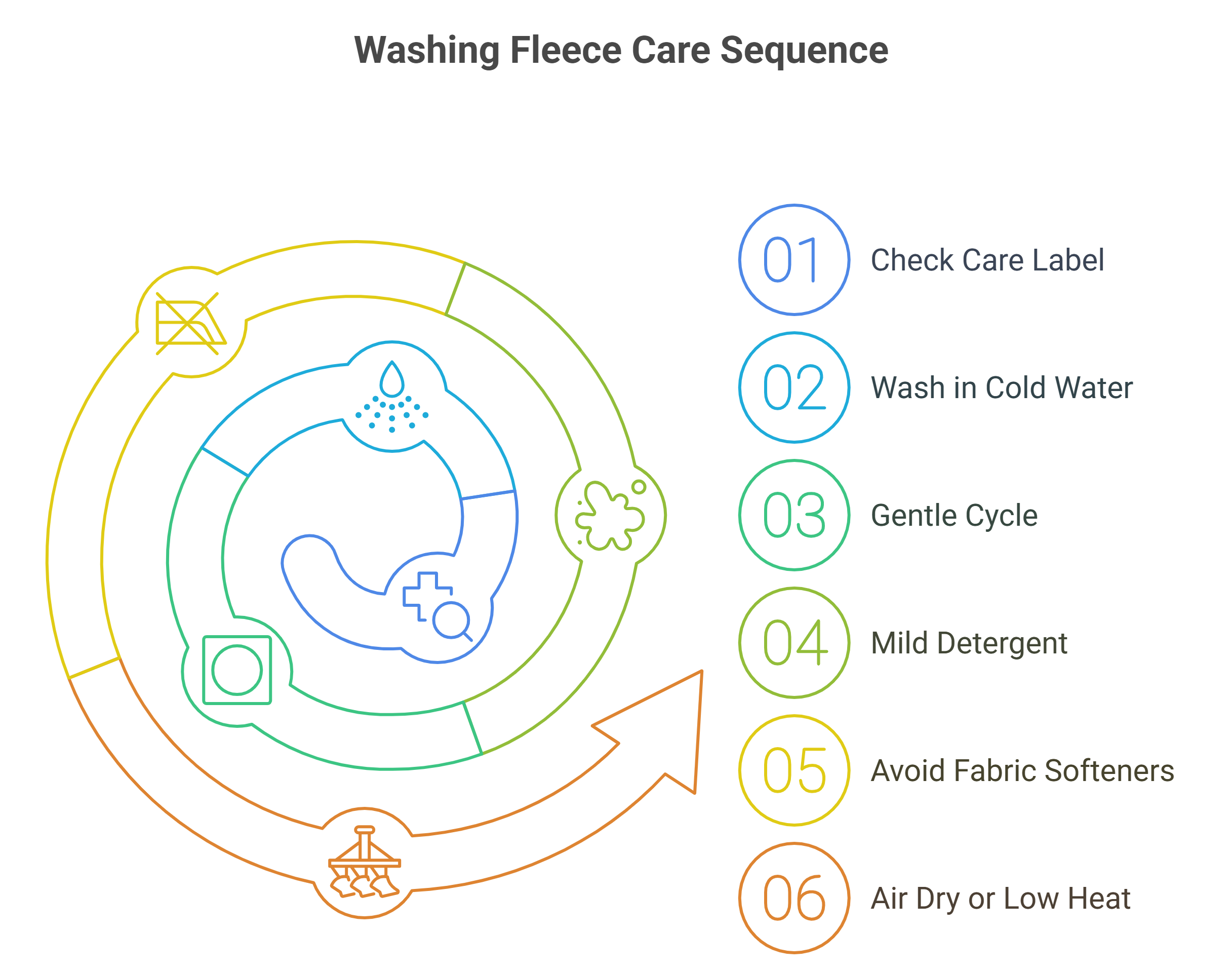
  • Machine wash cold on gentle cycle.
  • Avoid fabric softeners, as they can reduce fleece softness over time.
  • Tumble dry low or air dry for best results.
  • Do not iron, since fleece can melt under high heat.

When cared for properly, your blanket will remain plush and cozy for years to come.

Final Thoughts

Making a tie blanket is more than just a weekend craft—it’s a creative way to express care, warmth, and comfort. Knowing how many yards of fabric you need for a tie blanket ensures your project turns out perfectly sized and professionally finished.

For most adults, two 2-yard pieces of fleece work beautifully, while smaller blankets can be adjusted accordingly. And if you’re planning multiple projects or group activities, sourcing fleece blankets wholesale or fleece blankets bulk can help you save money while keeping the quality high.

With a bit of planning, precision, and creativity, you’ll have a soft, stylish blanket that keeps you (or someone special) warm for many cozy seasons ahead.

What Is Sherpa Fleece?

1 Jul

Quick Answer: What Is Sherpa Fleece?

Wondering what is Sherpa fleece and why it’s such a popular fabric for comfort products? Sherpa fleece is a soft, warm, and lightweight synthetic material designed to mimic the cozy texture of sheep’s wool. It’s often used in jackets, throws, and especially blankets because it combines plush comfort with durability.

Businesses that buy fleece blankets wholesale or stock fleece blankets bulk love Sherpa fleece for its premium feel, affordability, and low-maintenance care—making it ideal for homes, hotels, promotional gifts, and seasonal product lines.

Now let’s dive deeper.

The Cozy Revolution Behind Sherpa Fleece

In the world of cozy textiles, Sherpa fleece has earned a top spot for both comfort and practicality. The name “Sherpa” comes from the Sherpa people of Nepal, known for their warm clothing suited for cold mountain climates. While true Sherpa wool is natural and traditional, Sherpa fleece—its modern counterpart—is fully synthetic yet engineered to deliver the same warmth and plushness without the weight or expense.

Today, Sherpa fleece is not only a fashion and home décor staple but also a business favorite for companies sourcing fleece blankets wholesale or in fleece blankets bulk quantities. Its ability to balance comfort, cost, and versatility makes it a top choice across industries.

1. What Exactly Is Sherpa Fleece?

Sherpa fleece is a man-made fabric, usually composed of polyester or a polyester-cotton blend, designed to look and feel like wool. The material features two distinct sides:

  • The outer side: Smooth, often made with a knit texture that provides durability and aesthetic appeal.
  • The inner side: Soft, fluffy, and wool-like—this is the Sherpa layer that delivers warmth and comfort.

This dual-sided structure gives Sherpa fleece its unique appeal. The smooth side ensures resilience and easy layering, while the inner side provides insulation and a luxurious touch.

Unlike natural wool, Sherpa fleece is lightweight, hypoallergenic, and dries quickly—making it a convenient alternative for both consumers and manufacturers.

2. The Origin and Naming of Sherpa Fleece

The term “Sherpa fleece” is inspired by the Sherpa people, native to the Himalayan region. These mountain dwellers are historically known for their heavy wool-lined garments that keep them warm at extreme altitudes.

While the modern fabric doesn’t use real wool, it mimics the look, feel, and insulation of traditional Sherpa wear. The goal was to replicate that same warmth but in a lightweight, machine-washable form that could be mass-produced.

As a result, textile innovators developed Sherpa fleece—a synthetic alternative that democratized comfort, allowing brands to create cozy products that anyone could afford.

3. How Is Sherpa Fleece Made?

Sherpa fleece production begins with synthetic yarns, primarily polyester. These fibers are:

  1. Knitted or woven into a base fabric.
  2. Brushed and napped to create the fluffy pile on one side.
  3. Heat-treated to lock in the softness and prevent shedding.

Some variations include blending polyester with cotton to improve breathability or adding recycled materials for sustainability. The brushing process is key—it gives Sherpa fleece its signature cloud-like texture.

The final result is a high-performance fabric that feels natural to the touch while being entirely machine-friendly and moisture-resistant.

4. Why Sherpa Fleece Feels So Soft?

The unparalleled softness of Sherpa fleece comes from the fine-gauge synthetic fibers used during manufacturing. These fibers are extremely thin—often thinner than human hair—and when brushed, they form micro air pockets.

These air pockets serve two main purposes:

  • Insulation: They trap body heat, keeping you warm without needing additional layers.
  • Softness: They create a plush surface that’s comforting against the skin.

That’s why Sherpa fleece is commonly used in blankets, hoodies, baby products, and winter wear—it’s soft enough for sensitive skin and cozy enough for cold weather.

5. Key Benefits of Sherpa Fleece

Sherpa fleece has gained massive popularity because it checks multiple boxes for comfort, practicality, and cost-effectiveness. Here are some standout advantages:

a. Warmth Without Weight

Unlike wool, Sherpa fleece is light and breathable, allowing wearers to stay warm without feeling bulky.

b. Moisture Resistance

Polyester fibers wick away moisture, ensuring you stay dry even in humid or damp conditions.

c. Easy Maintenance

Sherpa fleece is machine-washable and quick-drying—no special care needed.

d. Hypoallergenic

Unlike natural fibers that can irritate the skin, Sherpa fleece is non-irritating and ideal for those with sensitivities.

e. Affordable & Durable

For businesses, it’s cost-effective to produce and lasts longer than many natural fibers, making it perfect for fleece blankets wholesale and retail resale.

6. Sherpa Fleece vs. Regular Fleece: What’s the Difference?

Although both are synthetic and soft, Sherpa fleece has a few unique distinctions:

FeatureRegular FleeceSherpa Fleece
TextureSmooth, velvety surfaceFluffy, wool-like pile
WarmthModerateHigher insulation
LookUniform, sleekNatural, plush appearance
UseJackets, activewearBlankets, linings, winter clothing
CostSlightly lowerSlightly higher due to texture

In short, Sherpa fleece is designed for luxury comfort, while regular fleece is used for general-purpose warmth.

7. Practical Uses of Sherpa Fleece

Sherpa fleece’s versatility extends beyond personal comfort—it’s found in countless commercial and industrial applications.

a. Home Essentials

Blankets, throws, and cushion covers made of Sherpa fleece add warmth and style to living spaces.

b. Apparel

From hoodies to linings in winter jackets, Sherpa fleece is a go-to material for warmth without weight.

c. Pet Products

Many pet beds and accessories use Sherpa fleece for its softness and washability.

d. Hospitality Industry

Hotels, lodges, and resorts frequently buy fleece blankets bulk to provide guests with luxurious comfort at a low cost.

e. Promotional Merchandise

Brands often source fleece blankets wholesale to create personalized or branded giveaways, as they offer high perceived value and broad usability.

8. Caring for Sherpa Fleece Products

To keep Sherpa fleece looking and feeling like new, follow these simple care tips:

  1. Wash in cold water using a gentle cycle.
  2. Use mild detergent—avoid bleach or fabric softeners.
  3. Air dry or tumble dry on low heat to preserve softness.
  4. Brush lightly with a soft fabric brush to restore fluffiness after drying.

Following these steps ensures that Sherpa fleece products maintain their shape, color, and cloud-like texture for years.

9. Environmental Considerations and Sustainability

As demand grows, so does the focus on sustainability. Many modern manufacturers now produce eco-friendly Sherpa fleece using recycled polyester made from plastic bottles.

This innovation not only reduces waste but also appeals to environmentally conscious consumers. The result? Cozy, durable fleece products with a smaller ecological footprint.

If you’re sourcing fleece blankets wholesale, choosing suppliers that use recycled materials is a great way to combine business value with social responsibility.

10. Why Businesses Love Sherpa Fleece?

From a business perspective, Sherpa fleece offers a unique blend of market appeal and profitability. Whether you’re a retailer, hotel, or promotional brand, here’s why it’s a smart investment:

  • High perceived value – It feels premium without premium costs.
  • Versatility – Suitable for home goods, apparel, and branded merchandise.
  • Scalability – Easy to produce and customize for fleece blankets bulk orders.
  • All-season appeal – While best known for winter, Sherpa fleece products sell year-round.

It’s a product category that meets both consumer demand and business goals—a win-win scenario.

11. The Future of Sherpa Fleece

As textile innovation advances, Sherpa fleece continues to evolve. Manufacturers are developing ultra-soft microfleece hybrids, eco-conscious fibers, and temperature-regulating coatings that enhance the comfort and durability of the fabric.

The continued popularity of cozy home décor and wearable comfort means Sherpa fleece isn’t going anywhere soon. In fact, it’s becoming a mainstay in both luxury and budget markets alike.

Final Thoughts

So, what is Sherpa fleece? It’s more than just a fabric—it’s a revolution in comfort, combining the best qualities of natural wool and modern innovation. Its warmth, softness, and versatility make it a global favorite, from home blankets to retail products.

For businesses, investing in fleece blankets wholesale or fleece blankets bulk offers an unbeatable balance of affordability, quality, and customer satisfaction. Whether for home use, hospitality, or gifting, Sherpa fleece stands as a timeless symbol of comfort done right.

What Is a Sherpa Blanket?

30 Apr

Quick Answer: What Is a Sherpa Blanket?

So, what is a Sherpa blanket? A Sherpa blanket is a plush, double-sided throw designed to deliver maximum warmth and softness. It typically combines a smooth microfiber or flannel front with a fluffy, wool-like Sherpa backing that mimics real sheepskin.

These blankets have become a favorite in homes, hotels, and gift collections for their cozy texture and durability. Whether you’re buying for personal comfort or sourcing fleece blankets wholesale or fleece blankets bulk for business, Sherpa blankets provide luxury, comfort, and value all in one product.

Now let’s dive deeper.

The Blanket That Redefined Comfort

There are ordinary blankets—and then there are Sherpa blankets. Over the last decade, the Sherpa blanket has become synonymous with comfort, warmth, and modern home luxury. Named after the Sherpa people of Nepal, who are known for their resilience in cold mountain conditions, these blankets symbolize enduring warmth and softness.

But beyond the cozy exterior, Sherpa blankets have an interesting story and a blend of features that make them far more than just another throw. Whether used for home décor, gift purposes, or even promotional and retail sales, they’ve become a must-have in both consumer and fleece blankets wholesale markets.

1. What Exactly Is a Sherpa Blanket?

A Sherpa blanket is typically made from two distinct fabrics sewn together to achieve the perfect balance of comfort and practicality.

  • The outer layer (top side) is usually made from microfiber polyester or flannel fleece, offering a smooth and visually appealing finish.
  • The inner layer (reverse side) is Sherpa fleece — a synthetic material that resembles the soft, fluffy texture of sheepskin.

The combination of these two materials provides superior insulation without being overly heavy, which makes Sherpa blankets ideal for both indoor and outdoor use.

In essence, a Sherpa blanket gives you that same toasty warmth as a wool blanket, but without the itchiness or high maintenance.

2. The Origin of the Term “Sherpa”

The word “Sherpa” originally refers to an ethnic group native to the Himalayan regions of Nepal. They are renowned for guiding mountaineers through some of the world’s harshest, coldest terrains. The textile industry borrowed the term “Sherpa” to describe fabrics that mimic the same insulating and warming characteristics as the traditional wool garments worn by the Sherpa people.

Thus, when we refer to a “Sherpa blanket,” it’s more about the quality of warmth and texture rather than the geographic origin. The term represents durability, coziness, and high-altitude-grade insulation.

3. Materials Used in Sherpa Blankets

While Sherpa looks and feels like real wool, it’s actually made from synthetic polyester fibers. This not only keeps it animal-friendly but also ensures:

  • Softness: Fine microfibers replicate the natural curl of wool.
  • Durability: Unlike natural fibers, polyester doesn’t shrink or lose its shape easily.
  • Washability: Sherpa blankets are machine washable and easy to maintain.
  • Lightweight Warmth: The air pockets in the fleece structure trap heat efficiently.

Some Sherpa blankets combine polyester with other materials like acrylic or cotton to enhance texture and breathability.

4. Key Features That Make Sherpa Blankets Special

a. Dual-Sided Design

One of the most defining characteristics of a Sherpa blanket is its two-sided build—a plush side for looks and a fuzzy Sherpa side for warmth.

b. Incredible Softness

Sherpa fleece is known for its luxurious feel. It’s the kind of blanket you’ll instinctively reach for on a cold evening.

c. Hypoallergenic Material

Since Sherpa is made from synthetic fibers, it’s ideal for people sensitive to wool or allergens.

d. Temperature Regulation

Despite being warm, Sherpa is breathable. It traps heat when it’s cold and releases excess warmth when it’s not, helping you stay comfortable year-round.

e. Stylish Versatility

Sherpa blankets come in a variety of colors, patterns, and trims—perfect for gifting, home décor, or promotional branding.

5. Common Uses of Sherpa Blankets

Sherpa blankets are incredibly versatile. Here’s how they’re commonly used:

  • Home Comfort: Perfect for curling up on the couch, watching TV, or reading.
  • Bedroom Layering: Adds texture and warmth when layered on top of comforters.
  • Outdoor Adventures: Lightweight yet warm—ideal for camping, picnics, or bonfires.
  • Corporate Gifting: Popular in company merchandise or giveaways.
  • Retail & Resale: Many stores buy fleece blankets wholesale to meet high consumer demand during the colder seasons.

In short, Sherpa blankets are not only cozy but also practical across multiple industries—from hospitality to retail.

6. Comparing Sherpa Blankets with Regular Fleece Blankets

It’s easy to confuse Sherpa blankets with regular fleece blankets, but the difference lies in texture and layering.

FeatureSherpa BlanketRegular Fleece Blanket
FabricDual-sided (microfiber + Sherpa fleece)Single-layer fleece
TextureOne smooth side, one fluffy sideSmooth or brushed finish
WarmthWarmer due to double layerModerate warmth
WeightSlightly heavierLightweight
Luxury FactorHigh-end feelCasual comfort

If you’re sourcing fleece blankets bulk for resale, consider offering Sherpa options as your premium product line—they appeal to both comfort and luxury seekers.

7. How to Care for a Sherpa Blanket?

Proper care ensures that your Sherpa blanket stays fluffy and soft for years. Follow these easy steps:

  1. Machine Wash on Gentle Cycle: Use cold water and mild detergent. Avoid bleach.
  2. Avoid Fabric Softeners: They can coat fibers and reduce fluffiness.
  3. Air Dry or Low-Heat Tumble Dry: High heat can damage fibers and cause matting.
  4. Shake After Drying: Fluff it up to restore the Sherpa’s softness.

With minimal care, a Sherpa blanket retains its luxurious look and feel even after dozens of washes.

8. Why Businesses Love Sherpa Blankets?

From a business standpoint, Sherpa blankets are both profitable and popular.

  • High Perceived Value: Customers associate them with premium quality.
  • Low Manufacturing Cost: Despite their luxury feel, production costs are manageable.
  • All-Season Appeal: Although ideal for winter, Sherpa blankets also sell well as gifts year-round.
  • Customization Potential: Perfect for embroidery, monogramming, or corporate logos.

That’s why suppliers dealing in fleece blankets wholesale often include Sherpa blankets as one of their best-selling product lines.

9. Choosing the Right Sherpa Blanket

When buying Sherpa blankets—either for personal use or in fleece blankets bulk for business—consider the following factors:

  • GSM (grams per square meter): Indicates fabric weight and warmth. Higher GSM means denser, warmer fabric.
  • Size: Common options include throw (50″x60″), twin, queen, and king.
  • Edge Binding: Look for reinforced edges or stitched trims for durability.
  • Colorfastness: High-quality dye ensures color longevity after multiple washes.
  • Material Blend: A pure polyester Sherpa offers more durability, while blended types may provide extra softness.

10. Sherpa Blankets in Wholesale and Retail Markets

As consumer demand for cozy home essentials continues to grow, Sherpa blankets have become a lucrative item in both retail and wholesale markets.

In the fleece blankets wholesale industry, they’re often ordered by:

  • Hotels and resorts for premium bedding.
  • Corporate clients for branded gifts.
  • Retailers expanding their winter product line.
  • Nonprofits or community organizations for donations and giveaways.

For fleece blankets bulk buyers, choosing a reliable supplier ensures consistent quality and timely delivery during peak seasons. Many businesses also request private-label branding to create custom Sherpa blankets that reflect their own brand identity.

Final Thoughts

So now, when someone asks you, “What is a Sherpa blanket?”, you can confidently say it’s more than just a soft throw—it’s a symbol of comfort, luxury, and warmth wrapped into one cozy package.

Whether you’re curling up with one on a chilly evening, decorating your living room, or stocking up through fleece blankets wholesale channels for your business, the Sherpa blanket stands out for its unbeatable feel, versatility, and timeless appeal.

In short, Sherpa blankets aren’t just products—they’re experiences. Once you have one, every other blanket feels like a compromise.

How Much Fabric for Tie Blanket?

30 Apr

Quick Answer: How Much Fabric for Tie Blanket?

Wondering how much fabric for a tie blanket you’ll need? Typically, you’ll need two equal-sized pieces of fleece fabric, each measuring between 1.5 to 2 yards for a standard throw-sized blanket.

For a single-size blanket, go for 2 yards; for a larger one, like a queen or king, you might need up to 3 yards per layer. If you’re buying in bulk for crafting, schools, or resale, sourcing fleece blankets wholesale ensures consistent quality, matching colors, and significant savings per yard for every project.

Now let’s dive deeper.

The Popularity of DIY Tie Blankets

Few crafts are as warm—literally and figuratively—as making your own tie blanket. These no-sew fleece blankets have become a favorite among crafters, parents, students, and gift-givers alike. They’re cozy, affordable, and simple to make—requiring nothing more than scissors, two pieces of fleece, and a bit of time.

However, one of the first questions people ask before starting this project is: How much fabric do I need for a tie blanket? Getting the right amount is crucial. Too little, and you’ll end up with a skimpy blanket; too much, and you waste material. In this detailed guide, we’ll walk you through everything you need to know—fabric sizes, fleece types, yardage charts, and even tips for buying fleece blankets wholesale to save money.

Understanding the Basics of a Tie Blanket

A tie blanket is typically made using two layers of fleece fabric—one for the top and one for the bottom. These layers are laid on top of each other, the edges are cut into strips, and each strip is tied together in knots, creating a fringed edge. The result? A soft, double-layered, no-sew blanket perfect for snuggling, gifting, or donating.

Fleece is the go-to fabric because it’s warm, lightweight, doesn’t fray, and comes in an endless variety of patterns and colors. If you’re working on multiple blankets, consider getting fleece blankets wholesale for uniform quality and better pricing.

How Much Fabric for a Tie Blanket?

The amount of fabric you need depends on the size of the blanket you’re making. Here’s a general guideline:

Blanket TypeSize (inches)Fabric Needed (per layer)
Baby Blanket30″ x 36″1 yard
Child Blanket40″ x 50″1.5 yards
Teen / Throw Blanket50″ x 60″2 yards
Twin Bed66″ x 90″2.5 yards
Full / Queen Bed90″ x 90″3 yards
King Bed108″ x 90″3.5 yards

Important Note: You’ll need two pieces of fabric—one for the front and one for the back—of the same size.

So, if you’re making a standard throw (50″ x 60″), buy 2 yards of each fleece pattern (4 yards total). If you’re using fleece blankets wholesale, you can cut pre-sized blankets directly, skipping yard measurement entirely.

How to Measure Fabric for Tie Blankets?

  1. Choose Your Size: Decide who the blanket is for—a baby, child, or adult.
  2. Add Extra for Fringe: Each side of your blanket will lose about 4–5 inches during the cutting and tying process. Always buy slightly more than the final size you want.
  3. Cut Evenly: Align both layers perfectly and trim any selvage edges before you begin tying.
  4. Mark Cutting Zones: Use a ruler and fabric chalk to mark where your fringe cuts will go (usually 5 inches long and 1 inch wide).

Buying fleece blankets wholesale can simplify this process because most wholesale fleece comes pre-cut, uniform, and ready for tying—saving both time and material waste.

Choosing the Right Fleece Fabric

Not all fleece is created equal. When selecting fabric for your tie blanket, consider the following types:

1. Anti-Pill Fleece

This type maintains its smooth texture even after multiple washes. It’s perfect for everyday blankets that will see frequent use.

2. Blizzard Fleece

A denser and warmer fleece, ideal for colder climates or winter blankets.

3. Microfleece

Thin and lightweight, suitable for travel blankets or summer throws.

4. Plush or Sherpa Fleece

Offers an ultra-soft, luxurious feel—perfect for gifts or premium blankets.

If you’re crafting multiple tie blankets—for charity drives, classrooms, or resale—fleece blankets wholesale give you access to all these varieties at better rates. Many suppliers offer custom colors and prints when ordering in bulk.

Design Ideas and Color Combinations

Making a tie blanket isn’t just functional—it’s a creative experience! Here are some fun design tips:

  • Pattern + Solid: Combine a bold pattern (like stars or paw prints) with a solid color that complements it.
  • Team Spirit Blanket: Use your favorite sports team colors for a spirited look.
  • Holiday Themes: Reds and greens for Christmas, orange and black for Halloween, or pastels for Easter.
  • Personalized Touch: Add an embroidered patch or initials before tying the layers together.

When buying fleece blankets wholesale, you can often order in mixed-color packs—making it easier to experiment with design combinations for family, events, or business promotions.

Step-by-Step Guide: Making a Tie Blanket

Materials Needed:

  • 2 pieces of fleece (same size)
  • Sharp fabric scissors or rotary cutter
  • Ruler or measuring tape
  • Fabric chalk or marker

Steps:

  1. Lay Out the Fabric: Place the two fleece pieces on a flat surface, one on top of the other, right sides facing out.
  2. Trim Edges: Cut off any uneven edges or manufacturer labels.
  3. Cut Corners: Remove a 5×5 inch square from each corner to create space for the fringe.
  4. Create Fringe Strips: Cut 5-inch-deep strips along all four sides, each about 1 inch wide.
  5. Tie the Knots: Tie each pair of top and bottom fringe strips into double knots.
  6. Smooth the Surface: Once finished, shake out your blanket and enjoy your cozy new creation!

It usually takes about 1 to 2 hours to make a standard throw-size tie blanket, depending on your cutting speed and attention to detail.

Why Buy Fleece Blankets Wholesale?

If you plan to make several tie blankets—whether for gifting, resale, or donation—buying fleece blankets wholesale offers clear advantages:

  1. Cost Efficiency: Wholesale prices are significantly lower per yard or per piece.
  2. Bulk Availability: Get multiple colors and patterns in one order.
  3. Consistent Quality: Wholesale lots are often cut from the same production batch, ensuring color and texture consistency.
  4. Customization Options: Many suppliers offer logo printing or branded tags, ideal for schools, fundraisers, or retail use.
  5. Time Savings: Pre-sized fleece throws can save you cutting time, letting you start tying immediately.

For small businesses, craft shops, or Etsy sellers, sourcing fleece in bulk allows for better margins and faster turnaround. Whether you’re running a winter fundraiser or a handmade gift shop, the savings can quickly add up.

Common Mistakes to Avoid

Even though tie blankets are simple to make, beginners often make these errors:

  • Buying Too Little Fabric: Always account for the fringe area. If unsure, round up your measurements.
  • Using Mismatched Fabrics: Ensure both fleece layers are the same type and weight for an even finish.
  • Cutting Uneven Strips: Use a ruler for consistency to avoid awkward ties.
  • Overtightening Knots: Tying too tightly can distort the blanket’s shape. Keep knots firm but flexible.

Caring for Your Fleece Tie Blanket

To keep your blanket soft and long-lasting:

  • Machine wash in cold water.
  • Use a gentle cycle with mild detergent.
  • Avoid bleach and high heat drying.
  • Tumble dry on low or air dry for best results.

If you’re gifting or selling your creations, include a small care tag—it’s a thoughtful touch that adds professionalism.

Final Thoughts

Making a tie blanket is one of the simplest and most rewarding DIY projects out there. It combines creativity, practicality, and comfort all in one cozy package. The key to getting it right lies in choosing quality fleece and measuring correctly.

If you’re making more than one, consider sourcing fleece blankets wholesale to save time and money while ensuring consistent results. Whether it’s for family, charity, or business, your handmade tie blankets will bring warmth and joy to every occasion.

So grab your scissors, pick your favorite colors, and start tying—because comfort, creativity, and craftsmanship are only a few knots away.