Archive by Author

What Is Fleece Fabric Used For?

5 Nov

Quick Answer: What Is Fleece Fabric Used For?

Fleece fabric is a soft, lightweight, and insulating material commonly used for making cozy clothing, blankets, and accessories. Known for its warmth without added weight, it’s ideal for jackets, hoodies, throws, and even pet bedding.

Its moisture-wicking and quick-drying properties make it perfect for both indoor comfort and outdoor adventures. Whether for personal use or large-scale production, fleece fabric remains a versatile choice across industries — from fashion to home decor — due to its comfort, durability, and affordability.

Now let’s dive deeper.

1.Understanding Fleece Fabric: What Makes It So Popular?

Fleece fabric is a synthetic textile, usually made from polyester fibers, though some variants include blends with cotton, rayon, or spandex for added texture and flexibility. What makes fleece special is its brushed surface that traps air, creating insulation while keeping the fabric lightweight.

It mimics the warmth of wool but without the heaviness or itchiness. Additionally, fleece is:

  • Warm yet breathable
  • Soft to the touch
  • Easy to wash and quick to dry
  • Durable and wrinkle-resistant

These properties make fleece an all-season favorite — comfortable enough for winter wear and versatile enough for use in lighter layers during transitional weather.

2. Common Uses of Fleece Fabric

Fleece is one of the most adaptable materials in textile manufacturing. From apparel to home goods, it appears in countless forms across our daily lives.

a. Clothing and Outerwear

Fleece became a global phenomenon in the 1980s when outdoor brands began using it as a thermal layer. Today, you’ll find fleece in:

  • Jackets and hoodies: Retains heat without bulk.
  • Sweatshirts and pullovers: Perfect for layering in cold weather.
  • Sportswear: Ideal for hikers, runners, and campers due to its breathability.
  • Children’s wear: Lightweight warmth without irritation to the skin.
  • Sleepwear: Keeps you cozy without overheating.

Fleece garments are especially popular among those seeking comfort and practicality, blending style with functionality.

b. Home Textiles and Decor

One of the most beloved applications of fleece is in home furnishings. Its softness and warmth make it a natural choice for blankets, throws, and bedding accessories.

  • Fleece blankets have become household essentials, known for their cozy texture and vibrant designs.
  • Cushion covers and sofa throws use fleece for decorative and comfort purposes.
  • Baby blankets made from fleece provide gentle warmth without triggering allergies.

Manufacturers often produce fleece blankets wholesale for hospitals, hotels, dormitories, and event giveaways due to their cost-effectiveness and universal appeal.

c. Accessories and Everyday Items

Fleece goes far beyond clothing and blankets — it’s also used in smaller accessories and lifestyle products, including:

  • Scarves, gloves, and hats: Retains warmth while staying soft against the skin.
  • Slippers and socks: Keeps feet warm during colder months.
  • Pet beds and liners: Easy to clean, soft, and warm for pets.
  • Picnic mats and travel throws: Portable, lightweight, and easy to fold.

The adaptability of fleece makes it suitable for nearly any product requiring warmth, softness, and resilience.

3. Fleece in Outdoor and Sports Gear

Fleece is a staple in outdoor gear because it offers superior insulation without trapping moisture. It’s ideal for active wearers who need warmth while maintaining breathability.

  • Hiking and camping gear: Fleece jackets, liners, and sleeping bag interiors are essential for staying warm in the wild.
  • Performance wear: Lightweight fleece helps athletes retain warmth during cooldowns.
  • Base layers: Prevents sweat buildup, keeping the body dry and comfortable.

Its ability to wick moisture away from the body makes fleece particularly valuable for outdoor enthusiasts and travelers who experience varying weather conditions.

4. Medical and Institutional Applications

Beyond fashion and lifestyle, fleece fabric also finds uses in medical and institutional settings due to its hygienic, washable, and soft nature.

  • Hospital blankets: Provide warmth and comfort for patients without heavy laundering needs.
  • Veterinary clinics: Use fleece bedding for animal comfort and cleanliness.
  • Elder care facilities: Use fleece lap blankets and robes for warmth and ease of maintenance.

Because it dries quickly and resists odor, fleece is often preferred in high-turnover environments.

5. Eco-Friendly Innovations in Fleece

One concern with synthetic fabrics like polyester fleece is environmental impact. However, recent advances have led to eco-friendly fleece made from recycled PET bottles.

This sustainable version maintains the same softness and warmth while reducing plastic waste — a win for both comfort and the planet.

Many manufacturers and fleece blanket wholesalers now proudly advertise their products as made from 100% recycled materials, appealing to eco-conscious consumers.

6. Why Businesses Choose Fleece for Bulk Production?

For businesses, fleece fabric offers several commercial advantages:

  1. Cost-Effective Manufacturing – Producing fleece products is relatively inexpensive compared to wool or cotton-based alternatives.
  2. Customization Options – Fleece takes dye easily, allowing vibrant prints, patterns, and branding.
  3. Mass Market Demand – From giveaways to retail shelves, fleece products sell consistently year-round.
  4. Durability – Even with frequent washing, fleece maintains its shape and color.
  5. Lightweight Shipping – Reduces costs in distribution and bulk orders.

This explains why companies, schools, nonprofits, and event organizers often purchase fleece blankets wholesale — to maximize value while offering a practical, universally loved item.

7. Caring for Fleece: Maintenance Tips

Fleece is known for being low-maintenance, but a few care tips help extend its lifespan:

  • Wash in cold water: Prevents pilling and fiber damage.
  • Avoid fabric softeners: They can coat the fibers and reduce softness.
  • Air dry when possible: Keeps texture intact and saves energy.
  • Avoid high heat ironing: Fleece can melt under extreme temperatures.

Proper care ensures that fleece stays plush, bright, and comfortable for years.

8. Comparing Fleece with Other Fabrics

To understand fleece’s versatility, it helps to compare it with other popular fabrics:

Fabric TypeWarmthWeightMaintenanceCost
WoolExcellentHeavyModerateExpensive
CottonModerateMediumEasyAffordable
FleeceExcellentLightVery EasyAffordable
FlannelGoodMediumEasyModerate

As the table shows, fleece offers an unbeatable combination of warmth, comfort, and affordability, making it ideal for both personal use and commercial production.

9. The Future of Fleece Fabric

With advancements in textile technology, the future of fleece looks promising. Innovations like anti-pill fleece, microfleece, and stretch fleece are making their way into modern designs.

Additionally, as sustainability becomes a major consumer focus, recycled fleece fabrics will likely dominate the market. Businesses and manufacturers that adapt to these trends early will continue to thrive, offering customers eco-conscious comfort and style.

Final Thoughts

From cozy winter jackets to soft home throws, fleece fabric’s versatility is unmatched. Its warmth, lightness, and durability make it a preferred material across fashion, sports, home décor, and industrial uses.

For companies looking to meet growing consumer demand for comfort-driven products, sourcing fleece blankets wholesale is both a smart and economical decision. And for those aiming to scale operations or supply seasonal merchandise, investing in fleece blankets bulk ensures quality, affordability, and consistent market appeal — a soft touch that brings warmth to every corner of modern life.

How Much Is It to Make a Tie Blanket?

4 Nov

Quick Answer: How Much Is It to Make a Tie Blanket?

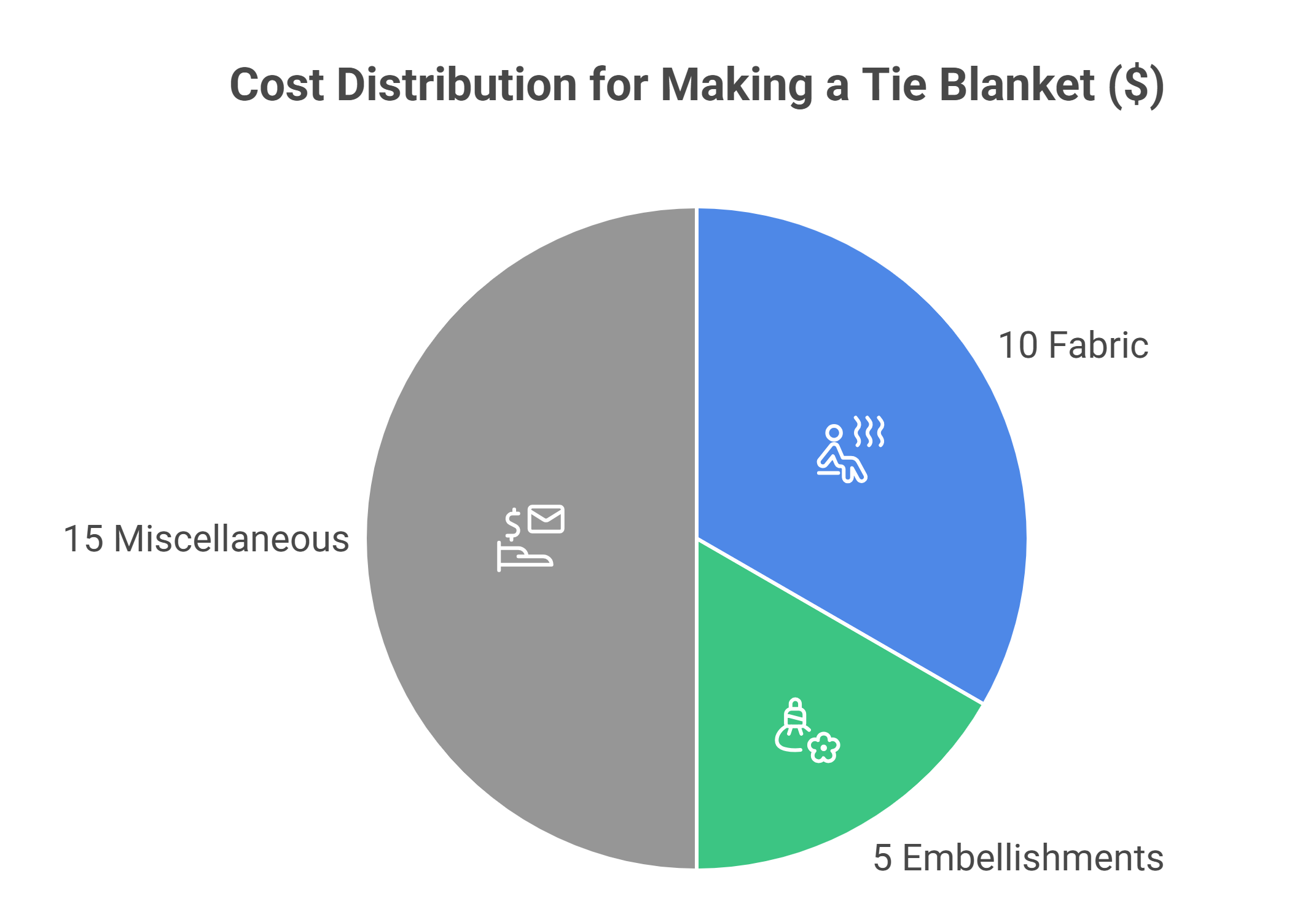
If you’re wondering how much is it to make a tie blanket, the total cost depends on the size, quality of fleece, and where you source your materials. On average, a small tie blanket can cost between $15–$25, while larger or premium versions range from $30–$50.

Buying fleece blankets wholesale or in fleece blankets bulk quantities can significantly reduce costs, especially for crafters, small businesses, or those making gifts for multiple people.

Now let’s dive deeper.
1. What Is a Tie Blanket?

A tie blanket is a no-sew fleece blanket made by layering two pieces of fabric (usually fleece), cutting small strips around the edges, and tying them together into knots. The result is a soft, double-layered blanket that’s warm, durable, and personalized—without requiring a sewing machine or advanced crafting skills.

It’s especially popular for:

  • Gifts (birthdays, holidays, baby showers)
  • DIY home décor
  • Fundraising or charity drives
  • School or team spirit projects

Because tie blankets are easy to make, they’ve become a favorite among DIYers, families, and classrooms across the country.

2. Materials Needed to Make a Tie Blanket

Before calculating cost, let’s list the essentials you’ll need:

a. Fleece Fabric

You’ll need two equal-sized pieces of fleece for the blanket—typically one printed and one solid-colored piece. Fleece comes in various qualities:

  • Anti-pill fleece: Most common, affordable, and resists fuzz.
  • Blizzard fleece: Thicker, warmer, great for winter.
  • Plush or luxe fleece: Premium and ultra-soft, but pricier.

b. Fabric Scissors or Rotary Cutter

Sharp scissors or a rotary cutter are a must for clean, even cuts around the edges.

c. Measuring Tools

A ruler, yardstick, or cutting mat helps maintain straight lines and equal strip lengths.

d. Optional Additions

  • Fabric glue (if you want to secure knots)
  • Ribbons for decorative touches
  • Storage bags or wrapping materials if making multiple blankets

3. How to Save Money When Making Tie Blankets?

If you plan to make multiple blankets—say, for a charity event, classroom project, or holiday gifts—costs can add up quickly. Here are some savvy ways to reduce expenses without compromising quality.

a. Buy During Fabric Sales

Retailers like Joann Fabrics, Hobby Lobby, and Walmart often offer fleece sales up to 60% off during winter or back-to-school seasons.

b. Use Coupons or Loyalty Programs

Online craft stores and fabric shops frequently run promotions or offer rewards for repeat customers. Signing up for newsletters can alert you to deals.

c. Buy Fleece Blankets Wholesale

Purchasing fleece blankets wholesale can drastically lower your per-blanket cost. Many suppliers sell pre-cut fleece sets ideal for tie blankets, often at prices well below retail. This option is perfect for classrooms, fundraisers, or community groups looking to make multiple blankets efficiently.

d. Go for Fleece Blankets Bulk Orders

If you’re creating tie blankets to resell or for large donation drives, fleece blankets bulk purchases are the best route. Bulk buying not only reduces cost per yard but also ensures color and texture consistency across all your projects.

4. Step-by-Step Overview: How to Make a Tie Blanket?

If you’re calculating cost, knowing the process helps you plan materials efficiently.

1. Lay out your two fleece layers (right sides facing out) on a flat surface.

2. Trim edges to ensure both pieces are the same size.

3. Cut out a small square (about 5 inches) from each corner.

4. Cut strips (1-inch wide, 5 inches long) along all four sides.

5. Tie each top and bottom strip together in a double knot.

6. Smooth the blanket and admire your cozy creation!

Depending on size, a tie blanket takes around 1–2 hours to make — less once you get into the rhythm.

5. Customizing Your Tie Blanket

Want to make your tie blanket stand out? Try these creative touches:

  • Use two different patterns: Mix a floral with a solid or a sports logo with a matching color.
  • Add embellishments: Sew or glue on felt shapes, initials, or small patches.
  • Create themed blankets: Holidays, birthdays, pets, or school colors.

Custom designs not only look unique but also make wonderful gifts or items to sell online through craft platforms like Etsy.

6. Where to Buy Affordable Fleece Fabric?

To keep your project cost-effective, buy from trusted sources.

Popular choices include:

  • Joann Fabrics: Frequent sales and a wide range of patterns.
  • Fabric.com or Amazon: Ideal for ordering bulk quantities online.
  • Walmart & Michaels: Convenient for small or one-off purchases.
  • Wholesale Fabric Suppliers: Perfect for those looking to scale or make blankets regularly.

Final Thoughts

So, how much is it to make a tie blanket? On average, expect to spend between $15 and $50, depending on materials and size. It’s a small investment for something that can last years, offering warmth, comfort, and personal satisfaction.

For those crafting in volume or running small businesses, sourcing fleece blankets wholesale or purchasing fleece blankets bulk ensures you get premium quality at reduced rates. Whether you’re a first-time crafter or a seasoned DIY enthusiast, making your own tie blanket is not just affordable — it’s creative, meaningful, and endlessly rewarding.
What is blanket fabric called?

4 Nov

Quick Answer: What is blanket fabric called?

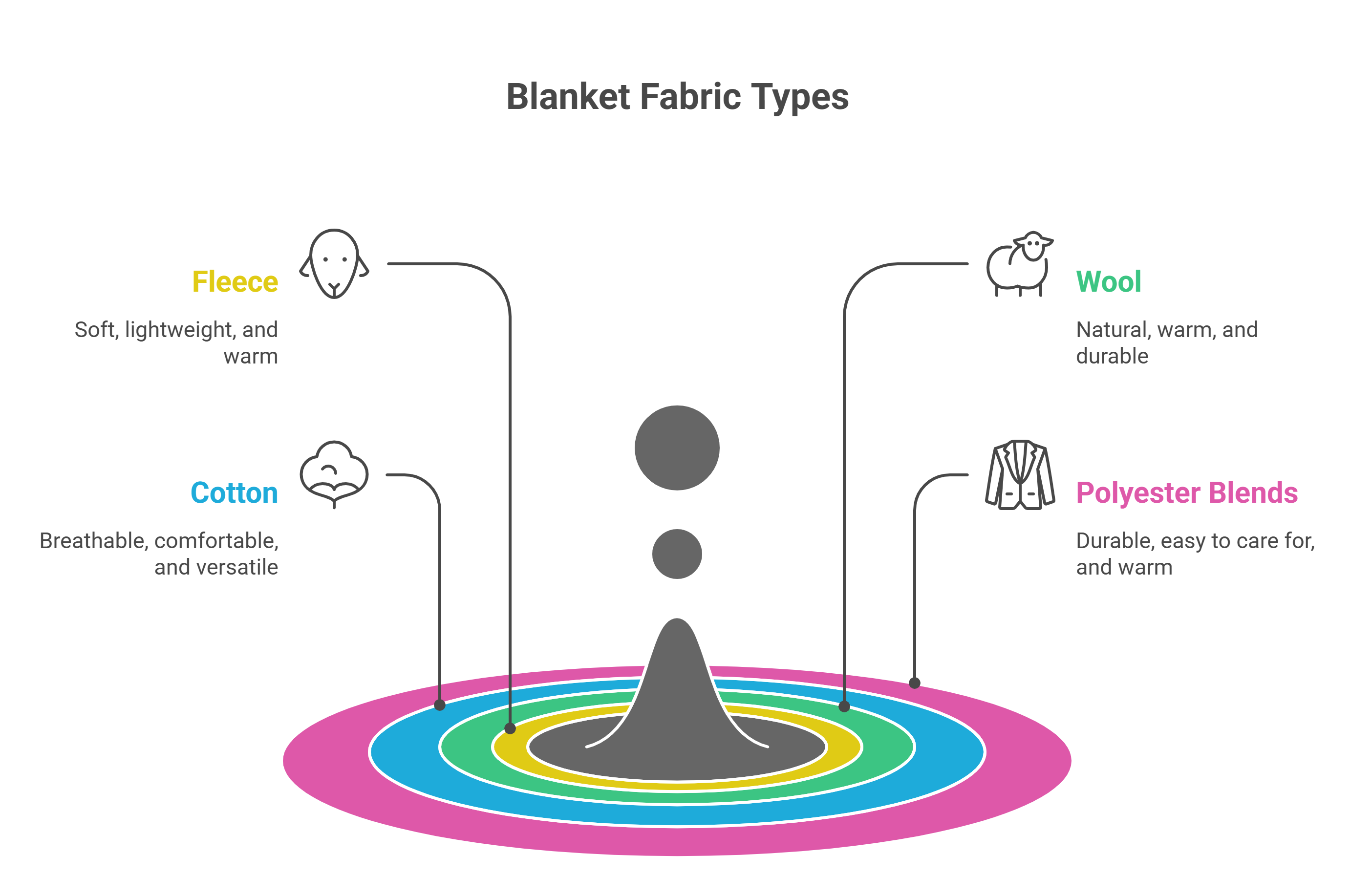
When you ask, “What is blanket fabric called?” the most common answer is fleece — a soft, warm, and lightweight synthetic fabric that’s ideal for cozy blankets. Fleece is made from polyester fibers that mimic wool’s insulating properties without its weight or itchiness.

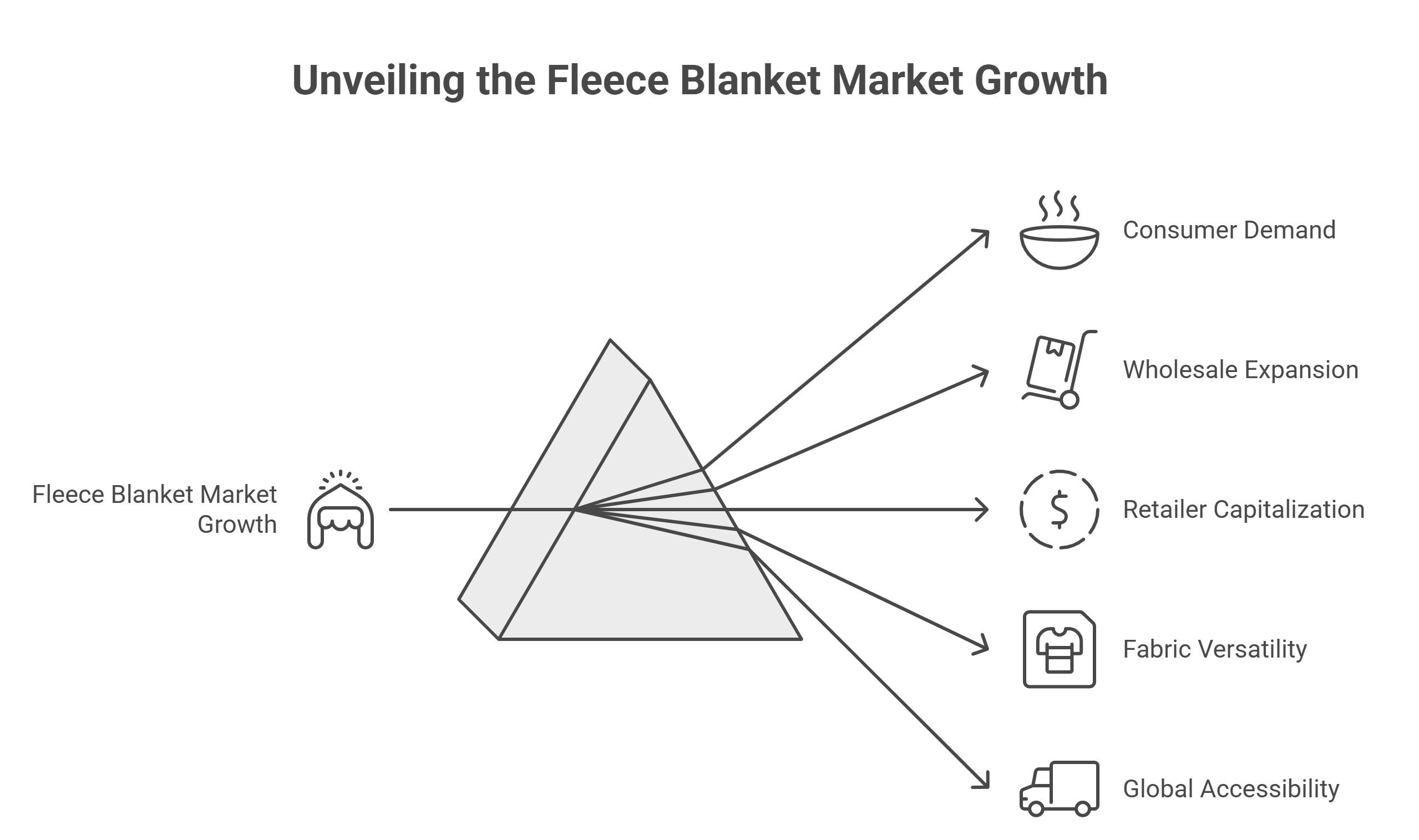
Because of its comfort, affordability, and versatility, fleece dominates the blanket market today. For businesses and retailers, fleece blankets wholesale and fleece blankets bulk options offer great value for crafting, resale, and gifting purposes.

Now let’s dive deeper.

1. The Origin of Blanket Fabrics

Blanket fabrics have evolved dramatically over the years. Traditionally, people used wool, cotton, and linen because these were natural and readily available fibers. As textile technology advanced, synthetic materials like polyester and fleece emerged — changing the game completely.

The earliest blankets were heavy and dense, often woven from sheep’s wool. Wool’s insulating nature made it perfect for cold weather, but it was also itchy, hard to clean, and expensive. Today’s blankets are designed for comfort, convenience, and cost-efficiency — three qualities that make fleece the most common blanket fabric today.

2. Types of Fleece Blanket Fabrics

There are several varieties of fleece, each with distinct textures, weights, and uses. Knowing these can help you choose the right one for your home, retail shop, or craft project.

a. Polar Fleece

Polar fleece is the classic choice for blankets — thick, insulating, and extremely soft. It’s ideal for winter use or cooler climates and offers exceptional warmth without much weight.

b. Microfleece

Microfleece is thinner and lighter than polar fleece, making it perfect for lightweight throws, baby blankets, or travel blankets. It’s smooth, breathable, and easy to fold or pack.

c. Sherpa Fleece

Sherpa fleece has a fluffy, wool-like texture that resembles sheep’s fleece. It’s often used as the inner lining of blankets or hoodies for an ultra-cozy feel.

d. Coral Fleece

Coral fleece is known for its luxurious texture — smooth on one side and plush on the other. It’s commonly used for decorative throws and high-end bedding.

e. Anti-Pill Fleece

Anti-pill fleece is treated to prevent the little fabric balls (pills) that form after repeated use or washing. This makes it perfect for long-term durability and commercial use in fleece blankets bulk orders.

3. Why Fleece Became the Blanket Industry Standard?

The reason fleece has overtaken traditional fabrics like wool or cotton in popularity boils down to five key benefits:

  • Softness: Fleece feels velvety smooth and gentle on the skin.
  • Warmth: It traps air in its fibers, providing excellent insulation.
  • Lightweight: Unlike wool, it doesn’t feel heavy or restrictive.
  • Easy Care: Machine washable, fast-drying, and wrinkle-resistant.
  • Cost-Effective: Synthetic fibers make fleece cheaper to produce, especially in wholesale or bulk quantities.

For manufacturers and resellers, this combination of comfort and affordability makes fleece an unbeatable option. That’s why the fleece blankets wholesale market continues to grow year after year.

4. Blanket Fabrics Beyond Fleece

While fleece is dominant, it’s not the only blanket fabric available. Here are a few others you might encounter:

a. Cotton

Cotton blankets are breathable, soft, and perfect for summer or mild climates. However, they don’t provide as much warmth as fleece or wool.

b. Wool

Wool remains a premium fabric choice. It’s natural, moisture-wicking, and long-lasting — but also more expensive and heavier.

c. Flannel

Flannel is made from cotton that’s brushed to create a fuzzy surface. It’s warm but not as thick as fleece, making it ideal for layering.

d. Acrylic

Acrylic mimics wool but is fully synthetic. It’s lightweight, colorfast, and affordable, though not as breathable as natural fibers.

Each of these materials serves specific needs, but fleece continues to dominate because of its versatility, affordability, and year-round usability.

5. The Rise of Fleece Blankets Wholesale Market

For retailers, event organizers, or eCommerce sellers, buying fleece blankets wholesale is one of the most profitable inventory strategies. Bulk purchasing allows businesses to get high-quality blankets at lower prices — ideal for giveaways, corporate gifts, charity donations, or resale.

Wholesale fleece suppliers offer a wide range of customization options:

  • Different colors, sizes, and patterns
  • Logo embroidery or screen printing
  • Packaging options for branding and gifting

Whether you’re running an online home décor store or planning a corporate event, sourcing fleece blankets bulk helps maintain both quality and profit margins.

6. Fleece Blankets Bulk for Every Occasion

Fleece blankets are not just for home comfort — they’re multi-purpose products that fit every scenario.

  • Corporate Gifts: Custom-branded fleece throws make excellent promotional items.
  • Schools & Sports Teams: Perfect for outdoor games or fundraising events.
  • Hotels & Hospitality: Lightweight yet cozy, great for guest rooms.
  • Charity & Disaster Relief: Affordable and easy to distribute to those in need.

DIY Crafters: Popular for handmade blankets, no-sew projects, and gifts.

The availability of fleece blankets bulk has made it easier than ever for businesses and communities to access comfort on a large scale.

7. Sustainability and Modern Fleece Innovation

One concern with synthetic fabrics like fleece has been their environmental impact. However, modern textile manufacturers are addressing this through recycled polyester fleece, often made from repurposed plastic bottles.

This innovation means today’s fleece blankets wholesale options are not only soft and durable but also eco-friendly. It’s an important step toward sustainability — giving consumers the warmth they love without harming the planet.

8. How to Choose the Right Blanket Fabric?

When selecting the perfect blanket fabric, consider:

  • Climate: For colder regions, choose polar or sherpa fleece.
  • Purpose: For decorative throws, coral fleece or cotton works well.
  • Maintenance: Fleece and acrylic are low-maintenance options.
  • Budget: Buying fleece blankets bulk offers the best value for both personal and commercial needs.

The key is to balance comfort, cost, and convenience.

Final Thoughts

So, what is blanket fabric called? — In today’s world, fleece is the clear answer. It’s soft, warm, lightweight, and affordable — everything you want in a blanket. Whether you’re shopping for your home, starting a small retail business, or planning a bulk order, fleece remains the gold standard of comfort and practicality.

From cozy nights on the couch to large-scale corporate giveaways, fleece blankets wholesale and fleece blankets bulk continue to redefine how we think about warmth and style. And with modern innovations making fleece more sustainable and customizable than ever, it’s safe to say this beloved blanket fabric is here to stay.

What Can You Make with Fleece Fabric?

29 Oct

Quick Answer: What Can You Make with Fleece Fabric?

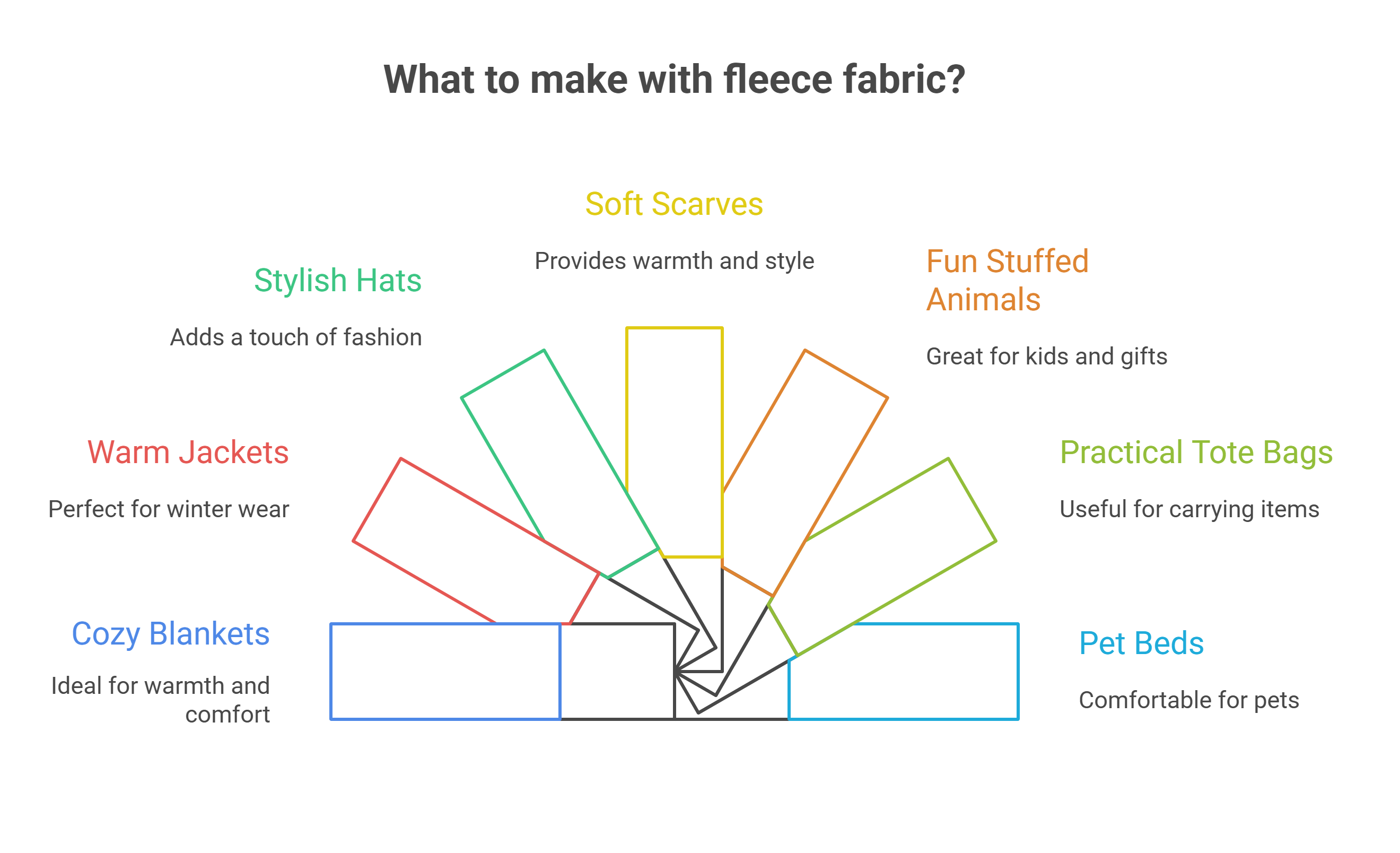
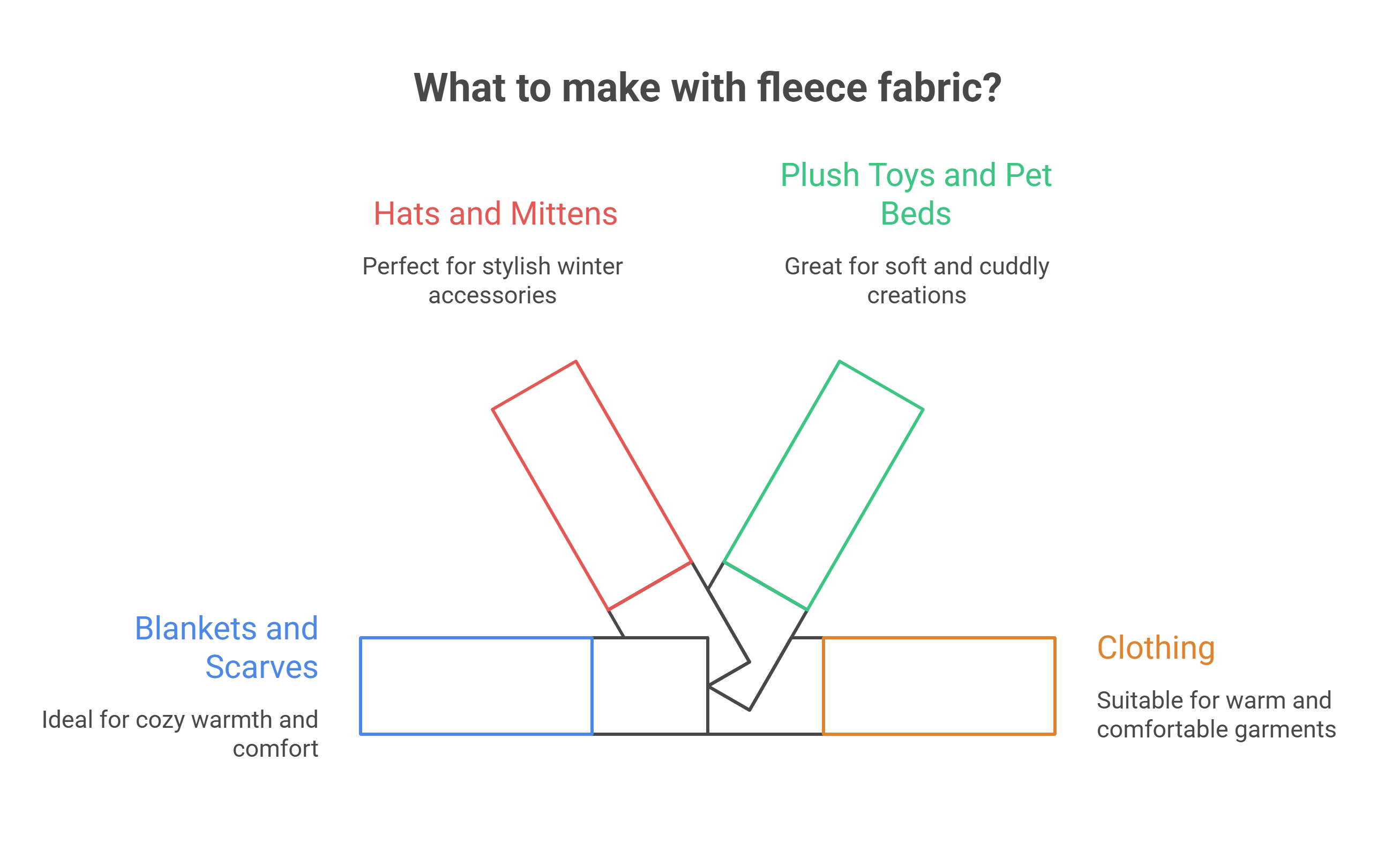
If you’ve ever wondered what can you make with fleece fabric, the answer is — almost anything cozy, soft, and functional. Fleece is an incredibly versatile textile used to create blankets, scarves, hats, pet beds, jackets, and even DIY crafts.

Thanks to its warmth, durability, and easy maintenance, it’s popular among both hobbyists and manufacturers. Whether you’re creating gifts or sourcing fleece blankets wholesale for resale, this fabric allows endless possibilities for comfort and creativity. Many small businesses also buy fleece blankets bulk to personalize and sell during colder seasons.

Now let’s dive deeper.

The Magic of Fleece Fabric

Few materials rival fleece when it comes to comfort, versatility, and affordability. Originally designed as a synthetic alternative to wool, fleece quickly became a household favorite. It’s lightweight yet warm, breathable yet insulating — perfect for everything from apparel to home décor.

Fleece is made from polyester fibers woven and brushed to create a soft, plush texture that feels luxurious to the touch. Because it doesn’t fray easily and comes in a wide variety of colors and prints, it’s a dream for both crafters and professional designers.

1. Cozy Blankets and Throws

Let’s start with the most obvious and most popular use — blankets. Fleece blankets are known for their warmth, softness, and durability, making them ideal for every season.

  • Single-layer throws: Great for summer nights or movie marathons.
  • Double-layer blankets: Two fleece sheets sewn together for extra warmth and a neat, reversible look.
  • Tied fleece blankets: No-sew blankets made by cutting fringes and knotting the edges — perfect for quick DIY projects.

Businesses often order fleece blankets wholesale to brand them with company logos for giveaways, events, or retail sales. Because fleece is cost-effective and easy to customize, it’s the top choice for both personal and commercial blanket-making.

2. Warm Clothing and Winter Accessories

Fleece is a go-to fabric for cold-weather apparel because of its lightweight insulation. You can make:

  • Sweatshirts and hoodies: Great for layering and extremely comfortable.
  • Jackets and vests: Popular in outdoor gear due to their moisture-wicking properties.
  • Scarves and gloves: Easy to make and personalize with patterns or embroidery.
  • Beanies and ear warmers: A simple project that makes excellent handmade gifts.

Because fleece doesn’t unravel, it’s perfect for beginners — no need for hemming or finishing edges in most cases. That’s why many small clothing brands and Etsy sellers choose fleece for their winter collections.

3. Pet Accessories and Bedding

Our furry friends love fleece as much as we do. It’s soft, washable, and durable, making it ideal for pet products like:

  • Dog beds and cat mats: Soft layers of fleece sewn or tied together.
  • Pet blankets: Easy to clean and perfect for crates or travel.
  • Toys and chew ropes: Braided strips of fleece create fun, safe toys for pets.

Pet shelters often make use of leftover fleece fabric or purchase fleece blankets bulk to create bedding for animals. It’s a cost-effective and humane way to provide comfort in colder months.

4. Home Décor Essentials

Fleece isn’t just for clothing and blankets — it’s a wonderful addition to home décor. Its flexibility makes it perfect for:

  • Pillow covers: Add warmth and texture to living rooms or bedrooms.
  • Draft stoppers: Roll fleece and fill with rice or sand to block cold air under doors.
  • Chair or sofa throws: Stylish accents that double as functional layers during winter.
  • Table runners and coasters: Especially popular in festive or themed designs.

You can coordinate fleece patterns to match your interior style — whether rustic, modern, or playful.

5. Baby and Children’s Items

Fleece is hypoallergenic and gentle, making it safe for baby-related products. You can craft:

  • Baby blankets: Soft, lightweight, and machine washable.
  • Burp cloths and bibs: Easy to make and absorbent.
  • Stuffed animals: Fleece’s texture is perfect for cuddly toys.
  • Sleep sacks and pajamas: Keep babies warm without overheating.

Parents love fleece for its practicality — it’s soft against sensitive skin and dries quickly, making it ideal for everyday use.

6. Travel and Outdoor Gear

Because fleece retains warmth even when damp, it’s an essential fabric for outdoor enthusiasts. You can make:

  • Camping blankets: Lightweight but insulating for cool nights.
  • Travel pillows and sleep masks: Soft and compact for road trips or flights.
  • Picnic blankets: Durable, easy to wash, and resistant to grass stains.
  • Seat covers and car throws: Add comfort to vehicles during long rides.

Adventure brands often purchase fleece blankets wholesale to distribute under their own labels or as branded giveaways for loyal customers.

7. Holiday Gifts and Crafts

One of the most rewarding ways to use fleece is for handmade gifts. Since it’s affordable and forgiving to work with, you can make dozens of custom pieces quickly. Try these ideas:

  • Personalized photo blankets for family members.
  • Christmas stockings in holiday prints.
  • Stuffed hearts or ornaments for décor.
  • Custom team or school spirit scarves with appliqué logos.

Fleece’s wide range of colors and patterns — from polka dots to paw prints — makes it easy to create thoughtful, customized gifts for any occasion.

8. DIY Projects and Upcycling Ideas

Got leftover fleece scraps? Don’t throw them away! Here are clever ways to reuse every inch:

  • Earbud pouches or phone sleeves: Protect devices with soft padding.
  • Cozy slippers or boot liners: Ideal for home use.
  • Reversible tote bags: Strong enough for daily errands.
  • Hair scrunchies: Fun and quick to sew.

These projects are perfect for craft fairs or Etsy shops where handmade, sustainable items are in high demand.

9. Why Fleece Is the Ideal Fabric for Makers and Businesses?

Fleece stands out because it combines affordability, ease of use, and versatility. Here’s why crafters and entrepreneurs love it:

  • Easy to cut and sew: No fraying edges.
  • Low maintenance: Machine washable and quick drying.
  • Year-round demand: Especially high during fall and winter seasons.
  • Highly customizable: Works well with embroidery, heat transfer vinyl (HTV), and sublimation printing.
  • Environmentally friendly options: Recycled fleece made from PET bottles is now widely available.

Because fleece items sell well online and offline, many small businesses buy fleece blankets bulk to customize with prints or embroidery and resell for profit.

10. Tips for Working with Fleece Fabric

While fleece is beginner-friendly, following a few professional tips ensures perfect results:

  • Use a sharp rotary cutter to get clean edges.
  • Sew with a ballpoint needle to prevent fabric damage.
  • Avoid high heat when ironing fleece can melt or distort.
  • Pre-wash fabric to remove lint and prevent static.
  • Test stretch direction it matters when making fitted garments or accessories.

These small steps make a big difference in achieving professional-quality finished products.

11. The Growing Market for Fleece Products

Fleece isn’t just popular for personal use—it’s also a booming market opportunity. With global demand for sustainable, cozy textiles rising, fleece products are in high demand across:

  • Hospitality: Hotels and spas use branded fleece throws.
  • Corporate gifting: Businesses love practical, logo-ready items.
  • Online retail: Custom fleece blankets and apparel sell year-round.
  • Pet care: Affordable, washable pet accessories are growing in popularity.

Entrepreneurs who buy fleece blankets bulk can easily scale their business by offering customized designs, branded packaging, or themed collections.

Final Thoughts

When someone asks, what can you make with fleece fabric, the possibilities are nearly endless. From soft blankets and stylish apparel to pet accessories and home décor, fleece offers a perfect balance of comfort, durability, and creativity.

Its affordability and adaptability make it a top choice for both hobbyists and businesses alike. Whether you’re crafting one-of-a-kind gifts or ordering fleece blankets wholesale for your brand, fleece remains one of the most versatile materials in the textile world.

In short, creativity begins where comfort meets craftsmanship — and fleece is the fabric that brings them together.

How Much Fleece for a Blanket?

29 Oct

Quick Answer: How Much Fleece for a Blanket?

If you’ve ever wondered how much fleece for a blanket you really need, the answer depends on the blanket’s size, purpose, and whether you’re making a single or double-layer design.

A small baby blanket typically requires about 1 to 1.5 yards, a throw blanket about 2 yards, and a queen or king-size blanket around 3 to 4 yards of fleece fabric. When producing multiple pieces, buying fleece blankets wholesale or ordering fleece blankets bulk can help save on cost while ensuring consistent texture, warmth, and quality across every piece.

Now let’s dive deeper.

The Cozy Craft That Never Goes Out of Style

Fleece blankets are a timeless favorite — soft, warm, and easy to make, whether you’re crafting at home or producing them commercially. Their versatility makes them ideal for gifts, fundraisers, home décor, and promotional use. But one question arises every time you start a blanket project: how much fleece for a blanket should you buy?

Getting the measurements right is important. Too little fabric can ruin your project, while too much can lead to unnecessary waste or expense. Understanding the dimensions, design type, and fleece variety helps you calculate the right amount for your needs — whether you’re sewing, tying, or ordering in bulk.

1. Understanding Fleece Fabric

Before you grab your scissors or shopping cart, it helps to understand the fabric itself. Fleece is a synthetic fabric made primarily from polyester. It’s known for its lightweight feel, warmth, and soft texture — which mimic wool but without the heaviness or itchiness.

There are several types of fleece commonly used for blankets:

  • Anti-pill fleece: Smooth on both sides and resistant to pilling, making it great for long-term use.
  • Blizzard fleece: Extra warm and slightly thicker; ideal for winter blankets.
  • Microfleece: Lightweight and breathable, perfect for baby or travel blankets.
  • Polar fleece: Dense and plush, providing excellent insulation.

Choosing the right fleece type affects how much material you need. Thicker fabrics (like blizzard or polar fleece) often require slightly more yardage due to shrinkage or seam adjustments.

2. Blanket Size Guide: How Much Fleece You’ll Need?

Here’s a quick reference chart to help you decide how much fleece to buy based on blanket size:

Blanket TypeDimensions (inches)Yards of Fleece Needed
Baby Blanket30 x 401 – 1.5 yards
Toddler Blanket36 x 501.5 – 2 yards
Throw Blanket50 x 602 yards
Twin Blanket66 x 902.5 – 3 yards
Full/Queen Blanket90 x 903 – 3.5 yards
King Blanket108 x 903.5 – 4 yards

These estimates assume you’re making a single-layer blanket. If you’re creating a no-sew tie blanket or a double-layer fleece blanket, simply double the yardage. For example, a 2-yard throw will need 4 yards total (2 yards per layer).

3. Calculating Fleece for Tie Blankets

Tie blankets are one of the most popular DIY fleece projects. They’re easy to make — no sewing required — and great for gifts or fundraisers.

Here’s how to calculate:

  • Throw size: 2 yards per layer (total 4 yards).
  • Twin size: 2.5 to 3 yards per layer (total 5–6 yards).
  • Queen/King size: 3.5 to 4 yards per layer (total 7–8 yards).

You’ll also want to leave room for the fringe cuts, typically around 4–6 inches on each side. That means a bit more fabric helps maintain the blanket’s finished dimensions after tying.

4. Custom vs. Pre-Made: When Buying in Bulk Makes Sense?

If you’re creating blankets for resale, branding, or events, buying fabric for each piece individually can get expensive. That’s where fleece blankets wholesale and fleece blankets bulk come in handy.

Benefits of Buying Wholesale:

  • Cost Savings: Wholesale suppliers often offer lower per-unit pricing, especially when ordering 20+ pieces.
  • Consistency: Every blanket has the same thickness, color tone, and softness.
  • Customization Options: Many wholesale suppliers allow logo embroidery, custom tags, or packaging.
  • Time Efficiency: No need to cut, measure, or sew if ordering pre-finished fleece blankets.

This approach is especially useful for businesses, charities, or schools that need large quantities for giveaways, events, or product resale.

5. Factors That Affect How Much Fleece You Need

Several small details can influence how much fleece your project requires:

a. Blanket Design

Simple one-layer throws need less fabric, while double-sided or quilted designs demand more.

b. Fabric Width

Most fleece bolts come in 58–60 inches width, but some specialty fabrics (like printed fleece) may be narrower. Always check width before calculating yardage.

c. Shrinkage and Cutting Margin

Though fleece is less prone to shrinkage than cotton, it can still shrink slightly after washing. Add an extra ¼ to ½ yard to be safe.

d. Fringe or Border

If you’re adding a tied fringe or decorative edge, account for 4–6 inches per side. A neatly cut border enhances appearance but reduces usable blanket area.

6. DIY Example: Making a Throw Blanket

Here’s a step-by-step example to help you visualize the process:

Goal: Make a 50 x 60-inch double-layer tie blanket.

You’ll Need:

  • 2 pieces of fleece, each 2 yards (total 4 yards).
  • Scissors or rotary cutter.
  • Measuring tape.
  • Pins (optional).

Steps:

  1. Lay both fleece pieces flat, wrong sides facing each other.
  2. Trim edges to ensure both layers align perfectly.
  3. Cut out a 5-inch square from each corner.
  4. Cut 5-inch fringe strips along all four edges.
  5. Tie the top and bottom fringes together in double knots.

In just an hour or two, you’ll have a cozy handmade throw blanket ready to use or gift.

7. Tips for Efficient Fleece Buying

  1. Buy Extra: A little more fabric is better than falling short, especially for patterned fleece that requires alignment.
  2. Watch for Sales: Many fabric stores offer deep discounts during seasonal clearance events.
  3. Pre-Wash (Optional): While fleece doesn’t shrink much, washing removes static and lint.
  4. Mix Patterns and Solids: Combining one printed and one solid fleece layer creates stylish, two-tone designs.
  5. Consider Weight: Heavier fleece offers more warmth but may require adjustments in yardage for thickness.

If you’re producing multiple blankets, reach out to fleece blankets wholesale suppliers who provide bulk pricing and fabric samples before placing large orders.

8. For Businesses: Scaling Blanket Production

For companies in the textile, décor, or promotional products industry, scaling blanket production requires efficiency and consistency. Buying fleece blankets bulk instead of cutting from rolls allows you to focus on branding rather than production logistics.

These ready-made blankets can be customized with:

  • Embroidery or printed logos for corporate gifting.
  • Private labeling for retail resale.
  • Charity branding for donation drives or fundraising events.

Additionally, wholesale vendors often supply eco-friendly options made from recycled polyester fleece, appealing to sustainability-conscious consumers.

9. Common Questions About Fleece Yardage

Q: Can I make two small blankets from one large piece of fleece?

Yes. For example, a 3-yard piece of 60-inch-wide fleece can be cut into two baby blankets.

Q: What if my fleece isn’t wide enough?

You can sew two pieces together lengthwise to achieve desired dimensions.

Q: Should I buy patterned or solid fleece for beginners?

Start with solids or simple prints; patterns require careful alignment to look professional.

Q: Is fleece easy to work with?

Absolutely. It doesn’t fray, which means no hemming is necessary—a major plus for beginners.

Final Thoughts

When planning your next cozy project, knowing how much fleece for a blanket makes all the difference in achieving the perfect size and comfort. From a small baby wrap to a luxurious king-size throw, measuring correctly ensures beautiful results every time.

If you’re producing blankets for business, charity, or resale, consider sourcing from fleece blankets wholesale or fleece blankets bulk suppliers. Not only does this reduce costs, but it also guarantees uniform quality and availability for larger orders.

Whether it’s for crafting, gifting, or growing your product line, the right fleece—and the right amount—will keep every creation as warm, soft, and inviting as it’s meant to be.