Archive by Author

Where to Buy Fleece Fabric Near Me?

29 Oct

Quick Answer: Where to Buy Fleece Fabric Near Me?

If you’ve been searching for where to buy fleece fabric near me, you’ll be glad to know there are plenty of options—from local fabric stores and craft shops to online wholesalers. Fleece is known for its warmth, softness, and versatility, making it ideal for clothing, blankets, and DIY projects.

For those looking to save money, many suppliers offer fleece blankets wholesale and fleece blankets bulk deals. Whether you’re crafting personalized gifts or starting a small business, buying locally or in bulk ensures both quality and cost efficiency.

Now let’s dive deeper.

Why Fleece Fabric Is a Popular Choice?

Fleece fabric has become a staple in both homes and businesses because of its comfort, durability, and versatility. Whether you’re sewing cozy sweaters, crafting pet beds, or producing custom blankets for resale, fleece delivers softness without the heavy weight of wool or cotton.

But when it comes to sourcing, the question most people ask is: “Where can I buy quality fleece fabric near me?”

The answer depends on your purpose. Are you buying for personal projects, retail, or bulk production? Knowing where and how to buy fleece ensures you get the best value for your money while maintaining the quality your project deserves.

1. Understanding Fleece Fabric: Types and Qualities

Before you start searching for fleece fabric, it’s important to understand what makes fleece unique. Fleece is a synthetic fabric, usually made from polyester fibers, designed to mimic the warmth and softness of wool. It’s breathable, moisture-resistant, and easy to maintain—ideal for clothing, crafts, and bedding.

Common Types of Fleece:

  • Anti-Pill Fleece: Designed to resist fabric pilling and maintain smoothness even after multiple washes.
  • Polar Fleece: Medium-weight and excellent for outerwear like jackets and vests.
  • Blizzard Fleece: Extra soft and plush, popular for blankets and scarves.
  • Microfleece: Lightweight and perfect for baby items or linings.
  • Sherpa Fleece: Thick and textured, providing maximum warmth and a wool-like feel.

Knowing your fabric type helps you identify the best suppliers for your needs—whether it’s a local store or an online wholesaler.

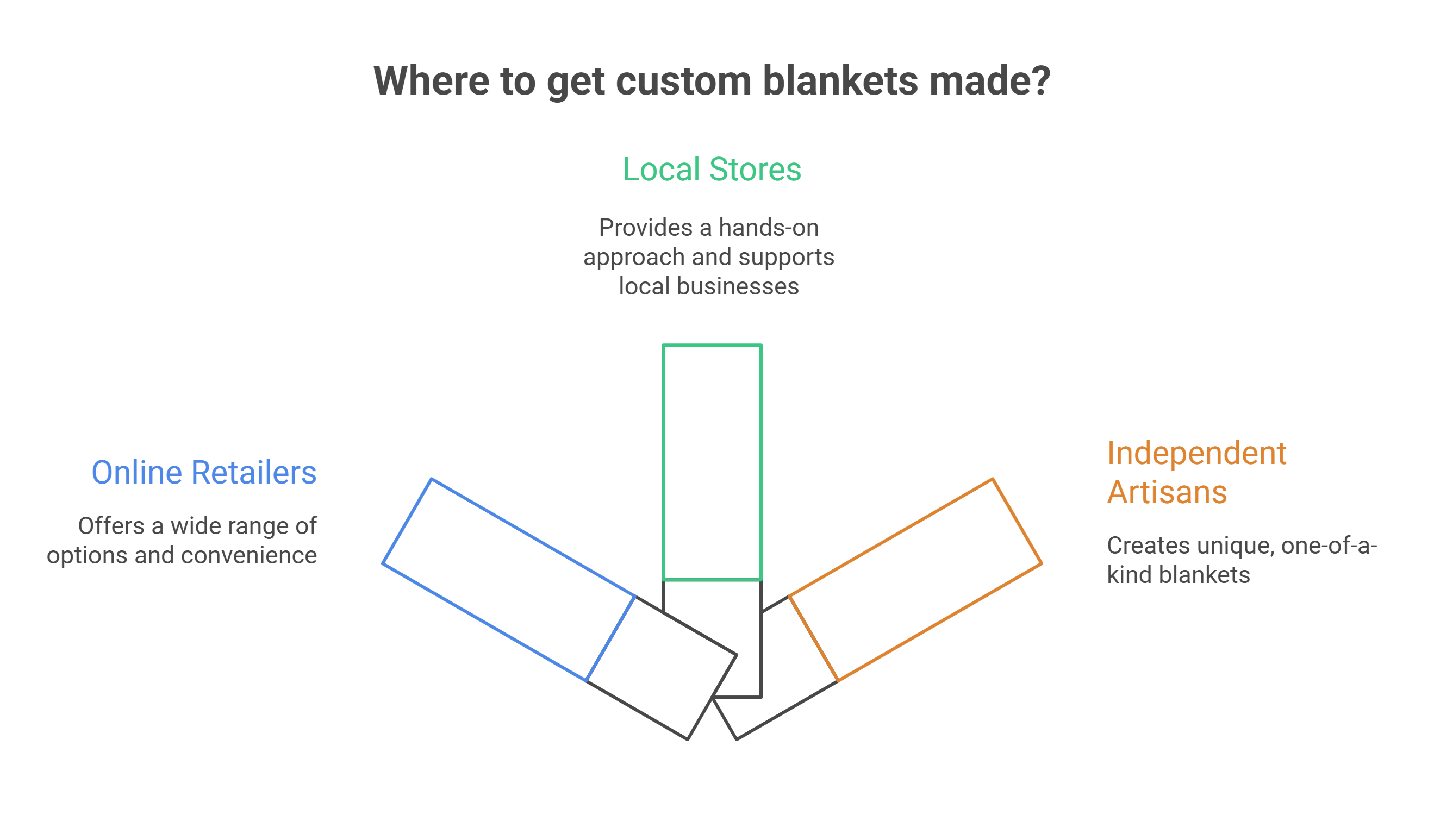
2. Local Fabric Stores: The Best Place to Start

If you prefer to touch and feel the fabric before buying, local fabric stores remain the best option. Here’s why:

  • You can inspect texture, color accuracy, and stretch quality.
  • Local suppliers often offer small cuts for sampling.
  • You avoid shipping costs and delays.
  • You support small businesses in your area.

Popular chain stores like Joann Fabrics, Hobby Lobby, and Michaels typically carry an extensive range of fleece in different patterns and thicknesses. Additionally, independent fabric boutiques in your city often source specialty or eco-friendly fleece options that aren’t found in national chains.

When searching online, try using search terms like:

  • “Fleece fabric store near me”
  • “Local craft shops selling fleece”
  • “Buy fabric by the yard near [your city]”

Google Maps or Yelp reviews can help identify nearby stores with good ratings and diverse inventory.

3. Buying Fleece Fabric Online

If convenience and variety are your priorities, online stores provide thousands of fleece options at your fingertips. Many websites let you order by the yard, in rolls, or in pre-cut pieces.

Top Online Retailers for Fleece Fabric:

  • Fabric.com: Offers a wide selection of polar and microfleece with color and pattern filters.
  • Mood Fabrics: Known for premium materials and designer-quality fleece.
  • Amazon & Etsy: Great for quick purchases and unique printed fleece options.
  • WholesaleFabrics.net and Fleece4Sale.com: Excellent for bulk fleece fabric at discounted prices.

When buying online, always check:

  • Fabric weight (measured in GSM or ounces).
  • Fiber composition (pure polyester vs. blended).
  • Return and sample policies.

4. Wholesale and Bulk Buying Options

If you’re planning to produce items for resale or large-scale use—like schools, hospitals, or corporate giveaways—buying fleece in bulk can save significant costs.

a. Wholesale Distributors

Wholesalers typically offer fleece by the bolt (large rolls), allowing buyers to choose from a wider color palette and texture range. These suppliers often provide discounts based on volume, making it ideal for businesses or nonprofits that need consistency in quality.

b. Online Marketplaces

Platforms like Alibaba, Fabric Wholesale Direct, and DHgate provide access to global suppliers offering fleece blankets wholesale and fleece blankets bulk pricing. You can buy directly from manufacturers, negotiate prices, and even customize designs for branding purposes.

c. Local Manufacturers

Some regions have textile manufacturers that sell directly to local buyers. This not only ensures faster delivery but also allows for personalized consultations and customized orders—ideal for businesses wanting to produce branded fleece blankets or uniforms.

5. What to Look for When Buying Fleece Fabric?

When choosing fleece fabric, consider the following key factors:

1. Weight & Thickness

Fleece comes in different weights—from lightweight microfleece to heavy-duty polar fleece. For apparel, opt for lighter varieties; for blankets, thicker fleece provides more warmth.

2. Stretch & Durability

Some fleece fabrics include spandex or elastane for better flexibility. If your project involves movement (like activewear), this stretch is beneficial.

3. Colorfastness

Ensure the fabric’s color doesn’t bleed or fade after washing—especially for multi-colored or printed fleece.

4. Width & Yardage

Standard fleece rolls are about 58–60 inches wide. Always measure your project needs carefully before ordering in bulk.

5. Price vs. Quality

Cheaper fleece may seem appealing, but low-quality versions tend to shed or pill quickly. Always balance cost with performance.

6. Sustainable and Recycled Fleece Options

With growing environmental awareness, many suppliers now offer recycled fleece made from post-consumer plastic bottles. This sustainable version retains the same warmth and comfort but reduces environmental impact.

Look for certifications such as:

  • OEKO-TEX Standard 100
  • Global Recycled Standard (GRS)

Eco-friendly fleece options are available both locally and online, often at competitive prices compared to traditional polyester fleece.

7. DIY Projects and Business Uses for Fleece

The beauty of fleece lies in its versatility—it’s suitable for both personal projects and commercial use.

Personal Uses:

  • Cozy blankets and throws
  • Pillow covers and scarves
  • Pet beds or toys
  • Pajamas and robes

Commercial Uses:

  • Promotional branded blankets for events
  • Custom uniforms or team apparel
  • Fleece gifts for employees or clients
  • School or hospital bedding programs

If you’re planning to sell your creations, ordering fleece blankets wholesale ensures consistent supply and cost savings. For growing brands, fleece blankets bulk purchases also allow customization like embroidery, logo printing, or special packaging.

8. Tips for Getting the Best Deals

Here are a few strategies to make sure you get top-quality fleece without overspending:

  1. Buy Off-Season: Fleece demand peaks in winter. Purchasing in spring or summer often yields better discounts.
  2. Sign Up for Newsletters: Online fabric retailers frequently send discount codes to subscribers.
  3. Request Samples: Before committing to large orders, ask for swatches to test softness, stretch, and color accuracy.
  4. Check Clearance Sales: Both online and physical stores often have end-of-season fleece fabric sales.
  5. Compare Bulk Suppliers: Always request quotes from multiple wholesalers to ensure competitive pricing.

9. How to Store and Maintain Fleece Fabric?

Proper storage ensures your fleece remains soft and vibrant:

  • Store in a cool, dry place to prevent mildew.
  • Avoid stacking heavy rolls on top of one another to prevent compression.
  • Wash fleece in cold water and air-dry when possible.
  • Avoid high heat in dryers—it can melt synthetic fibers.

If you’re managing inventory for resale or production, consider using vacuum-sealed storage bags to maintain fabric freshness.

Final Thoughts

Knowing where to buy fleece fabric near me can save both time and money—whether you’re a DIY enthusiast, designer, or small business owner. Local fabric shops offer the tactile experience of checking quality firsthand, while online and wholesale suppliers provide greater variety and cost efficiency.

By sourcing smartly—balancing local purchases with bulk online orders—you can enjoy premium fleece quality at the best price. From crafting projects to business branding, investing in good fleece fabric is an investment in comfort, durability, and creativity.

For high-volume buyers, exploring fleece blankets wholesale or fleece blankets bulk options ensures consistent quality, better pricing, and long-term value—helping you stay warm, creative, and profitable all year round.

What Kind of Fleece for Tie Blankets?

29 Oct

Quick Answer: What Kind of Fleece for Tie Blankets?

If you’ve ever wondered what kind of fleece for tie blankets works best, the answer depends on your project’s purpose, comfort preference, and durability needs. Generally, anti-pill fleece and blizzard fleece are the top choices.

Anti-pill fleece maintains its smooth texture even after multiple washes, while blizzard fleece offers a denser, warmer feel. For larger or commercial projects, purchasing fleece blankets wholesale or in fleece blankets bulk quantities ensures consistent quality, color matching, and cost savings—making it ideal for craft businesses, schools, and charity drives.

Now let’s dive deeper.

Why Fleece Tie Blankets Are So Popular?

Fleece tie blankets have become a beloved DIY craft and a thoughtful gift idea. They’re soft, warm, easy to make, and require no sewing—just some cutting, tying, and creativity. From baby blankets to sports team throws, fleece tie blankets are versatile, functional, and fun for makers of all ages.

However, not all fleece is created equal. Choosing the right type can dramatically affect how your finished blanket looks and feels. The fabric’s texture, thickness, and durability all influence the final product’s comfort and longevity.

1. Understanding the Basics: What Is Fleece Fabric?

Fleece is a synthetic fabric made from polyester fibers that are brushed to create a plush, soft surface resembling wool. It’s lightweight, breathable, and known for its ability to trap heat, making it ideal for blankets and cold-weather apparel.

Modern fleece fabrics are designed for easy care—they’re machine washable, quick-drying, and resistant to shrinking. These features make them perfect for tie blankets, especially when multiple blankets are being made for schools, shelters, or gift drives.

2. The Most Common Types of Fleece for Tie Blankets

When you walk into a fabric store or browse online, you’ll encounter several fleece types. The most popular ones for tie blankets include:

a. Anti-Pill Fleece

This is the gold standard for tie blankets. It resists forming tiny fiber balls (“pills”) even after repeated washing and use. Anti-pill fleece remains smooth and vibrant for years, making it perfect for long-term gifts or keepsakes.

  • Best for: High-quality, durable blankets that will be washed often.
  • Texture: Smooth, soft, slightly stretchy.
  • Colors/Patterns: Available in hundreds of solids and prints.

b. Blizzard Fleece

Blizzard fleece is slightly heavier and denser than anti-pill fleece. It has a cozy, velvety feel that makes it especially warm for colder climates. It’s ideal for winter tie blankets or blankets meant for outdoor use.

  • Best for: Warm, plush blankets or layering projects.
  • Texture: Dense, warm, with a soft nap.
  • Durability: Excellent, but can shed slightly on first wash.

c. Polar Fleece

Polar fleece is lighter than blizzard but thicker than microfleece. It’s soft and insulating without being bulky, which makes it a solid all-around choice for tie blankets. It’s also one of the most affordable options.

  • Best for: Everyday throw blankets and children’s crafts.
  • Texture: Medium weight, fluffy surface.
  • Affordability: Very budget-friendly for group projects.

d. Microfleece

Microfleece is ultra-soft and thinner than other types. It’s not ideal for double-layer tie blankets because it lacks the necessary structure, but it’s great for lightweight single-layer projects.

  • Best for: Lightweight or summer fleece blankets.
  • Texture: Thin, smooth, and super soft.
  • Note: May not hold tied knots as securely as thicker fleeces.

e. Coral Fleece (or Plush Fleece)

Coral fleece is the ultimate luxury fleece—it’s incredibly soft and has a high-pile texture similar to minky fabric. However, it’s trickier to work with because of its thickness and tendency to shed during cutting.

  • Best for: Premium or gift blankets.
  • Texture: Extremely soft and fluffy.
  • Durability: High, but requires careful cutting and handling.

3. Key Factors to Consider When Choosing Fleece

Not every fleece will suit your project. Here are some factors to consider before you start cutting:

a. Thickness and Weight

For tie blankets, medium- to heavy-weight fleece (200–300 GSM) is ideal. Too thin, and the knots won’t hold; too thick, and the blanket becomes hard to tie.

b. Stretch

Fleece with minimal stretch along the width (but slight stretch along the length) works best for clean, even cuts and consistent tying.

c. Softness

If the blanket is for children, babies, or comfort gifting, prioritize ultra-soft fabrics like anti-pill or coral fleece.

d. Color and Print

One of the best things about fleece is its wide range of colors and patterns. You can mix solid and printed layers to create beautiful contrasts—sports logos, floral prints, or themed designs for holidays.

4. How to Make a Fleece Tie Blanket?

Once you’ve selected your fabric, making the blanket is easy and rewarding. Here’s a step-by-step guide:

  1. Choose Two Layers of Fleece: Typically, one solid and one patterned piece of equal size.
  2. Trim and Align the Edges: Lay both layers on top of each other, right sides facing out, and trim any uneven edges.
  3. Cut Out Corners: Remove a 5-inch square from each corner to make tying easier.
  4. Cut Strips: Along all four sides, cut 1-inch wide strips (about 5 inches deep).
  5. Tie Knots: Double-knot each pair of strips (one from each layer).
  6. Finish and Fluff: Once all sides are tied, shake and fluff the blanket—it’s ready to enjoy!

If you’re making multiple blankets for events or donations, consider buying fleece blankets wholesale for consistent sizing and cost efficiency.

5. Why Buying in Bulk Makes Sense?

For craft groups, charities, or schools that produce several blankets, buying fleece blankets bulk offers major advantages:

  • Cost Savings: Wholesale pricing reduces cost per yard or per blanket.
  • Consistency: Colors and prints match perfectly across all pieces.
  • Availability: Bulk orders ensure enough fabric for large projects.
  • Less Waste: Pre-cut or standardized fleece dimensions minimize leftovers.

Whether you’re crafting for a fundraiser or outfitting your business with branded throws, sourcing fleece blankets wholesale is both economical and practical.

6. Best Places to Buy Fleece for Tie Blankets

You can find quality fleece both online and in local stores. Popular sources include:

  • Joann Fabrics: Offers frequent discounts and a wide range of anti-pill and blizzard fleece.
  • Fabric.com (now part of Amazon): Great for large-quantity orders.
  • Walmart and Hobby Lobby: Ideal for smaller, affordable purchases.
  • Wholesale Distributors: For businesses or crafters producing large quantities, wholesalers like Fabric Wholesale Direct or J&O Fabrics provide bulk pricing.
  • Local Craft Stores: Perfect for finding unique prints and supporting local vendors.

When ordering online, always check customer reviews, fabric weight, and shrinkage information before purchasing.

7. Tips for Making Your Tie Blanket Last Longer

A well-made fleece blanket can last for years with minimal wear. Here are maintenance and care tips:

  • Wash in Cold Water: Hot water can weaken fibers over time.
  • Avoid Fabric Softener: It leaves residue that reduces softness.
  • Use Gentle Detergent: Especially for anti-pill fleece.
  • Air Dry or Tumble Low: High heat can damage the fabric surface.
  • Brush Occasionally: A fabric brush keeps the fleece fluffy and smooth.

Proper care not only extends your blanket’s life but also keeps it looking vibrant and cozy.

8. Creative Ideas for Tie Blanket Projects

Tie blankets are incredibly versatile and can be customized for many occasions:

  • Baby Showers: Use soft pastel fleece and baby-themed prints.
  • Holiday Gifts: Mix festive prints with matching solids.
  • Pet Shelters: Use durable blizzard fleece for warmth and easy washing.
  • School Spirit Blankets: Combine school colors for a spirited design.
  • Corporate Giveaways: Add branded tags or custom embroidery.

If you’re producing in volume, ordering fleece blankets bulk ensures uniform quality and reduces production time across all your creations.

9. Sustainability and Eco-Friendly Fleece Options

Many manufacturers now produce fleece made from recycled plastic bottles (rPET), offering a more sustainable alternative. These eco-friendly fleeces maintain softness and warmth while reducing environmental impact. When shopping for fabric, look for certifications like Global Recycled Standard (GRS) or OEKO-TEX Standard 100 to ensure safety and sustainability.

Final Thoughts

Choosing the right fleece makes all the difference between a cozy masterpiece and a disappointing project. Whether you’re crafting a heartfelt gift or producing dozens of blankets for an event, selecting anti-pill or blizzard fleece guarantees warmth, comfort, and durability.

For crafters and businesses alike, sourcing fleece blankets wholesale offers affordability and consistency, while fleece blankets bulk purchases simplify large-scale projects. By understanding fabric types and applying the right techniques, your tie blankets will remain soft, stylish, and snuggly for years to come—perfectly combining creativity with comfort.

How Much Is Fleece Fabric Per Yard?

29 Oct

Quick Answer: How Much Is Fleece Fabric Per Yard?

If you’re wondering how much is fleece fabric per yard, the answer depends on quality, type, and source. On average, fleece fabric costs between $4 to $12 per yard, with standard polyester fleece being the most affordable and premium anti-pill or plush varieties on the higher end.

Buyers looking for larger quantities—like manufacturers or crafters producing fleece blankets wholesale or fleece blankets bulk—can often secure discounted pricing by purchasing directly from textile suppliers or wholesalers rather than retail stores.

Now let’s dive deeper.

Why Fleece Fabric Is So Popular?

Fleece fabric has become a staple material across industries—from apparel and bedding to promotional products and crafts. Its soft texture, durability, and insulation make it ideal for creating warm blankets, jackets, throws, and accessories.

However, before starting any project or production run, one essential question arises: how much is fleece fabric per yard?

The cost of fleece varies significantly based on several factors, including material type, quality, supplier, and purchase volume. Understanding these variables helps buyers—from small DIY creators to large-scale retailers—plan budgets effectively and find the right balance between quality and affordability.

1. Understanding What Fleece Fabric Is

Fleece is a synthetic material, typically made from polyester fibers, that mimics the warmth and softness of wool. It’s lightweight, breathable, and moisture-resistant, which makes it ideal for both winter wear and cozy home textiles.

Fleece comes in various forms:

  • Polar fleece: Standard soft, midweight fleece used for blankets and jackets.
  • Microfleece: Lighter, thinner version ideal for layering.
  • Anti-pill fleece: Treated to resist pilling and maintain a smooth finish.
  • Plush or Sherpa fleece: Extra soft, high-pile fleece often used in luxury blankets or linings.
  • Printed fleece: Custom designs or patterns for crafts and décor.

Each type of fleece affects the cost per yard, so knowing your intended use helps determine which option suits your needs best.

2. Average Price Range: How Much Is Fleece Fabric Per Yard?

The cost of fleece fabric can vary widely depending on material quality and supplier type. Here’s a general breakdown:

Type of Fleece FabricAverage Price Per Yard (Retail)Wholesale Price Range
Standard Polyester Fleece$4 – $6$2.50 – $4
Anti-Pill Fleece$6 – $9$4 – $6
Plush / Sherpa Fleece$8 – $12$6 – $9
Microfleece$5 – $8$3.50 – $5.50
Printed / Custom Fleece$9 – $15$6 – $10

Retail vs. Wholesale

  • Retail pricing applies when buying small quantities (1–5 yards) from fabric stores like Joann, Walmart, or online marketplaces like Amazon.
  • Wholesale pricing applies when purchasing directly from mills or distributors, usually with a minimum order quantity (MOQ) of 20–50 yards.

For businesses making fleece blankets wholesale or designing custom products, wholesale pricing offers significant cost savings—sometimes cutting costs by 30–50%.

3. Key Factors That Affect the Price of Fleece Fabric

a. Fabric Quality and Weight

Fleece is measured in grams per square meter (GSM)—the higher the GSM, the thicker and warmer the fabric. Heavier fleeces (250–400 GSM) cost more than lightweight versions (100–200 GSM).

b. Type of Fleece

Anti-pill or plush fleece requires extra finishing and processing, leading to higher costs. Basic polyester fleece remains the most economical option for large-scale production.

c. Color and Design

Solid colors cost less to produce than custom prints or specialty dyes. Patterned fleece, such as holiday or animal prints, can increase costs by 10–20%.

d. Source and Supplier Type

Buying directly from a textile manufacturer or wholesaler is always cheaper than purchasing from retailers. Online bulk suppliers, such as Fabric.com, Fleece4Sale, or Alibaba, often provide discounts on orders exceeding 50 yards.

e. Order Quantity

The larger the order, the lower the price per yard. Manufacturers making fleece blankets bulk benefit from economies of scale—reducing per-unit fabric costs and improving profit margins.

f. Customization and Branding

If you’re ordering printed fleece with logos or custom designs, expect setup costs for printing and design fees, typically $1–$3 extra per yard.

4. Where to Buy Fleece Fabric — Best Sources

1. Local Fabric Stores

Great for small-scale projects or testing material quality. Stores like Joann Fabrics, Hobby Lobby, and Michael’s often have seasonal discounts.

2. Online Retailers

Websites such as Amazon, Etsy, and Fabric.com offer a wide variety of fleece types with customer reviews to guide your purchase. However, prices here are closer to retail.

3. Wholesalers and Manufacturers

For business orders or bulk production:

  • WholesaleFabrics.com
  • Mood Fabrics Wholesale
  • Fabric Wholesale Direct
  • Alibaba and Made-in-China for international sourcing.

These suppliers offer wholesale discounts for fleece blankets bulk or yardage purchases over 50–100 yards.

5. Comparing Domestic vs. Imported Fleece

Domestic Suppliers (U.S.-Based)

  • Pros: Faster shipping, better quality control, local compliance, easier communication.
  • Cons: Slightly higher costs due to labor and manufacturing expenses.

Imported Suppliers (China, India, Vietnam)

  • Pros: Lower per-yard cost and flexible MOQ options.
  • Cons: Longer shipping times, import duties, and varying quality standards.

If you’re manufacturing fleece blankets wholesale, it’s often worth testing both options before committing to a long-term supply source.

6. Cost Breakdown for Blanket Makers

For businesses creating custom or branded blankets, here’s how fleece cost contributes to overall pricing:

Cost ComponentAverage Cost per Blanket (60″x80″)
Fleece Fabric (2 yards @ $4/yard wholesale)$8
Stitching and Finishing$3
Custom Printing or Embroidery$2–$4
Packaging$1
Total Production Cost$14–$16 per blanket

With retail prices ranging from $25 to $50, bulk fleece blanket manufacturing offers strong margins—especially when materials are purchased in large quantities.

7. How to Save Money When Buying Fleece Fabric?

a. Buy in Bulk

Purchasing 20+ yards often qualifies for wholesale pricing. Larger orders bring steeper discounts and reduced shipping per unit.

b. Watch for Seasonal Sales

Winter clearance sales (January–March) often feature fleece fabric discounts of 30–50% as stores make room for new inventory.

c. Request Samples Before Ordering

Always order fabric swatches to confirm color, texture, and weight. This small step can prevent large-scale mismatches or returns.

d. Optimize Fabric Usage

When designing blankets or apparel, plan your cuts efficiently to minimize waste and reduce total yardage needed.

e. Partner with a Reliable Supplier

Build long-term relationships with suppliers who understand your business needs. Consistent buyers often receive loyalty discounts or early access to limited batches.

8. Eco-Friendly and Sustainable Fleece Options

Sustainability is an emerging trend in the textile industry. Recycled polyester fleece—made from plastic bottles—is gaining popularity due to its reduced environmental footprint.

Though slightly more expensive (around $7–$10 per yard wholesale), it appeals to eco-conscious consumers and brands aiming to promote sustainability. Businesses producing fleece blankets wholesale for retail or corporate gifting often choose eco-friendly fabrics as part of their branding and social responsibility initiatives.

9. What to Expect When Ordering Fleece in Bulk?

When placing a bulk order:

  • Minimum quantities may range from 20 to 100 yards.
  • Payment terms vary—some suppliers require full payment upfront, others 50% deposits.
  • Turnaround times average 1–3 weeks for domestic suppliers and 4–8 weeks for international shipments.
  • Always review return and defect policies before finalizing the purchase.

Proper planning ensures uninterrupted production and protects your investment.

10. Why Understanding Fleece Pricing Matters?

Knowing how much fleece fabric costs per yard empowers both hobbyists and business owners to make smarter purchasing decisions. Small crafters can avoid overspending on high-end fleece when a mid-range option suffices, while manufacturers can calculate material costs accurately to maintain healthy profit margins.

Whether you’re crafting personalized gifts, producing apparel, or scaling up fleece blankets wholesale, understanding the factors behind fabric pricing ensures long-term success in both quality and affordability.

Final Thoughts

So, how much is fleece fabric per yard? The answer depends on what you’re buying, where you’re buying it, and how much you need. For individual crafters, expect prices between $5 and $10 per yard; for manufacturers or retailers, wholesale pricing can bring that down to as little as $3 per yard.

The key to success is balancing cost with quality—choosing fleece that feels soft, performs well, and fits your project’s purpose. Whether you’re sourcing fleece blankets wholesale for your business or ordering fleece blankets bulk for a seasonal promotion, understanding fabric pricing helps you stay competitive, creative, and cost-efficient.

Where to Buy No-Sew Fleece Blanket Kits?

29 Oct

Quick Answer: Where to Buy No-Sew Fleece Blanket Kits?

If you’re wondering where to buy no-sew fleece blanket kits, the best options include craft retailers like Joann, Michaels, and Hobby Lobby, as well as online platforms such as Amazon, Etsy, and Walmart. Many fabric suppliers and wholesalers also offer pre-cut fleece kits ideal for group activities, gifts, or fundraising.

If you’re planning to make blankets in quantity, consider purchasing fleece blankets wholesale or fleece blankets bulk from textile manufacturers or wholesale distributors to enjoy cost savings and consistent quality across all your projects.

Now let’s dive deeper.

Why No-Sew Fleece Blankets Are So Popular?

No-sew fleece blankets have become a beloved DIY project for families, classrooms, and community groups alike. They’re cozy, customizable, and—best of all—require no sewing skills. All you need is fleece fabric, scissors, and a few creative ideas.

Whether you’re making one as a heartfelt gift, a craft project with kids, or part of a charitable donation drive, these kits simplify the process by providing pre-cut materials and clear instructions.

1. What Exactly Is a No-Sew Fleece Blanket Kit?

A no-sew fleece blanket kit typically includes two coordinating fleece pieces—one patterned and one solid—that are pre-measured and pre-cut to make tying easy. Each kit usually measures between 48×60 inches and 72×90 inches, depending on the intended size (child, teen, or adult).

These kits come ready for you to simply trim, tie, and enjoy. They’re ideal for:

  • DIY gifts for holidays or birthdays
  • Fundraisers or donation drives
  • Craft nights or classroom activities
  • Family bonding projects

Some kits even feature officially licensed designs—like sports teams, Disney characters, or seasonal prints—making them fun and personal.

2. Where to Buy No-Sew Fleece Blanket Kits: Top Retailers

1. Joann Fabric and Craft Stores

Joann is a top destination for craft lovers. Their no-sew fleece blanket kits come in a variety of colors, patterns, and sizes. Why buy from Joann?

  • Frequent coupons and sales
  • High-quality anti-pill fleece
  • Seasonal and themed designs (Christmas, Halloween, etc.)
  • In-store pickup and online delivery options

If you prefer to pick out your own fabric, Joann also sells fleece by the yard, which can be cut into blanket sizes for group projects.

2. Michaels

Michaels offers affordable no-sew blanket kits and a wide range of fleece fabrics. Their kits are perfect for beginners or group projects.
Benefits:

  • Pre-packaged sets with matching colors
  • Instruction sheets included
  • Great for classroom or charity crafts
  • Rewards program and frequent deals

You can find kits in-store or online, and Michaels often offers bulk discounts for larger orders.

3. Hobby Lobby

Known for its quality craft supplies, Hobby Lobby carries fleece blanket kits in seasonal prints and cozy materials. Why it’s a great choice:

  • Beautiful fabric quality and print variety
  • Weekly 40% off coupons
  • DIY-focused materials and tools
  • Excellent for personalized gifts

4. Walmart

Walmart provides one of the most accessible and affordable options for no-sew fleece kits. You can buy them both online and in-store. Perks:

  • Affordable prices for beginners
  • Free shipping on select orders
  • Variety of prints for kids and adults
  • Availability in large quantities for community projects

Walmart is also a good source for purchasing fleece blankets bulk, especially if you’re organizing a large-scale crafting or donation event.

5. Amazon

Amazon offers the convenience of comparing multiple sellers in one place. You can find everything from single kits to fleece blankets wholesale options.
Advantages:

  • Fast shipping via Prime
  • Variety from independent sellers and manufacturers
  • Reviews to gauge quality before buying
  • Access to kits for kids, adults, and pets

Amazon is especially useful for time-sensitive projects since many kits ship within 1–2 days.

6. Etsy

For those who prefer handmade or custom-designed options, Etsy sellers offer unique fleece blanket kits not found in big-box stores. Why shop Etsy:

  • Support small businesses and creators
  • Custom prints, monograms, or pre-cut fabric combinations
  • Eco-friendly and sustainable fleece options

Etsy is an excellent choice if you’re making a blanket as a personalized gift or want to add a distinctive touch.

7. Fabric.com and Wholesale Textile Vendors

If you’re producing multiple blankets—for example, as part of a school drive, community project, or resale opportunity—ordering from a textile wholesaler makes financial sense.
Look for suppliers that offer:

  • Fleece blankets wholesale pricing
  • Discounts for minimum order quantities
  • Large rolls of anti-pill fleece fabric
  • Consistent color and fabric quality

Many online wholesalers also allow you to request fabric samples before placing bulk orders, ensuring you get exactly what you need.

3. Factors to Consider Before Buying

Choosing the right no-sew fleece blanket kit depends on several factors. Here’s what to look for:

a. Fabric Quality

Opt for anti-pill fleece, which resists fuzzing and maintains a smooth surface after washing. Thicker fleece provides more warmth and durability.

b. Size

Typical sizes include:

  • Child: 48×60 inches
  • Teen: 60×72 inches
  • Adult: 72×90 inches

Choose according to your purpose—smaller for kids, larger for gifts or bedding.

c. Design Variety

From sports teams and movie themes to abstract patterns and solids, design variety adds personality to your blankets. If buying in bulk, go for neutral or seasonal patterns that appeal to a wide audience.

d. Price and Quantity

If you’re crafting in large numbers, purchasing fleece blankets bulk or rolls of fabric by the yard helps save costs while ensuring consistency.

e. Ease of Assembly

Some kits come with pre-cut strips and corners, while others require trimming. Pre-cut options are great for beginners or group events where convenience matters.

4. Tips for Making No-Sew Fleece Blankets

Even though no-sew blankets are simple, a few tips can make the process smoother:

  1. Use sharp fabric scissors or rotary cutters for clean edges.
  2. Trim selvage edges (the tightly woven border) before tying.
  3. Secure knots tightly to prevent unraveling during washing.
  4. Layer two coordinating fabrics—one pattern, one solid—for a professional look.
  5. Wash the fleece first if you’re combining different fabric brands or colors to prevent color bleeding.

Pro tip: if making blankets for donation, check with local charities or shelters for size and fabric requirements—they often have specific guidelines.

5. Buying Wholesale or in Bulk: When and Why?

If you’re crafting for a fundraiser, classroom project, or retail sale, buying wholesale makes practical and financial sense. Benefits include:

  • Lower per-unit costs.
  • Consistent quality across multiple pieces.
  • Access to larger fabric rolls for creative flexibility.
  • Ability to customize sizes and patterns.

For example, local schools, hospitals, or nonprofits that organize “blanket drives” often purchase fleece blankets wholesale to maximize value and simplify logistics.

Many wholesale suppliers also allow custom printing—so you can add logos, event themes, or matching color schemes for branding or gifting.

6. Sustainable and Eco-Friendly Options

With growing awareness about sustainability, many suppliers now offer eco-fleece made from recycled plastic bottles or organic cotton blends. These materials are soft, durable, and better for the environment.

If you’re crafting for corporate gifting or community outreach, highlighting your choice of eco-friendly materials can enhance your brand’s image while supporting responsible sourcing.

7. Ideal Occasions to Use No-Sew Blanket Kits

No-sew fleece blanket kits are perfect for:

  • Holiday gifts — Personalized for family or friends.
  • Charity drives — Warmth and comfort for shelters or hospitals.
  • Team-building activities — Offices or classrooms can create them together.
  • Craft nights or workshops — Great for learning and creativity.
  • Fundraisers — Sell custom blankets to raise money for causes.

These blankets combine creativity, warmth, and a personal touch, making them meaningful for both the maker and the receiver.

8. Estimated Cost Breakdown

Here’s a quick guide to average pricing:

  • Single retail kits: $15–$35
  • Wholesale fleece (per yard): $4–$7
  • Bulk pre-cut kits: $10–$20 per set (depending on order size)

Buying larger quantities significantly lowers per-unit cost—especially when sourcing fleece blankets bulk directly from textile suppliers or fabric distributors.

9. Recommended Buying Strategy

If you’re just starting out:

  • Buy 1–2 kits from Joann or Michaels to test quality.
  • Once satisfied, move to larger purchases from Amazon or wholesale vendors.
  • Keep a record of fabric weights, print consistency, and customer feedback if you’re selling finished blankets.

This approach ensures both product quality and cost efficiency.

Final Thoughts

Knowing where to buy no-sew fleece blanket kits can make your crafting experience easier, more affordable, and more enjoyable. Whether you prefer shopping at local craft stores, ordering online for convenience, or sourcing from wholesalers for large-scale projects, there’s a solution for every budget and need.

For hobbyists, stores like Joann and Michaels offer beautiful single kits ready to tie and gift. For businesses or community organizers, ordering fleece blankets wholesale or fleece blankets bulk provides consistent quality, cost savings, and customization options that scale with your needs.

In the end, your perfect fleece blanket kit isn’t just about where you buy it—it’s about the warmth and creativity you bring to every tie and knot.

What Is the Best Sherpa Blanket?

29 Oct

Quick Answer: What Is the Best Sherpa Blanket?

If you’ve ever wondered what is the best Sherpa blanket, the answer lies in a blend of material quality, comfort, and craftsmanship. The finest Sherpa blankets feature ultra-soft microfiber fleece on one side and a plush, wool-like Sherpa lining on the other, creating perfect warmth without heaviness.

These blankets excel in durability, easy maintenance, and luxurious texture. Whether purchased individually or as part of fleece blankets wholesale or fleece blankets bulk orders, the best Sherpa blankets combine style, coziness, and value for homes, businesses, or gift collections.

Now let’s dive deeper.

The Allure of the Sherpa Blanket

Few home comfort essentials rival the irresistible appeal of a Sherpa blanket. Named after the Sherpa people of Nepal—known for enduring cold mountain climates—this blanket style mimics the warmth of sheep’s wool but in a lightweight, cruelty-free fabric. Soft, fluffy, and elegant, Sherpa blankets have become a staple in homes, hotels, and even offices looking to blend luxury with comfort.

From cozy nights by the fireplace to promotional giveaways and boutique retail shelves, the Sherpa blanket has found its way into nearly every market segment. But what is the best Sherpa blanket, and what should you look for when choosing one?

1. Understanding What Makes a Sherpa Blanket Unique

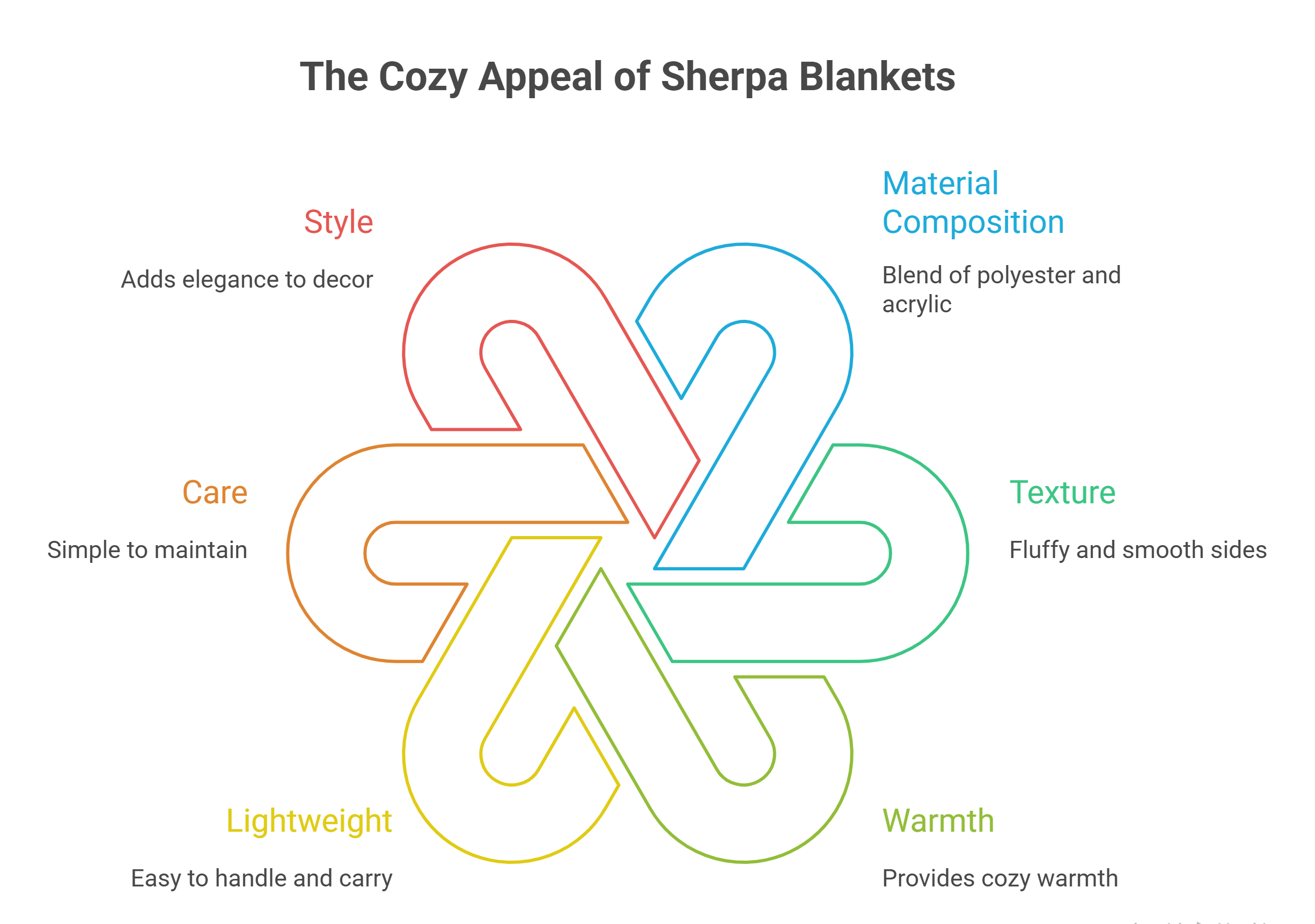
A Sherpa blanket typically features two distinct layers:

  • Smooth Fleece Side: Usually made of microfiber polyester, this side is silky and soft to the touch.
  • Sherpa Lining Side: A fluffy, wool-like texture that provides exceptional warmth and comfort.

The combination of these materials offers a luxurious feel without the bulk of traditional wool blankets. This makes them perfect for use year-round — lightweight enough for cool summer nights and warm enough for winter lounging.

2. Materials That Define the Best Sherpa Blankets

a. Microfiber Polyester

High-quality Sherpa blankets use tightly woven microfiber polyester fibers. These create a smooth finish, reduce pilling, and enhance softness over time. The material is also hypoallergenic, making it suitable for sensitive skin.

b. Reversible Construction

The hallmark of a premium Sherpa blanket is its reversible design—one side fleece, one side fluffy Sherpa. Both sides are crafted to retain heat while offering aesthetic versatility.

c. GSM (Grams per Square Meter)

This measures fabric density. The best Sherpa blankets usually have a GSM between 280 and 400, striking the perfect balance between thickness and comfort.

d. Stitching and Binding

Durability depends on double stitching and reinforced edges. These prevent unraveling and ensure longevity, even after repeated washing.

3. Key Qualities That Set the Best Sherpa Blankets Apart

  1. Softness: A true Sherpa blanket should feel plush and velvety right out of the box.
  2. Warmth: The dual layers trap heat efficiently, making it ideal for colder environments.
  3. Lightweight Comfort: Despite their warmth, Sherpa blankets remain breathable and light.
  4. Durability: Top-tier options maintain texture and color after multiple washes.
  5. Easy Maintenance: Machine-washable and quick-drying properties add everyday convenience.
  6. Aesthetic Appeal: Available in elegant solids, prints, and patterns, they complement any decor style.

4. Popular Types of Sherpa Blankets

Not all Sherpa blankets are created equal. The best one for you depends on your intended use:

a. Luxury Sherpa Throw

Perfect for personal use on couches or recliners. These typically come in standard 50×60-inch sizes and offer a designer look with high-end finishes.

b. Oversized Sherpa Blanket

Designed for maximum coverage, ideal for queen or king beds. The extra fabric makes it perfect for layering.

c. Hooded Sherpa Blanket

A growing trend—these wearable blankets combine warmth and mobility, popular among teens and homebodies.

d. Printed Sherpa Blankets

Offer creative freedom for gifts, branding, or resale. These can include patterns, photos, or embroidered logos.

e. Promotional or Custom Sherpa Blankets

Many companies order fleece blankets wholesale for branding, corporate gifts, or event giveaways—combining practicality with marketing appeal.

5. How Sherpa Blankets Compare to Regular Fleece Blankets?

While both fleece and Sherpa blankets are soft and cozy, there are distinct differences:

FeatureFleece BlanketSherpa Blanket
TextureSmooth and thinOne side smooth, one side fluffy
WarmthModerateHigh — retains heat better
Luxury FeelCasualPremium and plush
Best UseEveryday warmthLounging, décor, or luxury gifting

If you’re considering fleece blankets bulk for retail or branding, adding Sherpa options to your lineup enhances your product range and perceived value.

6. Ideal Uses for Sherpa Blankets

a. Home Comfort

Perfect for cozy nights, reading, or movie marathons. Their warmth and softness add an instant touch of luxury to any room.

b. Travel & Outdoor Use

Compact and easy to carry, Sherpa blankets are excellent for road trips, picnics, or chilly outdoor events.

c. Hospitality & Decor

Hotels and Airbnb hosts often stock Sherpa blankets for their premium appearance and guest comfort. They create an inviting, upscale feel.

d. Gifting

Whether for birthdays, holidays, or corporate events, custom Sherpa blankets make unforgettable gifts—functional, stylish, and personal.

e. Retail & Promotional

Businesses can brand Sherpa throws with embroidered logos and buy them in fleece blankets wholesale lots for resale or giveaways.

7. Tips for Buying the Best Sherpa Blanket

a. Check Fabric Composition

Look for 100% polyester or blended microfiber fleece. Avoid cheaper acrylic blends—they lose softness over time.

b. Feel Before You Buy (If Possible)

The texture should feel smooth, not scratchy. A quick rub test reveals quality immediately.

c. Read Customer Reviews

Real feedback helps gauge durability, color accuracy, and wash performance.

d. Examine Stitching

Tight, even seams and reinforced edges indicate a well-constructed blanket.

e. Consider Size and Weight

Choose based on use—light throws for travel, heavier ones for bedding or decoration.

8. Caring for Your Sherpa Blanket

Proper care extends the life of your blanket. Here’s how to maintain that fresh, fluffy feel:

  1. Wash in Cold Water: Use a gentle cycle to prevent fiber damage.
  2. Mild Detergent Only: Avoid bleach or fabric softeners—they can reduce softness.
  3. Air Dry or Low Heat: Excessive heat can flatten Sherpa fibers.
  4. Brush Occasionally: Use a soft fabric brush to keep the fleece looking new.

Following these steps ensures your blanket remains cloud-soft and inviting for years.

9. Sustainability and Eco-Friendly Options

As consumers become more environmentally conscious, many brands now produce Sherpa blankets made from recycled polyester. These maintain the same comfort and durability while reducing environmental impact. Businesses sourcing fleece blankets bulk for retail or corporate gifting can highlight eco-friendly materials as part of their brand’s sustainability commitment.

10. Best Places to Buy Sherpa Blankets

Depending on your purpose, there are different buying avenues:

Retail & Online Stores

Retailers like Amazon, Target, and Bed Bath & Beyond offer a wide variety of designs and price ranges. These are great for personal use or gifting.

Wholesale Suppliers

If you need bulk quantities, search for manufacturers that provide fleece blankets wholesale options. Many suppliers offer customization—logos, embroidery, or private labeling—for resale and branding.

Corporate Gift Distributors

Companies specializing in promotional items can customize Sherpa blankets for events or employee appreciation programs.

Final Thoughts

When deciding what is the best Sherpa blanket, focus on material quality, craftsmanship, and how you plan to use it. The best ones combine ultra-soft fleece, high-density Sherpa lining, durable stitching, and elegant design—all while offering easy care and lasting warmth.

Whether you’re a homeowner seeking comfort, a boutique retailer expanding your product line, or a business sourcing fleece blankets bulk, Sherpa blankets stand out as a versatile, cozy, and value-rich option.

So, next time you wrap yourself in that cloud-like softness, you’ll know you’ve chosen not just a blanket—but a piece of everyday luxury that’s built to last.