Archive by Author

How Much Is Fleece?

28 Oct

Quick Answer: How Much Is Fleece?

If you’re wondering how much is fleece, the answer depends on several factors — material type, quality, weight, and whether you’re buying retail or wholesale. On average, fleece fabric costs between $4 to $12 per yard, while ready-made blankets can range from $10 to $40 apiece.

However, if you purchase fleece blankets wholesale or in fleece blankets bulk quantities, prices drop significantly—sometimes as low as $3 to $8 per unit. Bulk buying is ideal for businesses, events, or personalized gifting without sacrificing warmth or softness.

Now let’s dive deeper.

Why Fleece Is Everyone’s Favorite Fabric?

Few fabrics combine warmth, softness, and affordability like fleece. Whether used for cozy blankets, jackets, or pet bedding, fleece has become a staple in households, hospitals, and even marketing merchandise. The material’s lightweight yet insulating nature makes it a popular choice for both consumers and manufacturers.

But when it comes to pricing, fleece isn’t one-size-fits-all. Different types of fleece, fabric weights, and production methods can make one blanket cost $5 and another $50. This blog dives deep into the true cost of fleece, from raw fabric to finished blankets, and how buying fleece blankets wholesale or in fleece blankets bulk can maximize value for both businesses and individuals.

1. What Is Fleece and Why Does It Matter for Pricing?

Fleece is a synthetic fabric, usually made from polyester fibers that are brushed to create a soft, fuzzy texture. Its main appeal lies in its warmth-to-weight ratio—keeping users warm without feeling heavy.

Common Types of Fleece

  • Polar Fleece: The most common and budget-friendly type, ideal for everyday blankets.
  • Microfleece: Thinner and softer, often used for baby blankets or light throws.
  • Sherpa Fleece: Thick, fluffy, and luxurious—designed for premium comfort.
  • Coral Fleece: Silky smooth with a high pile, commonly used in high-end bedding.
  • Anti-Pill Fleece: Treated to resist fabric pilling and maintain a clean surface after multiple washes.

Each type comes with a different price range, directly influencing how much you’ll pay per yard or per blanket.

2. The Average Cost of Fleece Fabric

If you’re sourcing fleece fabric to make your own products, expect the following price range:

Type of FleeceAverage Price (Per Yard)Common Uses
Polar Fleece$4 – $6Standard blankets, crafts
Anti-Pill Fleece$6 – $8Premium throws, apparel
Microfleece$7 – $9Baby blankets, sleepwear
Sherpa or Plush Fleece$9 – $12Luxury blankets, robes
Recycled or Eco Fleece$8 – $10Sustainable apparel, custom gifts

Tip: Buying rolls or bolts directly from a textile supplier can reduce per-yard costs by 20–40% compared to retail fabric stores.

3. The Cost of Finished Fleece Blankets

When purchasing ready-made blankets, prices vary based on quality, size, and customization:

  • Standard fleece throw (50″x60″): $8 – $15
  • Luxury sherpa-lined blanket: $20 – $35
  • Custom printed or embroidered fleece: $25 – $45
  • Promotional fleece blankets (wholesale): $4 – $10 per unit

If you’re sourcing for business or gifting purposes, bulk buying offers tremendous savings—making fleece blankets wholesale the smarter choice.

4. How Wholesale and Bulk Pricing Work?

Buying fleece blankets in bulk directly from manufacturers or distributors reduces cost by eliminating middlemen. Here’s what determines wholesale pricing:

a. Quantity Ordered

The more you order, the less you pay per unit. Bulk orders typically start at 50 to 100 blankets, with discounts increasing at higher tiers (e.g., 500+ units).

b. Customization Level

Adding embroidery, logos, or custom prints adds a small markup, usually between $1 to $5 per piece, depending on design complexity.

c. Shipping and Packaging

Some suppliers include packaging and delivery in their wholesale pricing, while others charge separately. Local U.S.-based suppliers often provide faster shipping and better quality control than overseas vendors.

For example:

  • Ordering 100 fleece blankets may cost $6.50 per unit.
  • Ordering 500 could drop the price to $4.25 each—almost a 35% savings.

This cost efficiency makes fleece blankets bulk orders ideal for corporate giveaways, charity drives, schools, or holiday promotions.

5. Factors That Influence the Price of Fleece

1. Fabric Weight (GSM)

Fleece is measured in grams per square meter (GSM). Heavier fleece offers more warmth but costs more.

  • Lightweight (100–150 GSM): Cheaper, used for basic throws.
  • Midweight (200–250 GSM): Balanced warmth and affordability.
  • Heavyweight (300+ GSM): Premium quality for cold-weather use.

2. Fiber Quality

Higher-quality polyester fibers and anti-pill coatings increase durability and softness but add to manufacturing costs.

3. Origin and Manufacturing

Fleece produced domestically in the U.S. or Europe often costs more due to higher labor and environmental standards compared to overseas production in China or India.

4. Branding and Customization

Branded fleece blankets (e.g., Eddie Bauer, The North Face) cost more due to licensing, design, and brand reputation.

6. Comparing Retail vs. Wholesale Prices

Purchase TypePrice RangeBest For
Retail (1–10 blankets)$10 – $40 per blanketPersonal use, gifts
Small Bulk (25–100 blankets)$6 – $10 per blanketSmall businesses, events
Wholesale (100+ blankets)$3.50 – $7 per blanketLarge orders, resale, fundraising

So, while buying individually might seem convenient, bulk purchasing often yields 40–60% savings without compromising quality.

7. Best Use Cases for Bulk Fleece Blankets

1. Corporate Gifting

Many companies order fleece blankets wholesale as practical, customizable gifts for clients or employees. Embroidered logos add a professional touch while keeping the cost low.

2. Charities and Nonprofits

Fleece blankets are a top choice for donation drives due to their affordability, warmth, and durability. Buying in bulk helps organizations stretch limited budgets.

3. Schools and Sports Teams

Branded fleece blankets make excellent spirit gear or fundraiser items. Lightweight designs appeal to both students and parents.

4. Hospitality and Healthcare

Hotels, spas, and hospitals rely on fleece for its comfort, easy maintenance, and cost-effectiveness—especially when purchased in bulk.

8. How to Choose the Right Supplier?

When sourcing fleece or blankets, consider these key points:

  • Check certifications (OEKO-TEX, ISO) for quality assurance.
  • Request samples to test texture and thickness.
  • Ask about return and defect policies.
  • Compare customization options (print vs. embroidery).
  • Evaluate delivery timelines—especially during high-demand seasons like winter or holidays.

Partnering with reputable suppliers ensures you get consistent quality and compliance with safety standards.

9. Sustainability and Eco-Friendly Fleece Options

With growing environmental awareness, many buyers now prefer eco-fleece, made from recycled plastic bottles or organic fibers. Although eco-friendly fleece costs 10–20% more, it offers sustainable value and aligns with corporate social responsibility goals.

Suppliers are increasingly offering green alternatives, proving that warmth and ethics can go hand-in-hand—an excellent selling point for modern brands.

10. Example Price Scenarios

Let’s break down an example of how cost fluctuates:

Order TypeQuantityPrice Per BlanketTotal
Retail10$15$150
Small Bulk100$7.50$750
Large Wholesale500$4.25$2,125

By ordering larger quantities, businesses save nearly $1,625 while receiving the same level of warmth and comfort—a strong case for fleece blankets bulk orders.

Final Thoughts

So, how much is fleece? The answer depends on what you’re buying—raw fabric, single blankets, or wholesale orders. For personal use, fleece remains an affordable, cozy choice. But for businesses, organizations, or gift programs, ordering fleece blankets wholesale offers unmatched value in cost, quality, and customization flexibility.

Whether you’re designing branded giveaways, stocking a store, or donating to those in need, fleece delivers comfort and warmth without breaking your budget. And by sourcing fleece blankets bulk, you can enjoy both premium quality and significant savings—a win for your wallet and your warmth.

What Is a Sherpa Blanket Made Of?

28 Oct

Quick Answer: What Is a Sherpa Blanket Made Of?

If you’ve ever wondered what a Sherpa blanket is made of, the answer lies in its luxurious dual-layer construction. A Sherpa blanket typically combines a soft microfiber or polyester fleece top with a plush Sherpa lining that mimics real wool.

The outer layer provides a smooth, velvety touch, while the inner side offers warmth and comfort. These blankets are durable, hypoallergenic, and machine-washable, making them ideal for home décor or promotional use—especially when sourced alongside fleece blankets wholesale for affordability and consistent quality.

Now let’s dive deeper.

The Comfort Revolution of Sherpa Blankets

Few home textiles can match the cozy charm and practicality of a Sherpa blanket. Whether it’s a chilly winter evening or a relaxing night on the couch, these blankets provide instant warmth and softness. Their appeal lies not only in their comfort but also in the clever materials and craftsmanship behind them.

But beyond the plush surface, many people don’t know exactly what a Sherpa blanket is made of or what makes it feel so incredibly soft and insulating. The secret lies in a perfect pairing of synthetic innovation and textile design—combining durability with luxury, affordability with warmth.

1. The Origin of the “Sherpa” Name

The term “Sherpa” doesn’t refer to the material itself but rather to the texture and inspiration behind it. It’s named after the Sherpa people of Nepal, known for enduring cold mountain climates while wearing wool-lined clothing. Manufacturers used this concept to create a synthetic alternative that mimics the feel and insulation of real wool without the bulk or maintenance.

The result is a fabric that provides:

  • Exceptional softness comparable to natural sheepskin.
  • Thermal efficiency, trapping body heat for warmth.
  • Lightweight comfort, perfect for layering and everyday use.

So, when you hear “Sherpa blanket,” think of a product designed to bring mountain-grade warmth into your living room—without the heaviness or ethical concerns of animal-derived materials.

2. The Dual-Layer Construction of a Sherpa Blanket

A Sherpa blanket typically features two main layers, each with a unique function:

a. The Outer Layer: Smooth Microfleece or Polyester Fabric

The outer surface is made from polyester fleece—a tightly woven, lightweight fabric that feels smooth to the touch. It’s durable, colorfast, and resistant to shrinking. This layer gives the blanket its aesthetic appeal and provides a sleek exterior for printing, embroidery, or branding.

b. The Inner Layer: Sherpa Fleece Lining

The inside of the blanket features Sherpa fleece, a high-pile fabric made from brushed polyester fibers. These fibers are looped and sheared to mimic the appearance and softness of real sheep’s wool. The Sherpa lining is what makes the blanket feel fluffy, insulating, and exceptionally comfortable.

Together, these layers create a perfect thermal duo—the outer fleece traps heat, while the Sherpa side provides plush comfort against your skin.

3. The Science Behind the Softness

What gives a Sherpa blanket its signature softness and warmth isn’t just the material—it’s the fabric engineering process.

  1. Brushing and Napping: During manufacturing, the polyester fibers are brushed to create a fuzzy, raised texture. This process increases the blanket’s softness and heat retention.
  2. Loft and Density: Sherpa fleece has a high “loft” (thickness) with densely packed fibers that trap air and act as natural insulation.
  3. Anti-Pilling Treatment: High-quality Sherpa blankets undergo anti-pilling treatments to prevent fuzz balls from forming over time.

The result is a blanket that feels indulgent yet practical—maintaining its plush texture even after multiple washes.

4. Common Materials Used in Sherpa Blankets

While polyester is the most common base material, manufacturers may use different blends depending on the desired softness, durability, and cost.

MaterialDescriptionBenefits
100% PolyesterMost common choice for mass productionLightweight, durable, easy to clean
Polyester-Cotton BlendCombines softness of cotton with resilience of polyesterBreathable and cozy
Microfiber SherpaMade from ultra-fine polyester fibersExceptionally soft and wrinkle-resistant
Recycled Polyester (RPET)Eco-friendly version made from plastic bottlesSustainable and equally soft

For large-scale manufacturing—such as fleece blankets wholesale—polyester remains the top choice due to its versatility, affordability, and consistent quality control.

5. How Sherpa Blankets Are Made?

The process of making a Sherpa blanket involves several carefully designed steps:

  1. Fiber Selection: High-grade polyester or microfiber threads are chosen for uniformity and softness.
  2. Weaving or Knitting: The outer fleece layer is knitted tightly, while the Sherpa layer uses a looped knitting technique for texture.
  3. Brushing and Shearing: The Sherpa side is brushed multiple times to create the wool-like pile, then sheared for evenness.
  4. Dyeing and Finishing: Blankets are dyed using colorfast, non-toxic dyes and treated for anti-static and anti-pilling properties.
  5. Stitching and Binding: Both layers are stitched together with durable seams to ensure long-lasting use.

Modern manufacturing techniques make it possible to produce Sherpa blankets in various colors, patterns, and custom sizes without sacrificing quality.

6. Benefits of Sherpa Blankets

Sherpa blankets are more than just visually appealing—they offer functional advantages that make them a top choice for homes, travel, and even promotional use.

a. Superior Warmth

The insulating structure of Sherpa fleece traps air, maintaining body heat efficiently without being heavy or bulky.

b. Lightweight and Breathable

Despite their thickness, Sherpa blankets remain breathable, making them suitable for both winter and cooler summer nights.

c. Hypoallergenic and Easy to Clean

Unlike wool, synthetic Sherpa doesn’t trigger allergies. It’s also machine-washable, quick-drying, and resistant to fading.

d. Versatile Usage

Perfect for beds, couches, car trips, or outdoor events. Businesses often use Sherpa blankets for employee gifts or branded merchandise because they combine luxury with practicality.

e. Cost-Effective Luxury

By sourcing them in fleece blankets wholesale quantities, retailers and organizations can offer premium-quality blankets at an affordable price point.

7. Caring for Your Sherpa Blanket

Proper care helps maintain the softness and appearance of your Sherpa blanket. Here are some simple tips:

  • Machine Wash Cold: Use gentle detergent and cold water to preserve fibers.
  • Avoid Fabric Softeners: They can flatten the pile and reduce softness.
  • Air Dry or Tumble Dry Low: High heat can damage the fleece fibers.
  • Brush Occasionally: Use a soft-bristle brush to restore fluffiness after washing.

With regular care, your Sherpa blanket can remain soft and vibrant for years.

8. Sherpa vs. Fleece Blankets: What’s the Difference?

Though similar, Sherpa and fleece blankets serve slightly different purposes:

  • Fleece blankets are single-layer, lighter, and ideal for layering or year-round comfort.
  • Sherpa blankets offer a dual-layer design with added warmth and texture, perfect for winter or cozy interiors.

Many manufacturers combine both materials, creating hybrid blankets that deliver the best of both worlds—smooth fleece on one side, Sherpa on the other.

9. Why Businesses and Retailers Love Sherpa Blankets?

Beyond home use, Sherpa blankets are increasingly popular in the promotional and retail sectors. Their perceived luxury makes them perfect for:

  • Corporate gifting during holidays or events.
  • Brand merchandising for e-commerce stores.
  • Fundraising products for schools or non-profits.

Ordering Sherpa and fleece blankets wholesale enables businesses to maintain brand consistency, reduce costs, and customize designs with logos or colors for maximum marketing impact.

Final Thoughts

So, what is a Sherpa blanket made of? It’s the artful combination of smooth polyester fleece and fluffy wool-like Sherpa lining—a perfect harmony of style, comfort, and functionality. These blankets have become a staple in modern homes and a favorite among retailers for their visual appeal, warmth, and affordability.

Whether you’re a business sourcing fleece blankets wholesale for retail shelves or simply looking for your next cozy companion, Sherpa blankets offer unmatched comfort and lasting value. They embody the best of synthetic innovation—soft, sustainable, and versatile.

For those looking to expand their product lines or add warmth to their brand, investing in fleece blankets bulk is not just a smart business move—it’s an invitation to wrap your customers in year-round comfort.

How to Embroider on Fleece?

28 Oct

Quick Answer: How to Embroider on Fleece?

Learning how to embroider on fleece will take patience, the right tools, and technique. Since fleece is soft and stretchy while shifting easily, it needs stabilization. Use a cutaway stabilizer only, sharp embroidery needles, and avoid designs that are too dense to the extent of distorting the fabric.

Hoop the fleece gently, applying no stretch to it, and set your machine tension accordingly for an even stitch. Whether personalizing cozy garments or custom gifts made from fleece blankets wholesale, knowing how to embroider on fleece will ensure durability and professional finishes every time.

Now let’s dive deeper.

The Art of Embroidering on Fleece

One of the coziest and most versatile fabrics of today is fleece—great for making warm hoodies and jackets, as well as for home décor and blankets. But embroidery and fleece, they don’t really go hand in hand most of the time. Its plush surface and slight stretch cause puckering and misalignment if unprofessionally dealt with.

Anytime you are personalizing, Embroidering on fleece entails sitting with either a script monogram, a logo, or some fancy stitching to create beautiful, imperishable designs without causing any damage to the fabric. Below is a complete guide from stabilizer and needle choice to machine adjustment and project finishing for the pros to follow.

1. Knowing What Fleece Really is

Before jumping into the embroidering process, understanding the fabric you are working with is of utmost importance. Fiber Characteristics:

  • Stretches and soft: It stretches a little, especially cross sectional, making fleece quite comfortable and delicate to needle.
  • Lofty Texture: Due to its nap-the raised fibers-fleece stays warm and feels soft, but threads do tend to sink in.
  • Synthetic Fiber Base: It is usually made of polyester; this, of course, reacts differently with heat and tension as opposed to cotton or linen.

Due to these characteristics, fleece embroidery requires a much gentler and well-stabilized approach that can prevent distortion and damage.

2. Tools and Materials You’ll Need

You have the materials, and half the job is done. For a professional finish, source the following:

a. Stabilizer

For fleece, a cutaway stabilizer is ideal since it supports the fabric through stitching and washing. Steer clear from tear-away kinds as they tend to shift during stitching or distort the fabric when taken away.

For an added layer of surface protection, use a water-soluble topping. This prevents stitches from sinking into the fleece pile and keeps your embroidery crisp.

b. Needles

You want to use a ballpoint or a universal embroidery needle in sizes 75/11 or 80/12. A ballpoint needle glides between fibers instead of piercing them, reducing the incidence of snags and holes.

c. Thread

This thread has to be of great quality, polyester preferably, for strength, colorfastness, and flexibility so that it moves with the fabric. Rayon threads, too, can work for lighter designs.

d. Hooping and Machine Settings

Choose an embroidery hoop large enough to keep the design nice and flat but not so tight that it stretches the fleece. Set your machine’s tension and speed to medium tension and slow stitching for better control and clean lines.

3. Preparing Your Fleece for Embroidery

Doing it right will avoid most embroidery disasters.

Step 1: Pre-Wash the Fabric

Fleece may or may not shrink as cotton does; a wash will remove surface lint and factory residues. This will facilitate the better bonding of the stabilizer to the fabric and then cleaner stitches.

Step 2: Cut the Stabilizer

Cut a piece of stabilizer just a bit larger than your hoop. If you work on thicker fleece or rather large designs, double up the stabilizer for extra support.

Step 3: Mark Your Design Area

Make sure to outline the embroidery area with a fabric-safe marking pen or chalk. Avoid using any ink that can bleed or mark polyester forever.

Step 4: Hoop the Fabric

With the stabilizer underneath, align it carefully before hooping. The fleece should be taut but never stretched for puckering will appear when the fabric relaxes later.

4. Stitching Tips for Perfect Results

1. Use a Topping Layer

For best results, a water-soluble stabilizer is applied on top of the fleece before stitching. This layer prevents the threads from sinking into the nap and creates crisp, raised designs.

2. Select the Right Design

Avoid very dense fills or tiny details that press down fleece fibers or distort the design. Open, satin, or light fill stitches are the best.

3. Adjust Stitch Density

Slightly reduce stitch density versus embroidery on regular fabrics. By doing so, the design sits on fleece in a natural manner, without making the texture hard and bulky.

4. Slow Your Machine Down

Set your embroidery machine to a slower speed, something between 600 and 700 stitches per minute. It will make the embroidery more accurate, while also reducing thread breakages.

5. Keep Checking Your Fabric

Pause now and then to check the tension, stitch balance, and alignment. If small problems are spotted early enough, starting all over again can be avoided.

5. Removing the Stabilizers

The last step after the stitching process is stabilizer removal.

  • Cutaway stabilizer (back): Trim as much excess as possible close to the design, leaving about ¼ inch around the stitches for long-term stability.
  • Water-soluble topping (front): Tear the excess off gently, then blot with a damp cloth to remove any residues.

Do not iron fleece directly; heat will melt the fibers. If needed, press from the wrong side with a pressing cloth and low heat.

6. Personalizing Fleece Blankets

Embroidery on fleece is not just for clothes but also for personalizing gifts, building a brand name, or enhancing items for sale, such as custom blankets.

For businesses buying fleece blankets wholesale, embroidery gives added value and brand identity. Company logos or initials may be stitched on with a custom message to make promotional pieces or retail-ready pieces.

Buying in fleece blankets bulk is ideal for customization because it is economical, of consistent quality, and available in many colors and sizes. Adding embroidery will transform these into classy keepsakes for corporate occasions, schools, sports teams, or even gifts for the holidays.

7. Concepts for Embroidered Fleece Projects

Let me turn the billion dollar ideas into action for your embroidery skills on fleece:

  • Personalized Baby Blankets: Add the names, birthdates, or even cute motifs.
  • Corporate Gifts: Log in embroidery on fleece throws for employee appreciation events.
  • Pet Accessories: Make cozy embroidered mats or blankets for pets.
  • Holiday Decorations: Stitch seasonal designs on throws and stockings.
  • Team Apparel: Embroider team names or logos on hoodies and jackets.

The soft texture and low price of fleece make it ideal for either personal or commercial projects.

8. Troubleshooting Common Embroidery Problems

Sometimes problems happen, despite the best preparation on fleece. Here are some solutions:

Problem 1: Fabric Puckering

  • Causal Factor: The fabric was stretched too tightly inside the hoop.
  • Solution: Re-hoop gently, and use a firmer stabilizer.

Problem 2: Stitches Sinking Into Fabric

  • Causal Factor: No topping or wrong tension.
  • Fix: Use a water-soluble finishing and reduce stitch density a little.

Problem 3: Broken Thread

  • Cause: Dull needle or incorrect speed.
  • Fix: Change the needle and slow down the machine.

Problem 4: Distorted Design

  • Cause: Unbalanced tension or a flimsy stabilizer.
  • Fix: Tighten bobbin tension or use a heavier cutaway stabilizer.

9. Why Fleece Embroidery Must Be Learned?

Fleece embroidery offers both artistic and business perspectives. It merges warmth and style with personal expression or branding. Fleece items still stand the test of time from personalized gifts to retail collections.

In turn, customized fleece items, mainly blankets, offer a thriving opening for small-scale businesses and embroidery studios. Purchasing fleece blankets wholesale or in fleece blankets bulk in themselves provide a consistent base for custom-made work that allows you to tailor to demand without sacrificing quality or profit.

Final Thoughts

Knowing your way around how to embroider on fleece would open up a fairly good number of creative avenues-from unique gifts to profit-oriented custom products. Right from stabilizers and needles to machine settings, everything will be adjusted in such a way that the embroidery does not just turn out looking crisp and professional, it does so without compromising on the softness of the fleece.

If you work for yourself or buy commercially, fleece ranks very high as a fabric to work with and have fun. Wholesale fleece blanket suppliers manufacture into great uses for increasing niche offerings if anything is custom products at scale. Proper methods and materials go into making a great fleece creation that will look exquisite with embroidery, feel amazingly soft, and stay for years.

Where to Get Custom Blankets Made?

24 Oct

Quick Answer: Where to Get Custom Blankets Made?

If you’re wondering where to get custom blankets made, the best places are specialized textile manufacturers, promotional product suppliers, and online custom print stores that offer a variety of materials, from plush fleece to woven cotton.

Many of these suppliers cater to both individual and bulk orders, providing customization options like embroidery, sublimation, and digital printing. Whether you’re sourcing fleece blankets wholesale for corporate gifting or fleece blankets bulk for retail resale, it’s vital to choose a manufacturer that guarantees softness, durability, and vibrant print quality to ensure your blankets stand out and last.

Now let’s dive deeper.

Why Custom Blankets Are the Perfect Blend of Comfort and Branding?

Custom blankets have evolved from simple home accessories into powerful tools for gifting, branding, and marketing. They’re cozy, practical, and endlessly customizable. Businesses now use them for corporate giveaways, hotels personalize them for guest experiences, and families design them as heartfelt gifts.

However, knowing where to get custom blankets made can be confusing. With so many suppliers, online stores, and manufacturers offering varying levels of quality and pricing, it’s important to understand which options deliver both value and craftsmanship.

1. Understanding the Types of Custom Blankets Available

Before you decide where to buy, you should know what kinds of blankets are commonly offered for customization. Each type serves a unique purpose:

  • Fleece Blankets: Lightweight, warm, and affordable — ideal for both personal and promotional use.
  • Sherpa Blankets: A premium choice with a soft, fluffy lining that adds warmth and luxury.
  • Woven or Knit Blankets: Made using cotton or acrylic yarns, these are perfect for high-end gifts or home décor.
  • Photo Blankets: Use digital printing or sublimation to display images, logos, or designs directly on the fabric.
  • Weighted Blankets: Often custom-made for therapeutic use or luxury gifting.

Among these, fleece blankets remain the most popular because they are affordable, soft, and easy to produce in bulk.

2. Where to Get Custom Blankets Made – Top Sources Explained

a. Online Custom Printing Platforms

Websites like Vistaprint, Zazzle, Printify, and Custom Ink allow you to upload your own designs, logos, or photos and preview how the final product will look.
These platforms are ideal if you:

  • Want a small batch or one-off personalized blanket.
  • Prefer instant online design tools.
  • Need quick shipping and easy order tracking.

However, their unit prices can be higher for large orders, and customization options may be limited compared to direct manufacturers.

b. Wholesale Manufacturers and Textile Factories

If your goal is to produce blankets for resale, gifting campaigns, or branded merchandise, partnering directly with a textile manufacturer is the best route.
They provide:

  • Bulk order discounts.
  • Custom material, color, and size options.
  • Embroidery, woven labels, and dye-sublimation printing.

This is the preferred option for businesses ordering fleece blankets wholesale since you can control every aspect of quality, design, and packaging.

c. Promotional Product Suppliers

These companies specialize in branding items for businesses, sports teams, and organizations. They handle bulk customization and often include add-on services like logo placement, custom wrapping, and fulfillment.

They are a smart choice if you’re using blankets as:

  • Corporate gifts.
  • Event giveaways.
  • Merchandise for schools, hospitals, or charities.

They usually have pre-established relationships with fleece blankets bulk suppliers, which ensures cost efficiency and fast turnaround.

d. Local Print Shops and Embroidery Services

If you want to support small businesses or need more personalized service, check your local area for embroidery and printing shops.
Benefits include:

  • In-person consultation.
  • Sample inspection before production.
  • Local delivery and reduced shipping costs.

The downside is that smaller shops may not handle very large quantities, making them better suited for smaller projects or custom gifts.

3. How to Choose the Right Supplier for Custom Blankets?

Step 1: Define Your Purpose

Ask yourself — are you ordering for business use, resale, or personal gifting?

  • Business use: Prioritize professional printing, bulk pricing, and brand consistency.
  • Retail resale: Focus on quality, packaging, and supplier reliability.
  • Personal gifting: Choose convenience, print quality, and design options.

Step 2: Compare Material and Print Quality

Always check:

  • Fabric GSM (grams per square meter) for thickness.
  • Stitching strength for durability.
  • Printing method — dye sublimation provides vibrant, fade-resistant results.

If possible, request sample swatches to evaluate texture and color accuracy before committing to a bulk order.

Step 3: Check Customization Options

Top suppliers offer multiple branding techniques:

  • Embroidery: Best for luxury and long-lasting branding.
  • Sublimation Printing: Great for photo blankets and vibrant logos.
  • Heat Transfer: Affordable for short runs.
  • Woven Design: Perfect for a premium, textured look.

Choose the one that fits your style and budget.

Step 4: Evaluate Turnaround Time and Minimum Order Quantity (MOQ)

For event-driven or seasonal promotions, timing is critical.

  • Online stores: Ship within a week.
  • Manufacturers: Usually take 2–4 weeks, depending on volume.
  • Wholesalers: Offer flexible schedules for repeat orders.

MOQs vary — some factories require 50+ units, while others allow low-volume orders for startups.

4. Best Practices for Ordering Custom Blankets in Bulk

Ordering in bulk offers great cost savings, but it also requires planning. Here’s how to do it right:

  1. Get Multiple Quotes: Compare prices from at least three suppliers to ensure competitive rates.
  2. Ask for Proofs: Request digital mockups or sample prints to confirm design placement.
  3. Inspect Certifications: Check that materials meet safety standards (especially if selling retail).
  4. Confirm Shipping Details: Bulk blankets can be heavy, so freight and customs can add up — clarify all costs upfront.
  5. Negotiate Packaging: Many suppliers offer branded wrapping or labels for a small additional fee.

If you’re ordering fleece blankets wholesale, discuss return policies and defect replacement terms to protect your investment.

5. Benefits of Buying Custom Blankets in Bulk

  • Cost Efficiency: The larger your order, the lower your per-unit cost.
  • Brand Consistency: Ideal for marketing campaigns or product lines.
  • Customization Freedom: You can request unique designs or color palettes.
  • Resale Opportunities: Excellent for eCommerce and boutique stores targeting home and lifestyle niches.

Many B2B buyers use fleece blankets bulk purchases to serve dual purposes — part of their inventory for resale and part for promotional gifting.

6. Trends in Custom Blanket Manufacturing

The custom blanket market has evolved significantly in recent years. Here are the top trends to consider:

  • Eco-Friendly Fabrics: More brands are opting for organic cotton, recycled fleece, or bamboo fiber blankets.
  • Smart Printing Technology: Sublimation and UV printing allow for sharper, full-color designs that last.
  • Personalization at Scale: AI-powered design platforms make it possible for customers to personalize every item before checkout.
  • Private Label Manufacturing: Many businesses now request white-label blanket production to resell under their own brand names.

By choosing a manufacturer aligned with these innovations, you’ll ensure modern design, sustainability, and long-term product relevance.

7. How to Maintain and Market Custom Blankets?

If you’re reselling or using blankets for brand marketing, presentation matters as much as quality.

  • Care Instructions: Include washing and maintenance guidelines for customers.
  • Brand Tags: A subtle woven label with your logo boosts brand recognition.
  • Packaging: Vacuum-sealed or ribbon-wrapped blankets add a professional touch.
  • Marketing Angle: Position your blankets as premium, cozy, and eco-conscious.

For digital marketing, showcase your blankets through lifestyle photography, highlighting textures and warmth. This visual appeal helps your brand stand out, especially on platforms like Etsy or Shopify.

Final Thoughts

Finding where to get custom blankets made depends on your goals — small personalized gifts, large corporate orders, or retail resale. If you need just a few personalized designs, online platforms are your best bet. For larger campaigns or branded merchandise, partner directly with experienced textile manufacturers or wholesalers for the best quality and pricing.

Whether you choose a local print shop or an international supplier, remember that material selection, customization quality, and supplier reliability determine how successful your blanket project will be.

When done right, your custom blankets won’t just keep people warm — they’ll wrap your brand or message in comfort and long-lasting value.

Where Can I Get a Blanket Embroidered?

24 Oct

Quick Answer: Where Can I Get a Blanket Embroidered?

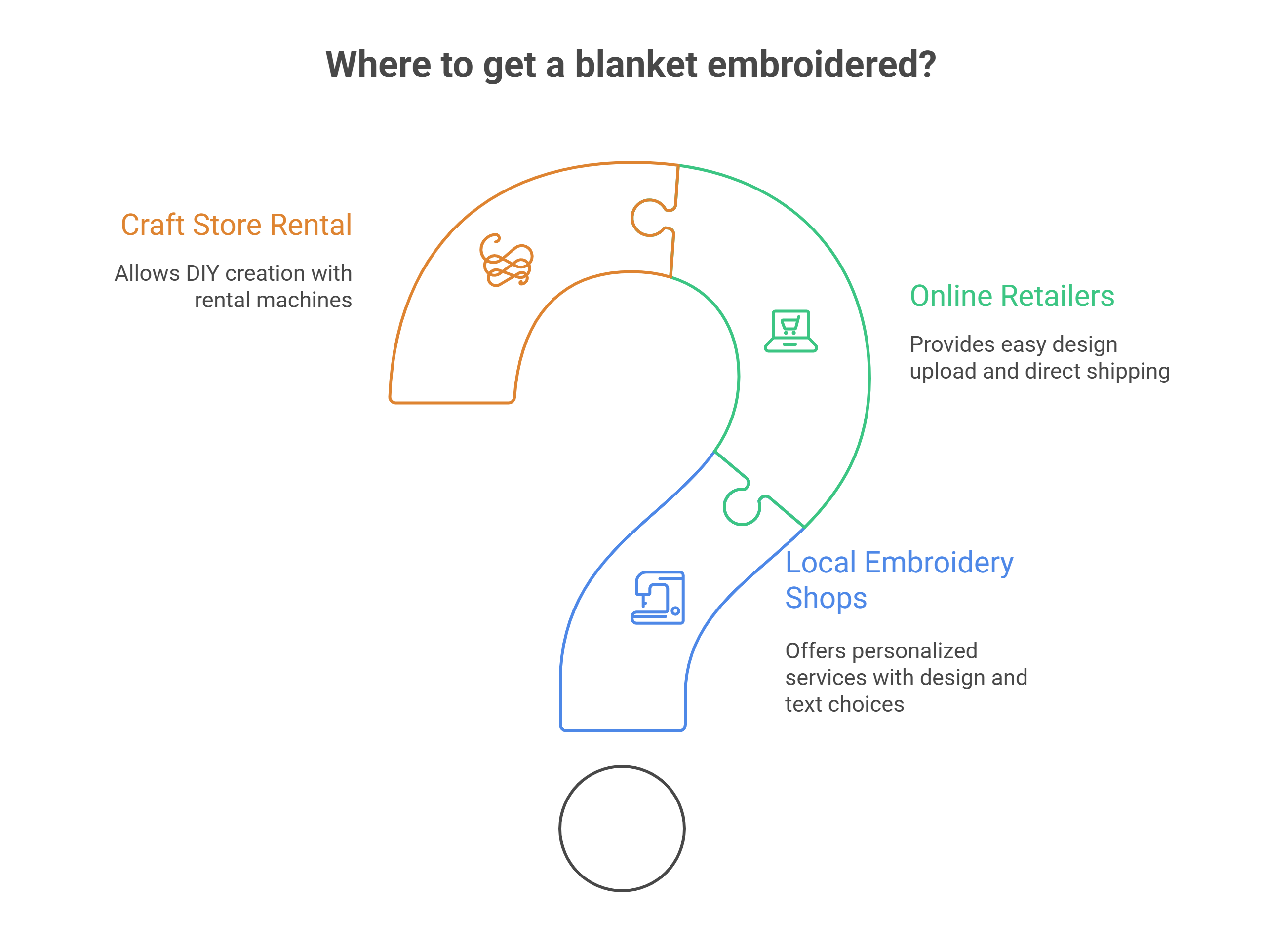
If you’re wondering, “Where can I get a blanket embroidered?” the good news is that there are several excellent options—both online and local. Many printing and embroidery shops, promotional product suppliers, and wholesale blanket vendors now offer full customization services.

Whether you want personalized gifts, branded items for events, or bulk embroidered fleece throws for your business, you can easily order them online through vendors specializing in fleece blankets wholesale and fleece blankets bulk. These suppliers often provide in-house embroidery, ensuring your design, logo, or text is stitched beautifully and professionally every time.

Now let’s dive deeper.
The Rise of Personalized Blankets

Personalized products have become a major trend in recent years. From monogrammed towels to embroidered jackets, consumers and businesses alike are embracing customization as a way to stand out. Among these products, embroidered blankets have gained immense popularity. They’re cozy, practical, and sentimental—making them ideal for personal use, corporate gifts, or special occasions.

But if you’ve ever searched “Where can I get a blanket embroidered?” you’ll quickly realize there’s no one-size-fits-all answer. The right choice depends on what you need—quantity, material, embroidery type, or even turnaround time.

1. Local Embroidery Shops: A Personal Touch

One of the most direct ways to get a blanket embroidered is through a local embroidery or print shop. These businesses often cater to schools, sports teams, small companies, and individuals looking for personalized gifts.

Advantages:

  • Face-to-Face Consultation: You can bring your blanket, discuss thread colors, and even feel embroidery samples.
  • Faster Proofing: Local shops typically provide physical samples or swatches for review.
  • Community Support: You’re helping local artisans and small businesses thrive.

Disadvantages:

  • Limited Bulk Discounts: If you’re looking to order in large quantities, prices per unit can be higher.
  • Fewer Material Options: Not all local shops stock fleece, sherpa, or premium fabrics.

Local embroidery shops are ideal for personalized gifts—think weddings, graduations, or baby showers. But for larger needs, you might want to explore suppliers that specialize in fleece blankets bulk orders.

2. Online Customization Stores: Convenience and Variety

E-commerce has made custom embroidery more accessible than ever. Websites like Vistaprint, Custom Ink, Zazzle, and Etsy allow you to upload your design, choose blanket material, and preview the final product before purchasing.

Benefits of Online Vendors:

  • Huge Product Range: From cotton throws to premium fleece and sherpa blankets.
  • Design Flexibility: Upload logos, text, or artwork in high-resolution formats.
  • Bulk Ordering Options: Many platforms cater to corporate and event orders.

Key Tip:

When ordering online, always review the embroidery area (usually limited to corners or center sections) and ensure your logo or design fits clearly within the allowed space.

For companies planning giveaways, online suppliers that provide fleece blankets wholesale or fleece blankets bulk options are perfect. These suppliers not only offer large quantities but also provide branding services—ideal for hotels, schools, or promotional events.

3. Promotional Product Suppliers: For Businesses and Events

If your goal is to create branded merchandise—perhaps with your company logo, event name, or organization emblem—a promotional product supplier is your best bet.

These suppliers specialize in corporate gifting, trade show items, and branded goods. They typically maintain relationships with large manufacturers, allowing you to order hundreds or even thousands of blankets at wholesale pricing.

Why Choose Promotional Suppliers:

  • Professional-Grade Embroidery: Industrial machines ensure precision stitching.
  • Bulk Discounts: Lower per-unit costs for larger orders.
  • Full Branding Services: Some vendors can handle packaging, tagging, and shipping directly to clients.

Promotional suppliers are especially useful for organizations such as:

  • Schools and universities creating spirit merchandise.
  • Real estate firms gifting embroidered blankets to new homeowners.
  • Hospitals or wellness centers offering comfort blankets with their logo.

If you’re a business looking to make an impact, this route guarantees quality consistency and professional finish—especially when ordering fleece blankets bulk for campaigns or seasonal promotions.

4. Specialty Blanket Retailers: Quality Meets Customization

Some blanket brands now offer in-house embroidery as part of their retail services. You can choose the blanket’s size, color, material, and font style—all in one place.

Popular online specialty retailers include:

  • Personalization Mall
  • Shutterfly
  • Lands’ End
  • Blanket Warehouse
  • Custom Logo USA

Why They Stand Out:

  • Premium Materials: High-end fleece, sherpa, microfiber, and woven designs.
  • Gift-Ready Options: Many come with gift boxes or wrapping.
  • Lifetime Stitching Guarantee: Some brands even offer embroidery warranty.

These retailers cater more to quality-conscious buyers rather than bulk orders. However, for meaningful occasions—like anniversaries, company milestones, or luxury giveaways—they offer unmatched craftsmanship.

5. Wholesale Distributors: The Best for Large Orders

For businesses or event organizers who need large quantities, wholesale distributors are the most cost-effective solution. They specialize in providing fleece blankets wholesale, often with add-on embroidery services.

You can customize your order based on:

  • Blanket Material: Fleece, sherpa, velour, or polar fleece.
  • Embroidery Placement: Corner logo, center monogram, or full spread.
  • Color Matching: Pantone thread matching for perfect brand consistency.

Advantages of Wholesale Orders:

  • Mass Production Capability: Perfect for universities, hotels, or corporate campaigns.
  • Lower Unit Costs: The more you buy, the lower the price per blanket.
  • Uniform Quality: Every blanket matches your design and brand guidelines.

Companies that provide both fleece blankets wholesale and embroidery services offer the ideal one-stop solution—saving you time, logistics, and costs.

6. DIY Option: Embroider It Yourself

For creative individuals, doing it yourself can be rewarding. Hand embroidery on a blanket gives it a truly personal touch, though it takes time and skill.

You’ll need:

  • An embroidery hoop large enough for your fabric.
  • Embroidery needles, high-quality thread, and stabilizer.
  • A washable marking pen and pattern template.

If you’re working with thick fleece or sherpa material, use a stabilizer backing to prevent bunching. There are also small home embroidery machines that make it easier to replicate designs if you’re planning multiple blankets for family or friends.

7. What to Consider Before Getting a Blanket Embroidered?

Before choosing where to get your blanket embroidered, consider these essential factors:

a. Material

Not all fabrics are embroidery-friendly. Fleece and cotton blends hold stitching well, while stretchy or silky fabrics may distort designs.

b. Design Complexity

Simple logos or monograms embroider cleanly. If your logo includes small text or intricate patterns, consult the embroiderer for adjustments.

c. Thread Quality

Polyester thread is durable and colorfast, making it perfect for fleece and outdoor blankets.

d. Turnaround Time

Bulk embroidery can take several weeks, especially during the holiday season.

e. Cost Structure

Embroidery costs depend on stitch count, size, and setup fees. For large quantities, wholesale pricing usually offsets setup costs.

8. Sustainability and Ethical Production

As sustainability becomes a growing priority, many embroidery and textile companies now focus on eco-friendly materials and ethical manufacturing. When choosing a vendor, look for:

  • Recycled Fleece Options
  • OEKO-TEX Certified Fabrics
  • Ethical Labor Compliance

Eco-conscious embroidered fleece blankets are a thoughtful choice for businesses wanting to align with green values while maintaining comfort and brand visibility.

Final Thoughts

Whether you need a personalized baby blanket, a corporate giveaway, or branded merchandise, embroidery adds a touch of elegance and identity to any piece. You can get your blankets embroidered through local shops, online customization platforms, promotional suppliers, or direct fleece blankets wholesale distributors, depending on your needs.

The best choice balances quality, turnaround time, and budget. If you’re planning for larger events or business branding, partnering with a supplier that offers both embroidery and fleece blankets bulk options ensures consistent design, professional stitching, and long-term value.

In short, embroidered blankets aren’t just warm—they’re a creative way to showcase who you are, one stitch at a time.