Archive by Author

How to Get Cat Fur Off Fleece?

23 Oct

Quick Answer: How to Get Cat Fur Off Fleece?

Wondering how to get cat fur off fleece without ruining your cozy blanket? The trick lies in combining the right tools, techniques, and maintenance habits. Start by shaking out loose fur, then use a lint roller, rubber glove, or damp sponge to lift embedded hair.

For stubborn fur, toss your fleece blanket into the dryer with dryer balls or a damp cloth for 10 minutes before washing. Regular care and fabric-safe anti-static sprays also make a big difference. If you’re buying fleece blankets wholesale or fleece blankets bulk, knowing these methods helps keep them fresh and fur-free for longer.

Now let’s dive deeper.

Why Fleece Attracts Cat Fur Like a Magnet?

If you’ve ever snuggled up in your favorite fleece blanket only to notice it’s now wearing more of your cat’s fur than you are—welcome to the club of pet lovers! Fleece is soft, warm, and incredibly comfortable, but its textured fibers act like tiny hooks, catching and holding onto pet hair.

While that’s a small price to pay for the companionship of your feline friend, removing cat fur from fleece can feel like an endless task. The good news? With the right approach, you can restore your fleece to its fluffy, fur-free glory in no time.

Whether you’re managing a few personal blankets or handling fleece blankets wholesale for resale, event giveaways, or hospitality use, understanding the best techniques to remove fur without damaging the material is essential.

1. Understanding Why Fleece Attracts Fur

Before tackling the problem, it’s worth understanding why fleece seems to collect fur so aggressively.

  • Static Electricity: Fleece is notorious for building static, especially in dry environments, which attracts lightweight cat fur like a magnet.
  • Soft Fibers: Its brushed texture provides endless nooks for fur to cling to.
  • Dense Weave: The tight knit of fleece traps fine hairs, making simple brushing ineffective.

Knowing this helps you choose cleaning methods that address both the static charge and the embedded fibers.

2. Start Simple: Shake and Snap

Before reaching for any tools, take your fleece outside and give it a strong shake. This loosens up most of the surface hair. Then, snap the blanket sharply several times to release trapped fur.

If you’re cleaning multiple blankets—especially if you work with fleece blankets bulk orders for promotional or retail purposes—do this step before every wash. It reduces fur build-up in your washing machine and saves detergent.

3. The Power of Lint Rollers and Brushes

A lint roller is the most straightforward tool for fur removal. Roll it over the fleece using light pressure, and peel off layers as they fill with hair.

For deeper fur, a fabric-safe brush with soft rubber or silicone bristles can work wonders. Move it in short, quick strokes to lift fur from the surface. If you’re out of tools, a piece of packing tape wrapped around your hand (sticky side out) can also do the trick in a pinch.

Pro Tip: Keep a lint roller in your laundry room if you handle large batches of fleece blankets wholesale for hotels, clinics, or stores—it’s a time-saving essential.

4. Use Rubber Gloves (Your Secret Weapon)

Rubber gloves—like the ones you use for dishwashing—are surprisingly effective. Put them on, dampen slightly with water, and run your hands over the fleece. The fur will clump together, making it easy to pick off or vacuum away.

This method works because static and friction help gather the hair while the damp surface provides grip. For best results, rinse the gloves occasionally to remove accumulated fur.

5. Dryer Magic: Pre-Treat Before Washing

Before tossing your blanket in the washer, run it through the dryer on a low heat or no-heat setting for about 10 minutes with a few dryer balls or damp microfiber cloths.

This loosens fur and pushes it into the dryer’s lint trap instead of redistributing it in the wash. Make sure to clean the lint trap afterward—it’ll likely be full!

If you own a pet or run a small business selling fleece blankets bulk, investing in a dryer with a strong lint filter system is a long-term win.

6. Washing Techniques That Actually Work

When it’s time to wash your fleece, follow these key steps:

  • Use cold or lukewarm water to preserve the softness of the fleece.
  • Add half a cup of white vinegar to your rinse cycle—it helps neutralize static and loosen fur.
  • Avoid fabric softeners, as they can make fleece fibers clingier.
  • Wash fleece items separately from cotton or wool to prevent cross-contamination of fur.

After washing, give your blanket another 10-minute spin in the dryer with dryer balls to pick up any residual hair. The result? A cleaner, fluffier, and fresher-smelling blanket.

7. Anti-Static Sprays and Fabric Refreshers

Static electricity is one of your main enemies. To combat it, use a pet-safe anti-static spray or a DIY version made from water and a tablespoon of fabric softener in a spray bottle.

Lightly mist your fleece before brushing or after washing—it’ll repel fur and make future cleanings easier.

For businesses buying fleece blankets wholesale for customers or branding purposes, consider pre-treating them with anti-static solutions to ensure they arrive hair-free and soft to touch.

8. Use a Pet Hair Vacuum Attachment

If you own a handheld vacuum or one with upholstery attachments, use it to remove stubborn fur. Vacuuming works best when the fleece is spread flat on a smooth surface. Move in short strokes and overlap slightly to ensure full coverage.

A vacuum with a rubberized nozzle or HEPA filter captures fine hair and dander effectively, helping those with allergies.

9. Preventing Fur Build-Up: Maintenance Habits

An ounce of prevention truly is worth a pound of fur removal. Adopt these habits to keep fleece cleaner longer:

  • Groom your cat regularly. Less shedding = less work.
  • Designate pet-free blankets. Keep one or two fleece blankets for your cat and the rest for yourself.
  • Use washable throws or covers. These act as a barrier between your pet and your favorite fleece blanket.
  • Store fleece properly. Keep unused blankets in sealed containers or fabric bags to avoid fur accumulation.

If you manage fleece blankets bulk for organizations, pet shelters, or hotels, consistent maintenance helps maintain professional presentation and hygiene standards.

10. Bonus: DIY Tricks That Actually Help

  • Pumice Stone: Gently glide it over fleece to collect embedded fur.
  • Dry Sponge: A slightly damp kitchen sponge can lift fur from fleece with minimal effort.
  • Balloon Static Method: Rub a balloon on your fleece to build static and attract fur (a fun trick that also works for kids and pet owners).
  • Fabric Shaver: For older fleece blankets with pilling and fur, use a fabric shaver carefully to renew their texture.

11. What to Avoid?

Not all methods are fleece-friendly. Avoid these to keep your fabric soft and lasting longer:

  • No high heat. It can damage the fleece fibers.
  • No stiff brushes or metal combs. They can tear the surface.
  • No bleach or harsh detergents. These weaken fibers and attract more fur over time.
  • Don’t overload the washer. It prevents thorough cleaning and fur removal.

12. Long-Term Care for Fleece Blanket

Fleece lasts longer when handled gently. Always read the care label before washing and store your blankets in dry, ventilated areas. For businesses handling fleece blankets wholesale, proper care before packaging ensures that customers receive pristine, ready-to-use products.

If you’re reselling fleece blankets bulk for retail or hospitality, consider including a “care tips” card. It’s a thoughtful touch that enhances customer satisfaction and reduces returns due to fabric issues.

Final Thoughts

Removing cat fur from fleece doesn’t have to be frustrating. With the right mix of preparation, the right tools, and smart washing habits, you can enjoy fur-free comfort without sacrificing your blanket’s softness.

From a quick lint roller sweep to pre-dryer tricks and anti-static treatments, every small step contributes to a cleaner, cozier experience. And if you’re buying fleece blankets wholesale or in fleece blankets bulk quantities, understanding these methods helps maintain their appeal—whether for home use, resale, or gifting.

So the next time you curl up with your cat and fleece, relax. You’ve got the fur situation handled.

How Do You Wash Fleece?

23 Oct

Quick Answer: How Do You Wash Fleece?

So, how do you wash fleece without ruining its cozy softness? The key lies in using a gentle cycle, cold water, and mild detergent—never bleach or fabric softeners. Fleece fibers are delicate and can lose their plush texture if exposed to high heat or harsh chemicals.

Always wash fleece items separately to prevent lint buildup and air dry them for best results. Whether you’re caring for your favorite hoodie or maintaining fleece blankets wholesale or fleece blankets bulk collections, proper washing ensures they stay fluffy, warm, and long-lasting.

Now let’s dive deeper.

The Soft Secret Behind Fleece

Few materials rival fleece when it comes to warmth and comfort. From winter jackets to cozy throws, fleece is everywhere—soft, durable, and lightweight. Yet, if you’ve ever pulled a matted or rough fleece blanket out of the washer, you know that maintaining its softness isn’t automatic.

The reason is simple: fleece may feel tough, but it’s actually a delicate synthetic fiber (often polyester) that reacts strongly to heat, friction, and certain detergents. Washing it wrong can lead to pilling, stiffness, or even permanent damage.

1. Understanding the Nature of Fleece Fabric

Before washing fleece, it helps to understand what makes it unique.

Fleece is typically made from polyester, a synthetic material spun into soft fibers that mimic wool. It’s prized for being:

  • Warm yet lightweight
  • Moisture-resistant
  • Quick-drying
  • Hypoallergenic and breathable

However, these same synthetic fibers can trap lint, attract static, and lose shape when washed improperly. Unlike cotton or wool, fleece doesn’t need deep scrubbing or high-heat drying—it needs gentle care.

If you manage a business or retail shop that buys fleece blankets bulk, understanding this fabric behavior is crucial for customer satisfaction and product longevity.

2. Sorting and Preparing Fleece Before Washing

The first step in caring for fleece begins before it ever touches water. Proper sorting and preparation can prevent damage and color bleeding.

a. Wash Fleece Separately

Fleece tends to attract lint like a magnet. Washing it with towels, jeans, or lint-producing fabrics is a mistake. Always wash fleece separately or with other soft synthetics.

b. Turn Fleece Inside Out

Turning your fleece garments or blankets inside out helps protect the outer fibers from friction and pilling.

c. Close Zippers and Fasten Straps

If you’re washing jackets or blankets with zippers or Velcro, close them to prevent snagging.

d. Shake Out Dust or Hair

Before tossing it into the washer, give your fleece a quick shake to remove dust or pet hair. This prevents buildup during the wash cycle.

3. Choosing the Right Detergent and Wash Settings

The detergent and washing method can make or break your fleece’s texture.

a. Use a Gentle Detergent

Opt for a mild, liquid detergent without bleach, optical brighteners, or softeners. Harsh chemicals strip the fleece of its insulating properties.

b. Set the Washer to Cold and Gentle

Use cold water on a gentle or delicate cycle. Hot water can cause fleece to shrink, lose shape, or develop hard spots.

c. Avoid Fabric Softeners and Bleach

Fabric softeners might seem like a good idea, but they coat fleece fibers, reducing fluffiness and breathability. Bleach, on the other hand, breaks down synthetic fibers and causes discoloration.

d. Don’t Overload the Washer

Give fleece enough room to move freely during the cycle. Overloading causes friction, leading to pilling.

4. Drying Fleece the Right Way

Drying is where many fleece lovers go wrong. It’s tempting to toss it in the dryer on high heat, but that’s the quickest way to ruin it.

a. Air Dry Whenever Possible

The best way to dry fleece is to air dry it. Lay it flat on a clean surface or hang it up away from direct sunlight.

b. Use Low Heat If You Must Use a Dryer

If you must use a dryer, set it to low or no heat (tumble dry). High heat melts fleece fibers and hardens the texture.

c. Avoid Ironing

Never iron fleece. The heat can cause permanent damage and create shiny, flattened patches.

d. Give It a Gentle Shake

Once dry, shake the fleece lightly to restore its fluff and remove any wrinkles.

5. How to Remove Stains from Fleece?

Accidents happen, but fleece stains can usually be treated without stress.

a. Treat Stains Promptly

The sooner you tackle a stain, the better. Dab (don’t rub) the area with a damp cloth to prevent spreading.

b. Use Mild Soap or a DIY Solution

Mix one teaspoon of mild detergent or dish soap with cool water. Apply it to the stained area and gently blot with a soft cloth.

c. Rinse Thoroughly

Rinse the treated spot before putting the fleece in the washing machine. Residue from detergents can stiffen the fabric.

d. Avoid Stain Removers with Alcohol or Bleach

These can damage the fleece fibers and cause color fading.

6. Storing Fleece Properly

Proper storage ensures that your fleece stays soft between seasons.

  • Fold neatly instead of hanging. Hanging can stretch the material.
  • Store in a cool, dry place. Avoid plastic bins that trap moisture.
  • Use fabric-safe bags if you’re storing fleece blankets wholesale quantities to protect them from dust and insects.

For retail or bulk inventory, consider rolling fleece blankets to prevent permanent creases.

7. Common Mistakes to Avoid When Washing Fleece

Even with the best intentions, it’s easy to make simple mistakes that shorten the life of fleece.

MistakeWhy It’s a ProblemWhat to Do Instead
Using hot waterMelts or warps fibersUse cold water only
Using bleach or softenersBreaks down softnessUse mild detergent
Mixing with linty itemsCauses fuzz and buildupWash fleece separately
Over-dryingCauses stiffnessAir dry or tumble dry low
IroningDamages textureNever iron fleece

By avoiding these, you’ll keep your fleece fresh and fluffy for years.

8. Washing Fleece Blankets in Bulk or Wholesale Quantities

If you’re managing a business that sells fleece blankets bulk or fleece blankets wholesale, maintenance becomes even more crucial. Retail presentation matters—no customer wants a stiff or matted blanket.

When cleaning bulk orders before shipment or display:

  • Use industrial washers with gentle cycles.
  • Maintain low water temperature across all loads.
  • Perform spot checks for lint and pilling after each cycle.
  • Always air dry in ventilated rooms to prevent heat damage.

Bulk washing can also reduce detergent residue, ensuring blankets stay clean and soft for resale or gifting.

9. Eco-Friendly Ways to Wash Fleece

Since fleece is made from polyester, microfibers can shed during washing and enter waterways. Here’s how to minimize your environmental footprint:

  • Use a microfiber filter bag (like a Guppyfriend) to catch tiny fibers.
  • Wash less often. Fleece doesn’t need frequent washing; spot clean when possible.
  • Opt for eco-friendly detergents that are biodegradable.
  • Air dry to reduce energy use and fiber shedding.

These small steps help you care for both your fleece and the planet.

10. Keeping Fleece Soft for Years to Come

To maintain fleece’s luxurious feel, adopt a gentle care routine:

  • Wash only when necessary.
  • Brush lightly with a soft clothing brush to restore fluff.
  • Avoid exposure to direct heat or harsh sunlight.
  • Rotate usage for bulk blankets in hospitality or retail setups to prevent wear in high-use areas.

Properly maintained fleece can last for years—looking and feeling just as cozy as the day you bought it.

Final Thoughts

Washing fleece may seem simple, but the difference between soft, cloud-like fabric and a rough, matted mess often comes down to technique. Remember: cold water, mild detergent, gentle cycles, and patience during drying are your fleece’s best friends.

So, the next time someone asks, “how do you wash fleece?”, you’ll know it’s more than just a laundry question—it’s about preserving comfort, quality, and longevity. Whether it’s your favorite throw or a set of fleece blankets wholesale for your business, the right washing habits make all the difference in keeping them irresistibly soft and ready for every season.

How to Wash a Fleece?

23 Oct

Quick Answer: How to Wash a Fleece?

Knowing how to wash a fleece properly ensures it stays soft, warm, and durable for years. Whether it’s a cozy throw or part of a large batch from fleece blankets wholesale suppliers, the key is gentle care.

Wash fleece in cold water using mild detergent, avoid fabric softeners, and skip the high heat—these damage fibers and cause pilling. Air drying or tumble drying on low keeps it fluffy. If you’ve purchased fleece blankets bulk for resale or donation, proper washing before use enhances comfort, hygiene, and product longevity while maintaining their signature softness.

Now let’s dive deeper.

Why Fleece Needs the Right Care?

Fleece is a favorite across households, hotels, hospitals, and retailers—soft, lightweight, and incredibly warm. But as cozy as it is, fleece can lose its charm fast if washed incorrectly. High heat, harsh detergents, or improper drying can turn your luxurious blanket into a stiff, pilled mess.

If you’ve ever wondered why your fleece blanket stopped feeling as soft as day one, the reason usually lies in your laundry routine. Understanding how to wash a fleece isn’t just about cleanliness—it’s about protecting the fiber technology that gives fleece its cloud-like texture and insulation.

1. What Is Fleece Made Of?

Before diving into the washing process, let’s understand what fleece actually is.

Most fleece fabrics are made from polyester, a synthetic fiber derived from plastic. Its unique brushed construction traps air between fibers, creating insulation and softness. Unlike wool, fleece doesn’t shrink easily and dries quickly, making it ideal for everyday use.

However, because it’s synthetic, it reacts poorly to high temperatures, rough agitation, and certain chemicals. These can melt or weaken the fiber surface, leading to pilling, static cling, or loss of fluff.

In short: fleece is durable—but only when treated gently.

2. Read the Care Label First

Every fleece product—whether a throw blanket, jacket, or hoodie—comes with a care label. The manufacturer’s instructions are always your best starting point.

Different fleece types (microfleece, sherpa fleece, polar fleece) may require slightly different temperatures or drying methods. Following those symbols helps prevent irreversible damage, especially for businesses that process large batches of fleece blankets bulk for clients, hotels, or retail shelves.

3. Step-by-Step Guide: How to Wash a Fleece?

Step 1: Sort by Fabric Type

Wash fleece items separately or with other synthetic, lightweight fabrics. Avoid washing them with jeans, towels, or garments that shed lint—fleece attracts lint easily.

Step 2: Use Cold Water

Always use cold or lukewarm water. Hot water can melt polyester fibers, causing the surface to become rough and less breathable.

Step 3: Add a Gentle Detergent

Opt for a mild, liquid detergent. Avoid powdered detergents that may not dissolve fully, leaving residue on the fabric.

Pro Tip: If you’re managing a large wash for fleece blankets wholesale, use a high-efficiency detergent that’s free from bleach, phosphates, and brighteners to preserve color vibrancy.

Step 4: Skip the Fabric Softener

Fabric softeners coat fleece fibers with a waxy residue. While they might make your clothes smell nice, they actually reduce the fleece’s natural softness and water resistance.

Step 5: Choose a Gentle Wash Cycle

Select the delicate or gentle cycle. This minimizes friction between fabrics, reducing pilling and fiber wear.

Step 6: Rinse Thoroughly

Ensure all detergent is washed out. Residue can cause stiffness or irritation to sensitive skin.

Step 7: Air Dry or Tumble Dry Low

The safest option is air drying. Simply hang the fleece on a drying rack indoors or outdoors away from direct sunlight.
If you must use a dryer, choose low heat or air fluff settings. High heat will damage the fibers.

4. How to Remove Stains from Fleece?

Fleece can trap stains easily due to its brushed surface. Here’s how to treat them without harming the material:

  • For food or drink stains: Blot (don’t rub) the spot with a cloth dipped in mild soap and cold water.
  • For oil or makeup stains: Apply a tiny bit of gentle dish soap, let it sit for 10 minutes, then rinse.
  • For ink stains: Dab with rubbing alcohol using a cotton ball, then wash as usual.

Avoid chlorine bleach—it discolors fleece and breaks down its fibers.

5. Common Washing Mistakes to Avoid

Even a small mistake can ruin your fleece’s texture. Here are the top pitfalls to steer clear of:

  1. Hot Water: Causes shrinking and fiber melting.
  2. High Heat Drying: Makes fleece stiff and less breathable.
  3. Overloading the Washer: Leads to uneven cleaning and fiber abrasion.
  4. Using Fabric Softeners or Bleach: Leaves buildup and damages the nap.
  5. Ironing Fleece: High heat flattens fibers permanently.

Whether you’re a homeowner with a few cozy throws or a distributor handling fleece blankets wholesale, avoiding these mistakes saves money and extends product life.

6. Caring for Fleece Over Time

Washing is just one part of maintaining fleece quality. For long-term care:

  • Brush occasionally with a soft fabric brush to restore fluff.
  • Store folded in a cool, dry place—avoid compression bags that crush fibers.
  • Use anti-static spray if the blanket tends to cling or attract lint.
  • Rotate usage if managing stock for fleece blankets bulk sales—this prevents certain items from wearing out faster.

With consistent care, fleece can retain its plush softness and durability for years, even with frequent use.

7. Eco-Friendly Washing Tips

Sustainability matters, especially when washing synthetic fabrics like fleece. Here are some eco-conscious adjustments:

  • Wash less often: Unless visibly dirty, a light refresh can be enough.
  • Use cold water only: Saves energy and prevents microplastic shedding.
  • Install a microplastic filter in your washing machine to capture fibers.
  • Line dry outdoors to reduce energy use and preserve texture.

These practices benefit both your blankets and the environment.

8. Special Care for Different Types of Fleece

Microfleece:

Extremely soft and thin—ideal for lightweight blankets and apparel. Wash with other delicate fabrics only.

Sherpa Fleece:

Has a wool-like pile—avoid heavy spin cycles that mat the texture. Use fabric brush after drying to keep it fluffy.

Polar Fleece:

More durable but prone to static. Use anti-static dryer balls during low-heat drying.

Knowing which fleece type you’re handling helps customize the cleaning process for optimal results.

9. When to Replace Your Fleece?

Even with the best care, fleece eventually wears out. Look for these signs:

  • Persistent pilling that can’t be brushed away
  • Flattened or rough surface
  • Faded color or stretched shape
  • Noticeable static cling that won’t go away

For businesses, rotating stock in fleece blankets wholesale ensures customers always receive items in pristine condition.

Final Thoughts

Learning how to wash a fleece properly is more than just a laundry lesson—it’s a way to extend the lifespan of a product that defines comfort. For families, it means your favorite blanket stays soft winter after winter. For businesses, it means your fleece blankets bulk orders maintain their retail-quality finish through handling, washing, and reuse.

A little care goes a long way. With gentle washing, low heat, and attention to detail, you can keep fleece products looking new, cozy, and ready for years of comfort.

What Type of Fabric Is Fleece?

23 Oct

Quick Answer: What Type of Fabric Is Fleece?

So, what type of fabric is fleece? Fleece is a soft, synthetic fabric typically made from polyester fibers that are brushed to create a plush, insulating texture similar to wool—but lighter, warmer, and easier to maintain.

It’s one of the most popular materials used in cold-weather clothing and cozy home accessories. Businesses sourcing fleece blankets wholesale or fleece blankets bulk often choose it for its warmth, durability, and affordability. Whether it’s a stylish jacket or a warm throw, fleece delivers comfort without compromising on performance or cost.

Now let’s dive deeper.

The Soft Science Behind Fleece Fabric

Few fabrics can match the warmth-to-weight ratio of fleece. It’s soft, it’s cozy, and it’s become an everyday essential—from athletic gear and winter wear to baby clothes and home décor. But despite its natural feel, fleece is not derived from animals like wool; it’s an entirely man-made textile innovation.

Understanding what type of fabric fleece really is can help consumers, retailers, and manufacturers appreciate its versatility. It also sheds light on why fleece blankets wholesale and fleece blankets bulk have become a booming market segment worldwide, especially for hospitality, promotional, and retail businesses.

1. What Exactly Is Fleece Fabric?

Fleece is a synthetic fabric primarily made from polyethylene terephthalate (PET)—the same material used in plastic bottles. It was developed in the late 1970s by the textile company Malden Mills (now Polartec) as a lightweight, warm, and vegan-friendly alternative to wool.

The result was revolutionary. Fleece mimicked the insulating qualities of wool but eliminated issues like heaviness, itchiness, and slow drying. Unlike natural fibers, it doesn’t absorb water easily, making it perfect for activewear and outdoor clothing.

Today, fleece is produced in many variations—microfleece, polar fleece, sherpa fleece, coral fleece, and more—each suited for different comfort and performance needs.

2. The Manufacturing Process: How Fleece Is Made?

The creation of fleece begins with polyester fibers, which are spun from molten plastic pellets. These fibers are then knitted tightly to form a fabric base. Once the fabric is woven, it undergoes a process called napping, where metal brushes raise the fibers to create that signature soft, fluffy surface.

This brushing process is done on one or both sides, depending on the desired texture and insulation level. Finally, the fleece is sheared to remove excess fibers, giving it a uniform thickness and smooth finish.

Some manufacturers also use recycled PET bottles to make eco-friendly fleece, reducing plastic waste. This sustainable approach has gained popularity among brands seeking environmentally conscious production methods.

3. Characteristics That Define Fleece Fabric

Fleece stands out for its unique combination of warmth, softness, and breathability. Here’s a breakdown of its defining qualities:

  • Lightweight Warmth: Fleece traps air between fibers, providing insulation without bulk.
  • Moisture Resistance: Unlike cotton or wool, fleece wicks moisture away, keeping the wearer dry.
  • Fast-Drying: Perfect for outdoor or sportswear as it dries quickly after washing.
  • Softness and Comfort: Its velvety texture makes it gentle on the skin.
  • Durability: Fleece holds up well to frequent washing and use.
  • Hypoallergenic: Since it’s synthetic, fleece avoids the allergens sometimes found in natural fibers like wool or down.

These attributes make fleece ideal for use in fleece blankets wholesale and fleece blankets bulk manufacturing, where comfort and longevity are top priorities for hotels, hospitals, and retail businesses.

4. Types of Fleece and Their Uses

Fleece isn’t a single type of fabric—it’s a family of textiles with varied thickness, texture, and use.

a. Polar Fleece

The most common type, known for warmth and medium thickness. Used in jackets, sweatshirts, and blankets.

b. Microfleece

Thinner and lighter, ideal for base layers or baby clothing. It’s soft to touch and provides breathable warmth.

c. Sherpa Fleece

Features a fluffy, sheep-like surface often used in linings or plush blankets. Perfect for luxurious comfort.

d. Coral Fleece

A smoother and denser version of fleece, used in loungewear and premium throw blankets.

e. Berber Fleece

Textured like curly wool, used in outerwear and stylish home décor.

Each variation offers a distinct balance of softness, insulation, and weight—making fleece one of the most adaptable fabrics ever created.

5. Comparing Fleece with Other Fabrics

Fabric TypeWarmthBreathabilityMaintenanceMoisture ResistanceCost
FleeceHighHighEasyExcellentLow
WoolHighModerateRequires CareModerateHigh
CottonModerateHighEasyPoorModerate
Polyester (Unbrushed)ModerateHighEasyExcellentLow

Fleece combines the best of all worlds—warm like wool, easy to care for like cotton, and quick-drying like polyester. This explains why it dominates the market for cozy products, from jackets to fleece blankets bulk orders for institutional use.

6. Why Fleece Is So Popular in Blankets?

Blankets made from fleece are synonymous with comfort and practicality. Here’s why:

  • Warmth without Weight: Perfect for year-round use.
  • Durable and Easy to Wash: Retains softness even after dozens of laundry cycles.
  • Color Retention: Fleece resists fading, keeping designs vibrant longer.
  • Customizable: Ideal for printing logos, slogans, or designs for promotional purposes.
  • Affordable: Makes it suitable for fleece blankets wholesale suppliers catering to large orders.

Hotels, hospitals, schools, and event organizers often buy fleece blankets bulk because they provide premium comfort at a fraction of the cost of natural materials.

7. Environmental Considerations: Is Fleece Sustainable?

While fleece offers many benefits, it’s not without environmental challenges. Since it’s made from plastic-based polyester, traditional fleece isn’t biodegradable. Moreover, microfibers can shed during washing and enter waterways.

However, the industry is evolving. Many manufacturers now use recycled polyester to produce eco-friendly fleece, significantly reducing the carbon footprint. Consumers can also minimize microfiber pollution by washing fleece items in cold water and using specialized laundry bags or filters.

With sustainability on the rise, recycled fleece blankets are becoming increasingly popular in both retail and fleece blankets wholesale markets.

8. Care Tips for Fleece Product

To extend the lifespan and softness of fleece, follow these expert care tips:

  1. Wash in Cold Water: Hot water can damage fibers and cause pilling.
  2. Avoid Fabric Softeners: They can clog fleece fibers and reduce breathability.
  3. Use Mild Detergent: Harsh chemicals can wear down the plush texture.
  4. Air Dry or Tumble Low: High heat can melt or deform synthetic fibers.
  5. Brush Lightly: A soft fabric brush helps restore the fluffy surface if it becomes matted.

Proper care ensures that fleece products—especially fleece blankets bulk orders—stay soft, durable, and attractive even after repeated use.

9. Industries That Rely on Fleece Fabric

Fleece is used in almost every industry where warmth, comfort, or branding matters. Some common applications include:

  • Hospitality: Cozy bed throws and winter comforters.
  • Healthcare: Lightweight blankets for hospitals and clinics.
  • Corporate Gifting: Custom-branded fleece throws for promotional campaigns.
  • Retail & eCommerce: Stylish fleece apparel and accessories.
  • Outdoor Gear: Jackets, gloves, and sleeping bags.

The combination of low cost and high appeal makes fleece a top choice for fleece blankets wholesale distributors and manufacturers worldwide.

Final Thoughts

Fleece represents one of the most successful textile innovations of the modern era—an affordable, high-performance, and endlessly versatile fabric. Its ability to combine softness, warmth, and durability explains why it’s found everywhere—from cozy household blankets to mountaineering gear.

For businesses, investing in fleece blankets wholesale or fleece blankets bulk provides an unbeatable balance of quality and value. For consumers, fleece remains a go-to comfort companion—light on weight, big on warmth, and timeless in appeal.

So, the next time you wrap yourself in a fleece throw or pull on a fleece hoodie, you’ll know: this isn’t just a soft fabric—it’s a perfect blend of science, comfort, and practicality.

Where to Buy Pre Quilted Fabric?

23 Oct

Quick Answer: Where to Buy Pre Quilted Fabric?

If you’re wondering where to buy pre quilted fabric, the best options include both online specialty stores and wholesale textile suppliers that cater to crafters, quilters, and small businesses. You can find a wide variety of patterns, materials, and textures ranging from cotton blends to fleece and polyester.

Many wholesalers also offer fleece blankets wholesale and fleece blankets bulk options alongside pre quilted fabrics, making them ideal one-stop destinations for both hobbyists and commercial buyers. Whether you’re sewing jackets, bedding, or crafts, buying pre quilted fabric online ensures quality, convenience, and competitive pricing.

Now let’s dive deeper.
Why Pre Quilted Fabric Is in Demand?

Pre quilted fabric has become a favorite among DIY enthusiasts, fashion designers, and home décor creators. It offers the beauty and texture of a quilt without requiring hours of stitching. This fabric typically comes in two or three layers — a decorative top, batting in the middle, and a soft backing — already stitched together in various patterns such as diamond, wave, or grid.

Whether you’re creating cozy bed covers, handbags, pet mats, or even winter apparel, pre quilted fabric simplifies the process and saves you time. But finding the right source to buy it — with quality material and fair pricing — can be tricky.

1. Understanding Pre Quilted Fabric

Pre quilted fabric refers to textiles that have already been stitched together in layered form. Traditionally, quilting required sewing multiple layers manually, but pre quilted fabrics are machine-stitched, ensuring consistency and durability.

These fabrics come in multiple varieties:

  • Cotton Pre Quilted Fabric: Perfect for baby quilts, jackets, and home décor.
  • Polyester Quilted Fabric: Lightweight and ideal for outdoor gear.
  • Faux Leather or Vinyl Quilted Fabric: Commonly used in upholstery or car interiors.
  • Fleece-Backed Quilted Fabric: Excellent for winter wear and warm blankets.

Because they combine structure, softness, and insulation, they’re popular for both fashion and practical applications — from handbags to insulated covers.

2. What to Consider Before Buying Pre Quilted Fabric?

When you’re deciding where to buy pre quilted fabric, keep these important factors in mind:

a. Material Composition

Cotton, polyester, fleece, and blends all behave differently. Choose based on your project’s purpose — cotton for comfort, polyester for durability, fleece for warmth.

b. Pattern and Design

Pre quilted fabrics come with various stitching styles — diamond, wave, box, or floral. Pick a design that complements your end product.

c. Layer Quality

Check the batting (middle layer) for loft and density. Thicker batting provides more warmth, while thinner batting offers flexibility for clothing or accessories.

d. Width and Yardage

If you’re making large quilts, upholstery, or multiple pieces, check roll width (usually 45” to 60”) and bulk availability.

e. Pricing and Discounts

Some suppliers offer discounts when you buy in bulk — similar to fleece blankets wholesale suppliers who provide tiered pricing.

3. Best Places to Buy Pre Quilted Fabric

Here’s a breakdown of the best sources — both online and offline — where you can find reliable pre quilted fabric suppliers.

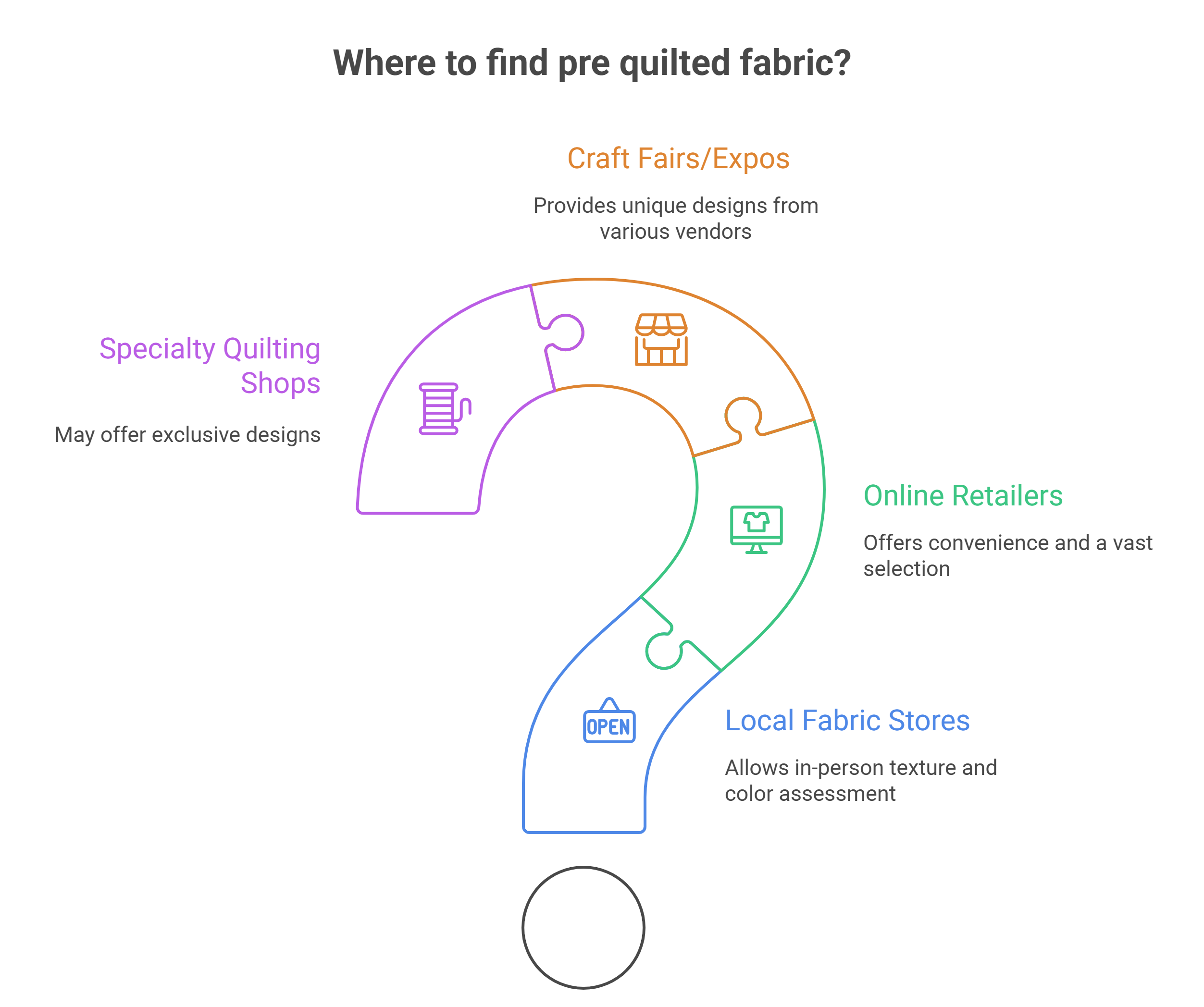
a. Specialty Fabric Stores

Local quilting or craft stores often carry pre quilted fabrics in small quantities. The advantage is you can touch and feel the material before buying. Major chains like Joann Fabrics and Hobby Lobby carry pre quilted cottons and blends in different colorways.

b. Online Fabric Retailers

For variety and convenience, online stores are unbeatable. Websites like Fabric.com, Fat Quarter Shop, and Missouri Star Quilt Company specialize in quilting supplies. They stock pre quilted fabric by the yard and often showcase customer reviews, which help verify quality.

Etsy is another excellent choice for unique patterns and independent sellers offering hand-quilted fabrics or limited-edition designs.

c. Wholesale Fabric Suppliers

If you need larger quantities — for resale, apparel manufacturing, or craft production — wholesale fabric distributors are the way to go. Many wholesalers offer fleece blankets wholesale alongside pre quilted fabrics, allowing you to combine purchases for bigger savings.

Top U.S.-based wholesalers include:

  • Wholesale Fabrics Direct – Known for affordable quilted cotton and poly-fleece blends.
  • Mood Fabrics – A designer-level source for pre quilted textiles.
  • Fabric Wholesale Direct – Offers bulk pricing and customization.
  • Shannon Fabrics – Famous for ultra-soft minky and fleece quilting materials.

d. Regional Textile Markets

If you prefer sourcing locally, textile markets in cities like Los Angeles, New York, and Atlanta offer quilted fabrics by the roll. These markets often cater to small businesses that also buy fleece blankets bulk for resale or crafting projects.

e. Import Platforms

Global platforms like Alibaba, Fabriclore, and IndiaMART provide direct access to manufacturers offering customized quilting services. This is ideal for business owners who need pre quilted fabrics in large quantities or with branded patterns.

4. Benefits of Buying Pre Quilted Fabric Online

1. Broader Selection

Online retailers offer far more variety than local shops. You can explore different patterns, textures, and price points all in one place.

2. Bulk Discounts

Online platforms frequently offer wholesale pricing, bundle deals, or loyalty discounts — especially when you combine purchases with complementary items like fleece blankets wholesale or batting rolls.

3. Quality Assurance

Many websites display detailed product specs, material compositions, and care instructions. Verified reviews and high-resolution images help you make confident buying decisions.

4. Convenience

Shopping online saves you the hassle of visiting multiple stores. Plus, fabrics are shipped directly to your home or business, often with free delivery options on bulk orders.

5. How to Use Pre Quilted Fabric Creatively?

Pre quilted fabrics are extremely versatile. Here are some creative ways you can use them:

  • Fashion: Jackets, vests, skirts, or tote bags.
  • Home Décor: Cushion covers, bed runners, and wall hangings.
  • Baby Products: Soft play mats, crib bumpers, and diaper bags.
  • Pet Accessories: Quilted pet beds or carriers.
  • Outdoor Gear: Picnic blankets, RV accessories, and sleeping bag linings.

Pairing pre quilted fabric with items from fleece blankets bulk suppliers allows you to create matching sets — such as comforters and throws — for retail or gifting.

6. Tips for Buying the Right Quantity and Type

If you’re purchasing for multiple projects or resale, bulk buying saves money. However, be strategic:

  • Order Sample Swatches First: This helps you confirm texture and color accuracy.
  • Check Minimum Order Quantities: Wholesale suppliers often have MOQs ranging from 5 to 20 yards.
  • Ask About Customization: Some suppliers allow you to choose your own fabric layers, stitch patterns, and backing materials.
  • Compare Shipping Costs: Especially when ordering internationally. Sometimes local distributors offering fleece blankets bulk and quilted fabrics together can lower overall freight charges.

7. Sustainability in Quilted Fabric Production

Many buyers now look for eco-friendly materials. Sustainable pre quilted fabrics are made from organic cotton or recycled polyester batting. Some manufacturers also use water-based dyes and biodegradable threads.

If your brand promotes green practices, ask suppliers about their sustainability credentials — this aligns with modern consumer preferences and adds value to your products.

8. Balancing Quality and Cost

While affordability is important, don’t compromise on quality. Poor stitching or thin batting can make fabrics wear out quickly. Evaluate:

  • Thread Quality: Strong, even stitches ensure durability.
  • Fabric Weight: Choose heavier options for upholstery and lighter for clothing.
  • Finishing: Smooth backings prevent puckering during sewing.

Suppliers that offer fleece blankets wholesale often maintain consistent production standards across all fabric lines, making them a reliable choice for quality-conscious buyers.

9. The Role of Customer Support

A trustworthy supplier offers responsive communication, fabric recommendations, and after-sale assistance. Check for easy return policies, sample options, and clear fabric descriptions.

Good suppliers value long-term relationships — especially if you plan to buy fleece blankets bulk or other textile products regularly.

Final Thoughts

Knowing where to buy pre quilted fabric depends on your goals — whether you’re crafting at home, running a small shop, or designing on a commercial scale. Start with trusted online fabric stores and wholesalers that provide detailed specifications, reliable shipping, and transparent pricing.

For even better savings, consider suppliers who also offer fleece blankets wholesale or fleece blankets bulk, as these partnerships often extend volume discounts and consistent quality across product categories.

Pre quilted fabric isn’t just convenient — it’s a canvas for creativity, comfort, and craftsmanship. Choosing the right supplier ensures your next project starts with the perfect foundation