Archive | Fleece Blankets RSS feed for this section

Where Can I Donate Used Blankets?

19 Dec

Where Can I Donate a Used Blanket? Used blankets can be given to pet shelters, homeless people help programs, disaster recovery centres, staff of ex-soldiers’ groups, churches, hospitals, women’s shelters, schools, and community-based groups—not just NGOs or orphanages. When blankets are clean and in good condition, they can impart warmth, comfort, and dignity to people and animals in need right away.

Why Donating Used Blankets Matters More Than We Think

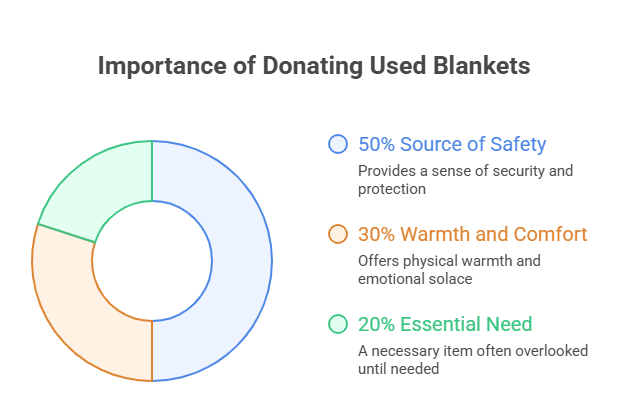
Blankets are considered to be necessary things that people usually don’t notice, until, of course, the time comes when they need them. Keeping a spare blanket in your closet may not bother you so much, but to a person who is experiencing freezing nights, moving from one place to another, or having no clear idea of what to do, it will be a source of safety, warmth, and comfort.

A lot of willing helpers stop in the middle of the way, thinking that their support would not make a difference. In case you are one of those who has asked themselves the question “Where are the used blankets going to be most helpful?”, then you should look for the answer in the options which are not so obvious.

Animal Shelters and Rescue Organizations

Animal shelters are one of the most overlooked places where blankets can be donated. Shelters have daily use of blankets for several reasons, such as keeping animals warm, lowering their stress, and providing comfort, particularly for those rescued pets that are getting used to new places.

Providing the softest bedding for cats, dogs, and all the other animals has become a must, whereas shelters are quickly running out of blankets due to daily cleaning and use. It will be a great help if you donate here; it will provide the animals with comfort and security till they are adopted.

Homeless Outreach and Street Support Programs

The outreach groups for the homeless and street community programs in the area distribute blankets directly to the homeless. A blanket can completely change the situation of a person sleeping on the street, in the park, or in a temporary shelter.

Outreach groups, as opposed to large organisations, usually operate with limited resources and thus actively depend on donations. In case you wonder Where Can I Donate Used Blanket, these are the ones.

Disaster Relief and Emergency Response Centres

Natural disasters entail emergencies that give rise to various immediate requirements. As a result, community relief centres and emergency response entities must have quilts on hand for the families in distress who have been forced from their homes.

In times of crisis, blankets offer warmth, comfort, and, in their dull, humble role, some expectation of regular life. Almost the entire season round in the year, used blankets are acceptable at most of the relief centres as a safeguard for emergencies.

Churches, Temples, and Faith-Based Community Groups

Worship places are a major relief hub for times of crisis or cold in recent years, from where they have been mainly based. Churches and other religious organisations engage in regular free distribution of blankets to qualifying persons in such communities.

For several reasons, these associations provide an important outlet for contributions to individuals and communities who otherwise may not seek help through formal mechanisms.

Veterans’ Support Organisations

Veterans’ shelters and support programs frequently accept blankets as part of care packages for those transitioning into stable housing or facing hardship. Blankets provide both physical warmth and emotional comfort for individuals rebuilding their lives.

Donating blankets to veterans’ organisations is a simple way to show appreciation and support.

Hospitals, Clinics, and Long-Term Care Facilities

A wide range of different facility types, such as hospitals, clinics, and nursing homes, have policies on receiving blankets, whether for the patients, visitors, or emergency use from their family of services and donations. Most facilities are open to accepting blankets so long as they are clean and gently used, most especially during the winter season.

A quick call ahead helps ensure your donation is accepted and used properly.

Women’s Shelters and Family Transition Homes

Shelters for women and transition homes for families support people and children through life events that are sometimes most critical. The blanket often provides comfort for children embarking on often worrisome bouts away from their mothers.

Soft, familiar items like blankets can make unfamiliar spaces feel more welcoming.

Schools and Community Centres in Underserved Areas

Blankets have expanded their use in some communities for use in rainy weather as well as during winter. They are shared with the families, schools, or local centres in an emergency or for lack of proper bedding for a child in their home. School counsellors or different people, such as school administrators, could help guide you on appropriate ways of giving donations.

These donations quietly support families while preserving dignity.

How to Prepare Used Blankets for Donation

Never donate blankets that have not been washed or dry cleaned, or have been loaded with so much dirt. Respectfully folding the blanket implies care and honour to the person or animal who will be using such a great piece of fabric. Accordingly, these small considerations do mean a lot at the end of the day in terms of letting the receiver judge the donation.

Donating a blanket should not be about just warmth, and is more an act of kindness that becomes synonymous with the humanised understanding of comfort, especially when in desperate need of it. People, contemplating where they can donate used blankets, are usually considering some option to assuage their feelings or make them feel they have a significant role in the process.

Your single blanket may be part of someone’s survival, healing, or sense of hope.

Warmth Is One of the Simplest Gifts We Can Give

When you donate a blanket, a feeling of caring and support is relayed. It gives warmth to someone in desperate need of it. It gives sick people hope by acting as a shield from the extremities of whether they have to endure suffering.

Sometimes, the simplest acts of generosity leave the deepest impact.

At PeachFur Gives Back, something as simple as a blanket can turn around lives. The job of offering high-standard blankets, as we do through our fleece blanket wholesale, is also big, this time across continents, toward areas struck by suffering, disaster, and forced movement. We take charitable giving easy to our daily lives, as finding methods to share our goods.

What Are Sherpa Blankets Made Of?

14 Nov

When the winter season comes and you automatically grab something warm and cozy, it is likely that a Sherpa blanket is included in that stack of your favorite things. These blankets are very attractive, soft to the unbelievable degree, and their warmth is so much that you might even doubt turning the heater on at all. But the question remains: what are sherpa blankets made of, and what is the reason for their so addictive warmth?

Let’s take a closer look to the science, history, and making of Sherpa blankets so that you are perfectly aware of the reasons these soft and fluffy marvels deserve a place in all homes.

What Is Sherpa Fabric? The Origins Behind the Warmth

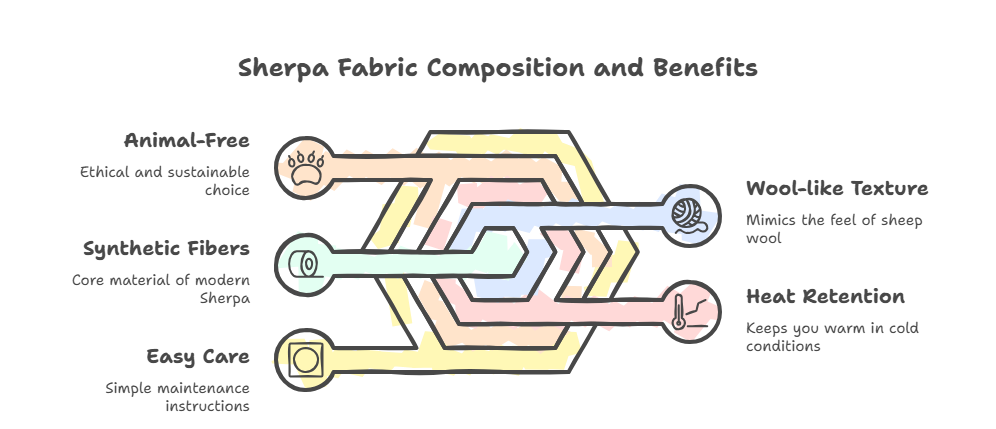
The Sherpa fabric was named after the Sherpa tribe of Nepal who were very dependent on thick sheepskin and wool for keeping themselves warm during the extreme cold in the mountains. The present-day Sherpa blankets mimic the same wool-like coziness only that it is a bit different. Modern-day Sherpa is a hundred percent synthetic and made to copy the appearance, texture, and heat retention of sheep wool by using artificial fibers.

The best part? No animals involved, no heavy weight, and no complicated care instructions. Sherpa delivers the cozy experience without the “dry-clean only” stress.

The Simple Answer: What Are Sherpa Blankets Made Of?

Sherpa blankets predominantly consist of synthetic fibers like polyester or acrylic. They can be created using either single or double fibers. The textures of these materials have been developed to imitate the natural wool’s plush, curled texture to be gentle, lightweight, and machine-washable, hence their popularity.

Polyester — The Backbone of Sherpa Fabric

Polyester is the most commonly used material in Sherpa. It’s durable, exceptionally soft, and naturally insulating. The fibers are processed in a way that helps them form tiny curls and air pockets—essential for trapping heat. Think of it as a tiny army of fibers working full-time to keep you warm.

Acrylic — The Warmth Enhancer

Acrylic may be utilized by itself or combined with polyester. It imparts a bit of warmth, has great softness and is non-allergenic. Acrylic Sherpa is suitable for those who prefer the feel of wool but do not want any reactions associated with it.

Dual-Material Construction

In case of Sherpa, the top side is soft and curly while the opposite side is generally composed of another soft material, for instance, flannel, microfiber or smooth fleece. This double layer structure provides the advantages of both sides: one side has a soft texture like a cloud and the other side has a shiny, silky touch.

And no, you’re not imagining it—this is why Sherpa blankets feel “double cozy.”

How Sherpa Blankets Are Made: The Science of Softness

Sherpa is created through a knitting and brushing process designed to mimic sheepskin.

  • One side becomes smooth and fleece-like.
  • The other side is brushed and textured to form fluffy curls that look like wool.
  • The fibres are intentionally spaced to allow breathability while still retaining heat.

In short, Sherpa fabric traps warmth efficiently but doesn’t suffocate you—kind of like a warm hug from someone who respects your personal space.

Sherpa vs. Fleece: Aren’t They the Same Thing?

Sherpa is actually a type of fleece, but with its own unique personality.

Sherpa

  • Wool-like texture
  • Thicker and warmer
  • Fluffy, curly side that feels like sheep wool
  • Ideal for deep winter comfort

Traditional Fleece

  • Smooth texture
  • Lightweight and breathable
  • Often used in jackets, hoodies, and lighter blankets

Think of fleece as the everyday cozy companion and Sherpa as the luxurious winter superstar.

Why Sherpa Blankets Are So Warm

Sherpa fibers make thousands of tiny air pockets that hold body heat. The curly pile looks like wool, which is a natural insulator. Moreover, the fabric is still breathable, hence you are warm but not sweaty.

The warmth-to-weight ratio of Sherpa is incredible. You can enjoy the heavy comfort without the heaviness of the blanket, which is a great advantage if you are a restless sleeper or just don’t want to feel like you are fighting with a big mattress.

Other Benefits of Sherpa Blankets

1. Incredibly Soft

Sherpa feels like you’re wrapped in a cloud that went to finishing school—soft, elegant, and well-behaved.

2. Hypoallergenic

No wool, no lanolin, no itchiness. Just soft fibers suitable for everyone.

3. Easy to Maintain

Machine washable, quick-drying, and no shrinkage.

(Just avoid high heat unless you want your blanket to suddenly adopt a “minimalist” size.)

4. Long-Lasting Quality

Synthetic fibers resist fading, stretching, and pilling.

5. Budget-Friendly

True sheepskin is expensive. Sherpa gives you the same cozy feel at a much friendlier price point.

Final Thoughts

Sherpa blankets embody the peak of comfort, warmth, and softness as well as usefulness. They consist of synthetic fibers, either polyester or acrylic, or a combination of both, but still, they give the sumptuous comfort of wool without the hassle of caring for real wool. Whenever you are ready for a movie, getting your bed ready for winter or just craving a soft and warm blanket after a long day, then among the coziest companions Sherpa blankets are the best ones to choose.

About PeachFur Fleece — Your Trusted Source for Fleece Blankets Wholesale

PeachFur Fleece, the company’s name itself indicates the naturally soft and mellow quality of fleece fabric, has been a renowned and trusted source for the fleece blankets wholesale for more than 21 years. We deal only with all fleece products, ranging from throw blankets and baby blankets to embroidered jackets and custom promotional items. Our fleece is non-pilling, ultra-soft, and available in an extensive array of colors and sizes.

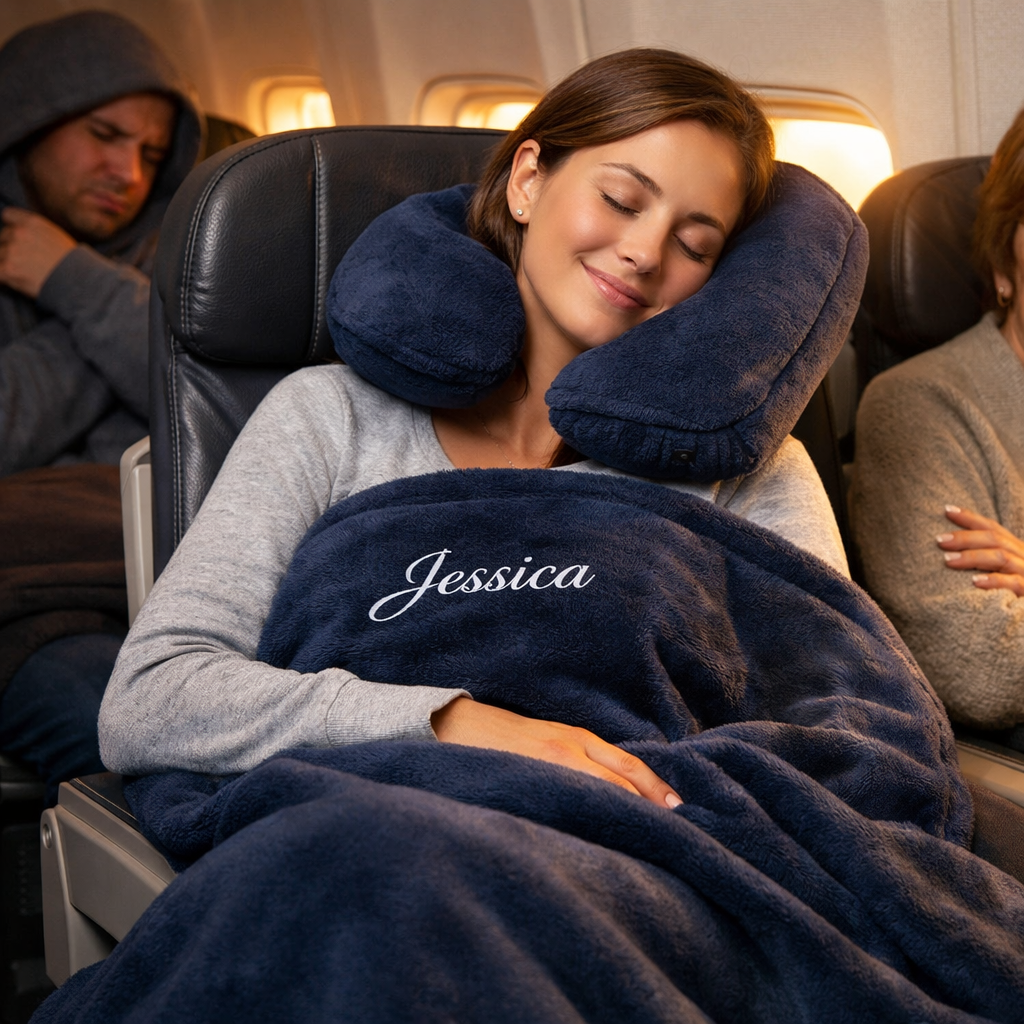
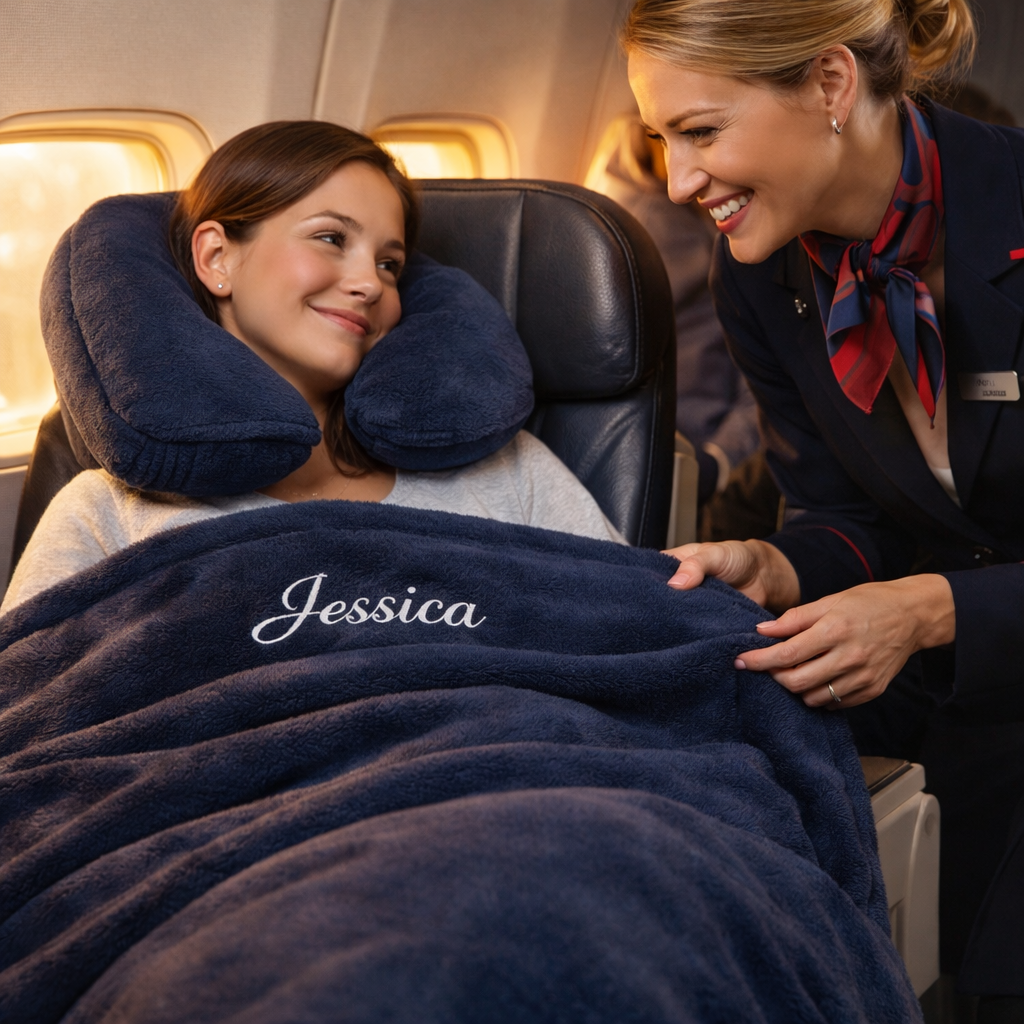
We additionally provide our state-of-the-art Travel pillow, patented travel pillow and fleece blanket combo, which is great for flying, traveling by car, and even daily relaxation. Quality and customer service are the core of PeachFur Fleece’s business.

What Is Anti-Pill?

14 Nov

If you ever happened to purchase any new hoodie or blanket or winter jacket and had to see it gradually covered with tiny fuzzy balls, then you have come across the annoying phenomenon that is called “pilling.” It creates the effect of even the best fleece looking older than it actually is — as if your warm blanket had gone through five years of winter in just one. This gives rise to a common question that many people ask: what is anti-pill and why is it so important in winter clothing and fleece products?

We will analyze the functioning of anti-pill technology, its importance and how it contributes to the new, soft, and gorgeous look of your favorite comfortable items for a longer time.

What Does Anti-Pill Mean?

Before we talk about solutions, let’s define the problem.

Pilling happens when loose fibres break away from the fabric’s surface and tangle into little balls. These pills show up most often in places where friction occurs — underarms, sleeves, edges of blankets, or anywhere your clothing rubs against itself or something else.

Now, anti-pill simply describes fabrics that are created or treated to resist those fuzzy little Fiber balls. In other words, anti-pill technology helps your fleece stay looking new instead of slowly transforming into a lint-covered creature.

Why Does Regular Fleece Pill So Easily?

Fleece is a delightful and soft synthetic fabric that is deliberately made to look and feel like wool. It is heat-retaining, cost-effective, and greatly comfortable to wear, but at the same time, it does not resist pilling due to the process of brushing the fibers to yield that soft and plush top layer.

When those fibers loosen due to friction, they begin to curl and form pills. Regular fleece is particularly vulnerable because the fibers can separate more easily.

Anti-pill fleece exists to eliminate this issue and let your winterwear stay smooth instead of scruffy.

The Science Behind Anti-Pill Fabric

You might be asking yourself: What is the mechanism of anti-pill fleece that stops pilling? The answer is in a combination of fiber engineering, surface treatments, and intelligent weaving techniques.

1. Tightly Woven Fibers

The fabric that goes by the name anti-pill fleece is usually made from polyester fibers that have been woven very closely. In the case of tightly packed fibers, they are less likely to break off and join together again.

2. Special Anti-Pill Treatments

Manufacturers often apply a finishing treatment that coats the fibers, making them more resistant to friction.

Think of it as adding a protective layer — like a shield but much softer.

3. Single- or Double-Sided Protection

Some fleece materials are subjected to finishing on one side, while the finest ones get a treatment on both sides. One-sided treatment is suitable for clothing, while two-sided is perfect for blankets and coats. The final product? A soft, durable fabric that remains good-looking even after many washes.

What Is Anti-Pill Fleece?

Anti-pill fleece is a kind of fleece that is invented with the special engineering to prolong its pill-free period further than normal fleece, keeping its soft and smooth surface even after numerous washings, rubbing, or daily use. The fabric that is made mostly of strong polyester fibers, has a resistance to surface wear and great durability during the cold seasons, keeping a clean and fresh look without developing rough patches or thinning over time.

Simply put, it is the kind of fleece that looks and feels fantastic regardless of what little life or laundry throws at it.

How Anti-Pill Fleece Performs Over Time

The distinction between conventional fleece and anti-pill fleece becomes increasingly apparent with usage. Regular fleece has a tendency to get tired easily, revealing uneven places and gathering pills almost in all the areas where there is friction.

Anti-pill fleece, on the other hand:

  • Keeps a smooth appearance
  • Stays soft and plush
  • Maintains its color and texture better
  • Survives many more wash cycles

And while this isn’t a competition, anti-pill fleece definitely ages more gracefully than standard fleece.

Benefits of Anti-Pill Fabrics in Winter Wear

1. Long-Lasting Appearance

Anti-pill fabrics continue looking fresh even if you wear them every day through the winter season.

2. Comfort That Doesn’t Decline

Pills make fleece feel rough. Anti-pill technology prevents that, keeping the fabric soft against your skin.

3. Low-Maintenance and Easy to Wash

Most anti-pill fleece is machine washable, quick-drying, and resistant to color fading.

Your laundry routine won’t need a PhD in textile science — thankfully.

4. Perfect for High-Wear Clothing

Think jackets, hoodies, joggers, children’s clothes, and pet blankets.

Anywhere friction occurs, anti-pill technology shines.

How to Identify High-Quality Anti-Pill Fleece

Identifying high-quality anti-pill fleece starts with checking the product label for terms like “anti-pill,” “no-pill,” or “pill-resistant,” which indicate added protection against surface wear. A close look at the texture can also reveal a lot — premium anti-pill fleece will feel smooth, even, and uniform rather than fuzzy or uneven.

If you’re shopping in person, gently rubbing a small section between your fingers is an easy way to test durability; well-made fleece will stay smooth, while lower-quality fabric may begin to show early signs of fuzzing. It also helps to consider the fabric’s weight and weave, as a higher GSM (grams per square meter) often signals a denser, more durable fleece that will maintain its appearance over time.

Your Trusted Source for Fleece Blankets Wholesale

If you want anti-pill fleece products that stay soft, smooth, and durable, PeachFur Fleece is proud to offer some of the highest-quality fleece blankets wholesale in the market. Our blankets, jackets, baby fleece, and custom-embroidered products are used by charities, retailers, resorts, hospitals, and businesses nationwide.

Whether you’re buying for an event, organization, or your own product line, we deliver reliable craftsmanship, beautiful colors, and exceptional customer service.

What Fabric Are Blankets Made Of?

14 Nov

If you have ever strolled through a home décor section or endlessly online searched for a perfect blanket, you might have spotted one thing: there are more fabrics than one could ever imagine when it comes to blankets. Cotton, fleece, wool, bamboo, microfiber, cashmere — that’s enough for one simple purchase to be turned into a research project.

Thus, it is not surprising that people often ask what fabric are blankets made of, hoping to get a simple answer. We will present the most frequently used blanket materials in this guide, in detail showing the feel, performance, and behaviour of each and eventually settling on the right one for each season and comfort preference.

Let’s unwrap the world of blanket fabrics — without putting you to sleep in the process the blanket can handle that part later.

Why Blanket Fabric Matters More Than You Think

Before getting to the individual materials, it is vital to grasp first the value of the understanding of the fabric’s importance in the blanket case. The feeling of the blanket, to the extent of being soft, fluffy, smooth, or cozy, is solely dependent on the fabric. In addition to that, it contributes to the characteristics of warmth, breathability, and comfort. Wool and fleece are superb in heat trapping while cotton and bamboo provide a cooler airflow.

Polyester is durable and can last through a series of washes while silk will require delicate care. For people with sensitive skin, the best option is usually the use of natural fibers. In a nutshell, the selection of the fabric will affect the comfort, lifespan, and usefulness of a blanket directly.

Natural Fabrics Used in Blankets

1. Cotton

Cotton is one of the materials used most often for blankets. In addition to being breathable, soft, and light, cotton blankets are also very suitable for summer use or warm weather. Even the most sensitive skin can be comfortable with cotton blankets as they are gentle, hypoallergenic and can be easily cleaned.

2. Wool

Wool has become the foremost material when it comes to heat retention and insulation. That is why it is considered the best in cold regions. Wool can be a little heavy for some people, however its temperature control feature is top class. In case you want a blanket that is very good at dealing with winter, then wool will not let you down.

3. Bamboo

Bamboo blankets are among the softest, most environmentally friendly, and most breathable ones. They are the first choice for baby blankets and bedding in hot weather. Bamboo’s natural moisture-wicking capability is a perfect mate for the summer season.

4. Silk

The luxury, smoothness, and elegance of silk blankets are hard to resist. Their weight is almost non-existing, strength is remarkable, and they are also very good at regulating body temperature naturally. Therefore, people using them for layering blankets are usually those who like to feel upscale, just like in a hotel at home.

Synthetic Fabrics Used in Blankets

1. Polyester

Polyester is among the most widely used synthetic materials for blankets. It possesses many favorable characteristics such as longevity, convenience in washing, resistance to wrinkling, and it is offered in a myriad of textures. The range of polyester blankets goes from fleece, through plush, to microfiber, thus providing almost all the comfort categories.

2. Fleece

Fleece, which is made from polyester, is a soft and fluffy fabric. Fleece blankets are known as the best winter companions because of their great heat-retaining property without being heavy. They are warm, insulating, and comfy—like a warm smile that you can really feel wrapping around you.

3. Acrylic

Acrylic blankets mimic wool but are lighter, more affordable, and easier to care for. They’re warm without being heavy, making them perfect for people who want wool-like comfort without the higher cost.

4. Microfiber

Microfiber blankets are smooth, soft, and durable. Their tightly woven fibers make them resistant to shrinking and wrinkling. They’re great for everyday use or for people who prefer a sleek, lightweight feel.

5. Minky & Plush Fabrics

Minky blankets are ultra-soft and velvety, often used in baby products or luxury throws. They’re incredibly cozy — the kind of blanket that makes you want to cancel your plans and stay on the couch.

How Fabric Influences Blanket Performance

Choosing the right blanket fabric depends on several factors:

  • Warmth: Wool, fleece, and cashmere provide the most insulation
  • Breathability: Cotton, bamboo, and rayon excel at airflow
  • Lightweight comfort: Microfiber, silk, and bamboo
  • High durability: Polyester and acrylic
  • Softest feel: Cashmere, minky, plush fleece, and high-quality microfiber

Understanding what fabric are blankets made of helps you pick the perfect material for your needs — whether you prefer cloud-like softness, winter-ready warmth, or summer-friendly coolness.

Matching Fabric to Blanket Type

There are various kinds of blankets that differ depending on the materials used, and finding the perfect couple will give you both the desirable qualities of comfort and functionality. The popularity of blankets made out of cotton or polyester with warm down or down-alternative fillings can be hardly beaten.

Usually, a weighted blanket is consisting of a soft and durable filling that is either cotton or microfiber. It is possible to use wool, cashmere, and fleece as great insulators for winter while bamboo, cotton, and rayon are the best choices for light summer blankets.

Final Thoughts

Blankets will look familiar at first, but the resulting material from the manufacturing process will have a great impact on the blankets’ feel, performance, and life span. It is easy to know which blanket to pick – if you need the one that lets air through in summer, gives warmth in winter, or is soft for daily use, just go for it. All fabrics have their own benefits; thus, the “best” blanket is only the one that fits your comfort, climate, and lifestyle perfectly.

About Fleece Blankets

Fleece is one of the most popular materials for blankets, and it is widely used due to its warmth, softness, durability, and comfort throughout the year. PeachFur Fleece is your partner if you are searching for first-class fleece blankets or if you want to buy fleece blankets in bulk.

We have more than 21 years of experience in the production of premium fleece goods, thus we offer incredible quality, customization possibilities, and committed support for businesses, events, charities, and organizations of any size.

How Much Do Tie Blankets Cost

14 Nov

One of the most frequent topics among the inquiries of the people is the issue of tie blankets — especially before someone embarks on a DIY project — the question being how much do tie blankets cost? More often than not, the question is framed, “What is the price of the tie blankets?”

These products are very popular with the crafting community, the comfort-loving homebodies, and the people who just want a warm and custom-made blanket. They can be spotted at craft fairs, online auctions, or in DIY instructions — no matter where they are, tie blankets will still be noticed for their uncomplicatedness, charm, and great comfort.

Understanding what tie blankets are, what distinguishes them from regular blankets, and the reasons that prices can fluctuate to such an extent will help us in answering that question. Let’s examine closely the situation.

What Is a Tie Blanket?

A tie blanket is a kind of blanket created by tying knots at the edges of two layers of fabric, generally fleece. It requires no sewing, no machines and no hard steps. Just slice, knot and then enjoy the pleasure of having made a blanket without the pain of pricking your finger with a sewing needle (which is great for everyone).

The edges have been cut into strips, and each of them has been tied to the corresponding strip on the other layer. This process has led to the creation of a fluffy and decorative border that is indeed the blanket’s main characteristic of being handmade.

How Tie Blankets Are Made

While designs may vary, the basic structure is:

  1. Two fleece pieces cut to the same size
  2. Edges trimmed into fringes
  3. Strips tied into double knots

That’s it—simple, unprofessional-friendly, and ideal for everybody who desires a cozy blanket without the concern of thread tension, bobbins, or any of the magical sorcery of sewing.

What Makes Tie Blankets Different from Other Blankets?

1. The No-Sew Design

Tie blankets, different from the usual ones with stitching, hemming, or quilting, are made only with knotted edges. The method gives them a warm and handcrafted appearance which is highly liked for presents, children’s rooms, and custom-made collections.

2. Double-Layer Warmth

Tie blankets are composed of two complete layers of fabric, which makes them thicker than most commercial throws. The heat is retained between the layers, which makes tie blankets perfect for cold nights, camping, traveling by car, and the nights when for no apparent reason your room feels like the North Pole.

3. Highly Customizable

Tie blankets are often more personal than regular blankets. People mix patterns, combine prints with solids, use themed designs, or create seasonal looks. Sports teams, animals, florals, baby prints, cartoon themes — you name it, someone has tied it into a blanket.

This level of customization is one of the biggest reasons tie blankets remain so popular.

Tie blankets are appreciated because of their adaptability and heat; hence, they are preferred for the maximum comfort during the day on sofas, recliners, reading corners, or beds—their large dimensions usually provide more wrap than standard throws (and at the same time, they are preventing the classic battle for the blanket at home).

Besides, the handmade appearance is one of the factors that give the blankets their multifaceted Ness. They can be gorgeous customized gifts for various occasions such as birthdays, holidays, baby showers, dorm move-ins, and charity drives, among others. Furthermore, tie blankets are frequently chosen as family-friendly DIY projects; kids may produce them with slight supervision, so educational institutions, craft clubs, and community bodies usually prefer tie blankets for the imaginative.

How Much Do Tie Blankets Cost? (Detailed Price Breakdown)

Now let’s get to the question everyone wants answered: how much do tie blankets cost?

The prices are different based on the shopping destination, the type of materials, the blanket size, and whether it is a handmade one or a mass-produced one. A vivid detailed explanation according to the present online listings and common marketplaces follows after this.

Budget-Friendly Tie Blankets (Under ₹1,000)

Some basic tie-dye throws and lightweight tie-style blankets fall in this price bracket. Examples include:

  • Tie & Dye Throw at ₹899
  • Textured tie-dye throws with tassels around ₹950

These blankets are usually smaller, lighter, and made from cotton tie-dye fabric rather than full fleece.

Mid-Range Tie Blankets (₹1,000–₹2,000)

This is the range where many standard tie-dye blankets and cotton throws fall:

  • Double bed tie-dye blankets for ₹1,299
  • Cotton tie-dye throws for ₹1,373 (with free delivery from some sellers)

These blankets often come in larger sizes and use thicker materials.

Premium Handmade Tie Blankets (₹5,000–₹7,500+)

Handmade tie blankets made from premium fleece, reversible designs, or designer prints typically fall here:

  • Super soft reversible tie blankets at ₹5,104
  • Handmade boutique tie-dye blankets at ₹6,900
  • High-end multicolour tie blankets priced around ₹7,600

These blankets cost more because they’re handcrafted, use higher-quality fleece, and come from artisan or boutique sellers.

Why Prices Vary So Much

The price of a blanket depends on many factors, among which is the fabric used (fleece, cotton, or premium designer material), the blanket size, whether it is handmade or mass-produced, and the brand’s reputation behind it. Generally, fleece tie blankets cost more than cotton tie-dye throws because they consume thicker, quality material and more fabric to get their main double-layered warmth which is very soft.

Should You Buy or Make a Tie Blanket?

A tie blanket is the perfect solution for those who like a neat and uniform look and want to feel the premium quality without the hassle of making one. It is a good choice for busy people who do not want to spend time on DIY projects or just want to have access to professional designer crafts that are sleek and can be used immediately after unpacking.

Final Thoughts

Tie blankets continue to be popular because they blend warmth, creativity, and simplicity in one package. Whether you want to make one yourself or buy a ready-made version, knowing how much do tie blankets cost helps you understand the value behind each option — from budget-friendly cotton throws to premium handmade fleece blankets.

Their no-sew design, thick double layers, and cozy feel make tie blankets a favorite for homes, gifts, and chilly evenings where comfort is the only goal.

About Us

Peach Fur Fleece recognizes the significance of a good blanket as a source of comfort. We offer an extensive range of pre-made and custom tie blankets made from fleece of the highest quality and long-lasting performance, whether you want to make your own or buy them. So, if you are looking for fleece blankets wholesale that won’t let you down, you will receive superior craftsmanship, prompt delivery, and personalization from us to ensure you get the right product.